Amber and Rye by Zuza Zak

Amber and Rye
What’s the USP? Touching on the cuisines of Estonia, Latvia and Lithuania, Amber & Rye seeks to open up the food of the Baltic nations to chumps like you and me, who are frequently a little embarrassed by how little we know about the area.

Who wrote it? Zuza Zak is something of an expert is Eastern European cooking. Her first book, Polska, was something of a hit in 2016 and explored the food of Poland, where she spent the first 18 years of her life. Now she’s back looking at the foods of the three states that border the Baltic Sea to the north.

Incidentally, and perhaps unsurprisingly given her early life in Communist Poland and close ties across the region, Zak is one of the many prominent voices in the food industry speaking out about Ukraine, and Russia’s illegal war on the nation. Like fellow food writer Olia Hercules (@oliahercules), her Instagram (@zuzazakcooks) is currently a great source of valuable resources as well as celebrations of Ukraine’s rich food traditions.

Is it good bedtime reading? Zak is a self-described ‘storyteller cook’, which sounds impractical to a ‘podcast-listening cook’ like myself. But sure, whatever floats your boat. It does mean that the book has a touch more to read than most cookbooks – though I’d have been interested to discover even more than offered here.

As well as brief chapter introductions and slightly more substantial lead-ins to each recipe, the book has an extended opening chapter exploring Zak’s own history and experiences with the region. Best of all are five sections offering short food-led looks at five of the major cities across the three nations.

How annoyingly vague are the recipes? No complaints at all. Instructions are clear and, best of all, measurements are given in both metric and imperial measurements. A book for your child, a book for your grandparents! Perfection.

Will I have trouble finding the ingredients? Like so much of the cuisines in mainland Europe, the ingredients called for are recognisable and easy to source. They lean towards the heartier end of the spectrum, which is no real surprise. So plenty of lentils, root vegetables and salt (there’s a whole chapter on the various preservation techniques of the region).

How often will I cook from the book? This may be a personal bias, but Amber & Rye strikes me as a book that will spend most of the summer gathering dust on your bookshelf before making plenty of appearances as the days draw in and we you rediscover the joys of homemade soups, or the warming hold sauerkraut has over you. There are exceptions, of course – a beetroot-loaded Springtime Millet ‘Risotto’, or a colourful Crayfish Salad From a Lithuanian Lagoon. But for the most part, this is a book for the colder months.

Killer recipes: The wild garlic is starting to emerge, so I’d be a fool to ignore either the Wild Garlic Hummus or the Fermented Wild Garlic & Buckwheat Soup. For those less inclined to forage, why not try Cepelinai Potato Dumplings with Lentils and Lovage, or the cosy Baltic Mash with Barley?

Should I buy it? Zuza Zak’s book is a well-written exploration of three nations, and is filled with comfort-heavy dishes that will keep you warm until spring becomes a little more convincing. For those looking to discover the Baltic cuisines, or just add an arsenal of flavoursome (and often quite purple) soups to their repertoire, this is a worthwhile purchase.

Cuisine: Baltic
Suitable for: Beginner and confident home cooks
Cookbook Review Rating: Four stars

Buy this book
Amber and Rye by Zuza Zak
£26, Murdoch Books

Review written by Stephen Rötzsch Thomas a Nottingham-based writer. Follow him on Twitter and Instagram at @srotzschthomas

This book was longlisted for the Andre Simon Award 2021. Read more here.

andre simon logo

Tarkari by Rohit Ghai

Tarkari by Rohit Ghai

What’s the USP? Tarkari is Bengali word that refers to any vegetable dish and  therefore a fitting title for this collection of vegetarian and vegan Indian dishes from one of the UK’s most exciting Indian chefs. 

Who is the author? Rohit Ghai is the Michelin-star winning chef of Kutir restaurant in Chelsea and Manthan in Mayfair. He was previously chef at various other highly acclaimed London destinations including Gymkhana, Jamavar, Trishna and Hoppers. Tarkari is his first book

Is it good bedtime reading? `Takari is first and foremost a recipe book, the only extras are a short introduction from Ghai and a brief chapter on ‘The Magic of Spices’ with a description of Ghai’s favoured spices and recipes for masalas, spice mixes and pastes.  

How annoyingly vague are the recipes? The recipe for aloo gobi requires ‘2 potatoes, diced’, size, weight or variety is not specified. Similarly, the other ingredients include ‘1 cauliflower’ and ‘2 tomatoes’, both of which can vary in size quite dramticaly . No doubt you can get away with your own judgement here, but the quantities of spices are quite small, two and half teaspoons in total, so you may end up with an underpowered dish if your veggies are on the large side.  This is frustrating as there are more specific recipes elsewhere in the book. For example, Courgette Mussalam requires 250g of boiled and mashed potatoes. You see, it’s not that difficult is it? And yet Tawa Salad calls for ‘100g of beetroots’ (hurrah) and ‘2 carrots’ (boo). So, yeah, a bit annoyingly vague. 

Will I have trouble finding ingredients? Starting with Ghai’s spice rack, you will probably have to resort to an online source for black moon flower (a key ingredient in his signature garam masala blend) and also amchur (dried mango powder), pomegranate powder, sambhar powder, fenugreek seeds and black cumin seeds if you don’t have a good Asian grocer near to you. I also had to order black lentils online for the rich and delicious dal makhani Kasundhi mustard may need hunting down, but pretty much everything else spice-wise should be easily obtainable. 

What’s the faff factor? To get the most out of the book, you’ll want to spend some time making Ghai’s spice blends for which you’ll need a spice blender (a very affordable addition to your kitchen batterie if you don’t already own one) or a decent sized pestle and mortar. Once you have your spice pantry sorted, the complexity of the recipes vary from a simple Chickpea and Samphire Salad or Bhuteko Bhat (Nepalese Fried Rice) to the more demanding (but still very achievable) Punjabi Samosa or Chandni Chowk Ki Aloo Tikki with its multiple elements and sub-recipes. In the main however, these are dishes that any enthusiastic home cook will be happy to tackle and feel it was worth the effort. 

How often will I cook from the book? If you love Indian food and observe a vegetarian or vegan diet then you could easily be cooking from Tarkari on a weekly basis, or even more often. If you are looking to cut down on meat, this book is full of dishes that would make excellent and delicious mid-week meals without too much effort required. 

Killer recipes: Malabar cauliflower (spicy battered and deep-fried florets); mushroom and truffle khichadi (a dish of spiced rice and lentils) ; dum aloo (potato curry); jackfruit masala; chickpea and mushroom biryani. 

Should I buy it? Covering everything from breakfasts to desserts with snacks, pickles and dips, curries, sharing plates, sides, and rice and breads in between, Tarkari is a one stop shop for vegetarian and vegan cooking. Ghai brings real flair and inspiration to the dishes making the book an essential purchase for anyone who loves Indian food or is looking for a comprehensive introduction to the vegetarian and vegan side of the cuisine.

Anyone who has had the opportunity to dine at one of Ghai’s restaurants may be disappointed that the book doesn’t include recipes for some of his sublime meat and fish dishes, but I imagine and certainly hope there will be a second volume on the horizon to cover those soon.  

Cuisine: Indian 
Suitable for: confident home cooks/professional chefs
Cookbook Review Rating: Four stars

Buy this book
Tarkari: Vegetarian and Vegan Indian Dishes with Heart and Soul
£25, Kyle Books

Truffle Hound by Rowan Jacobsen

Truffle Hound

There are few individual ingredients in the world of food as misunderstood as the truffle. Separated from large swathes of the public by virtue of its sheer expense alone, there are those who view it as a curious little marker of extreme wealth. Others still experience it only through their exposure to mid-range oil-based products: an aspirational glimpse of the true thing, seen skewed through the prism of a Pizza Express springtime menu, via chemically reproduced smells that have never met an actual tuber. 

Even those with the requisite disposable income can find themselves fooled by an industry that is built around the idea of the truffle more than the impact and effect the goods actually have on a dish. Some of the most prized truffles in the world – those marketed as Italian whites or the Périgord blacks of France are in fact shipped in from less glamorous locations simply to ensure the mystique of the truffle is preserved. 

The quest to find clarity or even just reliable information about the truffle can, at times, seem as convoluted as a forest-bound hunt for the mysterious tubers themselves. It is to Rowan Jacobsen’s credit, then, that he has produced a book that so effectively pulls back the veil on a baffling and fascinating industry. Mesmerised by the heady stench of a white Tuber magnatum he stumbles upon during dinner on a trip to Italy, Jacobsen began to explore the shadowy worlds that provide the world with their mucky little olfactory stimulants, travelling across Europe and North America to understand where the truffle industry has ventured thus far, and the promise its future holds. 

It has been, relatively speaking, a pretty good year for the truffle in culture. Last year, as cinemas reopened, I found myself absolutely enamoured by The Truffle Hunters – an unscripted, narrative-free documentary that reverentially followed the mostly elderly men who dominate the Italian truffle-hunting industry. Stubborn and occasionally treacherous in their insistence on protecting the hallowed grounds in which they hunt, this ageing group of eccentrics risk taking their secrets to their graves as they withhold all that they have learnt from the generations that will follow them in far smaller numbers. Around the same time Nicolas Cage offered up his most revered acting performance in years in Pig, an American-set drama that plays out a little like Taken, if Liam Neeson was looking for his truffle pig instead of his daughter and, also, was frankly too tired of his own existence to punch anybody.

Jacobsen’s book offers a far broader view of the industry than The Truffle Hunters’ fairly blinkered view, which touched only on a small group of individuals in Italy seeking out the Tuber magnatum and fails to even acknowledge the large amounts of this white truffle that are imported from the likes of Hungary and Croatia to fulfil the Italians’ tremendous demand. Though he meets eccentric local hunters, Jacobsen also encounters a curious mix of figures that each have their own distinct approach to truffles. In England he meets Zak Frost, a former DJ who has since made his name as tuber supplier to many of the nation’s top restaurants. In Hungary he meets the members of The Saint Ladislaus Order of Truffle Knights as well as their sworn enemy István Bagi, who has managed to exploit the nation’s strict truffle-hunting rules to his advantage. Everybody is presented with an empathetic sense of humanity that nevertheless highlights the strangely heightened world the truffle fosters.

Much time is spent championing the dogs at the heart of the hunts as well. Unlike Nic Cage, most truffle hunters prefer dogs, who are less desperately keen on the quarry and thus less likely to take off your finger as you attempt to pry it from their mouth. Jacobsen clearly is fascinated not only by the truffle dogs, but also by the different approaches their owners take to training them – in Italy they are often treated as working dogs; in the US, which is presented here as something of a New World for truffles, they are pampered and spoiled, spoken to with unashamed love. Once the main narrative of the book has rounded up, tucked between the acknowledgements and a section on recipes, Jacobsen offers an unexpected bonus chapter on an unlikely hero of America’s truffle dog championships. Told from the perspective of Gustave the chihuahua, it’s an odd little moment that nevertheless continues to celebrate the unexpected figures at the heart of the industry.

From those that hunt wild truffles Jacobsen moves on to the individuals who seek to actively cultivate truffles themselves – a practice that has been in ongoing development for hundreds of years, but has only begun to find its footings as science has begun to understand the nuances of truffle farming. From Spain, whose farms provide well of 90% of the black winter truffles passed off as French, to North American farms that defy our previous expectations for the possibilities truffle cultivation holds, Jacobsen’s travels seem to confirm two things: first, that there are truffles everywhere, if only you know how to find them and second, that if you aren’t looking for them, somebody else already is.

Ultimately, the book becomes less about the truffle itself and more about the tales of human (and animal) spirit that are rife throughout this industry. Jacobsen’s message seems to be that there is magic in the world, and with the right approach we can make a little of it our own. It’s a lovely idea for a tremendously likeable and engaging book that, had it focused in more depth on the mycorrhizal-level science could have been a much drier read that elicited far fewer out-loud laughs. Which isn’t to say that Truffle Hound doesn’t offer fascinating insight into the science of the truffle – it just always brings it back to the humans making the discoveries.

Nevertheless, this is an approach that perhaps shies away from the less charming elements of the industry. In last year’s The Truffle Hunters documentary the sheer charm of chasing eager Lagotto dogs through the woods is, at one point, brought to a sharp close as one truffle hunter loses his companion in the woods. We see him searching around his vehicle, and hear him hunting off camera. And then, in the next scene, discovers that his beloved truffle hound has been poisoned by a rival hunter. Worse still, it is the second dog that he has lost to poison in a matter of months.

Truffle Hound isn’t afraid to explore the complicated politics and economics that impact the way the truffle industry operates but, crucially, it always finds something to champion – be that the heady petroleum whiff of an as-yet unloved species of tuber, or the endeavouring spirits of those who, like their dogs, are getting dug in nose first to the truffle universe. But like a hunt for the prized goods themselves, Jacobsen could seek to dig up both the light and the dark, and it might have been interesting to have spent a moment longer lingering on those darker flavours.

Cookbook Review Rating: Four stars

Buy this book
Truffle Hound: On the Trail of the World’s Most Seductive Scent, with Dreamers, Schemers, and Some Extraordinary Dogs
£20, Bloomsbury Publishing

Review written by Stephen Rötzsch Thomas a Nottingham-based writer. Follow him on Twitter and Instagram at @srotzschthomas

This book has been longlisted for the André Simon Food and Drink Book Awards 2022. Read about the awards here.  You can read an interview with this year’s Awards Food Assessor Yemisi Aribisala here.

andre simon logo

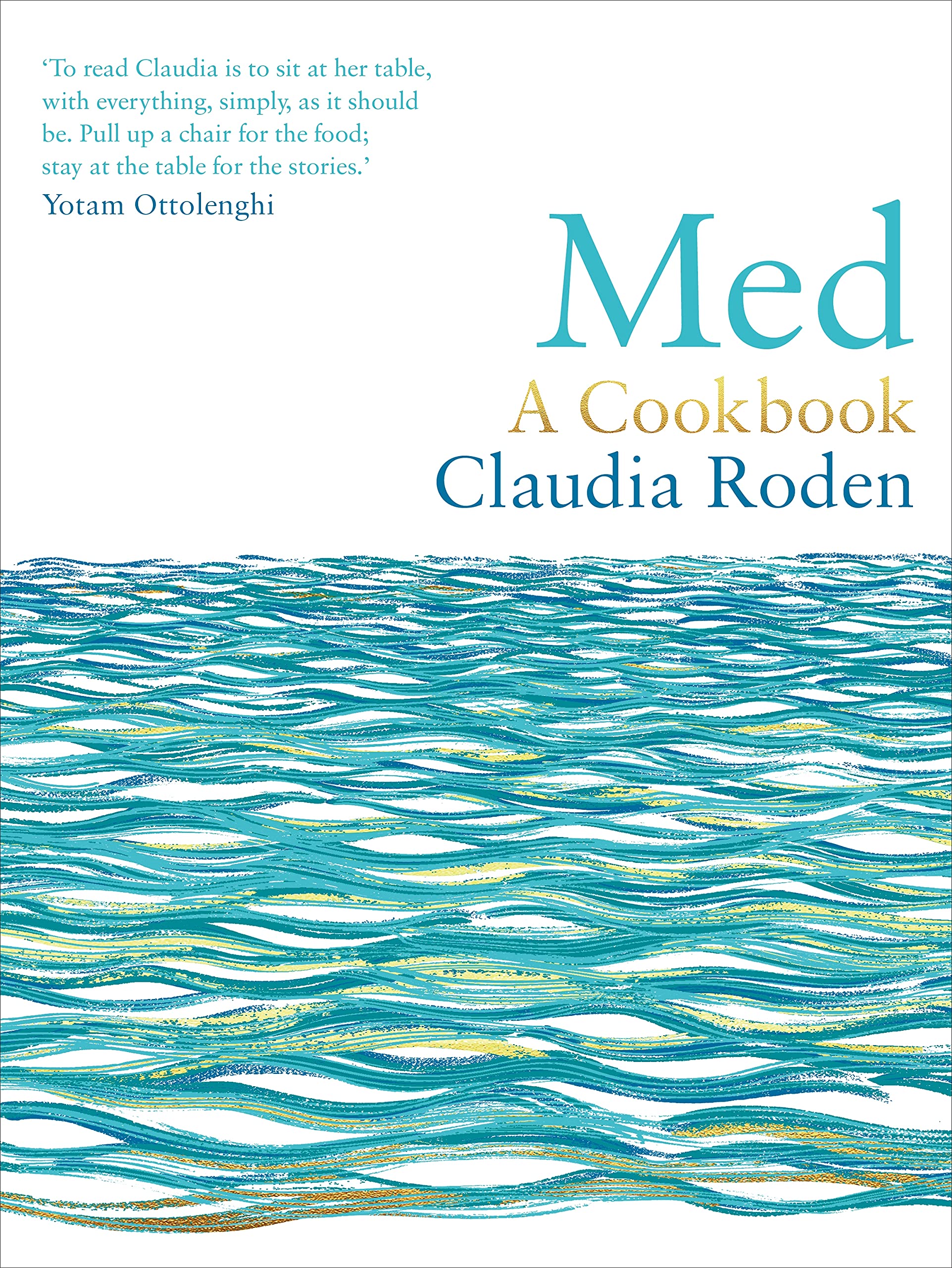
Med by Claudia Roden

Med by Claudia Roden
What’s the USP? An exploration of dishes from across the length of the Mediterranean by one of the most iconic names in food writing today, Claudia Roden. As well as being an instantly recognised figurehead of Middle Eastern cooking, Roden has previously written no less than four books on the wider Mediterranean cuisine (and another two focussing more closely on the food of Italy and Spain). So, not exactly a USP – but given that this is the octogenarian’s first book in a decade, perhaps the words ‘a cookbook from Claudia Roden’ are enough in themselves.

Is it good bedtime reading? There’s lots to enjoy here, even if Roden’s written segments won’t occupy more than an evening of light reading. Opening with a section that explores both the theme of the book and the influence Roden’s own life journey has had on her food, Med sets itself up to be both a welcome addition to the shelves of existing fans and a suitable introduction to new fans.

Deeper into the book, both chapter and recipe introductions alike offer a good balance of the practical and the personal: glimpses into Roden’s experiences shimmer alongside useful tips and ideas for ingredients that can be substituted. There has always been a very passionate cultural anthropologist Claudia Roden that looks over the shoulder of the Claudia Roden that cooks the dishes and passes them out to her family for testing, and it’s a pleasure as ever to hear the snippets of history and humanity that are commonplace throughout Med.

How annoyingly vague are the recipes? Would the grand dame of Mediterranean cooking do that to you? Roden’s recipes are clear, concise and to the point, with coherent instructions and – thanks to the popular awareness the author herself played a significant role in developing across the UK – ingredients that are widely available in supermarkets. Even ingredients like harissa and pomegranate molasses that might not have been so readily available at the time of release for her last Mediterranean cookbook in 2007 have since become staples of Tesco’s aisles.

What’s the faff factor? For the most part, Med offers up relatively simple dishes that are full of flavour. One of the elements that unites the cuisines of the broad range of nations that have the sea in common is the quality of ingredients used. Very often this means that dishes allow those ingredients to speak for themselves, and require very little alchemy from the home cook. The fifteen or so salads in the book are a perfect example of this. Roden’s instructions for the vibrant Citrus Salad with Green Leaves read closer to flower arranging than cooking, and result in an intensely tangy, fresh dish. Even the Store-Cupboard Mediterranean Salad, which calls for piquillo peppers, tinned tuna, black olives and plum tomatoes has only two sentences of actual recipe.

Elsewhere in the book, Roden is a keen champion of ready-made pastry, making even the most complex dishes a good deal more achievable. Nowhere is this more apparent than her Chicken and Onion ‘Pies’ with Moroccan Flavours, which look incredibly elaborate, but should come together with relative ease in forty-five minutes or so.

How often will I cook from the book? There are plenty of options to keep the home cook occupied here, which is bound to happen when a title can draw from the cuisines of around twenty different countries. Roden the cultural anthropologist is excellent at sharing the origins of dishes – or owning up to those few recipes that are more a collection of fine ideas than a replica of anything already in the world.

Killer recipes: Spaghetti with Prawns Provençal, Bullinada, Chicken in a Spicy Honey Sauce Buried in Vermicelli, Yoghurt Cake, Parfait Mocha Praliné

Should I buy it? The only real qualm anyone might be able to muster with Med is that there isn’t much in the book that you couldn’t already find fine versions of elsewhere – either in Roden’s own illustrious back catalogue, or amongst the pages of very many fine Mediterranean cookbooks already in print. But the recipes are consistently very tempting and offer a thorough insight into both the dishes of the sea and the way the different nations have interacted with one another over the centuries. Med will be a welcome addition to the shelves of Roden’s long-term fans, and a useful all-rounder for those who have yet to explore the wealth of flavours on offer across the Mediterranean countries.

Cuisine: Mediterranean
Suitable for: Beginner and confident home cooks
Cookbook Review Rating: Four stars

Buy this book 
Med: A Cookbook
£28, Ebury Press

Review written by Stephen Rötzsch Thomas a Nottingham-based writer. Follow him on Twitter and Instagram at @srotzschthomas

Christmas at River Cottage by Lucy Brazier and Hugh Fearnley-Whittingstall

Christmas at River Cottage by Lucy Brazier
What’s the USP? Everything you need to know in order to do Christmas the River Cottage way, which roughly translates as sustainable, organic and do-it-yourself. After reading this book you’ll be ready to start knocking up your own homemade mince pies, gifts and decs while necking copious amounts of rumtopf. That sounds like a Merry Christmas to me.

Who wrote it? Lucy Brazier is a writer and course tutor at River Cottage, Hugh Fearnley-Whittingstall’s HQ in Axminster that offers courses in cooking, gardening and artisan skills.  Hugh Fearnley-Whittingstall is a multi-award-winning writer and broadcaster and environmentalist committed to seasonal, ethically produced food. He is the author of numerous cookbooks and has fronted many TV series including River Cottage for Channel 4, the series that first brought him to the nation’s attention. His campaigning TV programmes have included Hugh’s Fish FightHugh’s War on Waste and Britain’s Fat Fight.

Is it good bedtime reading? You’ll want to get comfortably tucked up in bed with Christmas at River Cottage ideally a year ahead so you can put in to action all the advice in the ‘Planning Ahead’ chapter and begin growing your own produce and buying all the preserving kit you’ll need to make your own jams, pickles, booze, non-alcoholic drinks, syrups and cordials and fermented drinks. You’ll be in the perfect place as you’ll be exhausted just reading about all the work in store for you, never mind actually doing it. And that’s before you get to ‘Decking the Halls’ where you’ll learn how to craft your own willow Christmas wreath,  make tree decorations from dried orange and apple slices and how to make your own calendar in the ‘Advent’ chapter.

What’s the faff factor? It depends if you view the planning-ahead required to make things like red cabbage and beetroot pickle which needs to be prepared several weeks in advance, or marrow and chilli relish that needs six months to mature. But there are plenty of do-on-the-day recipes such as quick kedgeree and kale with anchovy cream that are straightforward enough.

How often will I cook from the book? If you take the homemade ethos to heart, then you may be cooking regularly from the book throughout the year making the jams, preserves and pickles in time for the big day, otherwise, it’s going to be mostly useful to you once a year.

What will I love? The book covers everything you need for a homespun festive break, from table decorations and drinks to the Christmas roast with all the trimmings and your own homemade Christmas pudding.

Killer recipes: Lentil salad with herby dressing; midwinter vegan tart; curried potato tart; beef and stout stew; mulled wine; prune and apricot stollen; Yule ham; Christmas Eve pizzas; turkey au vin.

Should I buy it? If you’re no longer satisfied with store-bought decorations and a turkey breast joint from Iceland and you want to get seriously hands-on with Christmas preparations all year round, then this is an essential purchase. Even for the less dedicated, there’s plenty of inspiration to make your Christmas a bit more special and personalised than it might usually be.

Cuisine: British
Suitable for: Beginner and confident home cooks
Cookbook Review Rating: Four stars

Buy this book
Christmas at River Cottage
£22, Bloomsbury Publishing

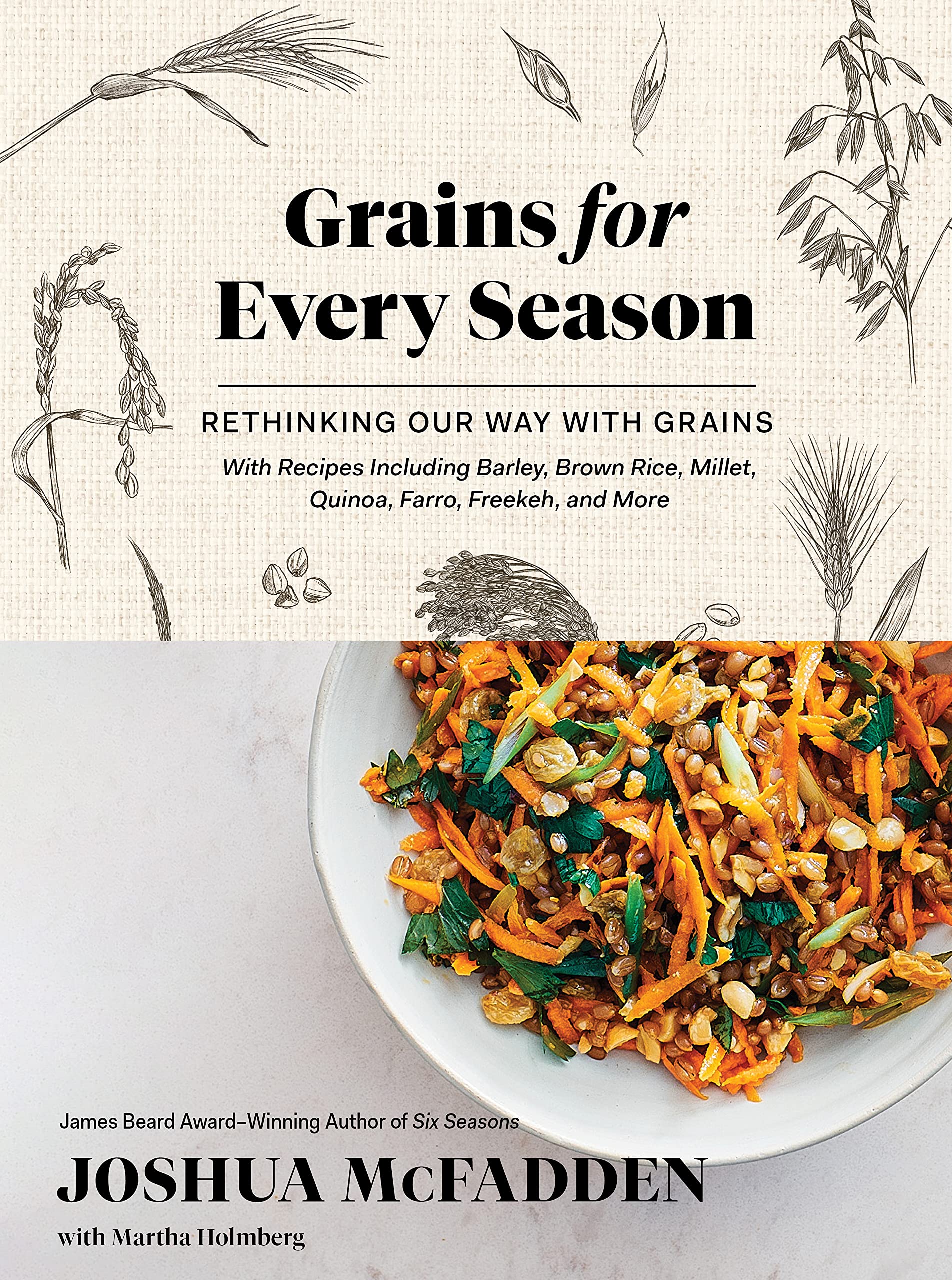
Grains for Every Season by Joshua McFadden with Martha Holmberg

Grains for every season by Joshua McFadden
What’s the USP? Intensely nutritious but often overlooked by home cooks who are uncertain how best to cook with them, whole grains have a lot to offer. Grains for Every Season looks to open their world up to the reader, offering a wealth of different dishes that span familiar grains like barley and quinoa, as well as less common offerings such as millet and buckwheat.

Who wrote it? The James Beard Award-winning pair Joshua McFadden and Martha Holmberg. Their last book (McFadden’s first) was the critically-acclaimed Six Seasons, which offered ‘a new way with vegetables’ – here the pair are determined to give whole grains their due instead, highlighting their desire to put flavour first at every point. The rich nutritional value of their ingredients are highlighted, but frequently seem to be considered no more than a convenient bonus, which is frankly rather nice. Earlier this year Hugh Fearnley-Whittingstall’s solid Eat Better Forever spent entire chapters unpacking the health benefits for using whole grains, but the recipes themselves were less than inspired. McFadden’s book is packed with variety and flavour, whilst also teaching the reader enough about each grain to help them incorporate the food better into their own dishes.

Is it good bedtime reading? Not particularly – the introduction aside, Grains for Every Season isn’t packed with prose. Each grain has a very useful but relatively brief introductory page that covers how it tastes, how it should be prepared, how it is good for you, and why McFadden is such a fan. The recipes themselves are given a brief explanation, but insomniacs aren’t going to find much to occupy them here.

But then, that’s not why we’re here – Grains for Every Season isn’t intended as a grand tome laying out food philosophies. Instead, McFadden and Holmberg are simply keen to make cooking with grains a good deal less intimidating for the average person. And they excel at doing this.

The recipes manage to hit all the homely, comforting notes you’d expect. A Lightly Curried Lamb, Cabbage, and Barley Soup offers exactly the warmth a reader might anticipate, but includes an inspired extra little punch of flavour. This is McFadden’s flavour-first approach peeking through, and over the course of the book these little touches appear time and again, lifting the grains and presenting them anew.

How annoyingly vague are the recipes? Clarity is always welcome in a cookbook, and the recipes here are thorough and specific – though this can occasionally result in a rather wordy page within which your place can easily be lost as you step away from the book to your prep and back again. Ingredients are listed with both US and metric measurements, and rarely ask for anything too difficult to source. Your biggest sourcing issue if based outside of the US will be kosher salt, though I’ve been buying it in bulk from online retailers ever since Samin Nosrat more or less insisted upon me doing so in Salt Fat Acid Heat.

What’s the faff factor? Try as they might, the authors cannot wholly expel the effort necessary to fully enjoy many of these grains. McFadden champions toasting his grains regularly throughout the book, though he does make an effort to save the reader some time by revealing that he doesn’t tend to soak grains before cooking, finding that the time saved in cooking doesn’t warrant the forward planning. Nevertheless, dishes call for all sorts of different preparatory methods, and some of these can be quite time consuming. Salads are usually a relatively quick dish to knock together, but the Rye Berry and Roasted Cauliflower Salad will take almost two hours to prepare if you haven’t already got some cooked rye berries sitting somewhere in the house.

How often will I cook from the book? There’s plenty of argument for this being a book that finds its way down from your shelf at least once a week. Knowing the many health benefits from eating more whole foods, it’s hard to ignore the value of a cookbook that presents so many varied, flavoursome approaches to cooking grains. There are simple, easy-to-cook ideas that will suit weeknights (Whole Wheat Pasta with Crab, Cream, Olives and Habanero could be readily pulled together in the time it takes to cook the pasta, and is a perfect example of the unexpected-yet-inspired flavour combinations that run throughout the book), and more elaborate dishes that will better suit a leisurely Sunday afternoon, in which you can spare three or so hours in which to simmer the beef for your Beef and Swiss Chard Soup with Spelt.

What will I love? The four seasonal spreads tucked throughout the book are a particular treat. Each one introduces a different dish: pilaf, grain bowls, stir fries and pizza. Presenting a simple method and offering up seasonal adaptations, these spreads are bright moments in an already excellent book.

Killer recipes: Seafood Stew with Hominy and Warm Spices, Super Fudgy Chocolate Oat Layer Cake with Chocolate Oat Milk Frosting, Farotto (a risotto-esque dish that uses farro in place of the rice and comes with several variations), Toasted Rye Cabbage Rolls

Should I buy it? Grains for Every Season is a beautifully written, carefully considered cookbook that is filled with originality and, importantly, flavour. But it is also something far more useful: an accessible and above all else tempting introduction to cooking with one of our most underused sources of nutrition. Anybody keen to explore whole grains in earnest should consider Grains for Every Season their first port of call.

Cuisine: International
Suitable for: Beginner and confident home cooks
Cookbook Review Rating: Four stars

Buy this book
Grains for Every Season: Rethinking Our Way with Grains
£32, Artisan Division of Workman Publishing

Review written by Stephen Rötzsch Thomas a Nottingham-based writer. Follow him on Twitter and Instagram at @srotzschthomas

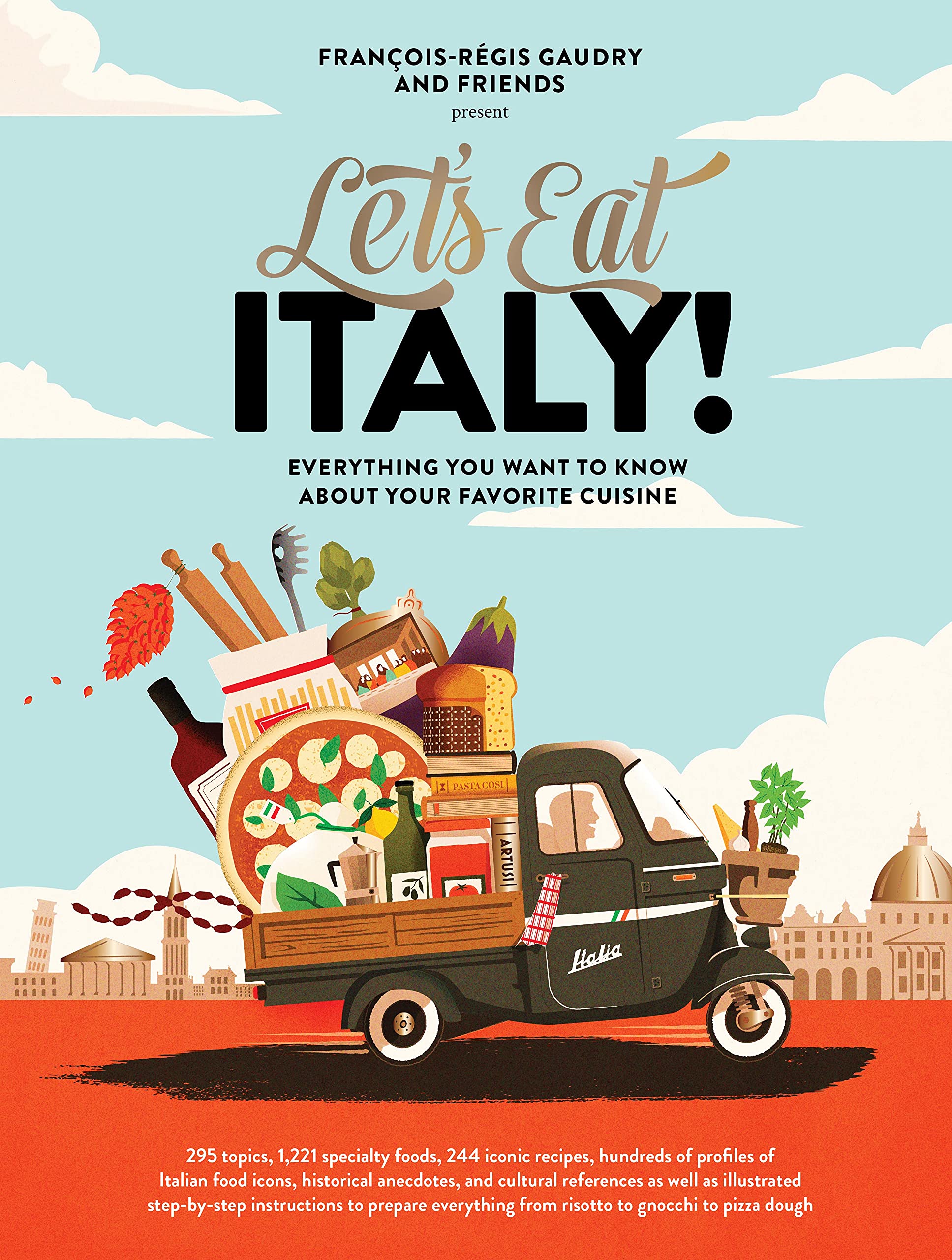
Let’s Eat Italy by François-Régis Gaudry and Friends

Lets Eat Italy
What’s the USP? A deep dive on Italian food culture in an ‘oversized, obsessively complete, visual feast of a book’. And the marketing folk at publisher Artisan really do mean over-sized. This is the sort of coffee table book that might be better suited to artful placement on a picnic bench. Never mind doorstop tomes, this book is the size of an actual door. You get the idea: woe betide anyone looking to fit this onto an Ikea bookshelf.

Who wrote it? Credited to ‘François-Régis Gaudry and friends’, this is a collaborative effort from the team behind 2018’s similarly massive Let’s Eat France. A popular restaurant critic across the Channel, Gaudry has compiled a team that includes well over seventy contributors, including pieces by regulars from his radio show On va deguster.

Is it good bedtime reading? In so many ways, Let’s Eat Italy is perfect bedtime reading – each section offers a stand-alone deep dive into a single facet of Italian cooking. They are beautifully designed, as indebted to a Wes Andersonian sense of style as they are Italy’s own innate relationship with design. It makes for a book that one can pore over, page by page, or simply dip into as they like.

There are in-depth looks at different ingredients, from a ‘Spotlight on Capers’ to sumptuous photographic spreads on artichokes, Italian citrus fruits, tomatoes and more. Perhaps you are more interested in exploring the terroir of the nation’s cuisine, exploring the impact Venice’s lagoon has on its food. There are, of course, plenty of recipes too – regional specialties uncovered and offered up for home cooks to discover on their own turf.

All told, it’s rare to open Let’s Eat Italy and not find yourself at least briefly enamoured by its contents. Amongst the three hundred or so topics there are remarkably few duds – an occasional look at Italian food in American pop culture sheds no new light, but elsewhere even those sections without any immediate obvious use (charts of native cattle breeds) or beautiful enough to distract the reader for a moment.

The only real problem, then, is the sheer size of it, which simultaneously renders it readable only on a large table, or propped up on one’s knees whilst sitting on the sofa. But equally with the design so lovingly attended to, it’d be a crime to print it any smaller than it already is.

How good is it as a cookbook? Oh, absolutely useless. The recipes are tempting, sure – but who has room on their counter for a cookbook the size of a tabloid newspaper? I have enough difficulty sourcing real estate for the toaster. Recipes also tend to form only a small percentage of the page they are on, with the vibrant photography and elaborate histories of each dish taking priority to Gaudry and his pals. Better, then, to explore the dishes that tempt you most and then seek them out elsewhere – a decent Italian cookbook like Anna Del Conte’s Gastronomy of Italy or, more recently, Rachel Roddy’s A to Z of Pasta will cover most of the bases here.

Should I buy it? Let’s Eat Italy is surplus to almost any cook’s actual needs – but then, that’s also true of all the best cookbooks. This is a luxury, to be treasured and perhaps even revered a little. The sort of book that sits in a home like an alternative religious text – an illustrated Bible of Italian food culture that will have as many devotees as it does naysayers. But here’s the kicker: the real Bible doesn’t have a three page illustrated spread dedicated to salumi.

Cuisine: Italian
Suitable for: Beginner and confident home cooks, and hungry folk who have no intention of cooking but do fancy lusting over authentic local specialties.
Cookbook Review Rating: Four stars

Buy this book
Let’s Eat Italy!: Everything You Want to Know About Your Favorite Cuisine
£45, Artisan Division of Workman Publishing

Review written by Stephen Rötzsch Thomas a Nottingham-based writer. Follow him on Twitter and Instagram at @srotzschthomas

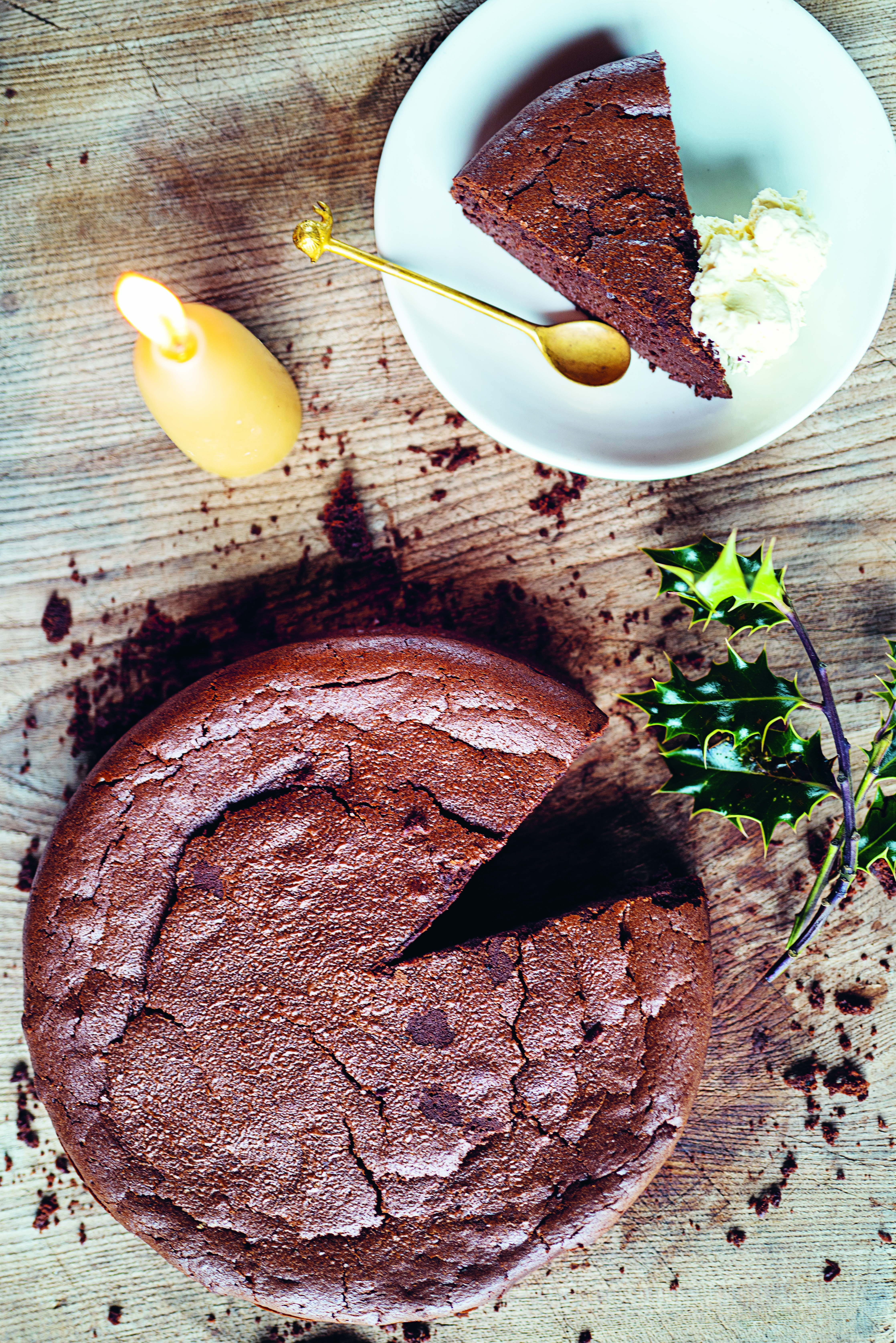
Chestnut and Chocolate Cake by Hugh Fearnley-Whittingstall

Chesnut and Chocolate Cake
This is one of my family’s favourite chocolate ‘pudding’ cakes, and I make it at least once every Christmas (and not infrequently for birthdays and other celebrations too). It’s delectably tender, fudgy and chocolatey, and not too sweet or over-rich. You can serve it warm from the oven, with a dollop of whipped cream or ice cream, but it’s also good made a day or two ahead and served cold or at room temperature.

Serves 10–12
250g peeled cooked chestnuts (vacuum-packed or tinned are fine)
250ml milk
250g dark chocolate (at least 70% cocoa solids), broken up
250g unsalted butter, roughly cut up
4 medium eggs, separated
100g caster sugar

You will also need:
A 25cm springform cake tin

Preheat the oven to 170°C/Fan 150°C/Gas 3, and grease and line your 25cm springform cake tin.

Put the chestnuts and milk into a pan and heat until just boiling. Take off the heat and mash well with a potato masher – you are aiming for a creamy purée, with just a few crumbly bits of chestnut. Set aside.

Put the chocolate and butter into a second pan and place over a very low heat. Keeping a close eye, to ensure that the chocolate doesn’t get too hot, melt them gently together, stirring now and then. Allow to cool a little.

Whisk the egg yolks and sugar together in a large bowl until blended and creamy (they don’t need to reach a ‘moussey’ stage). Stir in the warm (not hot) chocolate mixture and then the chestnut purée, to create a well- blended batter.

Whisk the egg whites in a clean bowl until they hold stiff peaks. Take one spoonful of egg white and mix it into the batter to loosen it, then fold the rest in lightly, trying not to knock out too much air. Carefully transfer the mixture to the prepared tin. Bake for 25–30 minutes until the cake is just set but with a slight wobble still in the centre.
To serve warm, leave to 22, a little then release the cake from the tin. Slice carefully – it will be very soft and moussey. Alternatively, leave the cake to go cold, when it will have set a bit firmer.

Cook more from this book
A Festive Fumble by Hugh Fearnley-Whittingstall
My Favourite Stuffing by Hugh Fearnley-Whittingstall

Read the review
Coming soon

Buy this book
Christmas at River Cottage
£22, Bloomsbury Publishing

Extract taken from Christmas at River Cottage by Lucy Brazier, with seasonal notes and recipes from Hugh Fearnley-Whittingstall (Bloomsbury, £22)

Photography © Charlotte Bland


Advent by Anja Dunk

Advent by Anja Dunk

What’s the USP? Oh, brace yourself for this, because it’s been a while. We’re always talking about cookbooks’ USPs around here, but really, how often does a book strike you as truly stand out? Truly unique? So you’ve written a book about vegan Chinese food? How quaint. What’s that? Your book looks at meals that can all be cooked in a single pan? WELL I NEVER.

Not today, my friend. Advent is a cookbook that offers twenty-four chapters (see what they did there?) that are all dedicated specifically to the world of German Christmas baking. Now that – that is a USP.

Who wrote it? Anja Dunk, who is perhaps best known for her 2018 book Strudel, Noodles and Dumplings, which dove head first into contemporary German cooking (and had one of the more satisfying titles to say aloud that year).

Germany goes hard on Christmas, from the famous markets that coax pensioners out by the coach-load in non-pandemic times to their over-the-top advent calendars that make even my Lego one seem a little uninspired (though today I got to build a very festive vaccination centre, so it’s not exactly like Lego are pulling their creative weight here either). Baking is a facet of German Christmases that we are perhaps under familiar with here in the UK. Sure, we all know our lebkuchen and stollen, but how many of us can really claim to know what differentiates a spritzgebäck from a gewürzplätzchen? Here comes Dunk, with a seasonal barrage of goodwill (and a wealth of biscuit options).

Is it good bedtime reading? Dunk opens her book with a festive introduction filled with personal anecdotes and cultural insights, painting a vivid picture of a Christmas that runs in close parallel to our own British traditions. Recipe introductions vary, and though many tend towards the short and sweet, others take a moment to expand on unfamiliar ideas or offer a peek into German homes. It’s all very cosy, and whilst it may not keep you occupied for long, Advent begs to be read whilst tucked in under a duvet, plotting the treats that will see you through to the new year.

How annoyingly vague are the recipes? Books about baking need a lot of specificity, and Dunk doubles down on this, offering measurements for both European and US readers. She also makes sure to give tactile advice that will reassure infrequent bakers that they aren’t totally off-track (“the dough is pretty tacky and so won’t look all that neat,” she kindly informs us of her Chocolate and Ginger Biscotti, confirming that it will all even out in the oven).

Will I have trouble finding the ingredients? No big asks here – in fact, the nature of cosy festive baking means that should you struggle to source ingredients from the shops, you can likely find some knocking about at the back of your Nan’s kitchen cupboard.

How often will I cook from the book? It’s about Christmas baking, so in all honesty you’re unlikely to get much use out of Advent from January through mid-November. Nevertheless, there are a few recipes that will be welcome year-round, from ‘German pizza’ Flammkuchen to the aforementioned biscotti coverage. Those with a particular fondness for home baked biscuits may consider this a vital purchase, though.

What will I love? The sheer coverage of the relatively niche corner of German cooking that Dunk has dedicated her book to. Beautifully presented and smartly organised, this is a title that does everything it claims to, and does so with elegance that few other cookbooks offer. There’s also a pair of exceptionally thoughtful contents pages at the back, listing all the vegan and gluten-free recipes respectively.

What won’t I love? Because the book clings so tightly to the Germanic Christmas tradition, with only a few recipes drawing on immediate neighbours, it can feel a little bit repetitive. Perhaps it would have been more interesting to have replaced one of the marzipan chapters with other European festive bakes.

Killer recipes: Jam-filled Lebkuchen Hearts, Cherry and Almond Florentines, Dried Pear Fruit Loaf, Spiced Chocolate and Prune Fudge Pake, Linzer Biscuits, ‘Fire Tongs’ Punch

Should I buy it? A lovely addition to the bookshelf for fans of baking and Christmas treats, this is an excellent book that you will only use for one month a year. But what a month it’ll be.

Cuisine: German
Suitable for: Beginner and confident home cooks
Cookbook Review Rating: Four stars

Cook from this book
Christmas Stollen (Weihnachtsstollen) by Anja Dunk
Christmas Wreath (Weihnachtskranz) by Anja Dunk

Buy this book
Advent: Festive German Bakes to Celebrate the Coming of Christmas
£25, Quadrille Publishing Ltd

Review written by Stephen Rötzsch Thomas a Nottingham-based writer. Follow him on Twitter and Instagram at @srotzschthomas

Winter Fattoush and Tamarind-Glazed Short Rib by Selin Kiazim

Selin_Kiazim-Three-419_Glazed_Short_Rib
This dish is a real feast of contrast. If you have time, cook the ribs low and slow on a barbecue for an extra level of smoky flavour. I first made this dish for Cook for Syria, to raise funds for Unicef, back in 2016. It is by no means a traditional fattoush, and I encourage you to go out and try the real thing if you get the chance (or prepare the original at home).

Serves 4

4–5 Tbsp sumac dressing (see below)
3–4 Tbsp parsley oil (see below)
4–5 Tbsp tamarind glaze (see below)
100g (3½oz) croutons (see below)
4 beef short ribs
4 Tbsp unsalted butter
2 pears, cut in half, core removed
80g (2¾oz) cavolo nero, stalks removed and the leaves torn into pieces
extra-virgin olive oil
½ cucumber, cut in half lengthwise and seeds removed, thinly sliced
8 breakfast radishes, finely sliced and placed into iced water
4 spring onions (scallions), sliced
¼ head radicchio, roughly chopped
8 leaves yellow chicory (endive), roughly chopped
1 small handful of flat-leaf parsley, leaves picked
4 Tbsp mint, leaves picked
sea salt flakes (kosher salt)
4 Tbsp thick yoghurt
4 Tbsp pistachios, toasted and chopped

Heat the oven to 190°C/170°C fan/375°F/gas mark 5. Prepare the sumac dressing (page 81), parsley oil (page 55), tamarind glaze (page 40) and croutons (page 46). Season the short ribs with fine salt, place into a roasting tin and into the oven for 3–4 hours or until the meat is falling away from the bone. Pick the meat off the bone into large chunks, once cool enough to handle.

Heat a large frying pan (skillet) over a medium heat, add the tamarind glaze and short rib pieces along with 2 Tbsp of the butter. Cook until all of the meat is coated in the glossy glaze. Keep warm. Put the remaining 2 Tbsp of the butter into a large, ovenproof frying pan, gently melt and add in the pears, cut-side down, and brown for 1 minute. Place into the oven for 10 minutes or until golden brown and cooked through. Allow to cool. Cut into large chunks.

Bring a large pan of water to the boil with a little fine salt. Add in the cavolo nero and boil for 3–4 minutes or until tender. Drain, and allow to cool slightly before dressing with a little salt and olive oil while still warm.

To assemble the salad, in a large bowl, mix together the cucumber, cavolo nero, radishes, spring onions (scallions), radicchio, chicory (endive), herbs, croutons and pears. Season with sea salt flakes (kosher salt) and sumac dressing, to your liking.

To serve, spoon a dollop of yoghurt on the plate and place a pile of salad to one side. Scatter over some pieces of short rib, drizzle around the parsley oil and sprinkle the pistachios over the top.

Sumac Dressing
Zingy and light, this dressing is perfect tossed through salad leaves but also works well with chilli-spiked dishes thanks to its almost cooling effect.

Makes 150ml (5fl oz) VG

125ml (4fl oz) extra-virgin olive oil
1 garlic, finely grated
1 lemon, juiced
1 Tbsp sumac

Whisk, blend or shake the whole lot in a jar. Season to taste. It will store well in the fridge for 2–3 weeks.

Parsley Oil
Basil and parsley, thanks to their full-on flavour, make my favourite herb oil. They also provide a sexy finish to a plate. If you want to make a straight parsley oil, then just use one big bunch of parsley and omit the basil. If you would prefer chive oil, then replace the basil with one big bunch of chives.

Makes 85ml (2¾fl oz) VG

25g (1oz) parsley, big stalks
removed, roughly chopped
200ml (7fl oz) grapeseed oil

Prepare a bowl of iced water. Bring a pan of water up to a rapid boil, add the herbs and cook for 15 seconds. Take the herbs out and immediately dunk them in the iced water. Squeeze all the excess water from the herbs and roughly chop (reserve the
iced water). Make sure you have really squeezed them and they are as dry as they can be.

Place the herbs into a high-speed blender with the oil and blitz, starting on the lowest setting for 30 seconds and then on to the fastest setting for 2–3 minutes, or until the herbs are as fine as they will go. Don’t worry if the oil heats up through blending – this is a normal part of the process and helps the colour of the herbs release into the oil.

At this point you need to decide on whether to leave herby bits in the oil or strain them off. If straining, line a fine sieve (strainer) with muslin (cheesecloth) and place over a bowl that fits within the iced water bowl. Pour the oil mix into the lined sieve and leave to drip for 1–2 hours. If you are leaving the bits in, then simply place the oil into a bowl over the iced water to cool. Store in a squeezy bottle or container in the fridge for up to 1 month.

Tamarind Glaze
Tamarind is one of my favourite ways to bring acidity to a dish. In fact, it is probably
more sour than acidic but acts in that same lip-puckering way a good acid does. Making your own tamarind pulp is very easy. Simply take 2 blocks (400g/14oz) of tamarind, break them up into a pan and cover with water. Place over a low–medium heat and cook for 30 minutes or until you see the seeds have all separated and the pulp is a purée consistency.

Makes 200g (7oz) VG

150g (5½oz) tamarind pulp
50g (1¾oz) dark brown sugar
2 Tbsp sherry vinegar

Place the ingredients in a pan over a medium–high heat and simmer for 10 minutes, stirring occasionally. While still hot, push the mix through a fine sieve (strainer) – this will take a bit of effort. Discard the seeds and scrape every last bit of the remaining pulp into a container. Store in the fridge (for up to six weeks), or pour into
ice-cube trays and freeze.

Croutons
The idea behind a crouton is to preserve stale bread – any bread for that matter, from sourdough, pitta and ciabatta, right through to focaccia and rye. Croutons that soak up the juices from a plate of food are the dream. There are two methods I like to use to make croutons:

1
Heat the oven to 180°C/160°C fan/350°F/gas mark 4. Take your stale bread and cut or tear into 2–3cm (1in) pieces, drizzle with a little olive oil and sea salt flakes (kosher salt) and scatter in one even layer over a baking sheet. Place into the oven for 15–20 minutes or until golden brown and crisp. Check the progress of the croutons every 5 minutes – the ones on the outside might be ready sooner than those in the centre.

2
Fill a large frying pan (skillet) around a quarter of the way up with fat (clarified butter, ghee, duck, beef or whatever you’d prefer) and place over a medium-low heat. Cut or tear the stale bread into 1–2cm (½–¾in) pieces and place into the hot fat, ensuring the bread is all in one layer. If you like, at this point you could add in a crushed clove of garlic and a sprig of rosemary or thyme. Cook the croutons for 10–15 minutes, stirring every so often, until they are golden and crisp. Drain through a sieve (strainer) and then onto paper towels to absorb excess fat. Season with sea salt flakes (kosher salt).

Cuisine: International
Suitable for: Beginner / confident home cooks
Cookbook Review Rating: Four stars

Buy this book
Three: Acid, Texture, Contrast – The Essential Foundations to Redefine Everyday Cooking
£25, Quadrille Publishing Ltd