Mezcla by Ixta Belfrage

Mezcla by Ixta Belfrage

Mezcla, meaning ‘mixture’ in Spanish, is a celebration of fusion food and represents a journey through author Ixta Belfrage’s childhood experiences of Italy, Brazil and Mexico. You may recognise Ixta as the co-author of Flavour alongside benevolent culinary overlord Yotam Ottolenghi. 

Many of the recipes are the meeting point of these cuisines. Cannelloni enchiladas for instance, with the tortillas swapped for lasagne sheets or the Brazilian beef dish rabada com agrião covered in Mexican mole. Alongside, are plenty of other dishes that take inspiration from around the globe and introduce us to unique interpretations of familiar dishes.

There is so much joy to be found in this book, not least from Yuki Sugiura’s photography which is almost as satisfying as eating the actual dishes. The recipes are positively unsubtle, vibrant and as if designed by algorithm for maximum satisfaction (there’s a recipe for half a loaf of sourdough with cheese, honey and chilli butter for goodness sake). 

Highlights of the quick cooks include oyster mushroom skewers covered in rose harissa and roasted until charred; a ricotta dip with hot sauce and pine nuts; marinated prawns with burnt lime; and a bavette steak covered in a soy and maple butter. A butternut and sage lasagne gratin, in which I wanted to submerge myself and never return, is a standout of the Entertaining section, alongside noodles made from omelette with a charred red pepper sauce; a mushroom and sesame roll; and a prawn lasagne with habanero oil.

It must be noted as the Belfrage does in the foreword, that fusion food comes with baggage. Despite all cuisine in some way being a result of thousands of years of migration, invasion, trade routes and cultural exchange, there are legitimate concerns around appropriation and the dilution of tradition.

We are in safe hands here though. Mezcla presents distinctive takes on recipes that feel familiar and new at the same time while still respecting the traditions from which they derive. It is a mezcla of playful, personal and imaginative cookery with recipes and inventiveness that you won’t find anywhere else.

Cuisine: International
Suitable for: Beginner, confident home cooks
Cookbook Review Rating: Five stars

Buy this book
Mezcla by Ixta Belfrage

Review written by Nick Dodd a Leeds-based pianist, teacher and writer. Contact him at www.yorkshirepiano.co.uk

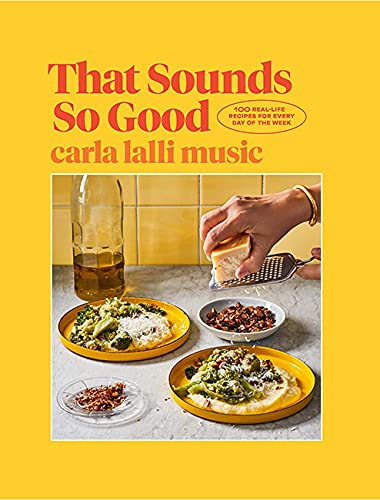
That Sounds So Good by Carla Lalli Music

That Sounds So Good

What’s the USP? What we have here is one of my favourite themes a cookbook can have: food is good, but sometimes it’s exhausting, let’s make it easier. That Sounds So Good offers up ‘100 real-life recipes for every day of the week’, and in its introduction author Carla Lalli Music says each of the dishes in the book ‘is designed to help remove any psychic and emotional barriers that get in the way of cooking at home’. A lovely sentiment, if one that sounds like the author’s editor might also be her therapist.

Who wrote it? Carla Lalli Music, who is perhaps best known for her video work at Bon Appetit, until she quit in 2020 in solidarity with her BIPOC colleagues, who had been chronically mistreated by the organisation. Music is also behind 2019’s Where Cooking Begins, which focused on uncomplicated recipes, and was as much about how to shop for food as it was how to cook what you bought.

Is it good bedtime reading? Better than many cookbooks. Often the titles with the most to read are those that have specific themes that allow for deep-dives on history, culture and so on. A short essay on the cheesemaking process. A few pages on the socio-economic impact of grains on Western European culture. Given that Music’s book is essentially ‘here are some nice recipes to try’, she gets a decent amount of writing in. From a lengthy introduction that takes in essential kitchenware and revisits ideas around food shopping to chunky histories for various recipes, there’s a lot to browse here.

How annoyingly vague are the recipes? Everything is kept neat and simple here, with ingredients kindly presented first in metric and then in the usual US-friendly imperial measurements. There’s also handy little sections at the bottom of each recipe that cover variations and substitutions that might aid the process.

How often will I cook from the book? Music’s promise of real-life recipes is definitely fulfilled here, and you could plausibly find yourself revisiting this book a few times in any given week. Perhaps the biggest achievement is that the end results don’t look or feel like quick and easy dishes thrown together in a relatively short amount of time.

When Jamie Oliver offers up an idea for a Gnarly Chicken with Sizzlin’ Broccoli, or whatever the hell he’s suggesting this time around, it does the job, but it rarely looks particularly impressive. Music’s dishes manage so much more: they are rich and varied, feel fresh and healthy, and would impress any guest passing through your dining room that evening.

Killer recipes: Pantry Eggs in Purgatory, Seared Sweet Potatoes with Kale and Lime Pickle, Spaghetti with Melted Cauliflower Sauce, Banana Galette with Cashew Frangipane… there are honestly too many to mention.

Should I buy it? Carla Lalli Music has hit upon a winner with this book, which offers an absolute wealth of original ideas and inspired twists on classic dishes. It almost does itself a disservice by reducing its central promise, ‘100 real-life recipes for every day of the week’ to a fraction of its vibrant cover. I don’t know if you’ve noticed, but there’s something of a cost of living crisis going on right now, and books like Music’s are exactly what we need. Filled with affordable food and adaptable recipes, I can see dishes like Brothy Basil Beans and Split Pea Soup with Mustard-Chilli Sizzle offering some affordable warmth in many a cold home this winter. The dishes here don’t just sound good – they look good, taste good, and feel good too.

Cuisine: American
Suitable for: Beginner and confident home cooks
Cookbook Review Rating: Five stars

Buy this book: That Sounds So Good by Carla Lalli Music
£25, Hardie Grant Books

Review written by Stephen Rötzsch Thomas a Nottingham-based writer. Follow him on Twitter and Instagram at @srotzschthomas

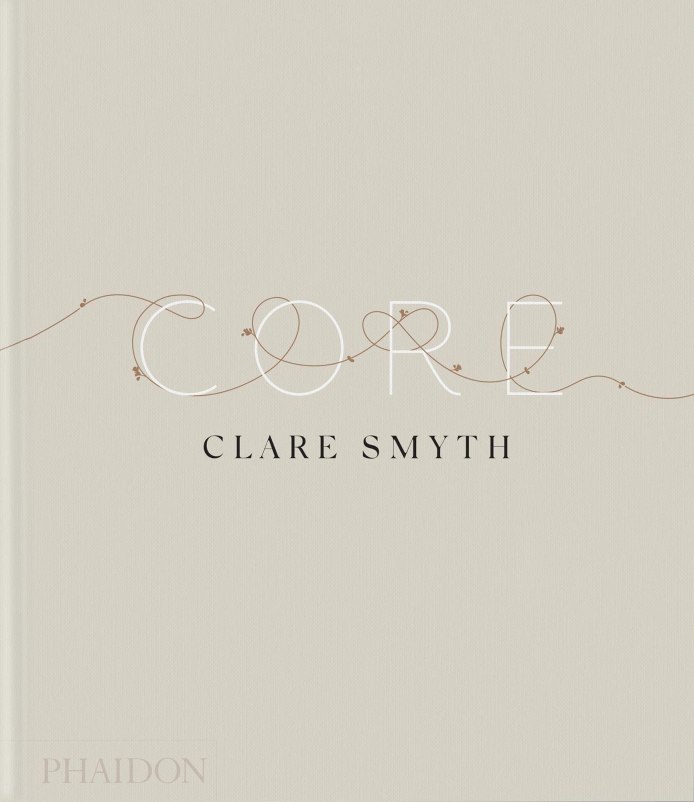
Core by Clare Smyth

Core by Clare Smyth
As the first and currently only British female chef to hold three Michelin stars, Clare Smyth needs no introduction. But in case you didn’t know, before opening Core restaurant in Notting Hill in 2017, Smyth was chef-patron of Restaurant Gordon Ramsay, worked for Alain Ducasse in Monaco and staged at Thomas Keller’s The French Laundry and Per Se, all of them three Michelin starred establishments. So it’s no surprise to flick through the gold lined pages of this sumptuously produced book to find immaculately presented, highly detailed and technically brilliant dishes.

From a ‘Caviar Sandwich’ – a perfect, tiny wedge of buckwheat pancake layered with sieved egg white and yolk bound in mayonnaise, creme fraiche, puffed buckwheat and caviar served on a beautiful bespoke wooden sphere – to a pear and verbena Eton mess that belies its name with a Faberge-like construction of upturned meringue dome filled with lemon verbena cream, pear puree, verbena jelly, compressed pear pearls and pear sorbet, topped with miniature discs of pear and meringue, each of the 60 recipes (there are also a further 70 recipes for stocks, sauces and breads) is an elegant work of culinary art.

Smyth calls her style ‘British fine dining’, eschewing and ‘excessive reliance on imported luxury ingredients’ and instead celebrating world class produce from the British Isles such as Scottish langoustines and Lake District hogget. In Smyth’s hands, even the humble potato (from a secret supplier she won’t reveal the name of) is transformed into a signature dish of astonishingly intense flavours. Cooked sous vide with kombu and dulse, topped with trout and herring roe and homemade salt and vinegar crisps and served with a dulse beurre blanc ‘Potato and Roe’ is an homage to the food of Smyth’s Northern Ireland coastal upbringing.

With a forward by Ramsay, introduction by journalist Kieran Morris, essays on subjects such as Smyth’s suppliers and informative recipe introductions, there’s plenty to read, while the colour food and landscape photography – and black and white shots of the restaurant in action –are stunning. It all adds up to an unmissable package that any ambitious cook will find inspiring.

Cuisine: British
Suitable for: For confident home cooks/professional chefs
Cookbook Review Rating: Five stars

Buy this book: Core by Clare Smyth 
£45, Phaidon

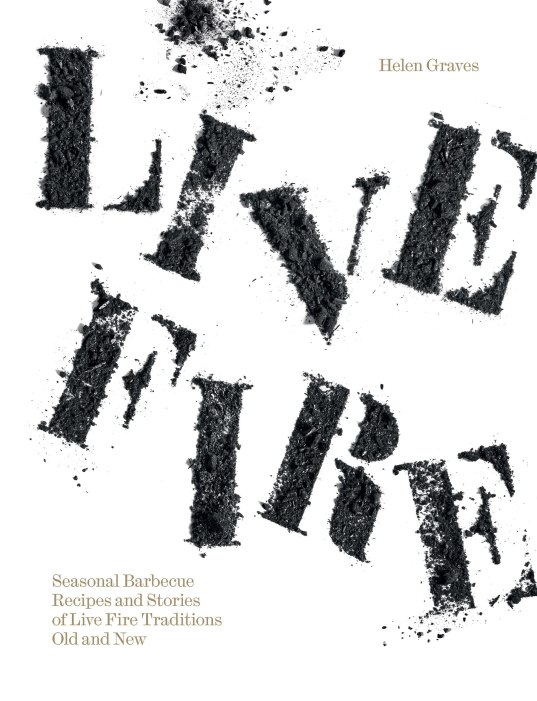
Live Fire by Helen Graves

Live Fire by Helen Graves

Live Fire is a book so dedicated to the subject of barbecue that it will convince you that you can cook over live fire all year round. But this isn’t just a barbecue book for all seasons, it’s for all cuisines too with carefully researched recipes from around the globe, bolstered by interviews with experts in many of the national and regional traditions featured.

The author is a widely published London-based food writer and editor of the highly rated, independently published Pit magazine that’s not just about food and fire, but also is about it, if that makes sense. Live Fire is Graves’s first book.

You should buy Live Fire if you are new to barbecue and need some guidance on equipment, accessories, what fuel to burn and cooking techniques. But you should buy it especially if you are an experienced barbecue cook and are looking to expand your repertoire.  With more than 100 recipes covering everything from a simple plate of sugar snap peas with mint (the sort of thing you’d imagine Fergus Henderson cooking if you let him near the barbecue) to expert-level smoked and braised ox cheek tacos, Graves has got every skill level, taste and occasion covered.

Things get even more interesting when Graves delves into those aforementioned global live fire culinary traditions that include suya – spicy beef skewers from West Africa, Vietnamese bun cha – barbecued pork with noodles and a dipping sauce, and Jamaican jerk chicken among many others. Each comes with a well researched and fascinating essay, making the book as much of an entertaining and informative read as it is a cooking manual.  That said, it’s worth the cover price alone for Graves’s version of the legendary tandoori lamb chops from Tayyabs restaurant in Whitechapel.

There are many barbecue books on the market, but none I’ve seen are quite like Live Fire. Even if you don’t have a barbecue and never intend buying one, I’d still recommend getting hold of a copy of this book. As Graves points out, you can use a cast iron griddle pan to cook many of the recipes. The result may not be quite the same, but at least you won’t be missing out on all those delicious dishes.

Buy this book: Live Fire by Helen Graves
£26, Hardie Grant

Cuisine: Barbecue
Suitable for: For beginners/confident home cooks/professional chefs
Cookbook Review Rating: Five stars

The Year of Miracles by Ella Risbridger

The Year of Miracles Ella Risbridger

The best food writing is never really about the food. There is almost always something else that sits at the heart of the food writing that most appeals to us; the essays, memoirs or cookbooks that we read cover to cover as though they were a novel. Food, when written well, is a character that interacts with the world around it. In the same way that The Great Gatsby isn’t really about Gatsby, or Nick, the very best food writing uses food to tell us more about ourselves, and who we are as individuals. 

Nigel Slater remains one of the finest food writers around – whether he’s using food nostalgia as a means to explore family is his memoir Toast, or simply to meditate on the value of the seasons in books like his two Greenfeast volumes. Even Julia Child seems to have a sort of philosophy on her mind when she writes about food. In My Life in France she writes that ‘No one is born a great cook, one learns by doing’, and comes across as a sort of gourmand Yoda. 

The Year of Miracles is the second cookbook by Ella Risbridger and, like its predecessor Midnight Chicken (& Other Recipes Worth Living For), is about so much more than the recipes within. As debut cookbooks by non-household names go, Midnight Chicken was a phenomenal success, becoming a bestseller both in classic hardback and the less traditional novel-sized paperback formats, and winning Cookbook of the Year at the Guild of Food Writers Awards in 2020. 

And, excellent a collection of recipes as it was, this success is every bit as much down to the real subject matter of the book. It was a book not about food, but finding peace for oneself through food. About coming to terms with what life has given you, and learning how to build something you want around that. Much of the book speaks lovingly of ‘The Tall Man’ – Risbridger’s partner with whom she shared a home. Their relationship is portrayed evocatively as one that, though not without its clashes, was built on mutual respect and a deep, empathetic love. Which made the revelation that was tucked away amidst the acknowledgements a tremendous gut punch for those readers who were not already aware of Risbridger’s story. Much of the book was written whilst her partner was receiving treatment in hospital. Around the time she handed in her final draft, The Tall Man passed away. Though this part of Risbridger’s life doesn’t directly feature in the book itself, it impacts it at every turn, with the author’s view the world inevitably tied to what that world is presenting to her. 

Now, three years on from the publication of Midnight Chicken, we are gifted The Year of Miracles. It doesn’t feel entirely right to call the new title a sequel – we should reserve those for superhero films and YA adaptations on Netflix. This is simply: a life, continued. We return to Risbridger at the beginning of 2020, as she leaves the tiny flat she had shared with The Tall Man (here named Jim, though this is a pseudonym, as are all the other friend’s names throughout the book). Some months have passed since Jim’s death, and though she continues to grieve, the action of moving into a new home with a close friend feels like the opportunity for a fresh start. Of course, fresh starts were few and far between at the beginning of 2020, and so a food diary about change and new beginnings turns into something that is about grief, and solitude, and friends, and the family we build for ourselves as the world falls apart around us. 

Fans of Midnight Chicken will find nothing to disappoint them here. Everything that made Risbridger’s first book so lovable returns for this, her fourth (she’s tucked a children’s novel and a poetry anthology in between). Elisa Cunningham’s bright illustrations return, offering imperfect visions of dishes that are sort of meant to be imperfect. Risbridger does not fuss with stiff, precise recipes. Her dishes are flexible, so that they can fit around whatever life is throwing at you. Her ingredients lists are gloriously candid, filled with little asides offering ideas for substitutes, or simply reassuring you. She calls for vanilla extract a number of times – the first comes with a plea ‘(not essence! never essence!)’, the second with practical advice: ‘(don’t worry about using very expensive stuff; they’ve run tests and you can’t tell in baked goods)’.

The recipes themselves are similarly unpretentious, with instructions that kindly explain why you do the things you do or, just as frequently, politely request that you ‘just trust me’ on the matter. As in Midnight Chicken, the dishes are a mix between big meals you might serve to friends (Bourride! Pho! Fish Pie!) and small moments of sustenance that will keep you going when you need them most. These dishes are often the most fun in the book – a celebration of the unlikely combinations we discover in our early adulthood, and can be raised infinitely with a smart food-centric mind like Risbridger’s. Here we have a Salt & Vinegar Crisp Omelette, Jacket Potato Garlic Soup, or Marmite Crumpet Cauliflower Cheese. 

These recipes might not speak to everyone, but they will resonate with many. Risbridger approaches food as a restorative action. For the soul, for the heart, and for just about anything else that might need it. Every element of The Year of Miracles offers an element of comfort. Even as we touch on grief, guilt and the frustrations of living through a pandemic, Risbridger’s prose is written with such a contemplative warmth that it is impossible not to feel comforted – if only in knowing that we are not suffering alone. 

As the miraculous year ticks along, and the seasons change, and lockdowns are lifted, we are exposed more and more to the friendships that fuel both Risbridger and the book itself. The best food writing is never really about food. Here, it is a way of connecting with friends, with those we love, those we have lost, and those we are only just getting to know. The food has as much to say as anyone in this story, and it serves as a means to bring people together – for a conversation in the park, a cry in the kitchen, or a singalong in the back garden. We don’t need food for any of these things, but it is there nonetheless, and it is something that can be shared between whoever might be nearby. Something to bring us all together. 

It seems very likely that we can expect a third cookbook from Ella Risbridger at some point. After these first two, it would be a huge shame if there were not. What’s harder to guess is whether that third book will be all that similar to the two that came before it. The Year of Miracles itself was never intended to look like this, with the author initially pitching a ‘cheerful dinner-party’ cookbook. Perhaps that’s what we’ll get next. In a way, you sort of hope for it. For Risbridger to have an opportunity to explore something new. And down the line, maybe, there’ll be time again for another book like this. Not a sequel, simply: a life, continued.

Cuisine: International 
Suitable for: Beginner, confident home cooks 
Cookbook Review Rating: Five stars

Buy this book:
The Year of Miracles by Ella Risbridger
£22, Bloomsbury Publishing

Review written by Stephen Rötzsch Thomas a Nottingham-based writer. Follow him on Twitter and Instagram at @srotzschthomas
 

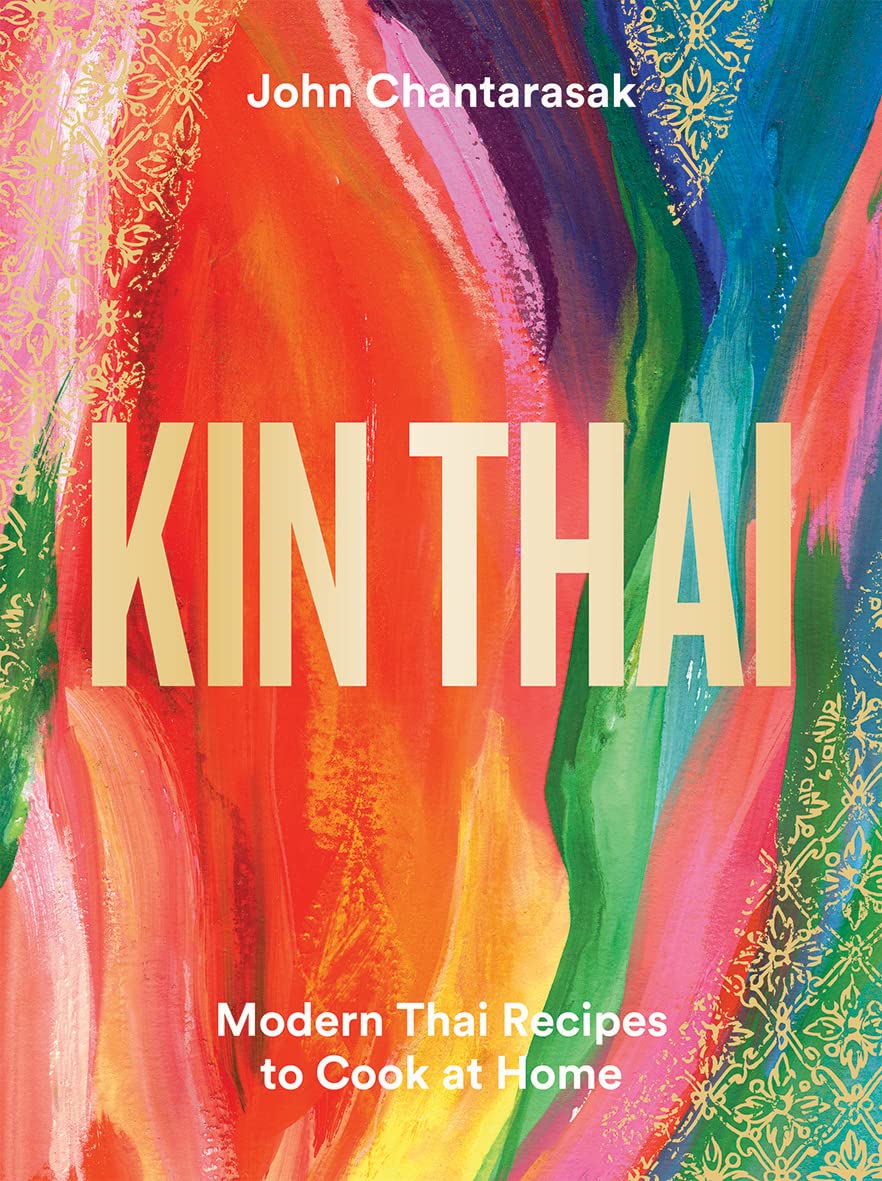
Kin Thai by John Chantarasak

Kin Thai by John Chantarasak
Ahead of the opening of his AngloThai restaurant later this year in central London, cult chef John Chantarasak has published his first cookbook. Kin Thai (‘eat Thai’) contains 60 recipes fusing Thai cuisine with British ingredients, reflecting Chantarasak’s heritage as a Liverpudlian born to an English mother and Thai father. In Chantarasak’s hands, the classic salad of som tam becomes ‘som tam farang’ (farang is Thai slang for ‘white foreigner’) with the usual unripe green papaya replaced by thinly shredded carrot, celeriac and parsnip which are pounded in a pestle and mortar with chillies, garlic, palm sugar, tamarind, fish sauce and lime juice to make a dish with the quintessential Thai taste combination of spicy, salty sweet and sour.

Chantarasak has been generous in sharing knowledge acquired from childhood trips to Bangkok where he ate his grandmother’s food, the 18 months he spent in the city working in David Thompson’s kitchen at Nahm, and as sous chef of London’s highly regarded Thai restaurant Som Saa. The expansive introduction covers the regional cuisine of Thailand and the British ingredients Chantarasak favours such as sea arrowgrass that he says has a flavour reminiscent of coriander, as well as Thai staples including yellow soybean sauce, dried shrimp and white cardamom.

He also outlines equipment, such a traditional clay mortar and wooden pestle, heavy cleaver and spice grinder that are ideal for preparing the book’s recipes that are divided into chapters covering salads and laab (Thai steak tartare), grilled dishes, relishes, soups and braises, stir fries, curries, snacks and sweets. Some of the dishes, such as Muslim-spiced curry of beef short rib, require numerous ingredients and are labour intensive, but many, including a classic pad thai or grilled coriander and garlic chicken, are much more straightforward.

The clearly written and easy to follow methods and informative chapter and recipe introductions mean that even chefs new to Thai cuisine will feel like instant experts after a few days spent studying the book, which, with its mouth-watering food photography and design as colourful and vibrant as the recipes it contains, would be no hardship at all.

Cuisine: Thai
Suitable for: Beginner, confident home cooks and professional chefs
Cookbook Review Rating: Five stars

Buy this book:
Kin Thai by John Chantarasak
£22, Hardie Grant

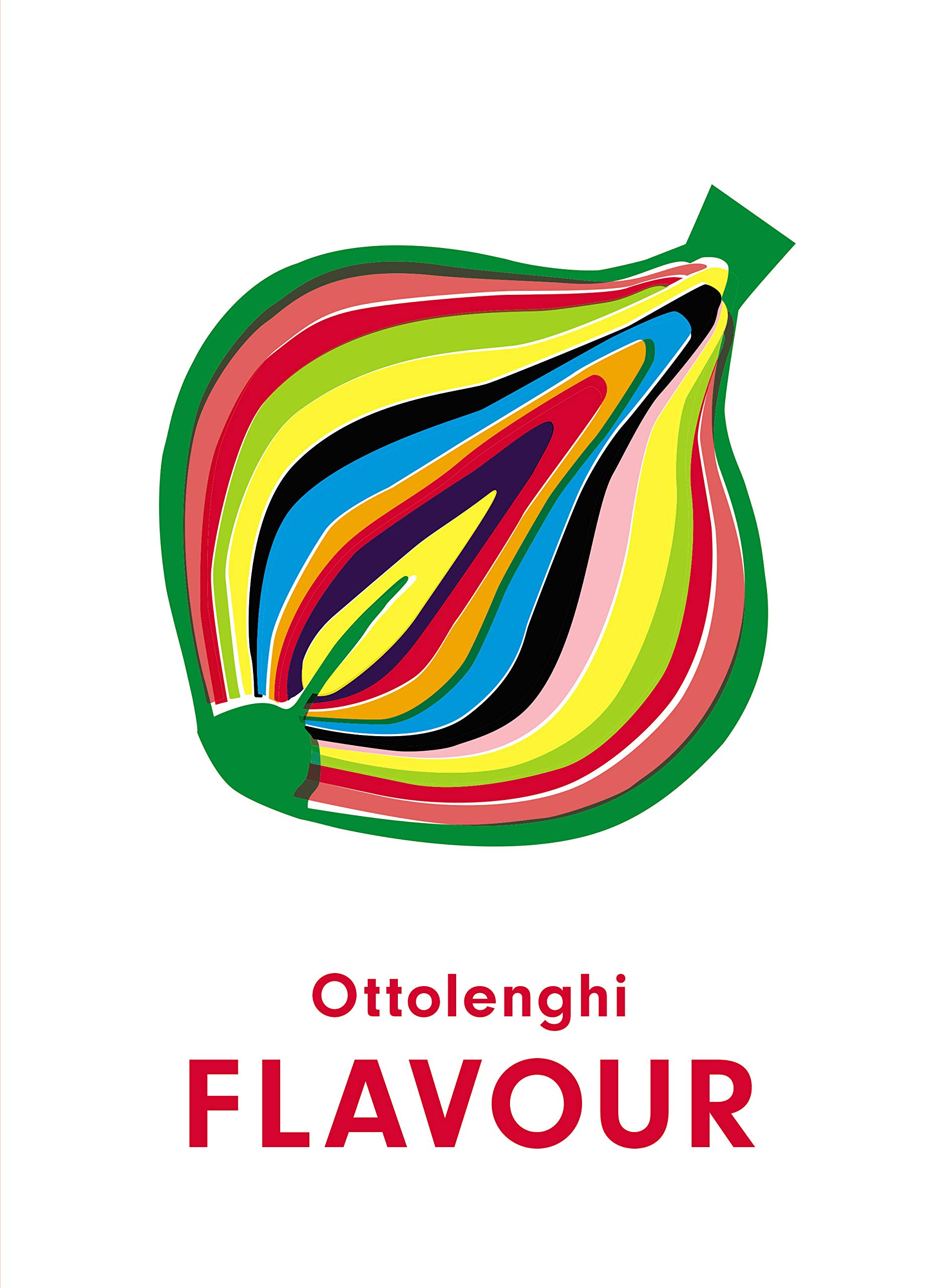
Flavour by Yotam Ottolenghi

Flavour by Yotam Ottolenghi

What’s the USP? Flavour is the third in the series of Ottolenghi’s veggie focused books following on from Plenty and Plenty More. This edition focuses on maximising the distinct characteristics of different vegetables and exploring cooking techniques to ramp up their flavours to create “flavour bombs”. The book is divided into three categories – Process, Pairing and Produce – with each featuring subcategories discussing further techniques for making the most of vegetables. Process for instance, delves into charring and ageing; Pairing has sections dedicated to acidity and chilli; while Produce is all about the ingredients themselves. 

Who wrote it? Yotam Ottolenghi, who if you’re reading this blog likely needs no introduction. If you do need a reminder, he’s the reason you chargrill your broccoli rather than boil it. And if you need more than that, he’s an internationally renowned writer, chef and restaurateur. He’s joined by frequent collaborators from the Ottolenghi family Ixta Belfrage and Tara Wigley. 

Is it good bedtime reading? Only if you want to get back out of bed to start cooking. There are insightful and in-depth forewords to each of the book’s sections though the main value of this book will be found in the kitchen. 

How annoyingly vague are the recipes? Not at all. Everything is written with the utmost care and attention to weight and size with all opportunities for doubt removed. Instead of fretting about whether your small onion is actually medium-sized or if your handful of herbs depends on how big your mitts are, it’s listed in precise measurements (if you’re interested, one small onion is 60g). 

Will I have trouble finding the ingredients? We often have a philosophical Ottolenghi-chicken or egg debate in our household: do the Ottolenghi team make recipes based on what they can find at Waitrose or do Waitrose stock Ottolenghi ingredients knowing their customers are likely to own a copy or two? All of this is to say you can get 99% of what you need in this book from Waitrose, including the more unusual ingredients such as dried black limes or Aleppo chilli flakes. You’ll also find them more affordably at an international supermarket if you should have one near. Failing that, Ottolenghi have their own online pantry for you to order from including the 20 main ingredients you’ll need for this book. 

What’s the faff factor? That definitely depends on what you’re making. Some of these recipes take hours and are all the better for it such as Spicy Mushroom Lasagne and Aubergine Dumplings alla Parmigiana. Many others require little effort and with most recipes, you can take shortcuts to reduce the time. My first try at Swede Gnocchi with Miso Butter took most of the evening making the gnocchi from scratch. The second time took minutes, simply making the sauce and using pre-made gnocchi. 

How often will I cook from the book?  While suffering from a bout of COVID-19 at the beginning of the year, I itemised every recipe I wanted to cook from every cookbook I own to pass the time (don’t judge me, it was a simpler time). Such is the depth of the recipes in this book, I listed almost every recipe from Flavour. There are meals for all occasions in here: quick weeknight dinners such as Spicy Berbere Ratatouille with Coconut Salsa, adventurous weekend cooking projects like Cheese Tamales, or adventurous weekend cooking projects that can be modified to be quick weeknight dinners like the Stuffed Aubergine in Curry and Coconut Dal. I have yet to stop returning to this book for old favourites or to find something new.

Killer recipes: Stuffed Aubergine in Curry and Coconut Dal, Spicy Berbere Ratatouille with Coconut Salsa, Hasselback Beetroot with Lime Leaf Butter, Miso Butter Onions, Oyster Mushroom Tacos, Tofu Meatball Korma, Charred Peppers and Fresh Corn Polenta with Soy-Cured Yolk… I really could list the whole book here.

Should I buy it? If you haven’t already bought it by this point I haven’t done a good enough job in this review. 

Cuisine: International
Suitable for: Beginner and confident home cooks
Cookbook Review Rating: Five stars

Buy this book
Ottolenghi, Flavour
£27, Ebury Press

Review written by Nick Dodd a Leeds-based pianist, teacher and writer. Contact him at www.yorkshirepiano.co.uk.

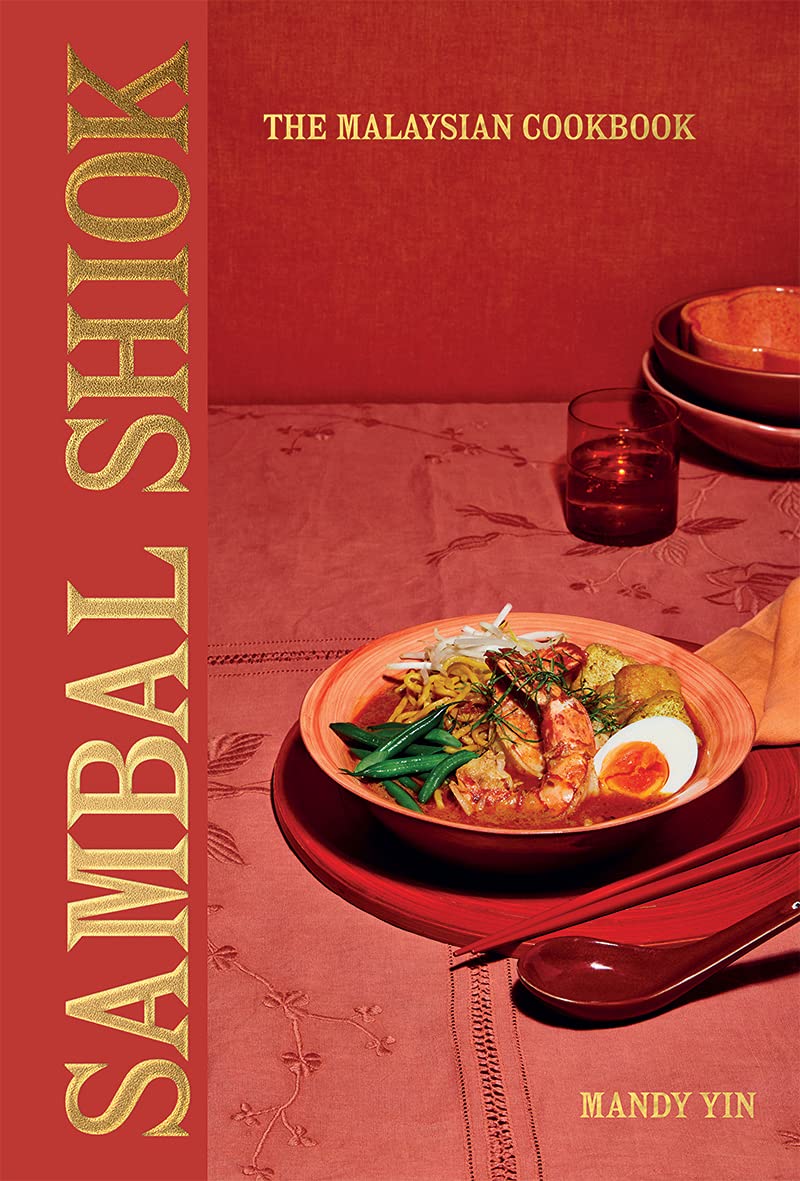
Sambal Shiok by Mandy Yin

Sambal Shiok by Mandy Yin

Sambal Shiok is ‘The Malaysian Cookbook’ according to its subtitle. However ‘A Malaysian Cookbook’ might be more accurate; not due to any shortcomings but simply because, by the author’s own admission, the book is not intended to be definitive – ‘several of my dishes are not what you may traditionally find in Malaysia but are firmly rooted in Malaysian flavours,’ says Yin.

The author is Mandy Yin, a London based lawyer-turn-street food vendor who now runs Sambal Shiok (which means ‘shockingly good sambal’) Laksa Bar restaurant in the Holloway Road. This is her first cookbook.

You should buy Sambal Shiok. That’s it. Trust me, click the link below immediately, you’ll love it. Still need convincing? Well, if you happen to be new to the irresistibly spicy, sweet, savoury and sour delights of Malaysian cuisine, then this is the perfect introduction.

The selection of essential ‘Hawker-Centre Favourites’ includes chicken satay with peanut sauce, anchovy fried rice (nasi goreng), fried flat rice noodles (char kway teow); curry laksa noodle soup, and coconut rice with egg and sambal (nasi lemak). If that isn’t already making you feel very hungry indeed, then how about some home style dishes like Malaysian chicken curry; beef rendang; tamarind prawns, or classic spiral curry puffs? Yin’s own non-traditional dishes include the satay burgers that launched her food career.

Thanks to a chunky introductory section and generous recipe introductions, there’s plenty to read about Yin’s own food journey as well as Malaysian food culture and background information to the dishes.

Yes, the ingredients lists can look a little long and daunting, but once you’ve got your Malaysian store cupboard stocked up, the recipes are actually mostly very  straightforward.  Have you ordered it yet?

Cuisine: Malaysian
Suitable for: For beginners/confident home cooks
Cookbook Review Rating: Five stars

Buy this book
Sambal Shiok by Mandy Yin
£20, Headline Home

This book was shortlisted for the Andre Simon Food Award. Read more here.

andre simon logo

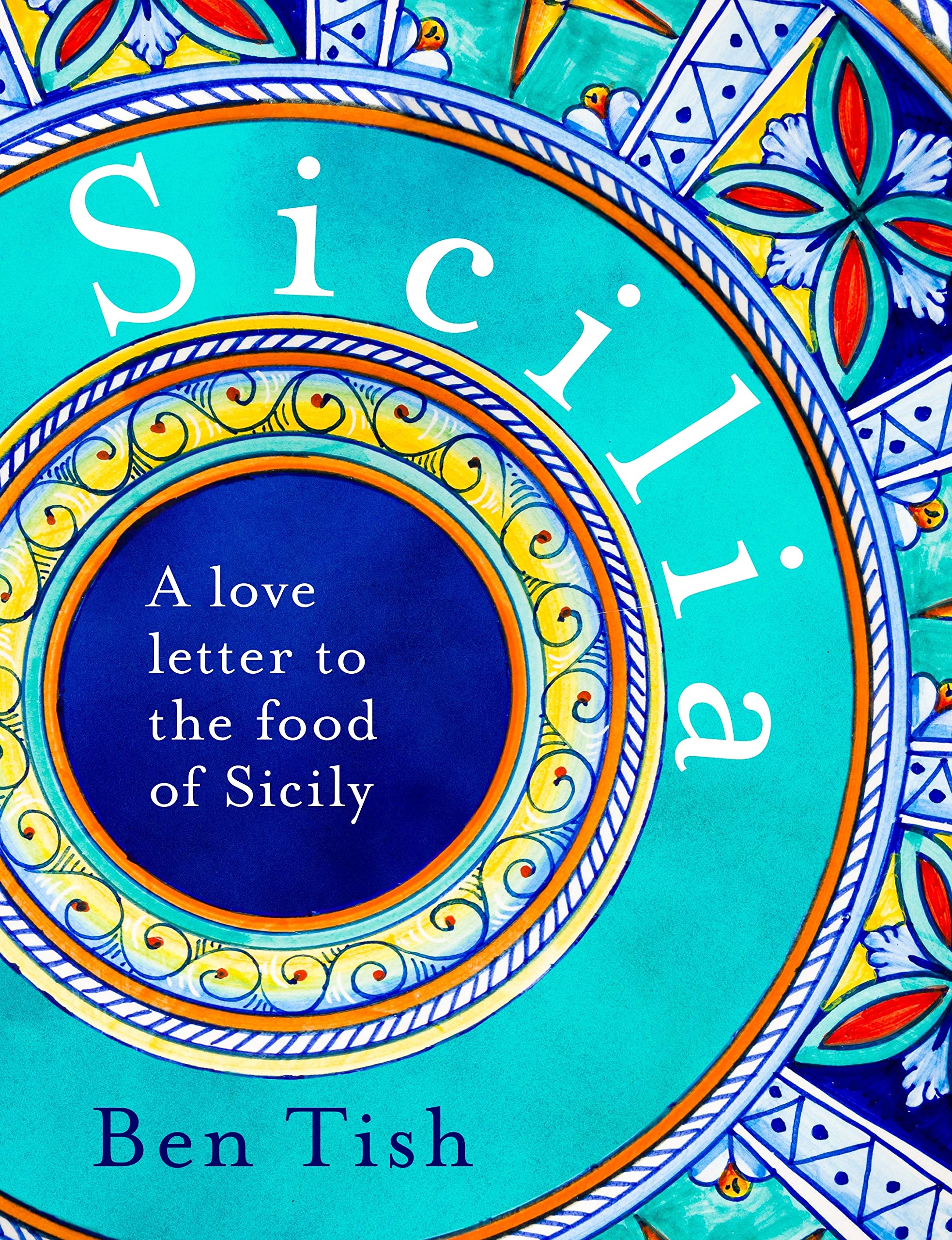
Sicilia by Ben Tish

Sicilia by Ben Tish

Sicilia is a gastronomic tour of Sicily in recipes and essays courtesy of one of London’s top chefs.

The author is Ben Tish, chef director of the London-based Cubitt House group of upmarket gastropubs. His CV also included opening the Sicilian-Moorish influenced restaurant Norma, and the position of chef director of the acclaimed Salt Yard restaurant group, both in London. He is the author of five previous cookbooks, contributes to a number of newspapers and magazines and makes regular appearances on TV.

You should buy Sicilia for the tomato sauce and pasta all norma recipes alone, but also if you want to understand more about the diverse culinary heritage of Sicily. A regular visitor to the island and its satellites, Tish’s introduction takes a brief look at various aspects of the cuisine and food culture, from the influences from the Moors and the Berbers to the food markets and a hidden restaurant gem,  Terra Mia on the slopes of Mount Etna. The main body of the book contained in nine chapters covers recipes for bread, fritti, pasta and rice, vegetables, fish, meat, sweets, granita and ice creams and sauces and basics.  Other must-cook recipes include bignolati (Sicilian sausage bread ring); baked conchiglioni (pasta shells) with pumpkin and rosemary; grilled quid with peas, mint, tomato and sweet vinegar; stuffed and braised lamb’s hearts with broad beans and lemon, and iris (chocolate and ricotta-filled doughnuts), among many others.

Cuisine: Italian
Suitable for: For beginners/confident home cooks
Cookbook Review Rating: Five stars

Buy this book
Sicilia by Ben Tish
£26, Absolute

A Curious Absence of Chickens by Sophie Grigson

A Curious Absence of Chickens Sophie Grigson

A Curious Absence of Chickens is ‘a journal of life, food and recipes from Puglia’. On the cusp of her 60th birthday, renowned British food writer Sophie Grigson made the life-changing decision to relocate permanently from her home in Oxford to the small town of Candela in Puglia in southern Italy. In 10 chapters, the book covers a period of just over a year from June 2019 to Autumn 2020 and explores the culture, history and geography of the region all through the prism of food, documented in short essays and recipes.  And that title? Grigson says you won’t find chicken on a restaurant menu in Puglia which she attributes to the fact that, traditionally in the region ‘a laying chicken was just too precious to kill off’.

The author is Sophie Grigson (daughter of legendary food writer Jane Grigson) who has written more than 20 books and has presented nine TV series for various British broadcasters.

You should buy A Curious Absence of Chickens for the carefully collated and curated collection of mostly traditional Puglian recipes (none of which are pictures, the only illustrations in the book are Kavel Rafferty’s charming drawings) including polpette di carne (meatballs);  bombette (thinly sliced pork shoulder rolled with pancetta, parsley and cheese; ciambotto (fish stew with squid, chillies and tomatoes) and ciceri e tria (a dish from Salento in the south of Puglia of  chickpeas cooked with cherry tomatoes and pasta and topped with fried pasta strips).

Although the book stems from a personal life choice, don’t expect Grigson to give too much away about herself in the book, which is more a journalist exploration of the regions food culture (and an excellent one at that) than traditional memoir.  

Cuisine: Italian
Suitable for: For beginners/confident home cooks
Cookbook Review Rating: Five stars

Buy this book
A Curious Absence of Chickens by Sophie Grigson
£20, Headline Home

This book was longlisted for the Andre Simon Food Award. Read more here.

andre simon logo