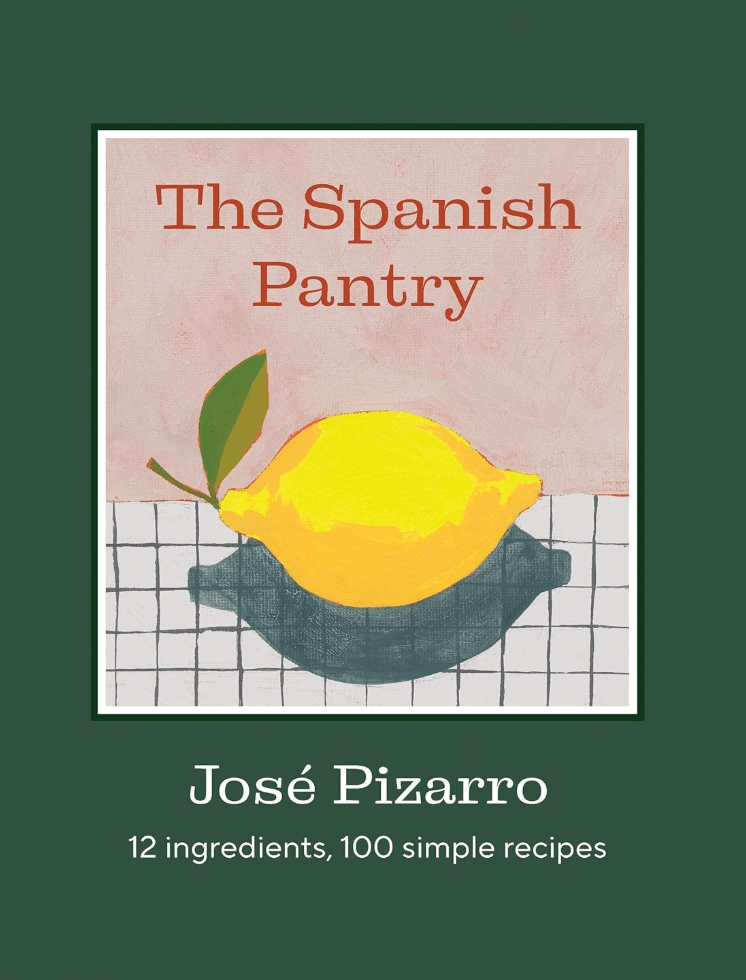
Spanish Pantry by José Pizarro

Who is José Pizarro?
José Pizarro is a Spanish chef and restaurateur who has spent over two decades bringing the soul of Spanish cooking to British tables. Born in Extremadura and now firmly rooted in the UK with a string of restaurants, he is known for his ability to translate the warmth and flavour of traditional Spanish food into something approachable, generous, and deeply satisfying. The Spanish Pantry is his ode to the essential ingredients that define the cuisine he grew up with.

What is The Spanish Pantry’s USP?
This is a grounded, ingredient-led cookbook that takes you back to the essentials that sit quietly in Spanish kitchens but carry so much flavour. It’s less about technique-heavy cooking and more about building confidence with essential components, encouraging cooks to build dishes from simple, high-quality basics. The result is a book that feels both accessible and rooted in tradition, quietly showing how much can be done with a well-stocked cupboard and a little care.

What will I love?
The Spanish Pantry is a love letter to the core components of Spanish cooking. Each chapter is built around one iconic pantry ingredient (Onions, Tomatoes, Peppers, Chorizo, Manchego, Almonds, Lemons, Rice, Chickpeas, Beans, Jamón and Saffron), showing how something simple and humble can unlock the bold, sun-drenched flavours of the Mediterranean. It is smart, focused, and deeply rooted in place. A real education in how to cook with heart, by knowing your basics inside out.

Pizarro excels at bringing Spanish cooking alive without making it overcomplicated. A tin of anchovies, a drizzle of good oil, and suddenly you’re on a terrace in Andalucía. Recipes like ‘Braised Black Beans with Spatchcock Chicken and Herb Salsa’, ‘Warm Gigante Beans on Toast’, and ‘Oloroso-braised Lamb Shanks and Chickpeas with Warm Anchovy Salsa’ offer richness and depth with minimal fuss. His food is rustic and hearty, yet still beautiful in its simplicity; exactly the kind of food you want to cook at home.

The helpful ‘menus’ section at the back provides inspiration for Lunch, Dinner, Tapas, Brunch and Summer Lunch party menus and includes time planning instructions so you can prepare ahead like a pro and entertain with ease. The beautiful photographs of Spain will have you hunting out your passport.

Is it good bedtime reading?
Yes, if you like to dream of distant markets and seaside tavernas. Pizarro writes with warmth, clarity and a palpable sense of place. You get snippets of Spanish life, hints of Extremadura and the Basque coast, and an unmistakable reverence for the people who taught him to cook. 

Will I have trouble finding the ingredients?
Some specialist items like sobrasada and morcilla might require a good deli or online shop, but many recipes rely on staples already in your cupboard. Think olive oil, paprika, garlic, pulses and tinned seafood. Although the book is about celebrating Spanish culture and cuisine, it is by no means inaccessible to UK cooks. Pizarro’s aim is to make your pantry do the heavy lifting, and he succeeds. There’s no unnecessary showing off, just good, honest cooking.

How often will I cook from the book?
This is very much a weekday-and-weekend sort of book. Although there are dishes which take a bit longer (the ‘Braised Jamón and Pork Knuckle with Olive Oil Mash’ is a succulent slow-cooked winner) or are impressive enough for a dinner party, this isn’t a book full of technical flourishes. It is real, robust food that you will return to time and time again. If you like the idea of elevating simple ingredients into something soul-stirring, this book will become a well-used companion.

Stand-out recipes?
The ‘Jamón Serrano and Watermelon Salad with Honey and Basil’ is a beautifully simple, and wonderfully refreshing, summer salad. ‘Garlic and Manchego Coca’ is a must-try for garlic bread fans, and the ‘Patatas à la Importancia con Chorizo’ will soon become one of your favourite ways to enjoy potatoes. Don’t miss the ‘Warm Olive Oil and Almond Cake with Preserved Peaches’. It has the most delicious flavour and moist texture, one of those cakes you will find yourself making on repeat. 

Any negatives?
Once you get into the recipes, you may find yourself seeking out higher-quality pantry items, which can become expensive. However, the flipside is that it encourages you to cook (and eat) more consciously, with respect for quality and provenance. 

Should I buy the book?
If you love Spanish food (not just the kind you eat on holiday, but the kind you dream of recreating in your own kitchen) The Spanish Pantry is a gem. It’s informative, heartfelt, and packed with flavour. You will eat well and learn a lot.

Cuisine: traditional and regional Spanish
Suitable for: curious foodies and lovers of Mediterranean flavours
Great for fans of: Claudia Roden, Rick Stein and Sam & Sam Clark
Cookbook review rating: 4 stars
Buy the book: The Spanish Pantry: 12 Ingredients, 100 Simple Recipes byJosé Pizarro, Hardie Grant £28.00

This review was written by Freelance Food Writer and Recipe Developer Sophie Knox Richmond. Follow her on Instagram on @sophie_kr_food

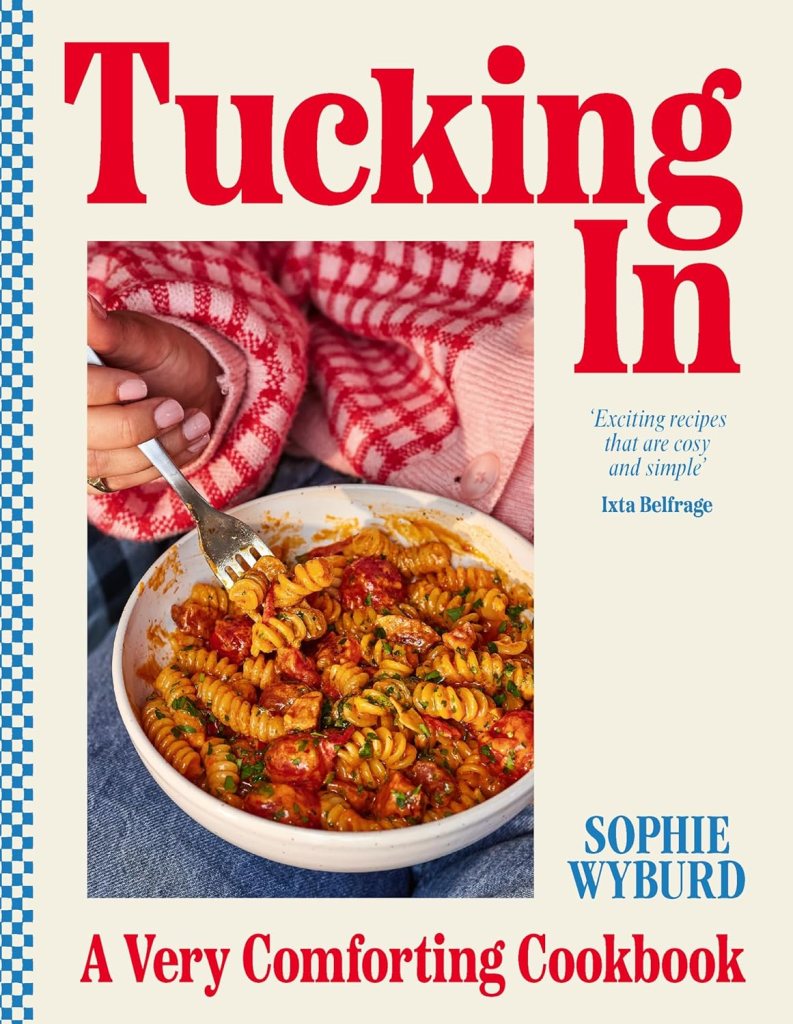
Tucking In by Sophie Wyburd – Cookbook Review

Tucking In cookbook cover.

Who is Sophie Wyburd?
A cook and recipe writer from South London. Wyburd has enjoyed a varied career in food; working as a restaurant chef, in food styling and heading up the food team at Mob (where she became one of their most popular recipe developers). She has since branched out on her own and is known for sharing simple, comforting home cooking ideas via social media (@sophiewyburd) and her newsletter, Feeder. She also regularly cooks at her sellout London supper clubs and co-hosts the I’ll Have What She’s Having and A Bit of a Mouthful podcasts. Tucking In is her first solo book.

What is Tucking In’s USP?
Described by Ixta Belfrage as: ‘A collection of exciting recipes that are cosy and simple,’ Tucking In is on a mission to show that good food doesn’t have to be fussy or stressful with over 100 recipes for satisfying, unapologetically comforting, meals. There are ideas for every season and occasion, from summer sharing platters to cosy winter weeknight warmers and everyday suppers to relaxed weekend feasts. Put simply, Tucking In wants to help you fall in love with everything about food; the cooking, the sharing and the eating. As Wyburd explains: ‘cooking is not only a fabulous way to show other people that you love them; it’s also a pretty foolproof method of showing yourself some love.’ 

What will I love?
The approachable, unfussy, nature of the book and the way Wyburd’s personality and passion for food shine through (this is a very personal cookbook, you can’t help but warm to Wyburd through her chatty introductions, it almost feels like you are catching over a cup of coffee).

You would be forgiven for thinking that a book offering ‘comfort food’ might be full of recipes you have seen before, but you would be mistaken. Wyburd has created innovative recipes offering twists on comforting classics; think a Kinder Bueno-inspired ‘Hazelnut Tiramisu’, Chinese-spiced ‘Sticky Sprunion Sausage Rolls’ and the veg-packed ‘Cauliflower Shawarma Bowls’.  There is also a knock-out ‘Pasta Party’ chapter featuring dishes which genuinely offer something different (the glorious ‘Piggy Porcini Lasagne’ is a personal favourite). There is just the right balance of meat, fish, vegetarian and vegan options (and none of the latter feel gimmicky). In fact, many of the recipes are flexible and can easily be adapted for various diets.

Is it good bedtime reading?
Not in a lengthy essay sort of way, more in a ‘curl up under the covers and get lost in a world of food’ sort of way. The introductions to each recipe are beautifully written, full of tips and tricks and nostalgic anecdotes that share the stories behind each one. You could argue that Tucking In is part cookbook, part evocative food memoir; you can’t help but reminisce about your own culinary memories as you become immersed in the recipes.

Will I have trouble finding the ingredients?
The majority of the time, no. Some recipes have the odd ingredient which is a bit more expensive, like a whole side of salmon or a joint of lamb, but these are balanced out by my more affordable recipes (especially once you have stocked up your larder with Wyburd’s staples). The Hazelnut Tiramisu does call for hazelnut butter which is likely to require an online order.

How easy are the recipes to follow?
Very, after all, fuss-free is the theme of the book. There are a few more involved recipes for anyone wishing to challenge themselves, but Wyburd’s directions are clear and easy to understand. Each recipe includes an introduction, information on whether it is gluten-free, dairy-free, vegetarian and/or vegan, as well as the cooking time and helpful tips, where necessary.

Stand-out recipes?
The ‘Cheeseboard Arancini’ are far too delicious for their own good and ideal for using up the odds and ends of different cheeses (I will definitely be making these with the remnants of the Christmas cheeseboard). The ‘Curried Chicken Legs with Cheesy Polenta’ sounds like an unusual combination, but is utterly delicious (and almost guaranteed to convert any polenta naysayers), while the ‘Life-Saving Garlicky Chicken’ is possibly one of the most comforting dishes you will ever eat. The previously mentioned ‘Hazelnut Tiramisu’ is also outstanding and worth seeking out the hazelnut butter for.

How often will I cook from this book?
Fairly often. Every culinary eventuality is covered, from the ultra-indulgent ‘Cavolo and Taleggio Pasta’, perfect when in need of a bit of comfort, to the vibrant ‘Spiced Blackened Salmon Tacos with Orange Salsa’, ideal for a summer feast. 

Chapters include ‘Nibbly Bits’ (ideas for snacks and canapés for when friends come for drinks), ‘Midweek Mood’ (quick and delicious meals ideal for after a long day), ‘Pasta Party’ (self-explanatory), ‘A Bit Fancier’ (perfect for get togethers when you want to make a good impression), ‘Carb City’ (the ultimate comfort food), ‘Veg Me Up’ (when you need to balance out the previous chapter) and ‘Sweet Stuff’ (puds). 

Any negatives?
Being really picky, the ‘Cavolo and Taleggio Pasta’ was labelled vegetarian when Taleggio contains animal rennet. Apart from that, there isn’t really much to complain about.

Should I buy the book?
If you like fuss-free, comforting food, then it is a resounding yes. Tucking In is full of delicious, hearty recipes for every mood and occasion.

Cuisine: International
Suitable for: Cooks of all abilities 
Great for fans of: MOB and Ixta Belfrage
Cookbook review rating: Four stars

Buy this book: Tucking In: A Very Comforting Cookbook
£22.00, Ebury

This review was written by Freelance Food Writer and Recipe Developer Sophie Knox Richmond. Follow her on Instagram on @sophie_kr_food

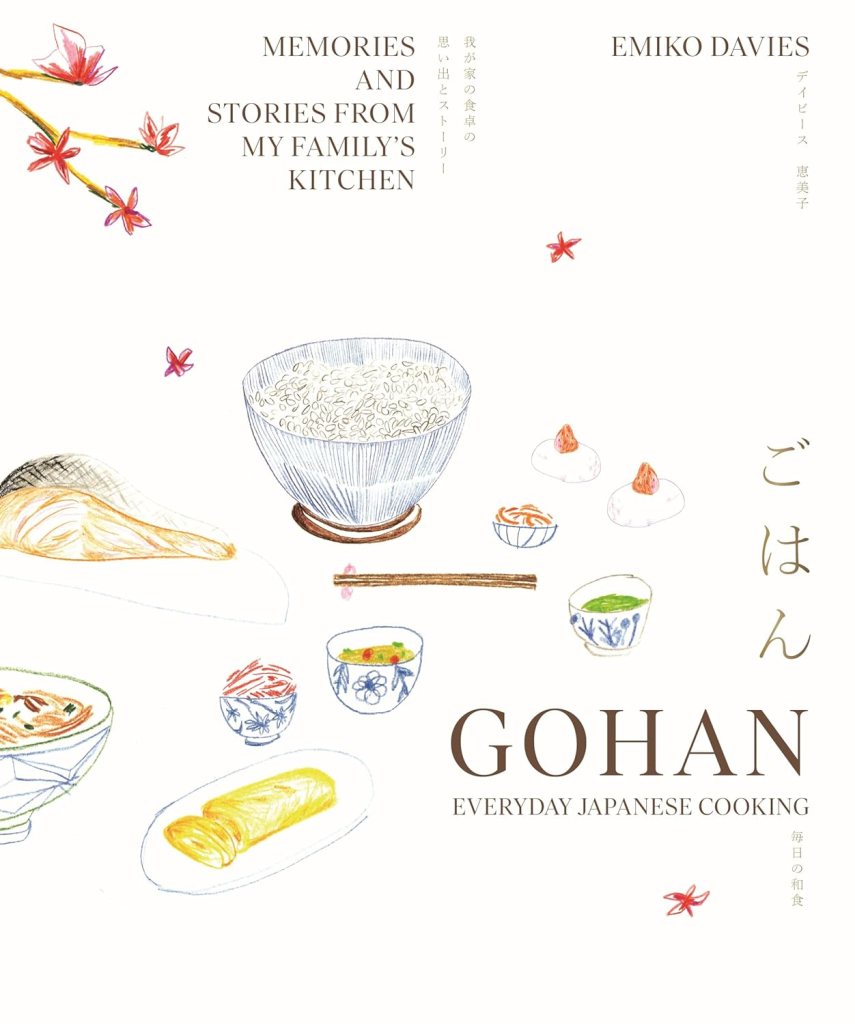
Gohan: Everyday Japanese Cooking: Memories and stories from my family’s kitchen by Emiko Davies – Cookbook Review

Who is Emiko Davies?
Emiko Davies is an award-winning Australian-Japanese food writer, photographer and author of five cookbooks. Based in Italy, her first four cookbooks included stories and recipes celebrating authentic Italian cuisine. She continues to write and develop recipes and travel guides for national and international publications including Food52, Conde Nast Traveler, The Sunday Times, The Guardian, The Kitchn and delicious. magazine.

What is Gohan’s USP?
In Gohan, Davies eschews the more complex dishes of Japanese restaurant food such as sashimi, and instead shares the simple, satisfying meals like like yakisoba, tamago no gohan (stir fried egg and rice) and soba noodle soup that she grew up with and now makes for her own children. As she explains: “Gohan to me means the everyday home-cooked meal. Nothing fussy. It’s quick and easy, but nourishing. A meal made with love.”

What will I love?
Davies’ evocative writing about her Japanese heritage shows how powerful food is in keeping memories alive. You almost feel you have joined her on a journey delving into her culinary history. It is fascinating to learn about lesser-known ‘everyday’ Japanese cuisine and how it is so much more than sushi, tempura and bento boxes.

The variety of recipes is impressive with most accompanied by beautifully shot home-style photos. There is something to suit every season and taste. The ‘Winter Hotpot’ is perfect for chilly days; ‘Cold Somen Noodles with Cucumber and Ginger’ is ideal for humid summers. It is also good to see several recipes include suggestions for ‘variations’ to help you ring the changes. Prepare to be inspired.

Is it good bedtime reading?
This isn’t just a recipe book to cook from, it is one to curl up and read from cover to cover. You will become immersed in Davies’ moving tributes to her family and food memories with pages discussing everything from ‘Making Tofu in the Mountains of Nagano’ to ‘The Perfect Bowl of Japanese Rice’. Each recipe also features deeply personal introductions which feature childhood memories and additional tips passed down from mother (or grandmother) to daughter.

Will I have trouble finding the ingredients?
Gohan is all about home-cooking and Davies makes a concerted effort to encourage readers to use ingredients they already have to hand. Having said that, there are still a fair few ingredients that will take a little effort to get hold of such as plum vinegar, dried bonito flakes, kirimochi (dried mochi blocks), natto and Japanese taro to name just a few. Once you familiarise yourself with suppliers, and/or become more confident with substitutions, it shouldn’t be too much of a problem. 

How easy are the recipes to follow?
One of Gohan’s main aims is to dispel the myth that Japanese food is complicated. There are dishes which require time, skill and effort but there are plenty that can be ready in under 15 minutes. Those that require a certain level of technique, like the ‘Filled Rice Balls’, are accompanied by helpful step-by-step photos. Some ingredient lists are a little vague (e.g. the ‘Fried Rice’ suggests ‘a handful of green beans’), but then that is the nature of the style of cooking that is central to the book (especially with a recipe designed to use up leftovers). Overall, the recipe instructions are clear, easy-to-follow and thanks to the introductions and tips, feel like Davies is guiding you through each step.

Stand-out recipes?
The ‘Curry Croquettes’ are dangerously addictive and the ‘Fried Pork Cutlet with Miso Sauce’ is packed full of flavour. The ‘Seafood Rice Gratin’ is wonderfully rich and creamy; the epitome of comfort food.

How often will I cook from this book?
It depends on how much you want to eat authentic Japanese food. Recipes range from mastering the basics like how to cook rice, make panko breadcrumbs and pickled ginger, to breakfasts, mains and sweet treats so there is enough variety for you to cook regularly from the book. Classics like ‘Scrambled Eggs with Garlic Chives’, ‘Egg and Rice’ and ‘Fried Noodles’ can easily become weekly staples, while recipes like the ‘Red Bean Buns’ are great for a weekend baking project.

Any negatives?
If you don’t already have a larder stocked up with staple Japanese ingredients, the initial outlay cost will be expensive. However, once you have the essentials, you will find many are used time and again. Some recipes (like the ‘Prawn Balls’) require specialist equipment although Davies does include alternative options (like getting creative with a waffle maker). 

Should I buy the book?
If you are even the slightest bit interested in learning more about Japanese cuisine, then yes. This is a beautifully written, heartfelt book full of passion and warmth that offers readers a glimpse inside the kitchens of Japanese mothers and grandmothers. It is a privilege to have the opportunity to try nourishing, soulful recipes that have been passed down the generations. 

Cuisine: Home-style Japanese 
Suitable for: Keen cooks who want to deepen their knowledge on Japanese culture and cuisine.
Great for fans of: Tim Anderson
Cookbook review rating: Five stars
Buy this book: Gohan: Everyday Japanese Cooking: Memories and stories from my family’s kitchen
£26, Thames & Hudson

Cook the Book:
Fried Pork Cutlet with Miso Sauce
Fried Noodles

The Wilderness Cure by Mo Wilde

The Wilderness Cure by Mo WildeThe Wilderness Cure begins and ends on Black Friday. In what Mo Wilde saw as a symbol of destructive consumer behaviour towards the planet, she made a pledge: to live off entirely free and foraged food for an entire year. As a foraging specialist, ethnobotanist and research herbalist, Mo was more than equipped to meet the demands of her wild experiment.

The book diaries her year, journaling the seasons and weaving in historical accounts and studies to present a compelling argument for more mindful eating habits. She details the highs and lows of the journey from the scarce winter months, her relationship with eating meat, to how her body changes and reacts to a diet of foraged food. And while food may be wild, the meals she makes are as elegant as the writing describing it. Nothing goes to waste, nuts are made into flours, berries into ferments and ingredients dehydrated to last for longer. They are turned into meals that sound as if they’d be at home on the menu of any fine dining restaurant.

It’s written with such charm and an open reverence for the natural world, it’s impossible not to want to join her in examining our relationship with food. For instance, she forages an astonishing amount of different plant species and in doing so, shines a light on the relatively small amount that most of us eat as supermarket consumers. In a time of soaring living costs, the knowledge of how to find nutritious and free food on our doorstep would be valuable to have.

The Wilderness Cure makes a thought-provoking case for us to examine what, how and when we eat certain foods and our relationship with the environment that produces them. It is essential reading, not just for those interested in foraging and food but for all of us as consumers.

Review Rating: Five stars
Buy this book: The Wilderness Cure by Mo Wilde
£16.99, Simon & Schuster UK

Review written by Nick Dodd a Leeds-based pianist, teacher and writer. Contact him at www.yorkshirepiano.co.uk

The Wilderness Cure has been shortlisted for the Andre Simon Food and Drink Book Awards 2022

andre simon logo