Best Cookbooks of 2021 Part 2

Andy Lynes chooses his favourite cookbooks of 2021

Simply Raymond
‘Straightforward and accessible, the recipes in
Simply Raymond will provide much inspiration for breakfast, brunch, lunch, dinner snacks and sweet treats. That’s enough to put a smile on any cook’s face.’
Read the review
Cuisine:
 French
Suitable for: Beginners/confident home cooks
Cookbook Review Rating: Five Stars
Buy this book: Simply Raymond: Recipes from Home – The Sunday Times Bestseller, includes recipes from the ITV series £25 Headline Home

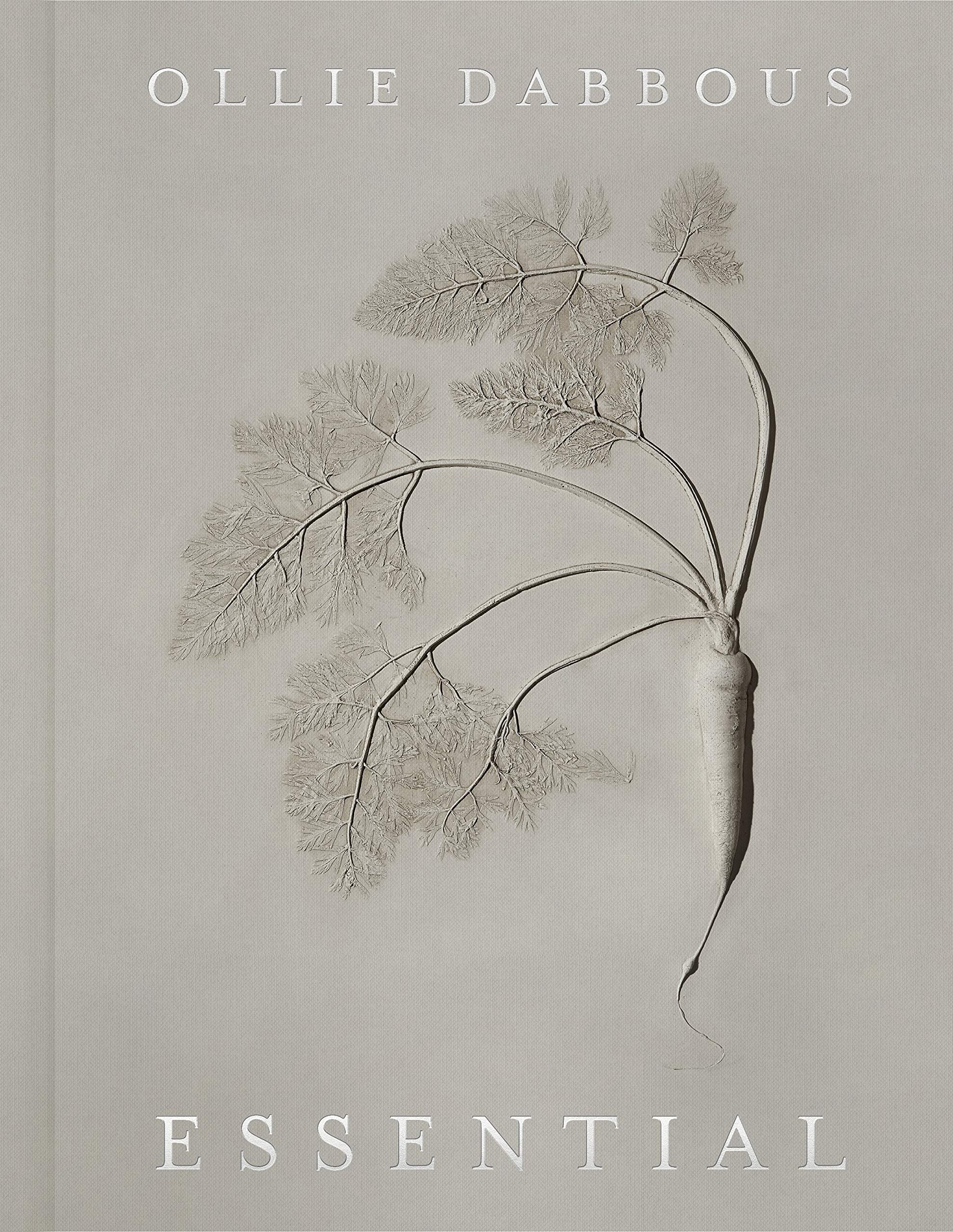
Essential Ollie Dabbous

‘With everything from a comforting venison toad in the hole and onion gravy to a light and sophisticated grilled bream with pink grapefruit, as well as baking projects that include an exotic fig leaf cake, Dabbous has covered all the bases and created a cookbook that’s as essential as its title suggests.’
Read the review
Cuisine: Global
Suitable for: Confident home cooks/Professional chefs
Cookbook Review Rating: Five stars
Buy this book: Essential £30, Bloomsbury Publishing

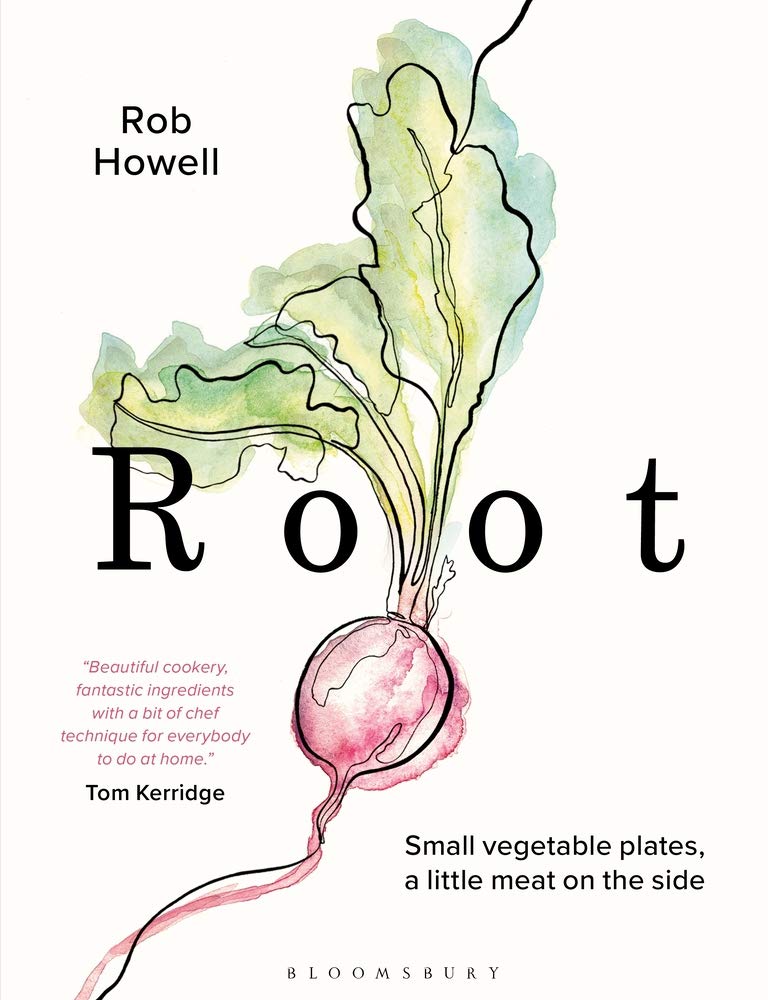
Roots by Rob Howell
Root is bursting with exciting and inspirational ideas that any keen cook will delight in. The accent on vegetables is bang on trend and will help those of us in search of help in cutting down our meat intake.  One of 2021’s essential purchases.’
Read the review
Cuisine: International
Suitable for: confident home cooks/professional chefs
Cookbook Review Rating: Five stars
Buy this book: Root: Small vegetable plates, a little meat on the side £26, Bloomsbury Absolute

Hawsworth The Cookbook
‘In his foreword, Phil Howard says, ‘I know for certain that you will not regret investing in this book – and the knowledge of this chef’. I can only concur.’
Read the review
Cuisine: Canadian/International
Suitable for: Confident home cooks/Professional chefs
Cookbook Review Rating: Five stars
Buy this book
Hawksworth: The Cookbook £33.99, Appetite By Random House

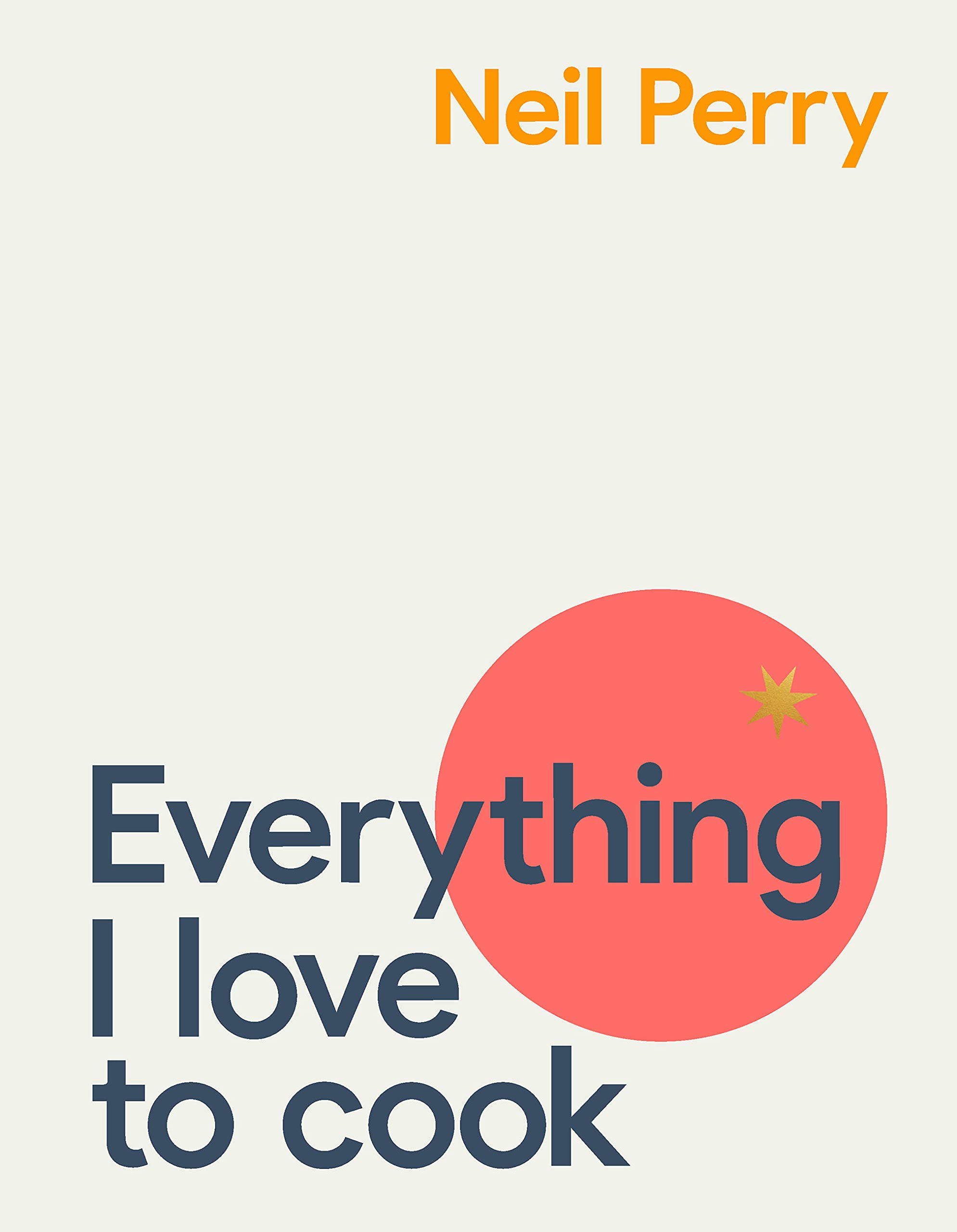
Neil Perry Everything I Love to Cook
‘With its near-encyclopaedic length and career-spanning content, the book would make a fitting finale to Perry’s 40 years in the professional kitchen. But with so many vibrant, inventive and delicious recipes, it seems that Perry has a lot more yet to share.’
Read the review 
Cuisine: Australian/International
Suitable for: Confident home cooks/Professional chefs
Cookbook Review Rating: Five stars
Buy this book
Everything I Love to Cook: 150 home classics to return to £30, Murdoch Books

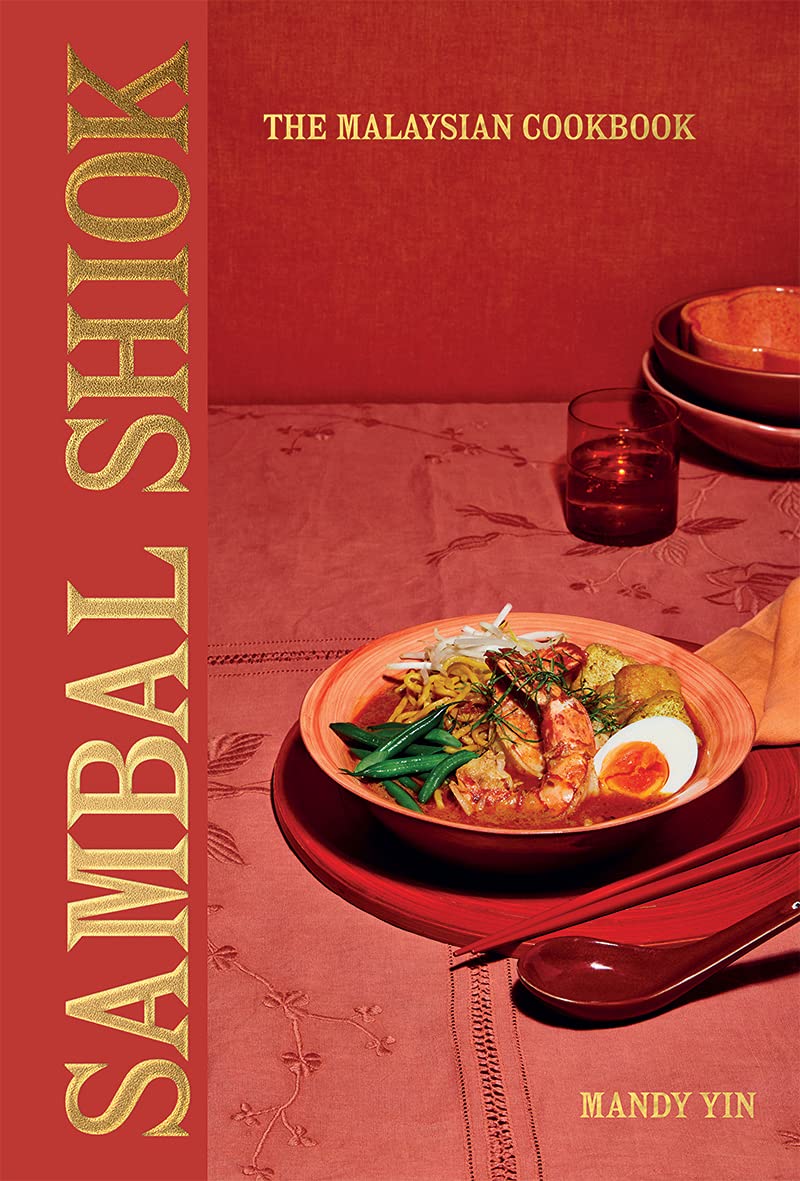
Sambal Shiok by Mandy Yin

‘If you happen to be new to the irresistibly spicy, sweet, savoury and sour delights of Malaysian cuisine, then this is the perfect introduction.’
Read the review 
Cuisine: Malaysian
Suitable for: Confident home cooks
Cookbook Review Rating: Four stars
Buy this book
Sambal Shiok: The Malaysian Cookbook £25, Quadrille Publishing Ltd

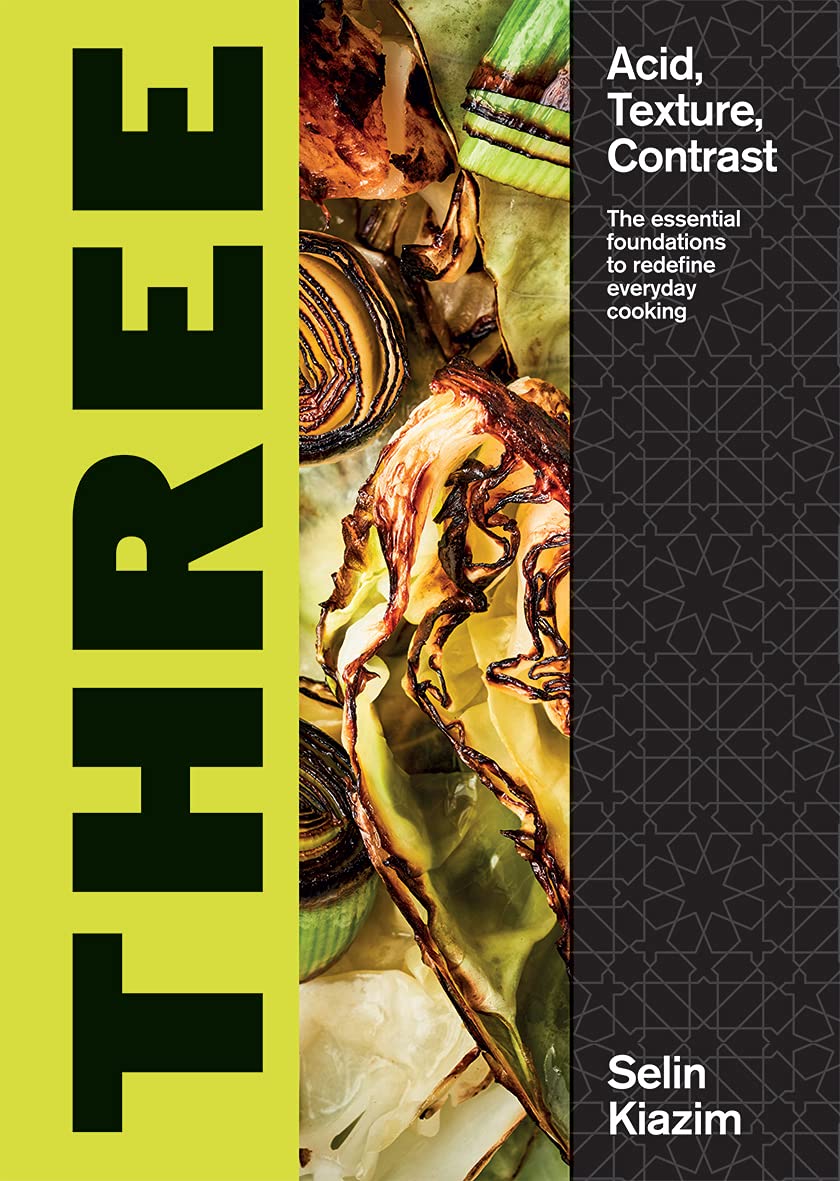
Selin Kiazim

‘Kiazim has a distinctive culinary voice all her own which would be enough to make Three an enticing prospect. The fact that she is generous enough to want to help her readers develop their own style makes it a must by for both young novice cooks and those who are more experienced but in search of some new inspiration.’
Read the review
Cuisine: International
Suitable for: Beginner / confident home cooks/professional chefs
Cookbook Review Rating: Four stars
Buy this book: Three: Acid, Texture, Contrast – The Essential Foundations to Redefine Everyday Cooking £25, Quadrille Publishing Ltd

Italian Deli Cookbook

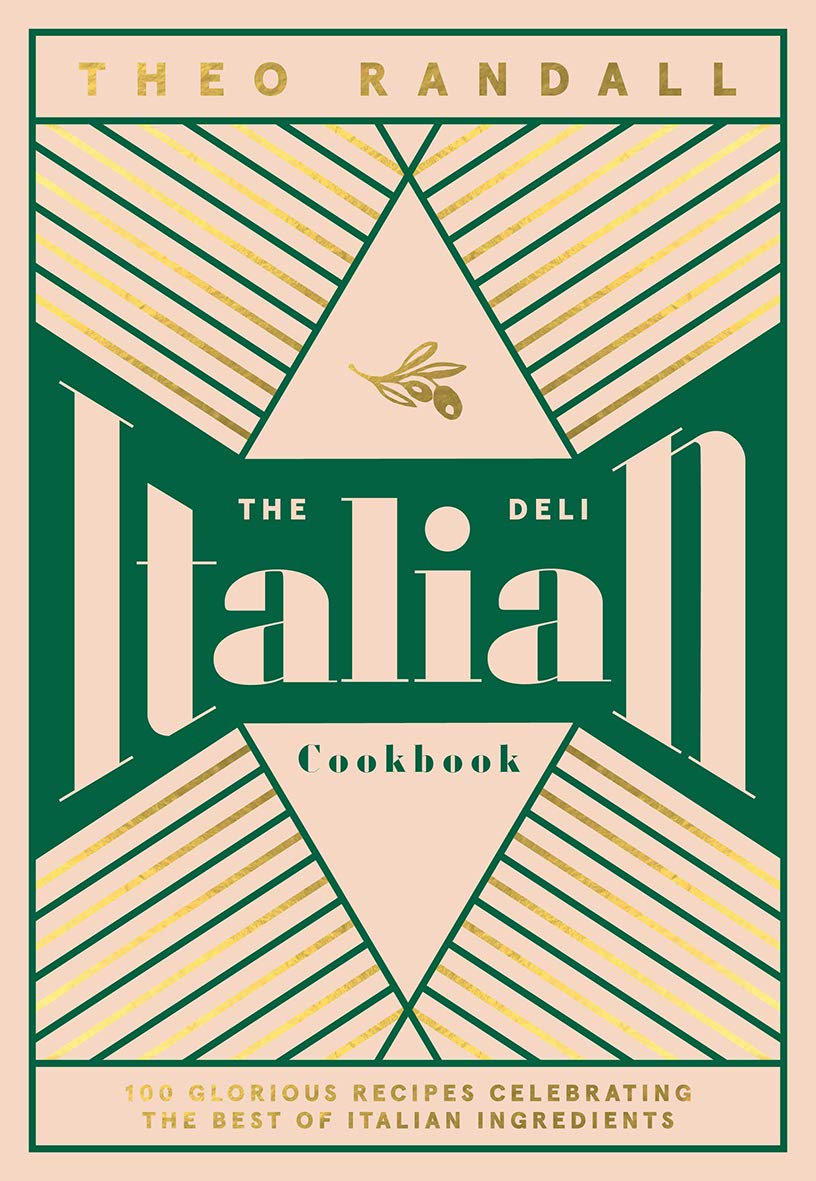
‘Randall is not aiming for novelty or difference for difference sake, but rather to make ‘simple food with exceptional ingredients’. The Italian Deli Cookbook is further evidence that he is the master of that particular craft.’
Read the review
Cuisine: Italian
Suitable for: Beginners/Confident home cooks
Cookbook Review Rating: Five stars
Buy this book: The Italian Deli Cookbook: 100 Glorious Recipes Celebrating the Best of Italian Ingredients £26, Quadrille Publishing

Marcus's Kitchen
‘It seems as though lockdown provided Wareing with the chance to really concentrate his efforts on the book which I think may well be his best yet. It’s a book I’ve already enjoyed cooking a lot from and it’s one I can see myself returning to again and again in years to come.’
Read the review
Cuisine: International
Suitable for: Confident home cooks
Cookbook Review Rating: Five stars
Buy this book: Marcus’ Kitchen: My favourite recipes to inspire your home-cooking £22, HarperCollins

Ottolenghi Test kitchen

Read the review
Coming soon
Cuisine: Middle Eastern
Suitable for: Confident home cooks
Cookbook Review Rating: Four stars
Buy this book: Ottolenghi Test Kitchen: Shelf Love £25, Ebury Press

Sicilia by Ben Tish

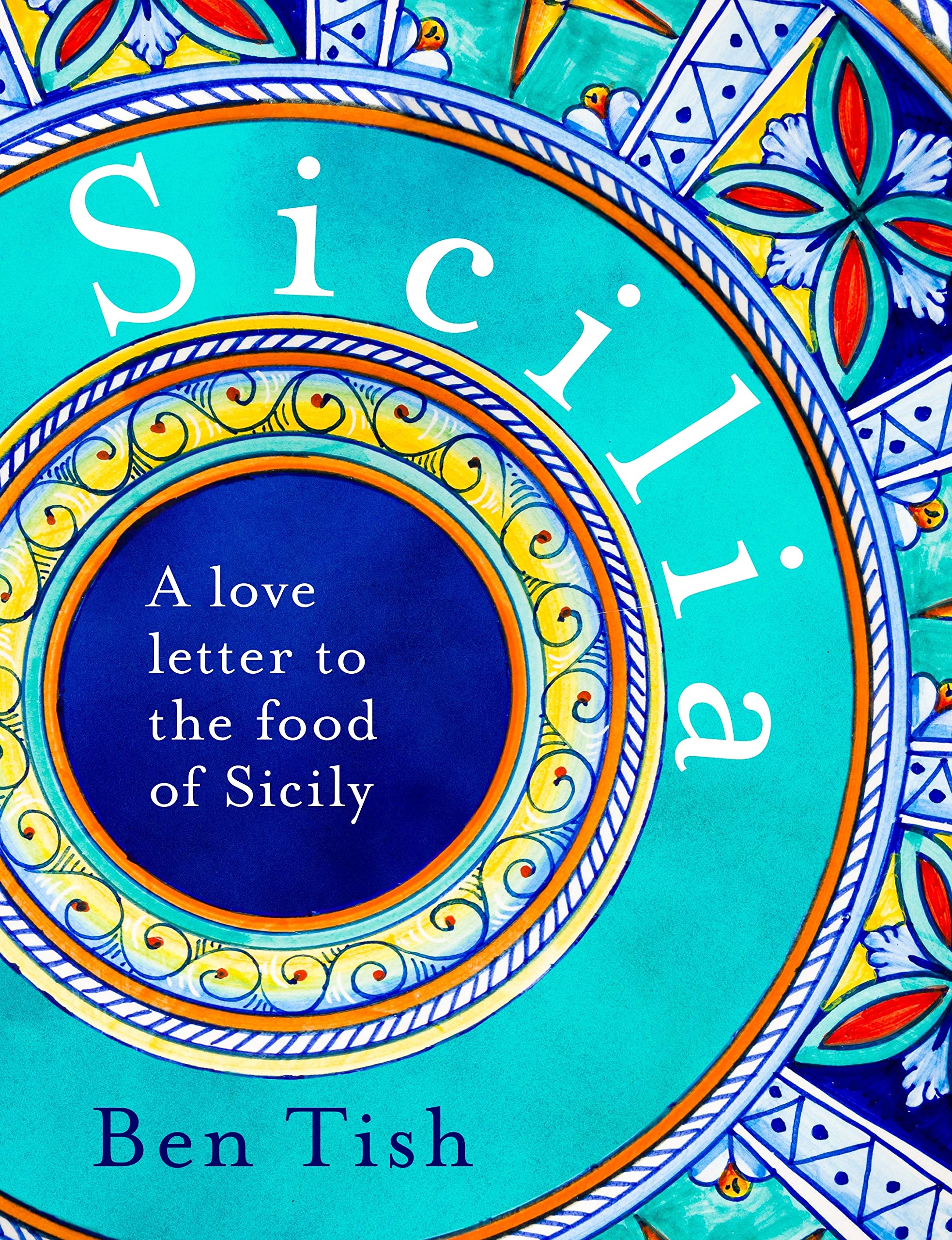
‘A gastronomic tour of Sicily in recipes and essays courtesy of one of London’s top chefs.’
Read the review
Cuisine: Sicilian
Suitable for: Confident home cooks
Cookbook Review Rating: Four stars
Buy this book: Sicilia: A love letter to the food of Sicily £26, Bloomsbury Absolute

monk Light and Shadow on the Philosopher's Path by Yoshihiro Imai

monk captures chef Yoshiro Imai’s distinctive, individual and inspiringly soulful culinary expression.  It’s a complete pleasure to read and to gaze at Yuka Yanazume’s gorgeous images.’
Read the review
Cuisine: Japanese
Suitable for: Confident home cooks/Professional chefs
Cookbook Review Rating: Four stars
Buy the book: monk: Light and Shadow on the Philosopher’s Path £29.95, Phaidon

Let’s Eat Italy by François-Régis Gaudry and Friends

Lets Eat Italy
What’s the USP? A deep dive on Italian food culture in an ‘oversized, obsessively complete, visual feast of a book’. And the marketing folk at publisher Artisan really do mean over-sized. This is the sort of coffee table book that might be better suited to artful placement on a picnic bench. Never mind doorstop tomes, this book is the size of an actual door. You get the idea: woe betide anyone looking to fit this onto an Ikea bookshelf.

Who wrote it? Credited to ‘François-Régis Gaudry and friends’, this is a collaborative effort from the team behind 2018’s similarly massive Let’s Eat France. A popular restaurant critic across the Channel, Gaudry has compiled a team that includes well over seventy contributors, including pieces by regulars from his radio show On va deguster.

Is it good bedtime reading? In so many ways, Let’s Eat Italy is perfect bedtime reading – each section offers a stand-alone deep dive into a single facet of Italian cooking. They are beautifully designed, as indebted to a Wes Andersonian sense of style as they are Italy’s own innate relationship with design. It makes for a book that one can pore over, page by page, or simply dip into as they like.

There are in-depth looks at different ingredients, from a ‘Spotlight on Capers’ to sumptuous photographic spreads on artichokes, Italian citrus fruits, tomatoes and more. Perhaps you are more interested in exploring the terroir of the nation’s cuisine, exploring the impact Venice’s lagoon has on its food. There are, of course, plenty of recipes too – regional specialties uncovered and offered up for home cooks to discover on their own turf.

All told, it’s rare to open Let’s Eat Italy and not find yourself at least briefly enamoured by its contents. Amongst the three hundred or so topics there are remarkably few duds – an occasional look at Italian food in American pop culture sheds no new light, but elsewhere even those sections without any immediate obvious use (charts of native cattle breeds) or beautiful enough to distract the reader for a moment.

The only real problem, then, is the sheer size of it, which simultaneously renders it readable only on a large table, or propped up on one’s knees whilst sitting on the sofa. But equally with the design so lovingly attended to, it’d be a crime to print it any smaller than it already is.

How good is it as a cookbook? Oh, absolutely useless. The recipes are tempting, sure – but who has room on their counter for a cookbook the size of a tabloid newspaper? I have enough difficulty sourcing real estate for the toaster. Recipes also tend to form only a small percentage of the page they are on, with the vibrant photography and elaborate histories of each dish taking priority to Gaudry and his pals. Better, then, to explore the dishes that tempt you most and then seek them out elsewhere – a decent Italian cookbook like Anna Del Conte’s Gastronomy of Italy or, more recently, Rachel Roddy’s A to Z of Pasta will cover most of the bases here.

Should I buy it? Let’s Eat Italy is surplus to almost any cook’s actual needs – but then, that’s also true of all the best cookbooks. This is a luxury, to be treasured and perhaps even revered a little. The sort of book that sits in a home like an alternative religious text – an illustrated Bible of Italian food culture that will have as many devotees as it does naysayers. But here’s the kicker: the real Bible doesn’t have a three page illustrated spread dedicated to salumi.

Cuisine: Italian
Suitable for: Beginner and confident home cooks, and hungry folk who have no intention of cooking but do fancy lusting over authentic local specialties.
Cookbook Review Rating: Four stars

Buy this book
Let’s Eat Italy!: Everything You Want to Know About Your Favorite Cuisine
£45, Artisan Division of Workman Publishing

Review written by Stephen Rötzsch Thomas a Nottingham-based writer. Follow him on Twitter and Instagram at @srotzschthomas

A Festive Fumble by Hugh Fearnley-Whittingstall

L1450308

6 servings

For the ‘independent’ crumble:
50g butter, diced (or use 50ml vegetable oil, for a vegan crumble)
75g light wholemeal cake flour or wholegrain spelt flour
50g porridge oats or fine oatmeal 50g ground almonds or hazelnuts 100g almonds, hazelnuts or walnuts, roughly bashed or chopped, or 100g cooked chestnuts, crumbled
30g sugar (soft brown, golden granulated or demerara)
A pinch of salt

For the Bramley and verbena compote:
Juice of 1 lemon
1kg Bramley or other cooking apples
12 dried lemon verbena leaves (see book)
50–100g caster sugar

To serve:
Plain yoghurt, lightly whipped cream (or a mixture of both)

For the crumble, preheat the oven to 190°C/Fan 170°C/Gas 5 and have ready a large baking tray. Either rub the butter into the flour in a large bowl to get a coarse breadcrumb texture then stir in the other ingredients, or soften the butter first and mix everything together in one go with your hands (which is the best approach if you’ve used oil).

Either way, break the mix into chunky clumps and spread out in the baking tray. Bake for 15–20 minutes, stirring the mix at least once, until golden brown. Leave to cool completely. If you are not using it straight away, store the crumble in a jar, or sealed tin or plastic container for up to a week.

To make the compote, put the lemon juice into a large pan. Peel, core and slice the apples into the pan, tossing them with the juice as you go so they don’t brown. Add the dried lemon verbena leaves, sugar and 2 tbsp water.

Bring to a simmer, stirring often, and cook gently, stirring occasionally to help the apples break down, for about 20 minutes until you have a slightly chunky purée. Taste and add more sugar if you like – but keep the compote nicely tart because it will be paired with the sweet crumble. You can either serve your compote straight away or let it cool then chill it.

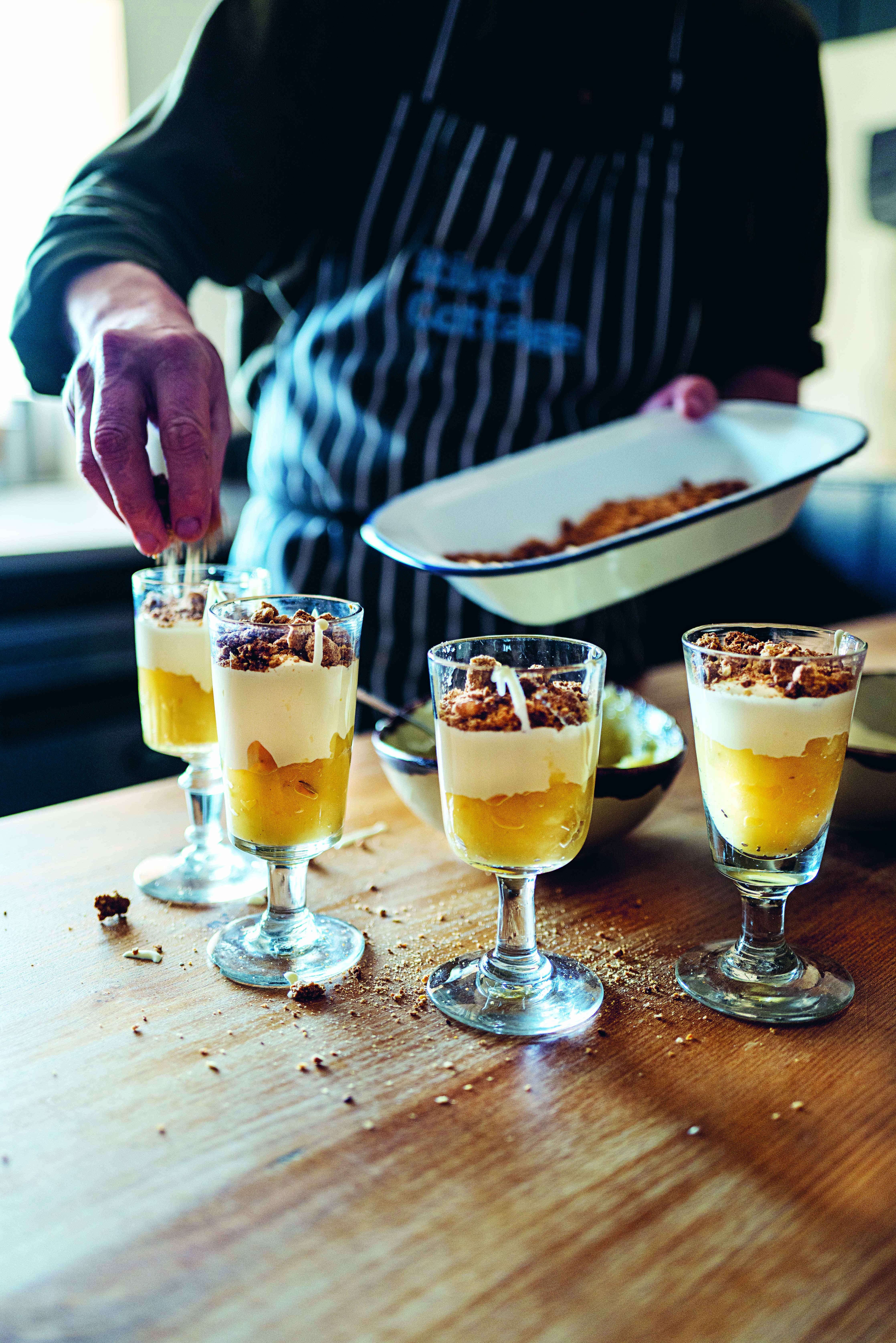
To assemble your festive fumble, divide the apple compote between serving glasses or bowls. Add a generous dollop of yoghurt, whipped cream or a combination of the two. Top with a layer of crumble mix, and tuck in – swirling your fumble as you eat.

Variation
Citrusy Bramley compote
Instead of lemon verbena, use the finely grated zest and juice of 1 orange; also include the grated zest of the lemon used in the recipe. Add to the lemon juice in the pan as you start the apple compote and proceed as above, but don’t add the 2 tbsp water.

Cook more from this book
Chestnut and Chocolate Cake by Hugh Fearnley-Whittingstall
My Favourite Stuffing by Hugh Fearnley-Whittingstall

Read the review
Coming soon

Buy this book
Christmas at River Cottage
£22, Bloomsbury Publishing

Extract taken from Christmas at River Cottage by Lucy Brazier, with seasonal notes and recipes from Hugh Fearnley-Whittingstall (Bloomsbury, £22)
Photography © Charlotte Bland

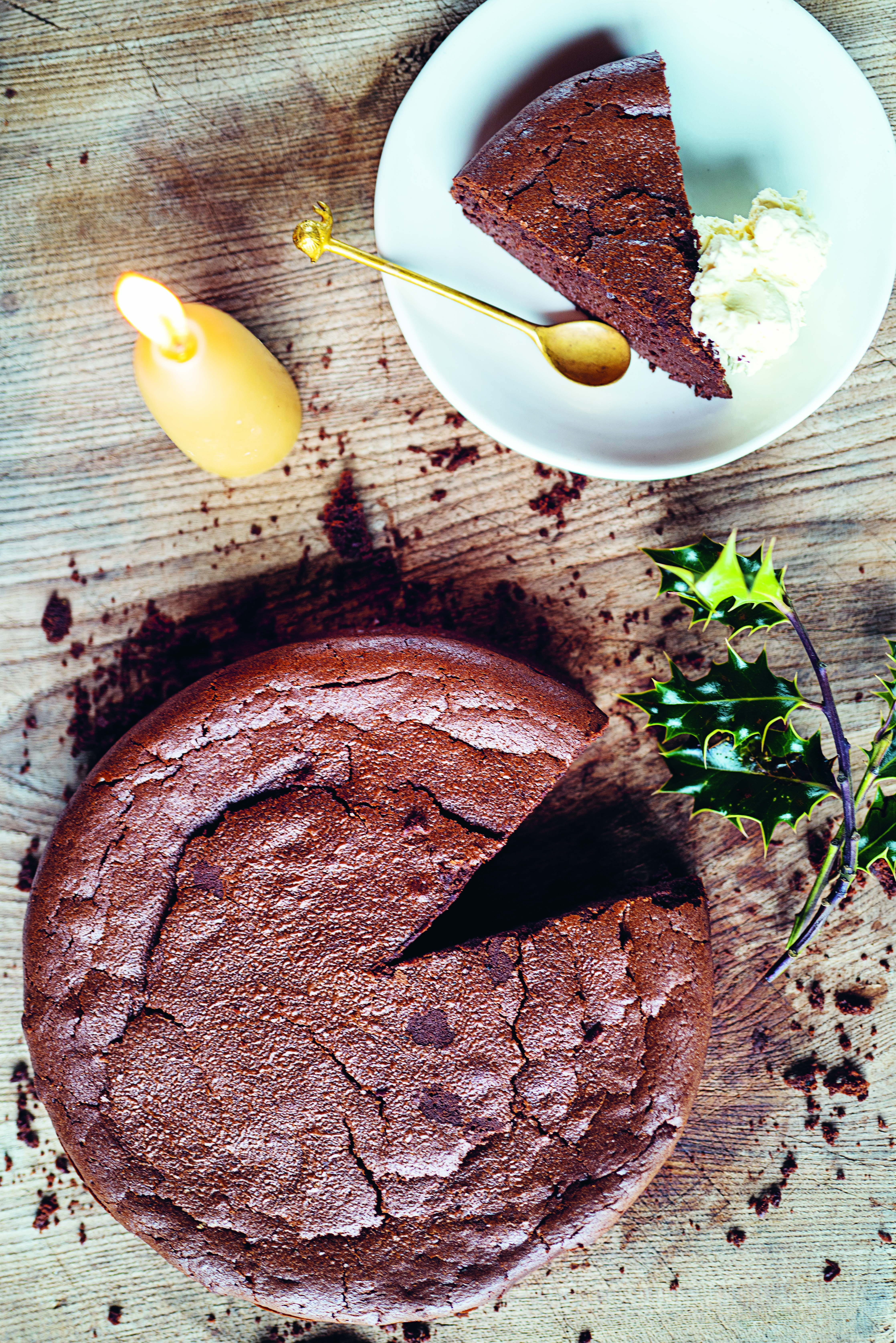
Chestnut and Chocolate Cake by Hugh Fearnley-Whittingstall

Chesnut and Chocolate Cake
This is one of my family’s favourite chocolate ‘pudding’ cakes, and I make it at least once every Christmas (and not infrequently for birthdays and other celebrations too). It’s delectably tender, fudgy and chocolatey, and not too sweet or over-rich. You can serve it warm from the oven, with a dollop of whipped cream or ice cream, but it’s also good made a day or two ahead and served cold or at room temperature.

Serves 10–12
250g peeled cooked chestnuts (vacuum-packed or tinned are fine)
250ml milk
250g dark chocolate (at least 70% cocoa solids), broken up
250g unsalted butter, roughly cut up
4 medium eggs, separated
100g caster sugar

You will also need:
A 25cm springform cake tin

Preheat the oven to 170°C/Fan 150°C/Gas 3, and grease and line your 25cm springform cake tin.

Put the chestnuts and milk into a pan and heat until just boiling. Take off the heat and mash well with a potato masher – you are aiming for a creamy purée, with just a few crumbly bits of chestnut. Set aside.

Put the chocolate and butter into a second pan and place over a very low heat. Keeping a close eye, to ensure that the chocolate doesn’t get too hot, melt them gently together, stirring now and then. Allow to cool a little.

Whisk the egg yolks and sugar together in a large bowl until blended and creamy (they don’t need to reach a ‘moussey’ stage). Stir in the warm (not hot) chocolate mixture and then the chestnut purée, to create a well- blended batter.

Whisk the egg whites in a clean bowl until they hold stiff peaks. Take one spoonful of egg white and mix it into the batter to loosen it, then fold the rest in lightly, trying not to knock out too much air. Carefully transfer the mixture to the prepared tin. Bake for 25–30 minutes until the cake is just set but with a slight wobble still in the centre.
To serve warm, leave to 22, a little then release the cake from the tin. Slice carefully – it will be very soft and moussey. Alternatively, leave the cake to go cold, when it will have set a bit firmer.

Cook more from this book
A Festive Fumble by Hugh Fearnley-Whittingstall
My Favourite Stuffing by Hugh Fearnley-Whittingstall

Read the review
Coming soon

Buy this book
Christmas at River Cottage
£22, Bloomsbury Publishing

Extract taken from Christmas at River Cottage by Lucy Brazier, with seasonal notes and recipes from Hugh Fearnley-Whittingstall (Bloomsbury, £22)

Photography © Charlotte Bland


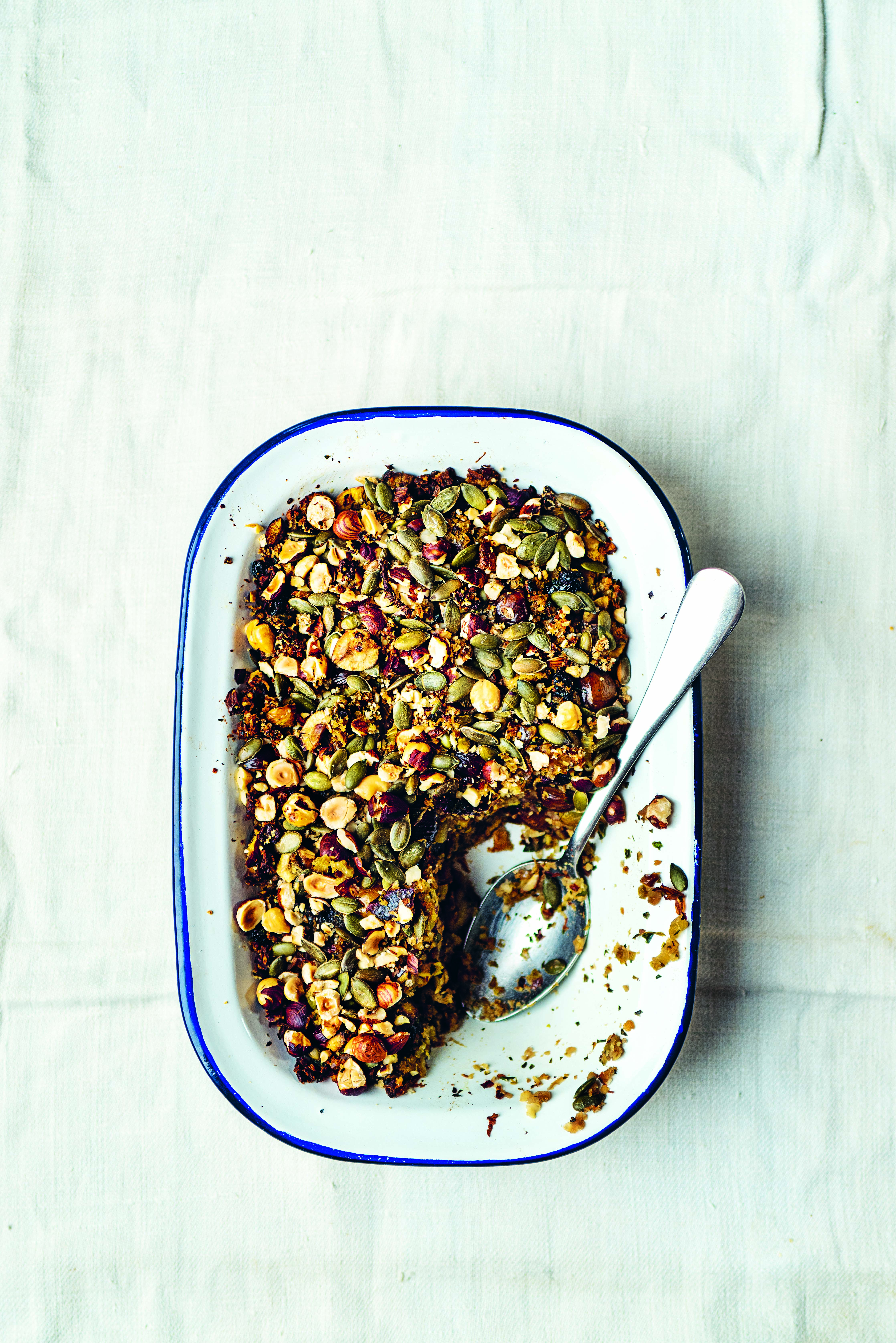
My Favourite Stuffing by Hugh Fearnley-Whittingstall

My Favourite Stuffing
Serves 6–8

500g fresh or vac-packed chestnuts 2 tbsp rapeseed or olive oil
1 onion, finely chopped
1 head of celery, tough outer stems removed, finely chopped
12 plump prunes, stoned and roughly chopped
6–8 sage leaves, chopped
A couple of sprigs of thyme, leaves picked
A small bunch of parsley, leaves picked and chopped
100g fresh (or stale) breadcrumbs 50g hazelnuts, roughly bashed,
and/or pumpkin seeds (optional) Sea salt and black pepper

If you are preparing whole chestnuts from scratch, make a small slit in the skin of each one, then blanch in boiling water for about 2 minutes to ease peeling. Drain and, once cool enough to handle, peel off both the tough outer skin and the thin, brown inner skin. Now simmer in unsalted water for 15–20 minutes, until completely tender. Drain and leave to cool. Put the chestnuts (home-cooked or vac-packed) into a bowl and break up roughly with a fork – they should be crumbled rather than puréed.

Heat the oil in a large frying pan over a medium heat. Add the onion and celery and sweat for 10–15 minutes, until softened and golden. Add the prunes, chestnuts, herbs and some salt and pepper. Mix well and cook for another 8–10 minutes, stirring occasionally. Remove the pan from the heat.

When the mixture has cooled a little, mix in all but a handful of the breadcrumbs until well combined. You can add a dash of warm water or veg stock if that’s needed to bring it together.

Preheat the oven to 190°C/Fan 170°C/Gas 5. Oil an ovenproof dish and pile in the stuffing, packing it down fairly firmly. Rough up the surface a bit with a fork, then scatter over the reserved breadcrumbs and hazelnuts and/ or pumpkin seeds if including. Trickle over a little more oil, and bake for about 30 minutes until nicely browned and crisp on top. Serve hot.

Cook more from this book
A Festive Fumble by Hugh Fearnley-Whittingstall
Chestnut and Chocolate Cake by Hugh Fearnley-Whittingstall

Read the review
Coming soon

Buy this book
Christmas at River Cottage
£22, Bloomsbury Publishing

Extract taken from Christmas at River Cottage by Lucy Brazier, with seasonal notes and recipes from Hugh Fearnley-Whittingstall (Bloomsbury, £22)
Photography © Charlotte Bland

Advent by Anja Dunk

Advent by Anja Dunk

What’s the USP? Oh, brace yourself for this, because it’s been a while. We’re always talking about cookbooks’ USPs around here, but really, how often does a book strike you as truly stand out? Truly unique? So you’ve written a book about vegan Chinese food? How quaint. What’s that? Your book looks at meals that can all be cooked in a single pan? WELL I NEVER.

Not today, my friend. Advent is a cookbook that offers twenty-four chapters (see what they did there?) that are all dedicated specifically to the world of German Christmas baking. Now that – that is a USP.

Who wrote it? Anja Dunk, who is perhaps best known for her 2018 book Strudel, Noodles and Dumplings, which dove head first into contemporary German cooking (and had one of the more satisfying titles to say aloud that year).

Germany goes hard on Christmas, from the famous markets that coax pensioners out by the coach-load in non-pandemic times to their over-the-top advent calendars that make even my Lego one seem a little uninspired (though today I got to build a very festive vaccination centre, so it’s not exactly like Lego are pulling their creative weight here either). Baking is a facet of German Christmases that we are perhaps under familiar with here in the UK. Sure, we all know our lebkuchen and stollen, but how many of us can really claim to know what differentiates a spritzgebäck from a gewürzplätzchen? Here comes Dunk, with a seasonal barrage of goodwill (and a wealth of biscuit options).

Is it good bedtime reading? Dunk opens her book with a festive introduction filled with personal anecdotes and cultural insights, painting a vivid picture of a Christmas that runs in close parallel to our own British traditions. Recipe introductions vary, and though many tend towards the short and sweet, others take a moment to expand on unfamiliar ideas or offer a peek into German homes. It’s all very cosy, and whilst it may not keep you occupied for long, Advent begs to be read whilst tucked in under a duvet, plotting the treats that will see you through to the new year.

How annoyingly vague are the recipes? Books about baking need a lot of specificity, and Dunk doubles down on this, offering measurements for both European and US readers. She also makes sure to give tactile advice that will reassure infrequent bakers that they aren’t totally off-track (“the dough is pretty tacky and so won’t look all that neat,” she kindly informs us of her Chocolate and Ginger Biscotti, confirming that it will all even out in the oven).

Will I have trouble finding the ingredients? No big asks here – in fact, the nature of cosy festive baking means that should you struggle to source ingredients from the shops, you can likely find some knocking about at the back of your Nan’s kitchen cupboard.

How often will I cook from the book? It’s about Christmas baking, so in all honesty you’re unlikely to get much use out of Advent from January through mid-November. Nevertheless, there are a few recipes that will be welcome year-round, from ‘German pizza’ Flammkuchen to the aforementioned biscotti coverage. Those with a particular fondness for home baked biscuits may consider this a vital purchase, though.

What will I love? The sheer coverage of the relatively niche corner of German cooking that Dunk has dedicated her book to. Beautifully presented and smartly organised, this is a title that does everything it claims to, and does so with elegance that few other cookbooks offer. There’s also a pair of exceptionally thoughtful contents pages at the back, listing all the vegan and gluten-free recipes respectively.

What won’t I love? Because the book clings so tightly to the Germanic Christmas tradition, with only a few recipes drawing on immediate neighbours, it can feel a little bit repetitive. Perhaps it would have been more interesting to have replaced one of the marzipan chapters with other European festive bakes.

Killer recipes: Jam-filled Lebkuchen Hearts, Cherry and Almond Florentines, Dried Pear Fruit Loaf, Spiced Chocolate and Prune Fudge Pake, Linzer Biscuits, ‘Fire Tongs’ Punch

Should I buy it? A lovely addition to the bookshelf for fans of baking and Christmas treats, this is an excellent book that you will only use for one month a year. But what a month it’ll be.

Cuisine: German
Suitable for: Beginner and confident home cooks
Cookbook Review Rating: Four stars

Cook from this book
Christmas Stollen (Weihnachtsstollen) by Anja Dunk
Christmas Wreath (Weihnachtskranz) by Anja Dunk

Buy this book
Advent: Festive German Bakes to Celebrate the Coming of Christmas
£25, Quadrille Publishing Ltd

Review written by Stephen Rötzsch Thomas a Nottingham-based writer. Follow him on Twitter and Instagram at @srotzschthomas

Best Cookbooks of 2021 Part 1

Stephen Rötzsch Thomas’s Top 10 Cookbooks of 2021

An A-Z of Pasta Rachel Roddy

‘It’s very rare that a cookbook offers such universally loveable dishes that it can, without hesitation, be suggested to one and all.’
Read the review

Cuisine: Italian
Suitable for: Beginner and confident home cooks
Cookbook Review Rating: Five stars
Buy this book:
An A-Z of Pasta: Stories, Shapes, Sauces, Recipes
£25, Fig Tree

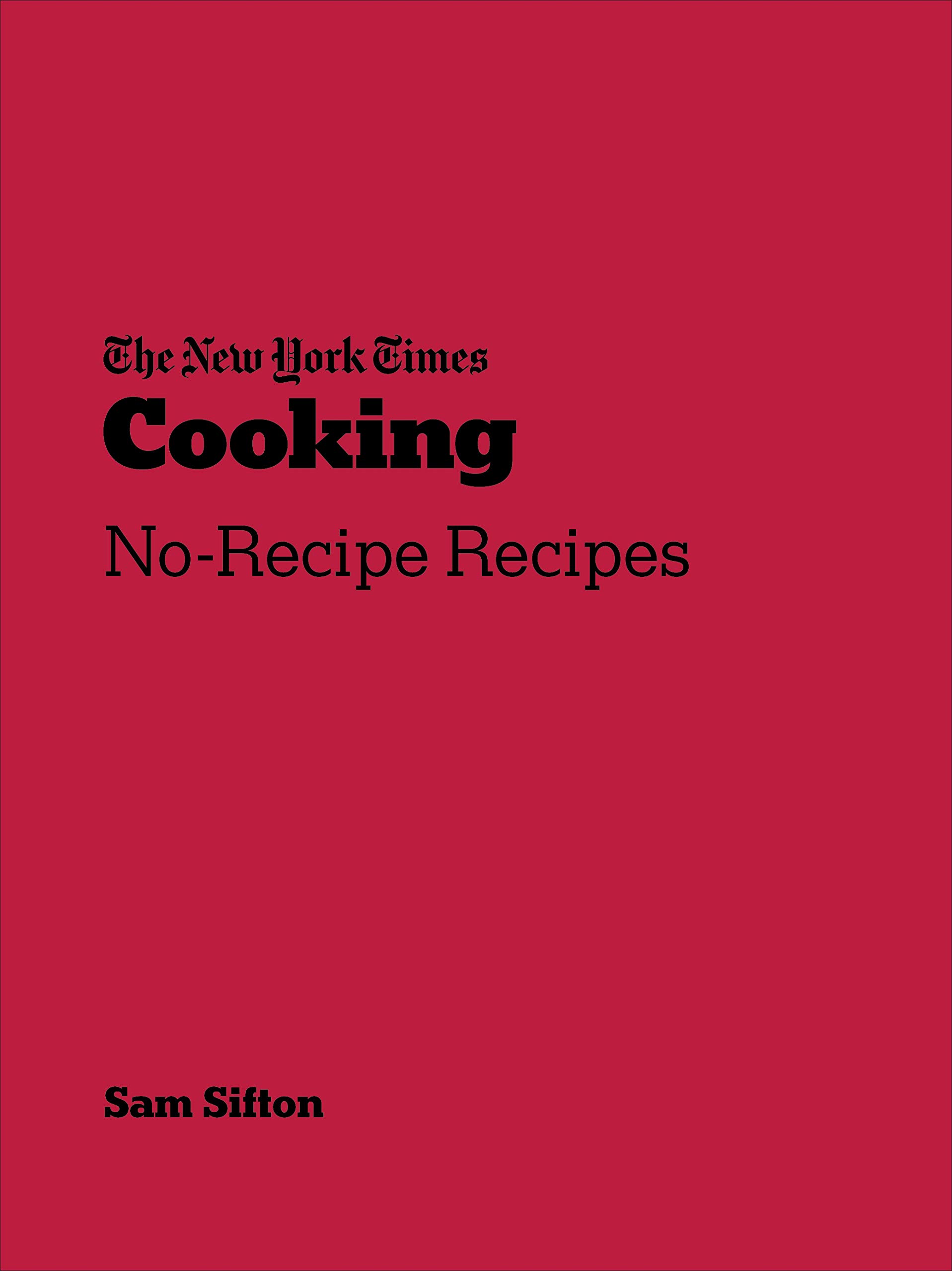
New York Times Cooking No-Recipe Recipes by Sam Sifton 

‘No-Recipe Recipes everything you want from a cookbook – it is simple, irresistible and innovative. But above all else, it reminds you exactly how fun cooking can be.’
Read the review

Cuisine: International
Suitable for: Beginner and confident home cooks
Cookbook Review Rating: Five stars
Buy this book:
New York Times Cooking: No-Recipe Recipes
£20, Ebury Press

Janes Patisserie

‘There’s scarcely a recipe in the book that you couldn’t guiltily consume single-handedly if left alone with it’
Read the review

Cuisine: British/American
Suitable for: Beginner cooks and beyond
Cookbook Review Rating: Five stars
Buy this book: 
Jane’s Patisserie: Deliciously customisable cakes, bakes and treats
£20, Ebury Press

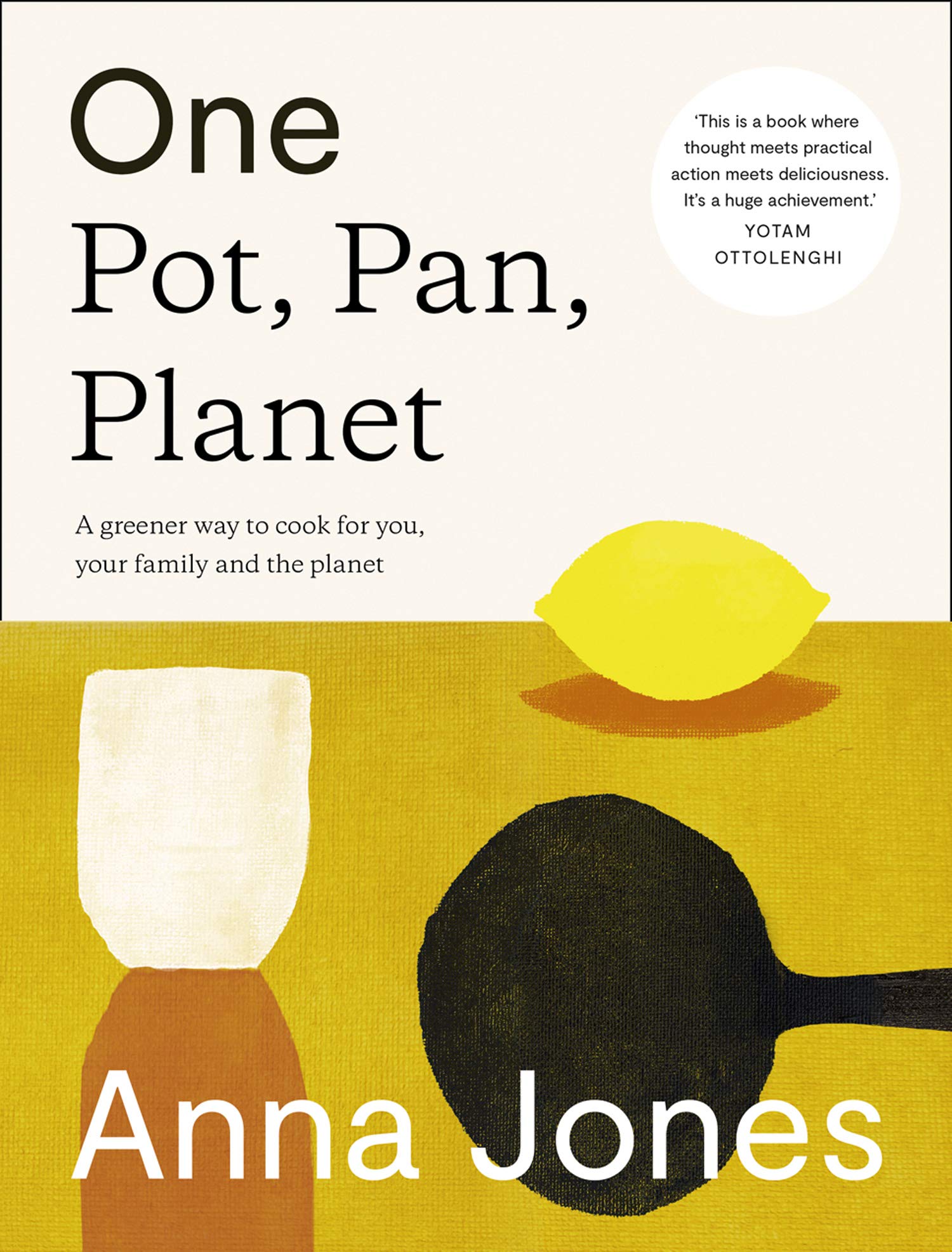
One Pot, Pan, Planet by Anna Jones


‘With creative and varied dishes that are built to be as achievable as they are sustainable, Jones has written a book that would be at home on any shelf.’
Read the review

Cuisine:
 Vegan
Suitable for: Confident home cooks
Cookbook Review Rating: Five stars
Buy this book
One: Pot, Pan, Planet: A greener way to cook for you, your family and the planet
£26, Fourth Estate

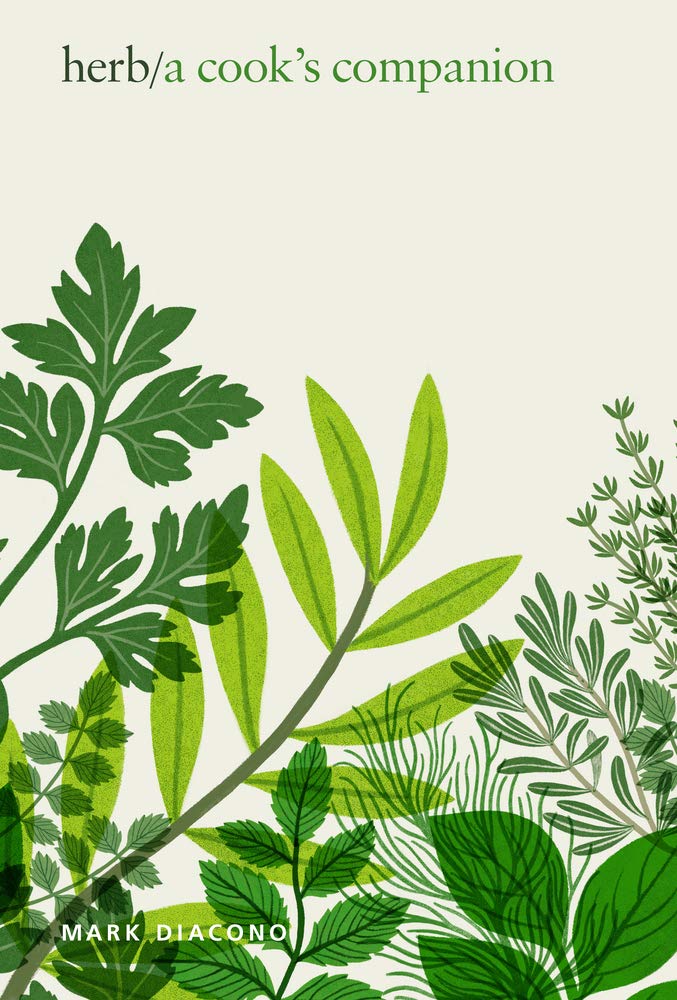
Herb Mark Diacono

‘An excellent point of reference for anyone seeking to better exploit the rich and flavourful world of herbs’
Read the review


Cuisine:
 International
Suitable for: Confident home cooks/chefs
Cookbook Review Rating: Five stars
Buy the book
Herb: A Cook’s Companion
£26, Quadrille Publishing

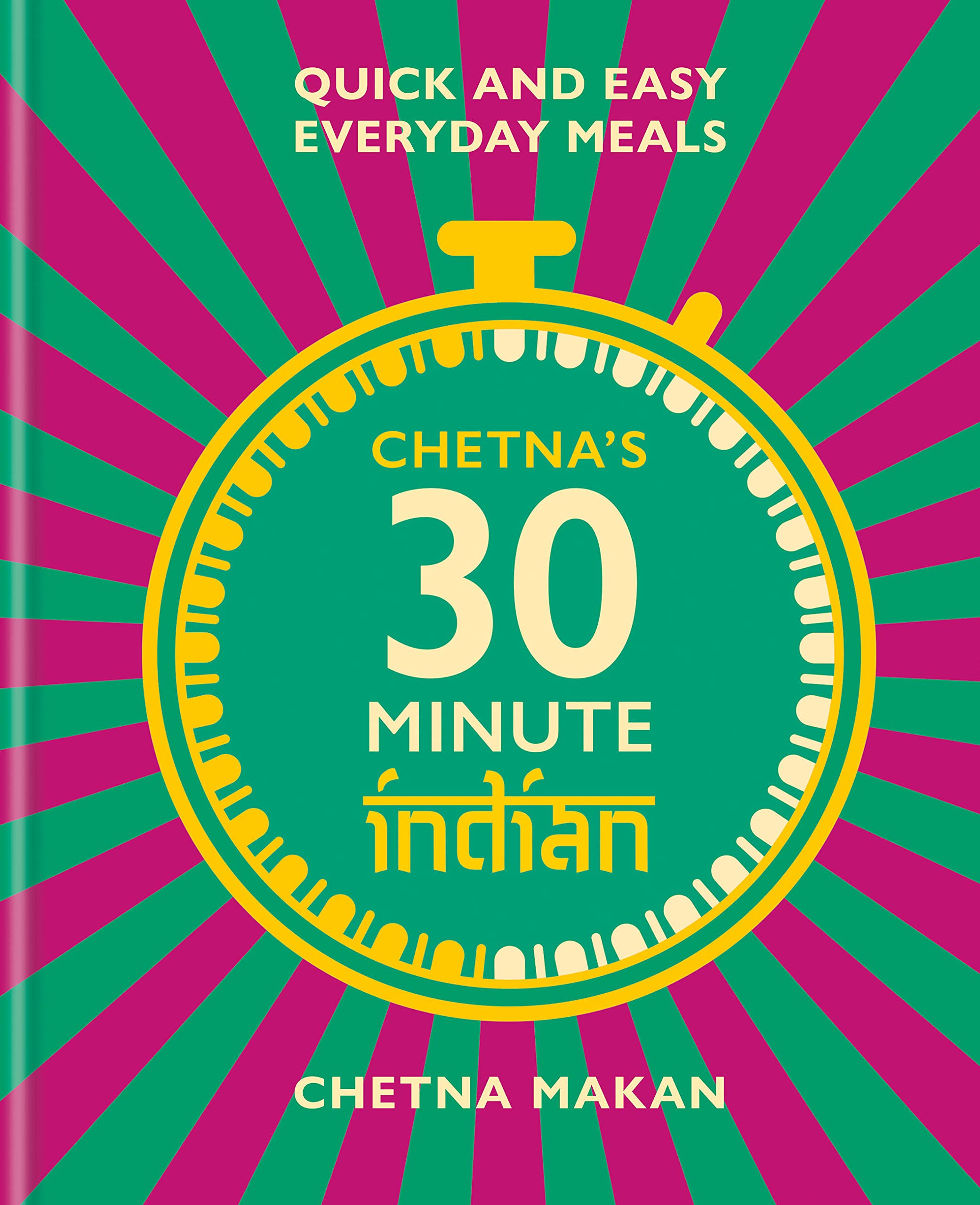
Chetnas 30 Minute Indian
 
‘Chetna’s 30 Minute Indian is a chance to inject authentic flavours and a little variety into your dinnertime, and all for a small commitment of time’
Read the review


Cuisine:
 Indian
Suitable for: Beginner and confident home cooks
Cookbook Review Rating: Four stars
Buy this book
Chetna’s 30-minute Indian: Quick and easy everyday meals
£20, Mitchell Beazley

Lets Eat Italy
 
Read the review
Coming soon


Cuisine:
Italian
Suitable for: Beginner and confident home cooks
Cookbook Review Rating: TBA
Buy this book
Let’s Eat Italy!: Everything You Want to Know About Your Favorite Cuisine
£45, Artisan Division of Workman Publishing

Asian Green Ching He Huang


‘Ching-He Huang has added a genuinely valuable title to the vegan cookbook shelf’
Read the review

Cuisine: Asian
Suitable for: Beginner and confident home cooks
Cookbook Review Rating: Four stars
Buy this book
Asian Green: Everyday plant-based recipes inspired by the East
£20, Kyle Books

Advent by Anja Dunk

Read the review
Coming soon

Cuisine: German
Suitable for: Beginner and confident home cooks
Cookbook Review Rating: TBA 
Buy this book
Advent: Festive German Bakes to Celebrate the Coming of Christmas
£25, Quadrille Publishing Ltd

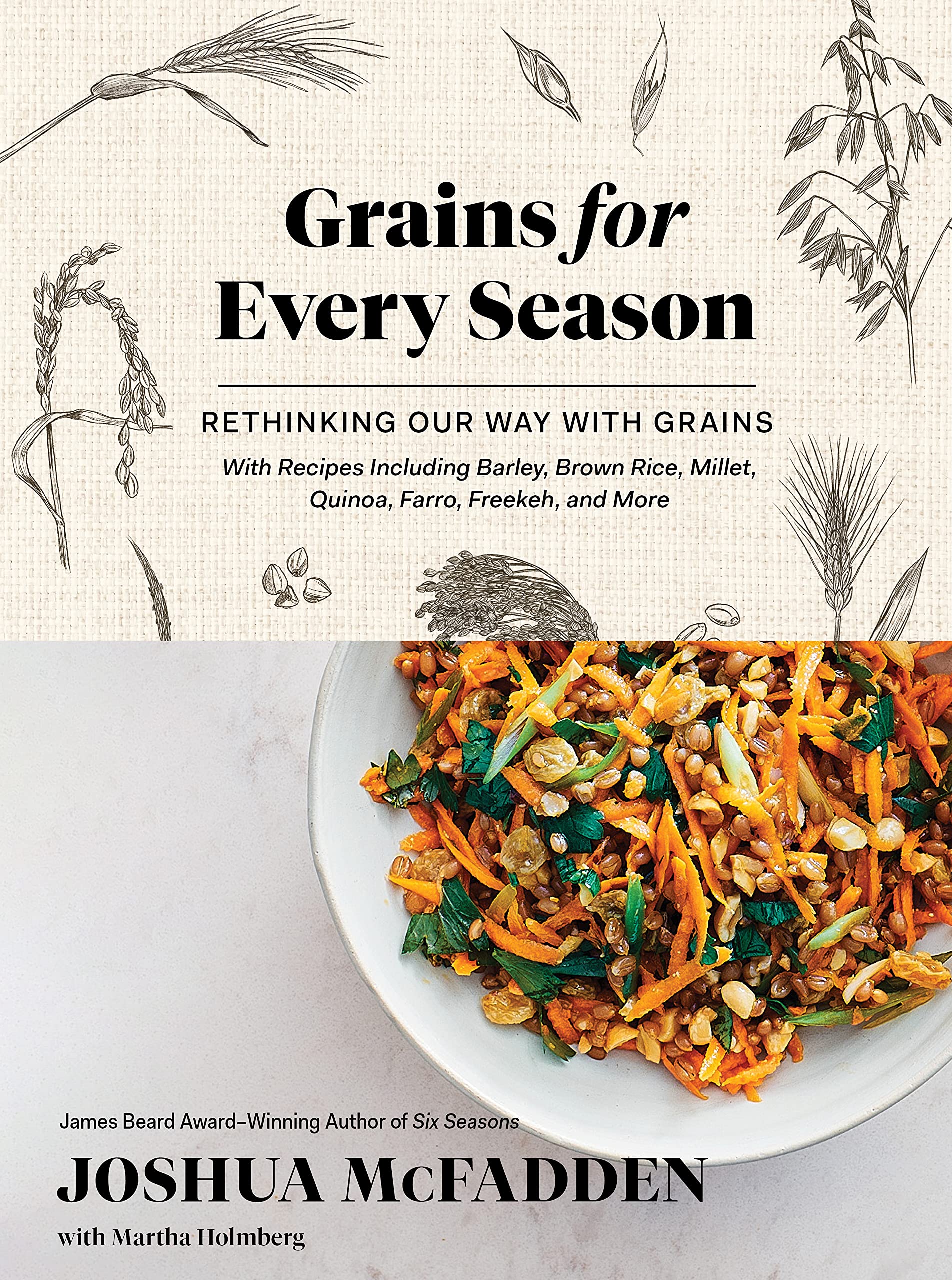
Grains for every season by Joshua McFadden


Read the review
Coming soon

Cuisine:
International 
Suitable for: Beginner and confident home cooks
Cookbook Review Rating: TBA 
Buy this book
Grains for Every Season: Rethinking Our Way with Grains
£32, Artisan Division of Workman Publishing

Barbecued lamb cutlets with lemongrass and ginger by Neil Perry

Neil Perry Cookbook
Neil Perry Cookbook

Serves 4

Lamb cutlets are one of the great things to barbecue, and there is something really nice about piling them up on a plate and picking them off one by one. Holding onto the bone and chewing on the meat is wildly satisfying. Creamed corn (page 390) makes a good side.~

12 lamb cutlets
Extra virgin olive oil
Freshly ground pepper
Lemon wedges, to serve

For the marinade
2 lemongrass stalks, tender inner stems only, thinly sliced
3 cm (1¼ inch) knob of ginger, chopped
2 garlic cloves, chopped
1 teaspoon sea salt
3 tablespoons chopped coriander (cilantro) leaves
3 tablespoons chopped mint
¼ cup (60 ml) extra virgin olive oil

Remove the cutlets from the refrigerator 1 hour before cooking.
For the marinade, use a mortar and pestle to pound the lemongrass, ginger, garlic and salt to a rough paste. Add the coriander and mint and pound for a further minute, then stir in the olive oil.

Transfer the marinade to a large bowl, add the chops and mix well, then leave for about 1 hour to marinate.

Heat the barbecue to hot and clean the grill bars. Put the cutlets on the hottest part of the grill and cook for about 2 minutes each side for medium-rare. Transfer to a plate, cover with foil and leave to rest in a warm place for 10 minutes.

To serve, place the lamb cutlets on a platter. Mix a little olive oil into the juices left on the resting plate and pour over the cutlets. Finish with a good grind of pepper, then serve with lemon wedges.

Variation
Get your butcher to butterfly a leg of lamb, boning it out and flattening it, then spread with the marinade and leave to marinate for 3 hours at room temperature. Barbecue until a thermometer registers the core temperature of the meat as 55°C (131°F), about 20 minutes, then remove and leave to rest for 15 minutes – during this time the internal temperature should rise to 59–60°C (138–140°F), to give you some seriously delicious pink lamb. Carve into slices and serve with lemon wedges.

Cook more from this book
Crispy pork belly with red onion, coriander, peanuts and sesame seeds by Neil Perry
Flourless chocolate cake by Neil Perry

Read the review
Everything I Love to Cook by Neil Perry

Buy this book

Everything I Love to Cook: 150 home classics to return to
£30, Murdoch Books

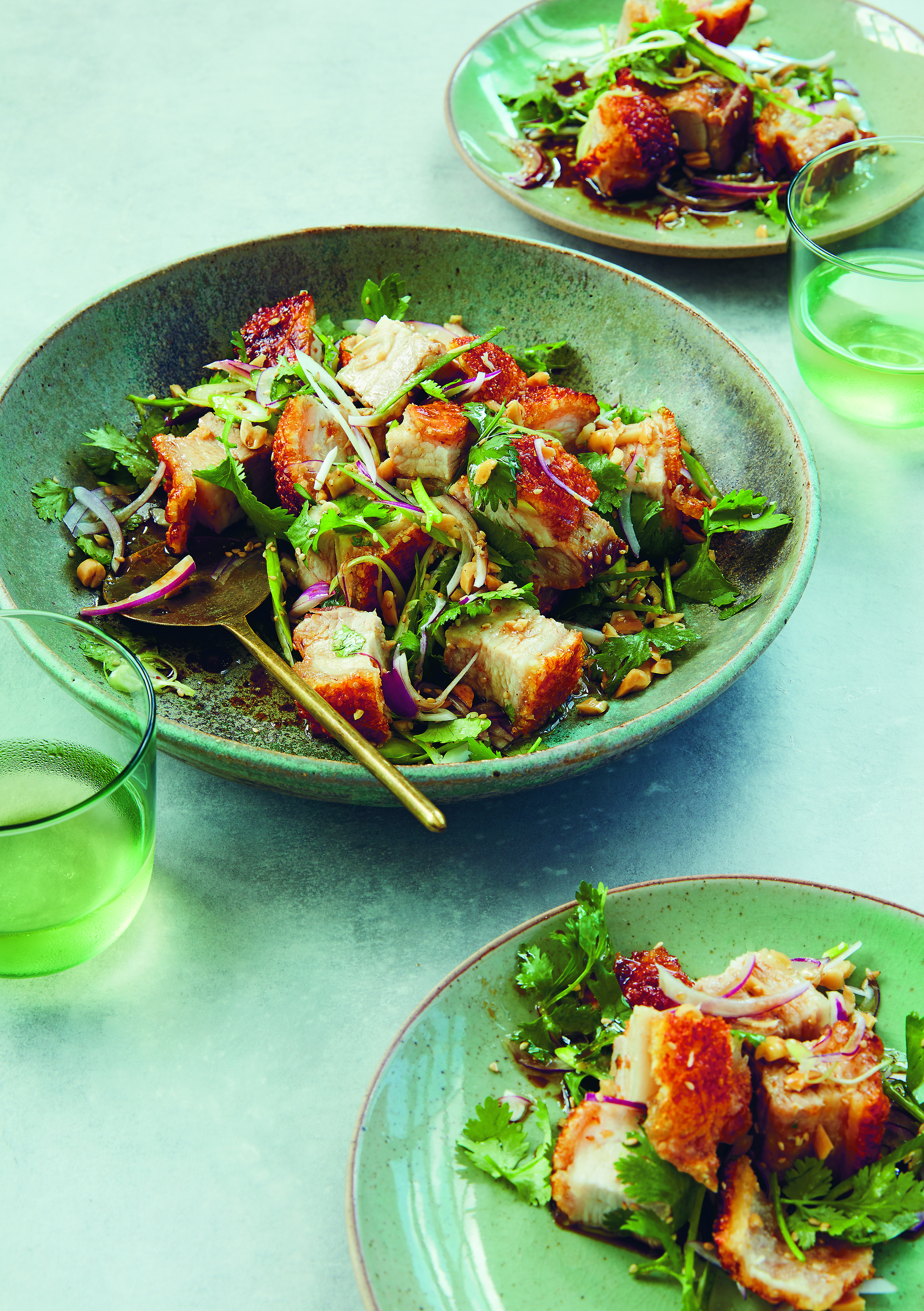
Crispy pork belly with red onion, coriander, peanuts and sesame seeds by Neil Perry

Neil Perry Cookbook
Neil Perry Cookbook

Here is one of Spice Temple’s classic dishes that I think is perfect for summer, served with rice and perhaps some steamed Chinese broccoli with oyster sauce (page 399). The pork itself is easy to cook – just remember to allow a day or two beforehand for the skin to dry out – and it has many uses. By the same token, the red onion, coriander and peanut salad is great with, say, the meat from a store-bought roast chook, shredded off the bone and tossed through, to make a super-quick dish for a busy weekend.

1 kg (2 lb 4 oz) pork belly
½ small red onion, thinly sliced
½ spring onion (scallion), thinly sliced
Large handful of roughly chopped coriander (cilantro), leaves and stalks
Handful of unsalted peanuts, toasted in a dry frying pan and crushed
1 tablespoon sesame seeds, toasted in a dry frying pan
1½ tablespoons Chinese black vinegar
2 teaspoons peanut oil
Sea salt

Place the pork belly on a wire rack set over a plate (to catch any drips) and refrigerate, uncovered, for at least a day to dry the skin out; 2 days would be even better.

Remove the pork from the fridge about 3 hours before cooking.

Preheat the oven to 220°C (425°F).

Put the pork belly on a chopping board. Using a sharp knife, score the skin deeply in a diamond pattern and rub generously with salt. Return the pork belly to its wire rack and place in a roasting tin.

Roast the pork for 20 minutes, then reduce the oven temperature to 170°C (325°F) and roast for a further 20 minutes, or until the meat is cooked through and the skin is blistered and crispy.

Remove the pork from the oven, cover with foil and set aside in a warm place to rest for 20 minutes.

Cut the pork belly into 2 cm (¾ inch) cubes. Place all the remaining ingredients in a bowl and toss together, then add the pork and mix through. Divide between four plates and serve.

Cook more from this book
Barbecued lamb cutlets with lemongrass and ginger by Neil Perry
Flourless chocolate cake by Neil Perry

Read the review
Everything I Love to Cook by Neil Perry

Buy this book

Everything I Love to Cook: 150 home classics to return to
£30, Murdoch Books

Flourless chocolate cake by Neil Perry

Neil Perry Cookbook
Neil Perry Cookbook

Serves 10
Flourless chocolate cake This cake was on my first dessert menu at Barrenjoey House in 1982, and is now a firm favourite with my daughters, who’ve mostly had it as their birthday cake for all of their young lives. The reason it’s been kicking around for so long is that it’s just a terrific cake, with a heavenly texture like a chocolate soufflé – and it behaves like one too. With no flour to hold it up, it rises as it cooks and falls as it cools, so do not freak out when it sinks in the middle.

400 g (14 oz) good-quality dark chocolate, broken up
6 eggs, separated
150 g (5½ oz) caster (superfine) sugar
2½ tablespoons Cointreau
300 ml (10½ fl oz) pure (whipping) cream
Cocoa powder, for dusting
Lightly whipped cream, to serve
You’ll also need a 900 g (2 lb) loaf tin

Preheat the oven to 170°C (325°F). Lightly oil your loaf tin, then line it with baking paper.

Melt the chocolate in a stainless-steel bowl set over a saucepan of simmering water; don’t let the water boil, or you might scald the chocolate. Carefully lift the bowl of chocolate off the pan and leave it to cool slightly.

Meanwhile, in a large bowl, beat the egg yolks and two-thirds of the sugar until pale and creamy. Add the Cointreau and beat until well combined, then add the chocolate and mix until completely incorporated.

In a separate bowl, whip the cream until soft peaks form.

In another bowl, start whisking the egg whites until soft peaks start to form, then gradually add the remaining sugar and keep whisking until firm peaks form.
Gently fold the whipped cream into the chocolate mixture, followed by the whisked egg whites.

Pour the mixture into the tin, then sit it in a deep baking dish or roasting tin and add enough hot water to come about 2.5 cm (1 inch) up the outside of the loaf tin. Bake for 45 minutes, then turn the oven down to 150°C (300°F) and bake for a further 45 minutes. Turn the oven off, but leave the cake inside for 20 minutes, then remove and allow to cool completely.

To serve, carefully run a knife around the inside edge of the tin, then turn over the tin onto a plate – the cake should slide out easily. Using a knife dipped in hot water, cut into slices, dipping the knife into hot water after each cut. Place on plates, dust with cocoa powder and serve with lightly whipped cream.

Tip
This cake keeps well for 2 days at room temperature; don’t put in the refrigerator or it will become hard and unpalatable.

Cook more from this book
Barbecued lamb cutlets with lemongrass and ginger by Neil Perry
Crispy pork belly with red onion, coriander, peanuts and sesame seeds by Neil Perry

Read the review
Everything I Love to Cook by Neil Perry

Buy this book

Everything I Love to Cook: 150 home classics to return to
£30, Murdoch Books