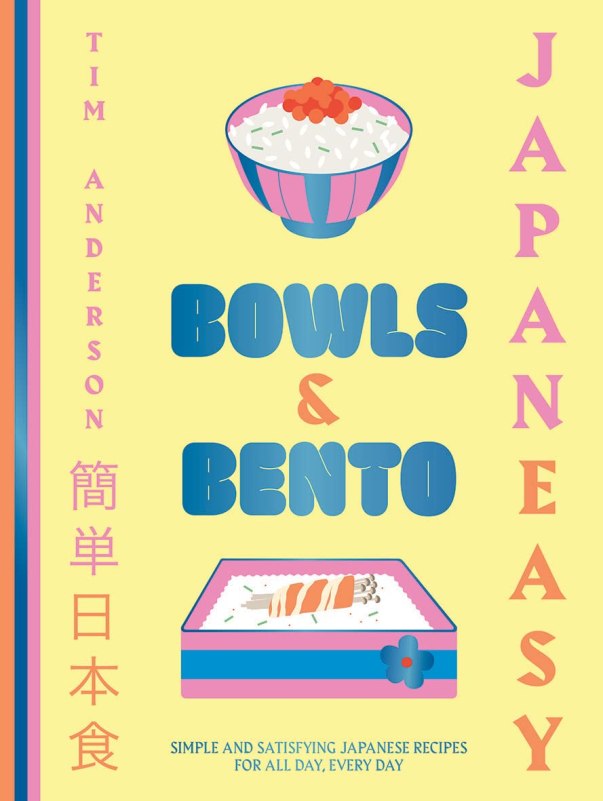
Japaneasy Bowls and Bento by Tim Anderson

Japaneasy Bowls and Bento

What’s the USP? The latest entry in the Japaneasy series of cookbooks keeps it simple, offering up a selection of simple to make dishes that recall the bento options found at conbini convenience stores across Japan. There’s also, as the name suggests, a heavy focus on food served in bowls – which is very often the most comforting way to have one’s food served. 

Who wrote it? Tim Anderson, the American-born, British-based Masterchef winner who specialises in Japanese cooking. Like, really specialises in it. Anderson is currently knocking out a cookbook a year, it seems, and they’re usually very accessible and filled with delicious ideas. 

Is it good bedtime reading? Cookbooks that focus on simplicity often carry that through to every element of their composition too, from design to the food writing itself. Thankfully, while Anderson sticks with the clean, attractive layouts returning readers will be used to, he also continues to inject a few sections to peruse between recipes. As well as your standard equipment sections, there are asides on bento culture, and the best way to enjoy rice. They aren’t exactly essays, but they make for a much more readable and enjoyable experience than comparable offerings from other publishers. 

Will I have trouble finding the ingredients? Anderson tries, as ever, to keep his dishes as accessible as possible. There’ll be plenty of requests for staple ingredients of the cuisine, like mirin, dashi powder and sesame oil, but none of these are particularly hard to source these days. Where more unusual ingredients are suggested, Anderson offers a readily accessible alternative. 

What’s the faff factor? As the title suggests, everything here will be relatively simple to knock together in your kitchen at home. Thankfully, he’s dropped the often terrible puns that the otherwise brilliant Vegan Japaneasy insisted highlighting said ease with. Now the dishes speak for themselves, and are all the better for it. 

How often will I cook from the book? This is the sort of book that could be pulled off the shelf weekly. It is filled with simple dinners that will offer new options for a quick meal after work. With its focus on bento lending the book a ‘small plates’ vibe at times, there’s also plenty of opportunity to put on a fairly impressive, hassle-free Japanese dinner party. 

What will I love? Japaneasy Bowls and Bento is a bit of an all-rounder. As well as a good selection of weeknight-friendly dinners, the bento-led focus of the book means it also offers great ideas for your packed lunch, or for a dinner party of small plates.

What won’t I love? It’s a small thing, but the lovely shiny blue lettering on the cover is not up to much at all – it only took one trip to my kitchen work-top for some of it to wear away. But all good cookbooks look a little worn in the end – perhaps this one is just keen to skip to that stage. 

Killer recipes: Enoki bacon rolls, Microwaved runner beans with yuzu ginger miso, Pork belly bowl with salted leek relish, Crab and spinach doria 

Should I buy it? The big question for many will be whether or not they already own a Tim Anderson book. While Japaneasy Bowls and Bento is a solid cookbook with plenty of tempting recipes for easy weeknight meals, earlier titles in the range offer a similar selection. This doesn’t break and new ground, so it’s worth heading to your local bookshop and comparing each title to figure out which one works best for you. 

Cuisine: Japanese
Suitable for: Beginner and confident home cooks
Cookbook Review Rating: Three stars

Buy this book: Japaneasy Bowls and Bento

Review written by Stephen Rötzsch Thomas a Nottingham-based writer. Follow him on Twitter and Instagram at @srotzschthomas

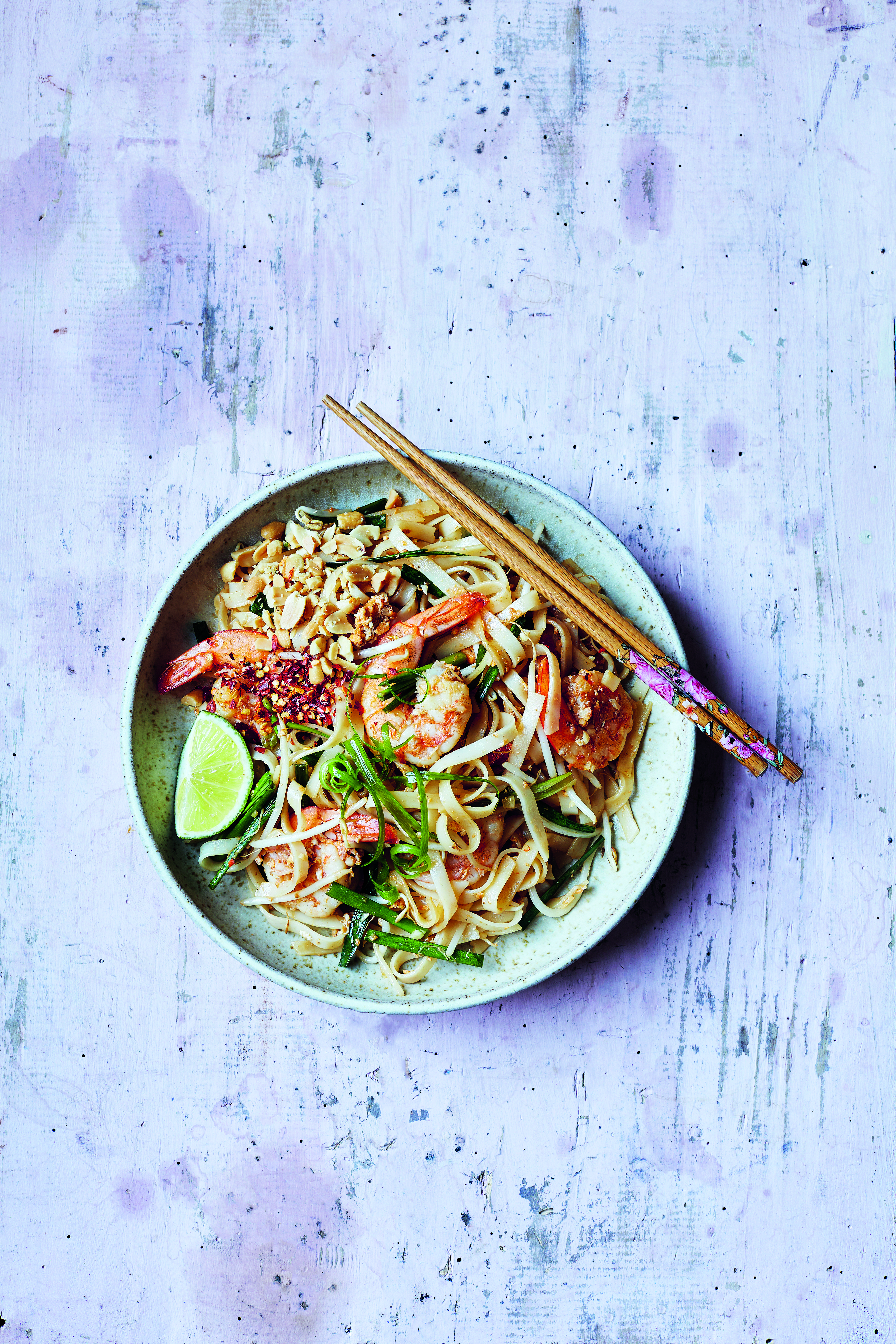
Prawn Pad Thai by Norman Musa

Prawn Pad Thai - BOWLFUL. IMAGE CREDIT Luke J Albert

When anyone asks about the best Thai dishes that have been exported around the world, Pad Thai is certainly among the most sought after. My visit to the country’s capital in search of the best Pad Thai in Bangkok revealed how easy it actually is to cook this dish. It has a wonderful combination of sweet, sour and salty flavours with a good crunch of peanuts. Forget about ready-made sauce in a jar, you can make your own by combining tamarind, palm sugar, fish sauce and soy sauce – it’s as simple as that.

SERVES 2

200g/7oz flat rice noodles
½ tbsp vegetable oil, plus extra for the egg
3 garlic cloves, finely chopped
10 raw king prawns, shelled and deveined, but tails left on
1 egg
125g/4½oz bean sprouts
50g/1¾oz garlic chives (kow choi)

FOR THE SEASONING

1½ tbsp tamarind paste
1 tbsp palm sugar
1 tbsp fish sauce
2 tbsp light soy sauce

FOR THE GARNISH

1 spring onion, cut into thin strips and soaked in cold water until curled, then drained
10 sprigs of fresh coriander, leaves picked
2 tsp dried chilli flakes
½ lime, cut into 2 wedges
2 tbsp salted peanuts, lightly crushed

Prepare the noodles according to the packet instructions; drain and set aside. In a small bowl, mix the seasoning ingredients with 2 tablespoons of water and stir well.

Heat the oil in a wok or large frying pan over a high heat. Fry the garlic for 30 seconds, then add the prawns and cook for 1 minute. Push the prawns to one side of the wok or frying pan and drizzle in a little more oil. Crack in the egg, scramble it, cook until dry and then add the noodles and seasoning mixture. Cook for 2 minutes, then stir in the bean sprouts and chives, continue to cook for 1 more minute and then turn off the heat.

Transfer to two serving bowls and garnish with the spring onion, coriander, chilli flakes, lime wedges and peanuts. Serve at once. 

Image: Luke J Albert

Cook more from this book: 
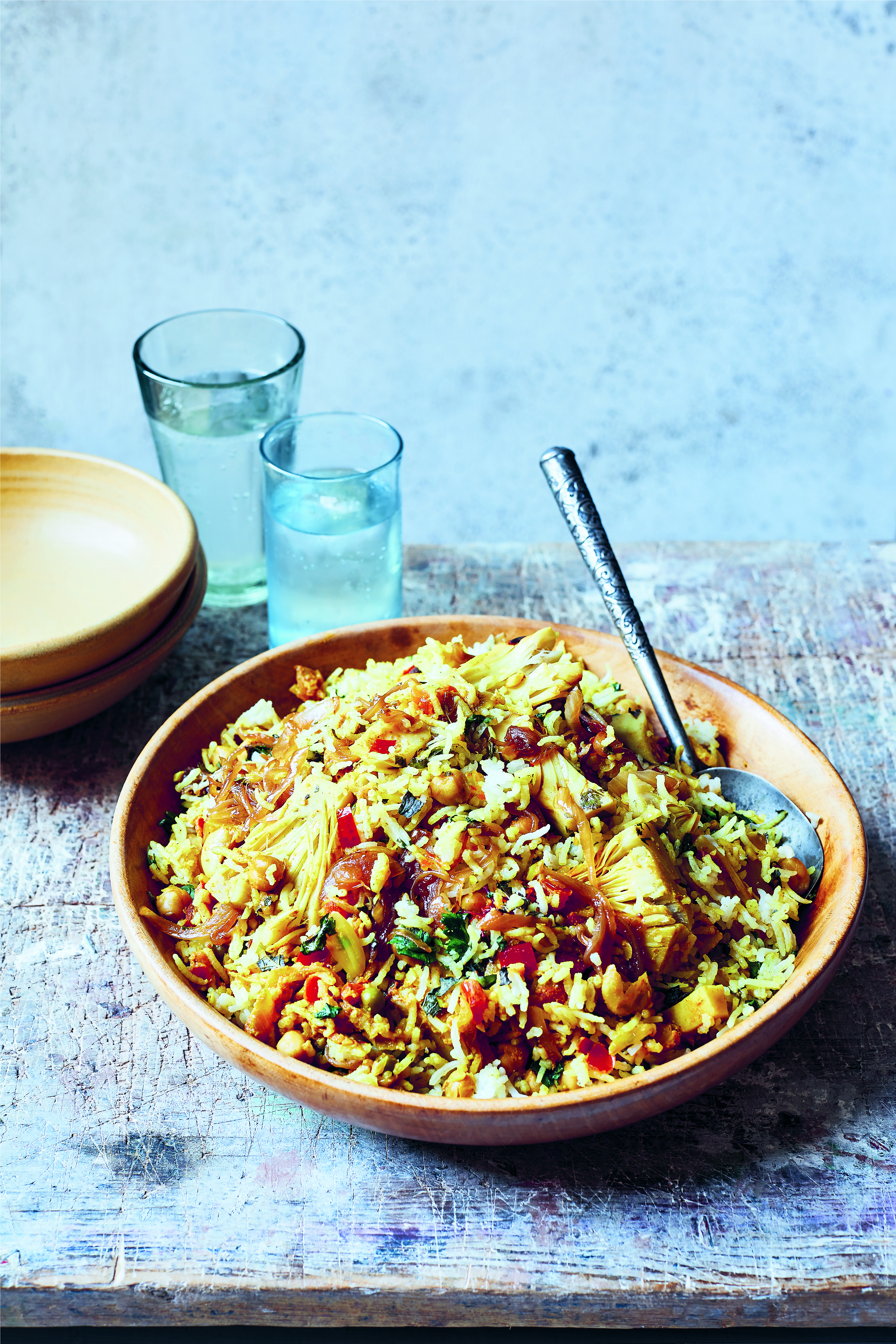
Vegetarian Biryani with Chickpeas by Norman Musa

Read our review 
Coning soon

Buy this book: Bowlful: Fresh and vibrant dishes from Southeast Asia by Norman Musa (Pavilion Books).

Vegetarian Biryani with Chickpeas by Norman Musa

Vegetarian Biryani with Chickpeas - BOWLFUL. IMAGE CREDIT Luke J Albert

I visited Singapore many years ago on holiday and stumbled across a wonderful, well-organized food court whose name I can’t recall, but I vividly remember the stall that served delicious biryani. The chef showed me all the layers in the huge cooking pot he used to cook the aromatic rice. This experience always comes to mind every time I cook or read anything about biryani.

SERVES 4

FOR THE JACKFRUIT & CHICKPEA CURRY

2 tbsp ghee, butter or vegan spread, plus ½ tbsp extra for the rice
4 white onions, halved and thinly sliced
4 medium and ripe tomatoes, finely chopped
1 x 565g/20oz can jackfruit in brine, drained and rinsed
1 x 400g/14oz can chickpeas, drained and rinsed

FOR THE RICE

500g/1lb 2oz/2½ cups basmati rice, soaked in water for 20 minutes then drained 
3 green cardamom pods, lightly bruised
3 cloves
1 cinnamon stick
10 black peppercorns
1 tsp cumin seeds
2 tsp salt

FOR THE SAUCE

200g/7oz/scant 1 cup quark or natural yogurt
2.5cm/1in ginger, finely chopped
5 garlic cloves, sliced
1 tbsp ground coriander
2 tsp ground cumin
2 tsp mild chilli powder
1 tsp ground turmeric
2 tsp salt
1 tsp garam masala
10 sprigs of fresh coriander, roughly chopped
20 fresh mint leaves, roughly chopped
4 tbsp frozen peas

TO FINISH

3 tsp saffron water (a pinch of saffron threads soaked in 2 tbsp warm water for 20 minutes)
3 tsp rose water
20 fresh mint leaves, roughly chopped
10 sprigs of fresh coriander, roughly chopped

To make the curry, melt the ghee, butter or spread in a large saucepan over a medium-high heat. Next, stir in the onions and fry for 10 minutes until golden to dark brown. Remove half the onion and set aside for later use.

Stir in the tomatoes and cook for 3 minutes until softened. Add the jackfruit, chickpeas and all the sauce ingredients, except for the peas, and cook for 10 minutes. Stir in the peas, together with 200ml/7fl oz/scant 1 cup of water, and cook for a further 2 minutes. Turn off the heat. 

Meanwhile, place 1.8 litres/63fl oz/7½ cups of water in a large saucepan and add the spices and salt, then bring to the boil and stir in the rice. Cook for 8 minutes. After the first 4 minutes, reduce the heat to medium-low and continue to cook for the remaining 4 minutes. Turn off the heat and drain.

Put the remaining ghee, butter or spread in a deep saucepan and scatter over one-third of the rice followed by 1 teaspoon of the saffron water and 1 teaspoon of the rose water. Scatter over one-third of the mint, coriander and fried onions, followed by one-third of the curry. Repeat the same process until everything has been used.

Cover the pan with aluminium foil, put over a low heat and cook for 8 minutes. Turn off the heat and let the biryani rest for 5 minutes, then remove the foil and divide between four serving bowls. Serve at once.

Image: Luke J Albert

Cook more from this book
Prawn Pad Thai by Norman Musa

Read our review 
Coning soon

Buy this book: Bowlful: Fresh and vibrant dishes from Southeast Asia by Norman Musa (Pavilion Books).


Black Power Kitchen by Jon Gray, Pierre Serrao and Lester Walker

Ghetto gastro

Black Power Kitchen is part cookbook, part manifesto. A combination of 75 mostly plant-based dishes that draw on recipes from across the African diaspora and emotive essays that speak of the power food has in connecting communities and creating shared histories and futures alike. 

The authors are Jon Gray, Pierre Serrao and Lester Walker, members of New York food collective Ghetto Gastro. The group, which comprises chefs and food enthusiasts and has been making a name for itself since 2012, breaking into wider public consciousness in recent years as they collaborate with big brands while delivering important social action, feeding Black Lives Matters protesters and offering a thrilling vision of what food can do within a community.  

You should buy Black Power Kitchen for both the passionate essays that shine a light on the collective’s vision for food in Black communities and beyond, and for the recipes, which are thoughtfully conceived and playfully reimagined takes on both iconic dishes and bright new ideas. Like last year’s Black Food by Bryant Terry, which also took a collaborative essay-led look at the diaspora’s rich food heritage, Black Power Kitchen is heavy on plant-based recipes, with a smattering of seafood and chicken dishes thrown in for good measure. But this is no clean-eating vegetable-led cookbook. The recipes are bold and creative, from a Jamaican jerk-inspired mushroom dish that includes a barbeque miso glaze, to a thrilling vegan take on the Brazilian feijoada. Pescatarians can add an unmissable take on the Japanese takoyaki that draws on Caribbean cooking to offer up a saltfish-led twist. The recipes can be a little more ambitious than casual home cooks will want to approach regularly, but the results will be amongst the best food you’ve ever made – your only disappointment will be that there aren’t more dishes to draw on.

Cuisine: African/International
Suitable for: Confident home cooks
Cookbook Review Rating: Four stars 

Buy this book: Black Power Kitchen
£35, Artisan Division of Workman Publishing

Review written by Stephen Rötzsch Thomas a Nottingham-based writer. Follow him on Twitter and Instagram at @srotzschthomas

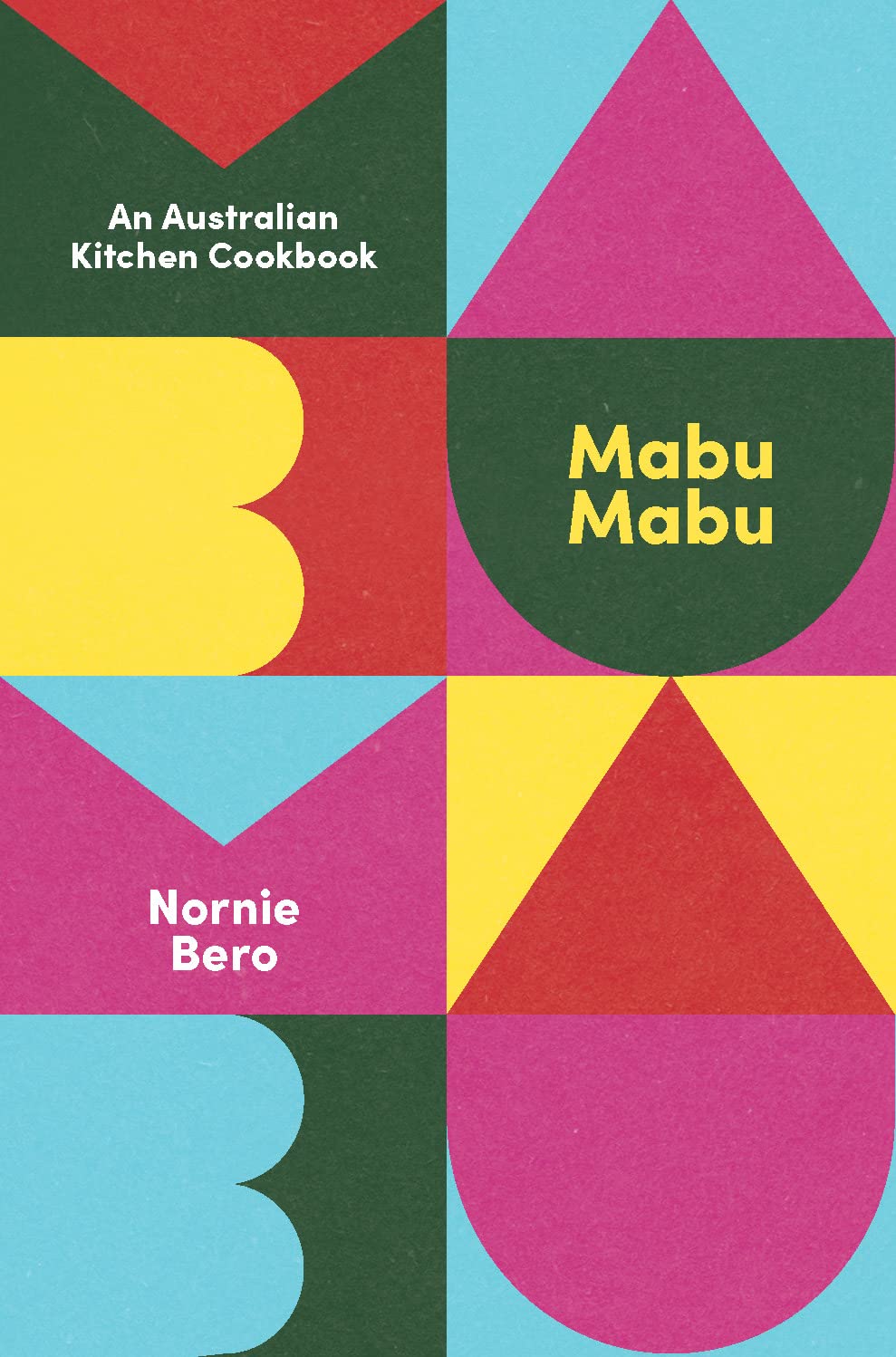
Mabu Mabu by Nornie Bero

Mabu Mabu by Nornie Bero

Cookbooks are the cheapest and quickest way of travelling. Escapism through a chopping board and the hob as you explore the world from the kitchen. Some routes are more well-grooved than others with Thailand, China and India being particularly well-represented. You would however, struggle to find more than four titles on indigenous Australian food because well, to my knowledge there aren’t many more than that. 

Mabu Mabu is the latest and if we take distance travelled as an indicator of value, then this book is a steal: buying it in the UK will whisk you 8860 miles away to Mer Island, a tiny place in the Torres Strait off northern Australia and the birthplace of Nornie Bero, author of Mabu Mabu and owner of the restaurant that shares its name.

The book opens with a tribute to Bero’s cultural heritage, the indigenous people of the islands of the Torres Strait and an acknowledgement of the lands her Ancestors have lost to imperialism. Mabu Mabu though is much more of a celebration of the ingredients and recipes of these islands rather than mourning anything lost. A vivid colour palette and attractive flat design bring a brightness and energy to the pages and the recipes on them.

The first three chapters are dedicated to Bero’s life, the creation of her restaurant and her use of food to educate and share her upbringing with others. The latter three covers ingredients and recipes with lists of interesting, unfamiliar foods and spices to those of us living on this side of the world. It’s here however, we find a fairly critical issue for a cookbook review: I can source almost none of them. My idea of a good time is spending an hour or five in my local international supermarkets finding new ingredients to cook with. Imagine my delight at being asked to find wattleseeds, crystal ice plant, karkalla, seaberry saltbush, lilli pilli, muntries and quandong. Imagine my despair at completely failing. 

Turning to online suppliers didn’t bring much more joy. It would be quicker and more cost effective to fly to Australia than to have purchased every ingredient needed for Saltbush Pepperberry Crocodile. Replacing them is an option but also very much not the point. Swapping out ingredients more accessible for a European palette is how we ended up needing a book like this in the first place. 

I did manage to cook a few dishes without any trouble though: Pumpkin Damper, a chunky unleavened bread served with golden syrup butter; Semur Chicken, a salty, hoppy and fragrant stew poured over vermicelli noodles, and Sop Sop, a sort-of hearty simmered mash of root vegetables and coconut milk. All were interesting, some delicious and most tasting vaguely familiar by using ingredients found in South Asian and Oceanic cuisines. 

However, it’s ultimately a book for a part of the world much sunnier than here, where the ingredients are accessible in major supermarkets and can be appreciated in the ways they were intended. Which leaves this review to be continued. These ingredients feel exotic now but at one point, so was lemongrass and I can now get that from my local corner shop. It takes books like this to raise different ingredients into the collective consciousness and gain wider usage. For now, Mabu Mabu will sit on my shelf until perhaps one day, I can pick up a packet of quandong and a kilogram of emu from my local Tesco.

Cuisine: Australian 
Suitable for: Australian-based cooks
Cookbook Review Rating: Not rated as we just couldn’t test the recipes properly 

Review written by Nick Dodd a Leeds-based pianist, teacher and writer. Contact him at www.yorkshirepiano.co.uk
Mamacita by Andrea Pons

Mamacita

What’s the USP? Mamacita is, on the face of things, a cookbook about Mexican food, and the immigrant experience. But it is also a lifeline. It was originally compiled as a self-published cookbook that was sold to help author Andrea Pons fund her family’s legal fees as they attempted to navigate the US immigration system. Now it finds its way into print once more, via a more traditional publisher, with additional recipes and plenty of glossy photos. It’s the American dream come true. 

Is it good bedtime reading? There’s much to enjoy as a casual cookbook reader here. Though there isn’t much extended reading besides a thorough introduction at the beginning of the book, Pons shares her story, and that of her family, throughout the recipes themselves. This is a life, and a community, seen through food – and exploring each dish, and understanding how it fits into a bigger picture, makes what might otherwise be a fairly straight-forward collection of recipes a whole lot more enjoyable.

How annoyingly vague are the recipes? Despite listing a UK price on the back cover, this is a very US-centric cookbook, with measurements only listed imperially. If you can work around this, though, you’ll enjoy Pons’ uncomplicated writing.

Will I have trouble finding the ingredients? Where are you cooking? Again, if you’re in the UK, you’ll have a more difficult time – even the most simple authentic Mexican ingredients, from chipotle in adobo to corn tortillas, can be a struggle to source here. Americans will likely fare better. The back pages list resources for immigrants in the US – but a list of resources for those looking to pick up Maseca flour and authentic Mexican cheeses might have been a useful addition too.

How often will I cook from the book? There’s plenty to love here, including showy dinner party dishes like Conchitas de Pescado (a fish gratin served in scallop shells). But the heart of this recipe book is family cooking, and so top of the agenda is simple, delicious food that’s easy to make at home. I tried out the Sopa Azteca at home last week during my lunch hour.  It’s a fallacy that a good soup takes a long time, and the rich bowl I mustered up in little over thirty minutes couldn’t make a stronger case for the prosecution.

Many of the dishes here would make fantastic weeknight dinners from families with relatively open minds. Why would anyone bother with an Old El Paso dinner in a box (everything is included! All you need to buy is chicken breast! And an onion! And two bell peppers! And a jar of our branded guacamole!) when the same money and effort will put Pons’ stunning Pork in Green Sauce with Potatoes on the table?

Killer recipes: Chilaquiles, Pollo al Curry, Chicken in Adobo, Pork Chops in Spicy Tomato and Poblano Sauce, Mexican Bread Pudding

Should I buy it? Mamacita isn’t a perfect book. You sort of suspect that being self-published, and then picked up by Princeton Architectural Press (who, unsurprisingly given their name, have limited experience with cookbooks) might explain a few of the simple missing elements that another cookbook wouldn’t have skipped over. But these are relatively small qualms – this is bright and positive food, beautifully written about and passionately presented.

Cuisine: Mexican
Suitable for: Beginner and confident home cooks
Cookbook Review Rating: Four stars

Buy this book: Mamacita by Andrea Pons 
£21.99, Princeton Architectural Press

Review written by Stephen Rötzsch Thomas a Nottingham-based writer. Follow him on Twitter and Instagram at @srotzschthomas

Bras: The Tastes of Aubrac by Sebastian Bras

Bras The Taste of Aubrac

In 2009, chef Sébastien Bras took over the kitchens at Le Suquet, the world-famous restaurant and hotel that’s perched on a hill above the Aubrac in the southern Massif Central of France. Sébastien’s father Michel won three Michelin stars there for his nouvelle cuisine creations including gargouillou (a warm salad of vegetables and herbs) and soft centred ‘chocolate coulant’ that inspired a thousand chocolate fondants. In his first cookbook, Sébastien offers his own updated variations; a ‘raw’ summer gargouillou made with 120 varieties of vegetables, some grown in the restaurant’s kitchen garden, and a curry cream coulant inspired by a trip to India. 

Many of the remaining 38 recipes also reflect the chef’s world travels, some of which are documented in the book, including a trip to the Sahara that inspired a dish of sand-baked taguella bread made with millet flour, semolina and honey and filled with air-dried courade sausage, and visits to Japan (until 2020, there was a Bras restaurant in Hokkaido) where Sébastien first tried the fried pork-loin gyoza that he serves with tangy carrot jus and chrysanthemums.  

In addition to discovering his feelings about the Michelin guide (Sébastien famously ‘handed back’ the restaurant’s three Michelin stars in 2017), the book also tells the stories behind the creation of two of the chef’s signature dishes. The ‘miwam’ (a made-up word) is a filled wheat and spelt galette/waffle cooked in a special mould made by Sébastien’s engineer brother William and sold at The Café Bras in Rodez in the south of France; the ‘gouttière’ is its fine dining cousin, a potato waffle made from wavy tuiles sandwiched with hazelnut butter cream and drizzled with salted butter caramel. 

The stunning photography documenting the food, life at the restaurant and the austere beauty of the Aubrac through the seasons, and essays on the Bras family, restaurant team, producers and culinary techniques add up to a compelling picture of an extraordinary enterprise that will inspire any keen home cook or chef.

Cuisine: International
Suitable for: Confident home cooks and chefs 
Cookbook Review Rating: Four stars

Buy this book: Bras by Sebastian Bras
£39.95, Phaidon

This review originally appeared in The Caterer magazine.  


Potato by James Martin

Potato by James Martin

What’s the USP? I can’t believe you didn’t get this from the title. It is Potato, a book that celebrates the potato, by the human equivalent of a Maris Piper, James Martin.

I know that name. He’s the Saturday morning guy, right? Martin has been a mainstay of our weekend television for sixteen years now, yes – first on the BBC’s Saturday Kitchen, and more recently for ITV’s Saturday Morning with James Martin. But let’s not pretend those are his only credentials – he won acclaim from restaurant critic Jay Rayner for his work at The Talbot Hotel and, last year, relaunched everybody’s least favourite option at the food court, SpudULike in collaboration with potato company Albert Bartlett.

So this new book is a cynical ploy funded by Big Potato? Now, now. It’s also entirely possible Martin is massively enthusiastic about taters. Whatever the case, ingredient-focused cookbooks are something of a miniature trend right now, from Claire Thomson’s Tomato to the Lea-Wilson family’s Sea Salt. Also, at the very least, the book gives us one of the most unintentionally funny front covers in recent memory: an uncertain looking Martin in front of what may as well be a stock photo of spuds, and, in massive letters at the bottom of it all ‘Potato James Martin’. Brilliant. Five out of five for that then.

So it’s a five star cookbook then? Woah, woah, woah. Easy now. It’s a five-star cookbook cover. The actual book itself is a lot less impressive. Titles that lean in heavy on single ingredients live and die on two things: the insight they offer around that ingredient, and the use they make of the ingredient in the recipes. Claire Thomson, for example, is a passionate champion of the tomato, and offered a range of vibrant and original dishes in her title. Sea Salt, which presented a wealth of recipes that used salt but, for obvious reasons, didn’t make it the star ingredient, struggled.

Martin doesn’t offer us much insight at all into the history of the potato, which is a great shame, given the fascinating impact it has had on our culinary world. A staple of diets across South America for perhaps ten thousand years, they did not find their way to Europe until the late 1600s, and yet have since become an indispensable part of our daily cuisine.

Our potato-loving author doesn’t seem all that bothered with sharing this history with us, though. In fact, the history of the spud gets about two sentences of attention across the entire book. But then, this is not a title for those who are looking for effusive food writing. The recipe introductions occasionally offer a little insight into a dish’s provenance – but frequently Martin phones them in with the briefest filler text. His introduction to a recipe for a sandwich is printed simply as ‘Why not?! The question is: to butter or not to butter…? You know it makes sense!’

It might make sense, James, but do you?

What about the recipes themselves? There are some dishes to play around with here, certainly, but for the most part Martin delivers to a core audience of fans who don’t want to try anything too wacky. Potatoes might be the embodiment of unshowy workmanship in vegetables, but their versatility also opens them up to a much more interesting range of recipes than those on show here.

Martin leans on the most obvious of dishes but does them well. And so, we have Coquilles St Jacques, Tartiflette, Fish and Chips, and Lamb Hot Pot. There’s also plenty of room for the greatest hits that always pop up in the cookbooks of popular TV chefs: beer can chickens and hasselback potatoes.

Does he venture any further afield than France for his recipes? Thankfully, yes – and this is where some of the cookbook’s few unexpected ideas get a look in. There’s the always tempting South African curry-in-a-loaf-of-bread, Bunny Chow, and Sweet Potato and Pecan Cookies. One recipe pairs a humble crab cake with a katsu curry sauce – though Martin is quick to credit this to Ynyshir’s Gareth Ward. And that’s… that’s about it for the book. There’s a short section towards the back that offers up stand-alone potato recipes for those occasions when you want to knock up some Pommes Parisienne or Dauphinoise as a side, and a very handy chart that shares the various uses of twenty-eight of the most common varieties, but neither of these are worth the price of admission by themselves.

Should I buy it? The thing with potatoes is that they aren’t exactly under-represented in cookbooks already. Do you have five to ten cookbooks on your shelf? Are two of them centred on English or French cuisine? Then you’ve probably already got most of what you’ll find here at your fingertips. This is a book for fans of Martin, and people who enjoy owning cookbooks with inadvertently funny front covers, and that’s about it.

Cuisine: European
Suitable for: Beginner home cooks
Cookbook Review Rating: Two stars

Buy this book: Potato by James Martin

Review written by Stephen Rötzsch Thomas a Nottingham-based writer. Follow him on Twitter and Instagram at @srotzschthomas


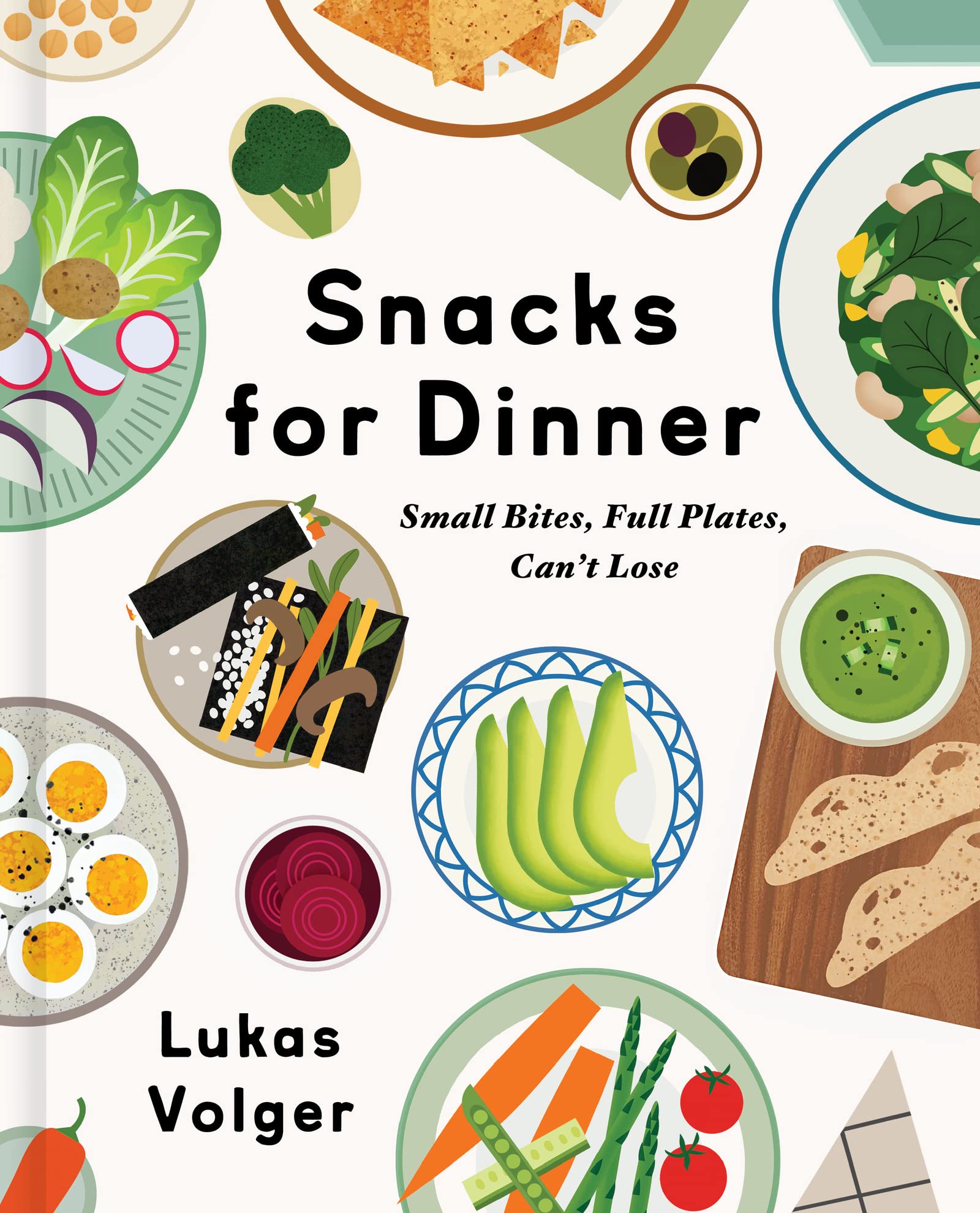
Snacks for Dinner by Lukas Volger

Snacks for Dinner by Lukas Volger
What’s the USP? A cookbook celebrating the picky tea – albeit the more refined, small plates version rather than baking trays of beige freezer food. All the recipes are vegetarian or vegan with the premise being that many smaller dishes of dips, pickles and salads with doughy or crispy things to dip into them is a more satisfying way to eat than one plate of the typical protein, carb and veg trio. It’s a proposition that’s hard to argue with.

Who’s the author? Lukas Volger a writer for many notable American food publications and the author of three other vegetarian cookbooks. The inspiration for Snacks for Dinner came from visiting a friend who emerged with several pre-prepared dishes for a lunchtime feast meaning minimal time in the kitchen and more time socialising. The ease and informality of this dinner left such a lasting impression on Volger it altered his perception of what dinner could be, authoring this cookbook and also making me wonder if he’s ever had a ready meal.

What will I love? Cookbooks based around concepts rather than cuisines can sometimes run out of steam, trying to find recipes to fit the premise rather than having a natural selection to begin with. This isn’t the case here. Snacks for Dinner delivers on its formula, following through on the idea from start to finish and being meticulous in its execution. It begins with an incredibly detailed introductory chapter that lists kitchen accessories, ingredients and tips for planning a snack-based dinner.

The chapters are colour coded for quick searching and based around traits like crispy-crunchy, tangy-juicy or scooped + smeared. The cutesy names aside, this makes planning a meal from the book incredibly easy with the suggestion you choose one recipe from each of the different traits to create a balanced meal.

In practice, this works exceptionally well. I put together several meals of varied and interesting dishes each representing different flavour profiles and textures. Favourites were the Umami Roasted Tomatoes, Beer Cheese Gougeres, Spicy Zucchini Quick Pickles which delivers what it promises and a delicious Creamy Sweet Potato Chipotle Dip that was so easy to make I felt like a fraud for receiving any credit for having cooked it. It should also receive commendation for being a vegetarian cookbook and resisting the urge to put a hummus recipe in the dips section.

What won’t I love? Despite its efforts to make the recipes straightforward and accessible, cooking them all simultaneously does take time and skill. You will need to be across several recipes at once, all requiring different cooking times, ingredients and preparations. Of course, many of these dishes can be cooked progressively and left until they’re needed though this will only mean more time in the kitchen.

It can also occasionally read like a utopian vision of millennial living with references to friends who text when visiting the farmer’s market, checking Instagram to find your new favourite micro-bakery or having an olive oil subscription. This isn’t to the book’s detriment and at this point, I’m just being pedantic and likely bitter about not having my own olive oil subscription. There is however, definitely a time and place for it and not something I would make a full meal from regularly, especially over the long winter months.

Should I buy it? If your idea of a meal is more than an assortment of dips and a trail mix made from puffed rice then Snacks for Dinner probably isn’t for you. However, if you’re into eating lots of lovely things smeared and scooped onto other lovely things then absolutely. It’s a well thought out book, with a clear throughline and full of inviting, often effortless recipes.

Cuisine: International
Suitable for: Beginner and confident home cooks
Cookbook Review Rating: Four stars

Buy this book: Snacks for dinner by Lukas Volger 
£25, HarperWave

Review written by Nick Dodd a Leeds-based pianist, teacher and writer. Contact him at www.yorkshirepiano.co.uk
Pistachio madeleines by Sam and Sam Clark

277_Pistachio_Madeleines
Madeleines are always best served straight out of the oven. Make the batter, then bake the madeleines 10–15 minutes before you want to serve them. They are an excellent accompaniment to the ice creams.

Makes 24

100g butter (room temperature) + extra for greasing
100g caster sugar
2 free-range or organic eggs, lightly beaten
finely grated zest 1 lemon + extra for serving
70g very finely ground pistachios + extra for serving
50g self-raising flour, sieved + extra for dusting

Beat the butter and sugar until very pale and light, approximately 10 minutes. Stir in the eggs one by one, ensuring the first is fully incorporated before adding the second, followed by the lemon zest and pistachios. Once combined, gently fold in the flour. Leave the batter to rest in the fridge overnight.

Preheat the oven to 190°C/375°F/gas 5.

Generously grease two madeleine or cupcake trays with butter and lightly dust with flour, tapping off any excess.

Spoon a dessertspoon of the mixture into each mould, being careful not to overfill them – this quantity should make 24 madeleines. Bake for 10–12 minutes, until golden.

Serve with the extra pistachios and lemon zest sprinkled over.

Cook more from this book
Roast shoulder of pork marinated with orange and cumin by Sam and Sam Clark
Roast squash, sweet vinegar, garlic and rosemary by Sam and Sam Clark

Buy this book: Moro Easy by Sam and Sam Clark

Read the review