The Potato Book by Poppy O’Toole – Cookbook Review

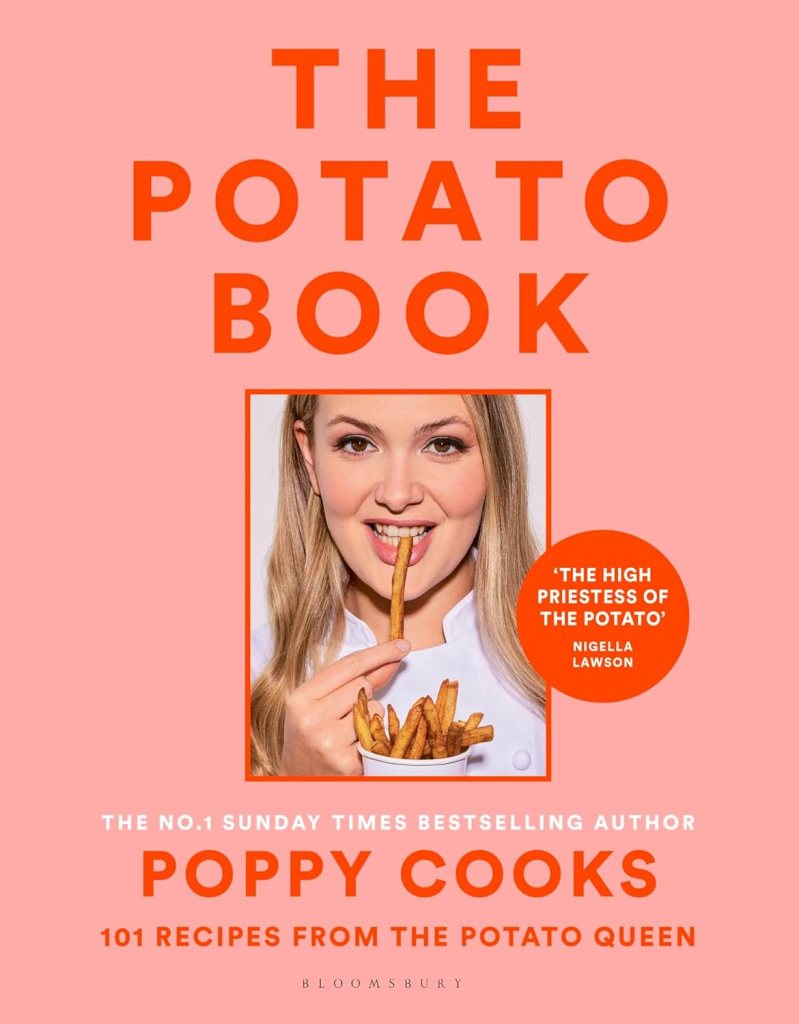
Social media sensation Poppy O’Toole, A.K.A ‘The Potato Queen’ is back with her fourth cookbook. Having previously published best-selling books focusing on simplified cookery and air fryers, O’Toole has returned to the ingredient that made her famous: the humble spud.

What is the USP?
Your ultimate guide to potatoes with a 21st-century twist. Among the book’s 101 recipes, you will find all the classics, plus options to add an extra ‘something’ (like the ultra-indulgent ‘Three Cheese Mash’ loaded with a glorious combination of gooey mozzarella, Cheddar and Red Leicester, or umami-rich ‘Marmite Roast Potatoes’). There are also plenty of potato ideas from around the world, like ‘Latkes’ and ‘Batata Harra’ (a spicy Lebanese cubed potato dish), as well as more modern options like ‘French Onion Fondants’ and ‘Smashed Potato Nachos’. O’Toole’s relaxed, approachable manner make this a fun and celebratory book. Think of it as the potato bible for those who enjoy cooking, but don’t take themselves too seriously.

What will I love?
The photography is modern, eye-catching and enticing. You can almost taste the crispiness of the latkes just by looking at the photo, while the shot of the aligot will send you hurrying to your fridge to see if you have the ingredients.

The variety of O’Toole’s ideas is impressive. Not only does she cover all the classics, she also branches out with creative twists to bring something different. Think ‘Christmas Mash with Crispy Sprouts and Bacon’, ‘Hash Brown Bhajis’ and ‘Caramelised Onion and Cream Cheese Hasselbacks’. 

Is it good bedtime reading?
From a literary perspective, no. Each recipe has a very readable and relatable introduction, brimming with O’Toole’s chatty warmth and enthusiasm. However, this isn’t one of those books filled with lengthy essays or musings on potatoes. 

Will I have trouble finding the ingredients?
No. Obviously, potatoes are the main ingredient, but the recipes are refreshingly free from expensive or difficult-to-source ingredients. You should be able to find everything you need in your local supermarket. 

How easy are the recipes to follow?
There is a range of recipes from incredibly fuss-free and straightforward (‘Classic Skin-on Wedges’) to the more time-consuming (‘Pommes Dauphine’). Not forgetting O’Toole’s infamous ‘15-hour Potatoes’ (of which you will find several versions in this book). However, due to O’Toole’s approachable, accessible writing style, even the notionally more complex dishes are achievable for less confident cooks. 

Stand-out recipes?
The ‘Masala Chips’ are dangerously addictive, while the ‘Cheesy Leeky Mashed Potato’ is simply delicious (do try it next time you are making regular mash). The ‘Croquettes’ are another winner; packed full of flavour thanks to the combination of smoky chorizo and salty, tangy goats cheese. Do heed O’Toole’s advice and let them cool slightly before digging in though. Don’t miss the ‘Chimichurri Smashed Potatoes’ which, as O’Toole recommends, make an excellent side for steak.

How often will I cook from this book?
That depends on how often you want to eat potatoes. Given that they are an affordable, popular ingredient and O’Toole has included a wide variety of ideas for every palate and occasion, the answer is ‘regularly’. Whether you want a show-stopping potato side for a special occasion (like the ‘Ultimate Chicken and Truffle Pomme Purée’), crunchy snack (the spiced ‘Extra Crispy Smashed Spuds’ are a must-try) or soul-soothing comforting spud (the rich and indulgent ‘Tartiflette’ ticks every box), the chances are, The Potato Book will have what you need.

Any negatives?
It would be helpful to outline the prep time and cook time for each recipe at the top. It also would be beneficial to specify if dishes are vegetarian and/or vegan or highlight when ingredients need to be adjusted (for example, certain cheeses like Taleggio and, sometimes, Comté, which contain animal rennet). 

Should I buy the book?
Yes. The Potato Book is a must-have for anyone who enjoys potatoes and, dare I say it, even those who are yet to understand their versatility. It’s a fun, modern and exciting book that will change how you perceive the humble spud. 

Cuisine: International 
Suitable for: Cooks of all abilities. Especially anyone who is remotely interested in potatoes and wants to learn new ways to enjoy them. 
Great for fans of: MOB
Cookbook review rating: Four stars

Buy this book: Poppy Cooks: The Potato Book: 101 recipes from the Potato Queen
£22.00, Bloomsbury

This review was written by Freelance Food Writer and Recipe Developer Sophie Knox Richmond. Follow her on Instagram on @sophie_kr_food

Chicken Soup by Jessie and Lennie Ware

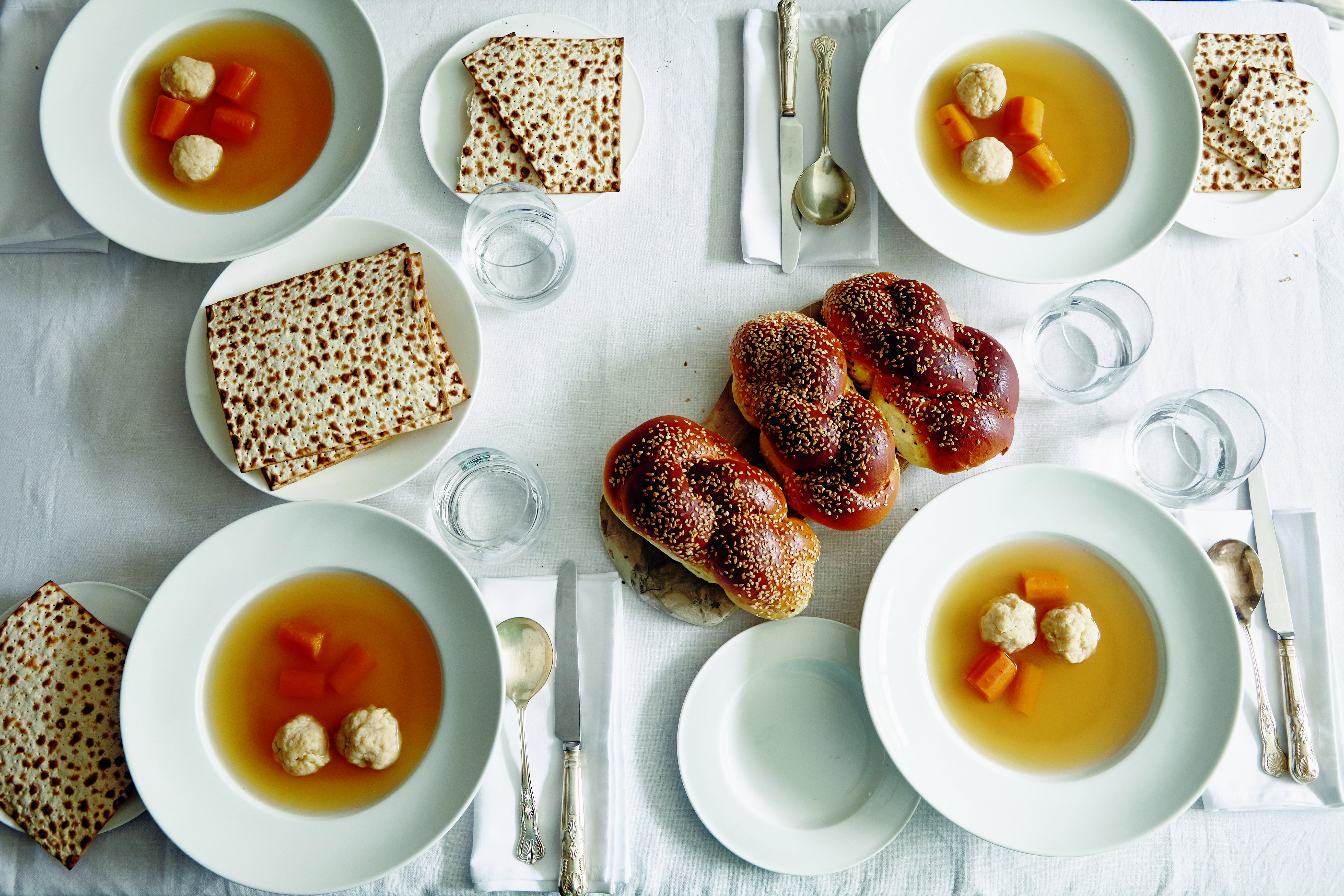
135_Chicken_Soup_Matzo_Balls

Every Jewish family thinks their mother’s chicken soup is the best. In emergencies, I have been known to send my soup across London in a taxi, because this ‘Jewish penicillin’ most definitely has healing qualities. Reminiscent of Friday nights spent with family when I was a girl, the fragrance of the simmering soup is delicious. Chicken soup is synonymous with every Jewish household, and is one of the things that makes me most proud to be Jewish.

Serve with matzo crackers and challah bread.

Serves 6 (makes about 2 litres)

2kg chicken thighs and legs
5 large onions, skins left on, halved, cutting off the rooty bit
8 carrots, sliced about 2–3cm thick
4 celery sticks, with leaves, halved
1 leek, halved
½ swede
2 tbsp Telma Chicken Soup Mix (available from a kosher shop or online), or 2 good quality chicken stock cubes
1 tsp whole black peppercorns
1 tsp salt
Matzo Balls (see below), to serve

Put the chicken and all the vegetables in a stockpot or very large pan (about 4 litres capacity) with enough cold water to cover everything by about 5cm (about 3 litres) and bring to the boil. When boiling, skim off all the frothy scum until there is none left. Add the soup mix or stock cubes, the peppercorns and salt, bring back to the boil and then reduce the heat and gently simmer for 2–3 hours. Season the soup to taste, then leave to cool.

Pour the soup through a colander into a large bowl. Carefully retrieve the carrots from the colander and add back to the soup. Give everything else a good squeeze to release the juices. Some people put a little of the chicken into the soup, but I’m not sure it has much taste after being boiled for so long – and you will make your cat/dog very happy if you give them the bone-free chicken meat.

Put the clear soup and carrots into the fridge for at least 2 hours or overnight. When it’s well chilled the fat will rise to the top and you can easily skim it off. To serve, bring the soup to the boil over a medium heat and add your cooked matzo balls just before serving.

Tip The soup may not be completely clear (and it doesn’t really matter), but if you want to make it as clear as a consommé then you can either put it all through a tea strainer (as I did when Jay Rayner was our guest) or you can use one or two egg shells from the matzo balls and put them in the soup as you bring it back to the boil – fish out the egg shells before you put the matzo balls in.

Matzo Balls

In the words of Marilyn Monroe: ‘Isn’t there any other part of the matzo you can eat?’ It has taken me ages to achieve light fluffy matzo balls, but I think after 40-odd years of making them I have finally managed it. Of course, you can cheat and use the ready-made packets, which are sometimes sold under the name ‘kneidl’. Matzo balls are very divisive: some prefer them fluffy like clouds, some prefer them dense like bullets. Some have them in the soup, others save them till after. But if you start by saying ‘I’ll only have one’ you will always submit to the second. Delicious and crucial to Chicken Soup.

Makes about 15 balls

100g medium matzo meal
1 tsp baking powder
pinch of salt
pinch of white pepper
3 large eggs, beaten
1 tbsp rapeseed oil
4 tbsp hot Chicken Soup or boiling water

Put all the dry ingredients in a bowl, gradually stir in the eggs and oil and then gradually add the chicken soup, mixing until smooth. Cover the bowl and chill for 30 minutes – it will firm up slightly.

Line a tray with baking parchment. Bring a large pan of salted water to the boil.

Wet your fingers and take small pieces of the mixture to make soft balls, about 2cm in diameter, placing them on the lined tray until you have used up all the mixture.

Drop the balls into the boiling water, turn down the heat and gently simmer for about 20–25 minutes until they are soft. They should swell up slightly, rise to the surface and look like little clouds. Lift out using a slotted spoon and serve them in chicken soup.

Cook more from this book
Turkey meatballs in Tomato Sauce
‘Triple threat’ chocolate brownies

Read the Review

Buy this book
Table Manners: The Cookbook
£22, Ebury Press

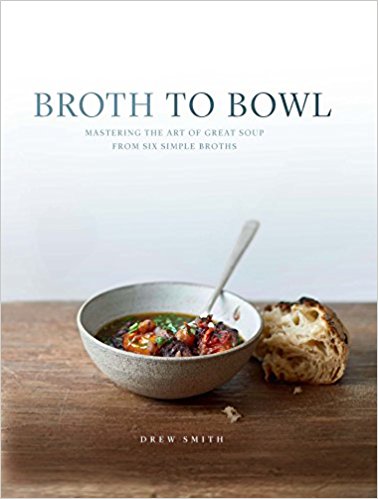
Broth to Bowl by Drew Smith

Broth to Bowl

What is it? Sixty-odd soup recipes based around six base broths and their variations.

Who wrote it? Drew Smith, a former Good Food Guide Editor and author of Oyster: A Gastronomic History with Recipes.

What does it look like? The clean, elegant layout makes it a pleasure to use and Tom Regester’s unfussy photography and simple food styling means soup has never looked so good.

Is it good bedtime reading? Apart from a short introductory chapter, this is primarily a recipe book for the kitchen rather than the nightstand.

Killer recipes? Quick tom yum; flaming oxtail broth; scampi, pea shoots and tofu in miso broth.

Will I have trouble finding ingredients? There is nothing really obscure here and you will probably find most things you need in your local Waitrose, although you will need to shop in the organic aisle for your veg (‘you don’t want to be making a consomme of pesticides’ warns Smith). Head to your nearest Asian supermarket for some of the ingredients used in the chapter on kombu and develop a good relationship with your neighbourhood butcher and fishmonger (if you are lucky enough to have them) for items like pig’s trotters, oysters and gurnard.

What’s the faff factor? Depends on which recipes you choose. If you cook from the ‘Meat’ chapter, you’ll need to spend 2 days preparing the basic beef bone broth before you’ll be able to tackle some of the actual soups. On the other hand, you can whip up gazpacho in a few minutes. On the whole though, Smith favours ‘cooking slowly’ so be prepared to stick around for a few hours to tend something gently bubbling away on the hob or in the oven.

How often will I cook from the book? If you follow Smith’s example, at least once a week, otherwise you’ll need to be in the mood for a bit of a kitchen project.

What will I love? Smith’s obvious passion for his subject comes through loud and clear; he really wants you to not just enjoy eating soup, but take great pleasure from making it. If you are in tune with the concept of mindfulness, you will lap up Broth to Bowl.

What won’t I like? At 160 pages, the book is a bit on the short side. You may wonder why Smith couldn’t come up with more variations on each of the broths. Some aspects of the recipes are glossed over. The introduction for vegetable tea says to ‘ vary the spices, vegetables and herbs with the seasons’ but gives no example substitutions. The method for basic beef bone broth says to ‘ ‘spread the meats and bones across the bottom of a large casserole’ but the ingredients list doesn’t include bones. Garnishes are dealt with in one page with no recipes and no suggestions of which soups in the book they could be served with.

Should I buy it? If you eat soup on a regular basis and are looking for inspiration of new things to put in your bowl, then, despite some shortcomings, this could be the book for you. You may also want to consider A Celebration of Soup: With Classic Recipes from Around the World (Cookery Library) by Lindsey Bareham.

Cuisine: Modern European
Suitable for: Beginners and confident home cooks
Cookbook Review Rating: 3 stars

Buy this book
Broth to Bowl: Mastering the art of great soup from six simple broths
£20, Modern Books