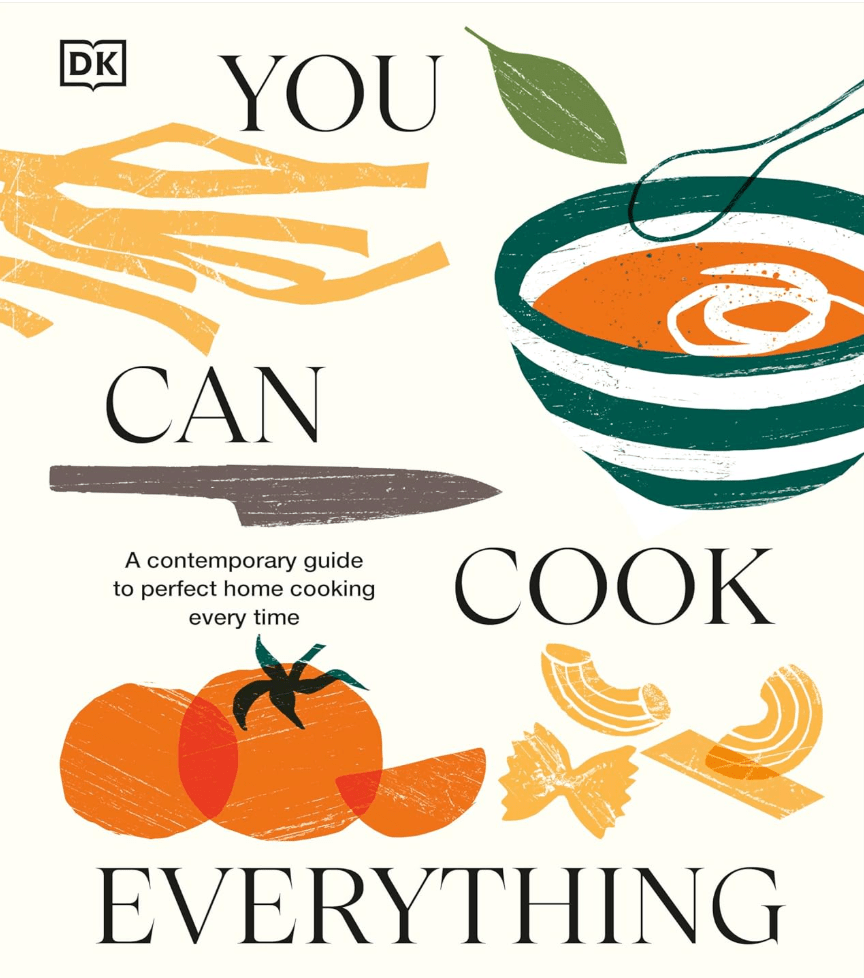
You Can Cook Everything: A Contemporary Guide to Perfect Home Cooking Every Time by DK – Cookbook Review

What is the USP?
An encyclopaedic guide to everything you need to know to become a confident home cook, covering over 1,000 techniques, tips, and recipes in one lavishly photographed volume. There’s no particular cuisine or concept. The focus is on giving you the building blocks to master everything from stir-frying tofu and grilling steak, to baking focaccia and folding gyoza.

What will I love?
It’s all here — the classics, the comfort food, the global favourites — presented with generous step-by-step photography and precise instructions. Want to perfect a béchamel? Learn to butterfly a leg of lamb? Bake flawless cinnamon buns? You Can Cook Everything gives you the confidence to try it, with visual cues and no judgment. It demystifies the things many cookbooks gloss over, from how to make shortcrust pastry to when to season your steak.

There’s also a pleasing sense of reassurance. Although it feels more up-to-date than other ‘cookery bibles’ due to the inclusion of more modern ingredients, it isn’t trying to be trendy or edgy. It’s here to guide you towards better home cooking, at your own pace. Think of it as a contemporary kitchen manual designed for a generation who may not have learned to cook from family, but who are hungry to learn now.

Is it good bedtime reading?
Yes. It’s not a memoir-style book full of essays or storytelling, but it’s incredibly satisfying to flip through. Each page feels like a mini masterclass. If you love the rhythm of methodical, practical cookery, this is bedtime gold.

Will I have trouble finding the ingredients?
Unlikely. The book is global in scope, so you’ll find everything from curries to shakshuka, but recipes are tailored to what is realistically available in most UK supermarkets. There’s helpful advice on substitutions, and where a specialist ingredient is needed (e.g. tamarind paste, rice flour), it’s generally one that has become fairly mainstream. The book is about building confidence and teaching you flexibility, not sending you schlepping across town on a three-hour shop.

How easy are the recipes to follow?
Exceptionally easy. The hallmark of DK books is their visual clarity, and You Can Cook Everything delivers in spades. Recipes are structured, well-spaced, and meticulously illustrated. There are visual walk-throughs for everything from kneading bread to filleting a fish, and plenty of troubleshooting tips to keep you on track. It’s ideal for anyone who wants to see how something should look at each stage. If you are someone who enjoys the reassurance of watching YouTube videos before trying a recipe, the chances are you will find You Can Cook deeply satisfying. 

Stand-out recipes?
The ‘Spring Onion and Cheddar Soda Bread’ is a wonderfully comforting, cheesy twist on a classic, while the ‘Butternut Squash and Sage Gnocchi’ is perfect to make in autumn. On the sweet front, the ‘All‑In‑One Vegan Chocolate Cake’ is rich, fudgy and undetectable as a vegan bake, and the ‘Blueberry Streusel Muffins’ are a delicious way of elevating the fruity favourite with a sweet and crunchy topping. 

How often will I cook from this book?
All the time. It’s a book you will reach for when trying something new or troubleshooting something familiar. The tone is quietly empowering: you don’t feel patronised, but you are never left to flounder. It’s perfect for beginner cooks, but even seasoned home cooks will enjoy the clarity and breadth. You might not cook everything in it, few of us have that kind of ambition, but it’s incredibly satisfying to know it’s all there.

Any negatives?
Not for what it sets out to do. Of course, if you are looking for a cookbook with an evocative or emotional narrative or a strong authorial voice, this won’t fill that void. It’s a clear, clean, and comprehensive reference book at heart. It also isn’t heavy on dietary notes (you won’t find extensive gluten-free or vegan adaptations), though there are plenty of naturally plant-based dishes. 

Should I buy the book?
Absolutely, especially if you’re building or refreshing your cookbook shelf and want a reliable, go-to guide. You Can Cook Everything is a must-have modern-day cooking bible: practical, clear, and deeply satisfying to use. It will teach you to trust your instincts and become a better cook, one delicious step at a time.

Cuisine: International 
Suitable for: Cooks of all abilities – a great place for beginners to start, while also filling in gaps/offering new inspiration for keen cooks. 
Great for fans of: Delia Smith, Leiths and Samin Nosrat.
Cookbook review rating: Five stars
Buy this book: You Can Cook Everything: A Contemporary Guide to Perfect Home Cooking Every Time
£30.00, DK

This review was written by Freelance Food Writer and Recipe Developer Sophie Knox Richmond. Follow her on Instagram on @sophie_kr_food

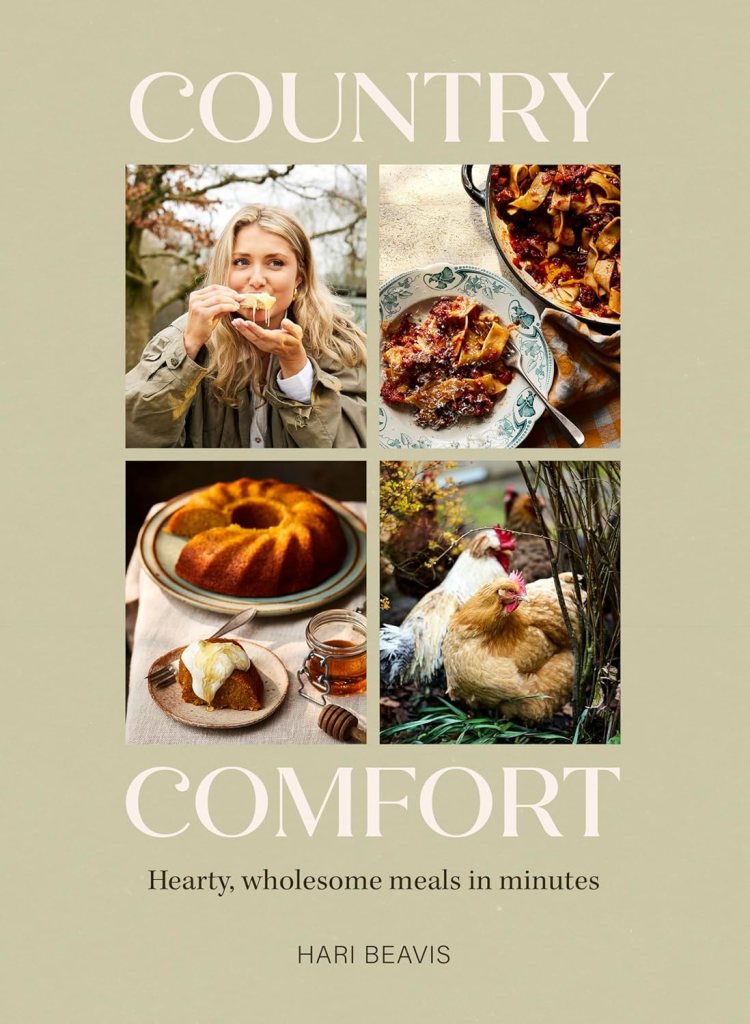
Comfort Food Recipes for Beginners: A Review of Country Comfort by Hari Beavis

Country Comforts cookbook cover.

Self-taught cook Hari Beavis has been described as ‘Gen Z’s go-to chef for comforting, cosy meals’ with nearly 300,000 followers on Instagram and over half a million on TikTok.

Growing up in the Warwickshire countryside, Beavis was raised on rich cosy meals which helped nourish the family through short, chilly days and long dark evenings, the kind of recipes she has become famous for on her social media pages. Think French Onion Soup with Cheesy Garlic Bread, Chicken Alfredo Lasagne and Parmesan Chicken Orzo, alongside Golden Syrup Cake and Chunky Monkey Cookies. They have proved so popular it was only a matter of time before publishers came knocking. The result? Her debut cookbook, Country Comfort. Beavis promises 90 recipes designed to show readers how to create crowd-pleasing, wholesome meals full of love and warmth. 

What will I love?
Country Comfort is a hug in a book, full of cosy, comforting recipes accompanied by rustic, relatable photos. , if you will. Lots of the recipes have tips offering advice on simple swaps and substitutions so you don’t feel like you have to dash out with a lengthy shopping list before you start cooking. Each recipe includes a helpful equipment list, plus the chapters are organised by time so you already vaguely know how long they should take.

Is it good bedtime reading?
Not really. The focus is very much on the recipes. They each have short introductions and paragraphs with tips but, aside from the introduction at the beginning, there isn’t much reading to get stuck into.

Will I have trouble finding the ingredients?
No. The ingredients are decidedly fuss-free. The most obscure is probably truffle mayonnaise in the ‘Chicken Sandwich’. 

How easy are the recipes to follow?
The dishes themselves are very straightforward. However, the recipes are written in paragraphs, rather than clear steps, to fit with the low-key, relaxed vibe of the book. This works for most of them, since they aren’t too complicated, however, some feel rather rushed. ‘My Loved Ones’ Carbonara’ is one example which would have benefited from a clearer, step-by-step, structure. 

Stand-out recipes?
The ‘Moroccan Chicken Dinner with Tahini Yogurt’ makes for a vibrant, flavoursome meal, while the ‘Cheesy Fish Pie’ sounds like the ultimate comfort food. The ‘Chickpea and Spinach Curry’ is perfect when you want a simple, warming supper.

How often will I cook from this book?
The range of recipes is broad enough for you to cook from the book all year round for a multitude of occasions. From a simple ‘Mediterranean Pasta Salad’ and fruity ‘Raspberry, Nectarine and Mozzarella Salad’ (ideal for summer BBQs) to a hearty ‘Butter Chicken Pie’ and ‘Hug in a Bowl Beef Stroganoff’ (perfect autumn/winter warmers). Chapters are organised by time (Comfort in…  10, 20, 30 or 40 minutes), followed by ‘Bake Everything Better’ full of sweet treats at the end (think ‘Chocolate Croissant and Hazelnut Pudding’, ‘Cinnamon Crunch Cake’ and ‘Raspberry Waffle Pudding’). There is also a useful chapter dedicated to ‘Drinks Pairings’. 

Any negatives?
The recipes feel very geared towards an Instagram audience, hardly surprising given Beavis’ large social following. Although there are many good ideas, there isn’t anything particularly innovative or inspiring. Not all of the recipes have photos which is a shame as they really add to the cosy vibe of the book. 

Should I buy the book?
If you are looking for low-effort cosy, comforting recipes, this is the book for you. It is ideal for a beginner cook looking to gain confidence in the kitchen (it would be perfect for a student) but the recipes have a distinct ‘influencer’ vibe that might leave more experienced cooks feeling a little uninspired.

Cuisine: International
Suitable for: Beginner cooks 
Great for fans of: Eleanor Wilkinson, Kitty Coles and MOB
Cookbook review rating: Three stars
Buy this book: Country Comfort: Hearty, wholesome meals in minutes
£26.00, Carnival

This review was written by Freelance Food Writer and Recipe Developer Sophie Knox Richmond. Follow her on Instagram on @sophie_kr_food

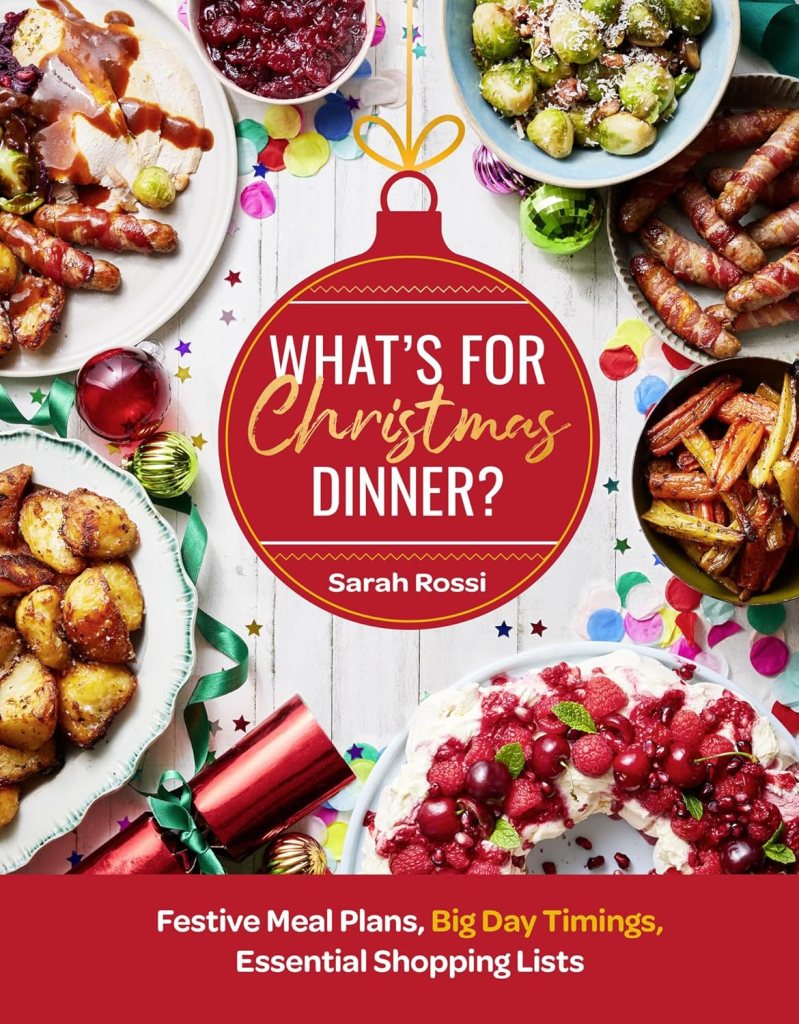
What’s For Christmas Dinner? by Sarah Rossi – Cookbook Review

Sarah Rossi, AKA founder of the immensely popular Taming Twins website, is back with her latest cookbook What’s For Christmas Dinner?. Her previous bestselling books, What’s For Dinner? and What’s For Dinner in One Pot?, secured her spot as one of the ‘go-to’ cookery writers for easy, budget-friendly, family meals. Now she has turned her attention to the season of goodwill and cheer, promising to take the stress out of Christmas and help you become a master of meal planning. A tall order indeed.

What will I love?
If you are feeling overwhelmed by Christmas, Rossi has done all the hard work for you. What’s For Christmas Dinner? is the most comprehensive culinary guide to Christmas I have come across. Alongside recipes accompanied by colourful, enticing photos, there is information on planning, shopping lists, timings for the Big Day, additional equipment, ‘get ahead’ tips, guidance for different numbers, advice on leftovers; you name it, Rossi has thought about it. There’s even a section explaining how to adapt recipes for different diets that will be helpful for anyone expecting vegetarian, vegan, nut-free, gluten-free or dairy-free guests. The book isn’t just for Christmas, much of the advice (and many of the recipes) can be applied to entertaining throughout the year.

The festive favourites are all there including ‘Classic Roast Turkey with Herb Butter’, ‘Stress-free Roast Potatoes’ and ‘Make-ahead Gravy’ as well as more modern ideas such as a retro American-style ‘Hash Brown Breakfast Bake’, moreish ‘Cheese and Chutney Scones’ and indulgent ‘Christmas Brownies’ designed to use up any leftover chocolate from the sharing selections.

Is it good bedtime reading?
Yes and no. There is plenty to read on the planning front and each chapter includes an introduction and the recipes go into extensive detail with tips, where necessary. Just don’t expect nostalgic literary musings on the beauty of Christmas. 

Will I have trouble finding the ingredients?
Not at all. Every recipe features ingredients that are readily available in the supermarkets. Advice on substitutions is also given. 

How easy are the recipes to follow?
Very. Rossi lives up to her reputation of making her recipes as fuss-free as possible. Think clear instructions, timings and prep-ahead tips.

Stand-out recipes?
The ‘Croissant Christmas Tree’ is a showstopping breakfast/brunch which can be adapted to use all sorts of spreads and the ‘Mushroom Wellingtons’ are a delicious veggie main course. The ‘Cheese and Tomato Tart’ is also a stand-out winner. On the pudding front, the ‘Chocolate Orange Pudding’ is a must-try, gloriously gooey with a decadent molten chocolate sauce. The ‘Christmas Tiramisu’, which swaps ladyfingers for panettone, is also delicious. 

How often will I cook from this book?
You could very easily do all your festive cooking exclusively from What’s For Christmas Dinner?. Chapters cover everything from ‘Nibbles and Party Food’ and ‘Cosy Nights In’ to ‘Gorgeous Gifts’ and ‘Festive Feasts’ (not forgetting ‘Leftovers’ and ‘Christmas Breakfast’).

However, it isn’t a book purely reserved for Christmas. Many recipes can easily be enjoyed throughout the year with a few adjustments, especially if you entertain regularly. Who wouldn’t love the ‘Cheese and Pesto Straws’ for a cheesy snack or ‘Smashed Pea Crostini’ as a spring/summer party nibble?

Any negatives?
While this isn’t Nigel Slater’s The Christmas Chronicles with lengthy nostalgic musings on Christmas and the beauty of the festive season, it is hard to find a negative. What’s For Christmas Dinner? does exactly what it sets out to do. A fair few of the sweet treats (e.g. desserts and baking) are chocolatey but then it is Christmas after all and there are other sweet options like zesty ‘Lemon Pots’ and a stunning ‘Wreath Pavlova’ if you aren’t a chocoholic.

Should I buy the book?
If you are entertaining and looking for a book to help you ace the festive period, What’s For Christmas Dinner? is a must-buy. Less confident cooks will get the most out of it (think of it as a festive culinary bible), but Christmas cooking veterans will still find plenty of inspiration within the pages.

Cuisine: British festive with international influences
Suitable for: anyone who wants a helping hand in the kitchen this Christmas.
Great for fans of: Jamie Oliver and The Batch Lady
Cookbook review rating: Four stars
Buy this book: What’s For Christmas Dinner? by Sarah Rossi (@tamingtwins)
£22.00, Harper Collins

This review was written by Freelance Food Writer and Recipe Developer Sophie Knox Richmond. Follow her on Instagram on @sophie_kr_food

Tokhme Banjanromi by by Durkhanai Ayubi

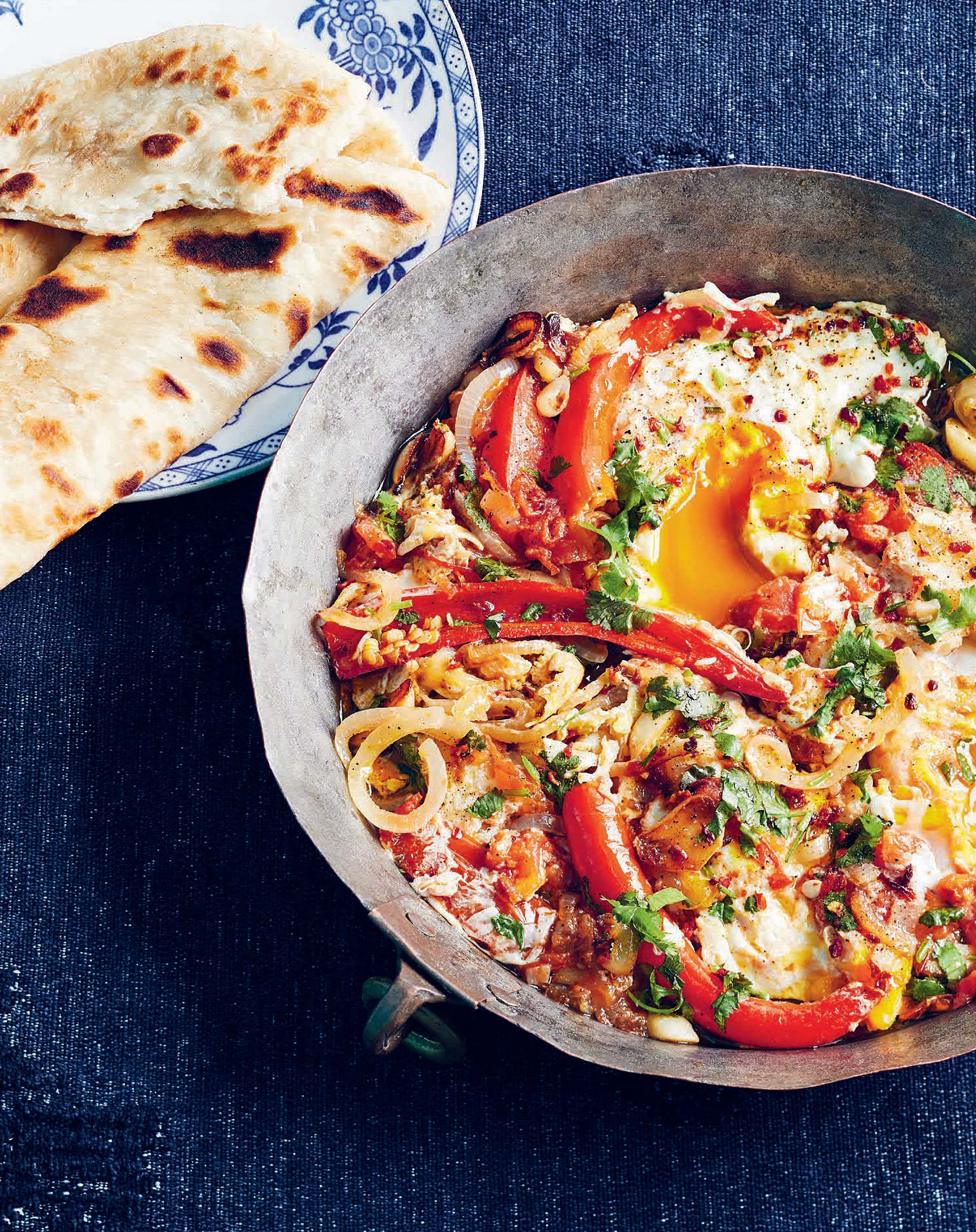
tokhme banjanromi

This recipe is for traditional Afghan-style breakfast eggs, which are cooked in a sauce of onion, tomatoes, and chili, absorbing the complementary flavors. As with most Afghan meals, particularly breakfast, fresh naan breads served on the side are essential. Afghan breakfast spreads also typically include shir chai, a traditional milk tea that, with its dairy base, provides a calorie- and protein-rich start to the day.

My mother recalls having this dish for breakfast during family day trips, such as to Mazar-i-Sharif for the red tulip festival during the spring equinox. It would be made in a beautiful copper karayee, a shallow, heavy-based pan used in Afghan cooking. The karayee would be placed directly over a portable kerosene burner, where the eggs, vegetables, and spices would bubble away. The large karayee was then placed in the middle of the breakfast spread, surrounded by naans and various chais, for everyone to help themselves.

This is an easy dish to scale up, to feed as many guests as you need.

1 cup (250 ml) sunflower oil
1 large yellow onion, halved and thinly sliced
2 garlic cloves, thinly sliced
3 ripe tomatoes, halved and thinly sliced
1 moderately hot fresh red chili, thinly sliced
4 large eggs
1 teaspoon ground red pepper
Coarsely chopped fresh cilantro Leaves, to serve
Salt

Heat the oil in a medium saucepan over high heat and fry the onion and garlic for 5 minutes, or until softened and browned. Add the tomatoes and fresh chili, and cook, stirring occasionally, until the tomatoes have softened, but are still intact, then mix in 2 teaspoons salt, or to taste.

Break the eggs into a bowl then pour evenly over the tomato and onion mixture in the saucepan. Break up the yolks gently, if that’s how you prefer them, then cover the pan with a lid. Reduce the heat to low and cook the eggs slowly, shaking the pan occasionally to avoid sticking, for 5-10 minutes for soft, 10-15 minutes for medium-soft, or until the eggs are cooked to your liking. Sprinkle with 1 teaspoon freshly ground black pepper, the ground red pepper, and cilantro, and serve hot-straight from the pan.

Cook more from this book
Narenj Palaw by Durkhanai Ayubi

Buy this book
Parwana: Recipes and stories from an Afghan kitchen
£20, Murdoch Books

Read the review

Shortlisted for the Andre Simon Food and Drink Book Awards 2020. See all the shortlisted books here.
andre simon logo

Overnight Oats by Hugh Fearnley Whittingstall

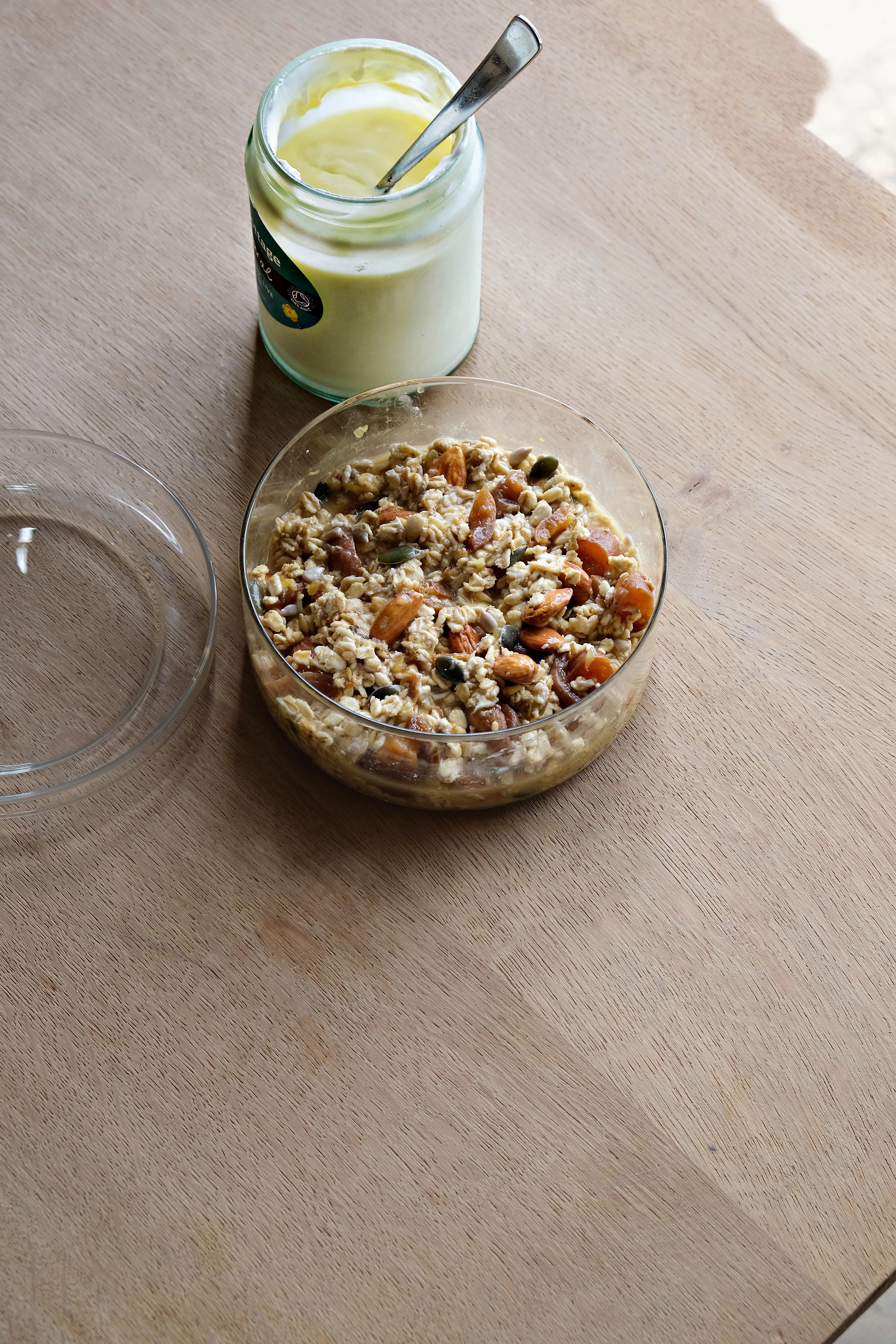
Overnight Oats

Soaking oats is a time-honoured route to a tender, tasty high-fibre breakfast – Bircher muesli is the classic example and ‘overnight oats’ the trendy interloper. This super-simple version uses jumbo oats, omega-rich seeds and skin-on almonds, which plump up and soften as they soak in orange juice and kombucha (or water). The result is juicy and mild, ready to be sweetened with a little fruit; I like a handful of raisins (which you can soak with the oats), or a grated apple – or both. If you include chia and/or flax seeds you’ll get that distinctive slippery texture, which not everyone loves but I do!

Serves 4
120g (7–8 tbsp) jumbo oats (or porridge oats)
A generous handful (30g) of mixed nuts and seeds (such as almonds and pumpkin, sunflower, poppy, flax and chia seeds)
Juice of 1 large or 2 small oranges
A small glass (about 150ml) kombucha (page 244) or water

To serve
A handful of raisins, chopped dried apricots or other dried fruit (soaked with the oats if you like), and/or a handful of berries, or a sliced small banana, or an apple, chopped or coarsely grated
1–2 generous tbsp natural yoghurt or kefir (page 246), optional
Toasted buckwheat groats (optional)

Combine the oats, nuts and seeds in a breakfast bowl (adding some dried fruit if you like). Add the orange juice and the kombucha or water. Mix well.

Cover the bowl and place in the fridge or a cool place for 6–8 hours or overnight. If possible, take the soaked oats out of the fridge half an hour before you want to eat them, so they’re not too chilly.

Serve with your chosen fruit. You could also add a spoonful or two of yoghurt or kefir and, to bring some crunch, a few toasted buckwheat groats.

Cook more from this book
Spicy roast parsnips
Seedy almond cake

Buy the book
Eat Better Forever: 7 Ways to Transform Your Diet
£26, Bloomsbury Publishing

Read the review