Jack Stein’s World on a Plate

Jack Stein

What’s the USP? A chef’s global travels recorded in recipes.

Who’s the author? If you think you recognize the surname, you’re right. Jack is the son of Rick and since 2017, Chef Director of the Stein restaurant empire, which under his direction has grown from its HQ in Padstow across Cornwall and the south of England. His CV also includes stints at notable restaurants around the globe including La Régalade in Paris and Testsuya in Sydney. World on a Plate is his first cookbook.

What does it look like? The fresh, colourful and appetising dishes (shot by top food photographer Paul Winch-Furness) are interspersed with shots of yer man walking his dog, with his surfboard and chatting to fishermen (any of this sounding familiar, fellow Rick Stein fans?). 

Is it good bedtime reading? The skimpy intro won’t keep you occupied for long but there’s plenty of anecdotes about Stein’s travels and useful cooking tips embedded into the individual recipe introductions.

Will I have trouble finding ingredients? You’ll find the vast majority in the supermarket, but you’ll want to do the Stein name justice by visiting your local fishmonger for some decent fish for langoustine with pastis and sea trout with samphire and beurre blanc.

What’s the faff factor? There’s a nice cross-section of dishes to rustle up when time is tight like crab omelette and more complicated, involved recipes such as guinea fowl terrine.

How often will I cook from the book? With everything from a fish finger sandwich to a Sunday lunch (‘My roast topside of beef), Jack Stein’s World on a Plate won’t be collecting dust on your bookshelf.

Killer recipes? Maple roasted pumpkin with rocket, dukkah and feta; Carl Clarke’s chicken clusters in laksa sauce; lamb shoulder with white miso cream and chicory; babi gulang (Balinese spicy pork with green bean and peanut salad); turbot on the bone roasted with bone marrow sauce.

What will I love? This is truly global cooking with recipes inspired by France, America, China, Australia, Thailand and of course Cornwall, which brings huge variety to the book.

What won’t I like? Stein wanton larder raiding of so many cuisines means you might bankrupt yourself buying all the different ingredients required to prepare the recipes. 

Should I buy it? If you’re looking for inspiration for something a bit different for a mid-week meal to cook at home, this hits the spot. Although you might notice some crossover between father and son’s cookbooks (Jack did a lot of his global travels on family research trips for The Seafood restaurant) Stein Jr has an individual enough voice to make the recipes his own.

Cuisine: Modern British
Suitable for: Confident home cooks
Cookbook Review Rating: 4 stars

Buy this book
Jack Stein’s World on a Plate: Local produce, world flavours, exciting food
£26, Absolute Press

Cook from this book
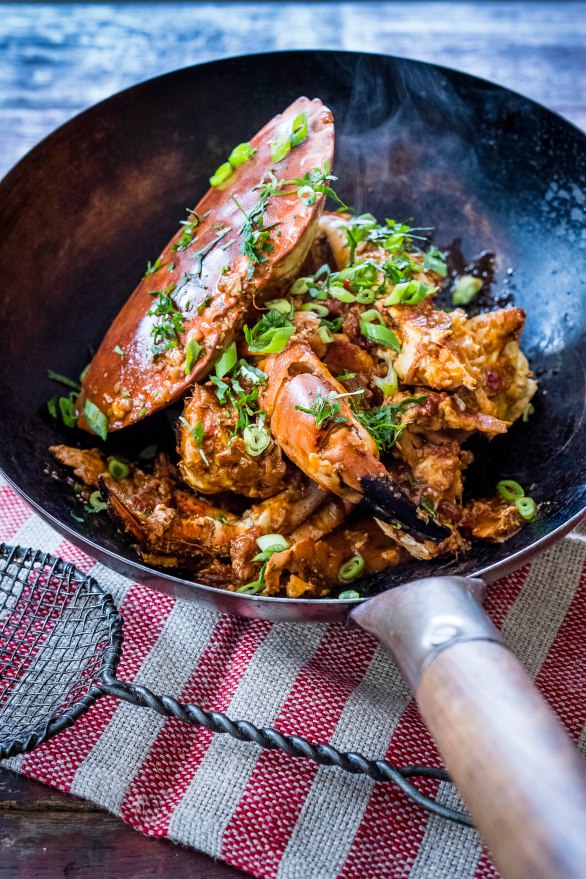
Cornish Chilli Crab
Green pasta bits
Pineapple tart tatin

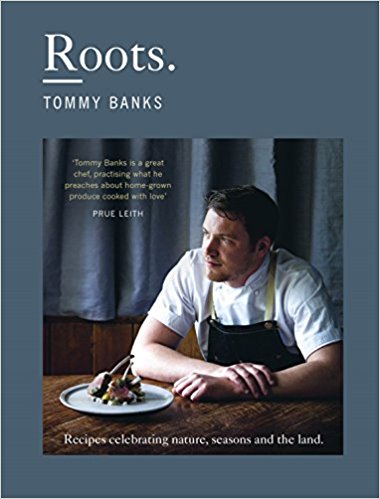
Roots by Tommy Banks

roots tommy banks

What’s the USP?  Fans of Kunta Kinte will be disappointed to learn that this is not another  update of Alex Haley’s famous slave saga. The title actually refers to the ‘root ingredients’ used fresh or preserved by acclaimed young chef Tommy Banks, who divides the year into three rather four seasons which he calls The Hunger Gap (January to May); Time of Abundance (June to September) and the Preserving Season (October to December) which reflects the way he cooks at his North Yorkshire restaurant The Black Swan at Oldstead.

Who’s the author? Tommy Banks has had something of a meteoric rise since taking over the kitchens of the family restaurant in 2013, aged just 24. He’s one of the youngest ever Michelin starred chefs in the UK and has become something of a TV personality, appearing on the Great British Menu where he cooked turbot with strawberries and cream (recipe included in the book) at the grand banquet at Wimbledon and was a featured chef on Masterchef the Professionals where he demonstrated his signature dishes including crapudine beetroot cooked slowly in beef fat with smoked cod’s roe and linseeds, also included in this, his debut book.

What does it look like? Bucolic. The North Yorkshire landscape looks stunning and there are plenty of shots of Banks posing in fields and on the family farm gathering his beloved ingredients. The food is colourful and attractive without being too tortured on the plate.

Is it good bedtime reading? The short autobiographical introduction is bolstered by chapter introductions and essays on favoured ingredients such as elderflower, summer berries and ‘hedgerow harvests’ making Roots more than simply a collection of recipes.

Will I have trouble finding ingredients? If you’re not a keen gardener then you might find it tricky to lay your hands on things like crapudine beetroot and courgette stalks, and you’ll need to follow Banks’s recipes for fermenting vegetables to make a number of dishes, plus you’ll need a good fishmonger if you’re planning on serving raw red mullet, and a decent butcher who can sell you sweetbreads and mince pork back fat for you, and you’ll need to get out picking elderflowers in June if you want to make elderflower drizzle cake, and…

What’s the faff factor? This is fundamentally a collection of restaurant dishes so expect to put in a fair amount of effort for your dinner.

How often will I cook from the book? This is more weekend project than mid-week supper cooking.

Killer recipes? See above, but also crab, elderflower and potato salad; scallops cured in rhubarb juice with Jerusalem artichoke, and potato skin and brassica broth with cheddar dumplings.

What will I love? All the recipes are rated either 1,2 or 3 for complexity which makes choosing what you want to cook from the book, depending on the time you have to hand easy. But this is more than just a collection of delicious sounding, interesting and characterful recipes, a real effort has been made to give a sense of Banks’s cooking ethos and life at The Black Swan.

What won’t I like? Some readers may feel they’ve been-there-and-done-that with the pickling, fermenting and foraging aspect of the book.

Should I buy it? Roots is a substantial debut effort from one of the UK’s highest profile young chefs with his own take on field to fork cookery which makes it well worth investigating.

Cuisine: Modern British
Suitable for: Professional chefs/Confident home cooks
Cookbook Review Rating: 4 stars

Buy this book
Roots
£25, Orion Books

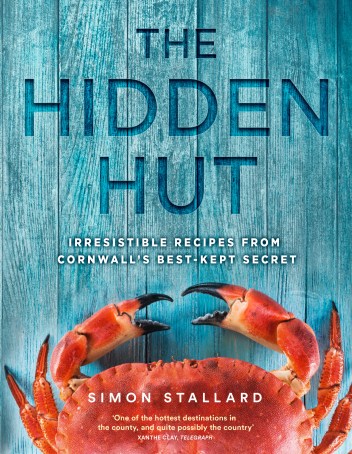
The Hidden Hut by Simon Stallard

The Hidden Hut jacket

What’s the USP? Recipes from one of Cornwall’s best-loved beach restaurants, famous for its open-air feast nights.

Who’s the author? Simon Stallard is the chef and owner of The Hidden Hut, a casual beachside restaurant set in ‘an old wooden shed’ on a coastal path near Truro. Stallard worked around the globe from ‘New York to New Delhi’ before settling in Cornwall and opening the Hut in 2010.

What does it look like? The numerous scene-setting photographs mean that you can almost feel the sand between your toes and smell the salty tang of the sea. Reading the Hidden Hut will make you want to jump in the car and immediately head for the south Cornish coast. The colourfully rustic food looks very appealing, the sort of pleasingly unpretentious stuff you just want to get stuck into.

Is it good bedtime reading? Not so much, just a short introduction and a ‘How to cook over fire section’ (cooking over a wood fire in the open air is what Hidden Hut feast nights are all about and Stallard shares his expertise over a 10-page section of the book).

Will I have trouble finding ingredients? You will be at an advantage if you live by the coast and can get your hands on spider crabs, octopus and gurnard, but as long as you can get to a good fishmonger you’ll be fine.

What’s the faff factor? Dishes range from a straightforward mid-week meal of lamb cutlets with butter bean mash and fresh mint sauce to a special-occasion-only slow roasted goat in preserved lemons, but overall the food is about as far from overwrought, tweezered complex restaurant food as you can get.

How often will I cook from the book? With recipes for breakfast (smokey bacon pastries), lunch (chicken and wild garlic soup), picnics (green pea scotch eggs) and parties (seafood paella for 40) as well as lots of delicious dinner ideas, it’s difficult to say when you won’t be cooking from the book.

Killer recipes? Despite the crab on the cover, this is not just a seafood cookbook. In addition to dishes like red-hot mullet with sticky rice balls and cucumber salad and Summer sardines with saffron potatoes and oregano dressing, there’s plenty of meat and veg in the form of 12-hour lamb with smoky aubergine, and samphire frittata with warm lemony courgette salad.

What will I love? There’s a real feel-good factor about the book, open it at any page and you’ll be inspired to get in the kitchen and cook.

What won’t I like? If you want super serious, complex cheffy cooking, this is not the book for you.

Should I buy it? The Hidden Hut is the sort of book with recipes that will become perennial favourites that you’ll find yourself going back to time and time again. So that’s a yes.

Cuisine: Modern British
Suitable for: Confident home cooks
Cookbook Review Rating: 4 stars

Buy this book
The Hidden Hut
£20, HarperCollins

Cook from this book
Buttermilk drop cakes with lemon curd
Chicken and wild garlic soup
Fire-pit wild sea bass with verde sauce

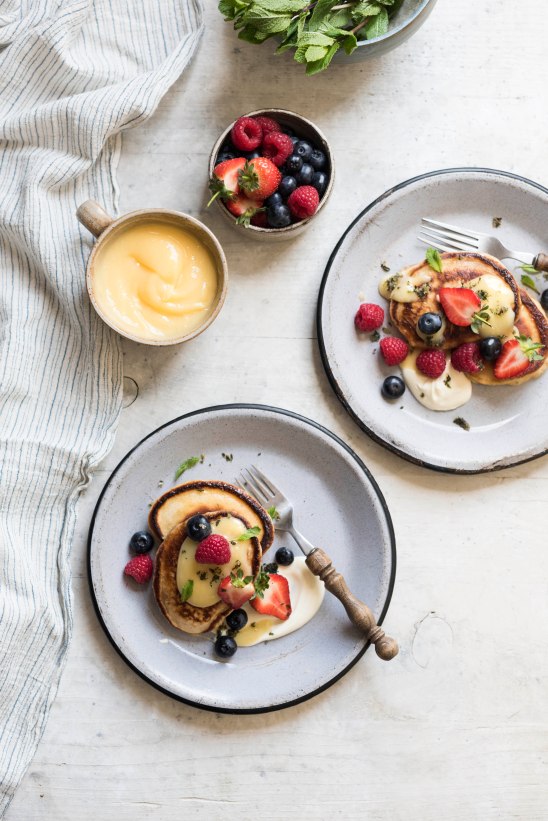
Buttermilk drop cakes with lemon curd by Simon Stallard

THH_Buttermilk_Pancakes-1862-Edit.jpg

Topped with warm lemon curd and served straight from the stove, these drop cakes are a sure-fire way to draw everyone to the breakfast table. Serve with berries and crème fraîche.

Serves 4

320g plain flour
1 tsp baking powder
a good pinch of sea salt
50g caster sugar
2 large eggs
290ml buttermilk
60g butter, plus extra for frying
crème fraîche and berries, to serve

FOR THE LEMON CURD
90g butter, cubed
140g caster sugar
a pinch of sea salt
120ml lemon juice (about 3 lemons)
3 large egg yolks
1 large egg

FOR THE MINT SUGAR
4 tbsp caster sugar
a good handful of mint leaves

First, make the lemon curd. Put the butter in a heatproof bowl over a saucepan of gently simmering water, making sure the base of the bowl doesn’t touch the water. Add the sugar, salt and lemon juice. Stir until well combined and the butter has melted. Remove the bowl from the heat and set to one side.

In a separate bowl, whisk together the egg yolks and egg. Add this to the lemon and butter mixture and whisk to combine. Return the bowl to the simmering saucepan and heat for 10 minutes or until the mixture thickens. Remove from the heat and leave to cool a little.

To make the mint sugar, simply either blitz the sugar and mint leaves in a food processor or bash them together using a mortar and pestle. Leave to one side.

Preheat the oven to 110°C (90°C fan oven) gas mark ¼. Sift the flour, baking powder and salt into a large mixing bowl and stir in the sugar. Add the eggs and buttermilk, and whisk everything together to make a smooth batter.

Put half the butter in a non-stick frying pan and melt it over a medium-low heat. Mix the melted butter into the batter.

Put the frying pan back over the heat and add tablespoonfuls of the mixture in small pools around the pan – you should be able to do 4–5 at a time. Cook for 1 minute on the first side, or until bubbles form on the surface. Flip them over and cook for 1 minute.

Remove from the pan and keep warm on a plate wrapped up in a tea towel in the oven while you cook the remaining batter in the same way, adding a little more of the remaining butter to the pan each time.

Serve the drop cakes warm with the lemon curd drizzled over, some crème fraîche and fresh berries and a sprinkle of the mint sugar.

The Hidden Hut by Simon Stallard (HarperCollins) £20, is out now

Cook more from this book 
Chicken and wild garlic soup
Fire-pit wild sea bass with verde sauce

Read the review

Buy the book 
The Hidden Hut
£20, HarperCollins

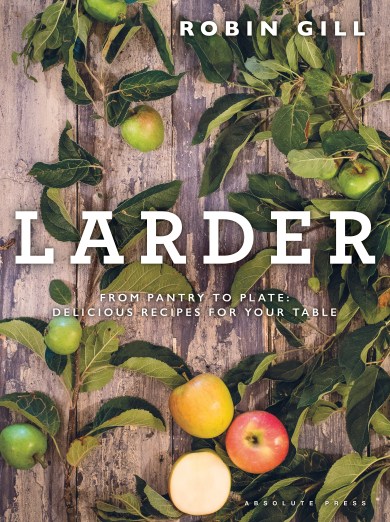
Larder by Robin Gill

9781472948540 (4)

What’s the USP? An urban update on traditional larder-driven cooking based around fermentation, curing, pickling, flavoured butters and oils, stocks, sauces and seasonings.

Who’s the author? Irish-born, London-based chef Robin Gill has revitalized the capital’s dining scene with his distinctive take on top drawer cooking set in casual surroundings at The Diary, Counter Culture and Sorella, all in Clapham.

What does it look like? There’s a distinctly rustic feel to the whole thing with matt finish pages, pictures of Gill on the farm, by the shore or posing with a brace of rabbits and food plated on vintage or earthenware crockery. I wouldn’t want to utter that overused and lazy term ‘hipster’, but you get the idea.

Is it good bedtime reading? Although first and foremost a recipe book, there is plenty of food writing to enjoy in the form of substantial recipe introductions, producer profiles and general musings on cooking techniques and ingredients. The autobiographical introduction provides a fascinating, and at times troubling, look behind the scenes of the restaurant industry.

Will I have trouble finding ingredients?  Cod collars, pig’s head, buffalo milk, Baron Bigod cheese, chardonnay vinegar, espelette pepper and dried wakame mean that you’ll have to look further than your local Tesco for many of the recipes.

What’s the faff factor? Don’t be fooled by the rustic vibe; Gill has worked in some very serious kitchens and although the food is presented in a naturalist way, there’s often lots of work gone into making it all look laid back and simple.

How often will I cook from the book? Because many of the dishes rely on larder recipes (the hint’s in the title) some of which take days, weeks, months or even a year before they are ready, this is more a culinary philosophy that you need to buy into than recipe a book that you can easily dip in and out of.

Killer recipes?  Galician octopus with summer vegetables and nduja brioche; belted Galloway onglet, piatone beans, young garlic and hay; game faggots, celeriac, toasted hazelnuts; white peach with almond skin ice cream, elderflower jelly.

What will I love? The extended larder section provides a real insight into Gill’s style of cooking so you get a real sense of what makes his restaurants so different and special. There is also an excellent selection of inventive cocktails including Panic! At The Pisco made with pisco, white vermouth and rhubarb puree and even a recipe for homemade pumpkin beer.

What won’t I like? The lack of quick and easy dishes. But there’s more than enough of those sort of books knocking about already if that’s more your thing.

Should I buy it? If you want to learn the techniques behind contemporary British restaurant cooking and employ them in your own home (or your own gaff if you’re a chef) this is an essential purchase.

Cuisine: Modern British
Suitable for: Professional chefs and confident home cooks
Cookbook Review Rating: 4 stars

Buy this book 
Larder: From pantry to plate – delicious recipes for your table
£26, Absolute Press

Cook from this book
Loch Duart Salmon Oyster Emulsion, Fennel, Fried Wakame by Robin Gill
Smoked beetroot tartare Cacklebean egg yolk, hazelnut by Robin Gill
Salted Caramel Cacao, Malt Ice Cream by Robin Gill

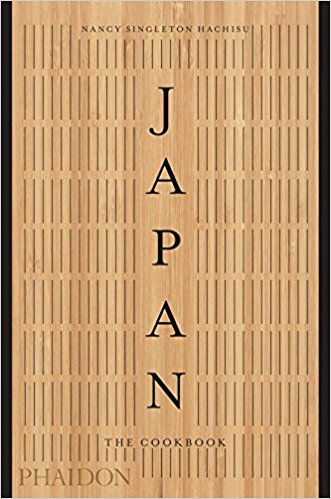
Japan: The Cookbook by Nancy Singleton Hachisu

Japan the cookbook

What’s the USP? This weighty 464-page volume is the latest in Phaidon’s series of ‘international cookbook bibles’ that have previously covered Mexico, Peru and China among other countries.

Who is the author? Californian Nancy Singleton Hachisu, a recognised authority on Japanese cooking both in America and Japan where she has lived for over thirty years

What does it look like? Three years in the making, the book contains over 400 recipes (many illustrated with clear and simple overhead photographs), organised into 15 categories including pickles, stir-fries and one pots, to create what Singleton Hachisu calls ‘a curated experience of Japan’s culinary framework from a specific moment in time’, researched during travels across the country and discussions with ‘chefs, local grandmothers and artisanal makers of traditional food’.

Is it good bedtime reading? As long as you’ve got strong arms, and be careful not to nod off reading about Jomon period of Japanese food history, if the 1.7kg book falls out of your hands it could do some serious damage.

Will I have trouble finding ingredients? You may struggle to track down some things such as konnyaku but between your local Asian supermarket and online specialists such as Sous Chef you should be able to source the majority of stuff you need.

What’s the faff factor? All the dishes are listed with a preparation time and cooking time so you know what you’re letting yourself in for, but many can be completed in under half an hour.

How often will I cook from the book? There is a huge range of recipes included in this veritable encyclopedia of Japanese food so you could easily find yourself dipping into it on a regular basis.

Killer recipes? The broad selection of dishes from across the country covers everything from walnut dressed chrysanthemum petals to steamed mountain yam with nori and grilled eggplant miso soup to chicken yakitori.

What will I love? A history of Japanese food, a glossary of ingredients, a list of Japanese kitchen equipment and descriptions of Japanese cutting styles (zakugiri are ‘greens cut crosswise into 4cm pieces’). The 11-strong international line-up featured in the ‘shefu’ (chefs) chapter include Shinobu Namae of two Michelin-starred L’Effervescenvce in Tokyo, whose recipes include bonito sashimi with butterbur miso and shiso, and Shuko Oda of Koya Bar in London who contributes three recipes including clams, fava beans and capers steamed in dashi butter.

What won’t I like? If you’re looking for an encyclopedia of sushi, sashimi and ramen, then Japan The cookbook will disappoint, with just seven sushi, three sashimi and one ramen recipe (although there is a whole chapter on noodles).

Should I buy it?  Japanese food has become an everyday part of the British diet. From udon at Wagamama to ramen at Bone Daddies, from robata grilled lamb chops at Roka to the omakase tasting menu at the three Michelin-starred The Araki, Japanese cuisine has become so prevalent that there are now even sushi counters in supermarkets. Japanese ingredients and techniques have also become part of many progressive British kitchens with dashi becoming almost as common as chicken stock.

But even the most ardent Japanophile chef will probably only have scratched the surface of a food culture with a recorded history dating back to the third century. That’s where Japan The Cookbook comes in. This is the perfect primer for anyone wanting to deepen their knowledge of an endlessly fascinating subject.

Cuisine: Japanese
Suitable for: Confident home cooks/professional chefs
Cookbook Review Rating: 5 stars

Buy this book

Japan: The Cookbook
£29.95 Phaidon

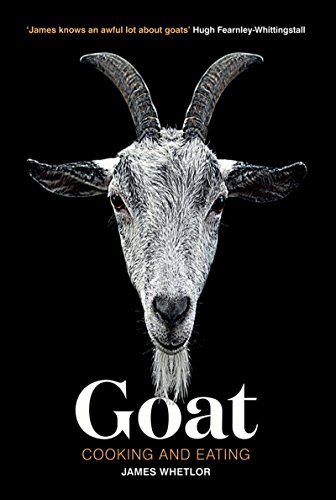
Goat by James Whetlor

Goat

What’s the USP? Everything you wanted to know about the UK’s most undervalued and underused protein but were afraid to ask, plus 70 odd recipes covering just about anything and everything you could possibly do with a goat, gastronomically speaking of course.

Who’s the author? James Whetlor is a former River Cottage chef (Hugh Fearnely Whittingstall wrote the book’s foreword) the and now founder of Cabrito which supplies goat meat to catering butchers and restaurants around the country.

What does it look like? With its ominous horned goat head cover, you might mistake this for a book of black magic spells (and if you read it backwards, it actually is) but open it up and you find something far more benign with images of Whetlor cuddling a goat, munching on a goat burger and preparing a hay barbecue. The food has been imaginatively and attractively styled and shot and the book has a fresh, bright and elegant look.

Is it good bedtime reading? Of course; goats are the new sheep to count you off to sleep. Also there’s an extended 30-page introduction to get stuck into which goes into depth on the subject of goats, covering their place in history, goats and modern farming, goat as served in restaurants and their use in the leather industry.

Will I have trouble finding ingredients? Any butcher worth his salt should be able to source you some goat meat, but if not, you can always order some from Whetlor himself .

What’s the faff factor? There’s nothing to scare the horses in the book, although it will make goats very nervous.

How often will I cook from the book? You’re not going to eat goat every day, but this book should certainly inspire you to add it as a regular alternative to other meats on  your weekly or monthly menus.

Killer recipes? Whetlor has gone out of his way to demonstrate the versatility of his beloved animals and the variety of dishes is impressive from kid shank, apricot and pistachio tagine to schnitzel and Greek-style orange and leek sausages. The author has roped in a number of high profile chef friends to contribute their own recipes too, including Neil Rankin from Temper (goat tacos) and Hugh FH himself (kid, lentil and labneh salad).

What will I love? Fifty per cent of the royalties from the book fo to Farm Africa charitable project that has used goats to help rehabilitate local ecosystems in rural eastern Africa and which Cabrito also give part of their profits.

What won’t I like? Yes, its a single ingredient book so theoretically might have limited appeal.

Should I buy it? Currently, the male offspring of dairy goats are simply destroyed but could become a sustainable and ethical source of low fat, high protein meat. Buying this book and putting goat on your menu will help that become a reality. That’s a pretty good reason to pick up a copy.

Cuisine: International
Suitable for: Confident home cooks/professional chefs 
Cookbook Review Rating: 4 stars

Buy this book
Goat
£20, Quadrille

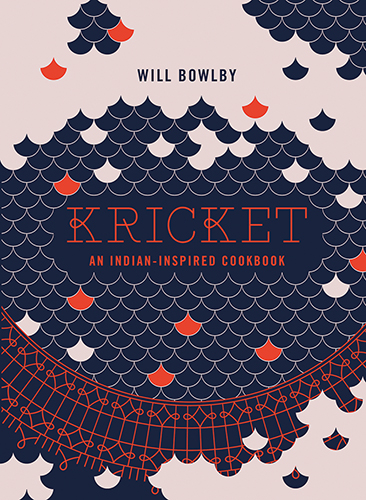
Kricket: An Indian-Inspired Cookbook by Will Bowlby

KRICKET cover (2)

What’s the USP? A collection of over 80 modern and classic Indian recipes from Kricket restaurant in Soho.
Who’s the author? This is the debut book from young British chef and restaurateur Will Bowlby who trained with Rowley Leigh at the much missed Le Cafe Anglais before relocating to Mumbai for two years to work as a head chef. He then travelled the subcontinent, learning about regional Indian cuisine. Kricket originally opened in a shipping container in Brixton in 2015 before relocating to Soho in 2017. Bowlby has been named national chef of the year by the Asian curry awards
What does it look like? Good enough to eat. Photographer Hugh Johnson has brought Bowlby’s simple, colourful and impactful food to life while restaurant interiors and kitchen action shots give an insight into what it’s like to dine at Kricket. Chapter headings are illustrated with line drawings by Myoung Chung and lend the book extra style and elegance.
Is it good bedtime reading? This is first and foremost a recipe book so keep this one in the kitchen.
Will I have trouble finding ingredients? There are the odd one or two you might have to make an effort to get hold of such as caul fat for lamb galouti kebabs or green papaya paste for lamb chops with burnt onion raita, but most supermarkets now have an extensive array of ingredients for Indian dishes so you should have few problems.
What’s the faff factor? Most of the dishes will require a bit of planning ahead to factor in marinating times or making the spice pastes and mixes, but that goes with the territory. There is nothing too technically challenging and you should derive a lot of pleasure from cooking from the book.
How often will I cook from the book? The book will be most suited to weekend and special occasion cooking, when you’ve got a bit more time to spare.
Killer recipes? Just flip through at random and you’re bound to find something you’ll want to cook, from a classic Old Delhi (butter) chicken to more modish creations like bone marrow and cep kulcha (mini naan bread) or chanterelles in malai (lightly spiced cashew nut and green mango) sauce with fresh peas and pea shoots.
What will I love? The sheer variety and inventiveness of the recipes aside, there’s an informative introduction, suggested seasonal menu plans and a whole chapter of delicious sounding cocktails including smoked tarbooz made with vodka, whisky, watermelon juice and cinnamon syrup
What won’t I like? If you have purist tendencies when it comes to Indian cooking, this is not the book you are looking for.
Should I buy it? Pierre Koffmann, who wrote the book’s foreword, loves Will Bowlby’s food so it’s a no-brainer.

Cuisine: Indian
Suitable for:Confident home cooks/professional chefs
Cookbook Review Rating:4 stars

Buy this book
Kricket: An Indian-inspired cookbook
£26, Hardie Grant

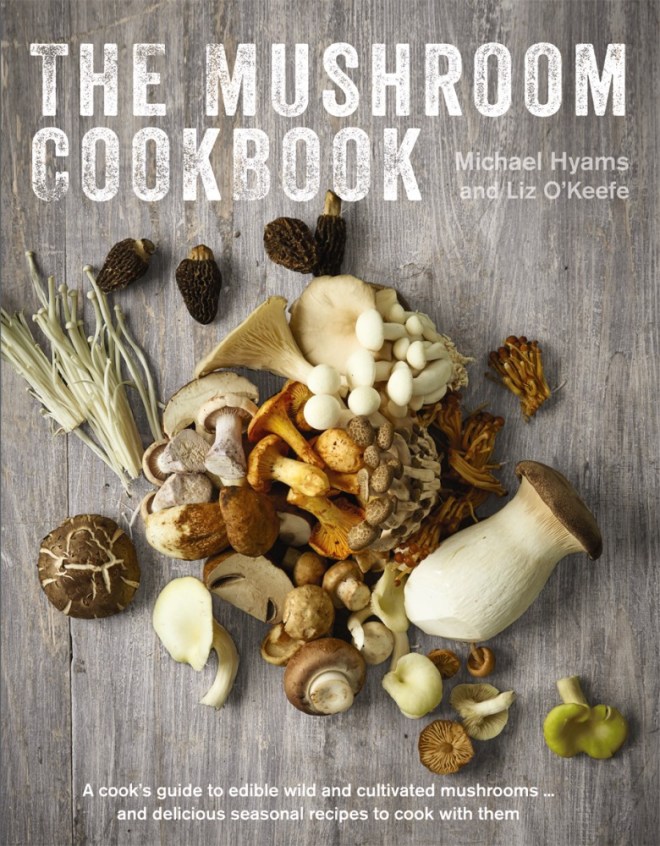
The Mushroom Cookbook by Michael Hyams and Liz O’Keefe

The Mushroom Cookbook coverWhat is it? A directory of the most widely available mushrooms, both wild and cultivated, plus a collection of 50 mushroom- based recipes. Michael Hyams, based in Covent Garden Market, is apparently known as The Mushroom Man and supplies markets and restaurants with fungi while co-writer Lix O’Keefe is a chef, recipe developer and food stylist.

What’s the USP? From morels to mousseron and portobello to pom pom, Hyams describes in detail 33of the most widely available wild and cultivated mushroom varieties, listing alternative names, their Latin name, where the mushroom can be found and when, along with a detailed description of its appearance, flavour and texture and how it should be prepared and cooked. In the second half of the book, O’Keefe provides 50 ways to cook your fungi.

What does it look like? It’s a game of two halves. The first half that contains the directory is a reference work with the emphasis on providing simple, clear and well organised information. The photos are mainly of unadorned mushrooms against a white or grey background accompanied with step by step illustrations of how to clean and prepare them. By contrast, in the second recipe half, there is a serious amount of food styling going on with all manner of folded napkins, trays, boards, slates and other props to liven up proceedings.

Is it good bedtime reading? Although there is plenty of text, this is more of a reference work than a relaxing read. 

Will I have trouble finding ingredients? That will depend on how keen you are on foraging. You could substitute easier to find mushrooms for some of the more obscure varieties, although that would seem to defeat the whole object of the book.

What’s the faff factor? There’s a fair amount of wrapping and stuffing going on, but for the most part, the recipes are quite straightforward.

How often will I cook from the book? How much do you love mushrooms? For most readers, the book will come in handy for when they want to cook something a little different for a dinner party or find themselves with a sudden fungi fixation.

Killer recipes? Chinese mixed mushroom curry; Asian mushroom and pork ramen; wild mushroom and boar sausages

What will I love? The price. A 250 page, full-colour illustrated hardback cookbook for £15 is excellent value.

What won’t I like? Some of the recipes, like mushroom sushi, are a little gimmicky, there are some odd flavour combinations (Camembert and blackberry fondue on your mushroom burger anyone?) and some of the dishes like whole roast salmon with garlic pesto and truffle look messy and unappetising.

Should I buy it? At the knock-down price, it’s worth picking up for the mushroom directory alone.

Cuisine: International
Suitable for: Confident home cooks
Cookbook Review Rating: 3 stars 

Buy this book
The Mushroom Cookbook: A Guide to Edible Wild and Cultivated Mushrooms – And Delicious Seasonal Recipes to Cook with Them
£15, Lorenz Books

Salted Caramel Cacao, Malt Ice Cream by Robin Gill

Salted Caramel - 0181One of the first dishes to be created at The Dairy, this recipe has been improved and enhanced by the quality of the chocolate we now use and the addition of a special malt we buy from a local brewery. A well-known chef said this about the dessert: ‘I would run completely naked across the Common just to have that again.’ If you are left with any excess truffles, they can be stored in the freezer and served as petits fours.

Serves 6–8

Chocolate Truffles

50g unsalted butter, cut into small cubes
100ml double cream
250g 72% dark chocolate buttons (or chopped dark chocolate)
40g cacao nibs
a pinch of Maldon sea salt
cocoa powder, for dusting

Put the butter in a pan over a high heat and cook until it starts to foam and brown and has a nutty aroma. Stir in the cream, then bring just to the boil.

Pour this mixture over the chocolate in the bowl of a stand mixer fitted with the balloon whisk attachment. Whisk on a low speed until the chocolate has fully melted. Turn up the mixer speed gradually until the mixture begins to whip. When it is light and aerated, add the cacao nibs and salt, and mix on a high speed briefly to incorporate.

Transfer the mixture to a disposable piping bag and snip off the end. Pipe into lengths (1.5cm in diameter) on greaseproof paper. Freeze before roughly cutting into pieces (about 1.5cm long). Dust with cocoa powder. Keep in the freezer until required.

Chocolate Soil

250g ground almonds
150g demerara sugar
150g buckwheat flour
80g cocoa powder
1 teaspoon Maldon sea salt
140g unsalted butter, melted

Preheat the oven to 160°C fan/180°C/Gas Mark 4. Mix together all the dry ingredients in a stand mixer fitted with the paddle attachment. Add the melted butter and mix to combine.

Spread the mixture on a baking tray. Bake for 30 minutes, stirring the mixture every 10 minutes. Allow to cool, then store in an airtight container in a cool, dry place.

Salted Caramel

300g caster sugar
7.5g trimoline
75g unsalted butter, diced
300ml double cream
100g 66% dark chocolate buttons (or chopped dark chocolate)
1 teaspoon Maldon sea salt

Place the sugar and trimoline in a pan. Add a little water to make a ‘wet sand’ consistency. Set over a high heat to melt the sugar, then boil until the syrup reaches a dark caramel stage (165–175°C). Remove from the heat and whisk in the butter a third at a time. Continue whisking until smooth.

In a separate pan, warm the cream until it just reaches boiling point. Pour over the chocolate in a bowl and whisk until smooth and glossy.

Pour the cream/chocolate mixture into the butter caramel and whisk together until smooth. Add the Maldon salt and mix through.

Chocolate Tuile

50g liquid glucose
50ml double cream
125g unsalted butter
155g caster sugar
¾ teaspoon pectin powder
175g cacao nibs

Put the glucose, cream, butter and 150g of the sugar in a pan and melt together. Mix the pectin with the remaining sugar and add to the pan. Boil the mixture until it reaches 107°C. Remove from the heat and allow the mixture to cool down to at least 45°C before folding through the cacao nibs.

Roll out the mixture between sheets of greaseproof paper as thinly as possible. Freeze and keep in the freezer until ready to bake.

Preheat the oven to 160°C fan/180°C/Gas Mark 4. Place the frozen tuile sheet (still with greaseproof paper top and bottom) on a large baking tray and set a large wire rack over the top to hold down the edges of the greaseproof paper. Bake for about 15 minutes or until the tuile is set and doesn’t appear to be liquid when the tray is gently knocked. Allow to cool before breaking into shards. Store in an airtight container.

Malt Ice Cream

375ml double cream
375ml whole milk
35g milk powder
25g trimoline
1 teaspoon Stab 2000 (ice cream stabiliser)
75g malt extract
90g pasteurised egg yolks
65g caster sugar

Put the cream, milk, milk powder, trimoline, Stab and malt extract in a pan. Whisk together and bring to the boil. In a large bowl, mix together the yolks and sugar. Pour a third of the hot mixture over the yolks and sugar and whisk together. Add this to the rest of the hot mixture in the pan and whisk in. Heat until the temperature of the mixture is 85°C.

Pass through a chinois or very fine sieve into a deep tray set over ice to cool the mixture quickly. Once cool, churn in an ice cream machine according to the manufacturer’s instructions. Store in the freezer.

Assembly

Spoon some of the salted caramel over the bottom of each plate. Sprinkle with a few truffles and scatter over chocolate soil. Add a couple of quenelles of ice cream to each plate and finish with a few tuile shards.

Extract taken from Larder by Robin Gill (Absolute Press, £26)
Photography © Paul Winch-Furness

Cook more recipes from this book:
Loch Duart Salmon Oyster Emulsion, Fennel, Fried Wakame by Robin Gill
Smoked beetroot tartare Cacklebean egg yolk, hazelnut by Robin Gill

Read the review

Buy this book
Larder: From pantry to plate – delicious recipes for your table