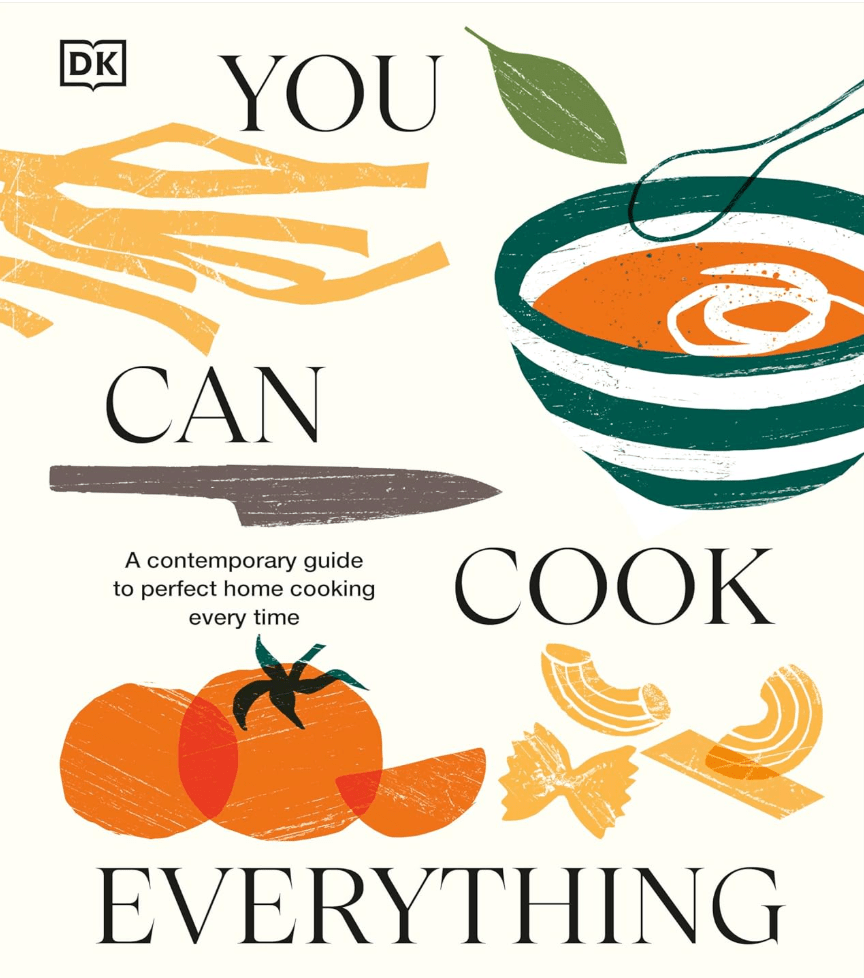
You Can Cook Everything: A Contemporary Guide to Perfect Home Cooking Every Time by DK – Cookbook Review

What is the USP?
An encyclopaedic guide to everything you need to know to become a confident home cook, covering over 1,000 techniques, tips, and recipes in one lavishly photographed volume. There’s no particular cuisine or concept. The focus is on giving you the building blocks to master everything from stir-frying tofu and grilling steak, to baking focaccia and folding gyoza.

What will I love?
It’s all here — the classics, the comfort food, the global favourites — presented with generous step-by-step photography and precise instructions. Want to perfect a béchamel? Learn to butterfly a leg of lamb? Bake flawless cinnamon buns? You Can Cook Everything gives you the confidence to try it, with visual cues and no judgment. It demystifies the things many cookbooks gloss over, from how to make shortcrust pastry to when to season your steak.

There’s also a pleasing sense of reassurance. Although it feels more up-to-date than other ‘cookery bibles’ due to the inclusion of more modern ingredients, it isn’t trying to be trendy or edgy. It’s here to guide you towards better home cooking, at your own pace. Think of it as a contemporary kitchen manual designed for a generation who may not have learned to cook from family, but who are hungry to learn now.

Is it good bedtime reading?
Yes. It’s not a memoir-style book full of essays or storytelling, but it’s incredibly satisfying to flip through. Each page feels like a mini masterclass. If you love the rhythm of methodical, practical cookery, this is bedtime gold.

Will I have trouble finding the ingredients?
Unlikely. The book is global in scope, so you’ll find everything from curries to shakshuka, but recipes are tailored to what is realistically available in most UK supermarkets. There’s helpful advice on substitutions, and where a specialist ingredient is needed (e.g. tamarind paste, rice flour), it’s generally one that has become fairly mainstream. The book is about building confidence and teaching you flexibility, not sending you schlepping across town on a three-hour shop.

How easy are the recipes to follow?
Exceptionally easy. The hallmark of DK books is their visual clarity, and You Can Cook Everything delivers in spades. Recipes are structured, well-spaced, and meticulously illustrated. There are visual walk-throughs for everything from kneading bread to filleting a fish, and plenty of troubleshooting tips to keep you on track. It’s ideal for anyone who wants to see how something should look at each stage. If you are someone who enjoys the reassurance of watching YouTube videos before trying a recipe, the chances are you will find You Can Cook deeply satisfying. 

Stand-out recipes?
The ‘Spring Onion and Cheddar Soda Bread’ is a wonderfully comforting, cheesy twist on a classic, while the ‘Butternut Squash and Sage Gnocchi’ is perfect to make in autumn. On the sweet front, the ‘All‑In‑One Vegan Chocolate Cake’ is rich, fudgy and undetectable as a vegan bake, and the ‘Blueberry Streusel Muffins’ are a delicious way of elevating the fruity favourite with a sweet and crunchy topping. 

How often will I cook from this book?
All the time. It’s a book you will reach for when trying something new or troubleshooting something familiar. The tone is quietly empowering: you don’t feel patronised, but you are never left to flounder. It’s perfect for beginner cooks, but even seasoned home cooks will enjoy the clarity and breadth. You might not cook everything in it, few of us have that kind of ambition, but it’s incredibly satisfying to know it’s all there.

Any negatives?
Not for what it sets out to do. Of course, if you are looking for a cookbook with an evocative or emotional narrative or a strong authorial voice, this won’t fill that void. It’s a clear, clean, and comprehensive reference book at heart. It also isn’t heavy on dietary notes (you won’t find extensive gluten-free or vegan adaptations), though there are plenty of naturally plant-based dishes. 

Should I buy the book?
Absolutely, especially if you’re building or refreshing your cookbook shelf and want a reliable, go-to guide. You Can Cook Everything is a must-have modern-day cooking bible: practical, clear, and deeply satisfying to use. It will teach you to trust your instincts and become a better cook, one delicious step at a time.

Cuisine: International 
Suitable for: Cooks of all abilities – a great place for beginners to start, while also filling in gaps/offering new inspiration for keen cooks. 
Great for fans of: Delia Smith, Leiths and Samin Nosrat.
Cookbook review rating: Five stars
Buy this book: You Can Cook Everything: A Contemporary Guide to Perfect Home Cooking Every Time
£30.00, DK

This review was written by Freelance Food Writer and Recipe Developer Sophie Knox Richmond. Follow her on Instagram on @sophie_kr_food

The Food You Want to Eat by Thomas Straker – Cookbook Review

Who is Thomas Straker?
Thomas Straker is a chef and social media sensation from London, known for his viral “All Things Butter” series and his easy-going, ingredient-led cooking style. Formerly a private chef and alumni of some of London’s top restaurants, Straker blends fine dining flair with everyday accessibility. With over 3 million followers across platforms and a bustling restaurant in Notting Hill, Straker’s unpretentious, flavour-packed recipes are just as likely to appear in your feed as on your table. The Food You Want to Eat is his debut cookbook. Find him on instagram @thomas_straker

What is The Food You Want to Eat’s USP?
Straker promises “no-faff food that tastes banging.” This is not a book of chef-y techniques or food you’ll cook once and never revisit. Instead, it’s about dishes that are genuinely craveable, with big flavour pay-offs and short, confident ingredient lists. The book blends Italian, Middle Eastern, British and modern European influences, and above all, celebrates good food done simply.

What will I love?
If you have ever watched one of his interviews or listened to him on a podcast, you will see that Straker writes like he talks – direct, cheeky, and deeply enthusiastic about good, seasonal produce. The recipes feel like an extension of his online presence: unpretentious, visually beautiful, and centred around real-world cooking. He’s all about layering flavour, using butter generously, and showing you how to make food that “slaps”.

Expect dishes like ‘Paccheri with Wild Garlic Pesto’, ‘Chicken Caesar Salad’, and ‘Spiced Tomato Tagliolini’ that feel fresh but still achievable on a weeknight. The photography is particularly striking. The shots are moody, natural and appetising, showing real food that’s been cooked and eaten, not styled within an inch of its life.

Is it good bedtime reading?
Yes, if you like falling asleep to the thought of buttery sauces and garlicky roast potatoes. Straker’s voice carries through in short, punchy intros to each recipe, but the writing isn’t wordy; more friend-in-the-pub vibes than lyrical food memoir. Still, the passion is there, and you might find yourself bookmarking entire sections in your head before you drift off.

Will I have trouble finding the ingredients?
Not especially. Straker keeps things supermarket-friendly, and when he uses more niche ingredients (like ‘nduja or miso, although both are often easily available), they’re generally ones you will use again and again throughout the book. His cooking style thrives on a well-stocked larder of oils, vinegars, chilli pastes and, of course, butter (lots of butter). There’s also helpful guidance on swapping or omitting ingredients if needed.

How easy are the recipes to follow?
Very. This is cooking stripped of ego. Most dishes are done in a few simple steps, and Straker’s confidence as a cook comes through in how little hand-holding there is (in a good way). These are recipes written for home cooks who want to trust their instincts and don’t want to be micromanaged.

Stand-out recipes?
The ‘’Nduja and Mozzarella Flatbread’ is pure flavour with minimal effort, one of those recipes you make once and then crave weekly. There’s a touch of genius about the indulgent ‘Chilli Cheese Smash Burger’, while the ‘Chocolate Mousse’ might just ruin all other desserts for you. Don’t miss the ‘Roast Chicken, Butter Beans and Salsa Verde’ which will soon become a new staple (I recommend using Bold Beans butter beans).

How often will I cook from this book?
Frequently. The recipes are what they say on the tin; the food you actually want to eat. There’s no fluff, no filler. Expect easy weeknight pasta, juicy chicken traybakes, punchy salads, and crowd-pleasing sides. The food is adaptable, generous and built for sharing. It’s not one of those aspirational books you leave on a shelf. It’s one you’ll cook from midweek and again at the weekend, ideally with friends, wine, and a lot of napkins.

Any negatives?
If you are looking for particularly health-conscious or plant-based recipes, this probably won’t be for you. While there are veg-focused dishes, butter and meat do a lot of the heavy lifting. Also, if you like your cookbooks full of background essays, regional history or in-depth foodie musings, you will be disappointed. 

Should I buy the book?
Absolutely. If you follow Straker online, this book delivers exactly what you would hope for: big, bold, confident recipes that are genuinely doable and deeply delicious. It is for cooks who want fuss-free inspiration without compromising on flavour.

Cuisine: Seasonal British/Modern European home cooking
Suitable for: Anyone from confident beginners up
Great for fans of: Anna Jones, Jeremy Lee and Marcus Wareing
Cookbook review rating: 5 stars
Buy this book: Food You Want To Eat , £25.00, Bloomsbury.

This review was written by Freelance Food Writer and Recipe Developer Sophie Knox Richmond. Follow her on Instagram on @sophie_kr_food

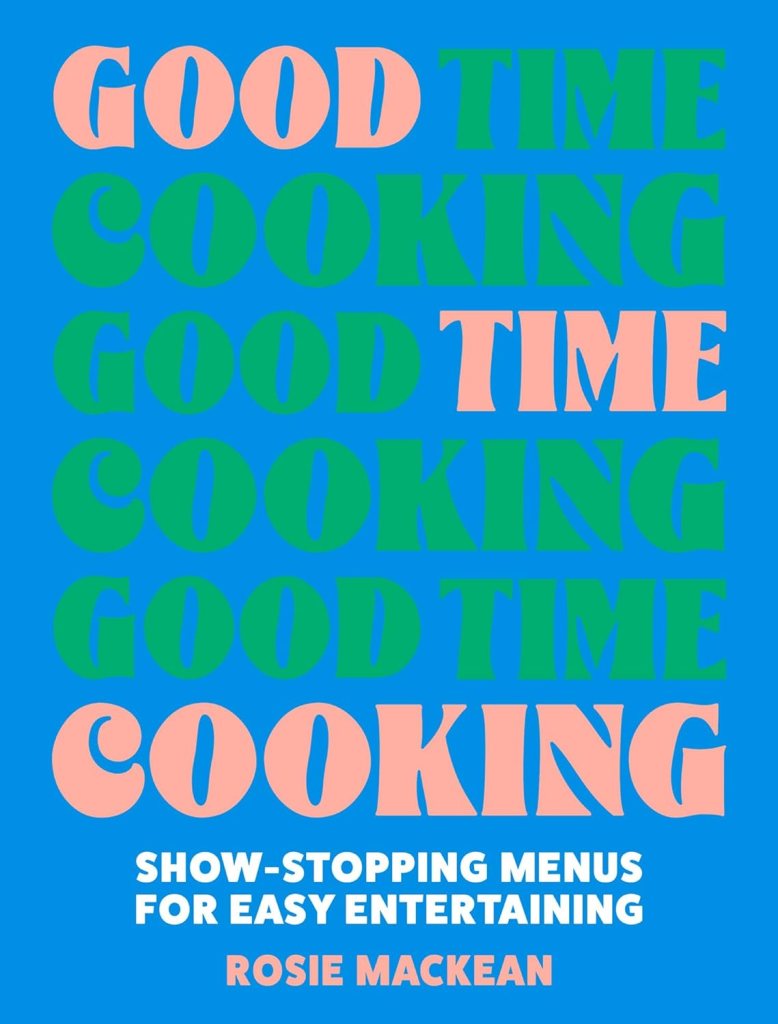
Good Time Cooking by Rosie Mackean – Cookbook Review

Fancy yourself as the host with the most but not sure where to start? Good Time Cooking promises to help save you the stress and share the secrets of easy entertaining for any occasion. A bold claim, but is it too good to be true?

What will I love?
The fact that all of the planning parts have been done for you. Mackean has curated a host of innovative, enticing menus for pretty much every occasion, complete with ‘Get Ahead’ time plans and mise-en-place directions to make it as straightforward as possible. Each recipe comes with substitutions too, great for avoiding any last-minute dashes to the shops. There is also advice on how to scale the recipes up/down to adjust for your gathering (and avoid lots of leftovers and/or potential wastage). Oh, and there are some excellent food styling and table scaping tips to help you really impress your guests. 

The recipes are ordered into themed menus designed to work harmoniously together. This is ideal for anyone who doesn’t feel confident creating a complimentary menu of courses. However, Mackean stresses that this is just her suggestion and encourages you to get creative and create your own DIY menu, if you prefer. Equally, you can dip in and out and make recipes here and there if you have no plans on entertaining. The photography is striking too.

Is it good bedtime reading?
Good Time Cooking isn’t an especially ‘wordy’ book, but you could easily while away an afternoon (or evening) dreaming up your dream dinner party menus and the recipe introductions are genuinely interesting.

Will I have trouble finding the ingredients?
Not really. Merguez sausages are mentioned but they aren’t too tricky to find. The odd recipe may require a trip to the fishmonger or an online order, but those are few and far between. If you have access to a large supermarket, you should be fine. Even if you can’t find something, Mackean has been generous with her suggested substitutions, so there are always alternative options. 

How easy are the recipes to follow?
The majority of the recipes are simple to make, however, Mackean has gone one step further with her time plans and mise-en-place directions, which makes cooking up a multi-course menu far more accessible. Even the more time-consuming ones don’t feel overwhelming thanks to Mackean’s personable and clear instructions. 

Stand-out recipes?
On the savoury front, the ‘Rigatoni al Quattro Fromaggi’ is the epitome of comfort food. The ‘Warm Potato Salad with Basil and Pecorino’ is a delicious side dish and perfect if you want a mayonnaise-free potato salad. 

As for the puds, ‘Chocolate Cream Pie’ is the ultimate indulgent (and very rich) treat for chocoholics, while the ‘Tiramisu’ is one of the best I have ever made (bear in mind that although it ‘serves 2 with leftovers’ you will get around 6 generous portions from the recipe). Don’t miss the ‘Sunday Crumble’, a) for the delicious combination of apples and pears and b) for the generous layer of crumble topping. It is the perfect rainy day pudding served hot with just-melting vanilla ice cream or lashings of custard.

How often will I cook from this book?
A fair bit. Although it’s a book about entertaining, you will still find plenty to enjoy even if you aren’t an avid host. You could easily pick out a few recipes here and there to make throughout the week and there are plenty of options for canapés, starters, sharers, snacks, mains, bakes, desserts and puddings.

Any negatives?
There are plenty of plant-based recipes in the book. However, it isn’t always clear when a recipe needs the cheese to be swapped for it to be vegetarian because it contains animal rennet (e.g. cheeses like Gruyère, Gorgonzola, Taleggio and Parmesan). Not all hosts would automatically know to swap for a vegetarian alternative if cooking for vegetarian guests.

Should I buy the book?
Yes. This is the culinary bible for anyone who enjoys entertaining. However, if you aren’t a keen host, you will still enjoy discovering a host of delicious, innovative recipes and flavour combinations. 

Cuisine: International 
Suitable for: Foodies – particularly those who enjoy hosting
Great for fans of: Skye McAlpine and Sophie Wyburd 

Cookbook review rating: Five stars
Buy this book: Good Time Cooking: The stunning dinner party cookbook from the Pasta Queen, with recipe plans for any guest including gluten-free, vegetarian and vegan
£26.00, Pavillion

This review was written by Freelance Food Writer and Recipe Developer Sophie Knox Richmond. Follow her on Instagram on @sophie_kr_food

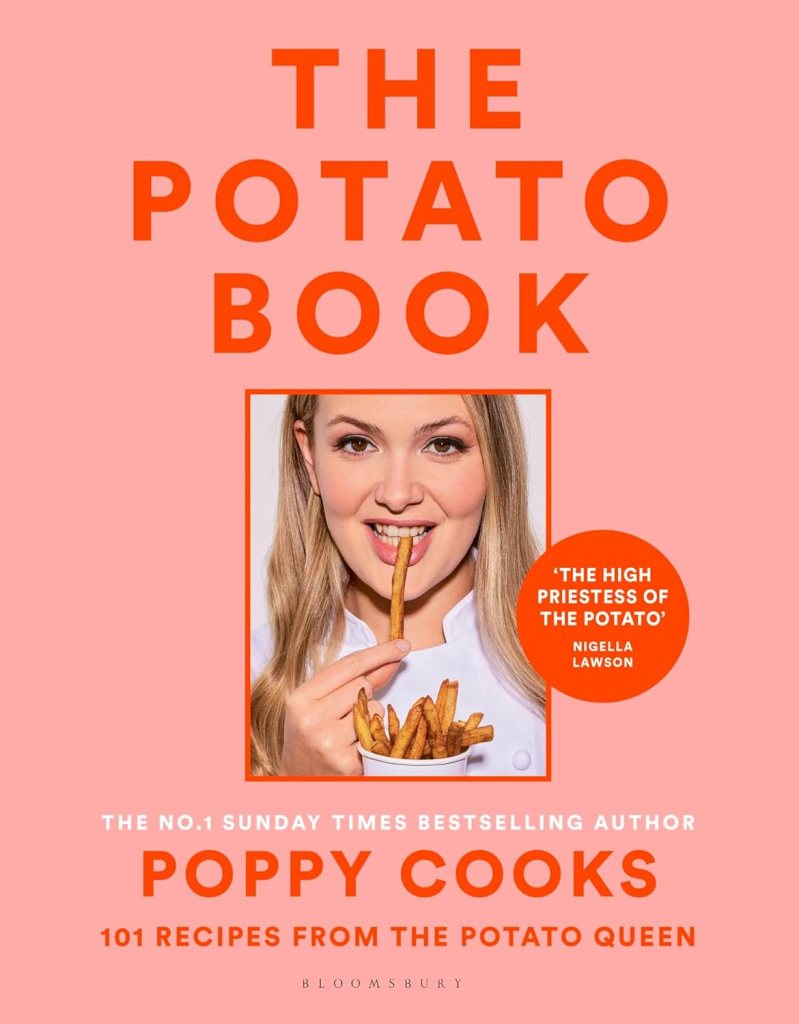
The Potato Book by Poppy O’Toole – Cookbook Review

Social media sensation Poppy O’Toole, A.K.A ‘The Potato Queen’ is back with her fourth cookbook. Having previously published best-selling books focusing on simplified cookery and air fryers, O’Toole has returned to the ingredient that made her famous: the humble spud.

What is the USP?
Your ultimate guide to potatoes with a 21st-century twist. Among the book’s 101 recipes, you will find all the classics, plus options to add an extra ‘something’ (like the ultra-indulgent ‘Three Cheese Mash’ loaded with a glorious combination of gooey mozzarella, Cheddar and Red Leicester, or umami-rich ‘Marmite Roast Potatoes’). There are also plenty of potato ideas from around the world, like ‘Latkes’ and ‘Batata Harra’ (a spicy Lebanese cubed potato dish), as well as more modern options like ‘French Onion Fondants’ and ‘Smashed Potato Nachos’. O’Toole’s relaxed, approachable manner make this a fun and celebratory book. Think of it as the potato bible for those who enjoy cooking, but don’t take themselves too seriously.

What will I love?
The photography is modern, eye-catching and enticing. You can almost taste the crispiness of the latkes just by looking at the photo, while the shot of the aligot will send you hurrying to your fridge to see if you have the ingredients.

The variety of O’Toole’s ideas is impressive. Not only does she cover all the classics, she also branches out with creative twists to bring something different. Think ‘Christmas Mash with Crispy Sprouts and Bacon’, ‘Hash Brown Bhajis’ and ‘Caramelised Onion and Cream Cheese Hasselbacks’. 

Is it good bedtime reading?
From a literary perspective, no. Each recipe has a very readable and relatable introduction, brimming with O’Toole’s chatty warmth and enthusiasm. However, this isn’t one of those books filled with lengthy essays or musings on potatoes. 

Will I have trouble finding the ingredients?
No. Obviously, potatoes are the main ingredient, but the recipes are refreshingly free from expensive or difficult-to-source ingredients. You should be able to find everything you need in your local supermarket. 

How easy are the recipes to follow?
There is a range of recipes from incredibly fuss-free and straightforward (‘Classic Skin-on Wedges’) to the more time-consuming (‘Pommes Dauphine’). Not forgetting O’Toole’s infamous ‘15-hour Potatoes’ (of which you will find several versions in this book). However, due to O’Toole’s approachable, accessible writing style, even the notionally more complex dishes are achievable for less confident cooks. 

Stand-out recipes?
The ‘Masala Chips’ are dangerously addictive, while the ‘Cheesy Leeky Mashed Potato’ is simply delicious (do try it next time you are making regular mash). The ‘Croquettes’ are another winner; packed full of flavour thanks to the combination of smoky chorizo and salty, tangy goats cheese. Do heed O’Toole’s advice and let them cool slightly before digging in though. Don’t miss the ‘Chimichurri Smashed Potatoes’ which, as O’Toole recommends, make an excellent side for steak.

How often will I cook from this book?
That depends on how often you want to eat potatoes. Given that they are an affordable, popular ingredient and O’Toole has included a wide variety of ideas for every palate and occasion, the answer is ‘regularly’. Whether you want a show-stopping potato side for a special occasion (like the ‘Ultimate Chicken and Truffle Pomme Purée’), crunchy snack (the spiced ‘Extra Crispy Smashed Spuds’ are a must-try) or soul-soothing comforting spud (the rich and indulgent ‘Tartiflette’ ticks every box), the chances are, The Potato Book will have what you need.

Any negatives?
It would be helpful to outline the prep time and cook time for each recipe at the top. It also would be beneficial to specify if dishes are vegetarian and/or vegan or highlight when ingredients need to be adjusted (for example, certain cheeses like Taleggio and, sometimes, Comté, which contain animal rennet). 

Should I buy the book?
Yes. The Potato Book is a must-have for anyone who enjoys potatoes and, dare I say it, even those who are yet to understand their versatility. It’s a fun, modern and exciting book that will change how you perceive the humble spud. 

Cuisine: International 
Suitable for: Cooks of all abilities. Especially anyone who is remotely interested in potatoes and wants to learn new ways to enjoy them. 
Great for fans of: MOB
Cookbook review rating: Four stars

Buy this book: Poppy Cooks: The Potato Book: 101 recipes from the Potato Queen
£22.00, Bloomsbury

This review was written by Freelance Food Writer and Recipe Developer Sophie Knox Richmond. Follow her on Instagram on @sophie_kr_food

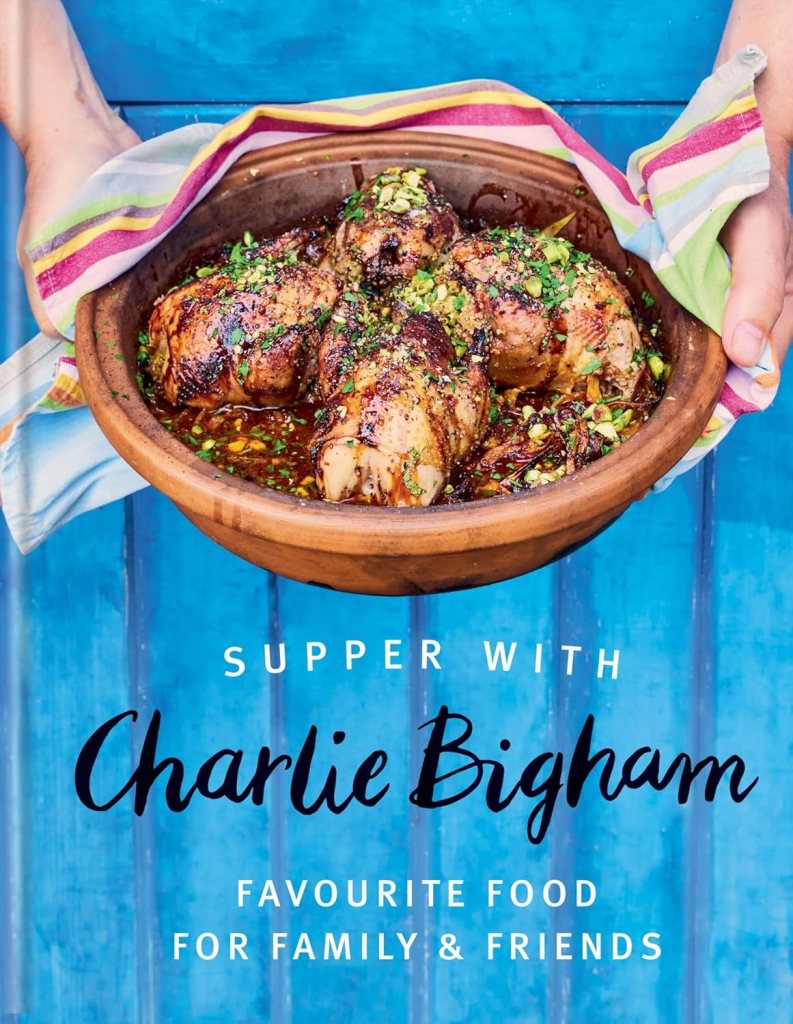
Supper with Charlie Bigham by Charlie Bigham – Cookbook Review

Charlie Bigham, the iconic premium food brand, has released its first cookbook Supper with Charlie Bigham. Written by Charlie Bigham himself (yes, there really is a Charlie Bigham, it isn’t a fictional character), the book promises over 100 relaxed fuss-free recipes to suit a host of supper occasions from fun family celebrations to easy midweek meals. 

What will I love?
The variety of dishes on offer for flexitarian family food and entertaining. Recipes include starters and canapés, mains for two, four, six or many (with advice on scaling up or down), vegetable sides for sharing and simple puddings (oh, and cocktails too!). Classic favourites like ‘Breton Chicken with Chive Mornay Sauce’, ‘The Ultimate Lasagne’ and ‘Beef Bourguignon’ are all there, but so are a host of more modern ideas such as ‘Slow-cooked Shoulder of Lamb with Marmite’ and ‘Penne with Parmesan, Spinach and Courgette’. 

Overall, the book feels very personal. The recipe intros all feel like you are sitting down chatting with Bingham himself as he shares the stories and anecdotes behind each one. The photography is also particularly enticing. Laid back, but not messy, they do an excellent job of ‘selling’ the dishes, while also making them feel approachable. 

Is it good bedtime reading?
Yes. There is an introduction from Bingham where he shares the story of his life through food, followed by an insight into his kitchen and how he likes to cook (all well worth reading). Each recipe also has its own introduction (mentioned above). You could have a very enjoyable evening browsing through the pages finding inspiration for what to cook in the months ahead.

Will I have trouble finding the ingredients?
Most of the ingredients are available in larger supermarkets. Anything difficult to find is accompanied by alternatives. For example, you might struggle to get hold of Borettane onions for the ‘Beef Bourguignon’, but pearl onions are suggested instead. Equally, if you wanted to make the ‘Game Ragu’ you have the option of choosing rabbit, wild boar or venison (although you might need to head to the butchers or order online). The ‘Dynamite Broth with Salmon’ does have bonito flakes, but there are recommendations on where you can source them (or you could leave them out). Aside from that, you will have to go to a deli or health food shop to make the ‘Hunza Apricots with Whipped Pistachio Cream’ and a few of the dishes might require a trip to a fishmonger (or a fish counter). 

How easy are the recipes to follow?
The majority of the recipes are fairly straightforward and all are very well-explained (the ‘Mackerel Pâté does ask you to smoke your own, but there are also instructions using shop bought). Prep and cooking times are included at the start of each recipe with additional ‘Charlie’s tips’ included at the end. There is the odd recipe that requires flicking back and forth to a side mentioned on another page (e.g. the delicious ‘Tomato and Pepper Salsa’ listed with the ‘Griddled Squid’ is also recommended for the (also brilliant) ‘Bashed Chicken with Parmesan Breadcrumbs’). However, that is a small complaint. Quantities are given in both grams and ounces which is ideal for those who still use imperial measurements. 

Stand-out recipes?
The ‘Smoked Haddock Gratin’ is a must-try, while the ‘Leg of Lamb of Lamb with Harissa and Chermoula’ is ideal for an alternative Sunday roast (especially alongside the suggested ‘Couscous with Apricots, Parsley and Red Onion’). The ‘Bashed Chicken with Parmesan Breadcrumbs’ is also now a firm favourite in our house. On the sweet front, the ‘Chocolate Torte with Caramelised Hazelnuts’ is a wonderfully rich and indulgent pud which will delight chocoholics. For something lighter, both the summer and winter ‘Poached Pears’ are delicious.

How often will I cook from this book?
Fairly often. It is one of those books you can rely on for every occasion, whether that be a simple weeknight supper, comforting pud or multi-course easy entertaining menu. There are a myriad of options suitable all-year round – think vibrant and fresh salads in the hazy heat of summer, rich and comforting stews and hotpots for chillier winter evenings. 

Any negatives?
If you were expecting this to contain all the recipes for the Charlie Bigham dishes you buy in the shops, you might be a little disappointed. There are some, like the ‘Chicken Tikka Masala’ and ‘Ultimate Lasagne’. However, the much-loved Macaroni Cheese (and it’s even more indulgent cousin the Four Cheese Macaroni) are, sadly, absent.

The only other gripe would be on the (delicious) ‘Penne with Parmesan, Spinach and Courgette’ which is described as a ‘special vegetarian main course’ and a ‘celebration of Parmesan’. While the latter is most definitely true, by definition, Parmesan isn’t vegetarian as it contains animal rennet. While some vegetarians choose to be more relaxed around cheese, it would have been prudent if ‘Charlie’s Tip’ mentioned using a ‘Parmesan-style hard cheese’ to prevent hosts unwittingly serving a non-vegetarian dish to vegetarian friends and family. 

Should I buy the book?
Yes. This is one of those cookbooks that has something for every mood or occasion. Whether you want something special for a dinner party, a cosy and comforting winter supper or a vibrant sharing salad for a summer barbecue, Supper with Charlie Bigham has got you covered. 

Cuisine: International 
Suitable for: Cooks of all abilities 
Great for fans of: Hairy Bikers and Mary Berry 
Cookbook review rating: Four stars
Buy this book: Supper with Charlie Bigham: Favourite food for family & friends 
£26.00, Mitchell Beazley 

This review was written by Freelance Food Writer and Recipe Developer Sophie Knox Richmond. Follow her on Instagram on @sophie_kr_food

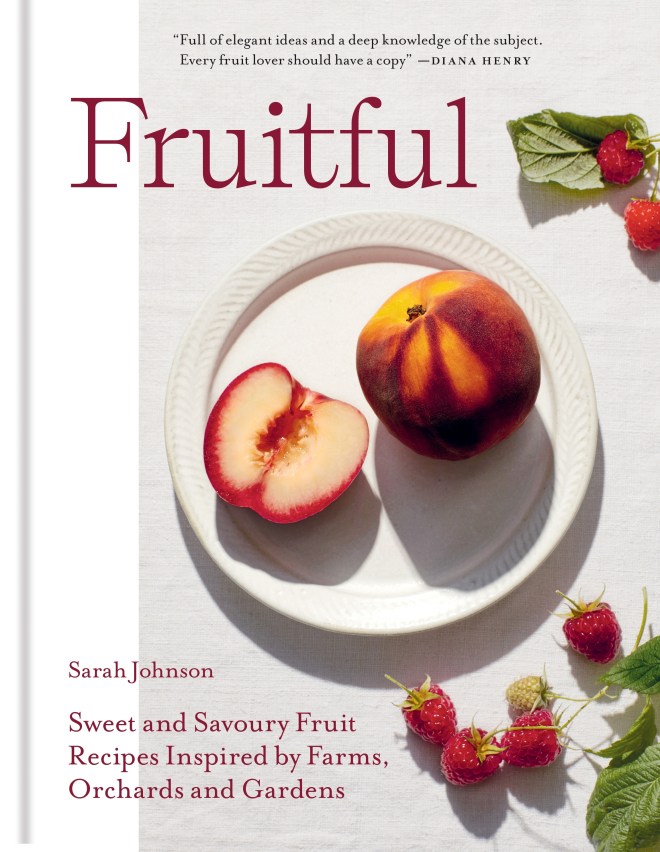
Fruitful by Sarah Johnson – Cookbook Review

Who is Sarah Johnson?
Sarah Johnson is an American-born pastry chef who trained under Alice Waters at Chez Panisse, before working at Skye Gyngell’s acclaimed Spring restaurant in London, and Heckfield Place in Hampshire. Johnson is known for her passion for using seasonal, sustainable ingredients, transforming them into innovative desserts and cakes that celebrate the best of what nature has to offer. Followers are treated to a collection of her stunning creations, and an inside glimpse of her farm-to-table approach to cooking, on her social media account @sarahjohnsoncooks. Fruitful is her debut cookbook.

What is Fruitful’s USP?
Described by Darina Allen as ‘a delicious celebration of ripe and seasonal produce’, Fruitful offers over 80 sweet and savoury recipes that showcase fruit in all its glory. Accompanying the recipes are a selection of pairing recommendations, flavour charts, interviews with regenerative farmers from around the world, and expert advice on mastering key techniques to help you make the most out of your produce.

What will I love?
The thought and detail that has gone into putting this book together shines through. Some books feel rather rushed, but this one is almost crafted like a work of art. The recipes are inventive and elegant, with almost all accompanied by stunning photographs which leave you hoping you have the ingredients so you can start cooking straight away.

Johnson is generous with her knowledge, sharing tips and tricks in the gentle manner of a friend leading you on a foodie journey. You can’t help but be inspired by page after page of sweet and savoury ideas that showcase the sheer versatility of fruit. Fruitful feels so much more than a cookbook, it is a joyous celebration of fruit and farming that will deepen your knowledge and broaden your culinary horizons.

Is it good bedtime reading?
Alongside the main introduction which details Johnson’s culinary journey and philosophy, each chapter and recipe also includes its own introduction. There are several pages dedicated to a detailed explanation of the various ‘Techniques for Cooking with Fruit’, breakout boxes on everything from how to curate a seasonal fruit bowl no matter what the time of year, to favourite flavour combinations. Weaved throughout the book are interviews with various producers who share fascinating insights into their work.

Will I have trouble finding the ingredients?
Not really. Johnson offers variations throughout the book so you can adjust the recipes depending on the season and/or what you already have available. For example, stracciatella features in the ‘Pizza with Peaches, Stracciatella, Rocket and Pesto’, but burrata and mozzarella are suggested alternatives. The odd recipe uses ingredients like coconut flour (‘Coconut Rum Cake with Peaches in Syrup’) and peach leaves (Vin de Pêche’), but the vast majority rely on ingredients that aren’t too tricky to source.

How easy are the recipes to follow?
There are a variety of simple and more complex recipes. Fuss-free ideas like ‘Blackcurrant Jelly’ and ‘Strawberry Sorbet’ sit alongside more involved recipes like the beautiful ‘Apple, Prune and Armagnac Tart’. All are explained in a detailed yet accessible manner, clearly outlining the steps, with photos offering additional guidance where necessary.

Stand-out recipes?
You could be forgiven for thinking that the stand-out recipes would all be sweet, but the savoury options are equally impressive. The ‘Goats Cheese Soufflés with Spring Herb Salad and Roasted Cherries’ are inspired, while the ‘North African Lamb with Plums’ is a deliciously sweet, sticky and subtly spiced slow-cooked dish that is perfect for impressing loved ones. It is tricky to select just a few ‘stand-out’ sweet options, but the indulgent ‘Little Chocolate Pots with Roasted Cherries and Kirsch Cream’, zesty ‘Lemon Curd Tart’ and sophisticated ‘Apple, Prune and Armagnac Tart’ are not to be missed.

How often will I cook from this book?
This isn’t the kind of cookbook you will make something from every day of the week, but there is much to learn from the various charts and tables which will influence your cooking. Recipes cover everything from cakes, ice cream and jam to slow-roast meats, seasonal salads and sustainable fish. There is plenty of variety too, whether you want a teatime treat (‘Polenta Olive Oil Muffins with Blackberries’), a show stopping tart (‘Chocolate Tart with Marsala Sabayon and Toasted Hazelnuts’ or a simple supper (‘Lemony Chicken Piccata’). 

Any negatives?
Whilst not prohibitively extravagant, a few of the recipes are quite expensive to make due to the need to purchase certain liqueurs. Some recipes rely on a rather large number of eggs – ‘Little Chocolate Pots with Roasted Cherries and Kirsch Cream’ uses 8 yolks and ‘Lemon Curd Tart’ calls for 8 whole eggs and 12 yolks. To her credit, Johnson acknowledges that the latter may seem excessive, but assures us they are necessary. Conscious of avoiding waste, she recommends saving the whites for her ‘Lemon Meringue Pie’ or ‘Meringues’ later in the book (as a side note, I would also heartily encourage you to try making your own ricciarelli, a deliciously soft Tuscan treat half-way between a macaron and an amaretti). 

Should I buy the book?
Yes. This is a beautiful book which will inspire you to step outside of your comfort zone and cook more confidently, creatively and sustainably with seasonal fruit.

Cuisine: Seasonal British with Italian and French influences
Suitable for: Foodies and keen cooks who want to be more adventurous, and sustainable, with their cooking
Great for fans of: Alice Walters, Darina Allen and Skye Gygnell
Cookbook review rating: Five stars

Buy this book: Fruitful: Sweet and Savoury Fruit Recipes Inspired by Farms, Orchards and Gardens
£30.00, Kyle Books

Cook the Book:
Chocolate Tart with Marsala Sabayon and Toasted Hazelnuts
Lemon Drizzle Cake
North African Lamb with Plums

This review was written by Freelance Food Writer and Recipe Developer Sophie Knox Richmond. Follow her on Instagram on @sophie_kr_food

Michel Roux at Home by Michel Roux Jr

Michel Roux at Home
What’s the USP? A Michelin-starred chef eschews the involved methods and techniques of the professional kitchen and shares his favourite (but not always) simple recipes from home that he cooks for family and friends.

Who’s the author? Michel Roux Jr is restaurant royalty, son of the legendary Albert Roux, father of Emily (who runs the acclaimed London restaurant Caractère). At the time of writing, he is chef/patron of legendary two Michelin-starred Mayfair restaurant Le Gavroche which is due to close in January 2024. He remains head of food and beverage at The Langham hotel in London. He is a regular on TV shows like Saturday Kitchen and has written eight previous cookbooks including The French Revolution.

Is it good bedtime reading? A five page intro and succinct recipe introductions and that’s your lot. Best keep the latest Richard Osman handy.

How much difficulty will I have getting hold of ingredients? You will need a decent butcher to mince some pork fat for you if you’re going to make the delicious sounding venison turnovers (and you could buy the venison leg or shoulder you’ll need while you are there, although you can get it from some supermarkets too), lamb merguez sausages to serve with red rice and herb pesto, pigs trotters and ears to serve with boned and rolled pork shoulder, and the various meaty elements of a game pate or a terrine made with rabbit and green ham hock.

A good cheesemonger or online supplier will probably be required for the Fleur de Maquis or Berkswell cheese for an omelette with mushrooms, parsley and sheep cheese or the Mimolette required for a chicory tart recipe. Your local greengrocer might have dandelion leaves for a salad made with potatoes, bacon and quince vinegar (good luck finding that, although you can substitute the good old cider variety) but you will have to get your wellies on and go foraging for the nettles for a chilled soup with radish tops. If you are in the UK, you can get cod cheeks from The Fish Society to roast and serve with a watercress salad, a whole sea bass to roast with vegetables or a whole sea bream to bake in a salt crust. What they won’t sell you is the smoked eel required for a canape with beetroot and horseradish cream as it’s now considered a critically endangered species.

Although that might seem like a long list, the book is mainly full of recipes with easily accessible ingredients, as demonstrated by the following list of killer recipes.

Killer recipes? Cauliflower and broccoli gratin with Comte cheese; courgette gratin; sausage, pea and potato casserole; barbecued chicken with summer salad; potato and sweetcorn waffles with bacon crumb; prawn French toast with walnut and coriander pesto; linguine with olives, artichokes, sundried tomatoes and herbs; blackberry and apple mille-feuiiles.

How annoyingly vague are the recipes? For the most part, the recipes are specific when you want them to be. For example, the lovely cauliflower and broccoli gratin recipe gives weight indications for both the main ingredients which is extremely helpful given that cauliflowers range from golf ball to beach ball in size (I’m exaggerating for effect, but not much). Elsewhere, however, things are more hazy, with a ‘bunch of asparagus and a ‘bunch’ of spring onions for a barbecued lamb steak recipe. Both of course as sold in bunches, but the number (and weight) of asparagus spears and spring onions in any given bunch can vary wildly. This is a minor niggle, as cooking from the book has been a pleasure, with clear, easy to follow methods and delicious results.

What will I love? With chapters including Breakfast and brunch, quick lunches, simple suppers for two, meals for family and friends, sweet finish, family celebrations at home and kitchen basics, it’s quick and easy to choose a recipe appropriate to your needs on any given occasion. There’s a huge variety of dishes, from simple sweetcorn soup to the more challenging game pate as well as dishes such as pork steaks with summer vegetables that would make a great mid-week meal.

Should I buy it? There’s still a fair amount of Michel Roux the two-star chef in the book with some fairly time consuming preparations and ingredients that are everyday to the French but more challenging for us Brits to get our hands on. That said, there is much to inspire keen home cooks into the kitchen and dishes that you won’t find in your average TV chef’s cookbook, so it’s a hearty ‘Oui chef’ from us.

Cuisine: French
Suitable for: confident home cooks
Cookbook Review Rating: Four stars

Buy this book
Michel Roux at Home by Michel Roux Jr
£26, Seven Dials

Cook from this book
Prawn French toast with walnut & coriander pesto by Michel Roux Jr
Root Vegetable Tart Tatin by Michel Roux Jr
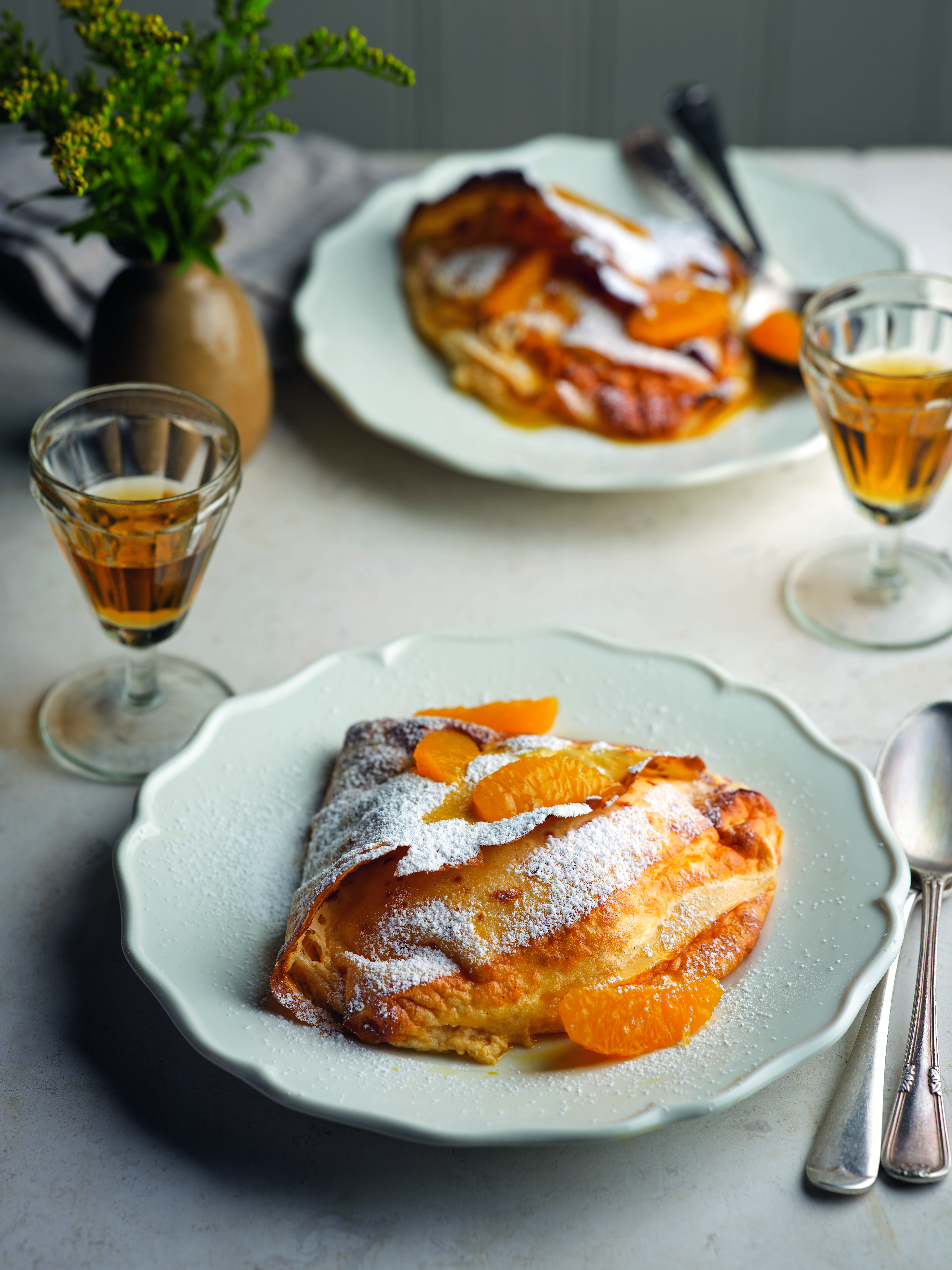
Souffled Crepes by Michel Roux Jr

Souffled Crepes by Michel Roux Jr

9781399610650_interior applicationmichel roux at home text finalsouffled_crepes_7506
Crêpes soufflées à l’orange et Grand Marnier

Serves four
4 oranges
250g crème pâtissière
(see p.238)
6 free-range egg whites
Pinch of sugar
50ml Grand Marnier
20g icing sugar,
for dusting

Pancakes
1 free-range egg
75g plain flour
1 tbsp caster sugar
Pinch of salt
210ml milk
1 tbsp clarified butter
This show-stopping dessert was one of my Uncle Michel’s favourites.

First make the pancake batter. Beat the egg in a bowl, then whisk in the flour a little at a time. Add the sugar and salt and mix well with a whisk. Stir in the milk to make a smooth batter, then leave it to rest in a cool place for at least an hour. To cook, brush a frying pan or crêpe pan with a little of the clarified butter and heat. Ladle in less than a quarter of the batter and cook the pancake for 1 or 2 minutes on each side, turning it with a palette knife. You should get 4 or 5 pancakes.

Segment 2 of the oranges (see page 86) and squeeze all the membranes into a pan to extract any juice. Add the juice of the other 2 oranges to the pan. Place over a low heat and reduce by half, then strain into a bowl and set aside at room temperature.

Put the crème pâtissière in a bowl, place it over a pan of simmering water and heat gently. Meanwhile, beat the egg whites with a pinch of sugar until they form soft peaks. Take the crème pâtissière off the heat, whisk in the Grand Marnier and beat briefly, then add one-third of the egg whites. Mix well,
then carefully fold in the rest of the egg whites with a spatula.

Preheat the oven to 240°C/Fan 220°C/Gas 9. Lay a pancake on a board and spoon a quarter of the crème pâtissière mix over one half. Add a few orange segments, then fold the pancake over and press down gently to seal the edges. Repeat with the remaining pancakes, crème pâtissière mix and orange segments. Put the filled pancakes on a lightly greased baking tray and bake in the preheated oven for 2–5 minutes. Remove and dust them generously with icing sugar, then place under a hot grill for 4–5 minutes, so that the sugar melts and becomes partly caramelised. To serve, slide each pancake on to a plate. Pour some of the reduced orange juice around each one and add a few orange segments. Serve at once.

Cook more from this book
Prawn French toast with walnut & coriander pesto by Michel Roux Jr
Root Vegetable Tart Tatin by Michel Roux Jr

Read the review
Coming Soon

Buy this book: Michel Roux at Home 
£26, Seven Dials

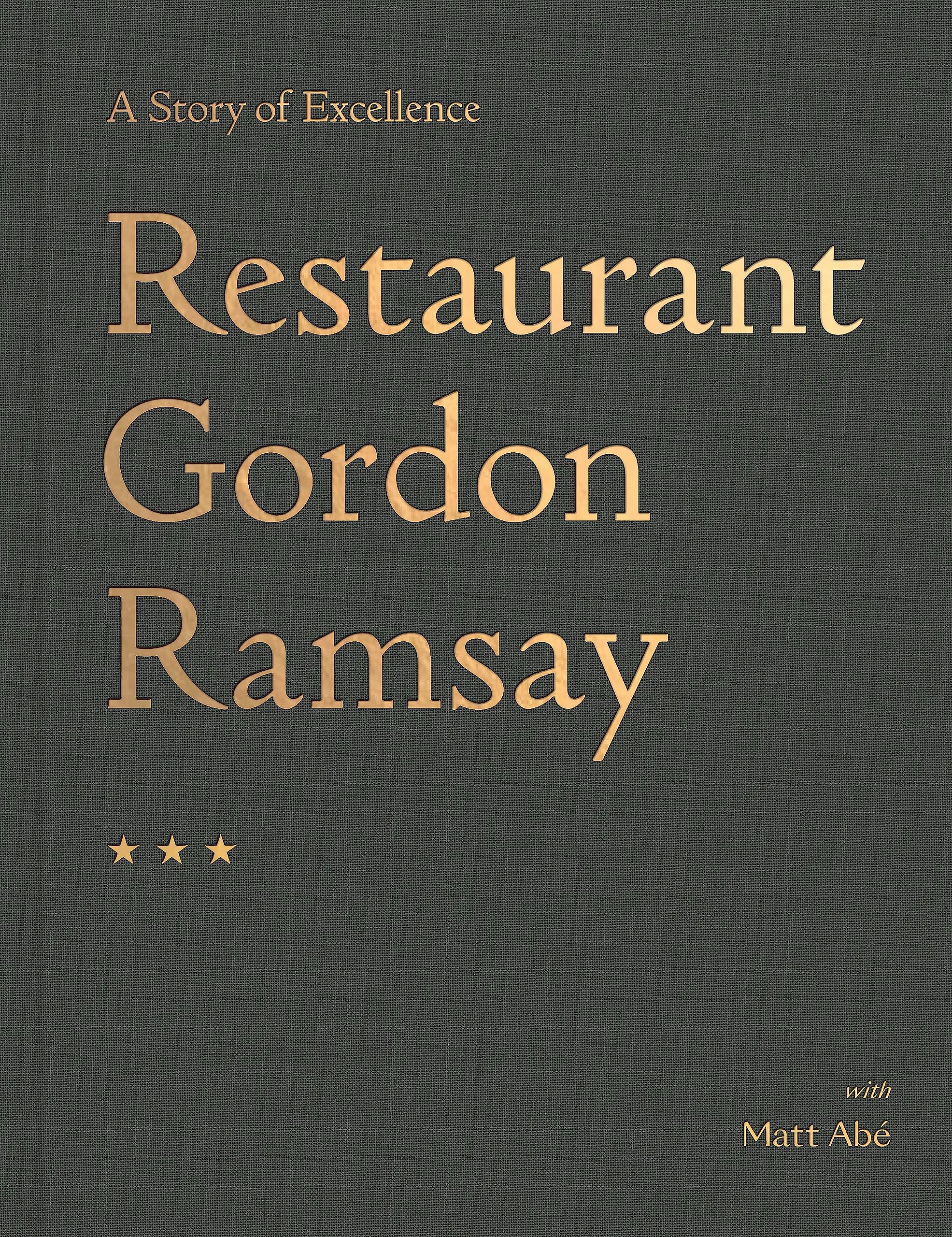
Restaurant Gordon Ramsay: A Story of Excellence by Gordon Ramsay

Restaurant Gordon Ramsay

What’s the USP? A follow up of sorts to Ramsay’s 2007 book Three Star Chef  that focuses on the food and story of his three Michelin starred flagship restaurant Restaurant Gordon Ramsay in Chelsea, London. Recipes are organised by seasons, each with an introduction to the key ingredients available at the time of year. Interspersed is Ramsay’s anecdotal history of the restaurant. As such, the book is aimed at professional chefs and those who want a memento of what might possibly be a meal of a lifetime and be of less interest to the audience for Ramsay’s usual quick and easy-style cookbooks such as Ramsay in 10: Delicious Recipes Made in a Flash.

Who is the author? That bad tempered shouty bloke from off the telly, that’s who. Born in Scotland and brought up in Stratford-upon-Avon, he is a former aspiring professional footballer turned most-famous-chef-currently-on-the-planet. Trained by some of the leading chefs of the time including Albert Roux, Marco Pierre White, Guy Savoy and Joël Robuchon, Ramsay opened his first restaurant Aubergine in Fulham in 1993 where he won two Michelin stars. The third came when he opened Restaurant Gordon Ramsay in 1998. His restaurant empire currently spans the UK, France, the US, Dubai and Singapore and encompasses everything from the two Michelin starred Le Pressoir d’Argent in Bordeaux to a string of Street Pizza and Street Burger restaurants. Ramsay is a familiar figure on TV both sides of the Atlantic with shows including Hell’s Kitchen, Masterchef, Masterchef Jr., 24 Hours To Hell & Back, Gordon Ramsay: Uncharted and Gordon, Gino And Fred.

The book’s co author is Restaurant Gordon Ramsay Chef Patron Matt Abé who has worked for Ramsay for 16 years. Born in Australia, he worked at Aria Restaurant in Sydney and Vue du Monde in Melbourne before moving to the UK at the age of 21 to work as chef de partie at Claridge’s. He then moved to Restaurant Gordon Ramsay, working his way up from chef de partie to his current position overseeing the whole restaurant.

Are the recipes easy to follow? Well, sort of. Let’s take ‘Veal Sweetbread, Toasted Grains, Ajo Blanco, Malt’ as an example. First you’ll need to make your veal stock and chicken stock (separate recipes for both are included in the ‘basics’ section). You’ll need 4kg of veal bones and 3kg of chicken wings and necks and 24 hours during which you’ll be regularly skimming the stocks. The recipe fails to explain how you’ll get any sleep during this process so you’ll have to figure that one for yourselves.

Anyway, once you’ve had a nap, it’s time to get the malt jus on. You’ll just need a kilo of veal trimmings for this and fair amount of time for browning and reducing and passing. Once you’ve got your beautiful and extremely expensive sauce, it’s time to deep fry some wild rice and amaranth grains to puff them up for garnish. The cost of living crisis means this alone is an horrendously expensive process, but it’ll be worth it.

Once you’ve got those boxed up, all you need to do is trim 2kg of veal heart sweetbreads (they were all out at Asda but I’m sure you can track them down at your local butcher. Do you have one of those? Lucky you) removing the membrane with your razor sharp Japanese-style chef’s knife. Then just fry them up and top with some honey glaze (there’s a separate recipe for that), your puffed grains plus some sobacha and malted oats you just happen to have in the cupboard, along with all those allium buds and flowers you were looking for something to do with. Then you pour over your ajo blanco (sorry, didn’t I mention it that before? Yes, that’s another thing you need to make) and your malt jus and job’s a good’un.

It’s at this point you begin to realise why dinner at Restaurant Gordon Ramsay costs £180 a head just for the food. So to answer the question, the recipes are pretty straightforward, if you take each individual component by itself. But it’s the amount of components, the number of ingredient, the time involved and the skill and equipment required (you’ll need a Vitamix if you are going to follow the recipe to the letter and achieve the sort of velvety texture Abé does in the restaurant for example) that’s the issue.

Will I have trouble finding the ingredients? There are a number of dishes such as canapes and amuse-bouche where you will find it impossible as there are no recipes, just images and a description. This sadly includes the restaurant’s fantastic Parker House rolls. If anything would have been worth the £60 cost of the book it would be a recipe for that bread, one of the highlights of a recent meal I was lucky enough to enjoy at RGR.

While many of the ingredients for most of the dishes in the book are readily available in some form or another, there are quite a few instances of micro herbs/foraged flowers, herbs and leaves and the sort of powders associated with molecular gastronomy (although the food in the book is very far removed from that) being required. So you’ll need for example to track down mustard frills, chickweed leaves and three cornered garlic flowers for a asparagus and morel starter, and some Ultratex (and a Pacojet) to make a herb puree for a cod and Jersey Royal dish. However, it would only take a little thought and ingenuity for an experienced cook (and certainly a professional chef) to work around these requirements without straying too far from the original intention of the dish.

How often will I cook from this book? While this is at heart a coffee table book, it could also have a useful life in your kitchen. If you are a home cook, most of the complete dishes in the book will be quite a serious undertaking. However, many of the individual components are fairly straightforward, so you might make the saffron emulsion (mayo) that accompanies a crab and melon mousse and that’s flavoured with paprika and Espelette chilli powder and serve it with some simply grilled fish.

Does it make for a good bedtime read? This is the story of the restaurant as well as a recipe book so there’s a good amount to read. This is very much Ramsay’s version of events however and key players like Marcus Wareing, Angela Hartnett, Mark Sargeant, Jason Atherton and Mark Askew  (none of whom still work for Ramsay) get only a passing mention. There are a few juicy nuggets like the fact Ramsay was paid £200k for the Boiling Point documentary series and that he applies ‘ruthless margins on wine’ (now you know the other reason why your dinner is so expensive). If you’ve read Playing With Fire or Humble Pie, Ramsay ‘s two autobiographies you won’t learn much new here but it’s an enjoyable read nevertheless. There are also some interesting observations on seasonal ingredients including the fact that lobsters are never cooked whole at the restaurant because each part cooks at a different rate.

Should I buy the book? The book looks a million dollars, especially the fantastic food shots by John Carey, is a decent read and has some great, if daunting recipes. Ramsay fans, professional chefs and ambitious home cooks will find much to enjoy and inspire here. What it’s definitely not is a practical everyday cookbook, but there are plenty of those already. Perhaps a book you would gift rather than buy for yourself.

Cuisine: Modern British
Suitable for: For professional chefs
Cookbook Review Rating: Four stars

Buy this book: Restaurant Gordon Ramsay: A Story of Excellence by Gordon Ramsay

Bras: The Tastes of Aubrac by Sebastian Bras

Bras The Taste of Aubrac

In 2009, chef Sébastien Bras took over the kitchens at Le Suquet, the world-famous restaurant and hotel that’s perched on a hill above the Aubrac in the southern Massif Central of France. Sébastien’s father Michel won three Michelin stars there for his nouvelle cuisine creations including gargouillou (a warm salad of vegetables and herbs) and soft centred ‘chocolate coulant’ that inspired a thousand chocolate fondants. In his first cookbook, Sébastien offers his own updated variations; a ‘raw’ summer gargouillou made with 120 varieties of vegetables, some grown in the restaurant’s kitchen garden, and a curry cream coulant inspired by a trip to India. 

Many of the remaining 38 recipes also reflect the chef’s world travels, some of which are documented in the book, including a trip to the Sahara that inspired a dish of sand-baked taguella bread made with millet flour, semolina and honey and filled with air-dried courade sausage, and visits to Japan (until 2020, there was a Bras restaurant in Hokkaido) where Sébastien first tried the fried pork-loin gyoza that he serves with tangy carrot jus and chrysanthemums.  

In addition to discovering his feelings about the Michelin guide (Sébastien famously ‘handed back’ the restaurant’s three Michelin stars in 2017), the book also tells the stories behind the creation of two of the chef’s signature dishes. The ‘miwam’ (a made-up word) is a filled wheat and spelt galette/waffle cooked in a special mould made by Sébastien’s engineer brother William and sold at The Café Bras in Rodez in the south of France; the ‘gouttière’ is its fine dining cousin, a potato waffle made from wavy tuiles sandwiched with hazelnut butter cream and drizzled with salted butter caramel. 

The stunning photography documenting the food, life at the restaurant and the austere beauty of the Aubrac through the seasons, and essays on the Bras family, restaurant team, producers and culinary techniques add up to a compelling picture of an extraordinary enterprise that will inspire any keen home cook or chef.

Cuisine: International
Suitable for: Confident home cooks and chefs 
Cookbook Review Rating: Four stars

Buy this book: Bras by Sebastian Bras
£39.95, Phaidon

This review originally appeared in The Caterer magazine.