Tom Kerridge Cooks Britain by Tom Kerridge Cookbook Review

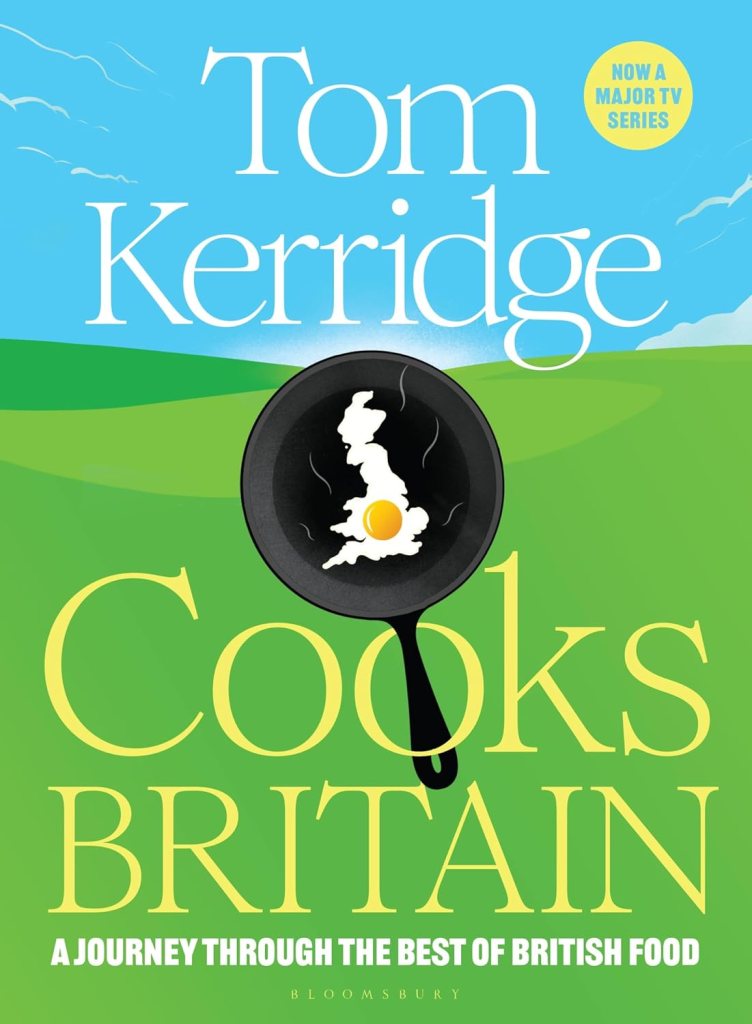
Tom Kerridge Cooks Britain Cookbook cover.

Tom Kerridge is surely a man who needs no introduction by now? For those of you who haven’t heard of him, he is the proprietor of several bars and restaurants including The Hand and Flowers (the first gastropub to receive 2 Michelin stars back in 2012) and The Coach (which secured its first Michelin star in 2018). His profile soared after appearing on Great British Menu in 2010 and has released cookbooks regularly ever since (including the bestselling Proper Pub Food, Outdoor Cooking and Pub Kitchen as well as more diet-friendly titles Tom Kerridge’s Dopamine Diet and Tom Kerridge’s Fresh Start inspired by his own weight-loss journey). 

If you haven’t eaten in one of his establishments or cooked from one of his books, you have probably seen him on television (where he regularly pops up in M&S adverts, stars in his own cookery shows and documentaries, and judges on Great British Menu), tried one of his M&S meals, attended a Pub in the Park food festival, or come across his campaigns championing the hospitality industry or fighting child food poverty (through Full Time Meals). 

This time, Kerridge has turned his attention to Britain, or rather, British ingredients, promising 100 recipes that celebrate the best of what this country has to offer.

What will I love?
If you are interested in learning more about British produce, and how to make the most of them in your kitchen, you will find plenty to enjoy here. There are over 100 recipes – divided into chapters of ‘Vegetables’, ‘Fish & Shellfish’, ‘Meat & Poultry’, ‘Dairy’ and ‘Fruit’ – designed to mirror the key areas that make up the backbone of the British farming industry. Options are varied, ranging from lighter dish like ‘Asparagus, Poached Egg and Hollandaise’ to a hearty ‘Family Beef Mince Pie’. The photos are beautiful too.

Is it good bedtime reading?
Yes. The introduction spans several pages, offering an enthusiastic (and very persuasive) argument for the importance of British farming. Each chapter then begins with a short introduction and the recipes also all have their own introductions explaining Kerridge’s inspiration and/or offering helpful hints.

Will I have trouble finding the ingredients?
Not at all. Although some recipes mention specific cheeses, there is nothing too obscure (more readily available alternatives are also given). There is a good balance in terms of affordability; while there are recipes for Tomahawk steak and other more expensive cuts of meat and fish, plenty of less extravagant ingredients are also featured.

How easy are the recipes to follow?
The recipes range in ability, but the instructions are always clear, giving advice on what to look out for and tips on how to make certain processes easier. It would be helpful if recipe timings were included at the top.

Stand-out recipes?
The ‘Leek and Caerphilly Rarebit’ is wonderfully comforting, while the ‘Chicken Kyiv Dippers’ are a delicious snack (or simply a fun alternative to a classic Kyiv). Don’t miss the ‘Bacon and Mushrooms Eggs Benedict’ for an umami-rich twist on the brunch favourite and even kale avoiders could be converted by the ‘Creamy Kale Pasta with Crispy Parmesan’. 

How often will I cook from this book?
There is a range of recipes for every eating occasion throughout the year: ‘Asparagus Pecorino and Lemon Pasta’ in spring, a suitably summer-y ‘Yoghurt and Apricot Parfait with Almond Praline’, a cosy, comforting autumnal ‘Blackberry, Pear and Apple Crumble’, and a warming winter ‘Turnip Gratin with Lincolnshire Poacher’. However, there is a greater emphasis on dishes geared more towards spring/summer cooking and entertaining. 

Any negatives?
There are some lovely options for vegetarians (or recipes that could easily be adapted), but not many choices for vegans. The pudding options could also be more diverse, perhaps a result of the emphasis n produce available in the UK.

Should I buy the book?
If you are keen to cook more seasonally with local British ingredients, this book is perfect for you. It also offers helpful inspiration to make everyday recipes a bit more special.

Cuisine: International cuisine using British ingredients
Suitable for: Cooks of all abilities.
Great for fans of: Hugh Fearnly-Whittingstall 
Cookbook review rating: Four stars
Buy this book: Tom Kerridge Cooks Britain
£25.00, Bloomsbury

Tom Kerridge Cooks Britain aired on ITV in July 2024.

This review was written by Freelance Food Writer and Recipe Developer Sophie Knox Richmond. Follow her on Instagram on @sophie_kr_food

The Bull and Last by Ollie Pudney, Joe Swiers and Giles Coren

Bull and Last

What’s the USP? Recipes and stories from a landmark North London gastropub, famously a favourite of The Times restaurant critic Giles Coren who contributes a forward to the book.

Who are the authors? The pub’s chef Ollie Pudsey (formerly of Richard Corrigan’s late lamented Lindsay House in Soho, London) and front of house manager Joe Swiers.

Is it good bedtime reading? The first 80-odd pages tell the story of the pub and there are a further eight essays dotted throughout the rest of the book.

Will I have trouble finding the ingredients? The Bull and Last take a delightfully broad view of what gastropub food can encompass, so expect to be shopping for everything from mirin to squid ink; moscatel white wine vinegar to speck ham and artichoke hearts to amaretti biscuits. The good news is that there are few if any ingredients that you won’t be able to pick up at a supermarket or deli. You will however want to hit up your friendly local butcher for things like hare, rabbit and  smoked ham hock and a good fishmonger for crab, hake and whole brown shrimp, among other seafood items.

What’s the faff factor? Faff is the wrong word to use here, as it implies undue effort that fails to pay off in the finished dish. You don’t get to be one of highest rated pubs in the country by cutting corners, so you should expect to invest a bit time to produce some of the dishes in the book. For example, if you want to make The Bull and Last’s version of roast chicken you’ll first need to follow the recipes for brown chicken stock and red onion chutney, but you will end up with a stonking red wine gravy to go with your fragrant, delicious butter roasted bird that’s infused with lemon, garlic and thyme. There are plenty of more straightforward dishes in the book too, such as sea trout with samphire, peas and Jersey Royals or roasted romano peppers with white soy and sesame (to accompany grilled or roasted meat or fish).

How annoyingly vague are the recipes? Handfuls, pinches, drizzles and splashes of herbs, seasonings and oils abound. However, as long as you are a reasonably experienced cook, that shouldn’t prevent you from making any of the recipes as ingredients lists and methods are otherwise sound.

How often will I cook from the book? With a good range of seasonal dishes that would suit everything from a quick weeknight meal to a long indulgent Sunday lunch or special occasion, it’s likely The Bull and Last will come in useful many times throughout the year.

Killer recipes: Killer scotch egg; smoked haddock, giant macaroni with leek velouté, egg yolk and Berkswell cheese; buttermilk fried chicken; vodka-cured salmon with lemon and dill; chicken liver with ceps, Madeira, sage and Parmesan on toast; pheasant schnitnel club sandwich; oxtail croque monsieur; sticky lamb ribs with pistachio and herb sauce; Bramley apple and nut crumble.

What will I love? It’s obvious that a lot of love has gone into the production of the book and get a real sense of the what the pub is all about. There is a luxe feel to the whole thing, from the paper stock to the elegant design.

What won’t I like so much? Giles Coren’s introduction stands out as by far the best writing in the book. It’s a shame they didn’t ask him to help out with the narrative text too which can be a little confusing to follow at times and really needed a firmer editing hand.

Should I buy it?  If you are a fan of British gastropub food, you’ll be hard pressed to find a better example of the genre and you’ll be gagging to cook from the book. The same applies if you just love tasty grub. 

Cuisine: British/Gastropub
Suitable for: Confident home cooks/Professional chefs
Cookbook Review Rating: Four stars

Buy this book
The Bull & Last: Over 70 Recipes from North London’s Iconic Pub and Coaching Inn
£30, Etive Pubs Ltd

The Hand and Flowers Cookbook by Tom Kerridge

Hand and Flowers Cookbook by Tom Kerridge

What’s the USP? A brief history of and recipes from the world’s only two Michelin starred pub.

Who is the author? Chef Tom Kerridge has recently become known for his dramatic weight loss and series of diet-friendly TV shows and books including Dopamine Diet, Lose Weight and Get Fit, and Lose Weight For Good. His real claim to fame however is as proprietor of The Hand and Flowers pub in Marlow, Buckinghamshire, the only two Michelin starred restaurant in the world. He also runs The Coach, The Shed and The Butcher’s Tap in Marlow, Kerridge’s Bar and Grill in London and The Bull and Bear in Manchester. He is also the founder of the Pub in the Park, a touring food and music festival. Earlier in his career, he worked for such British restaurant luminaries as Gary Rhodes and Stephen Bull in London and David Adlard in Norwich.

Is it good bedtime reading? There’s a chunky introductory section telling the story of the pub, chapter introductions and full page introductions to all of the recipes, making the book a very enjoyable read. As a restaurant nerd, I would have loved to have read about Kerridge’s career before opening the Hand in 2005. As a good proportion of the book’s audience is bound to be professional chefs who would be equally interested to read about Kerridge’s rise through the ranks to stardom, it seems something of a missed opportunity. We can only hope there’s an autobiography in the works.

Will I have trouble finding the ingredients? Specialist ingredients in the book include Alba white truffle oil, agar agar, foie gras, squab pigeon, caul fat, veal tendons, Sosa Airbag Pork Granet, Sosa Antioxidant gel powder, meat glue, lamb sweetbreads, pig’s head and trotter and meadowsweet among others. There are plenty of far more mainstream ingredients too, although if you are going to go to the trouble of attempting these recipes you’ll want to head to your butcher, fishmonger and greengrocer rather than rely on standard supermarket gear.

What’s the faff factor? If you want to prepare a complete dish with all it’s  various elements – for example lemon sole grenobloise made up of stuffed lemon sole, brown butter hollandiase, brown bread croutons, confit lemon zest, crisp deep fried capers and anchovy fritters – then you need to be prepared to put in some serious kitchen time. For many home cooks, probably the best way to approach the book is to pick and choose between the constituent parts and either make a simplified version of the dish with just the key elements or take the recipe for a garnish, such as the famous Hand and Flowers carrot that’s braised in water, sugar, butter and star anise, and use it to accompany something simple like a roast, grill or stew. The good news is that many of the recipes for the individual parts are relatively straightforward and it’s the quantity of constituent elements that make cooking a complete Hand and Flowers dish daunting for non-professionals.

How annoyingly vague are the recipes?   There are the usual suspects such as a  squeeze of lemon, sprig of thyme or half an onion (how big is an onion? How long is a piece of string?) and one dish calls for meat glue but gives no quantity. However, you should have no problems with the vast majority of the recipes.

How often will I cook from the book? Will you be knocking up a torchon of quail with crispy quail leg and verjus everyday? Probably not. But you might well find yourself making the ‘Matson’s sauce’ (a ‘super-posh’ chip shop curry sauce named after Kerridge’s favourite fish and chips shop) that goes with it pretty regularly. Ambitious home cooks will find much to inspire them, and may well turn to the book  when planning a celebratory meal, a dinner party or just to indulge in a weekend of hobby cooking. But as previously noted, a close reading will reveal a treasure trove of sides and sauces, as well as some achievable main elements that will ensure the book won’t permanently reside on your coffee table and will get regular use in your kitchen.

Killer recipes: Smoked haddock omelette; crispy pigs head with black pussing, rhubarb and pork crackling; fish and chips with pea puree and tartare sauce; halbut poached in red wine with bourguignon garnish; slow cooked duck with duck fat chips and gravy; braised shin of beef with roasted bone marrow, parsnip puree and carrot; sweet malt gateau with malted milk ice cream and butterscotch sauce.

What will I love? If you know the pub, you’ll be glad to see all the classic dishes have been included and that the book’s claim to be a definitive collection of the pub’s recipe is an accurate one. At over 400 pages, the book has a pleasing heft, the design is colourful yet classic and elegant, and the food photography by Cristian Barnett is simply stunning.

What won’t I like so much?  If you’re after more of Kerridge’s diet friendly fare, you are definitely barking up the wrong butter, cream and foie gras-laden tree.

Should I buy it? If you are a fan of Tom Kerridge’s restaurants and want to challenge yourself in the kitchen, this is the book for you. It will also be of particular interest to professional chefs.  

Cuisine: British
Suitable for: Confident home cooks/Professional chefs
Cookbook Review Rating: Five stars

Buy this book
The Hand & Flowers Cookbook
£40, Bloomsbury Absolute

Cook from this book
Smoked haddock omelette
Slow cooked duck
Vanilla crème brûlée by Tom Kerridge