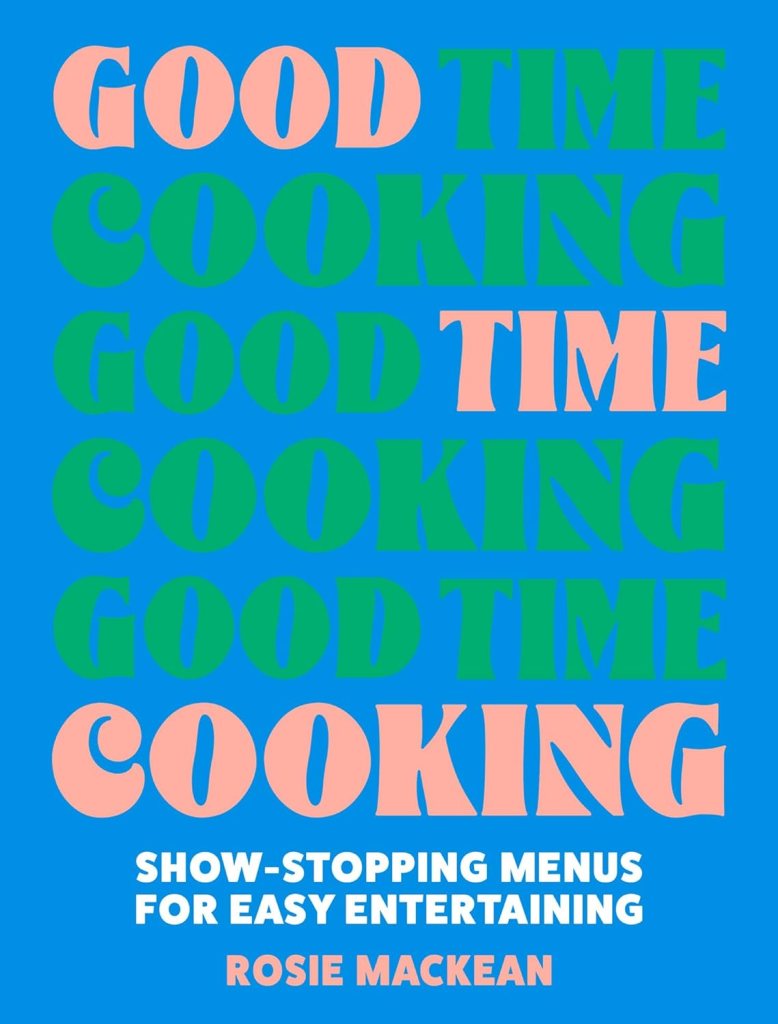
Good Time Cooking by Rosie Mackean – Cookbook Review

Fancy yourself as the host with the most but not sure where to start? Good Time Cooking promises to help save you the stress and share the secrets of easy entertaining for any occasion. A bold claim, but is it too good to be true?

What will I love?
The fact that all of the planning parts have been done for you. Mackean has curated a host of innovative, enticing menus for pretty much every occasion, complete with ‘Get Ahead’ time plans and mise-en-place directions to make it as straightforward as possible. Each recipe comes with substitutions too, great for avoiding any last-minute dashes to the shops. There is also advice on how to scale the recipes up/down to adjust for your gathering (and avoid lots of leftovers and/or potential wastage). Oh, and there are some excellent food styling and table scaping tips to help you really impress your guests. 

The recipes are ordered into themed menus designed to work harmoniously together. This is ideal for anyone who doesn’t feel confident creating a complimentary menu of courses. However, Mackean stresses that this is just her suggestion and encourages you to get creative and create your own DIY menu, if you prefer. Equally, you can dip in and out and make recipes here and there if you have no plans on entertaining. The photography is striking too.

Is it good bedtime reading?
Good Time Cooking isn’t an especially ‘wordy’ book, but you could easily while away an afternoon (or evening) dreaming up your dream dinner party menus and the recipe introductions are genuinely interesting.

Will I have trouble finding the ingredients?
Not really. Merguez sausages are mentioned but they aren’t too tricky to find. The odd recipe may require a trip to the fishmonger or an online order, but those are few and far between. If you have access to a large supermarket, you should be fine. Even if you can’t find something, Mackean has been generous with her suggested substitutions, so there are always alternative options. 

How easy are the recipes to follow?
The majority of the recipes are simple to make, however, Mackean has gone one step further with her time plans and mise-en-place directions, which makes cooking up a multi-course menu far more accessible. Even the more time-consuming ones don’t feel overwhelming thanks to Mackean’s personable and clear instructions. 

Stand-out recipes?
On the savoury front, the ‘Rigatoni al Quattro Fromaggi’ is the epitome of comfort food. The ‘Warm Potato Salad with Basil and Pecorino’ is a delicious side dish and perfect if you want a mayonnaise-free potato salad. 

As for the puds, ‘Chocolate Cream Pie’ is the ultimate indulgent (and very rich) treat for chocoholics, while the ‘Tiramisu’ is one of the best I have ever made (bear in mind that although it ‘serves 2 with leftovers’ you will get around 6 generous portions from the recipe). Don’t miss the ‘Sunday Crumble’, a) for the delicious combination of apples and pears and b) for the generous layer of crumble topping. It is the perfect rainy day pudding served hot with just-melting vanilla ice cream or lashings of custard.

How often will I cook from this book?
A fair bit. Although it’s a book about entertaining, you will still find plenty to enjoy even if you aren’t an avid host. You could easily pick out a few recipes here and there to make throughout the week and there are plenty of options for canapés, starters, sharers, snacks, mains, bakes, desserts and puddings.

Any negatives?
There are plenty of plant-based recipes in the book. However, it isn’t always clear when a recipe needs the cheese to be swapped for it to be vegetarian because it contains animal rennet (e.g. cheeses like Gruyère, Gorgonzola, Taleggio and Parmesan). Not all hosts would automatically know to swap for a vegetarian alternative if cooking for vegetarian guests.

Should I buy the book?
Yes. This is the culinary bible for anyone who enjoys entertaining. However, if you aren’t a keen host, you will still enjoy discovering a host of delicious, innovative recipes and flavour combinations. 

Cuisine: International 
Suitable for: Foodies – particularly those who enjoy hosting
Great for fans of: Skye McAlpine and Sophie Wyburd 

Cookbook review rating: Five stars
Buy this book: Good Time Cooking: The stunning dinner party cookbook from the Pasta Queen, with recipe plans for any guest including gluten-free, vegetarian and vegan
£26.00, Pavillion

This review was written by Freelance Food Writer and Recipe Developer Sophie Knox Richmond. Follow her on Instagram on @sophie_kr_food

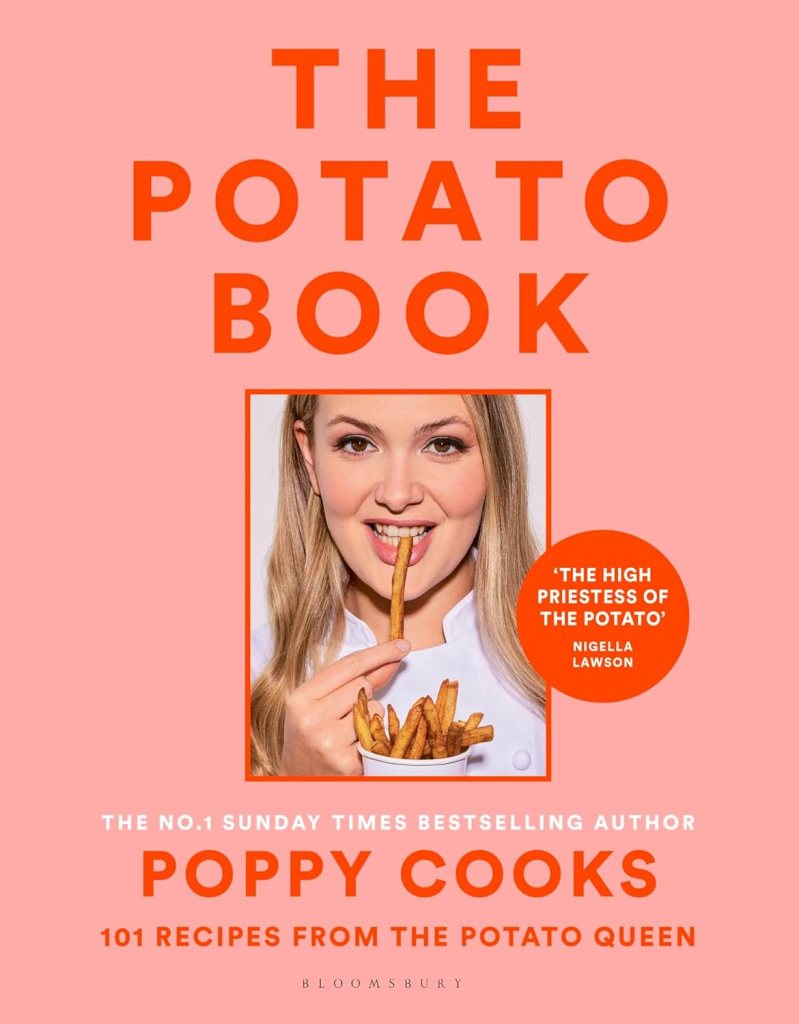
The Potato Book by Poppy O’Toole – Cookbook Review

Social media sensation Poppy O’Toole, A.K.A ‘The Potato Queen’ is back with her fourth cookbook. Having previously published best-selling books focusing on simplified cookery and air fryers, O’Toole has returned to the ingredient that made her famous: the humble spud.

What is the USP?
Your ultimate guide to potatoes with a 21st-century twist. Among the book’s 101 recipes, you will find all the classics, plus options to add an extra ‘something’ (like the ultra-indulgent ‘Three Cheese Mash’ loaded with a glorious combination of gooey mozzarella, Cheddar and Red Leicester, or umami-rich ‘Marmite Roast Potatoes’). There are also plenty of potato ideas from around the world, like ‘Latkes’ and ‘Batata Harra’ (a spicy Lebanese cubed potato dish), as well as more modern options like ‘French Onion Fondants’ and ‘Smashed Potato Nachos’. O’Toole’s relaxed, approachable manner make this a fun and celebratory book. Think of it as the potato bible for those who enjoy cooking, but don’t take themselves too seriously.

What will I love?
The photography is modern, eye-catching and enticing. You can almost taste the crispiness of the latkes just by looking at the photo, while the shot of the aligot will send you hurrying to your fridge to see if you have the ingredients.

The variety of O’Toole’s ideas is impressive. Not only does she cover all the classics, she also branches out with creative twists to bring something different. Think ‘Christmas Mash with Crispy Sprouts and Bacon’, ‘Hash Brown Bhajis’ and ‘Caramelised Onion and Cream Cheese Hasselbacks’. 

Is it good bedtime reading?
From a literary perspective, no. Each recipe has a very readable and relatable introduction, brimming with O’Toole’s chatty warmth and enthusiasm. However, this isn’t one of those books filled with lengthy essays or musings on potatoes. 

Will I have trouble finding the ingredients?
No. Obviously, potatoes are the main ingredient, but the recipes are refreshingly free from expensive or difficult-to-source ingredients. You should be able to find everything you need in your local supermarket. 

How easy are the recipes to follow?
There is a range of recipes from incredibly fuss-free and straightforward (‘Classic Skin-on Wedges’) to the more time-consuming (‘Pommes Dauphine’). Not forgetting O’Toole’s infamous ‘15-hour Potatoes’ (of which you will find several versions in this book). However, due to O’Toole’s approachable, accessible writing style, even the notionally more complex dishes are achievable for less confident cooks. 

Stand-out recipes?
The ‘Masala Chips’ are dangerously addictive, while the ‘Cheesy Leeky Mashed Potato’ is simply delicious (do try it next time you are making regular mash). The ‘Croquettes’ are another winner; packed full of flavour thanks to the combination of smoky chorizo and salty, tangy goats cheese. Do heed O’Toole’s advice and let them cool slightly before digging in though. Don’t miss the ‘Chimichurri Smashed Potatoes’ which, as O’Toole recommends, make an excellent side for steak.

How often will I cook from this book?
That depends on how often you want to eat potatoes. Given that they are an affordable, popular ingredient and O’Toole has included a wide variety of ideas for every palate and occasion, the answer is ‘regularly’. Whether you want a show-stopping potato side for a special occasion (like the ‘Ultimate Chicken and Truffle Pomme Purée’), crunchy snack (the spiced ‘Extra Crispy Smashed Spuds’ are a must-try) or soul-soothing comforting spud (the rich and indulgent ‘Tartiflette’ ticks every box), the chances are, The Potato Book will have what you need.

Any negatives?
It would be helpful to outline the prep time and cook time for each recipe at the top. It also would be beneficial to specify if dishes are vegetarian and/or vegan or highlight when ingredients need to be adjusted (for example, certain cheeses like Taleggio and, sometimes, Comté, which contain animal rennet). 

Should I buy the book?
Yes. The Potato Book is a must-have for anyone who enjoys potatoes and, dare I say it, even those who are yet to understand their versatility. It’s a fun, modern and exciting book that will change how you perceive the humble spud. 

Cuisine: International 
Suitable for: Cooks of all abilities. Especially anyone who is remotely interested in potatoes and wants to learn new ways to enjoy them. 
Great for fans of: MOB
Cookbook review rating: Four stars

Buy this book: Poppy Cooks: The Potato Book: 101 recipes from the Potato Queen
£22.00, Bloomsbury

This review was written by Freelance Food Writer and Recipe Developer Sophie Knox Richmond. Follow her on Instagram on @sophie_kr_food

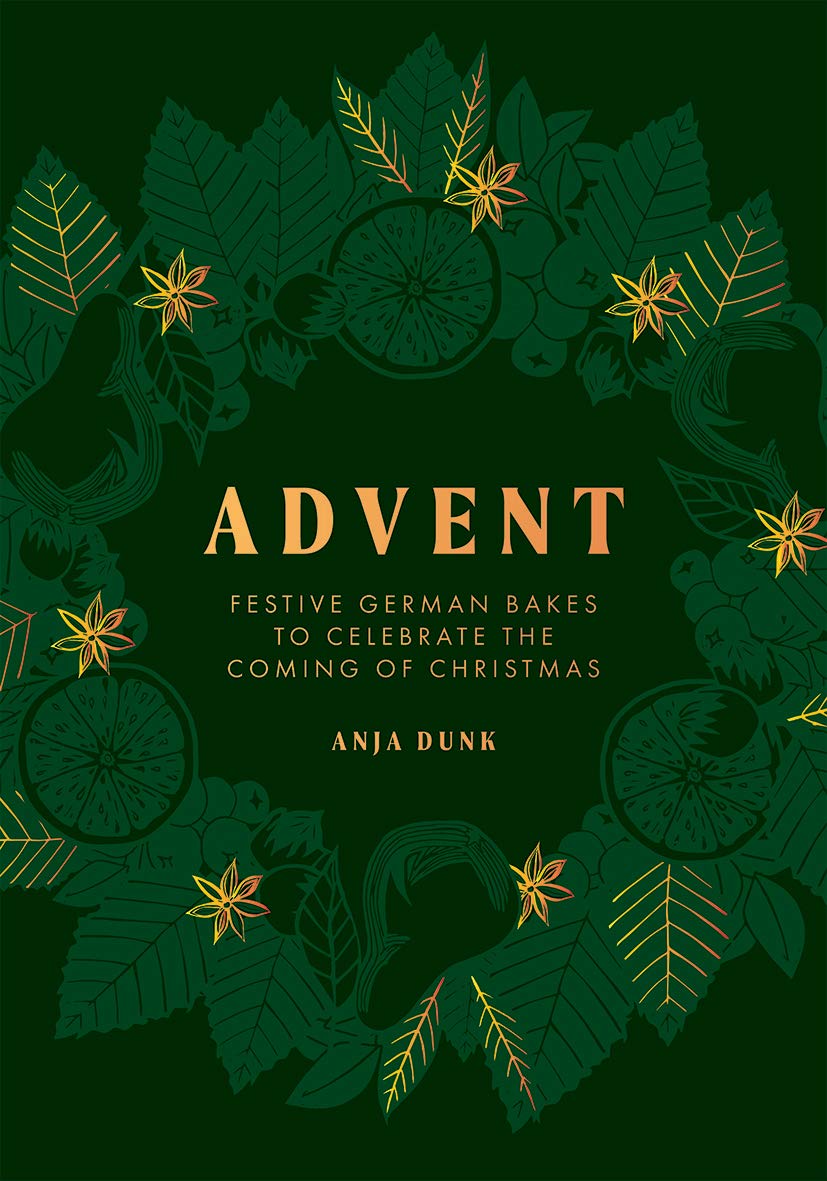
Advent by Anja Dunk

Advent by Anja Dunk

What’s the USP? Oh, brace yourself for this, because it’s been a while. We’re always talking about cookbooks’ USPs around here, but really, how often does a book strike you as truly stand out? Truly unique? So you’ve written a book about vegan Chinese food? How quaint. What’s that? Your book looks at meals that can all be cooked in a single pan? WELL I NEVER.

Not today, my friend. Advent is a cookbook that offers twenty-four chapters (see what they did there?) that are all dedicated specifically to the world of German Christmas baking. Now that – that is a USP.

Who wrote it? Anja Dunk, who is perhaps best known for her 2018 book Strudel, Noodles and Dumplings, which dove head first into contemporary German cooking (and had one of the more satisfying titles to say aloud that year).

Germany goes hard on Christmas, from the famous markets that coax pensioners out by the coach-load in non-pandemic times to their over-the-top advent calendars that make even my Lego one seem a little uninspired (though today I got to build a very festive vaccination centre, so it’s not exactly like Lego are pulling their creative weight here either). Baking is a facet of German Christmases that we are perhaps under familiar with here in the UK. Sure, we all know our lebkuchen and stollen, but how many of us can really claim to know what differentiates a spritzgebäck from a gewürzplätzchen? Here comes Dunk, with a seasonal barrage of goodwill (and a wealth of biscuit options).

Is it good bedtime reading? Dunk opens her book with a festive introduction filled with personal anecdotes and cultural insights, painting a vivid picture of a Christmas that runs in close parallel to our own British traditions. Recipe introductions vary, and though many tend towards the short and sweet, others take a moment to expand on unfamiliar ideas or offer a peek into German homes. It’s all very cosy, and whilst it may not keep you occupied for long, Advent begs to be read whilst tucked in under a duvet, plotting the treats that will see you through to the new year.

How annoyingly vague are the recipes? Books about baking need a lot of specificity, and Dunk doubles down on this, offering measurements for both European and US readers. She also makes sure to give tactile advice that will reassure infrequent bakers that they aren’t totally off-track (“the dough is pretty tacky and so won’t look all that neat,” she kindly informs us of her Chocolate and Ginger Biscotti, confirming that it will all even out in the oven).

Will I have trouble finding the ingredients? No big asks here – in fact, the nature of cosy festive baking means that should you struggle to source ingredients from the shops, you can likely find some knocking about at the back of your Nan’s kitchen cupboard.

How often will I cook from the book? It’s about Christmas baking, so in all honesty you’re unlikely to get much use out of Advent from January through mid-November. Nevertheless, there are a few recipes that will be welcome year-round, from ‘German pizza’ Flammkuchen to the aforementioned biscotti coverage. Those with a particular fondness for home baked biscuits may consider this a vital purchase, though.

What will I love? The sheer coverage of the relatively niche corner of German cooking that Dunk has dedicated her book to. Beautifully presented and smartly organised, this is a title that does everything it claims to, and does so with elegance that few other cookbooks offer. There’s also a pair of exceptionally thoughtful contents pages at the back, listing all the vegan and gluten-free recipes respectively.

What won’t I love? Because the book clings so tightly to the Germanic Christmas tradition, with only a few recipes drawing on immediate neighbours, it can feel a little bit repetitive. Perhaps it would have been more interesting to have replaced one of the marzipan chapters with other European festive bakes.

Killer recipes: Jam-filled Lebkuchen Hearts, Cherry and Almond Florentines, Dried Pear Fruit Loaf, Spiced Chocolate and Prune Fudge Pake, Linzer Biscuits, ‘Fire Tongs’ Punch

Should I buy it? A lovely addition to the bookshelf for fans of baking and Christmas treats, this is an excellent book that you will only use for one month a year. But what a month it’ll be.

Cuisine: German
Suitable for: Beginner and confident home cooks
Cookbook Review Rating: Four stars

Cook from this book
Christmas Stollen (Weihnachtsstollen) by Anja Dunk
Christmas Wreath (Weihnachtskranz) by Anja Dunk

Buy this book
Advent: Festive German Bakes to Celebrate the Coming of Christmas
£25, Quadrille Publishing Ltd

Review written by Stephen Rötzsch Thomas a Nottingham-based writer. Follow him on Twitter and Instagram at @srotzschthomas

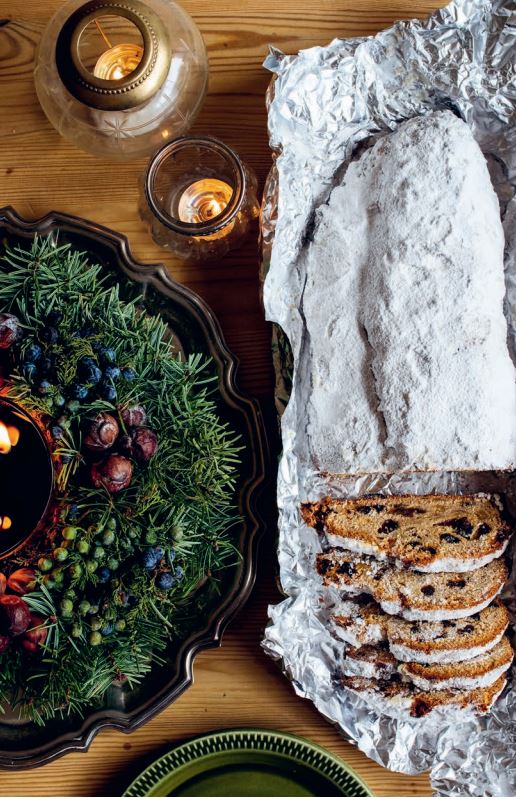
Christmas Stollen (Weihnachtsstollen) by Anja Dunk

Christmas stollen by Anja Dunk

Stollen is a quintessential part of German Christmas, and the most renowned version originates from the East German city of Dresden, where it is called Christstollen. It is sold in Christmas markets up and down the country, but in Dresden itself they even have a special festival (Stollenfest) just before the second Sunday of Advent, where a giant-sized Stollen is marched through crowds of appreciators and admirers on the streets to many oohs and aahs before it is cut up and sold off in pieces.

Butter is one of the key ingredients that make a Stollen dough so rich, the others being eggs and boozy dried fruit. Just as important as what goes into the Stollen itself is what it is covered by, which is usually more butter and two layers of sugar. The first layer is a fine vanilla-scented caster sugar, and the second a flurry of snow-white icing sugar. This type of traditional Stollen requires a maturing period of a couple of weeks before it tastes its best. It’s quite hard when first baked, but after some time in a tin wrapped up snugly in foil, it softens and develops a moister texture. I usually bake Stollen in the first week of December.

Often a Stollen is filled or flecked with marzipan too, which I like very much – if you choose to add marzipan to this recipe simply roll some out into a sausage shape and nestle it in the centre.

MAKES 1 LARGE STOLLEN (SERVES 10–12)
75g (2½oz) mixed peel
175g (6oz) raisins
1 tbsp dark rum
1 tsp vanilla extract
350g (2½ cups) strong white bread flour, plus extra for dusting
50g (¼ cup) caster (superfine) sugar
½ tsp fine sea salt
¼ tsp ground coriander
¼ tsp ground cloves
¼ tsp grated nutmeg
¼ tsp ground cardamom
Finely grated zest of 1 lemon
150g (²⁄₃ cup) unsalted butter, at room temp, cut into cubes
1 egg
20g (¾oz) fresh yeast, or 10g (¹⁄₃oz) dried
150ml (₅⁄₈ cup) tepid whole milk
60g (2oz) flaked (slivered) almonds

To coat
50g (3½ tbsp) unsalted butter, melted
50g (¼ cup) vanilla
sugar (see page 12)
50g (generous ¹⁄₃ cup)
icing (confectioners’)
sugar, plus extra to serve

Put the mixed peel and raisins into a bowl, spoon over the rum and vanilla extract and set aside to infuse while you prepare the dough.

Put the flour, sugar, salt, spices and lemon zest into a large mixing bowl and mix together with a wooden spoon. Add the butter and egg. Crumble the yeast (or sprinkle if using dried) into the tepid milk and stir to dissolve. Pour the yeasted milk into the flour mixture and, using your hands, bring the ingredients together until a rough dough is formed. Tip the dough onto a lightly floured work surface and knead with the heels of your hands for about 10 minutes until it becomes more elastic. Form it into a neat ball and nestle it into the bottom of the bowl. Cover the bowl with a tea towel and set aside in a warm spot to rise for 1–3 hours until visibly larger in size.

As the amount of butter in this dough is hefty, it won’t double in size when it rises; you’re looking for the dough to expand roughly by half its size again. (Alternatively, put the dry ingredients and lemon zest into the bowl of a free-standing electric mixer fitted with a dough hook. Add the butter and egg. Pour in the yeasted milk and knead for 5 minutes until the dough is elastic. Cover and set aside, as above.)

Knock the dough back with your fist and add the almonds and boozy dried fruit (along with any liquid) to the dough. Knead the fruit and nuts through for a couple of minutes until evenly incorporated. Form it into a neat ball and nestle it into the bottom of the bowl. Cover the bowl with a tea towel and set aside in a warm spot for
about 20 minutes for a short second rise.

Lightly dust the work surface with flour, gently tip the dough out and roll into a rectangle 30 × 15cm/12 × 6in. Lay the dough on a large baking sheet lined with non-stick baking parchment, take one of the long sides and fold it three-quarters of the way back over the dough to create a classic Strudel shape. Lay a tea towel over the shaped Stollen and put in a warm place for a third rise of 30 minutes, by which time the Stollen should have risen slightly again. Heat the oven to 200°C/180°C fan/400°F.
Bake for about 50 minutes until browned all over, checking after 30 minutes; if it looks quite brown already, cover it with a layer of foil to stop it from burning (butter-rich yeasted doughs tend to colour quite easily).

Transfer the baked Stollen to a wire rack and, while still hot, brush all over with the melted butter, repeating until there is no butter left. Sprinkle the vanilla sugar over the top, then sift the icing sugar over that. Allow the Stollen to cool fully before wrapping tightly in a double layer of foil. Store in an airtight container for at least a week (I think it’s best to leave it 2) before slicing and serving. The Stollen will keep well for a good 2 months. When ready to serve, dust with a little icing sugar again.

Cook more from this book
Christmas wreath (Weihnachtskranz) by Anja Dunk

Read the review
Coming soon
Buy this book
Advent: Festive German Bakes to Celebrate the Coming of Christmas
£25, Quadrille

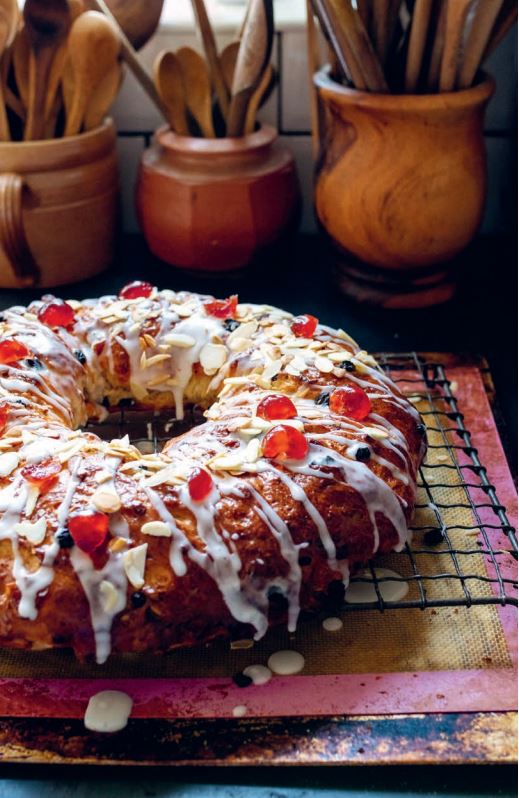
Christmas wreath (Weihnachtskranz) by Anja Dunk

Christmas wreath by Anja Dunk
This might well be the prettiest thing to have come out of our kitchen all year. It has a light and fluffy, yet rich, moist and indulgent crumb. I know some of you might find glacé cherries a little too much, and you probably aren’t wrong – aside from a handful of recipes, this one included, I’m inclined to agree. They are, after all, a shallow ingredient that’s more about looks than taste.

MAKES 1 LARGE WREATH, SERVES 8–10
450g (3¼ cups) strong white bread flour, plus extra for dusting
30g (2 tbsp) caster (superfine) sugar
½ tsp fine sea salt
1 tsp ground cinnamon
20g (¾oz) fresh yeast, or 10g (¹⁄₃oz) dried
180ml (¾ cup) tepid whole milk
200g (1 cup minus 1 tbsp) Quark
50g (3½ tbsp) unsalted butter, at room temp
1 tsp vanilla extract
Finely grated zest of 1 lemon
50g (1¾oz) raisins
60g (2oz) glacé cherries, chopped
30g (1oz) flaked (slivered) almonds, roughly chopped
1 egg, beaten for the glaze
100g (¾ cup minus ½ tbsp) icing (confectioners’) sugar, sifted
1 tbsp lemon juice
2 tsp water

To decorate
30g (1oz) glacé cherries, halved 30g (1oz) flaked (slivered) almonds, toasted

Put the flour, sugar, salt and cinnamon into a large bowl and mix with a wooden spoon. Crumble the yeast (or sprinkle if using dried) into the tepid milk and stir to dissolve. Pour the yeasted milk into the flour mixture, add the Quark, butter, vanilla extract and lemon zest and, using your hands, bring everything together into a rough
dough. Tip out onto a floured surface and knead for 10 minutes until elastic. Form it into a ball and nestle it into the bowl. Cover with a tea towel and set aside in a warm spot to rise for an hour, or until considerably risen in size. (Alternatively, put the flour, sugar, salt and cinnamon into the bowl of a free-standing electric mixer fitted with a dough hook, pour in the yeasted milk, add the Quark, butter, lemon zest and vanilla extract and knead for 5–8 minutes until elastic. Cover and set aside, as above.)

Knock the dough back with your fist and add the raisins, glacé cherries and flaked almonds. Gently knead until evenly incorporated.

Roll the dough out on a floured surface into a 30cm/12in long sausage. Carefully lift the dough onto a large baking sheet lined with non-stick baking parchment and shape it into a wreath, taking care to stick the ends together to join.

Cover the wreath with a tea towel and let it rise in a warm spot for about 30 minutes, or until the dough has visibly grown by at least half its size again. Heat the oven to 200°C/180°C fan/400°F.

Brush the top of the wreath with beaten egg and bake for about 25 minutes until rusty brown. Transfer to a wire rack to cool. Once cool, mix the icing sugar, lemon juice and water together. Drizzle the glaze over the top and decorate with the cherries and almonds.

This is best served fresh the day it’s baked.

Cook more from this book
Christmas Stollen (Weihnachtsstollen) by Anja Dunk

Read the review 
Coming soon

Buy this book 
Advent: Festive German Bakes to Celebrate the Coming of Christmas
£25, Quadrille Publishing Ltd