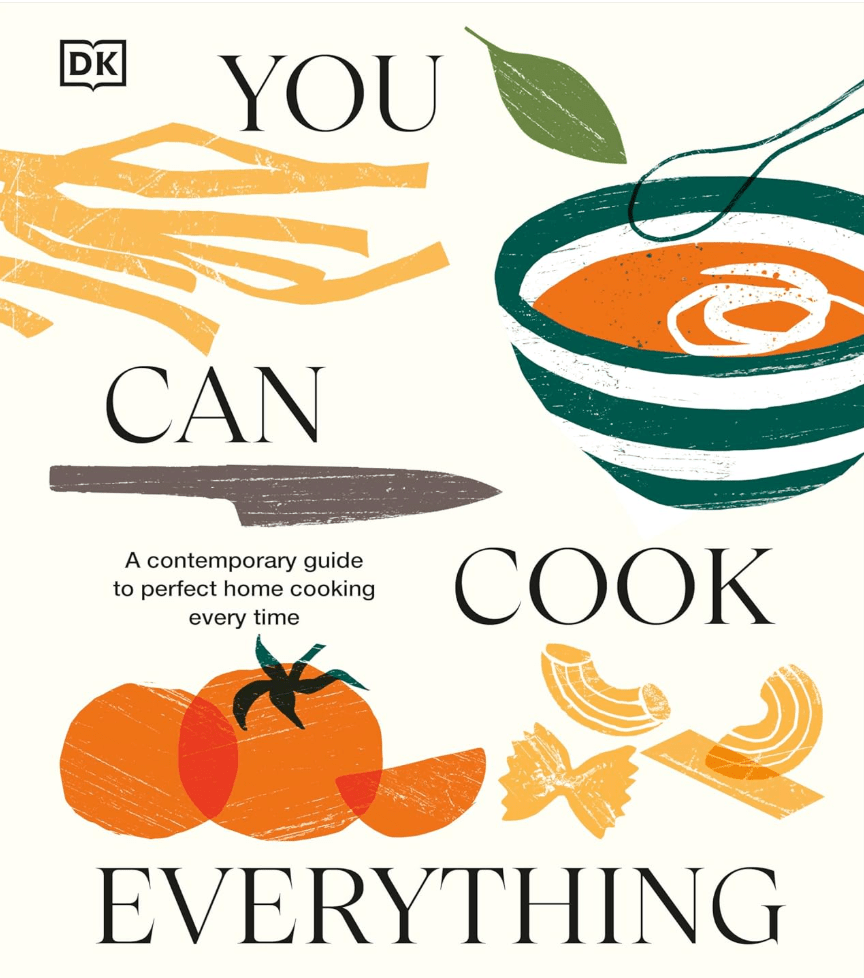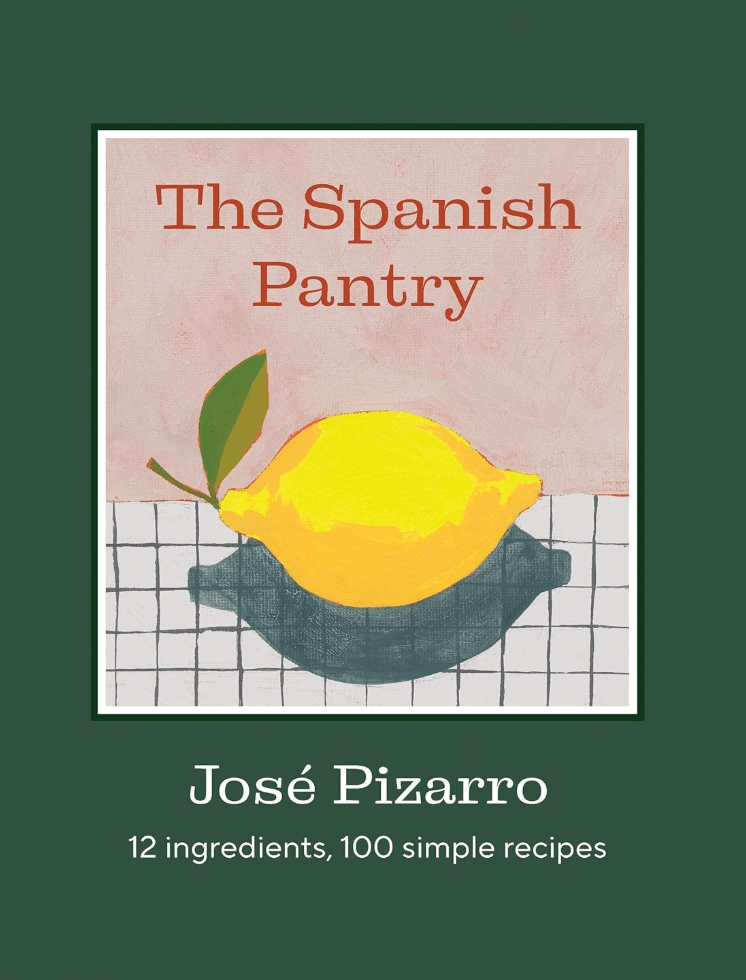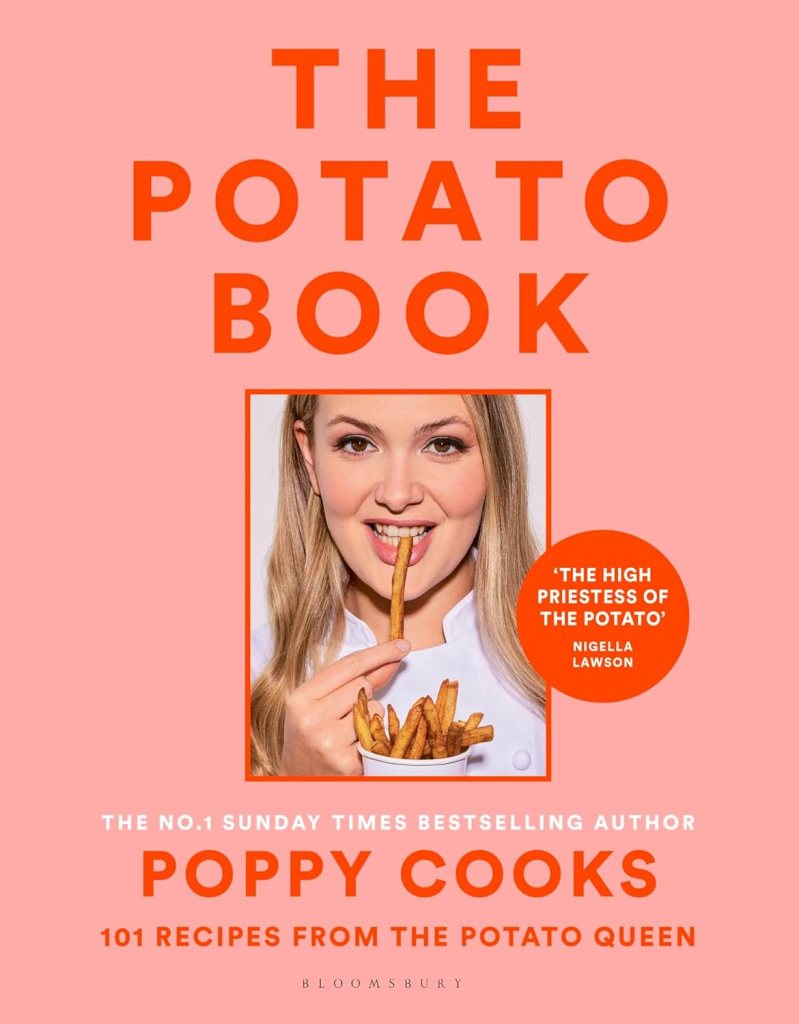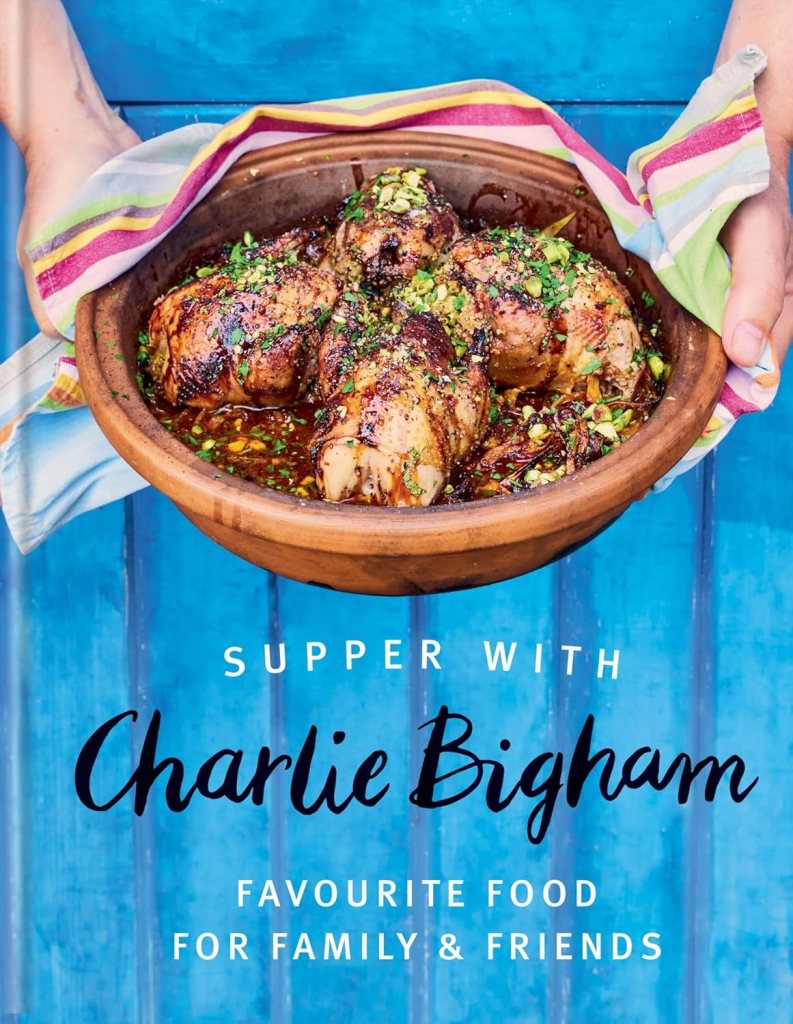
You Can Cook Everything: A Contemporary Guide to Perfect Home Cooking Every Time by DK – Cookbook Review

What is the USP?
An encyclopaedic guide to everything you need to know to become a confident home cook, covering over 1,000 techniques, tips, and recipes in one lavishly photographed volume. There’s no particular cuisine or concept. The focus is on giving you the building blocks to master everything from stir-frying tofu and grilling steak, to baking focaccia and folding gyoza.

What will I love?
It’s all here — the classics, the comfort food, the global favourites — presented with generous step-by-step photography and precise instructions. Want to perfect a béchamel? Learn to butterfly a leg of lamb? Bake flawless cinnamon buns? You Can Cook Everything gives you the confidence to try it, with visual cues and no judgment. It demystifies the things many cookbooks gloss over, from how to make shortcrust pastry to when to season your steak.

There’s also a pleasing sense of reassurance. Although it feels more up-to-date than other ‘cookery bibles’ due to the inclusion of more modern ingredients, it isn’t trying to be trendy or edgy. It’s here to guide you towards better home cooking, at your own pace. Think of it as a contemporary kitchen manual designed for a generation who may not have learned to cook from family, but who are hungry to learn now.

Is it good bedtime reading?
Yes. It’s not a memoir-style book full of essays or storytelling, but it’s incredibly satisfying to flip through. Each page feels like a mini masterclass. If you love the rhythm of methodical, practical cookery, this is bedtime gold.

Will I have trouble finding the ingredients?
Unlikely. The book is global in scope, so you’ll find everything from curries to shakshuka, but recipes are tailored to what is realistically available in most UK supermarkets. There’s helpful advice on substitutions, and where a specialist ingredient is needed (e.g. tamarind paste, rice flour), it’s generally one that has become fairly mainstream. The book is about building confidence and teaching you flexibility, not sending you schlepping across town on a three-hour shop.

How easy are the recipes to follow?
Exceptionally easy. The hallmark of DK books is their visual clarity, and You Can Cook Everything delivers in spades. Recipes are structured, well-spaced, and meticulously illustrated. There are visual walk-throughs for everything from kneading bread to filleting a fish, and plenty of troubleshooting tips to keep you on track. It’s ideal for anyone who wants to see how something should look at each stage. If you are someone who enjoys the reassurance of watching YouTube videos before trying a recipe, the chances are you will find You Can Cook deeply satisfying. 

Stand-out recipes?
The ‘Spring Onion and Cheddar Soda Bread’ is a wonderfully comforting, cheesy twist on a classic, while the ‘Butternut Squash and Sage Gnocchi’ is perfect to make in autumn. On the sweet front, the ‘All‑In‑One Vegan Chocolate Cake’ is rich, fudgy and undetectable as a vegan bake, and the ‘Blueberry Streusel Muffins’ are a delicious way of elevating the fruity favourite with a sweet and crunchy topping. 

How often will I cook from this book?
All the time. It’s a book you will reach for when trying something new or troubleshooting something familiar. The tone is quietly empowering: you don’t feel patronised, but you are never left to flounder. It’s perfect for beginner cooks, but even seasoned home cooks will enjoy the clarity and breadth. You might not cook everything in it, few of us have that kind of ambition, but it’s incredibly satisfying to know it’s all there.

Any negatives?
Not for what it sets out to do. Of course, if you are looking for a cookbook with an evocative or emotional narrative or a strong authorial voice, this won’t fill that void. It’s a clear, clean, and comprehensive reference book at heart. It also isn’t heavy on dietary notes (you won’t find extensive gluten-free or vegan adaptations), though there are plenty of naturally plant-based dishes. 

Should I buy the book?
Absolutely, especially if you’re building or refreshing your cookbook shelf and want a reliable, go-to guide. You Can Cook Everything is a must-have modern-day cooking bible: practical, clear, and deeply satisfying to use. It will teach you to trust your instincts and become a better cook, one delicious step at a time.

Cuisine: International 
Suitable for: Cooks of all abilities – a great place for beginners to start, while also filling in gaps/offering new inspiration for keen cooks. 
Great for fans of: Delia Smith, Leiths and Samin Nosrat.
Cookbook review rating: Five stars
Buy this book: You Can Cook Everything: A Contemporary Guide to Perfect Home Cooking Every Time
£30.00, DK

This review was written by Freelance Food Writer and Recipe Developer Sophie Knox Richmond. Follow her on Instagram on @sophie_kr_food

Spanish Pantry by José Pizarro

Who is José Pizarro?
José Pizarro is a Spanish chef and restaurateur who has spent over two decades bringing the soul of Spanish cooking to British tables. Born in Extremadura and now firmly rooted in the UK with a string of restaurants, he is known for his ability to translate the warmth and flavour of traditional Spanish food into something approachable, generous, and deeply satisfying. The Spanish Pantry is his ode to the essential ingredients that define the cuisine he grew up with.

What is The Spanish Pantry’s USP?
This is a grounded, ingredient-led cookbook that takes you back to the essentials that sit quietly in Spanish kitchens but carry so much flavour. It’s less about technique-heavy cooking and more about building confidence with essential components, encouraging cooks to build dishes from simple, high-quality basics. The result is a book that feels both accessible and rooted in tradition, quietly showing how much can be done with a well-stocked cupboard and a little care.

What will I love?
The Spanish Pantry is a love letter to the core components of Spanish cooking. Each chapter is built around one iconic pantry ingredient (Onions, Tomatoes, Peppers, Chorizo, Manchego, Almonds, Lemons, Rice, Chickpeas, Beans, Jamón and Saffron), showing how something simple and humble can unlock the bold, sun-drenched flavours of the Mediterranean. It is smart, focused, and deeply rooted in place. A real education in how to cook with heart, by knowing your basics inside out.

Pizarro excels at bringing Spanish cooking alive without making it overcomplicated. A tin of anchovies, a drizzle of good oil, and suddenly you’re on a terrace in Andalucía. Recipes like ‘Braised Black Beans with Spatchcock Chicken and Herb Salsa’, ‘Warm Gigante Beans on Toast’, and ‘Oloroso-braised Lamb Shanks and Chickpeas with Warm Anchovy Salsa’ offer richness and depth with minimal fuss. His food is rustic and hearty, yet still beautiful in its simplicity; exactly the kind of food you want to cook at home.

The helpful ‘menus’ section at the back provides inspiration for Lunch, Dinner, Tapas, Brunch and Summer Lunch party menus and includes time planning instructions so you can prepare ahead like a pro and entertain with ease. The beautiful photographs of Spain will have you hunting out your passport.

Is it good bedtime reading?
Yes, if you like to dream of distant markets and seaside tavernas. Pizarro writes with warmth, clarity and a palpable sense of place. You get snippets of Spanish life, hints of Extremadura and the Basque coast, and an unmistakable reverence for the people who taught him to cook. 

Will I have trouble finding the ingredients?
Some specialist items like sobrasada and morcilla might require a good deli or online shop, but many recipes rely on staples already in your cupboard. Think olive oil, paprika, garlic, pulses and tinned seafood. Although the book is about celebrating Spanish culture and cuisine, it is by no means inaccessible to UK cooks. Pizarro’s aim is to make your pantry do the heavy lifting, and he succeeds. There’s no unnecessary showing off, just good, honest cooking.

How often will I cook from the book?
This is very much a weekday-and-weekend sort of book. Although there are dishes which take a bit longer (the ‘Braised Jamón and Pork Knuckle with Olive Oil Mash’ is a succulent slow-cooked winner) or are impressive enough for a dinner party, this isn’t a book full of technical flourishes. It is real, robust food that you will return to time and time again. If you like the idea of elevating simple ingredients into something soul-stirring, this book will become a well-used companion.

Stand-out recipes?
The ‘Jamón Serrano and Watermelon Salad with Honey and Basil’ is a beautifully simple, and wonderfully refreshing, summer salad. ‘Garlic and Manchego Coca’ is a must-try for garlic bread fans, and the ‘Patatas à la Importancia con Chorizo’ will soon become one of your favourite ways to enjoy potatoes. Don’t miss the ‘Warm Olive Oil and Almond Cake with Preserved Peaches’. It has the most delicious flavour and moist texture, one of those cakes you will find yourself making on repeat. 

Any negatives?
Once you get into the recipes, you may find yourself seeking out higher-quality pantry items, which can become expensive. However, the flipside is that it encourages you to cook (and eat) more consciously, with respect for quality and provenance. 

Should I buy the book?
If you love Spanish food (not just the kind you eat on holiday, but the kind you dream of recreating in your own kitchen) The Spanish Pantry is a gem. It’s informative, heartfelt, and packed with flavour. You will eat well and learn a lot.

Cuisine: traditional and regional Spanish
Suitable for: curious foodies and lovers of Mediterranean flavours
Great for fans of: Claudia Roden, Rick Stein and Sam & Sam Clark
Cookbook review rating: 4 stars
Buy the book: The Spanish Pantry: 12 Ingredients, 100 Simple Recipes byJosé Pizarro, Hardie Grant £28.00

This review was written by Freelance Food Writer and Recipe Developer Sophie Knox Richmond. Follow her on Instagram on @sophie_kr_food

The Potato Book by Poppy O’Toole – Cookbook Review

Social media sensation Poppy O’Toole, A.K.A ‘The Potato Queen’ is back with her fourth cookbook. Having previously published best-selling books focusing on simplified cookery and air fryers, O’Toole has returned to the ingredient that made her famous: the humble spud.

What is the USP?
Your ultimate guide to potatoes with a 21st-century twist. Among the book’s 101 recipes, you will find all the classics, plus options to add an extra ‘something’ (like the ultra-indulgent ‘Three Cheese Mash’ loaded with a glorious combination of gooey mozzarella, Cheddar and Red Leicester, or umami-rich ‘Marmite Roast Potatoes’). There are also plenty of potato ideas from around the world, like ‘Latkes’ and ‘Batata Harra’ (a spicy Lebanese cubed potato dish), as well as more modern options like ‘French Onion Fondants’ and ‘Smashed Potato Nachos’. O’Toole’s relaxed, approachable manner make this a fun and celebratory book. Think of it as the potato bible for those who enjoy cooking, but don’t take themselves too seriously.

What will I love?
The photography is modern, eye-catching and enticing. You can almost taste the crispiness of the latkes just by looking at the photo, while the shot of the aligot will send you hurrying to your fridge to see if you have the ingredients.

The variety of O’Toole’s ideas is impressive. Not only does she cover all the classics, she also branches out with creative twists to bring something different. Think ‘Christmas Mash with Crispy Sprouts and Bacon’, ‘Hash Brown Bhajis’ and ‘Caramelised Onion and Cream Cheese Hasselbacks’. 

Is it good bedtime reading?
From a literary perspective, no. Each recipe has a very readable and relatable introduction, brimming with O’Toole’s chatty warmth and enthusiasm. However, this isn’t one of those books filled with lengthy essays or musings on potatoes. 

Will I have trouble finding the ingredients?
No. Obviously, potatoes are the main ingredient, but the recipes are refreshingly free from expensive or difficult-to-source ingredients. You should be able to find everything you need in your local supermarket. 

How easy are the recipes to follow?
There is a range of recipes from incredibly fuss-free and straightforward (‘Classic Skin-on Wedges’) to the more time-consuming (‘Pommes Dauphine’). Not forgetting O’Toole’s infamous ‘15-hour Potatoes’ (of which you will find several versions in this book). However, due to O’Toole’s approachable, accessible writing style, even the notionally more complex dishes are achievable for less confident cooks. 

Stand-out recipes?
The ‘Masala Chips’ are dangerously addictive, while the ‘Cheesy Leeky Mashed Potato’ is simply delicious (do try it next time you are making regular mash). The ‘Croquettes’ are another winner; packed full of flavour thanks to the combination of smoky chorizo and salty, tangy goats cheese. Do heed O’Toole’s advice and let them cool slightly before digging in though. Don’t miss the ‘Chimichurri Smashed Potatoes’ which, as O’Toole recommends, make an excellent side for steak.

How often will I cook from this book?
That depends on how often you want to eat potatoes. Given that they are an affordable, popular ingredient and O’Toole has included a wide variety of ideas for every palate and occasion, the answer is ‘regularly’. Whether you want a show-stopping potato side for a special occasion (like the ‘Ultimate Chicken and Truffle Pomme Purée’), crunchy snack (the spiced ‘Extra Crispy Smashed Spuds’ are a must-try) or soul-soothing comforting spud (the rich and indulgent ‘Tartiflette’ ticks every box), the chances are, The Potato Book will have what you need.

Any negatives?
It would be helpful to outline the prep time and cook time for each recipe at the top. It also would be beneficial to specify if dishes are vegetarian and/or vegan or highlight when ingredients need to be adjusted (for example, certain cheeses like Taleggio and, sometimes, Comté, which contain animal rennet). 

Should I buy the book?
Yes. The Potato Book is a must-have for anyone who enjoys potatoes and, dare I say it, even those who are yet to understand their versatility. It’s a fun, modern and exciting book that will change how you perceive the humble spud. 

Cuisine: International 
Suitable for: Cooks of all abilities. Especially anyone who is remotely interested in potatoes and wants to learn new ways to enjoy them. 
Great for fans of: MOB
Cookbook review rating: Four stars

Buy this book: Poppy Cooks: The Potato Book: 101 recipes from the Potato Queen
£22.00, Bloomsbury

This review was written by Freelance Food Writer and Recipe Developer Sophie Knox Richmond. Follow her on Instagram on @sophie_kr_food

Supper with Charlie Bigham by Charlie Bigham – Cookbook Review

Charlie Bigham, the iconic premium food brand, has released its first cookbook Supper with Charlie Bigham. Written by Charlie Bigham himself (yes, there really is a Charlie Bigham, it isn’t a fictional character), the book promises over 100 relaxed fuss-free recipes to suit a host of supper occasions from fun family celebrations to easy midweek meals. 

What will I love?
The variety of dishes on offer for flexitarian family food and entertaining. Recipes include starters and canapés, mains for two, four, six or many (with advice on scaling up or down), vegetable sides for sharing and simple puddings (oh, and cocktails too!). Classic favourites like ‘Breton Chicken with Chive Mornay Sauce’, ‘The Ultimate Lasagne’ and ‘Beef Bourguignon’ are all there, but so are a host of more modern ideas such as ‘Slow-cooked Shoulder of Lamb with Marmite’ and ‘Penne with Parmesan, Spinach and Courgette’. 

Overall, the book feels very personal. The recipe intros all feel like you are sitting down chatting with Bingham himself as he shares the stories and anecdotes behind each one. The photography is also particularly enticing. Laid back, but not messy, they do an excellent job of ‘selling’ the dishes, while also making them feel approachable. 

Is it good bedtime reading?
Yes. There is an introduction from Bingham where he shares the story of his life through food, followed by an insight into his kitchen and how he likes to cook (all well worth reading). Each recipe also has its own introduction (mentioned above). You could have a very enjoyable evening browsing through the pages finding inspiration for what to cook in the months ahead.

Will I have trouble finding the ingredients?
Most of the ingredients are available in larger supermarkets. Anything difficult to find is accompanied by alternatives. For example, you might struggle to get hold of Borettane onions for the ‘Beef Bourguignon’, but pearl onions are suggested instead. Equally, if you wanted to make the ‘Game Ragu’ you have the option of choosing rabbit, wild boar or venison (although you might need to head to the butchers or order online). The ‘Dynamite Broth with Salmon’ does have bonito flakes, but there are recommendations on where you can source them (or you could leave them out). Aside from that, you will have to go to a deli or health food shop to make the ‘Hunza Apricots with Whipped Pistachio Cream’ and a few of the dishes might require a trip to a fishmonger (or a fish counter). 

How easy are the recipes to follow?
The majority of the recipes are fairly straightforward and all are very well-explained (the ‘Mackerel Pâté does ask you to smoke your own, but there are also instructions using shop bought). Prep and cooking times are included at the start of each recipe with additional ‘Charlie’s tips’ included at the end. There is the odd recipe that requires flicking back and forth to a side mentioned on another page (e.g. the delicious ‘Tomato and Pepper Salsa’ listed with the ‘Griddled Squid’ is also recommended for the (also brilliant) ‘Bashed Chicken with Parmesan Breadcrumbs’). However, that is a small complaint. Quantities are given in both grams and ounces which is ideal for those who still use imperial measurements. 

Stand-out recipes?
The ‘Smoked Haddock Gratin’ is a must-try, while the ‘Leg of Lamb of Lamb with Harissa and Chermoula’ is ideal for an alternative Sunday roast (especially alongside the suggested ‘Couscous with Apricots, Parsley and Red Onion’). The ‘Bashed Chicken with Parmesan Breadcrumbs’ is also now a firm favourite in our house. On the sweet front, the ‘Chocolate Torte with Caramelised Hazelnuts’ is a wonderfully rich and indulgent pud which will delight chocoholics. For something lighter, both the summer and winter ‘Poached Pears’ are delicious.

How often will I cook from this book?
Fairly often. It is one of those books you can rely on for every occasion, whether that be a simple weeknight supper, comforting pud or multi-course easy entertaining menu. There are a myriad of options suitable all-year round – think vibrant and fresh salads in the hazy heat of summer, rich and comforting stews and hotpots for chillier winter evenings. 

Any negatives?
If you were expecting this to contain all the recipes for the Charlie Bigham dishes you buy in the shops, you might be a little disappointed. There are some, like the ‘Chicken Tikka Masala’ and ‘Ultimate Lasagne’. However, the much-loved Macaroni Cheese (and it’s even more indulgent cousin the Four Cheese Macaroni) are, sadly, absent.

The only other gripe would be on the (delicious) ‘Penne with Parmesan, Spinach and Courgette’ which is described as a ‘special vegetarian main course’ and a ‘celebration of Parmesan’. While the latter is most definitely true, by definition, Parmesan isn’t vegetarian as it contains animal rennet. While some vegetarians choose to be more relaxed around cheese, it would have been prudent if ‘Charlie’s Tip’ mentioned using a ‘Parmesan-style hard cheese’ to prevent hosts unwittingly serving a non-vegetarian dish to vegetarian friends and family. 

Should I buy the book?
Yes. This is one of those cookbooks that has something for every mood or occasion. Whether you want something special for a dinner party, a cosy and comforting winter supper or a vibrant sharing salad for a summer barbecue, Supper with Charlie Bigham has got you covered. 

Cuisine: International 
Suitable for: Cooks of all abilities 
Great for fans of: Hairy Bikers and Mary Berry 
Cookbook review rating: Four stars
Buy this book: Supper with Charlie Bigham: Favourite food for family & friends 
£26.00, Mitchell Beazley 

This review was written by Freelance Food Writer and Recipe Developer Sophie Knox Richmond. Follow her on Instagram on @sophie_kr_food

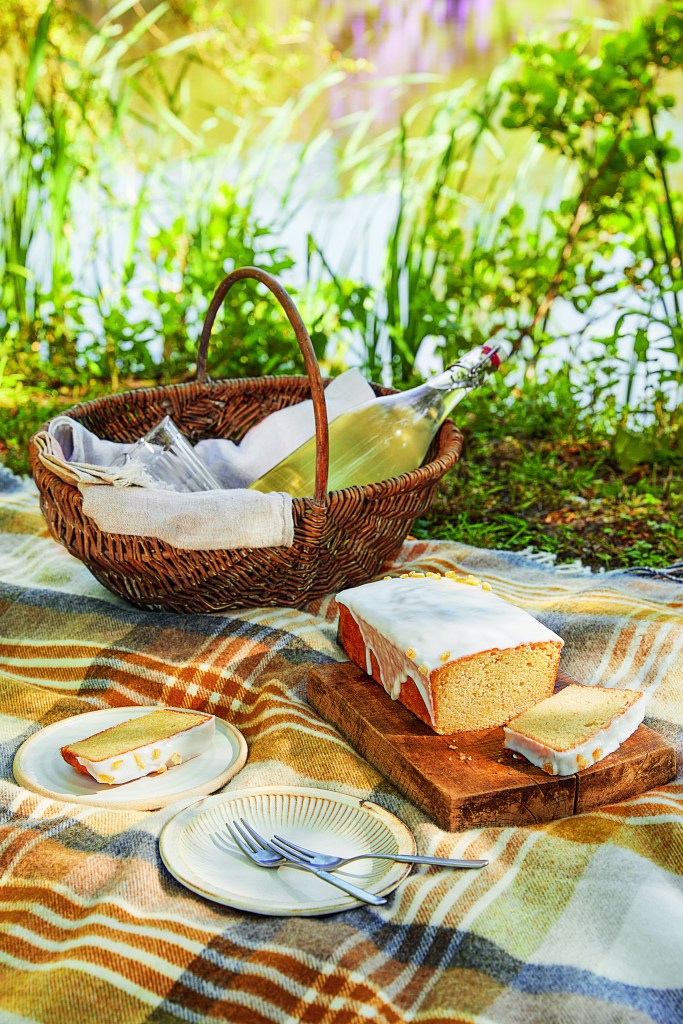
Lemon Drizzle Cake recipe by Sarah Johnson

It’s worth having a recipe for a classic lemon drizzle in your baking repertoire. I adore this particular version because it’s reliable, full of lemon flavour, and the addition of buttermilk provides a tender crumb.

SERVES 8–10

Ingredients:
For the cake:
200g (7oz) flour
1¼ teaspoons baking powder
¼ teaspoon bicarbonate of soda
zest of 1 lemon
225g (8oz) caster sugar
135g (4¾oz) butter, room temperature
140g (5oz) eggs (2–3 eggs)
¼ teaspoon salt
175ml (6oz) buttermilk

For the lemon soak:
2 tablespoons lemon juice, strained
1 tablespoon caster sugar

For the lemon icing:
150g (5½oz) icing sugar, sifted
1–1½ tablespoons lemon juice, strained

Position a rack in the middle of the oven and preheat it to 160°C/325°F/gas mark 3. Grease a loaf tin with butter and lightly dust it with flour. Tap out any excess flour and line the bottom with baking parchment. Sift the flour, baking powder and bicarbonate of soda into a bowl. Set aside. Zest the lemon directly over the measured sugar then rub it together using the tips of your fingers.

In a separate mixing bowl, beat the butter until smooth and satiny. Add the lemony sugar and continue to cream until the mixture becomes light in colour and fluffy in appearance.

Beat the eggs together and add to the butter and sugar, a third at a time, mixing until fully incorporated before adding the next third. Continue to cream the mixture, scraping the sides of the bowl once or twice. Once all the eggs have been added, the texture will be fluffy, light and increased in volume (it should resemble whipped cream cheese and the graininess should disappear). If you are using a stand mixture, remove the bowl now and proceed to mix by hand.

Gently fold in one-third of the dry ingredients, followed by half of the buttermilk. Repeat this process, alternating between the dry and wet ingredients. After each addition, scrape the sides of the bowl and continue mixing until the batter is smooth.

Pour the batter into the prepared loaf tin, smoothing out the top, and bake for 25–30 minutes. Rotate the cake and bake for another 15–20 minutes until a skewer inserted into the middle of the cake comes out clean.

While the cake is baking, make the lemon soak by combining the lemon juice and sugar together until the sugar dissolves. When the cake is done, transfer it to a wire rack (still in the tin) and use a skewer or toothpick to poke holes in the surface. Spoon the lemon soak over the top and allow it to cool in the tin.

When you’re ready to ice the cake, remove it from the tin by running a palette knife or butter knife along the edges. Turn out the cake and remove the parchment from the bottom. Place it back onto the rack while you prepare the icing. Put the sifted icing sugar into a bowl and add the smaller amount of lemon juice. Mix with a small spoon or spatula until all the icing sugar is dissolved. If the icing seems thick, you can thin it out with a bit more juice. Spoon the icing over the cake, covering the top completely and allowing any excess icing to drizzle down the sides. Leave the icing to set before serving.

Book credit: Fruitful by Sarah Johnson. Published by Kyle Books. Photography: Patricia Niven.

Cook more from this book
Chocolate Tart with Marsala Sabayon and Toasted Hazelnuts
North African Lamb with Plums

Read the review:click here
Buy this book:
Fruitful by Sarah Johnson
£30, Kyle Books

Moro Easy by Sam and Sam Clark

Moro Easy by Sam and Sam Clark
Many cookbooks have emerged recently that started development during the lockdowns of the last few years. Sam and Sam Clark looked for ways to simplify their cooking to feed a five person household while compelled to stay under one roof. Luckily for the rest of the family, the Clarks are professional chefs and the husband-and-wife team behind Moro and other restaurants that focus on Southern Mediterranean dishes and flavours. The result of this endeavour is Moro Easy, a cookbook aiming to make their restaurant’s dishes accessible to the home cook through uncomplicated methods and ingredients.

Moro Easy delivers on straightforward and interesting dishes with many living in the sweet spot between undemanding and delicious, the kind of recipe that makes cooking tasty food deceptively easy and makes you think maybe one day, you too can open your own restaurant. On the menu could be the fish tagine with potatoes, peas and coriander requiring you to just whizz up a spice paste and bake fish in it for 8 minutes. Or a series of labneh recipes that are about as quick to make as they are to read.

Then there’s the ones that are a little more involved and bring you back to reality. For instance, it would be wise to stay focused on the kale purée with polenta unless you’re looking to paint your kitchen green.

However, books that have time limits or difficulty levels in their names set a high threshold of success. How easy is easy? How quick is quick? I remember the furore over the release of Jamie’s 20 Minute Meals when it transpired they did not in fact, take exactly 20 minutes. If you have a food processor at your disposal some recipes will take minutes of preparation. Without one, it’ll depend on your tolerance for chopping. Simple recipes also live and die by the quality of the ingredients you can source. A recipe with few components like Peas with Jamón and Mint will be inherently more delicious if the ingredients are of a higher quality.

There is a joy to be found in simple food, using the smallest amount of ingredients and effort to produce something remarkable. The best recipes here are the ones that just let the ingredients do their thing, roasted squash covered in cinnamon and a sweet and spicy vinegar is outstanding, as is aubergine dotted with tomatoes and tahini sauce. Mostly, they’re rustic and wholehearted dishes, the sort of thing you could eat entirely with chunks of bread. This isn’t a bad thing, I’ll be friends with anything that can be eaten using carbohydrate cutlery. On the whole, it’s an enjoyable book but something that’s more solid than spectacular.

Cuisine: Southern Spanish and Mediterranean
Suitable for: Beginner and confident home cooks
Cookbook Review Rating: Four stars

Buy this book: Moro Easy by Sam and Sam Clark
£30, Ebury Press

Review written by Nick Dodd a Leeds-based pianist, teacher and writer. Contact him at www.yorkshirepiano.co.uk

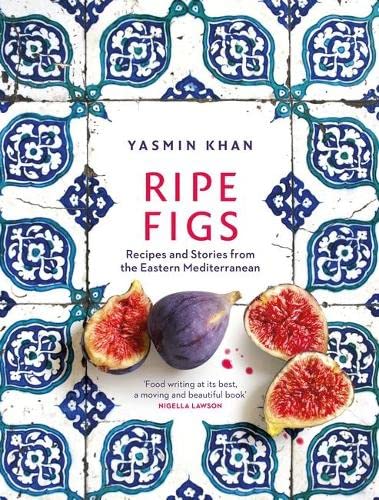
Ripe Figs by Yasmin Khan

Ripe Figs
Ripe Figs is a culinary journey through Greece, Turkey and Cyprus documented by recipes and the stories of the people the author encountered on their travels.

The author is food writer Yasmin Khan, a former human rights campaigner. She is the author of two other books, The Saffron Tales and Zaitoun.

You should buy Ripe Figs for the knock out food of course, but it’s so much more than a recipe book. Khan brings the Eastern Mediterranean to vivid life with tales from her journey through the region. She meets Lena Altinoglou, one of four female founders of Nan restaurant in Mytilene in the Greek island of Lesvos, a social enterprise established so that Greek nationals and refugees to the area could work side by side and help bring the two communities together, while in Istanbul, she visits the apartment of Berrak Gocer to learn how to cook yoghurt soup and lamb meatballs with orzo pilaf. The book contains classics such as skordalia, kleftiko and halva as well as Khan’s own creations that include sweet potato, chickpea and tahini salad.

Cuisine: Mediterranean
Suitable for: For beginners/confident home cooks
Cookbook Review Rating: Five stars

Buy this book
Ripe Figs by Yasmin Khan
£26, Bloomsbury

This book has been shortlisted for the Andre Simon Food Award. Read more here.

andre simon logo

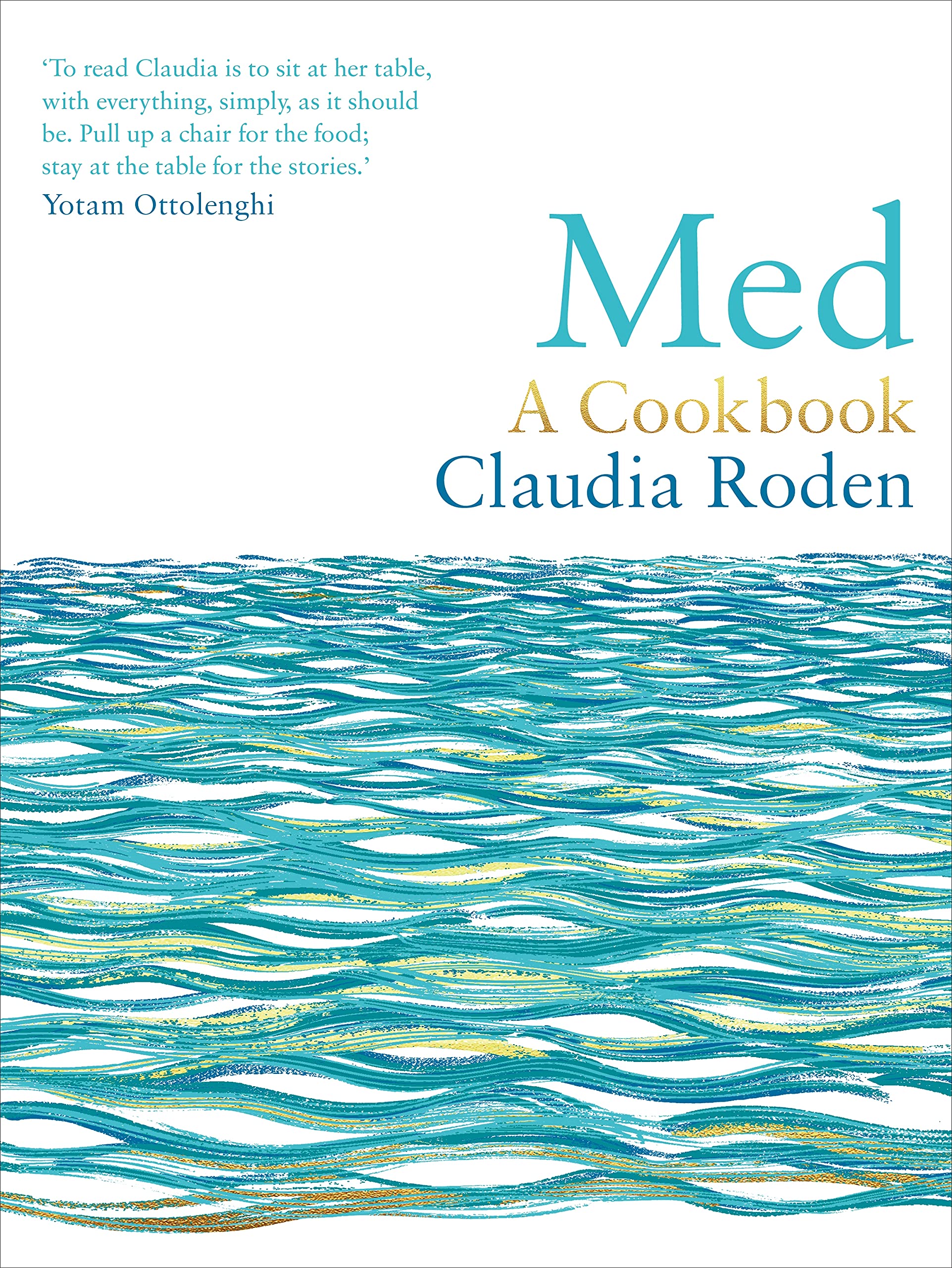
Med by Claudia Roden

Med by Claudia Roden
What’s the USP? An exploration of dishes from across the length of the Mediterranean by one of the most iconic names in food writing today, Claudia Roden. As well as being an instantly recognised figurehead of Middle Eastern cooking, Roden has previously written no less than four books on the wider Mediterranean cuisine (and another two focussing more closely on the food of Italy and Spain). So, not exactly a USP – but given that this is the octogenarian’s first book in a decade, perhaps the words ‘a cookbook from Claudia Roden’ are enough in themselves.

Is it good bedtime reading? There’s lots to enjoy here, even if Roden’s written segments won’t occupy more than an evening of light reading. Opening with a section that explores both the theme of the book and the influence Roden’s own life journey has had on her food, Med sets itself up to be both a welcome addition to the shelves of existing fans and a suitable introduction to new fans.

Deeper into the book, both chapter and recipe introductions alike offer a good balance of the practical and the personal: glimpses into Roden’s experiences shimmer alongside useful tips and ideas for ingredients that can be substituted. There has always been a very passionate cultural anthropologist Claudia Roden that looks over the shoulder of the Claudia Roden that cooks the dishes and passes them out to her family for testing, and it’s a pleasure as ever to hear the snippets of history and humanity that are commonplace throughout Med.

How annoyingly vague are the recipes? Would the grand dame of Mediterranean cooking do that to you? Roden’s recipes are clear, concise and to the point, with coherent instructions and – thanks to the popular awareness the author herself played a significant role in developing across the UK – ingredients that are widely available in supermarkets. Even ingredients like harissa and pomegranate molasses that might not have been so readily available at the time of release for her last Mediterranean cookbook in 2007 have since become staples of Tesco’s aisles.

What’s the faff factor? For the most part, Med offers up relatively simple dishes that are full of flavour. One of the elements that unites the cuisines of the broad range of nations that have the sea in common is the quality of ingredients used. Very often this means that dishes allow those ingredients to speak for themselves, and require very little alchemy from the home cook. The fifteen or so salads in the book are a perfect example of this. Roden’s instructions for the vibrant Citrus Salad with Green Leaves read closer to flower arranging than cooking, and result in an intensely tangy, fresh dish. Even the Store-Cupboard Mediterranean Salad, which calls for piquillo peppers, tinned tuna, black olives and plum tomatoes has only two sentences of actual recipe.

Elsewhere in the book, Roden is a keen champion of ready-made pastry, making even the most complex dishes a good deal more achievable. Nowhere is this more apparent than her Chicken and Onion ‘Pies’ with Moroccan Flavours, which look incredibly elaborate, but should come together with relative ease in forty-five minutes or so.

How often will I cook from the book? There are plenty of options to keep the home cook occupied here, which is bound to happen when a title can draw from the cuisines of around twenty different countries. Roden the cultural anthropologist is excellent at sharing the origins of dishes – or owning up to those few recipes that are more a collection of fine ideas than a replica of anything already in the world.

Killer recipes: Spaghetti with Prawns Provençal, Bullinada, Chicken in a Spicy Honey Sauce Buried in Vermicelli, Yoghurt Cake, Parfait Mocha Praliné

Should I buy it? The only real qualm anyone might be able to muster with Med is that there isn’t much in the book that you couldn’t already find fine versions of elsewhere – either in Roden’s own illustrious back catalogue, or amongst the pages of very many fine Mediterranean cookbooks already in print. But the recipes are consistently very tempting and offer a thorough insight into both the dishes of the sea and the way the different nations have interacted with one another over the centuries. Med will be a welcome addition to the shelves of Roden’s long-term fans, and a useful all-rounder for those who have yet to explore the wealth of flavours on offer across the Mediterranean countries.

Cuisine: Mediterranean
Suitable for: Beginner and confident home cooks
Cookbook Review Rating: Four stars

Buy this book 
Med: A Cookbook
£28, Ebury Press

Review written by Stephen Rötzsch Thomas a Nottingham-based writer. Follow him on Twitter and Instagram at @srotzschthomas

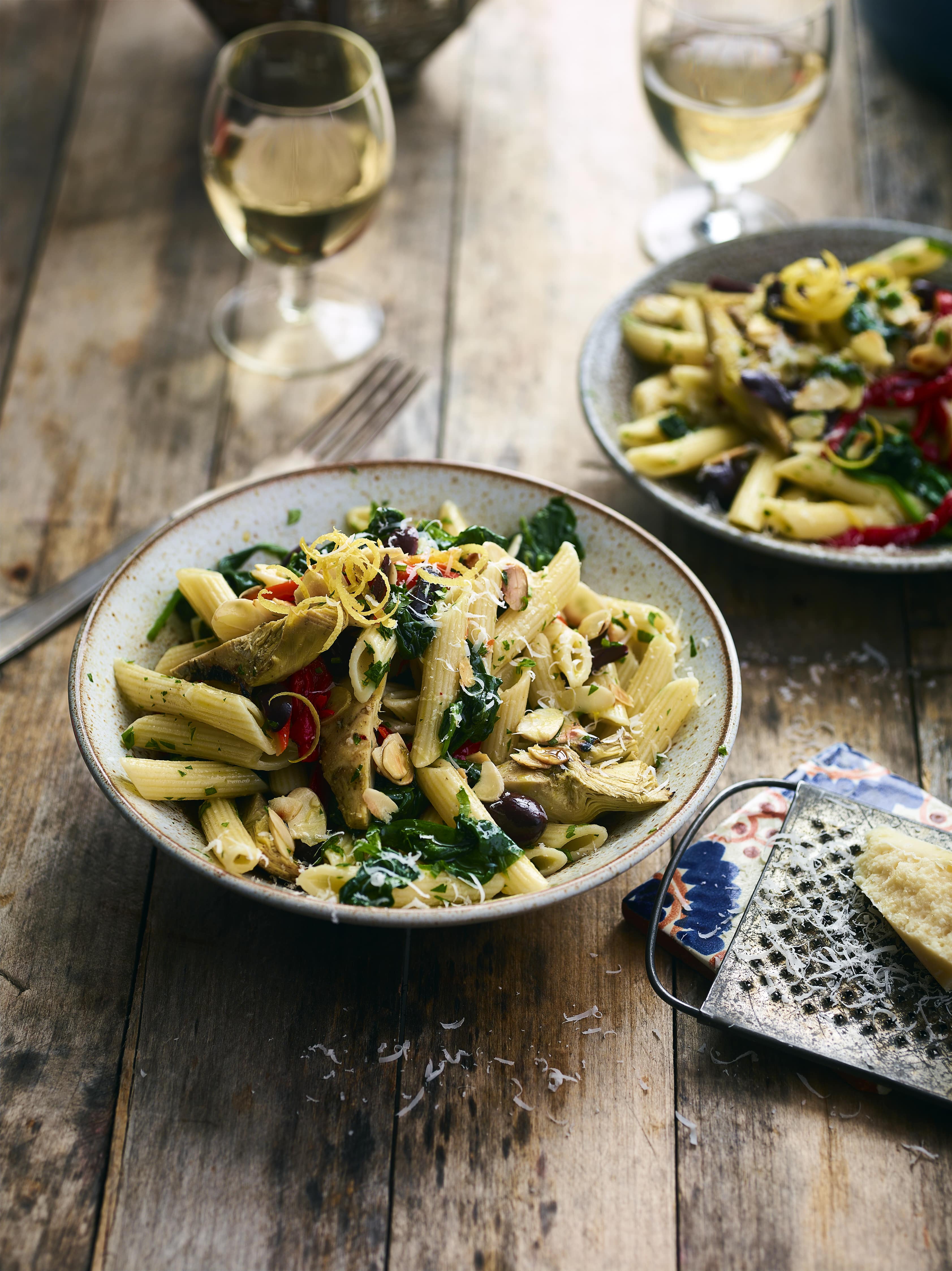
Penne with artichokes, peppers, spinach and almonds by Ainsley Harriot

088_ainsley_Artichoke_pasta

This pasta dish has a Spanish twist with chargrilled artichokes and roasted red peppers combined with toasted almonds. It’s a delightfully simple and tasty recipe using storecupboard ingredients and great for a mid-week supper. Use the best quality jarred artichokes you can find – the chargrilled ones in oil really do add extra flavour to the dish. If you aren’t following a vegan diet, top with some grated vegetarian hard cheese.

SERVES 4
400g dried penne pasta or other short pasta of choice
1 x 175g jar chargrilled artichoke hearts in olive oil
2 garlic cloves, finely chopped
1 medium–hot red chilli, finely chopped
3 roasted red peppers from a jar, sliced
50g Spanish or Kalamata olives, pitted and halved
35g chopped almonds, lightly toasted
extra-virgin olive oil, for drizzling
100g baby spinach leaves
2 tbsp chopped fresh flat-leaf parsley, plus extra to garnish
zest from 1 lemon
sea salt and freshly ground black pepper
a handful of flaked almonds, lightly toasted, to garnish (optional)

Bring a large saucepan of salted water to a rolling boil, add the penne, stir once, then cook until al dente, according to the packet instructions.

Meanwhile, strain the olive oil from the jar of artichokes into a large frying pan, then cut the artichoke hearts into quarters and set aside. Set the frying pan over a medium heat. When the oil is hot, add the garlic and chilli and cook for 30 seconds until fragrant. Add the artichoke hearts to the pan along with the red pepper strips and olives, season with salt and pepper and stir to combine. Cook for 2–3 minutes to warm through, then stir through the almonds and a good drizzle of extra-virgin olive oil. Cook for 1 minute, then add the spinach to the pan, a handful at a time, and allow to just wilt down.

Drain the pasta, reserving a little of the cooking water. Add the pasta to the vegetables along with 2 tablespoons of the reserved cooking water, stirring to combine. Add the parsley and lemon zest and check for seasoning.

To serve, share the pasta among warmed pasta bowls, drizzle with a little extra olive oil, if needed, and scatter with the parsley and toasted flaked almonds, if using.

Cook more from this book
Lentil and haloumi bake
Mediterranean sea bass with potato bake

Buy the book
Ainsley’s Mediterranean Cookbook
£20, Ebury Press

Read the review

Lentil and haloumi bake by Ainsely Harriot

067_ainsley_Lentil_Halloumi_Bake

While I was in Corsica, I tried many delicious vegetarian dishes that were simply prepared yet full of flavour from fresh herbs and garlic. Marjoram is a versatile and aromatic herb that works beautifully with vegetables; it’s similar in taste to oregano but with a milder sweeter flavour. This dish is easy to prepare for a mid-week dinner – just toss it all together in the one dish! For a creamy topping, serve with a little Greek yoghurt or hummus. This is great on its own or with my Quick Flatbreads.

SERVES 4

2 courgettes, cut into 2-cm slices
1 red onion, cut into 8 thin wedges
1 medium aubergine, cut into small cubes
2 red peppers, de-seeded and cut into chunks
1 red chilli, de-seeded and finely chopped
2 large garlic cloves, chopped
2 tbsp extra-virgin olive oil, plus extra for drizzling
2 tsp fresh marjoram leaves (or 1 tsp dried oregano)
1 x 400g tin lentils, drained and rinsed
1 tbsp balsamic vinegar
250g cherry tomatoes
1 x 250g block halloumi, thickly sliced
zest and juice of ½ lemon
8–10 basil leaves, shredded with a few reserved whole for garnish
sea salt and freshly ground black pepper

Preheat the oven to 200°C/180°C fan/gas 6.

Put the courgettes, onion, aubergine, red pepper, chilli and garlic into a large, shallow baking dish, drizzle with 1 tablespoon of the olive oil, season well, then scatter over half of the marjoram and toss together. Roast for 16–18 minutes.

Remove from the oven and toss through the lentils and balsamic vinegar, then stir in the cherry tomatoes and sit the halloumi slices on top. Drizzle with another 1 tablespoon of olive oil and sprinkle over the lemon zest and remaining marjoram.

Roast for a further 16–18 minutes until the tomatoes start to blister and release their juices and the halloumi is golden around the edges. If you like, you can brown the halloumi a little more under a hot grill for 1–2 minutes after baking.

To serve, drizzle with a little oil, squeeze over the lemon juice and scatter with the fresh basil.

Cook more from this book
Mediterranean sea bass with potato bake
Penne with artichokes, peppers, spinach and almonds

Buy the book
Ainsley’s Mediterranean Cookbook
£20, Ebury Press

Read the review