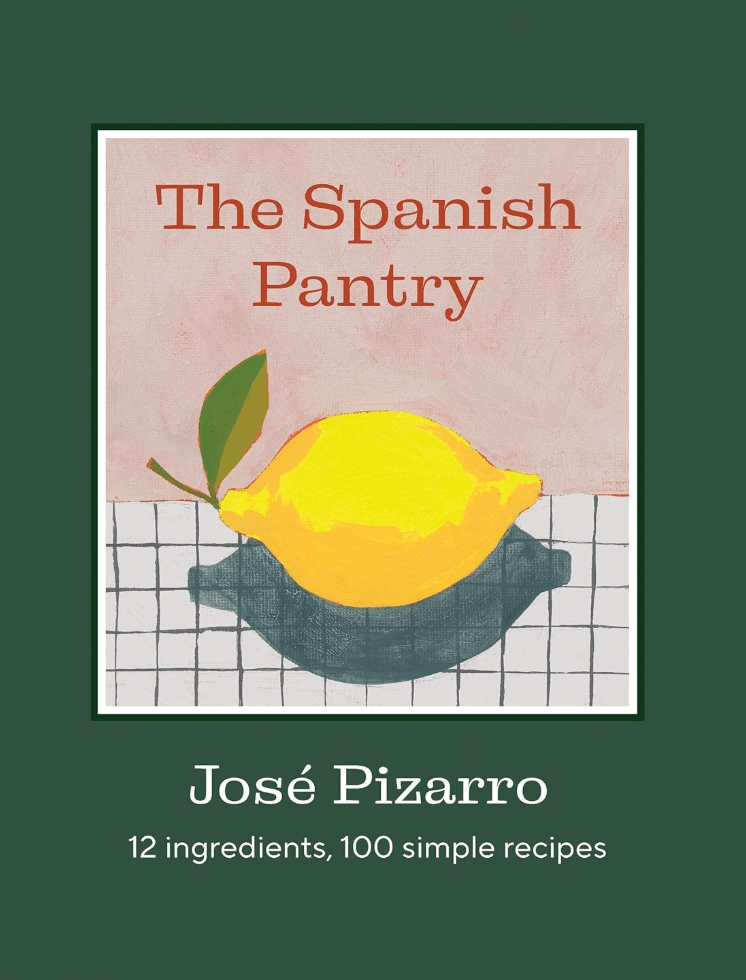
Spanish Pantry by José Pizarro

Who is José Pizarro?
José Pizarro is a Spanish chef and restaurateur who has spent over two decades bringing the soul of Spanish cooking to British tables. Born in Extremadura and now firmly rooted in the UK with a string of restaurants, he is known for his ability to translate the warmth and flavour of traditional Spanish food into something approachable, generous, and deeply satisfying. The Spanish Pantry is his ode to the essential ingredients that define the cuisine he grew up with.

What is The Spanish Pantry’s USP?
This is a grounded, ingredient-led cookbook that takes you back to the essentials that sit quietly in Spanish kitchens but carry so much flavour. It’s less about technique-heavy cooking and more about building confidence with essential components, encouraging cooks to build dishes from simple, high-quality basics. The result is a book that feels both accessible and rooted in tradition, quietly showing how much can be done with a well-stocked cupboard and a little care.

What will I love?
The Spanish Pantry is a love letter to the core components of Spanish cooking. Each chapter is built around one iconic pantry ingredient (Onions, Tomatoes, Peppers, Chorizo, Manchego, Almonds, Lemons, Rice, Chickpeas, Beans, Jamón and Saffron), showing how something simple and humble can unlock the bold, sun-drenched flavours of the Mediterranean. It is smart, focused, and deeply rooted in place. A real education in how to cook with heart, by knowing your basics inside out.

Pizarro excels at bringing Spanish cooking alive without making it overcomplicated. A tin of anchovies, a drizzle of good oil, and suddenly you’re on a terrace in Andalucía. Recipes like ‘Braised Black Beans with Spatchcock Chicken and Herb Salsa’, ‘Warm Gigante Beans on Toast’, and ‘Oloroso-braised Lamb Shanks and Chickpeas with Warm Anchovy Salsa’ offer richness and depth with minimal fuss. His food is rustic and hearty, yet still beautiful in its simplicity; exactly the kind of food you want to cook at home.

The helpful ‘menus’ section at the back provides inspiration for Lunch, Dinner, Tapas, Brunch and Summer Lunch party menus and includes time planning instructions so you can prepare ahead like a pro and entertain with ease. The beautiful photographs of Spain will have you hunting out your passport.

Is it good bedtime reading?
Yes, if you like to dream of distant markets and seaside tavernas. Pizarro writes with warmth, clarity and a palpable sense of place. You get snippets of Spanish life, hints of Extremadura and the Basque coast, and an unmistakable reverence for the people who taught him to cook. 

Will I have trouble finding the ingredients?
Some specialist items like sobrasada and morcilla might require a good deli or online shop, but many recipes rely on staples already in your cupboard. Think olive oil, paprika, garlic, pulses and tinned seafood. Although the book is about celebrating Spanish culture and cuisine, it is by no means inaccessible to UK cooks. Pizarro’s aim is to make your pantry do the heavy lifting, and he succeeds. There’s no unnecessary showing off, just good, honest cooking.

How often will I cook from the book?
This is very much a weekday-and-weekend sort of book. Although there are dishes which take a bit longer (the ‘Braised Jamón and Pork Knuckle with Olive Oil Mash’ is a succulent slow-cooked winner) or are impressive enough for a dinner party, this isn’t a book full of technical flourishes. It is real, robust food that you will return to time and time again. If you like the idea of elevating simple ingredients into something soul-stirring, this book will become a well-used companion.

Stand-out recipes?
The ‘Jamón Serrano and Watermelon Salad with Honey and Basil’ is a beautifully simple, and wonderfully refreshing, summer salad. ‘Garlic and Manchego Coca’ is a must-try for garlic bread fans, and the ‘Patatas à la Importancia con Chorizo’ will soon become one of your favourite ways to enjoy potatoes. Don’t miss the ‘Warm Olive Oil and Almond Cake with Preserved Peaches’. It has the most delicious flavour and moist texture, one of those cakes you will find yourself making on repeat. 

Any negatives?
Once you get into the recipes, you may find yourself seeking out higher-quality pantry items, which can become expensive. However, the flipside is that it encourages you to cook (and eat) more consciously, with respect for quality and provenance. 

Should I buy the book?
If you love Spanish food (not just the kind you eat on holiday, but the kind you dream of recreating in your own kitchen) The Spanish Pantry is a gem. It’s informative, heartfelt, and packed with flavour. You will eat well and learn a lot.

Cuisine: traditional and regional Spanish
Suitable for: curious foodies and lovers of Mediterranean flavours
Great for fans of: Claudia Roden, Rick Stein and Sam & Sam Clark
Cookbook review rating: 4 stars
Buy the book: The Spanish Pantry: 12 Ingredients, 100 Simple Recipes byJosé Pizarro, Hardie Grant £28.00

This review was written by Freelance Food Writer and Recipe Developer Sophie Knox Richmond. Follow her on Instagram on @sophie_kr_food

The Food You Want to Eat by Thomas Straker – Cookbook Review

Who is Thomas Straker?
Thomas Straker is a chef and social media sensation from London, known for his viral “All Things Butter” series and his easy-going, ingredient-led cooking style. Formerly a private chef and alumni of some of London’s top restaurants, Straker blends fine dining flair with everyday accessibility. With over 3 million followers across platforms and a bustling restaurant in Notting Hill, Straker’s unpretentious, flavour-packed recipes are just as likely to appear in your feed as on your table. The Food You Want to Eat is his debut cookbook. Find him on instagram @thomas_straker

What is The Food You Want to Eat’s USP?
Straker promises “no-faff food that tastes banging.” This is not a book of chef-y techniques or food you’ll cook once and never revisit. Instead, it’s about dishes that are genuinely craveable, with big flavour pay-offs and short, confident ingredient lists. The book blends Italian, Middle Eastern, British and modern European influences, and above all, celebrates good food done simply.

What will I love?
If you have ever watched one of his interviews or listened to him on a podcast, you will see that Straker writes like he talks – direct, cheeky, and deeply enthusiastic about good, seasonal produce. The recipes feel like an extension of his online presence: unpretentious, visually beautiful, and centred around real-world cooking. He’s all about layering flavour, using butter generously, and showing you how to make food that “slaps”.

Expect dishes like ‘Paccheri with Wild Garlic Pesto’, ‘Chicken Caesar Salad’, and ‘Spiced Tomato Tagliolini’ that feel fresh but still achievable on a weeknight. The photography is particularly striking. The shots are moody, natural and appetising, showing real food that’s been cooked and eaten, not styled within an inch of its life.

Is it good bedtime reading?
Yes, if you like falling asleep to the thought of buttery sauces and garlicky roast potatoes. Straker’s voice carries through in short, punchy intros to each recipe, but the writing isn’t wordy; more friend-in-the-pub vibes than lyrical food memoir. Still, the passion is there, and you might find yourself bookmarking entire sections in your head before you drift off.

Will I have trouble finding the ingredients?
Not especially. Straker keeps things supermarket-friendly, and when he uses more niche ingredients (like ‘nduja or miso, although both are often easily available), they’re generally ones you will use again and again throughout the book. His cooking style thrives on a well-stocked larder of oils, vinegars, chilli pastes and, of course, butter (lots of butter). There’s also helpful guidance on swapping or omitting ingredients if needed.

How easy are the recipes to follow?
Very. This is cooking stripped of ego. Most dishes are done in a few simple steps, and Straker’s confidence as a cook comes through in how little hand-holding there is (in a good way). These are recipes written for home cooks who want to trust their instincts and don’t want to be micromanaged.

Stand-out recipes?
The ‘’Nduja and Mozzarella Flatbread’ is pure flavour with minimal effort, one of those recipes you make once and then crave weekly. There’s a touch of genius about the indulgent ‘Chilli Cheese Smash Burger’, while the ‘Chocolate Mousse’ might just ruin all other desserts for you. Don’t miss the ‘Roast Chicken, Butter Beans and Salsa Verde’ which will soon become a new staple (I recommend using Bold Beans butter beans).

How often will I cook from this book?
Frequently. The recipes are what they say on the tin; the food you actually want to eat. There’s no fluff, no filler. Expect easy weeknight pasta, juicy chicken traybakes, punchy salads, and crowd-pleasing sides. The food is adaptable, generous and built for sharing. It’s not one of those aspirational books you leave on a shelf. It’s one you’ll cook from midweek and again at the weekend, ideally with friends, wine, and a lot of napkins.

Any negatives?
If you are looking for particularly health-conscious or plant-based recipes, this probably won’t be for you. While there are veg-focused dishes, butter and meat do a lot of the heavy lifting. Also, if you like your cookbooks full of background essays, regional history or in-depth foodie musings, you will be disappointed. 

Should I buy the book?
Absolutely. If you follow Straker online, this book delivers exactly what you would hope for: big, bold, confident recipes that are genuinely doable and deeply delicious. It is for cooks who want fuss-free inspiration without compromising on flavour.

Cuisine: Seasonal British/Modern European home cooking
Suitable for: Anyone from confident beginners up
Great for fans of: Anna Jones, Jeremy Lee and Marcus Wareing
Cookbook review rating: 5 stars
Buy this book: Food You Want To Eat , £25.00, Bloomsbury.

This review was written by Freelance Food Writer and Recipe Developer Sophie Knox Richmond. Follow her on Instagram on @sophie_kr_food

Cooking with Anna by Anna Haugh – Cookbook Review

Who is Anna Haugh?
A Dublin-born chef who has spent over 20 years honing her craft working for some of the most highly regarded names in the industry including Shane Osborne (Pied a Terre), Philip Howard (The Square) and the Gordon Ramsay Group. In 2019, she opened her own restaurant, Myrtle, named after the iconic Irish chef and founder of Ballymaloe House, Myrtle Allen, and soon became famous for her modern Irish cuisine inspired by classic Irish recipes and culture. Haugh’s obvious talent, combined with her natural, open manner, has seen her become a firm favourite on TV and radio. She appears regularly on Saturday Kitchen and the Morning Live breakfast show. In 2022, she also stood in for Monica Galetti as a judge on Masterchef: The Professionals. Cooking with Anna is her debut cookbook.

What is Cooking with Anna’s USP?
Understanding the complexities of juggling work alongside a busy family life, Haugh has created 85 recipes designed to show that delicious food need not be complicated. Full of recipes inspired from around the world including modern twists on hearty Irish classics alongside curries, tacos and gazpacho, Cooking with Anna promises to help you cook with confidence for every occasion, from easy weeknight suppers to celebration family roasts. Haugh also draws on her stellar culinary career to share top tips and tricks on how to level up the flavour and add a touch of casual elegance to simple home cooking.

What will I love?
Haugh’s warmth resonates throughout, from the introduction to the anecdotes and recipes. It feels like a very personal book filled with recipes that you could imagine Haugh cooks at home. The recipes are simple to prepare, use affordable ingredients and don’t leave you with mountains of washing up, while also including elements of finesse that make them feel that bit more special.

The selection of beautifully shot recipes is well thought out with a variety of meat, fish and plant-based dishes. The ‘Veggies’ chapter is full of innovative, affordable ideas that brim with flavour without breaking the bank; think ‘Kidney Bean Meatballs with Pomodoro Sauce’, ‘No Waste Vegan Pulled Pork with Slaw’ and ‘Pea & Cheddar Burgers’. While Haugh doesn’t claim that Parmesan (which she uses liberally) is vegetarian, it is worth remembering that Parmesan contains animal rennet and should be swapped for a vegetarian-friendly hard cheese if cooking for vegetarians.

As well as options for every diet, there is something for every occasion too. Alongside the aforementioned ‘20-minute Dinners’ and ‘Veggies’ chapters, there are also ones dedicated to ‘Lunch & Brunch’, ‘Fish’, ‘Meat’, ‘Weekend Projects’ and ‘Sweets’. Some recipes are perfect for entertaining, others more suited for more low-key affairs (plenty serve 2 which is ideal for couples or those living on their own, obviously they can be scaled up). The ‘Tools of the Trade’ section is also worth a mention, helpfully dividing equipment into ‘Essential’, ‘Useful’ and ‘Next Level’ so you can decide what you need depending on your culinary aims. 

Is it good bedtime reading?
Fairly good. There are no lengthy essays, but Haugh’s introduction, taking you through her culinary history and philosophy, spans several pages. It is followed by the ‘Tools of the Trade’ section (mentioned above), plus each recipe includes its own introduction with interesting anecdotes and tips.

Will I have trouble finding the ingredients?
Not at all. The hardest ingredient to find would probably be the vegetarian Worcestershire sauce mentioned in the ‘Lentil Ragu’. Apart from that, all the other ingredients are widely available. 

How easy are the recipes to follow?
Haugh has nailed her brief, proving that you can make very good food with very little fuss. Even the most hesitant cooks will feel inspired by the opening ‘20 Minute Dinners’ chapter which features dishes such as ‘Balsamic Prawns with Cherry Tomatoes & Creamy Polenta’ and ‘Coconut Cod Curry’, that are not as daunting as they sound thanks to Haugh’s clear recipes. The ‘Weekend Projects’ chapter includes more complex recipes but once again, Haugh effortlessly guides you through the steps without making them overcomplicated. A fair few recipes also include ‘Tricks of the Trade’ to help explain some of the culinary theory.

Stand-out recipes?
The ‘Ultimate Cheese & Ham Double Decker Toastie’ is perfect comfort food while the ‘Potato Cakes with Rashers and Mushrooms’ is a delicious way to use up leftover mash (the vegetarian alternative with asparagus is a must-try during asparagus season). The ‘Stuffed & Roast Chicken Breast with Potato Rosti’ is worth making for the moreish rosti alone, and ‘Buttermilk Panna Cotta with Lightly Poached Strawberries & Ripped Basil’ is a beautiful summer pud. 

How often will I cook from this book?
Fairly often. As mentioned above, every culinary occasion is covered. Dishes like the ‘Wednesday Night Curry’ are ideal for a flavoursome, mid-week meal, while ‘The Big Celebration Roast’ and ‘Black Forest Gateau’ are perfect for when you want to push the boat out and impress. The fact that Haugh keeps to her promise in the introduction that ‘you don’t need to spend a fortune or be left with mountains of mess’ is another reason why this could easily become a firm favourite.

Any negatives?
It would be helpful if the recipes had an estimated cooking time at the top so you could loosely gauge how long it will take.

Should I buy the book?
Yes. Cooking with Anna is full of modern, uncomplicated recipes, alongside useful tips and tricks, that will help you expand your culinary repertoire, improve your skills, and increase your confidence in the kitchen. 

Cuisine: Modern Irish
Suitable for: Cooks of all abilities
Great for fans of: Marcus Wareing and Rachel Allen
Cookbook review rating: Four stars
Buy this book: Cooking with Anna: Modern home cooking with Irish heart
£26.00, Bloomsbury

Cook the Book
Wednesday Night Curry
Pea and Cheddar Burgers 
Lemon, Lemongrass and Cardamom Posset

This review was written by Freelance Food Writer and Recipe Developer Sophie Knox Richmond. Follow her on Instagram on @sophie_kr_food

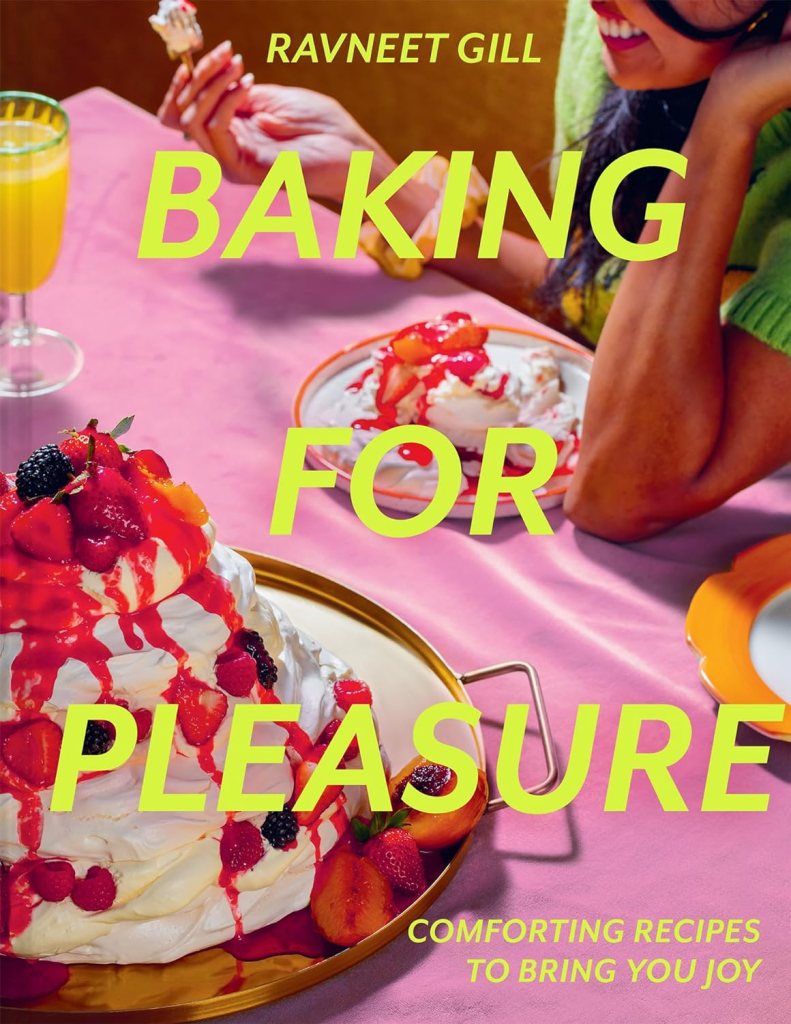
Baking for Pleasure by Ravneet Gill – Cookbook Review

Who is Ravneet Gill?
Ravneet Gill is a bestselling author, pastry chef and judge on Channel 4’s Junior Bake Off. She started her culinary career studying at Le Cordon Bleu before taking over the pastry sections at St John, Llewelyn’s and Wild by Tart. In 2018, she set up the trailblazing industry networking platform Countertalk to support hospitality businesses and promote healthy work environments. Now a freelance chef, she writes regularly for the Telegraph and Guardian Feast and often appears on BBC’s Saturday Kitchen. Baking for Pleasure is her third book.

What is Baking for Pleasure’s USP?
Gill’s first book, The Pastry Chef’s Guide, was designed to break down the fundamentals of pastry and provide reliable base recipes so that budding pastry chefs could eventually create their own desserts in a professional kitchen. Her second, Sugar, I Love You, went a step further with elaborate plated puds, intricate entremets and decadent cheesecakes bursting with colour, flavour and ‘wow’ factor. Baking for Pleasure adopts a different approach; imploring you to embrace the enjoyment found in creating delicious dishes for yourself and loved ones. Yes, there are plenty of impressive dinner-party desserts, but there are also crowd-pleasing classics, quick batch-bakes and wholesome weekend treats designed to show how home-baking can be simple, satisfying and full of joy.

What will I love?
Where to begin? Gill’s passion and pleasure for her craft is infectious, radiating through the recipes, personal introductions and encouraging advice. Prepare for page after page of beautifully photographed bakes including favourites like ‘Carrot Cake’, ‘Tiramisu’ and ‘Chocolate and Cream Profiteroles’, alongside more modern interpretations like ‘Millionaire’s Shortbread with Pistachio and Cardamom’ and ‘Mango Crème Brûlée’. It is great to see a wonderful selection of breads and savoury bakes too, including a show-stopping ‘Caramelised Onion Tatin’, ‘Jalapeño Popper Gougères’ and ‘Japanese Milk Loaf’.

Gill successfully manages to strike the balance between explaining each step in detail, without coming across as waffly or patronising (I guarantee you will finish this book with a greater understanding of baking). What’s more, while you could be forgiven for thinking recipes like these would require a lengthy list of culinary utensils, Gill has been mindful of domestic kitchens and washing up (always a bonus!) so you won’t find yourself hunting down obscure equipment or be left with a sink full of dirty dishes.

Is it good bedtime reading?
The eye-catching colours and striking photography make this a great book to flick through and is sure to bring about sweet dreams. However, aside from the introduction and Gill’s thoughts on ‘Finding Joy in the Kitchen’, there isn’t a lot to read… at least not in the sense of the essays in Sugar, I Love You. The recipes do all have introductions and a fair few include tips.

Will I have trouble finding the ingredients?
No. Gill wanted this to be a book for the home-cook so you won’t have much trouble finding the ingredients.

How easy are the recipes to follow?
Yes. The equipment is listed next to the servings and the ingredients are separated into sections (e.g. for the pastry, for the filling, to finish). There is a good mix of recipes depending on whether you want to whip up a simple ‘Blueberry Muffin Cake’ or spend a little longer making the deliciously summery ‘Strawberry and Clotted Cream Paris-Brest’. 

The only minor criticism is it would be helpful to have the cooking time by the ingredients so you can easily see how long a recipe will take, rather than skimming the recipe and calculating it in your head. 

Stand-out recipes?
This book is so full of mouthwatering recipes that it is tricky to narrow it down to just a few… The ‘Double Cream and Frangipane Bakewell’ is the best I have ever tasted, the ‘Chocolate and Hazelnut Cookies’ are dangerously addictive and the ‘Coffee Choux’ are simply divine. The ‘Chocolate and Hazelnut Caramel Tart’ is great fun to make, delicious to eat, and guaranteed to impress anyone you care to share it with.

How often will I cook from this book?
This could easily become your most-used book when in search of a sweet treat (not forgetting the savoury chapter, of course). Every occasion is covered with chapters including: ‘Bakes for Friends’, ‘Crowd Pleasers’, ‘Dinner Parties’, ‘Weekend Bakes’ and ‘Savoury Bakes’. Whether you want a classic ‘Chocolate Mousse’ or something more unusual like the ‘Brown Butter and Honey Baked Tart’, this book has you covered. Some, like the ‘Pantry Raid Flapjacks’, need less than 15 minutes prep and a handful of store-cupboard ingredients, whilst others, like the ‘Light-As-Air Chocolate, Cherry and Pistachio Roulade’, require a bit more effort.

Any negatives?
Nothing major… If you want to be really picky, it would have been nice to see a few more savoury recipes given they are mentioned in the description. However, the sweet options are so tempting you shouldn’t feel hard done by.

Should I buy the book?
A resounding ‘yes’. This is a brilliant book brimming with joy, enthusiasm and delicious recipes that genuinely work. A must-by for any baker.

Cuisine: Baking and Patisserie 
Suitable for: Baking fans of all abilities. 
Great for fans of: Nicola Lamb and Liberty Mendez
Cookbook review rating: Five stars
Buy this book: Baking for Pleasure: The new sweet and savoury cookbook with recipes
£26.00, Pavilion Books

Cook the Book
Fruit Scones
Fig Rolls

This review was written by Freelance Food Writer and Recipe Developer Sophie Knox Richmond. Follow her on Instagram on @sophie_kr_food

Sohn-mat by Monica Lee and The Korean Cookbook by Junghyun Park and Jungyoon Choi

It doesn’t take a genius to work out that there is often a great void between the chef and the home cook. Though both are creating dishes for consumption, the context, methods, and sheer scale of their work differs tremendously. The same considerations should be made when a professional chef – particularly those operating in fine dining environments – write a cookbook.

It’s something I regrettably neglected to aptly reflect on when I reviewed Niklas Ekstedt’s ridiculously lavish entry into the canon a few years ago. How can I, a home cook in urban Britain, be expected to source reindeer hearts, I asked. I don’t even have an Ikea food hall near me.

But, of course, I wasn’t the intended audience. Ekstedt didn’t expect me, of all people, to knock up one of his many dishes that called for the cook to first gather their hay. Hell, he didn’t even expect most of the chefs who bought the book to build a fire from dried grass on his behalf. Most cookbooks by acclaimed chefs are about the theory of cooking as much as they are about the cooking itself. About sharing gastronomical philosophies, flavour combinations, and mutually revelling in what it means to get excited about presenting these bold, delicious ideas for others to taste.

Which is what makes two recent Korean cookbooks so interesting. Both Sohn-mat and The Korean Cookbook have been written by professional chefs with acclaimed restaurants to their name, and both books are aimed specifically at audiences looking to bring Korean flavours into their homes. The challenge here, then, is for the authors to translate their professional interest in cooking into a language that is relevant for domestic kitchens.

Monica Lee, the writer behind Sohn-mat, has a definite head start in this process. Lee was, before she opened her much-loved restaurant Beverly Soon Tofu in LA, a home cook with a small but very loyal fanbase of friends and family. Amongst the many Korean dishes she would recreate in her kitchen was the soon tofu chigae that she eventually became famous for.

Lee’s restaurant, opened in 1986, was entirely focused on this relatively low-key dish – a nutritious bowl normally associated with affordable diners in Korea. Beverly Soon Tofu closed in the midst of the pandemic, and Lee’s book is its legacy; her way of connecting with people one more time, and empowering them to create the food she served for over three decades.

In a move that feels spiritually aligned with the cookbooks of Michelin-starred chefs, most of the first eighty pages of Sohn-mat are dedicated wholly to recreating this dish. This means in-depth looks at the sourcing and handling of ttukbaegi – the clay pot Lee served her custardy tofu in. There are tips on ingredients and methodology, and no less than twenty-two recipes for components and variations so that the reader can recreate soon tofu chigae at home exactly the way they like it best.

Though Lee goes to lengths to make these recipes accessible, and considers almost every obstacle a home cook might come up against, the approach can feel a little overwhelming. To serve up a by-the-book version of the restaurant’s popular Combination Soon Tofu, home cooks will need to commit to making a beef broth from scratch, as well as preparing marinated short rib trimmings, and a seasoned red pepper paste that requires a day’s rest in the fridge before use. It’s not impossible by any means, but it does put the dish firmly into the ‘best saved for the weekend category’.

Beyond soon tofu chigae, Lee offers a wide ranging look at other Korean dishes. Starting with banchan – side dishes served alongside rice – we are presented with plenty of bright vegetable dishes and a select few for carnivores (who are given a much broader selection to choose from in a later section of sharing platters).

Lee’s recipes tend to be relatively wordy and this, combined with ingredients lists that feature those extra recipes to prepare in advance, can make the dishes look like a lot of work. And look, it’s a busy book – filled to the brim with tips and adjustments for different dietary needs – but the dishes are usually easier than they look. Those preparatory recipes only exist because Lee has offered DIY options for ingredients you can just buy off the shelf if you need. Save yourself the time and use standard soy sauce instead of Lee’s seasoned version, or any garlic you like, instead of her pre-blended take. If Sohn-mat has any real flaw, it is not that it is too difficult for home cooks – but rather that the writing and design makes everything look like a lot more effort than it really is.

Offering an even broader look at Korean cuisine is Phaidon’s The Korean Cookbook, written by Junghyun Park and Jungyoon Choi. Park is best known for Atomix, which was this year named the 8th best restaurant in the world by World’s 50 Best Restaurants. It’s one of four Korean-oriented restaurants he runs in New York, which puts him very much at the high-end of chefs-turned-writers. His co-author Choi is a research and development chef for Sempio Foods and – not that I’m claiming any foul play – Academy Vice Chair of Korea & China at World’s 50 Best Restaurants.

The Korean Cookbook is the latest entry in Phaidon’s ongoing mission to publish the definitive tome for any cuisine you care to imagine. The series always has its strengths and weaknesses, which we’ve covered over the years here. Historically, one of the series’ biggest issues has been a lack of context for the dishes presented. Here, thankfully, we see perhaps the most in-depth look at a cuisine that Phaidon have yet offered readers. Park and Choi offer an extensive forty-page introductory section exploring the concept of hansik, or Korean cuisine. There are also useful introduction to chapters on fermentation, and the different components that make up a meal in Korea. Perhaps most importantly – and frequently missing in older entries to the series, each recipe is given vital context.

The grand scope of the book means that there are over 350 recipes to choose from. Readers can be certain that any Korean dish they already know and want to recreate will be here – there are two options for the nation’s distinctive take on fried chicken, and three for bulgogi. But the joy is in discovering the unexpected, and there are plenty of exciting new ideas here for readers to explore, from Pan-Roasted Acorn Jelly to Ray with Bean Sprout Jjim and Yuja (Yuzu) Punch.

There are, as is often the case with Phaidon’s books, a large number of cases where audiences not actually based in Korea will struggle to source ingredients. Even the best stocked Asian supermarket is unlikely to provide stonecrop. Of course, this authenticity is what readers come to the series for. But sometimes it feels as though it goes too far – so much of this book is celebrating home cooking, but the authors make no effort to offer advice on substituting hard-to-find ingredients.

This is a particular shame for those looking to recreate those iconic dishes – both The Korean Cookbook and Sohn-Mat are all too keen to include pre-mixed cooking powders in their recipes. Park and Choi use a store-bought seasoned flour mix for both fried chicken recipes, but offer no DIY substitute. The jeon (pancake) recipes across the books almost all call for ‘Korean pancake mix’ but, again, offer no substitute. In offering an authentic view of Korean home cooking, The Korean Cookbook is a success. In making the dishes universally accessible, less so.

But then, do people come to cookbooks that explore other cuisines expecting the author to present every dish as a simple half-hour recipe? It takes millennia to form the way a nation eats – The Korean Cookbook offers a potted history that starts in the neolithic period. It shouldn’t be a matter of rocking up at the tail end of this evolution and demanding simple translations. And, frankly, if that is what you’re looking for, we’re probably only six months out from a six-part BBC2 series and accompanying book: Rick Stein’s Korea.

For now we should relish that we are being offered so many nuanced, informative takes on one of the most unique and flavour-filled cuisines in the world. Time to move beyond bulgogi, and get into the real heart of Korean cooking.

Cuisine: Korean
Suitable for: Confident home cooks
Cookbook Review Rating: Four stars/Four stars

Buy these books:
Sohn-mat by Monica Lee, £25, Hardie Grant US
The Korean Cookbook by Junghyun Park and Jungyoon Choi , £39.95, Phaidon Press

Cook from The Korean Cookbook

Restaurant Gordon Ramsay: A Story of Excellence by Gordon Ramsay

Restaurant Gordon Ramsay

What’s the USP? A follow up of sorts to Ramsay’s 2007 book Three Star Chef  that focuses on the food and story of his three Michelin starred flagship restaurant Restaurant Gordon Ramsay in Chelsea, London. Recipes are organised by seasons, each with an introduction to the key ingredients available at the time of year. Interspersed is Ramsay’s anecdotal history of the restaurant. As such, the book is aimed at professional chefs and those who want a memento of what might possibly be a meal of a lifetime and be of less interest to the audience for Ramsay’s usual quick and easy-style cookbooks such as Ramsay in 10: Delicious Recipes Made in a Flash.

Who is the author? That bad tempered shouty bloke from off the telly, that’s who. Born in Scotland and brought up in Stratford-upon-Avon, he is a former aspiring professional footballer turned most-famous-chef-currently-on-the-planet. Trained by some of the leading chefs of the time including Albert Roux, Marco Pierre White, Guy Savoy and Joël Robuchon, Ramsay opened his first restaurant Aubergine in Fulham in 1993 where he won two Michelin stars. The third came when he opened Restaurant Gordon Ramsay in 1998. His restaurant empire currently spans the UK, France, the US, Dubai and Singapore and encompasses everything from the two Michelin starred Le Pressoir d’Argent in Bordeaux to a string of Street Pizza and Street Burger restaurants. Ramsay is a familiar figure on TV both sides of the Atlantic with shows including Hell’s Kitchen, Masterchef, Masterchef Jr., 24 Hours To Hell & Back, Gordon Ramsay: Uncharted and Gordon, Gino And Fred.

The book’s co author is Restaurant Gordon Ramsay Chef Patron Matt Abé who has worked for Ramsay for 16 years. Born in Australia, he worked at Aria Restaurant in Sydney and Vue du Monde in Melbourne before moving to the UK at the age of 21 to work as chef de partie at Claridge’s. He then moved to Restaurant Gordon Ramsay, working his way up from chef de partie to his current position overseeing the whole restaurant.

Are the recipes easy to follow? Well, sort of. Let’s take ‘Veal Sweetbread, Toasted Grains, Ajo Blanco, Malt’ as an example. First you’ll need to make your veal stock and chicken stock (separate recipes for both are included in the ‘basics’ section). You’ll need 4kg of veal bones and 3kg of chicken wings and necks and 24 hours during which you’ll be regularly skimming the stocks. The recipe fails to explain how you’ll get any sleep during this process so you’ll have to figure that one for yourselves.

Anyway, once you’ve had a nap, it’s time to get the malt jus on. You’ll just need a kilo of veal trimmings for this and fair amount of time for browning and reducing and passing. Once you’ve got your beautiful and extremely expensive sauce, it’s time to deep fry some wild rice and amaranth grains to puff them up for garnish. The cost of living crisis means this alone is an horrendously expensive process, but it’ll be worth it.

Once you’ve got those boxed up, all you need to do is trim 2kg of veal heart sweetbreads (they were all out at Asda but I’m sure you can track them down at your local butcher. Do you have one of those? Lucky you) removing the membrane with your razor sharp Japanese-style chef’s knife. Then just fry them up and top with some honey glaze (there’s a separate recipe for that), your puffed grains plus some sobacha and malted oats you just happen to have in the cupboard, along with all those allium buds and flowers you were looking for something to do with. Then you pour over your ajo blanco (sorry, didn’t I mention it that before? Yes, that’s another thing you need to make) and your malt jus and job’s a good’un.

It’s at this point you begin to realise why dinner at Restaurant Gordon Ramsay costs £180 a head just for the food. So to answer the question, the recipes are pretty straightforward, if you take each individual component by itself. But it’s the amount of components, the number of ingredient, the time involved and the skill and equipment required (you’ll need a Vitamix if you are going to follow the recipe to the letter and achieve the sort of velvety texture Abé does in the restaurant for example) that’s the issue.

Will I have trouble finding the ingredients? There are a number of dishes such as canapes and amuse-bouche where you will find it impossible as there are no recipes, just images and a description. This sadly includes the restaurant’s fantastic Parker House rolls. If anything would have been worth the £60 cost of the book it would be a recipe for that bread, one of the highlights of a recent meal I was lucky enough to enjoy at RGR.

While many of the ingredients for most of the dishes in the book are readily available in some form or another, there are quite a few instances of micro herbs/foraged flowers, herbs and leaves and the sort of powders associated with molecular gastronomy (although the food in the book is very far removed from that) being required. So you’ll need for example to track down mustard frills, chickweed leaves and three cornered garlic flowers for a asparagus and morel starter, and some Ultratex (and a Pacojet) to make a herb puree for a cod and Jersey Royal dish. However, it would only take a little thought and ingenuity for an experienced cook (and certainly a professional chef) to work around these requirements without straying too far from the original intention of the dish.

How often will I cook from this book? While this is at heart a coffee table book, it could also have a useful life in your kitchen. If you are a home cook, most of the complete dishes in the book will be quite a serious undertaking. However, many of the individual components are fairly straightforward, so you might make the saffron emulsion (mayo) that accompanies a crab and melon mousse and that’s flavoured with paprika and Espelette chilli powder and serve it with some simply grilled fish.

Does it make for a good bedtime read? This is the story of the restaurant as well as a recipe book so there’s a good amount to read. This is very much Ramsay’s version of events however and key players like Marcus Wareing, Angela Hartnett, Mark Sargeant, Jason Atherton and Mark Askew  (none of whom still work for Ramsay) get only a passing mention. There are a few juicy nuggets like the fact Ramsay was paid £200k for the Boiling Point documentary series and that he applies ‘ruthless margins on wine’ (now you know the other reason why your dinner is so expensive). If you’ve read Playing With Fire or Humble Pie, Ramsay ‘s two autobiographies you won’t learn much new here but it’s an enjoyable read nevertheless. There are also some interesting observations on seasonal ingredients including the fact that lobsters are never cooked whole at the restaurant because each part cooks at a different rate.

Should I buy the book? The book looks a million dollars, especially the fantastic food shots by John Carey, is a decent read and has some great, if daunting recipes. Ramsay fans, professional chefs and ambitious home cooks will find much to enjoy and inspire here. What it’s definitely not is a practical everyday cookbook, but there are plenty of those already. Perhaps a book you would gift rather than buy for yourself.

Cuisine: Modern British
Suitable for: For professional chefs
Cookbook Review Rating: Four stars

Buy this book: Restaurant Gordon Ramsay: A Story of Excellence by Gordon Ramsay

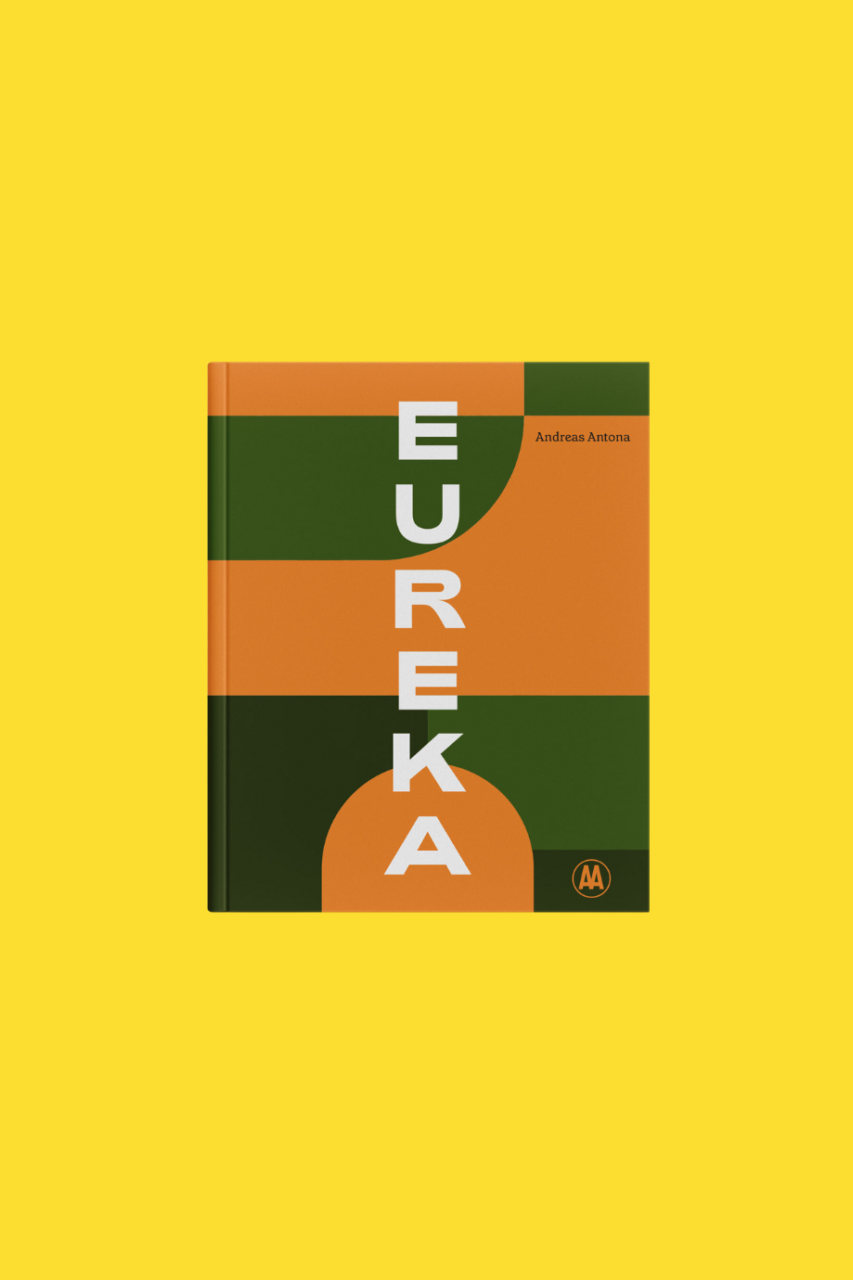
Eureka by Andreas Antona

Eureka-Yellow-Background

What’s the USP? Michelin-starred chef shares recipes inspired by dishes developed for his restaurant’s home meal delivery service that launched during the pandemic so you can create a bit of fine dining glamour in your own home without too much fuss.

Who wrote it? Described by The Times as  “the godfather of modern Birmingham food”, Andreas Antona is a legend of the British fine dining scene. His flagship restaurant Simpsons opened back in 1993 and he now also runs The Cross in Kenilworth, also Michelin starred. He has mentored many award winning chefs that will be well known to keen British-based restaurant goers including Glynn Purnell, Adam Bennett, Luke Tipping, Andy Walters, Mark Fry, and Marcus and Jason Eaves. he was named restaurateur of the year in 2022 by industry bible The Caterer magazine.

Is it good bedtime reading? There’s an introduction in the form of an interview with Antona that will probably be of more interest to professional chefs than home cooks and that’s about it. There are no chapter introductions or even introductions to the recipes which seems a missed opportunity, given that Antona is one of the most experienced chefs in the country. A bit of hard-earned kitchen wisdom would have been very welcome.

Will I have trouble finding the ingredients? A good butcher, fishmonger, greengrocer , deli and specialist online suppliers will come in handy for things like guinea fowl, chicken livers, ox cheek, blade of beef, bone marrow, sea bream, turbot, halibut, hand-dived scallops, smoked cod’s roe, monkfish, sea bass, red mullet, Roscoff onions, linseeds, mushrooms including shimeji, girolle and hen of the woods, soya bean lecithin granules and xanthan gum. That may seem like a long list but the vast majority of ingredients will be easily obtainable from your local big supermarket. With a bit of thought, you should be able to make reasonable substitutes for most of the above named items too so there should be little to stand in your way making most if not all the recipes in the book.

How often will I cook from the book? It was about five minutes after the book was delivered that I started to write a shopping list for the first dish I wanted to cook from it.  The food just looks so attractive and sounds so appealing that I wanted to give it all a go. Many of the recipes such as prawns with chilli, orzo and pesto or roast rump of Cornish lamb with peas a la Française, asparagus and roast potatoes are pretty straightforward and ideal for a mid-week meal.

That first recipe I tackled however turned out to be a bit more involved, but I couldn’t resist the idea of the sweet and sour tomatoes (marinated in honey, coriander seeds, rosemary, garlic, vanilla and sherry vinegar) that accompanied slow cooked beef cheek (I substituted some very nice braising steak) with courgettes, fried polenta, aubergine caviar and balsamic vinegar sauce made from the braising liquor. It was well worth the effort.

What will I love? The book’s bold and colourful graphic design and the clean and simple food styling and photography that really lets the dishes stand for themselves.

What won’t I love? Let’s get the price out of the way. Eureka costs £38 (plus £10 delivery charge!!) and is only available from the restaurant’s online store (linked below) or for £2 more, from the publishers site. That is a lot of money for a 224 page book with just 80 recipes. For comparison, Jeremy Lee’s recently published Cooking is nearly twice the length and has a cover price of £30, although at the time of writing is available for £15.

That makes some relatively minor shortcomings all the more difficult to stomach. Apart from being grouped into chapters headed starters, fish, meat, vegetables, desserts and staples and basics, recipes appear in almost random order. A starter of gem lettuce appears on page 42 and then another pops up ten pages later. Similarly you’ll find confit duck leg on page 108 and confit leg of duck on 122. The garnishes are different but its exactly the same recipe for the duck leg, so why not group them together? There are quite a few other similar examples. It’s a quibble, but it makes the book appear a little bit thrown together, as does the repetition of text in that otherwise lovely recipe for slow cooked ox cheek. If you follow the instructions as written, you’ll be roasting your aubergine for 30-40 minutes twice.

Another irritation is that the staples and basics recipes at the back of the book are reference in the main body of recipes but never by page number, only by chapter, so you have to search through the 18 page chapter to find them. One more annoyance is that it’s not until half way through the introduction that you learn that the book is named after the cooking school at Simpson’s restaurant which explains the otherwise mysterious title. It’s also not immediately obvious that the introduction is an interview with Antona as his name never appears in it. None of these complaints are significant but just a tiny bit more thought and care would have improved the reading experience greatly.

Killer recipes:  Leek and potato soup with potato beignets and chive oil; warm Roscoff onion tartlet with herb salad, olive tapenade, lemon and herb crème fraîche; twice baked cheese souffle; scallops with sweetcorn chorizo and red pepper; slow cooked blade of Irish beef with horseradish cream cabbage, potato terrine and bone marrow sauce; Yorkshire rhubarb and ginger trifle.

Should I buy it? If you are happy to pay nearly £50 for 80 recipes then the answer is a hearty yes. If you are a competent cook and love preparing sophisticated, modern restaurant-style dishes at home then this collection will be right up your street with recipes more achievable than many others written by Michelin-starred chefs (I’m looking at you Rene Redzepi).  If cost is consideration then you may want to think twice although you will be missing out on some great recipes.

Cuisine: International
Suitable for:
Confident home cooks/Professional chefs 
Cookbook Review Rating: 
Four stars

Buy this book: Eureka by Andreas Antona
£38, Away With Media

Noma 2.0 by René Redzepi, Mette Søberg & Junichi Takahashi

Noma Vegetable Forest Ocean

It’s a decade since Noma, Time and Place in Nordic Cuisine was published, the book that helped put Copenhagen-based chef Rene Redzepi, his love for foraging and his fiercely locavore culinary philosophy on the map. Now, the appropriately titled sequel Noma 2.0 tells the story of the restaurant’s reinvention in 2018 when it relocated to an urban farm on the outskirts of the city. 

The publication of the book coincides with Redzepi’s shock announcement that he will be closing Noma as a restaurant at the end of 2024 and, according to a report in the New York Times, will continue to run it as a ‘full-time food laboratory, developing new dishes and products for its e-commerce operation, Noma Projects, and the dining rooms will be open only for periodic pop-ups.’ Hopefully Redzepi will be able to make the change in a more speedy manner than his Spanish counterpart Ferran Adria who still hasn’t fully launched his research lab and pop up restaurant elBulli 1846 in the grounds of his legendary elBulli restaurant which closed back in 2011. This year, 2023 is the year apparently. We’ll see.   

So it’s fitting that, standing a foot high and containing 352 pages, Noma 2.0 is a tombstone of a book. Essays by Redzepi, Noma’s gardener Piet Oudolf and Mette Soberg, head of research and development, are beautifully illustrated by Ditte Isager’s stunning photography. Three chapters mirror the menus served each year in the restaurant; ‘Vegetable’ when Noma becomes a vegetarian restaurant in the spring and summer, ‘Forest’ in the autumn when the menu is based around wild plants, mushrooms and game, and ‘Ocean’ in the winter when when Redzepi says that ‘the soil is frozen and nothing grows’ but ‘fish are fat and pristine, their bellies full of roe’. 

Whatever the season, the food is so intricate there’s only enough space in the massive book for descriptions of the dishes; the ‘Noma Gastronomique’ appendix includes full details of building blocks such as ferments, garums and misos but you need to scan a QR to access the complete recipes for the likes of Reindeer Brain Jelly (or maybe you’d prefer Reindeer Penis Salad?) online.  

This is not a book for the faint hearted, with dishes such as Duck Brain Tempura and Duck Heart Tartare served in the cleaned and beeswax-lined skull and beak of the bird. His Stag Beetle dessert, fashioned from a leather made with blackened pears, blackberries and Japanese black garlic is all too scarily reminiscent of a bush tucker trial.     

Not everyone will have the time, resources or inclination to attempt to replicate Redzepi’s extraordinary cuisine in their own kitchens, but it is nevertheless an essential purchase for any ambitious and creative chef who can’t fail to be inspired by the book’s bounty of surprising and unusual ideas.    

Cuisine: Nordic
Suitable for: Professional chefs. And very, very dedicated home cooks. Who live in Scandinavia. And have a lot of time on their hands. Or who can persuade 50 odd people to help them make their dinner, for free.
Cookbook Review Rating: Five stars (awarded for originality and beautiful presentation rather than practicality)

Buy this book: Noma 2.0 by René RedzepiMette SøbergJunichi Takahashi 
£60, Artisan Publishers

Bras: The Tastes of Aubrac by Sebastian Bras

Bras The Taste of Aubrac

In 2009, chef Sébastien Bras took over the kitchens at Le Suquet, the world-famous restaurant and hotel that’s perched on a hill above the Aubrac in the southern Massif Central of France. Sébastien’s father Michel won three Michelin stars there for his nouvelle cuisine creations including gargouillou (a warm salad of vegetables and herbs) and soft centred ‘chocolate coulant’ that inspired a thousand chocolate fondants. In his first cookbook, Sébastien offers his own updated variations; a ‘raw’ summer gargouillou made with 120 varieties of vegetables, some grown in the restaurant’s kitchen garden, and a curry cream coulant inspired by a trip to India. 

Many of the remaining 38 recipes also reflect the chef’s world travels, some of which are documented in the book, including a trip to the Sahara that inspired a dish of sand-baked taguella bread made with millet flour, semolina and honey and filled with air-dried courade sausage, and visits to Japan (until 2020, there was a Bras restaurant in Hokkaido) where Sébastien first tried the fried pork-loin gyoza that he serves with tangy carrot jus and chrysanthemums.  

In addition to discovering his feelings about the Michelin guide (Sébastien famously ‘handed back’ the restaurant’s three Michelin stars in 2017), the book also tells the stories behind the creation of two of the chef’s signature dishes. The ‘miwam’ (a made-up word) is a filled wheat and spelt galette/waffle cooked in a special mould made by Sébastien’s engineer brother William and sold at The Café Bras in Rodez in the south of France; the ‘gouttière’ is its fine dining cousin, a potato waffle made from wavy tuiles sandwiched with hazelnut butter cream and drizzled with salted butter caramel. 

The stunning photography documenting the food, life at the restaurant and the austere beauty of the Aubrac through the seasons, and essays on the Bras family, restaurant team, producers and culinary techniques add up to a compelling picture of an extraordinary enterprise that will inspire any keen home cook or chef.

Cuisine: International
Suitable for: Confident home cooks and chefs 
Cookbook Review Rating: Four stars

Buy this book: Bras by Sebastian Bras
£39.95, Phaidon

This review originally appeared in The Caterer magazine.  


Core by Clare Smyth

Core by Clare Smyth
As the first and currently only British female chef to hold three Michelin stars, Clare Smyth needs no introduction. But in case you didn’t know, before opening Core restaurant in Notting Hill in 2017, Smyth was chef-patron of Restaurant Gordon Ramsay, worked for Alain Ducasse in Monaco and staged at Thomas Keller’s The French Laundry and Per Se, all of them three Michelin starred establishments. So it’s no surprise to flick through the gold lined pages of this sumptuously produced book to find immaculately presented, highly detailed and technically brilliant dishes.

From a ‘Caviar Sandwich’ – a perfect, tiny wedge of buckwheat pancake layered with sieved egg white and yolk bound in mayonnaise, creme fraiche, puffed buckwheat and caviar served on a beautiful bespoke wooden sphere – to a pear and verbena Eton mess that belies its name with a Faberge-like construction of upturned meringue dome filled with lemon verbena cream, pear puree, verbena jelly, compressed pear pearls and pear sorbet, topped with miniature discs of pear and meringue, each of the 60 recipes (there are also a further 70 recipes for stocks, sauces and breads) is an elegant work of culinary art.

Smyth calls her style ‘British fine dining’, eschewing and ‘excessive reliance on imported luxury ingredients’ and instead celebrating world class produce from the British Isles such as Scottish langoustines and Lake District hogget. In Smyth’s hands, even the humble potato (from a secret supplier she won’t reveal the name of) is transformed into a signature dish of astonishingly intense flavours. Cooked sous vide with kombu and dulse, topped with trout and herring roe and homemade salt and vinegar crisps and served with a dulse beurre blanc ‘Potato and Roe’ is an homage to the food of Smyth’s Northern Ireland coastal upbringing.

With a forward by Ramsay, introduction by journalist Kieran Morris, essays on subjects such as Smyth’s suppliers and informative recipe introductions, there’s plenty to read, while the colour food and landscape photography – and black and white shots of the restaurant in action –are stunning. It all adds up to an unmissable package that any ambitious cook will find inspiring.

Cuisine: British
Suitable for: For confident home cooks/professional chefs
Cookbook Review Rating: Five stars

Buy this book: Core by Clare Smyth 
£45, Phaidon