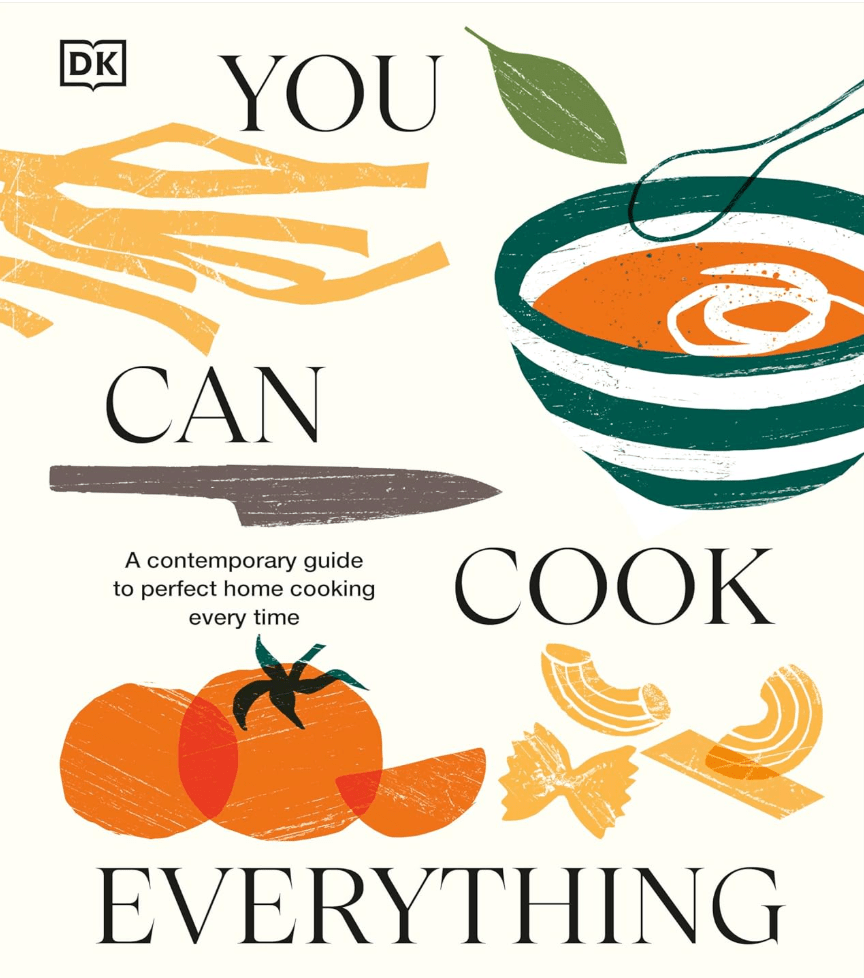
You Can Cook Everything: A Contemporary Guide to Perfect Home Cooking Every Time by DK – Cookbook Review

What is the USP?
An encyclopaedic guide to everything you need to know to become a confident home cook, covering over 1,000 techniques, tips, and recipes in one lavishly photographed volume. There’s no particular cuisine or concept. The focus is on giving you the building blocks to master everything from stir-frying tofu and grilling steak, to baking focaccia and folding gyoza.

What will I love?
It’s all here — the classics, the comfort food, the global favourites — presented with generous step-by-step photography and precise instructions. Want to perfect a béchamel? Learn to butterfly a leg of lamb? Bake flawless cinnamon buns? You Can Cook Everything gives you the confidence to try it, with visual cues and no judgment. It demystifies the things many cookbooks gloss over, from how to make shortcrust pastry to when to season your steak.

There’s also a pleasing sense of reassurance. Although it feels more up-to-date than other ‘cookery bibles’ due to the inclusion of more modern ingredients, it isn’t trying to be trendy or edgy. It’s here to guide you towards better home cooking, at your own pace. Think of it as a contemporary kitchen manual designed for a generation who may not have learned to cook from family, but who are hungry to learn now.

Is it good bedtime reading?
Yes. It’s not a memoir-style book full of essays or storytelling, but it’s incredibly satisfying to flip through. Each page feels like a mini masterclass. If you love the rhythm of methodical, practical cookery, this is bedtime gold.

Will I have trouble finding the ingredients?
Unlikely. The book is global in scope, so you’ll find everything from curries to shakshuka, but recipes are tailored to what is realistically available in most UK supermarkets. There’s helpful advice on substitutions, and where a specialist ingredient is needed (e.g. tamarind paste, rice flour), it’s generally one that has become fairly mainstream. The book is about building confidence and teaching you flexibility, not sending you schlepping across town on a three-hour shop.

How easy are the recipes to follow?
Exceptionally easy. The hallmark of DK books is their visual clarity, and You Can Cook Everything delivers in spades. Recipes are structured, well-spaced, and meticulously illustrated. There are visual walk-throughs for everything from kneading bread to filleting a fish, and plenty of troubleshooting tips to keep you on track. It’s ideal for anyone who wants to see how something should look at each stage. If you are someone who enjoys the reassurance of watching YouTube videos before trying a recipe, the chances are you will find You Can Cook deeply satisfying. 

Stand-out recipes?
The ‘Spring Onion and Cheddar Soda Bread’ is a wonderfully comforting, cheesy twist on a classic, while the ‘Butternut Squash and Sage Gnocchi’ is perfect to make in autumn. On the sweet front, the ‘All‑In‑One Vegan Chocolate Cake’ is rich, fudgy and undetectable as a vegan bake, and the ‘Blueberry Streusel Muffins’ are a delicious way of elevating the fruity favourite with a sweet and crunchy topping. 

How often will I cook from this book?
All the time. It’s a book you will reach for when trying something new or troubleshooting something familiar. The tone is quietly empowering: you don’t feel patronised, but you are never left to flounder. It’s perfect for beginner cooks, but even seasoned home cooks will enjoy the clarity and breadth. You might not cook everything in it, few of us have that kind of ambition, but it’s incredibly satisfying to know it’s all there.

Any negatives?
Not for what it sets out to do. Of course, if you are looking for a cookbook with an evocative or emotional narrative or a strong authorial voice, this won’t fill that void. It’s a clear, clean, and comprehensive reference book at heart. It also isn’t heavy on dietary notes (you won’t find extensive gluten-free or vegan adaptations), though there are plenty of naturally plant-based dishes. 

Should I buy the book?
Absolutely, especially if you’re building or refreshing your cookbook shelf and want a reliable, go-to guide. You Can Cook Everything is a must-have modern-day cooking bible: practical, clear, and deeply satisfying to use. It will teach you to trust your instincts and become a better cook, one delicious step at a time.

Cuisine: International 
Suitable for: Cooks of all abilities – a great place for beginners to start, while also filling in gaps/offering new inspiration for keen cooks. 
Great for fans of: Delia Smith, Leiths and Samin Nosrat.
Cookbook review rating: Five stars
Buy this book: You Can Cook Everything: A Contemporary Guide to Perfect Home Cooking Every Time
£30.00, DK

This review was written by Freelance Food Writer and Recipe Developer Sophie Knox Richmond. Follow her on Instagram on @sophie_kr_food

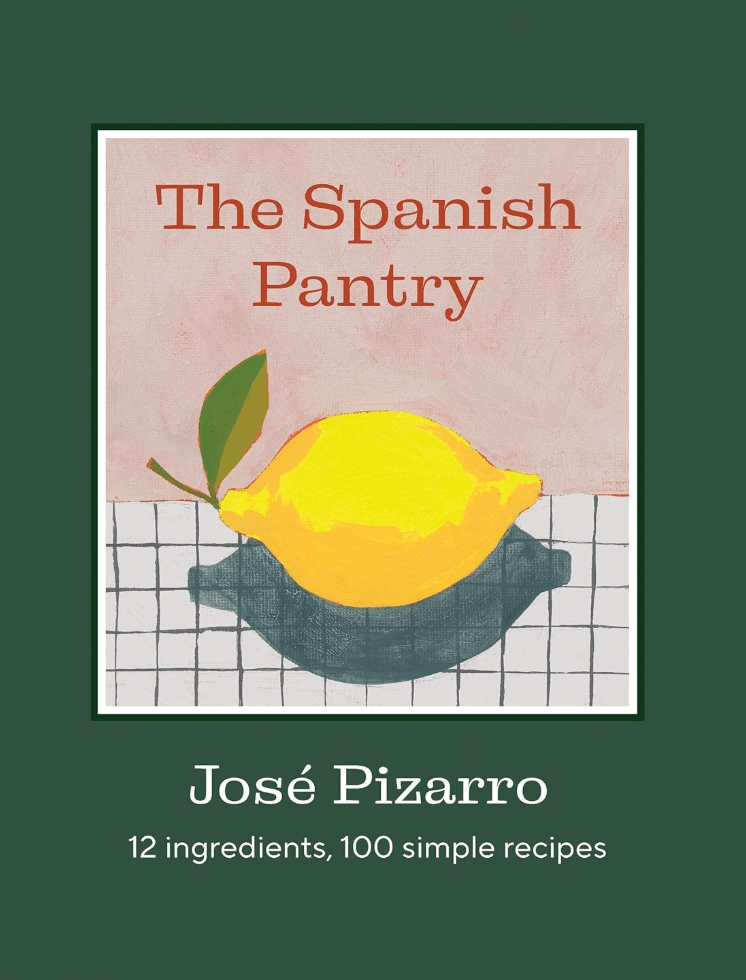
Spanish Pantry by José Pizarro

Who is José Pizarro?
José Pizarro is a Spanish chef and restaurateur who has spent over two decades bringing the soul of Spanish cooking to British tables. Born in Extremadura and now firmly rooted in the UK with a string of restaurants, he is known for his ability to translate the warmth and flavour of traditional Spanish food into something approachable, generous, and deeply satisfying. The Spanish Pantry is his ode to the essential ingredients that define the cuisine he grew up with.

What is The Spanish Pantry’s USP?
This is a grounded, ingredient-led cookbook that takes you back to the essentials that sit quietly in Spanish kitchens but carry so much flavour. It’s less about technique-heavy cooking and more about building confidence with essential components, encouraging cooks to build dishes from simple, high-quality basics. The result is a book that feels both accessible and rooted in tradition, quietly showing how much can be done with a well-stocked cupboard and a little care.

What will I love?
The Spanish Pantry is a love letter to the core components of Spanish cooking. Each chapter is built around one iconic pantry ingredient (Onions, Tomatoes, Peppers, Chorizo, Manchego, Almonds, Lemons, Rice, Chickpeas, Beans, Jamón and Saffron), showing how something simple and humble can unlock the bold, sun-drenched flavours of the Mediterranean. It is smart, focused, and deeply rooted in place. A real education in how to cook with heart, by knowing your basics inside out.

Pizarro excels at bringing Spanish cooking alive without making it overcomplicated. A tin of anchovies, a drizzle of good oil, and suddenly you’re on a terrace in Andalucía. Recipes like ‘Braised Black Beans with Spatchcock Chicken and Herb Salsa’, ‘Warm Gigante Beans on Toast’, and ‘Oloroso-braised Lamb Shanks and Chickpeas with Warm Anchovy Salsa’ offer richness and depth with minimal fuss. His food is rustic and hearty, yet still beautiful in its simplicity; exactly the kind of food you want to cook at home.

The helpful ‘menus’ section at the back provides inspiration for Lunch, Dinner, Tapas, Brunch and Summer Lunch party menus and includes time planning instructions so you can prepare ahead like a pro and entertain with ease. The beautiful photographs of Spain will have you hunting out your passport.

Is it good bedtime reading?
Yes, if you like to dream of distant markets and seaside tavernas. Pizarro writes with warmth, clarity and a palpable sense of place. You get snippets of Spanish life, hints of Extremadura and the Basque coast, and an unmistakable reverence for the people who taught him to cook. 

Will I have trouble finding the ingredients?
Some specialist items like sobrasada and morcilla might require a good deli or online shop, but many recipes rely on staples already in your cupboard. Think olive oil, paprika, garlic, pulses and tinned seafood. Although the book is about celebrating Spanish culture and cuisine, it is by no means inaccessible to UK cooks. Pizarro’s aim is to make your pantry do the heavy lifting, and he succeeds. There’s no unnecessary showing off, just good, honest cooking.

How often will I cook from the book?
This is very much a weekday-and-weekend sort of book. Although there are dishes which take a bit longer (the ‘Braised Jamón and Pork Knuckle with Olive Oil Mash’ is a succulent slow-cooked winner) or are impressive enough for a dinner party, this isn’t a book full of technical flourishes. It is real, robust food that you will return to time and time again. If you like the idea of elevating simple ingredients into something soul-stirring, this book will become a well-used companion.

Stand-out recipes?
The ‘Jamón Serrano and Watermelon Salad with Honey and Basil’ is a beautifully simple, and wonderfully refreshing, summer salad. ‘Garlic and Manchego Coca’ is a must-try for garlic bread fans, and the ‘Patatas à la Importancia con Chorizo’ will soon become one of your favourite ways to enjoy potatoes. Don’t miss the ‘Warm Olive Oil and Almond Cake with Preserved Peaches’. It has the most delicious flavour and moist texture, one of those cakes you will find yourself making on repeat. 

Any negatives?
Once you get into the recipes, you may find yourself seeking out higher-quality pantry items, which can become expensive. However, the flipside is that it encourages you to cook (and eat) more consciously, with respect for quality and provenance. 

Should I buy the book?
If you love Spanish food (not just the kind you eat on holiday, but the kind you dream of recreating in your own kitchen) The Spanish Pantry is a gem. It’s informative, heartfelt, and packed with flavour. You will eat well and learn a lot.

Cuisine: traditional and regional Spanish
Suitable for: curious foodies and lovers of Mediterranean flavours
Great for fans of: Claudia Roden, Rick Stein and Sam & Sam Clark
Cookbook review rating: 4 stars
Buy the book: The Spanish Pantry: 12 Ingredients, 100 Simple Recipes byJosé Pizarro, Hardie Grant £28.00

This review was written by Freelance Food Writer and Recipe Developer Sophie Knox Richmond. Follow her on Instagram on @sophie_kr_food

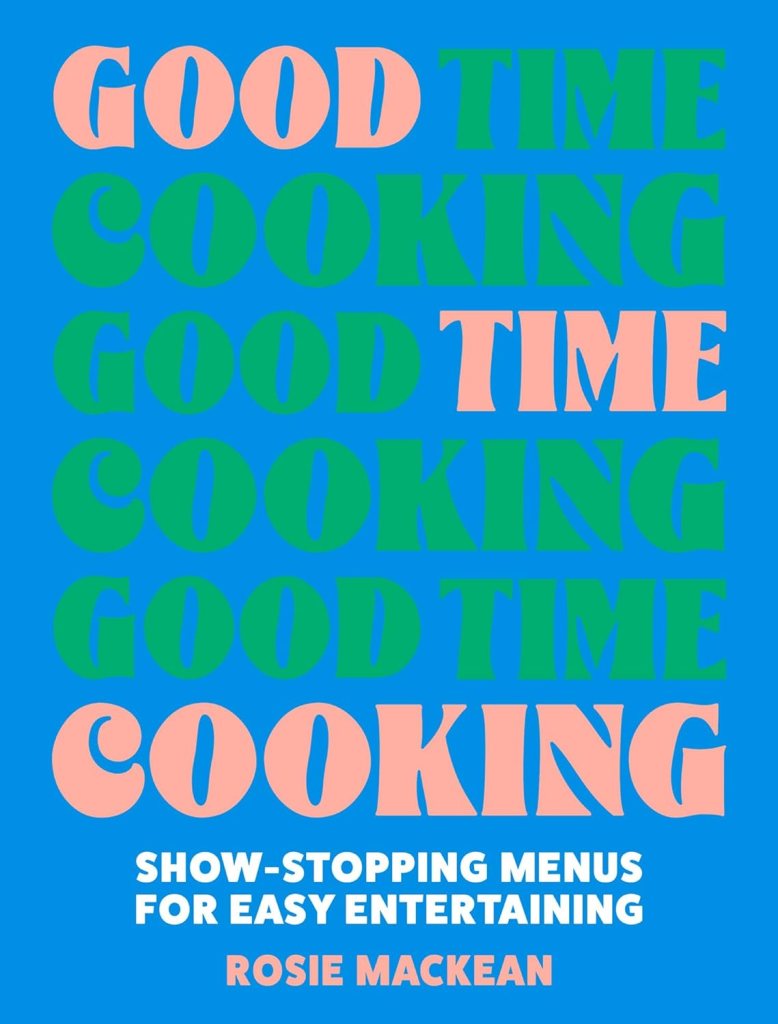
Good Time Cooking by Rosie Mackean – Cookbook Review

Fancy yourself as the host with the most but not sure where to start? Good Time Cooking promises to help save you the stress and share the secrets of easy entertaining for any occasion. A bold claim, but is it too good to be true?

What will I love?
The fact that all of the planning parts have been done for you. Mackean has curated a host of innovative, enticing menus for pretty much every occasion, complete with ‘Get Ahead’ time plans and mise-en-place directions to make it as straightforward as possible. Each recipe comes with substitutions too, great for avoiding any last-minute dashes to the shops. There is also advice on how to scale the recipes up/down to adjust for your gathering (and avoid lots of leftovers and/or potential wastage). Oh, and there are some excellent food styling and table scaping tips to help you really impress your guests. 

The recipes are ordered into themed menus designed to work harmoniously together. This is ideal for anyone who doesn’t feel confident creating a complimentary menu of courses. However, Mackean stresses that this is just her suggestion and encourages you to get creative and create your own DIY menu, if you prefer. Equally, you can dip in and out and make recipes here and there if you have no plans on entertaining. The photography is striking too.

Is it good bedtime reading?
Good Time Cooking isn’t an especially ‘wordy’ book, but you could easily while away an afternoon (or evening) dreaming up your dream dinner party menus and the recipe introductions are genuinely interesting.

Will I have trouble finding the ingredients?
Not really. Merguez sausages are mentioned but they aren’t too tricky to find. The odd recipe may require a trip to the fishmonger or an online order, but those are few and far between. If you have access to a large supermarket, you should be fine. Even if you can’t find something, Mackean has been generous with her suggested substitutions, so there are always alternative options. 

How easy are the recipes to follow?
The majority of the recipes are simple to make, however, Mackean has gone one step further with her time plans and mise-en-place directions, which makes cooking up a multi-course menu far more accessible. Even the more time-consuming ones don’t feel overwhelming thanks to Mackean’s personable and clear instructions. 

Stand-out recipes?
On the savoury front, the ‘Rigatoni al Quattro Fromaggi’ is the epitome of comfort food. The ‘Warm Potato Salad with Basil and Pecorino’ is a delicious side dish and perfect if you want a mayonnaise-free potato salad. 

As for the puds, ‘Chocolate Cream Pie’ is the ultimate indulgent (and very rich) treat for chocoholics, while the ‘Tiramisu’ is one of the best I have ever made (bear in mind that although it ‘serves 2 with leftovers’ you will get around 6 generous portions from the recipe). Don’t miss the ‘Sunday Crumble’, a) for the delicious combination of apples and pears and b) for the generous layer of crumble topping. It is the perfect rainy day pudding served hot with just-melting vanilla ice cream or lashings of custard.

How often will I cook from this book?
A fair bit. Although it’s a book about entertaining, you will still find plenty to enjoy even if you aren’t an avid host. You could easily pick out a few recipes here and there to make throughout the week and there are plenty of options for canapés, starters, sharers, snacks, mains, bakes, desserts and puddings.

Any negatives?
There are plenty of plant-based recipes in the book. However, it isn’t always clear when a recipe needs the cheese to be swapped for it to be vegetarian because it contains animal rennet (e.g. cheeses like Gruyère, Gorgonzola, Taleggio and Parmesan). Not all hosts would automatically know to swap for a vegetarian alternative if cooking for vegetarian guests.

Should I buy the book?
Yes. This is the culinary bible for anyone who enjoys entertaining. However, if you aren’t a keen host, you will still enjoy discovering a host of delicious, innovative recipes and flavour combinations. 

Cuisine: International 
Suitable for: Foodies – particularly those who enjoy hosting
Great for fans of: Skye McAlpine and Sophie Wyburd 

Cookbook review rating: Five stars
Buy this book: Good Time Cooking: The stunning dinner party cookbook from the Pasta Queen, with recipe plans for any guest including gluten-free, vegetarian and vegan
£26.00, Pavillion

This review was written by Freelance Food Writer and Recipe Developer Sophie Knox Richmond. Follow her on Instagram on @sophie_kr_food

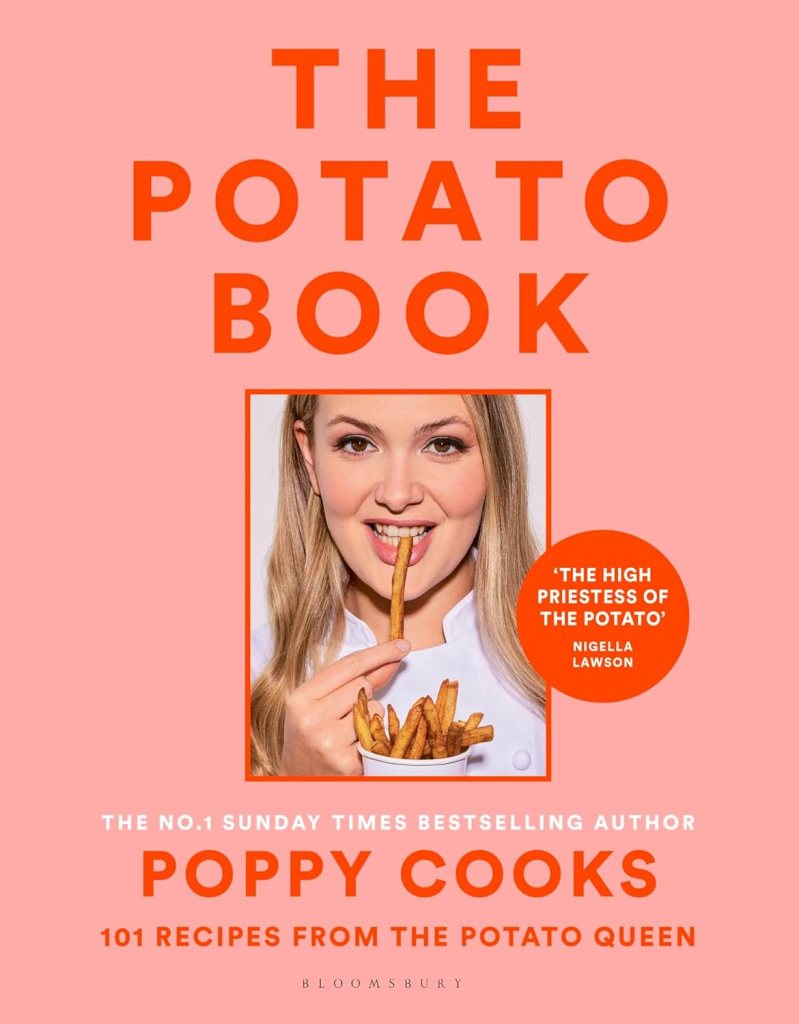
The Potato Book by Poppy O’Toole – Cookbook Review

Social media sensation Poppy O’Toole, A.K.A ‘The Potato Queen’ is back with her fourth cookbook. Having previously published best-selling books focusing on simplified cookery and air fryers, O’Toole has returned to the ingredient that made her famous: the humble spud.

What is the USP?
Your ultimate guide to potatoes with a 21st-century twist. Among the book’s 101 recipes, you will find all the classics, plus options to add an extra ‘something’ (like the ultra-indulgent ‘Three Cheese Mash’ loaded with a glorious combination of gooey mozzarella, Cheddar and Red Leicester, or umami-rich ‘Marmite Roast Potatoes’). There are also plenty of potato ideas from around the world, like ‘Latkes’ and ‘Batata Harra’ (a spicy Lebanese cubed potato dish), as well as more modern options like ‘French Onion Fondants’ and ‘Smashed Potato Nachos’. O’Toole’s relaxed, approachable manner make this a fun and celebratory book. Think of it as the potato bible for those who enjoy cooking, but don’t take themselves too seriously.

What will I love?
The photography is modern, eye-catching and enticing. You can almost taste the crispiness of the latkes just by looking at the photo, while the shot of the aligot will send you hurrying to your fridge to see if you have the ingredients.

The variety of O’Toole’s ideas is impressive. Not only does she cover all the classics, she also branches out with creative twists to bring something different. Think ‘Christmas Mash with Crispy Sprouts and Bacon’, ‘Hash Brown Bhajis’ and ‘Caramelised Onion and Cream Cheese Hasselbacks’. 

Is it good bedtime reading?
From a literary perspective, no. Each recipe has a very readable and relatable introduction, brimming with O’Toole’s chatty warmth and enthusiasm. However, this isn’t one of those books filled with lengthy essays or musings on potatoes. 

Will I have trouble finding the ingredients?
No. Obviously, potatoes are the main ingredient, but the recipes are refreshingly free from expensive or difficult-to-source ingredients. You should be able to find everything you need in your local supermarket. 

How easy are the recipes to follow?
There is a range of recipes from incredibly fuss-free and straightforward (‘Classic Skin-on Wedges’) to the more time-consuming (‘Pommes Dauphine’). Not forgetting O’Toole’s infamous ‘15-hour Potatoes’ (of which you will find several versions in this book). However, due to O’Toole’s approachable, accessible writing style, even the notionally more complex dishes are achievable for less confident cooks. 

Stand-out recipes?
The ‘Masala Chips’ are dangerously addictive, while the ‘Cheesy Leeky Mashed Potato’ is simply delicious (do try it next time you are making regular mash). The ‘Croquettes’ are another winner; packed full of flavour thanks to the combination of smoky chorizo and salty, tangy goats cheese. Do heed O’Toole’s advice and let them cool slightly before digging in though. Don’t miss the ‘Chimichurri Smashed Potatoes’ which, as O’Toole recommends, make an excellent side for steak.

How often will I cook from this book?
That depends on how often you want to eat potatoes. Given that they are an affordable, popular ingredient and O’Toole has included a wide variety of ideas for every palate and occasion, the answer is ‘regularly’. Whether you want a show-stopping potato side for a special occasion (like the ‘Ultimate Chicken and Truffle Pomme Purée’), crunchy snack (the spiced ‘Extra Crispy Smashed Spuds’ are a must-try) or soul-soothing comforting spud (the rich and indulgent ‘Tartiflette’ ticks every box), the chances are, The Potato Book will have what you need.

Any negatives?
It would be helpful to outline the prep time and cook time for each recipe at the top. It also would be beneficial to specify if dishes are vegetarian and/or vegan or highlight when ingredients need to be adjusted (for example, certain cheeses like Taleggio and, sometimes, Comté, which contain animal rennet). 

Should I buy the book?
Yes. The Potato Book is a must-have for anyone who enjoys potatoes and, dare I say it, even those who are yet to understand their versatility. It’s a fun, modern and exciting book that will change how you perceive the humble spud. 

Cuisine: International 
Suitable for: Cooks of all abilities. Especially anyone who is remotely interested in potatoes and wants to learn new ways to enjoy them. 
Great for fans of: MOB
Cookbook review rating: Four stars

Buy this book: Poppy Cooks: The Potato Book: 101 recipes from the Potato Queen
£22.00, Bloomsbury

This review was written by Freelance Food Writer and Recipe Developer Sophie Knox Richmond. Follow her on Instagram on @sophie_kr_food

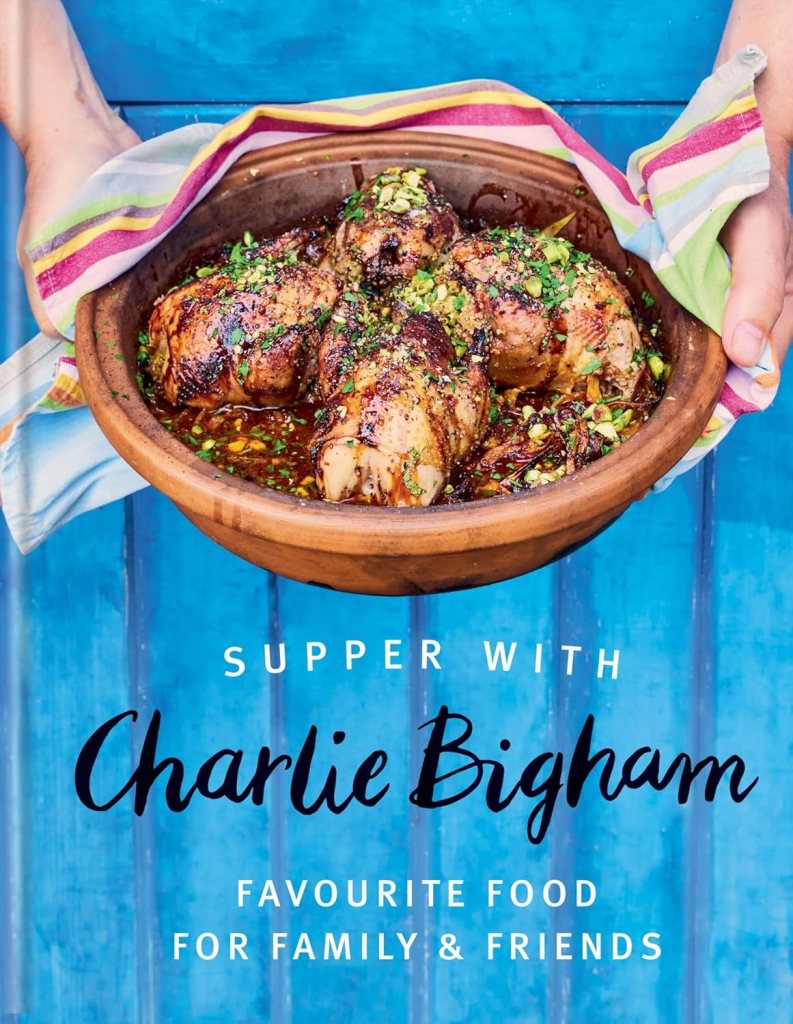
Supper with Charlie Bigham by Charlie Bigham – Cookbook Review

Charlie Bigham, the iconic premium food brand, has released its first cookbook Supper with Charlie Bigham. Written by Charlie Bigham himself (yes, there really is a Charlie Bigham, it isn’t a fictional character), the book promises over 100 relaxed fuss-free recipes to suit a host of supper occasions from fun family celebrations to easy midweek meals. 

What will I love?
The variety of dishes on offer for flexitarian family food and entertaining. Recipes include starters and canapés, mains for two, four, six or many (with advice on scaling up or down), vegetable sides for sharing and simple puddings (oh, and cocktails too!). Classic favourites like ‘Breton Chicken with Chive Mornay Sauce’, ‘The Ultimate Lasagne’ and ‘Beef Bourguignon’ are all there, but so are a host of more modern ideas such as ‘Slow-cooked Shoulder of Lamb with Marmite’ and ‘Penne with Parmesan, Spinach and Courgette’. 

Overall, the book feels very personal. The recipe intros all feel like you are sitting down chatting with Bingham himself as he shares the stories and anecdotes behind each one. The photography is also particularly enticing. Laid back, but not messy, they do an excellent job of ‘selling’ the dishes, while also making them feel approachable. 

Is it good bedtime reading?
Yes. There is an introduction from Bingham where he shares the story of his life through food, followed by an insight into his kitchen and how he likes to cook (all well worth reading). Each recipe also has its own introduction (mentioned above). You could have a very enjoyable evening browsing through the pages finding inspiration for what to cook in the months ahead.

Will I have trouble finding the ingredients?
Most of the ingredients are available in larger supermarkets. Anything difficult to find is accompanied by alternatives. For example, you might struggle to get hold of Borettane onions for the ‘Beef Bourguignon’, but pearl onions are suggested instead. Equally, if you wanted to make the ‘Game Ragu’ you have the option of choosing rabbit, wild boar or venison (although you might need to head to the butchers or order online). The ‘Dynamite Broth with Salmon’ does have bonito flakes, but there are recommendations on where you can source them (or you could leave them out). Aside from that, you will have to go to a deli or health food shop to make the ‘Hunza Apricots with Whipped Pistachio Cream’ and a few of the dishes might require a trip to a fishmonger (or a fish counter). 

How easy are the recipes to follow?
The majority of the recipes are fairly straightforward and all are very well-explained (the ‘Mackerel Pâté does ask you to smoke your own, but there are also instructions using shop bought). Prep and cooking times are included at the start of each recipe with additional ‘Charlie’s tips’ included at the end. There is the odd recipe that requires flicking back and forth to a side mentioned on another page (e.g. the delicious ‘Tomato and Pepper Salsa’ listed with the ‘Griddled Squid’ is also recommended for the (also brilliant) ‘Bashed Chicken with Parmesan Breadcrumbs’). However, that is a small complaint. Quantities are given in both grams and ounces which is ideal for those who still use imperial measurements. 

Stand-out recipes?
The ‘Smoked Haddock Gratin’ is a must-try, while the ‘Leg of Lamb of Lamb with Harissa and Chermoula’ is ideal for an alternative Sunday roast (especially alongside the suggested ‘Couscous with Apricots, Parsley and Red Onion’). The ‘Bashed Chicken with Parmesan Breadcrumbs’ is also now a firm favourite in our house. On the sweet front, the ‘Chocolate Torte with Caramelised Hazelnuts’ is a wonderfully rich and indulgent pud which will delight chocoholics. For something lighter, both the summer and winter ‘Poached Pears’ are delicious.

How often will I cook from this book?
Fairly often. It is one of those books you can rely on for every occasion, whether that be a simple weeknight supper, comforting pud or multi-course easy entertaining menu. There are a myriad of options suitable all-year round – think vibrant and fresh salads in the hazy heat of summer, rich and comforting stews and hotpots for chillier winter evenings. 

Any negatives?
If you were expecting this to contain all the recipes for the Charlie Bigham dishes you buy in the shops, you might be a little disappointed. There are some, like the ‘Chicken Tikka Masala’ and ‘Ultimate Lasagne’. However, the much-loved Macaroni Cheese (and it’s even more indulgent cousin the Four Cheese Macaroni) are, sadly, absent.

The only other gripe would be on the (delicious) ‘Penne with Parmesan, Spinach and Courgette’ which is described as a ‘special vegetarian main course’ and a ‘celebration of Parmesan’. While the latter is most definitely true, by definition, Parmesan isn’t vegetarian as it contains animal rennet. While some vegetarians choose to be more relaxed around cheese, it would have been prudent if ‘Charlie’s Tip’ mentioned using a ‘Parmesan-style hard cheese’ to prevent hosts unwittingly serving a non-vegetarian dish to vegetarian friends and family. 

Should I buy the book?
Yes. This is one of those cookbooks that has something for every mood or occasion. Whether you want something special for a dinner party, a cosy and comforting winter supper or a vibrant sharing salad for a summer barbecue, Supper with Charlie Bigham has got you covered. 

Cuisine: International 
Suitable for: Cooks of all abilities 
Great for fans of: Hairy Bikers and Mary Berry 
Cookbook review rating: Four stars
Buy this book: Supper with Charlie Bigham: Favourite food for family & friends 
£26.00, Mitchell Beazley 

This review was written by Freelance Food Writer and Recipe Developer Sophie Knox Richmond. Follow her on Instagram on @sophie_kr_food

Cooking by Jeremy Lee

Jeremy Lee Cooking

What’s the USP? Somewhat delightfully, there isn’t one. There’s no tortuous concept or shoehorned-in theme. There’s no claim of quick and easy recipes, that it’s the only cookbook you’ll ever need or that it’s yet another of that irksome and ubiquitous ilk, the cookbook for ‘every day’. As Robert de Niro once memorably stated in The Deer Hunter ‘This is this. This ain’t somethin’ else. This is this.’ It’s a cookbook. It’s a very good cookbook written by an outstanding chef with thirty years of knowledge, experience and wisdom he’s like to share with you. What else do you need? 

Who is the author?  Dundee born Jeremy Lee is the head chef of Quo Vadis restaurant and club in London’s bustling Soho. He was previously the head chef of Sir Terence Conran’s Blueprint Cafe in Shad Thames and at Euphorium in Islington where he first came to national attention (Independent news paper critic Emily Bell said that Lee ‘delivers flavour like Oliver Stone serves up violence’, a very 1995 sort of thing to say). Working backwards in time, Lee also cooked at Alistair Little at 49 Frith Street (now home to Hoppers Sri Lankan restaurant and just a ladle’s throw from Quo Vadis in Dean Street) and at Bibendum in South Kensington for Simon Hopkinson. There’s more, but you can buy the book to find it out (spoiler alert, you really should buy the book).  Surprisingly, Cooking is Lee’s first cookbook.   

Is it good bedtime reading? It is. There’s a reasonably chunky introduction that skips and hops briefly through Lee’s background and culinary career as well as some thoughts on his approach to food and cooking in general. Each of the 24 chapters, themed most around ingredients, includes a full page or so of introduction and many of the 100 or so recipes have substantial intros. There are also a couple of essays, one on equipment and one on stocking your pantry. That’s how you end up with a 400 hundred page book.     

Will I have trouble finding the ingredients? The first line of the book reads ‘The simple truth I’ve learned from a lifetime of cooking is that good food is honed from fine ingredients.’ The simple truth that I’ve learned from a lifetime of shopping at supermarkets is that last thing they sell is fine ingredients. I mean, they’re fine for plebs like us, but they’re not fine. The likelihood is that you’ll be able to get most things that Lee cooks with in the book, but probably not of the same quality, unless you live somewhere that has great butchers, fishmongers, greengrocers and delis. You know, central London. 

Some ingredients that might prove tricky if you are reliant on Lidl (or even Waitrose) might include fresh artichokes, samphire, monk’s bread, Tropea onions, Roscoff onions, Treviso, Tardivo, Banyuls vinegar ‘very, very good chicken’, ‘excellent duck’. marjoram, summer savory, Agen prunes, fennel pollen, herring, fresh mackerel, whole lemon sole, cuttlefish, verdina beans, skate knobs, cockles, Arbroath smokies, razor clams, smoked eel, quail, onglet, lamb’s sweetbreads, feuilles de brick, kid, hare, dandelion, puntarelle, Catalonga, lovage, salsify and sorrel. 

That might seem like a long list, but do not let it put you off buying the book. Help is of course at hand from specialist internet suppliers and, post pandemic, it’s now easier than ever to get hold of excellent quality fresh fish, meat, vegetables and groceries delivered to your door (for a price of course). The excellent list of stockists at the back of the book will be extremely useful to many readers. There are also many recipes that you will be able to source ingredients for with no trouble or you will be able to make substitutions with reasonable ease. 

How annoyingly vague are the recipes? There is the odd ‘handful’ of this and ‘pinch’ of that, but they are few and far between.  Methods are as well written as you might expect of such a well experienced chef and are as detailed as they need to be and easy to follow. 

How often will I cook from the book? A lot. There’s pretty much a dish for every occasion, every time of day and every cook’s mood. There’s maple walnut biscuits breakfast or mid-morning coffee, chard and cheddar omelette for a quick lunch and chicken leek and tarragon pie for a comforting dinner. There a simple as can be puntarelle and anchovy salad for when time is short or a cottage pie made with braised oxtails for when you want to linger in the kitchen. Lee is also particularly good on baking, desserts and sweet things in general so expect an apple tart in your future soon.   

However, this is a resolutely British and European book; a pinch of chilli flakes or a few drop of tabasco is about as spicy as things get. There are no modish Middle Eastern influences and India, Asia and South America don’t get a look in. Lee knows what he likes and sticks to it which gives the book a very strong identity.  Cooking  doesn’t cover every conceivable culinary base, but that’s no bad thing at all. There are many, many books available that will fill those particular needs, just have a browse around this site. Cooking is not an encyclopaedia of the subject but ‘home cooking rediscovered after a lifetime spent in professional cooking’ and all the better for it.  

What will I love? You’ll recognise John Broadley’s intricate yet bold black and white illustrations from the menus at Quo Vadis if you’ve been fortunate enough to visit the restaurant (and if you haven’t, I’d highly recommend rectifying that particular situation, especially now as the restaurant has just been refurbished and expanded).  They are a complete joy and give the book a unique style.  

Lee’s writing style is also highly individual and charming. He has a turn of phrase like no other food writer. A spiced marmalade steamed pudding is ‘made bold with whole ginger and a spice’ and breadcrumbs are fashioned from ‘husks, heels and buckshee slices of bread’. Open the book at random and you’ll find sentences such as ‘I like the Presbyterian forthrightness of leek pie’ or ‘It is near miraculous how much water is released from the chard but perseverance pays a fine dividend’.  There’s a kind of effortless poetry on every page that’s utterly delightful and doesn’t feel in the slightest bit forced. Within a single paragraph, Lee can be informative, instructional and celebratory; that’s fine food writing. 

Killer recipes: salmagundy (warm roast chicken salad with summer slaw); maple walnut biscuits; chard potato and celeriac gratin; St Emilion au chocolat; hake with parsley, dill and anchovy sauce; smoked eel sandwich; lamb’s sweetbreads, peas, almonds and herbs; duck pea and cabbage hash (the list goes on…)

Should I buy it? With Cooking, Lee has joined the pantheon of great British food writers that includes Jane Grigson, Sophie Grigson, Elizabeth David, Alan Davidson, Alistair Little, Richard Whittington, Shaun Hill, Stephen Bull, Mark Hix and others.  It might be reminiscent of older books, but in the current publishing climate, it’s a breath of fresh air. Rather than advising you on hints and tips that will enable you to spend the least amount of time as possible in your kitchen, Cooking is aimed at a readership that actually enjoys the craft and are happily chained to their stoves (you won’t find air fryer or slow cooker recipes here). 

Cooking is worth the cover price just to learn how to cook chard properly. But you will learn so much more including the virtues of making a properly good vegetable salad, how to lift the flavour of a rustic kale soup with a spoon of new season Tuscan olive oil and how to make ‘coupe Danemark’ – a delicious yet simple dessert made from chocolate melted with cream, poured over vanilla ice cream and topped with nuts. Cooking is also full of intriguing kitchen miscellanea. Did you know a wishbone used to be known as the ‘merry thought’? Or that there’s a variety of potato called ‘Mr Little’s Yetholm Gypsy 1899’? Of course you didn’t.  That’s why you need to buy this book. A genuine pleasure to cook from and to read, Cooking is an essential addition to any keen home cook or professional chef’s cookbook collection. 

Cuisine: European
Suitable for: Confident home cooks/professional chefs 
Cookbook Review Rating: Five stars

Buy this book: Cooking by Jeremy Lee
£30, Fourth Estate

andre simon logo

Winner of the 2022 Andre Simon Food Award


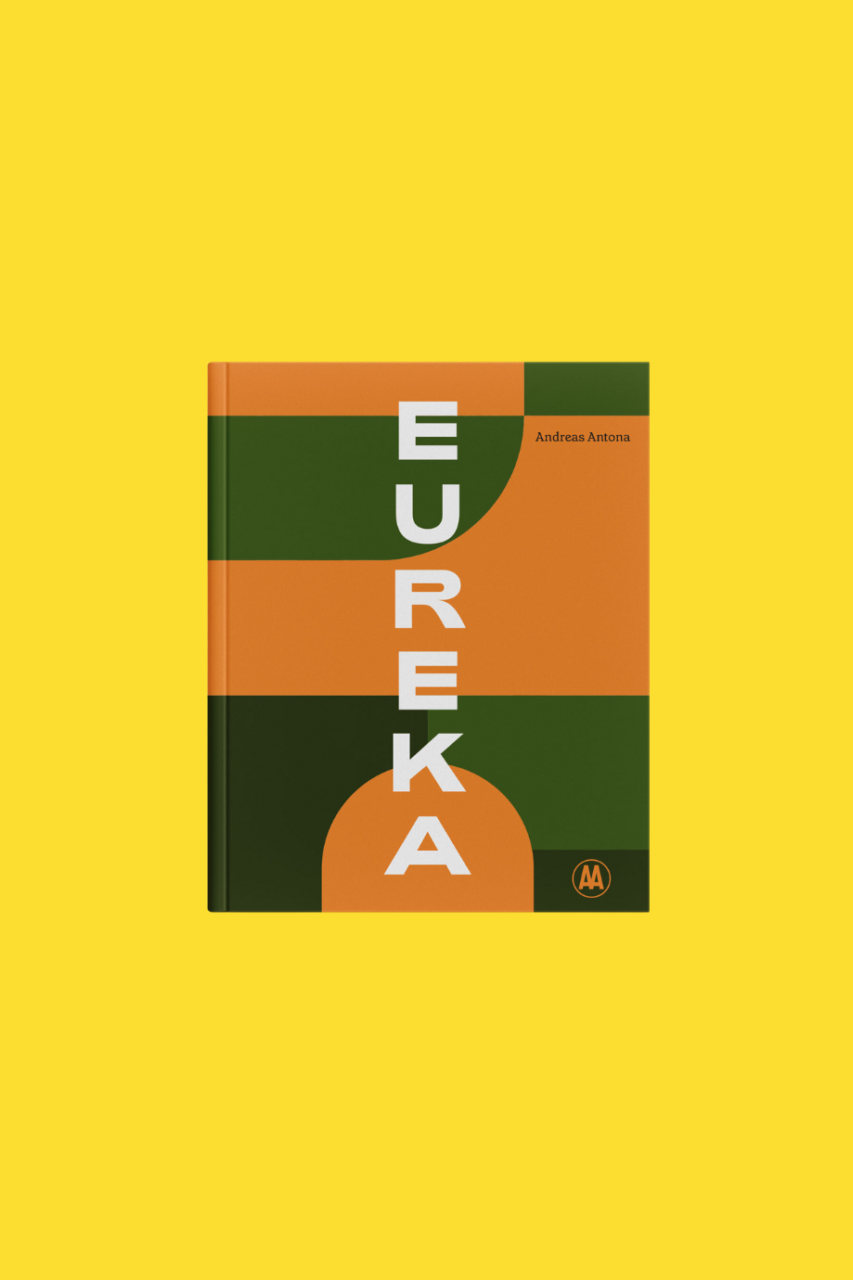
Eureka by Andreas Antona

Eureka-Yellow-Background

What’s the USP? Michelin-starred chef shares recipes inspired by dishes developed for his restaurant’s home meal delivery service that launched during the pandemic so you can create a bit of fine dining glamour in your own home without too much fuss.

Who wrote it? Described by The Times as  “the godfather of modern Birmingham food”, Andreas Antona is a legend of the British fine dining scene. His flagship restaurant Simpsons opened back in 1993 and he now also runs The Cross in Kenilworth, also Michelin starred. He has mentored many award winning chefs that will be well known to keen British-based restaurant goers including Glynn Purnell, Adam Bennett, Luke Tipping, Andy Walters, Mark Fry, and Marcus and Jason Eaves. he was named restaurateur of the year in 2022 by industry bible The Caterer magazine.

Is it good bedtime reading? There’s an introduction in the form of an interview with Antona that will probably be of more interest to professional chefs than home cooks and that’s about it. There are no chapter introductions or even introductions to the recipes which seems a missed opportunity, given that Antona is one of the most experienced chefs in the country. A bit of hard-earned kitchen wisdom would have been very welcome.

Will I have trouble finding the ingredients? A good butcher, fishmonger, greengrocer , deli and specialist online suppliers will come in handy for things like guinea fowl, chicken livers, ox cheek, blade of beef, bone marrow, sea bream, turbot, halibut, hand-dived scallops, smoked cod’s roe, monkfish, sea bass, red mullet, Roscoff onions, linseeds, mushrooms including shimeji, girolle and hen of the woods, soya bean lecithin granules and xanthan gum. That may seem like a long list but the vast majority of ingredients will be easily obtainable from your local big supermarket. With a bit of thought, you should be able to make reasonable substitutes for most of the above named items too so there should be little to stand in your way making most if not all the recipes in the book.

How often will I cook from the book? It was about five minutes after the book was delivered that I started to write a shopping list for the first dish I wanted to cook from it.  The food just looks so attractive and sounds so appealing that I wanted to give it all a go. Many of the recipes such as prawns with chilli, orzo and pesto or roast rump of Cornish lamb with peas a la Française, asparagus and roast potatoes are pretty straightforward and ideal for a mid-week meal.

That first recipe I tackled however turned out to be a bit more involved, but I couldn’t resist the idea of the sweet and sour tomatoes (marinated in honey, coriander seeds, rosemary, garlic, vanilla and sherry vinegar) that accompanied slow cooked beef cheek (I substituted some very nice braising steak) with courgettes, fried polenta, aubergine caviar and balsamic vinegar sauce made from the braising liquor. It was well worth the effort.

What will I love? The book’s bold and colourful graphic design and the clean and simple food styling and photography that really lets the dishes stand for themselves.

What won’t I love? Let’s get the price out of the way. Eureka costs £38 (plus £10 delivery charge!!) and is only available from the restaurant’s online store (linked below) or for £2 more, from the publishers site. That is a lot of money for a 224 page book with just 80 recipes. For comparison, Jeremy Lee’s recently published Cooking is nearly twice the length and has a cover price of £30, although at the time of writing is available for £15.

That makes some relatively minor shortcomings all the more difficult to stomach. Apart from being grouped into chapters headed starters, fish, meat, vegetables, desserts and staples and basics, recipes appear in almost random order. A starter of gem lettuce appears on page 42 and then another pops up ten pages later. Similarly you’ll find confit duck leg on page 108 and confit leg of duck on 122. The garnishes are different but its exactly the same recipe for the duck leg, so why not group them together? There are quite a few other similar examples. It’s a quibble, but it makes the book appear a little bit thrown together, as does the repetition of text in that otherwise lovely recipe for slow cooked ox cheek. If you follow the instructions as written, you’ll be roasting your aubergine for 30-40 minutes twice.

Another irritation is that the staples and basics recipes at the back of the book are reference in the main body of recipes but never by page number, only by chapter, so you have to search through the 18 page chapter to find them. One more annoyance is that it’s not until half way through the introduction that you learn that the book is named after the cooking school at Simpson’s restaurant which explains the otherwise mysterious title. It’s also not immediately obvious that the introduction is an interview with Antona as his name never appears in it. None of these complaints are significant but just a tiny bit more thought and care would have improved the reading experience greatly.

Killer recipes:  Leek and potato soup with potato beignets and chive oil; warm Roscoff onion tartlet with herb salad, olive tapenade, lemon and herb crème fraîche; twice baked cheese souffle; scallops with sweetcorn chorizo and red pepper; slow cooked blade of Irish beef with horseradish cream cabbage, potato terrine and bone marrow sauce; Yorkshire rhubarb and ginger trifle.

Should I buy it? If you are happy to pay nearly £50 for 80 recipes then the answer is a hearty yes. If you are a competent cook and love preparing sophisticated, modern restaurant-style dishes at home then this collection will be right up your street with recipes more achievable than many others written by Michelin-starred chefs (I’m looking at you Rene Redzepi).  If cost is consideration then you may want to think twice although you will be missing out on some great recipes.

Cuisine: International
Suitable for:
Confident home cooks/Professional chefs 
Cookbook Review Rating: 
Four stars

Buy this book: Eureka by Andreas Antona
£38, Away With Media

Potato by James Martin

Potato by James Martin

What’s the USP? I can’t believe you didn’t get this from the title. It is Potato, a book that celebrates the potato, by the human equivalent of a Maris Piper, James Martin.

I know that name. He’s the Saturday morning guy, right? Martin has been a mainstay of our weekend television for sixteen years now, yes – first on the BBC’s Saturday Kitchen, and more recently for ITV’s Saturday Morning with James Martin. But let’s not pretend those are his only credentials – he won acclaim from restaurant critic Jay Rayner for his work at The Talbot Hotel and, last year, relaunched everybody’s least favourite option at the food court, SpudULike in collaboration with potato company Albert Bartlett.

So this new book is a cynical ploy funded by Big Potato? Now, now. It’s also entirely possible Martin is massively enthusiastic about taters. Whatever the case, ingredient-focused cookbooks are something of a miniature trend right now, from Claire Thomson’s Tomato to the Lea-Wilson family’s Sea Salt. Also, at the very least, the book gives us one of the most unintentionally funny front covers in recent memory: an uncertain looking Martin in front of what may as well be a stock photo of spuds, and, in massive letters at the bottom of it all ‘Potato James Martin’. Brilliant. Five out of five for that then.

So it’s a five star cookbook then? Woah, woah, woah. Easy now. It’s a five-star cookbook cover. The actual book itself is a lot less impressive. Titles that lean in heavy on single ingredients live and die on two things: the insight they offer around that ingredient, and the use they make of the ingredient in the recipes. Claire Thomson, for example, is a passionate champion of the tomato, and offered a range of vibrant and original dishes in her title. Sea Salt, which presented a wealth of recipes that used salt but, for obvious reasons, didn’t make it the star ingredient, struggled.

Martin doesn’t offer us much insight at all into the history of the potato, which is a great shame, given the fascinating impact it has had on our culinary world. A staple of diets across South America for perhaps ten thousand years, they did not find their way to Europe until the late 1600s, and yet have since become an indispensable part of our daily cuisine.

Our potato-loving author doesn’t seem all that bothered with sharing this history with us, though. In fact, the history of the spud gets about two sentences of attention across the entire book. But then, this is not a title for those who are looking for effusive food writing. The recipe introductions occasionally offer a little insight into a dish’s provenance – but frequently Martin phones them in with the briefest filler text. His introduction to a recipe for a sandwich is printed simply as ‘Why not?! The question is: to butter or not to butter…? You know it makes sense!’

It might make sense, James, but do you?

What about the recipes themselves? There are some dishes to play around with here, certainly, but for the most part Martin delivers to a core audience of fans who don’t want to try anything too wacky. Potatoes might be the embodiment of unshowy workmanship in vegetables, but their versatility also opens them up to a much more interesting range of recipes than those on show here.

Martin leans on the most obvious of dishes but does them well. And so, we have Coquilles St Jacques, Tartiflette, Fish and Chips, and Lamb Hot Pot. There’s also plenty of room for the greatest hits that always pop up in the cookbooks of popular TV chefs: beer can chickens and hasselback potatoes.

Does he venture any further afield than France for his recipes? Thankfully, yes – and this is where some of the cookbook’s few unexpected ideas get a look in. There’s the always tempting South African curry-in-a-loaf-of-bread, Bunny Chow, and Sweet Potato and Pecan Cookies. One recipe pairs a humble crab cake with a katsu curry sauce – though Martin is quick to credit this to Ynyshir’s Gareth Ward. And that’s… that’s about it for the book. There’s a short section towards the back that offers up stand-alone potato recipes for those occasions when you want to knock up some Pommes Parisienne or Dauphinoise as a side, and a very handy chart that shares the various uses of twenty-eight of the most common varieties, but neither of these are worth the price of admission by themselves.

Should I buy it? The thing with potatoes is that they aren’t exactly under-represented in cookbooks already. Do you have five to ten cookbooks on your shelf? Are two of them centred on English or French cuisine? Then you’ve probably already got most of what you’ll find here at your fingertips. This is a book for fans of Martin, and people who enjoy owning cookbooks with inadvertently funny front covers, and that’s about it.

Cuisine: European
Suitable for: Beginner home cooks
Cookbook Review Rating: Two stars

Buy this book: Potato by James Martin

Review written by Stephen Rötzsch Thomas a Nottingham-based writer. Follow him on Twitter and Instagram at @srotzschthomas


Summer Pear by Ana Roš

Ana Ros cookbook summer pear

When I was a kid I was addicted to the summer pears in my grandmother’s garden overlooking the seaside. These are green, sweet and delicate.

Serves 4

For the nasturtium granita

80g sugar
15g glucose
2 soaked gelatine leaves
100 g nasturtium leaves
10g oxalis

For the poached pears

200 g summer pears
100 g butter
35g honey
10g salt

For the blackcurrant coulis

700 ml blackcurrant juice
70g sugar
8 g agar agar

For the whey coulis

100 ml whey
20g honey
5g gelespessa

For the whey ice cream

875 ml whey
25g glucose
375 ml cream
200 g sugar
5g super neutrose
420 g egg yolks

For the caramelized white chocolate

100 g white chocolate

Boil 450 g water, the sugar and glucose. Add the gelatine and cool it down.

Blend the nasturtium, oxalis and cold base. Freeze it and stir every 5–10 minutes.

Clean and halve the pears. Melt the butter and add the honey. Vacuum bag the pear with butter. Cook at 62o C (144oF) for 15–20 minutes.

To make the blackcurrant coulis, com- bine all the ingredients and boil. Cool it down, then blend.

To make the whey coulis, blend all the ingredients together.

Boil the whey, glucose and cream. Mix the sugar and super neutrose. Add the sugar to the cream and whey. Pour everything over the yolks and cook all together to 82oC (180oF). Strain.

Bake the chocolate in an oven at 160oC (320oF) for 6–8 minutes.

To serve, cool the plates to -5oC (23oF). Pacojet the ice cream. Take a frozen plate and plate the 2 coulis and the caramelized white chocolate. Centralize the ice cream, cover with granita, compose the pears and finish with 2 spoons of granita.

Cook more from this book
Bread
Goat Cottage Cheese Ravioli

Read the review

Buy this book
Ana Ros: Sun and Rain (Food Cook)
£39.95, Phaidon

Bread by Ana Roš

041 bread

My sourdough was born four years ago.

I fermented apple peels with some flour and spring water. The first bubbles hap-pened pretty late because it was January, and our apartment is never really warm. The first bread was miserable and even today, the bread sometimes gives us unpleasant surprises. It is a living thing –it suffers from rain and sun – and even flowers around Hiša Franko and pollen in the air may change it completely. Breadmaking for me is one of the most fascinating and challenging moments of the kitchen. And it is also very rewarding.

Makes 8 loaves

1.8 l water
480 g sourdough starter
120 g honey
720 g roasted khorasan flour
1680 g strong (bread) flour
120 ml water
48g salt
oil, for spraying

Eight to 12 hours before making the dough prepare the starter. Mix 240 g of strong bread flour, 240 ml of lukewarm water and 100 g of active sourdough starter. Leave to double in volume and become bubbly, then use to mix the dough. Warm the water to 28oC (82oF). Pour into a mixing bowl, add the starter and mix by hand. Add the honey and whisk again. Weigh the flours and mix. Transfer to a stand mixer with a dough hook and mix for 5 minutes. Add the second amount of water and the salt. Mix for 5 minutes. Take out of the bowl and put in a plastic container sprayed with oil. The dough should be 24–26oC (70–75oF). Next leave the dough for the bulk fermentation.

In this period the dough should get stronger, puffed and airy and should also increase in the volume. In the first 2 hours of the bulk fermentation perform a series of stretch and fold (4 times in 30-45 minute intervals). This will help the dough gain strength.

To perform stretch and fold, grab the dough at 1 side, then pull it up and fold over itself. Repeat on 4 sides of the dough. Leave the dough to rise until it increases approximately 80 percent of the initial volume. Divide the loaves into 620 g each for 8 loaves. Pre- shape, then let rest for 20 minutes. Give them a final shape and place in floured rising baskets. Proof the loaves at the room temperature until the bread approximately doubles in volume and passes the poking test. Make an indent into the dough and observe the reaction –

the dough is done proofing when the indent comes to the initial position slowly. If it returns fast, leave the dough to rise longer. Bake for 20 minutes at 230oC (445oF), full steam and fan, and then for 30 minutes at 160oC (320oF) no steam or fan.

Cook more from this book
Summer Pear
Goat Cottage Cheese Ravioli

Read the review

Buy this book
Ana Ros: Sun and Rain (Food Cook)
£39.95, Phaidon