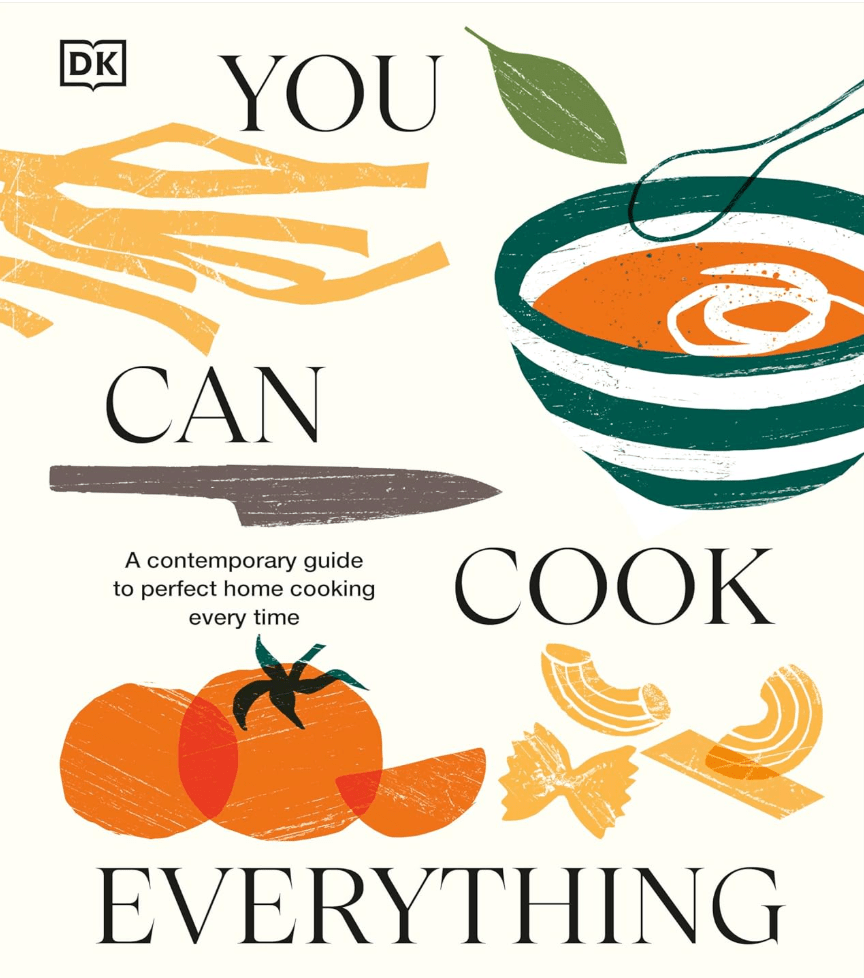
You Can Cook Everything: A Contemporary Guide to Perfect Home Cooking Every Time by DK – Cookbook Review

What is the USP?
An encyclopaedic guide to everything you need to know to become a confident home cook, covering over 1,000 techniques, tips, and recipes in one lavishly photographed volume. There’s no particular cuisine or concept. The focus is on giving you the building blocks to master everything from stir-frying tofu and grilling steak, to baking focaccia and folding gyoza.

What will I love?
It’s all here — the classics, the comfort food, the global favourites — presented with generous step-by-step photography and precise instructions. Want to perfect a béchamel? Learn to butterfly a leg of lamb? Bake flawless cinnamon buns? You Can Cook Everything gives you the confidence to try it, with visual cues and no judgment. It demystifies the things many cookbooks gloss over, from how to make shortcrust pastry to when to season your steak.

There’s also a pleasing sense of reassurance. Although it feels more up-to-date than other ‘cookery bibles’ due to the inclusion of more modern ingredients, it isn’t trying to be trendy or edgy. It’s here to guide you towards better home cooking, at your own pace. Think of it as a contemporary kitchen manual designed for a generation who may not have learned to cook from family, but who are hungry to learn now.

Is it good bedtime reading?
Yes. It’s not a memoir-style book full of essays or storytelling, but it’s incredibly satisfying to flip through. Each page feels like a mini masterclass. If you love the rhythm of methodical, practical cookery, this is bedtime gold.

Will I have trouble finding the ingredients?
Unlikely. The book is global in scope, so you’ll find everything from curries to shakshuka, but recipes are tailored to what is realistically available in most UK supermarkets. There’s helpful advice on substitutions, and where a specialist ingredient is needed (e.g. tamarind paste, rice flour), it’s generally one that has become fairly mainstream. The book is about building confidence and teaching you flexibility, not sending you schlepping across town on a three-hour shop.

How easy are the recipes to follow?
Exceptionally easy. The hallmark of DK books is their visual clarity, and You Can Cook Everything delivers in spades. Recipes are structured, well-spaced, and meticulously illustrated. There are visual walk-throughs for everything from kneading bread to filleting a fish, and plenty of troubleshooting tips to keep you on track. It’s ideal for anyone who wants to see how something should look at each stage. If you are someone who enjoys the reassurance of watching YouTube videos before trying a recipe, the chances are you will find You Can Cook deeply satisfying. 

Stand-out recipes?
The ‘Spring Onion and Cheddar Soda Bread’ is a wonderfully comforting, cheesy twist on a classic, while the ‘Butternut Squash and Sage Gnocchi’ is perfect to make in autumn. On the sweet front, the ‘All‑In‑One Vegan Chocolate Cake’ is rich, fudgy and undetectable as a vegan bake, and the ‘Blueberry Streusel Muffins’ are a delicious way of elevating the fruity favourite with a sweet and crunchy topping. 

How often will I cook from this book?
All the time. It’s a book you will reach for when trying something new or troubleshooting something familiar. The tone is quietly empowering: you don’t feel patronised, but you are never left to flounder. It’s perfect for beginner cooks, but even seasoned home cooks will enjoy the clarity and breadth. You might not cook everything in it, few of us have that kind of ambition, but it’s incredibly satisfying to know it’s all there.

Any negatives?
Not for what it sets out to do. Of course, if you are looking for a cookbook with an evocative or emotional narrative or a strong authorial voice, this won’t fill that void. It’s a clear, clean, and comprehensive reference book at heart. It also isn’t heavy on dietary notes (you won’t find extensive gluten-free or vegan adaptations), though there are plenty of naturally plant-based dishes. 

Should I buy the book?
Absolutely, especially if you’re building or refreshing your cookbook shelf and want a reliable, go-to guide. You Can Cook Everything is a must-have modern-day cooking bible: practical, clear, and deeply satisfying to use. It will teach you to trust your instincts and become a better cook, one delicious step at a time.

Cuisine: International 
Suitable for: Cooks of all abilities – a great place for beginners to start, while also filling in gaps/offering new inspiration for keen cooks. 
Great for fans of: Delia Smith, Leiths and Samin Nosrat.
Cookbook review rating: Five stars
Buy this book: You Can Cook Everything: A Contemporary Guide to Perfect Home Cooking Every Time
£30.00, DK

This review was written by Freelance Food Writer and Recipe Developer Sophie Knox Richmond. Follow her on Instagram on @sophie_kr_food

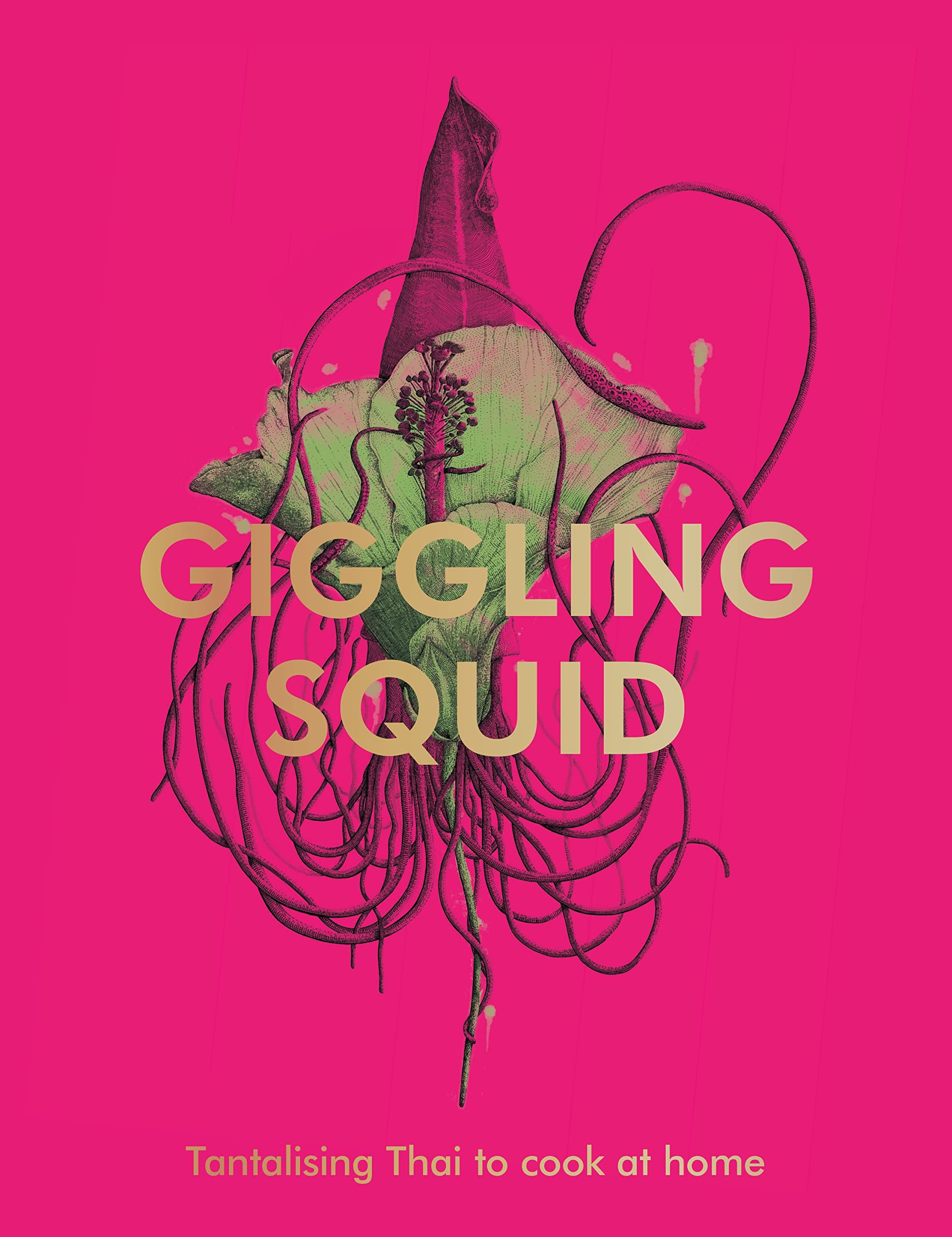
Giggling Squid Cookbook

Giggling Squid cookbook

Cephalopods are amazing. Octopi have been shown to use tools, cuttlefish can camouflage in an instant and squid giggle if you give them ten-tickles (I’m very, very sorry). Giggling Squid really is a fantastic name for a restaurant. It was originally a nickname for the son of co-founders Andy and Pranee and subsequently the name of their first restaurant in Brighton. One place has turned into many and it’s now a chain of Thai restaurants across the UK and their debut cookbook is an attempt to make their menu accessible to home cooks.

On that menu is everything that makes Thai cuisine so brilliant: curries of all colours, noodles that are sweet, spicy, salty and sour in equal measure and vibrant stir-fries and salads. It also has “Thai Tapas”, marketing speak for small dishes like spring rolls, corn cakes and satay.

Cookbooks that come from chains can be a mixed bag. At best it can be a peek behind the curtain, a thrilling glimpse into the kitchen sorcery that goes into your favourite dishes. Dishoom’s debut cookbook is a great example, a comprehensive exploration of their menu and the extensive work behind seemingly simple dishes. It can equally be a disappointment. A cash-in turning high street prevalence into a stocking filler for your sister because she really likes the dough balls at Pizza Express.

Giggling Squid feels like neither. There’s enough good stuff to feel like there’s thought behind it and the wide variety of food that makes Thai cuisine so popular is well represented. A cashew nut stir-fry and coconut rice that’s all the best sweet and spicy bits of Thai cuisine (but I believe owes a debt to The Wok for my improved stir-frying); Lamb Shank Massaman are three words that just can’t fail; and their more unique dishes like Chubby Pork Cheek Stew or butternut squash hollowed out and stuffed with vegetable curry are all decent fodder. It’s straightforward enough and as Thai ingredients are now very easy to source in the big supermarkets you should have no difficulties in finding them unless it’s the more bespoke ingredients like galangal or Thai Basil.

If you’re a Giggling Squid ultra or this is your first introduction to Thai cooking, you’ll probably get a lot from this. There’s the menu’s big hitters and the recipes are accessible and easy enough to make. If you happen to have almost any other Thai cookbook, there’s little to be found that’s new.

Cuisine: Thai
Suitable for: Beginners
Cookbook Review Rating: Three stars

Buy this book: Giggling Squid
£25, Ebury Press

Review written by Nick Dodd, a Leeds-based pianist and writer.

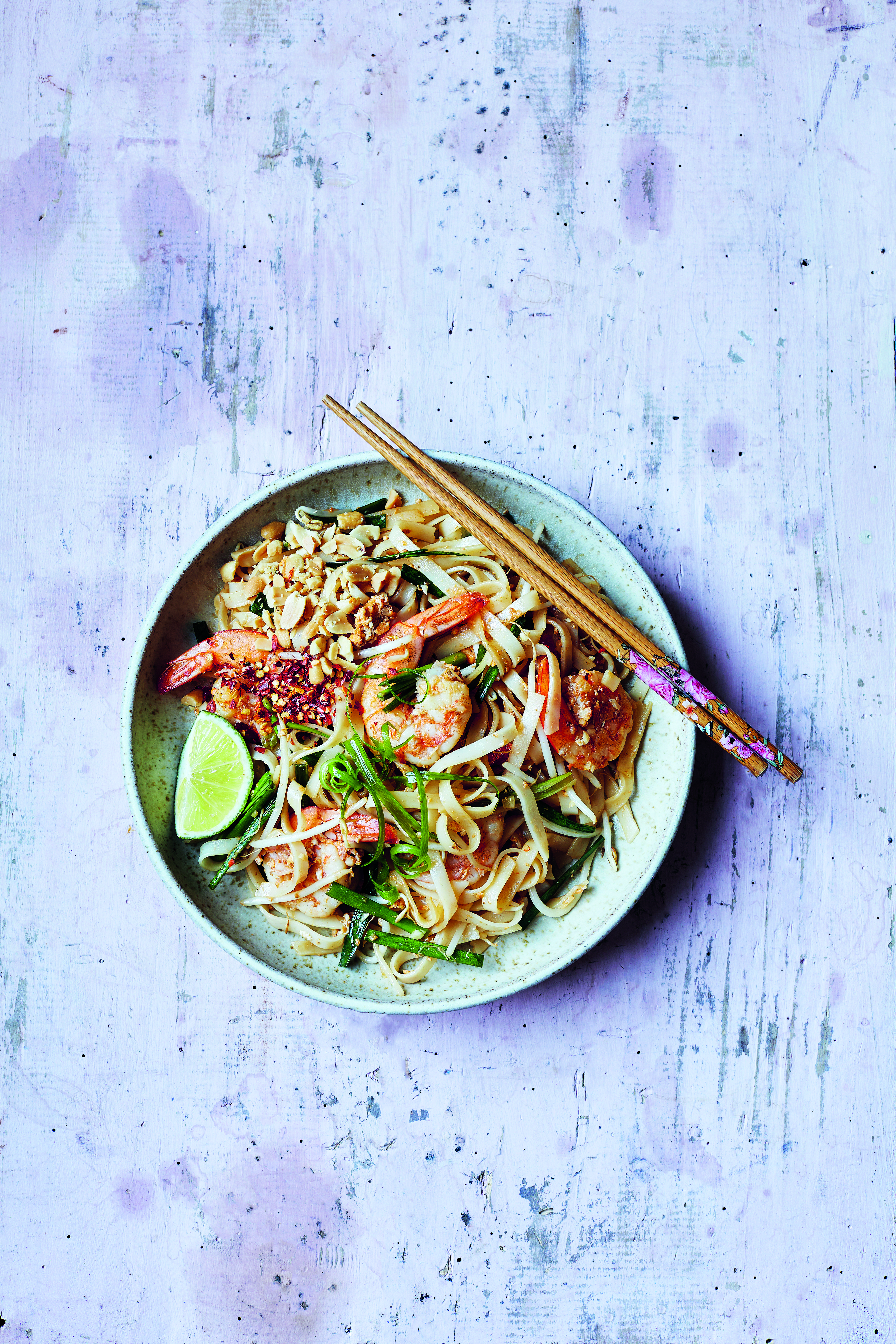
Prawn Pad Thai by Norman Musa

Prawn Pad Thai - BOWLFUL. IMAGE CREDIT Luke J Albert

When anyone asks about the best Thai dishes that have been exported around the world, Pad Thai is certainly among the most sought after. My visit to the country’s capital in search of the best Pad Thai in Bangkok revealed how easy it actually is to cook this dish. It has a wonderful combination of sweet, sour and salty flavours with a good crunch of peanuts. Forget about ready-made sauce in a jar, you can make your own by combining tamarind, palm sugar, fish sauce and soy sauce – it’s as simple as that.

SERVES 2

200g/7oz flat rice noodles
½ tbsp vegetable oil, plus extra for the egg
3 garlic cloves, finely chopped
10 raw king prawns, shelled and deveined, but tails left on
1 egg
125g/4½oz bean sprouts
50g/1¾oz garlic chives (kow choi)

FOR THE SEASONING

1½ tbsp tamarind paste
1 tbsp palm sugar
1 tbsp fish sauce
2 tbsp light soy sauce

FOR THE GARNISH

1 spring onion, cut into thin strips and soaked in cold water until curled, then drained
10 sprigs of fresh coriander, leaves picked
2 tsp dried chilli flakes
½ lime, cut into 2 wedges
2 tbsp salted peanuts, lightly crushed

Prepare the noodles according to the packet instructions; drain and set aside. In a small bowl, mix the seasoning ingredients with 2 tablespoons of water and stir well.

Heat the oil in a wok or large frying pan over a high heat. Fry the garlic for 30 seconds, then add the prawns and cook for 1 minute. Push the prawns to one side of the wok or frying pan and drizzle in a little more oil. Crack in the egg, scramble it, cook until dry and then add the noodles and seasoning mixture. Cook for 2 minutes, then stir in the bean sprouts and chives, continue to cook for 1 more minute and then turn off the heat.

Transfer to two serving bowls and garnish with the spring onion, coriander, chilli flakes, lime wedges and peanuts. Serve at once. 

Image: Luke J Albert

Cook more from this book: 
Vegetarian Biryani with Chickpeas by Norman Musa

Read our review 
Coning soon

Buy this book: Bowlful: Fresh and vibrant dishes from Southeast Asia by Norman Musa (Pavilion Books).

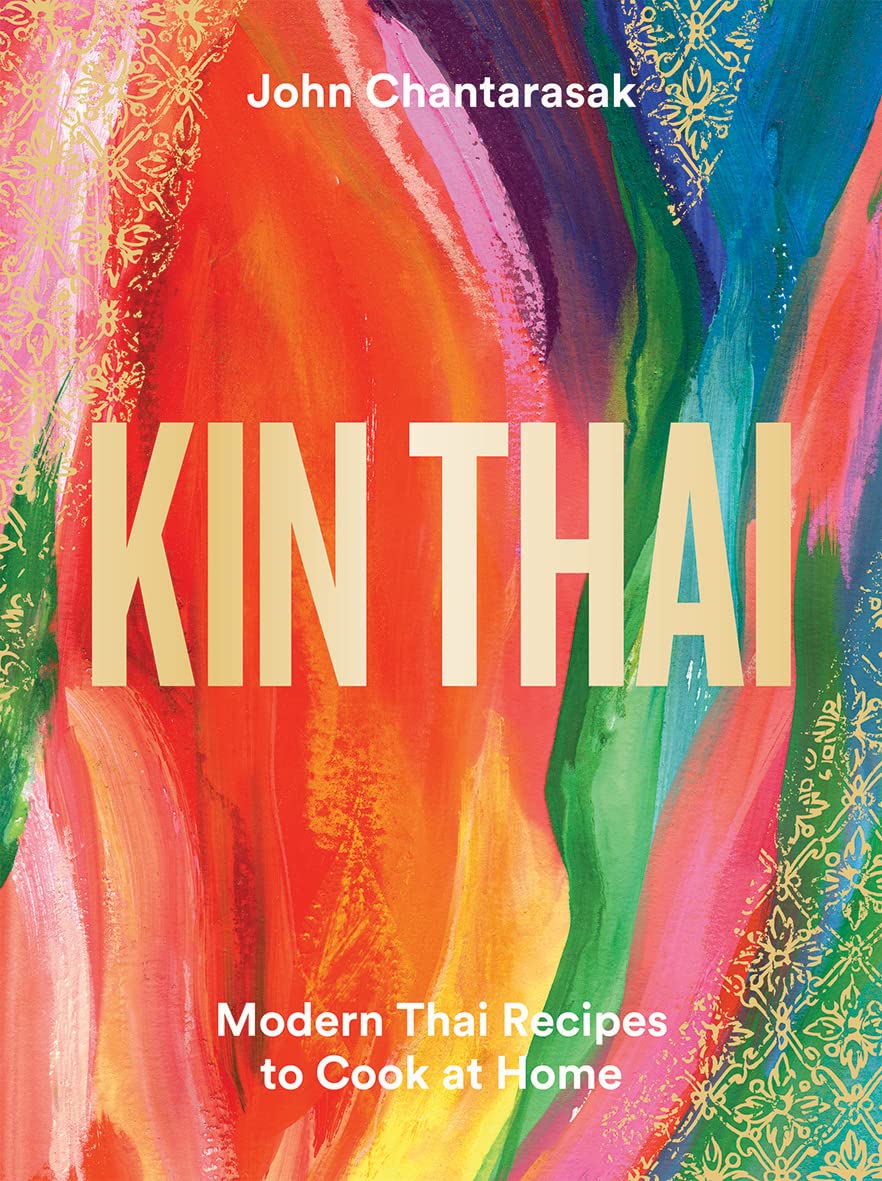
Kin Thai by John Chantarasak

Kin Thai by John Chantarasak
Ahead of the opening of his AngloThai restaurant later this year in central London, cult chef John Chantarasak has published his first cookbook. Kin Thai (‘eat Thai’) contains 60 recipes fusing Thai cuisine with British ingredients, reflecting Chantarasak’s heritage as a Liverpudlian born to an English mother and Thai father. In Chantarasak’s hands, the classic salad of som tam becomes ‘som tam farang’ (farang is Thai slang for ‘white foreigner’) with the usual unripe green papaya replaced by thinly shredded carrot, celeriac and parsnip which are pounded in a pestle and mortar with chillies, garlic, palm sugar, tamarind, fish sauce and lime juice to make a dish with the quintessential Thai taste combination of spicy, salty sweet and sour.

Chantarasak has been generous in sharing knowledge acquired from childhood trips to Bangkok where he ate his grandmother’s food, the 18 months he spent in the city working in David Thompson’s kitchen at Nahm, and as sous chef of London’s highly regarded Thai restaurant Som Saa. The expansive introduction covers the regional cuisine of Thailand and the British ingredients Chantarasak favours such as sea arrowgrass that he says has a flavour reminiscent of coriander, as well as Thai staples including yellow soybean sauce, dried shrimp and white cardamom.

He also outlines equipment, such a traditional clay mortar and wooden pestle, heavy cleaver and spice grinder that are ideal for preparing the book’s recipes that are divided into chapters covering salads and laab (Thai steak tartare), grilled dishes, relishes, soups and braises, stir fries, curries, snacks and sweets. Some of the dishes, such as Muslim-spiced curry of beef short rib, require numerous ingredients and are labour intensive, but many, including a classic pad thai or grilled coriander and garlic chicken, are much more straightforward.

The clearly written and easy to follow methods and informative chapter and recipe introductions mean that even chefs new to Thai cuisine will feel like instant experts after a few days spent studying the book, which, with its mouth-watering food photography and design as colourful and vibrant as the recipes it contains, would be no hardship at all.

Cuisine: Thai
Suitable for: Beginner, confident home cooks and professional chefs
Cookbook Review Rating: Five stars

Buy this book:
Kin Thai by John Chantarasak
£22, Hardie Grant

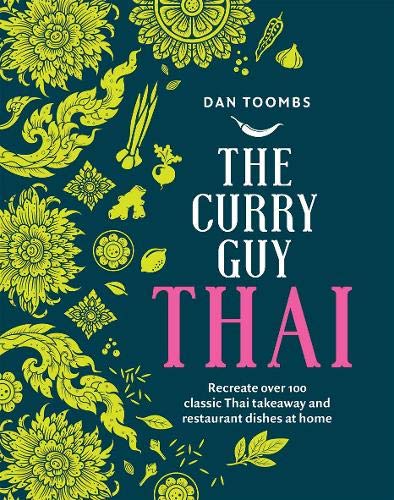
The Curry Guy Thai by Dan Toombs

Curry Guy Thai

What’s the USP? An introduction to Thai cooking, The Curry Guy Thai seeks to show readers how to recreate their favourite Thai takeaway recipes at home. 

Who wrote it? Dan Toombs, the self-styled ‘Curry Guy’ of the title. The Californian crossed the Atlantic to settle in the UK way back in 1993, and has been something of an obsessive since discovering our nation’s fabulous curry tradition. After starting a curry recipe blog in 2010, Toombs’ popularity began to rise – and his work ethic no doubt has something to do with that. The Curry Guy Thai is his seventh book. His first, The Curry Guy, came out just four years ago. 

Is it good bedtime reading? Toombs enjoys giving context to each recipe through relatively detailed introductions, but there isn’t much to keep you entertained beyond those. It would have been nice to see some lengthier chapter introductions that explored the different aspects of Thai food. The country’s cuisine has exploded in popularity of the past few years, and whilst it is available on a much wider level than that of other Southeast Asian nations, there is still plenty of education to offered to a nation who still don’t really understand the difference between green and red curries (it is not, Toombs notes, the spice levels). 

What’s the faff factor? This was my first foray into the Curry Guy series and, having seen them all over the cookbook sections for the last few years, I was surprised by certain things. With the mass market publication Toombs’ books have received, their relatively low price (this title has an RRP of £15), and their lack of physical heft (around 150 pages here), I had assumed Toombs was putting out quick recipes that could offer busy families a way to enjoy a semi-authentic takeaway-style dish on a weekday night. 

In reality, The Curry Guy Thai offers an earnest attempt at authenticity wherever possible. This is great, in theory – a genuine way to explore Thai cooking at home and capture the flavour of a good takeaway or even restaurant dish. Unfortunately this also means committing yourself to a little more time and effort. 

Ingredients lists are pretty long, and frequently stretch beyond the local supermarket shelves, asking you to seek out galangal or lime leaves. With the focus more on true replication than home cooking, Toombs offers recipes that require deep frying when perhaps a shallow fry or oven-based alternative might have been more practical for the reader. 

Is it the best way to explore Thai cooking then? The problem quickly becomes that of the competition. It’s been two years since Kay Plunkett-Hogge put out Baan, which has quickly become the benchmark for Thai cookbooks in the UK. That one might have been marketed a little more squarely at enthusiastic hobby cooks, but in truth it outperforms The Curry Guy Thai in every field – more authentic, easier recipes and much more practical for regular weeknight dinners. 

There are options to save your energy – allowances for the use of ready made curry pastes instead of the time-consuming homemade version – but when I tried these within the context of the recipes I found them underwhelming. 

What will I love? The book does a good job at collecting all of your favourite takeaway dishes, meaning you’ll be able to put together a Thai feast of your own if you ever want to. 

What won’t I love? Very few of the recipes are as quick and easy as you’d like, so that Thai feast is going to be quite a bit of work. 

Killer recipes: Prawn Toasts, Duck Jungle Curry, Thai Holy Basil and Chilli Chicken Stir Fry, Red Pork Nugget Curry, Choo Chee Salmon 

Should I buy it? If you’re a fan of the existing Curry Guy books, this will fit in perfectly on your shelf and offer more of the same stylistically whilst expanding the canon into Thailand. Otherwise, maybe take a moment to explore the other options before committing to this fairly middle-of-the-road cookbook. 

Cuisine: Thai
Suitable for: Confident home cooks
Cookbook Review Rating: Three stars

Buy the book 
Curry Guy Thai: Recreate Over 100 Classic Thai Takeaway Dishes at Home
£15, Quadrille Publishing Ltd

Review written by Stephen Rötzsch Thomas a Nottingham-based writer. Follow him on Twitter and Instagram at @srotzschthomas