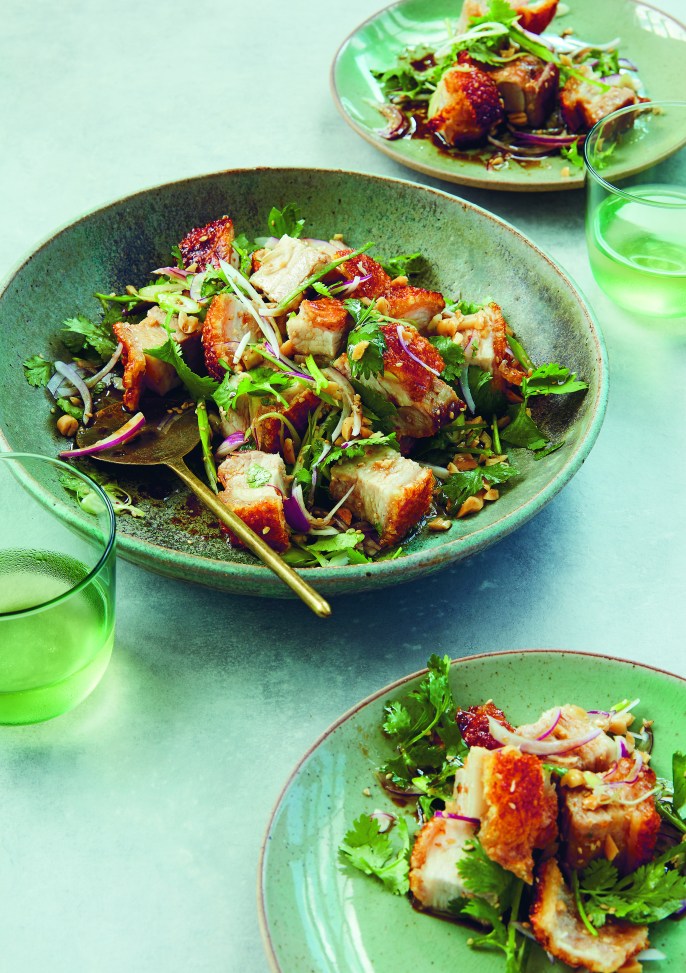
Crispy pork belly with red onion, coriander, peanuts and sesame seeds by Neil Perry

Neil Perry Cookbook
Neil Perry Cookbook

Here is one of Spice Temple’s classic dishes that I think is perfect for summer, served with rice and perhaps some steamed Chinese broccoli with oyster sauce (page 399). The pork itself is easy to cook – just remember to allow a day or two beforehand for the skin to dry out – and it has many uses. By the same token, the red onion, coriander and peanut salad is great with, say, the meat from a store-bought roast chook, shredded off the bone and tossed through, to make a super-quick dish for a busy weekend.

1 kg (2 lb 4 oz) pork belly
½ small red onion, thinly sliced
½ spring onion (scallion), thinly sliced
Large handful of roughly chopped coriander (cilantro), leaves and stalks
Handful of unsalted peanuts, toasted in a dry frying pan and crushed
1 tablespoon sesame seeds, toasted in a dry frying pan
1½ tablespoons Chinese black vinegar
2 teaspoons peanut oil
Sea salt

Place the pork belly on a wire rack set over a plate (to catch any drips) and refrigerate, uncovered, for at least a day to dry the skin out; 2 days would be even better.

Remove the pork from the fridge about 3 hours before cooking.

Preheat the oven to 220°C (425°F).

Put the pork belly on a chopping board. Using a sharp knife, score the skin deeply in a diamond pattern and rub generously with salt. Return the pork belly to its wire rack and place in a roasting tin.

Roast the pork for 20 minutes, then reduce the oven temperature to 170°C (325°F) and roast for a further 20 minutes, or until the meat is cooked through and the skin is blistered and crispy.

Remove the pork from the oven, cover with foil and set aside in a warm place to rest for 20 minutes.

Cut the pork belly into 2 cm (¾ inch) cubes. Place all the remaining ingredients in a bowl and toss together, then add the pork and mix through. Divide between four plates and serve.

Cook more from this book
Barbecued lamb cutlets with lemongrass and ginger by Neil Perry
Flourless chocolate cake by Neil Perry

Read the review
Everything I Love to Cook by Neil Perry

Buy this book

Everything I Love to Cook: 150 home classics to return to
£30, Murdoch Books

Flourless chocolate cake by Neil Perry

Neil Perry Cookbook
Neil Perry Cookbook

Serves 10
Flourless chocolate cake This cake was on my first dessert menu at Barrenjoey House in 1982, and is now a firm favourite with my daughters, who’ve mostly had it as their birthday cake for all of their young lives. The reason it’s been kicking around for so long is that it’s just a terrific cake, with a heavenly texture like a chocolate soufflé – and it behaves like one too. With no flour to hold it up, it rises as it cooks and falls as it cools, so do not freak out when it sinks in the middle.

400 g (14 oz) good-quality dark chocolate, broken up
6 eggs, separated
150 g (5½ oz) caster (superfine) sugar
2½ tablespoons Cointreau
300 ml (10½ fl oz) pure (whipping) cream
Cocoa powder, for dusting
Lightly whipped cream, to serve
You’ll also need a 900 g (2 lb) loaf tin

Preheat the oven to 170°C (325°F). Lightly oil your loaf tin, then line it with baking paper.

Melt the chocolate in a stainless-steel bowl set over a saucepan of simmering water; don’t let the water boil, or you might scald the chocolate. Carefully lift the bowl of chocolate off the pan and leave it to cool slightly.

Meanwhile, in a large bowl, beat the egg yolks and two-thirds of the sugar until pale and creamy. Add the Cointreau and beat until well combined, then add the chocolate and mix until completely incorporated.

In a separate bowl, whip the cream until soft peaks form.

In another bowl, start whisking the egg whites until soft peaks start to form, then gradually add the remaining sugar and keep whisking until firm peaks form.
Gently fold the whipped cream into the chocolate mixture, followed by the whisked egg whites.

Pour the mixture into the tin, then sit it in a deep baking dish or roasting tin and add enough hot water to come about 2.5 cm (1 inch) up the outside of the loaf tin. Bake for 45 minutes, then turn the oven down to 150°C (300°F) and bake for a further 45 minutes. Turn the oven off, but leave the cake inside for 20 minutes, then remove and allow to cool completely.

To serve, carefully run a knife around the inside edge of the tin, then turn over the tin onto a plate – the cake should slide out easily. Using a knife dipped in hot water, cut into slices, dipping the knife into hot water after each cut. Place on plates, dust with cocoa powder and serve with lightly whipped cream.

Tip
This cake keeps well for 2 days at room temperature; don’t put in the refrigerator or it will become hard and unpalatable.

Cook more from this book
Barbecued lamb cutlets with lemongrass and ginger by Neil Perry
Crispy pork belly with red onion, coriander, peanuts and sesame seeds by Neil Perry

Read the review
Everything I Love to Cook by Neil Perry

Buy this book

Everything I Love to Cook: 150 home classics to return to
£30, Murdoch Books

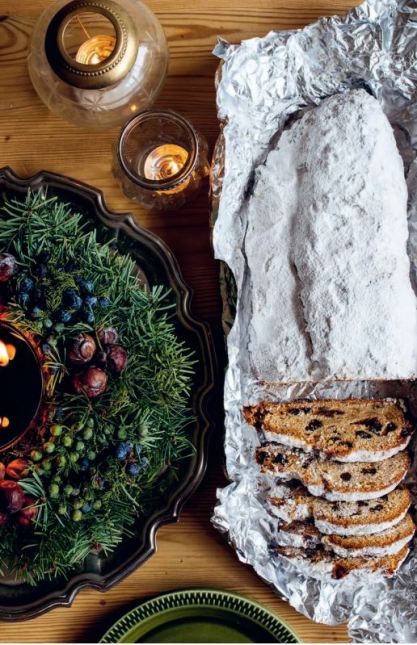
Christmas Stollen (Weihnachtsstollen) by Anja Dunk

Christmas stollen by Anja Dunk

Stollen is a quintessential part of German Christmas, and the most renowned version originates from the East German city of Dresden, where it is called Christstollen. It is sold in Christmas markets up and down the country, but in Dresden itself they even have a special festival (Stollenfest) just before the second Sunday of Advent, where a giant-sized Stollen is marched through crowds of appreciators and admirers on the streets to many oohs and aahs before it is cut up and sold off in pieces.

Butter is one of the key ingredients that make a Stollen dough so rich, the others being eggs and boozy dried fruit. Just as important as what goes into the Stollen itself is what it is covered by, which is usually more butter and two layers of sugar. The first layer is a fine vanilla-scented caster sugar, and the second a flurry of snow-white icing sugar. This type of traditional Stollen requires a maturing period of a couple of weeks before it tastes its best. It’s quite hard when first baked, but after some time in a tin wrapped up snugly in foil, it softens and develops a moister texture. I usually bake Stollen in the first week of December.

Often a Stollen is filled or flecked with marzipan too, which I like very much – if you choose to add marzipan to this recipe simply roll some out into a sausage shape and nestle it in the centre.

MAKES 1 LARGE STOLLEN (SERVES 10–12)
75g (2½oz) mixed peel
175g (6oz) raisins
1 tbsp dark rum
1 tsp vanilla extract
350g (2½ cups) strong white bread flour, plus extra for dusting
50g (¼ cup) caster (superfine) sugar
½ tsp fine sea salt
¼ tsp ground coriander
¼ tsp ground cloves
¼ tsp grated nutmeg
¼ tsp ground cardamom
Finely grated zest of 1 lemon
150g (²⁄₃ cup) unsalted butter, at room temp, cut into cubes
1 egg
20g (¾oz) fresh yeast, or 10g (¹⁄₃oz) dried
150ml (₅⁄₈ cup) tepid whole milk
60g (2oz) flaked (slivered) almonds

To coat
50g (3½ tbsp) unsalted butter, melted
50g (¼ cup) vanilla
sugar (see page 12)
50g (generous ¹⁄₃ cup)
icing (confectioners’)
sugar, plus extra to serve

Put the mixed peel and raisins into a bowl, spoon over the rum and vanilla extract and set aside to infuse while you prepare the dough.

Put the flour, sugar, salt, spices and lemon zest into a large mixing bowl and mix together with a wooden spoon. Add the butter and egg. Crumble the yeast (or sprinkle if using dried) into the tepid milk and stir to dissolve. Pour the yeasted milk into the flour mixture and, using your hands, bring the ingredients together until a rough dough is formed. Tip the dough onto a lightly floured work surface and knead with the heels of your hands for about 10 minutes until it becomes more elastic. Form it into a neat ball and nestle it into the bottom of the bowl. Cover the bowl with a tea towel and set aside in a warm spot to rise for 1–3 hours until visibly larger in size.

As the amount of butter in this dough is hefty, it won’t double in size when it rises; you’re looking for the dough to expand roughly by half its size again. (Alternatively, put the dry ingredients and lemon zest into the bowl of a free-standing electric mixer fitted with a dough hook. Add the butter and egg. Pour in the yeasted milk and knead for 5 minutes until the dough is elastic. Cover and set aside, as above.)

Knock the dough back with your fist and add the almonds and boozy dried fruit (along with any liquid) to the dough. Knead the fruit and nuts through for a couple of minutes until evenly incorporated. Form it into a neat ball and nestle it into the bottom of the bowl. Cover the bowl with a tea towel and set aside in a warm spot for
about 20 minutes for a short second rise.

Lightly dust the work surface with flour, gently tip the dough out and roll into a rectangle 30 × 15cm/12 × 6in. Lay the dough on a large baking sheet lined with non-stick baking parchment, take one of the long sides and fold it three-quarters of the way back over the dough to create a classic Strudel shape. Lay a tea towel over the shaped Stollen and put in a warm place for a third rise of 30 minutes, by which time the Stollen should have risen slightly again. Heat the oven to 200°C/180°C fan/400°F.
Bake for about 50 minutes until browned all over, checking after 30 minutes; if it looks quite brown already, cover it with a layer of foil to stop it from burning (butter-rich yeasted doughs tend to colour quite easily).

Transfer the baked Stollen to a wire rack and, while still hot, brush all over with the melted butter, repeating until there is no butter left. Sprinkle the vanilla sugar over the top, then sift the icing sugar over that. Allow the Stollen to cool fully before wrapping tightly in a double layer of foil. Store in an airtight container for at least a week (I think it’s best to leave it 2) before slicing and serving. The Stollen will keep well for a good 2 months. When ready to serve, dust with a little icing sugar again.

Cook more from this book
Christmas wreath (Weihnachtskranz) by Anja Dunk

Read the review
Coming soon
Buy this book
Advent: Festive German Bakes to Celebrate the Coming of Christmas
£25, Quadrille

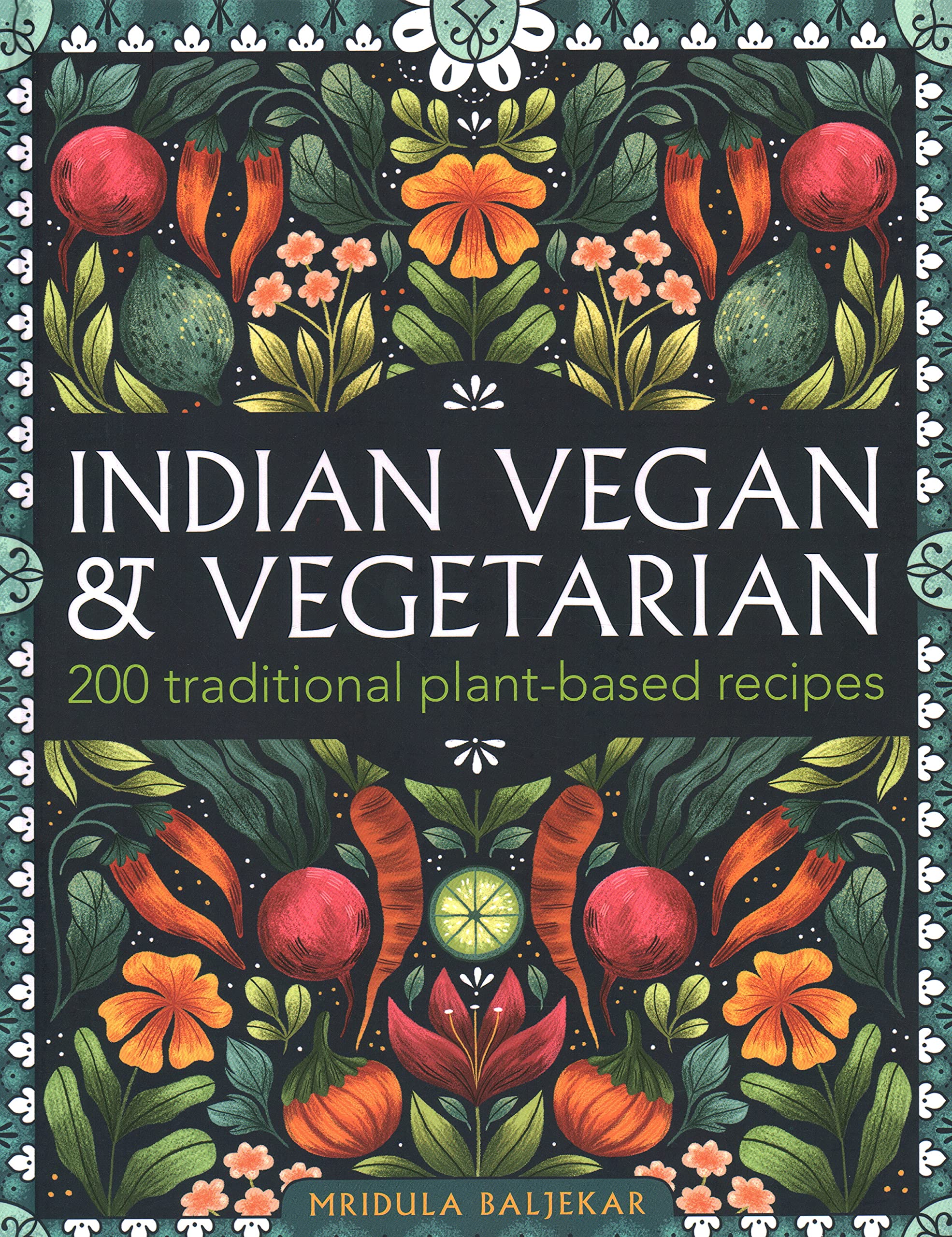
Indian Vegan and Vegetarian by Mridula Baljekar

Indian Vegan and Vegetarian
What’s the USP? Why, it’s a big old book of vegan and vegetarian dishes drawn from the eternally diverse world of Indian food. Two hundred of them, in fact, organised by region.

I think you’ve misunderstood the concept of ‘USP’. It is true that this is far from the first Indian cookbook to hone in on the plant-based cookbook trend. There are already much-loved offerings from the likes of Madhur Jaffrey, Meera Sodha and Romy Gill.

This new title comes from Mridula Baljekar, an award-winning cookbook writer who has sold over a million copies of her titles, which frequently focus on the regional cuisines of India. This latest volume has a pretty flashy look by her usual standards – the vibrant cover art echoing the style of Gill’s recent Zaika, as well as Yasmin Khan’s Palestinian doppelgänger Zaitoun.

So a contemporary new look for Baljekar’s books? Well, not quite. The insides of the cookbook feel curiously dated. From the writing to the design, and even the glossy paper of the pages, Indian Vegan & Vegetarian has a distinctly textbook-esque vibe. The lengthy introductory section is filled with sub-headings and stock photos. Regional maps could be drawn straight from a Year 8 Geography lesson.

Textbooks do tend to be rather useful though, don’t they? They do! And Baljekar’s book is no different. Though it lacks stylistic pizazz, it is packed tightly with excellent recipes, pairing suggestions, practical advice and cultural insights. There are tips for variations and techniques that will aid the home cook, and the tremendous range of delicious and varied dishes manage to almost exclusively use readily accessible ingredients.

How often will I cook from the book? For those living their lives out of vegan and vegetarian cookbooks, this could prove a definitive volume on their shelves. The sheer breadth of ideas on offer here mean that you could easily draw from this a couple of times a week without getting bored. The regional chapters allow readers to build up culturally-connected menus with ease too – Baljekar’s recipe introductions frequently include directions to appropriate accompaniments.

Very few of the dishes leap out as being genuinely innovative or even particularly exciting, though. Baljekar offers up plenty of authentic dishes, but those looking for dinner party show-stoppers or even something to brighten up a weekend dinner would be better served exploring other recent releases. Though the design of this book might allude to an era where bold ideas for vegan meals were a rarity, these days few major cookbooks are released where there are not at least a few delicious options.

Killer recipes: Baljekar’s Crushed Parsnips in Mustard Oil represent one of the few occasions where the book rears away from traditional Indian ingredients, and as such comes across not only as one of the most tempting recipes present, but also a potential way to inject some imagination into the sides at Christmas dinner.

Elsewhere the Batter-fried Spinach Leaves bring an echo of tempura to proceedings, and the Cinnamon and Clove Cheese Curry is a stand-out that combines some unexpected flavours in a very satisfying way.

Should I buy it? Baljekar is not offering anything new in Vegan & Vegetarian Indian. In fact, she’s continuing her long-standing tendency towards producing modest but thorough Indian cookbooks that forgo showmanship in favour of authentic regional expertise. This isn’t a must-buy volume, but it’ll be a rare home cook who can’t draw regular inspiration from it nonetheless.

Cuisine: Indian
Suitable for: Beginner / confident home cooks
Cookbook Review Rating: Four stars

Buy this book
Indian Vegan & Vegetarian: 200 traditional plant-based recipes
£20, Lorenz Books

Review written by Stephen Rötzsch Thomas a Nottingham-based writer. Follow him on Twitter and Instagram at @srotzschthomas

Happy Cooking by Candice Brown

Candice Brown Happy Cooking

What’s the USP? The blurb describes Happy Cooking as a cookbook filled with recipes to make you smile! Which sounds incredibly twee, and a little bit exhausting – which is a huge shame, because if you venture even so far as the introduction you’ll quickly discover that Happy Cooking is a little more than that. From comforting treats to dishes that will keep an anxious mind occupied, the book is actually a much more mindful approach to mental health and cooking.

Who wrote it? Candice Brown, who some might recognise as the winner of series seven of The Great British Bake Off. Brown has been busy since her win, opening up a pub in Bedfordshire and, like so many of us, living with a number of mental health problems. In a candid opening, Brown talks about her depression, PTSD, chronic phobia and recently diagnosed ADHD.

Happy Cooking, then, is her attempt to broach these subjects whilst acknowledging the role food has in helping us face up to, or simply cope with, our own mental health. No ‘guilty food chats, no rules and no judgement’.

Is it good bedtime reading? Perhaps not as much as you’d expect. Brown doesn’t lean in particularly hard to the theme, beyond short introductions to each chapter. Often the intros to the recipes themselves don’t refer to mental health at all, and would sit just as happily in any other cookbook. This could have been an annoyance but, in all honesty, is actually quite welcome. Mental health – and depression in particular – is such an amorphous and individualistic beast that any attempt to provide confident and universal answers will always come across as misjudged and ill-informed. Better, then, to keep it to personal experiences, and broad ideas that are easy to identify with.

Will I have trouble finding the ingredients? Not at all – this is straight-forward cooking with very few of the dishes coming from any further afield than western Europe. Sriracha is about as exotic as this book gets, and supermarkets don’t even bother sitting that in their international food sections anymore. You’ll find sriracha with the other condiments now. Heinz does a version. Heinz!

What’s the faff factor? How much faff do you want? Brown has smartly recognised the different ways we approach cooking when struggling with our mental health. There are times when you need rich and comforting food quickly, but simply do not have the energy for anything complex – the Fancy Eggs that open Brown’s initial ‘Quick Pick-Me-Ups’ chapter look delicious, and will readily sate this desire.

At other times, the troubled mind relishes the escapism of cooking, and getting lost in more hands-on and prescriptive tasks like an elaborate recipe can help to fill that space. The ‘Keep-Your-Hands-Busy Cooking’ chapter, as well as confirming Brown’s fondness for the hyphen, is filled with these, from Bacon, Cheese and Chive Croquettes to Apricot and Amaretto Pastel de Nata.

How often will I cook from the book? There are lots of recipes here, though the nature of the chapter on nostalgic foods means that many dishes are very familiar. Brown offers nothing new in her recipes for various roast meats or ‘proper’ fish and chips. But those looking for recognisable flavours and simple, cosy meals will no doubt be able to dig something up regularly.

Killer recipes: Pork Meatballs with Creamy Mustard Broccoli and Orzo, Kedgeree Hash Browns, Apple and Pear Sweet ‘Dauphinoise’

Should I buy it? A lovely premise for a cookbook is let down a little by the underwhelming range of dishes on offer – though a few gems do shine through. The question is, who will enjoy this best? Fans of the Great British Bake Off will certainly discover a few recipes to quench their thirst, and those trying to understand how best to cook around their own mental health needs may draw a few scant ideas. Ultimately, this feels a little like a missed opportunity.

Cuisine: British
Suitable for: Beginner and confident home cooks
Cookbook Review Rating: Three stars

Buy this book
Happy Cooking: Easy uplifting meals and comforting treats
£22, Ebury Press

Review written by Stephen Rötzsch Thomas a Nottingham-based writer. Follow him on Twitter and Instagram at @srotzschthomas

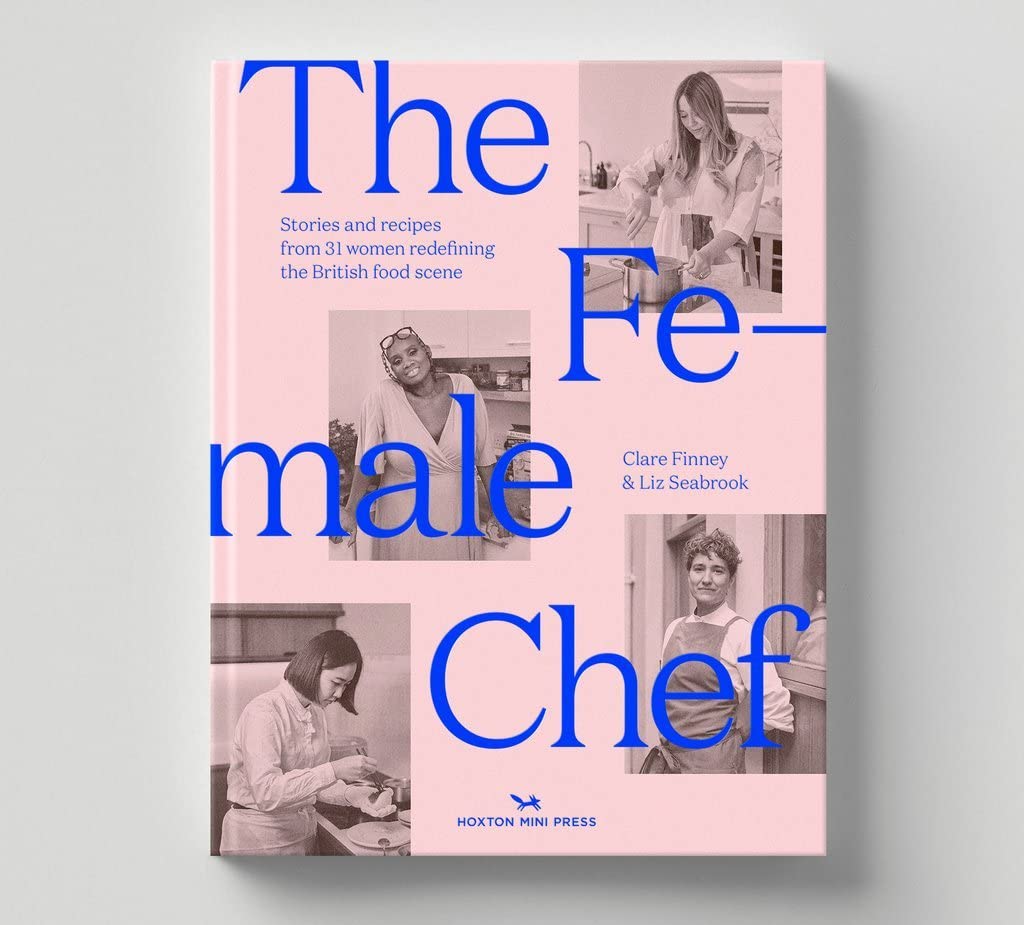
The Female Chef by Clare Finney and Liz Seabrook

The Female Chef

What’s the USP? Interviews with and recipes from 31 leading British chefs/cooks (despite the book’s title, there is much debate in the introduction and the interviews about which is the correct/preferred title) including Angela Hartnett, Thomasina Miers, Andi Oliver, Gizzi Erskine, Ravinder Bhogal, Olia Hercules and er, Elizabeth Haig (click here to catch up on the controversy that has recently sprung up around Haig).

Who wrote it? Food writer Clare Finney won Food Writer of the Year in Fortnum and Mason’s Food and Drink Awards in 2019. She contributes to a wide variety of national publications. This is her first book. Liz Seabrook is a portrait and lifestyle photographer.

Is it good bedtime reading? Finney ponders the question Cooks or Chefs? in her  introductory essay, a question more fraught than you might imagine. Finney says that the words ‘cook’ and ‘chef’ are ‘inherently gendered’ and that ‘several women in this book have chosen to reject the label ‘chef”. However, she also explains that ‘the question ‘Do you consider yourself a chef or a cook?’ continued to prompt an extraordinary array of discussions’. I don’t have room to detail the various viewpoints here but the 30 short interviews (Sam Evans and Shauna Guinn of the now closed Hang Fire Southern Kitchen in Barry are interviewed together) are well worth reading to discover them for yourself.

How annoyingly vague are the recipes? The first recipe in the book is Anna Jones’ Dhal with Crispy Sweet Potato and Quick Coconut Chutney.  Ingredients include ‘2 sweet potatoes’ no size or weight indicated, ‘olive oil for drizzling’,  ‘vegetable or coconut oil for frying’ a ‘thumb-sized piece of ginger’ (my wife’s thumb is roughly half the size of mine) ‘bunch of fresh coriander’ (according to my local Asda, a bunch is either a 30g bag or a ‘growers selection’ which is about three times the size and would be enough coriander for a week’s worth of recipes). There are plenty of other recipes in the book with similarly vague ingredients lists, although with 30 different contributors (Ravinder Bhogal of Jikoni restaurant in London has failed to cough up a recipe for some reason) the accuracy waxes and wanes as you might expect as the recipe writing style varies.

You may say at this point, well, can’t you just use your common sense you annoying (male) pedant. To which I would respond, have a look at these recipes for Pasta Salad by professional chef, baker and YouTuber Brian Lagerstorm which include gram weights for every ingredient including the water and salt to boil the pasta in and all the vegetables (he does specify ‘a splash of olive oil’ to dress the cooked pasta with directly after cooking but I’m going to let him off that one minor detail as it is an instinctive part of the process).  They are just very well developed and written recipes that anyone could follow. Cookery books are manuals and should have the appropriate level of detail. If you bought a woodwork book and it said ‘drill a hole in some bits of wood and screw them together’ you’d quite rightly be pissed off that it didn’t specify the type of wood, size of the hole and the type of screw (that’s a very male example isn’t it. Or is it?).  Recipes are really not that different. Although if you’re cooking up screws and bits of wood I  don’t want to eat at your house.

Will I have difficulty finding the ingredients? With dozens of contributors, all with their own unique styles, the book covers a lot of culinary ground, so it’s not surprising that one or two more difficult to track down ingredients appear in the recipes. Erchen Chang of BAO restaurant in London uses doubangjiang (fermented broad bean paste) for her Braised Pork Gua Bao that’s available in Chinese supermarkets or online at Sous Chef, and Pamela Brunton of Inver in West Scotland pairs Gigha Halibut (which, unless you have a top class fishmonger nearby, you can order from the Fish Society) with coastal greens such as sea blite and sand wort (again, the Fish Society has something similar). Good luck finding tasso ham for Sam Evans and Shauna Guinn’s Shrimp and Tasso File Gumbo though, you might have to make your own.

How often will I cook from the book? There are some recipes, like Angela Hartnett’s Anolini that requires chuck beef, veal rump, Italian sausage, beef brisket, smoked bacon, Toulouse sausage, a free range chicken and much else besides that might be once a year or even once in a lifetime cooks. However, there are plenty of everyday dishes like Skye Gyngell’s Leek, Potato and Parsley Soup and Lisa Goodwin-Allen’s Sundried Tomato and Goat’s Cheese Quiche that make this a genuinely useful book to have on your shelf.

Killer recipes: Wadadli spiced roast chicken and coconut gravy; beef kofta; apricot tarte tatin; braised squid, parsley and potatoes; Thai noodle soup; Tahini and preserved lemon cookies; fish curry and pumpkin maize meal.

Should I buy it? Eight of the 29 recipes (as mentioned above, Ravinder Bhogal hasn’t contributed a recipe and Sam Evans and Shauna Guinn contribute one between them) have already been published elsewhere so if you already have a large cookbook collection it might be worth checking how many of the recipes you already own if that is your main reason for buying the book.

Finney’s prose can at times tend towards the overheated (for example, of Thomasina Meirs’ Wahaca Mexican restaurant group, she claims that ‘it’s impossible to overstate the impact the chain has had on our culinary landscape’. Um, OK) but she has succeeded in identifying a group of genuinely interesting talents, some of which may be new names to readers or at least under-reported, which makes this a worthwhile purchase for anyone interested in the modern British restaurant scene.

Cuisine: Global
Suitable for: Confident home cooks
Cookbook Review Rating: Three stars

Buy this book
The Female Chef: 30 women redefining the British food scene
£28, Hoxton Mini Press

At Home by Rick Stein

Rick Stein at Home
What’s the USP? Lovably grumpy old German sausage Rick Stein returns with his ‘what I did in lockdown’ opus. Prevented from his usual globetrotting tendancies by the worldwide lurgy, Rick regals us with ‘recipes, memories and stories from a food lover’s kitchen’.

Who wrote it? After more then a quarter of a century years on British TV screens and getting on for 50 years (!) of running his world famous The Seafood restaurant in Padstow Cornwall, Stein is something of a British national treasure. He’s written numerous cookbooks (many of them with an accompanying TV series) about his world travels that include France, Spain, India, the Med, the Far East, and Mexico.

Is it good bedtime reading? The clue is in the ‘memories and stories’ part of the subtitle. If you’ve seen Rick on the telly, you’ll know he loves an anecdote and to generally bang on about stuff and he’s in his element in this book. He pontificates about the joys of cooking in lockdown in the book’s main introduction (a subject we can only pray will soon be purely historical in nature) and provides substantial  introductions to each of seven chapters which cover bar snacks, first courses, fish and shellfish (of course; Stein is still the English culinary Poseidon), poultry, meat, vegetarian and desserts and drinks.

In addition, there are short, chatty essays on the subject of sourdough, gadgets, the art of stocking making, low calorie cooking for a quiet night in, Christmas, avoiding food waste (Stein is somewhat obsessive about this subject and keen to use ‘wrinkly shrivelled mushrooms, yoghurt that’s so out of date it nearly catching up with itself next year, little blocks of rock hard cheese, garlic clovres and ginger almost dried out, excessively bendy carrots, squishy tomatoes and red peppers’ and even dumps chopped up left over pizza into his nasi goreng), recipes that helped him get through lockdown, recipe testing, store cupboard ingredients, foraging and preserving.  With most of the 100 recipes coming with substantial introductions, this could serve as your cookbook at bedtime for at least a week.

How annoyingly vague are the recipes? The very first recipe in the book, feta and spainach filo ‘cigars’, calls for a ‘big pinch’ of chilli flakes. Elsewhere, there’s a ‘small handful’ and ‘handful’ of coriander and a ‘good handful’ of parsely (what might be the exact differences I wonder?). More annoyingly, the recipe for slow-cooked pork carnitas tacos needs a ‘handful’ of radishes, yet Rick is able to weigh out 150g of pitted green olives to go into his beef and pork meatballs with a spicy tomato sauce. Generally speaking however, ingredient list and methods are well written and detailed enough so that you shouldn’t  have trouble following the recipes, especially  if you are a confident cook.

Will I have trouble finding the ingredients? Although Stein draws inspiration from around the globe, the vast majority of ingredients will be stocked by large supermarkets. Exceptions may include Arbroath smokies, oysters, scallops, gurnard, grey mullet, sea bream, John Dory, red mullet, espelette pepper, Chinese salted black beans, pandan leaf, goose, sea buckthorn berries and sloes.

How often will I cook from the book? As indicated by the chapters listed above and Stein’s well known freewheeling global cooking style, there is a lot of variety to the recipes and you will find something appropriate for any day of the week and pretty much any occasion, from an easy mid-week meal of chicken and prawn stir fry to a roast goose with sage and onion stuffing and apple sauce fit for Chritmas Day.

Killer recipes: Deep fried coconut prawns; stir fried salt and pepper squid with red chilli and spring onion; hot smoked salmon kedgeree; tarka dal, chicken fricassee with morels; crisp Chinese roast pork; apple tarte tatin and much else besides.

Should I buy it? If you are an avid Stein cookbook collector you may recognise a few of these recipes, but apprently every one has been re-cooked and slightly tweaked so don’t let that put you off. If you are new to Stein, this is a great place to start with a wide ranging collection of accessible and delicous recipes that you will want to cook again and again.

Cuisine: Global
Suitable for: Confident home cooks
Cookbook Review Rating: Four stars

Buy this book
Rick Stein at Home: Recipes, Memories and Stories from a Food Lover’s Kitchen
£26, BBC Books

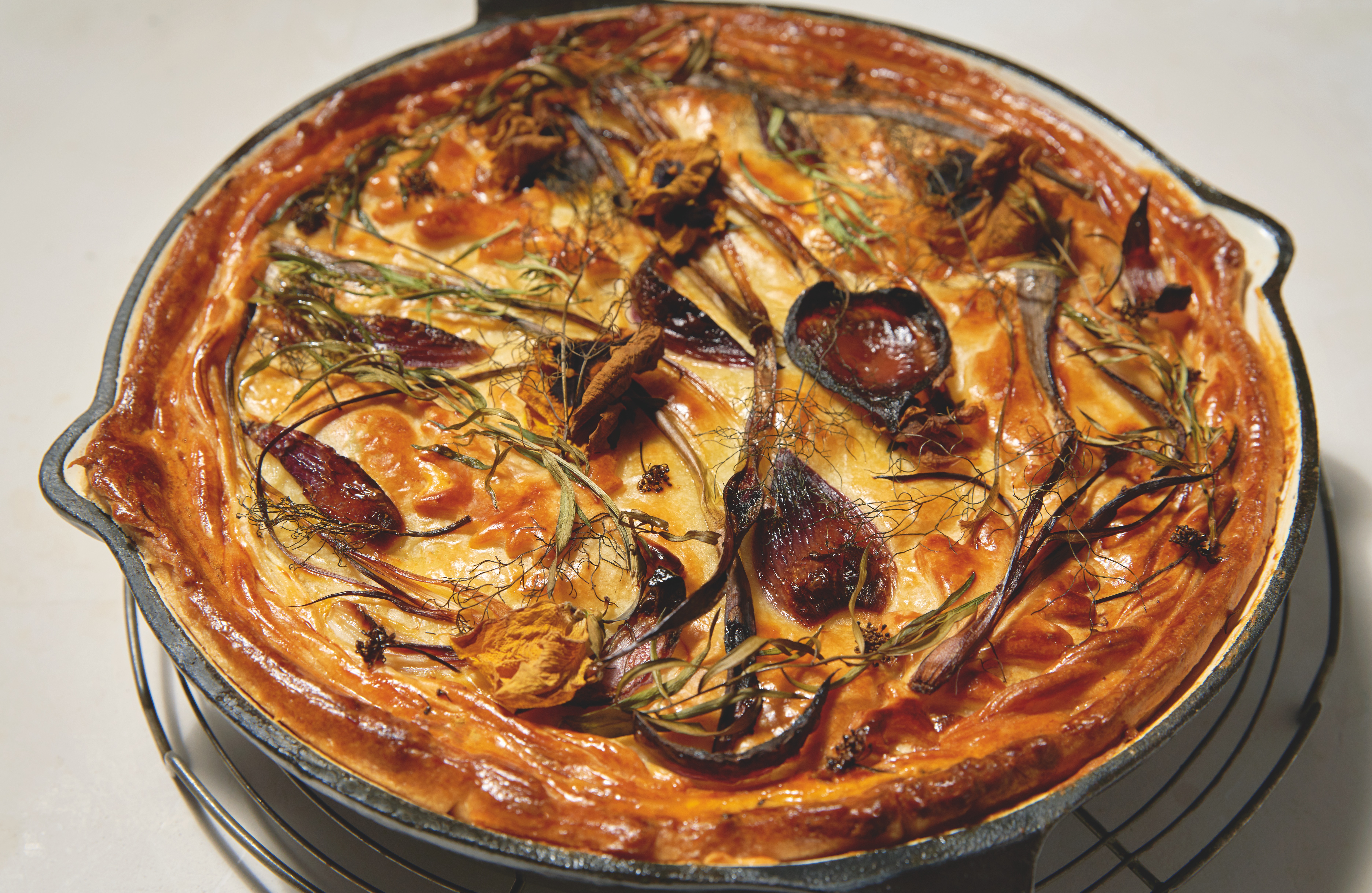
Chicken pie by Ollie Dabbous


This recipe is a meal in itself, but can obviously be served alongside some mashed potato and gravy, if you like. The decoration on top is optional, but it is far easier than you think. Just scatter it on and you can’t go wrong.

Serves 5-6

Bechamel
500g whole milk
½ white onion, peeled and sliced
2 cloves
¼ teaspoon ground mace
pinch of cayenne pepper
1 teaspoon Dijon mustard
1 teaspoon fine sea salt
50g unsalted butter
25g plain flour

Pie filling
8 corn-fed chicken thighs
4 tablespoons garlic oil
2 carrots, peeled and quartered, then sliced across into 1cm pieces
25g salted butter
1 leek, quartered, then sliced across into 1cm pieces
1 celery stick, peeled, halved, then sliced across into 1cm pieces
100g shiitake mushrooms, halved
3 garlic cloves, crushed
200g canned sweetcorn, drained
100g frozen peas, defrosted
2 tablespoons chopped thyme leaves
2 tablespoons chopped tarragon leaves
finely grated zest of ½ lemon

Assemble
1 egg yolk
2 tablespoons milk or cream
2 sheets of frozen puff pastry, defrosted

To decorate (optional)
spring onions, shredded
red onions, cut into slim petals
fennel fronds
tarragon sprigs
pansies
——-
Bechamel
~ Bring the milk to the boil in a saucepan then add the onion, spices, mustard and salt, cover and leave to infuse for 20 minutes. Pass through a sieve.
~ Heat the butter in a large saucepan, stir in the flour and mix until smooth.
~ Add the hot infused milk a bit at a time and whisk to combine until smooth. Once all the milk has been added, bring to the boil, whisking continuously, then remove from the heat.

Pie filling
~ Preheat the oven to 180oC.
~ Season the chicken with salt and roll it in the garlic oil, then place on a roasting tray and cook for 40 minutes, skin side up, until the skin is crispy and the meat is tender.
~ Leave to rest for 20 minutes. Discard the bone and sinew and flake the meat, reserving any juices. You don’t need the skin here, but you can use it for an extra decoration of chicken crackling, if you like. (Or just eat it.)
~ Sweat the carrots in the butter in a saute pan for 5 minutes, lid on, then add the leek and celery, season lightly with salt, cover and cook for another 5 minutes. Add the mushrooms and garlic, cover and cook for a final 5 minutes.
~ Add the sweetcorn, peas, thyme and tarragon, then remove from the heat and mix in the chicken and bechamel with the lemon zest. Check the seasoning and leave to cool.

Assemble

~ Preheat the oven to 190 oC.
~ Mix the egg yolk and milk or cream in a small bowl to make an egg wash.
~ From the first sheet of pastry, cut out a circle using the top of an ovenproof frying  pan as a guide. This is the lid.
~ Cut a circle of greaseproof paper large enough to cover the base of the same ovenproof frying pan and come all the way up the sides. Use this as a guide to cut out a circle of pastry of the same size. This is the base. Place the circle of pastry in the pan, pushing it flat against the sides.
~ Fill with the cooled chicken pie mix, making sure it doesn’t cover the top of the pastry rim.
~ Top with the pastry lid, pinching the edges of both pastry circles together to crimp and join.
~ With some of the pastry trim, you may cut out some leaf shapes or make a simple lattice to garnish the pie.
~ Brush with egg wash and leave for 10 minutes, then brush again with egg wash and place in the oven.
~ Cook for 20 minutes, then reduce the oven temperature to 170 oC and cook for another 20 minutes.

To decorate
~ Scatter over the vegetables, herbs and flowers, if using, and return the pie to the oven for a final 5 minutes for the decorations to crisp up, then serve.

Cook more from this book
Grilled bream with pink grapefruit by Ollie Dabbous
Tartiflette by Ollie Dabbous

Read the review

Buy this book
Essential
£30, Bloomsbury Publishing

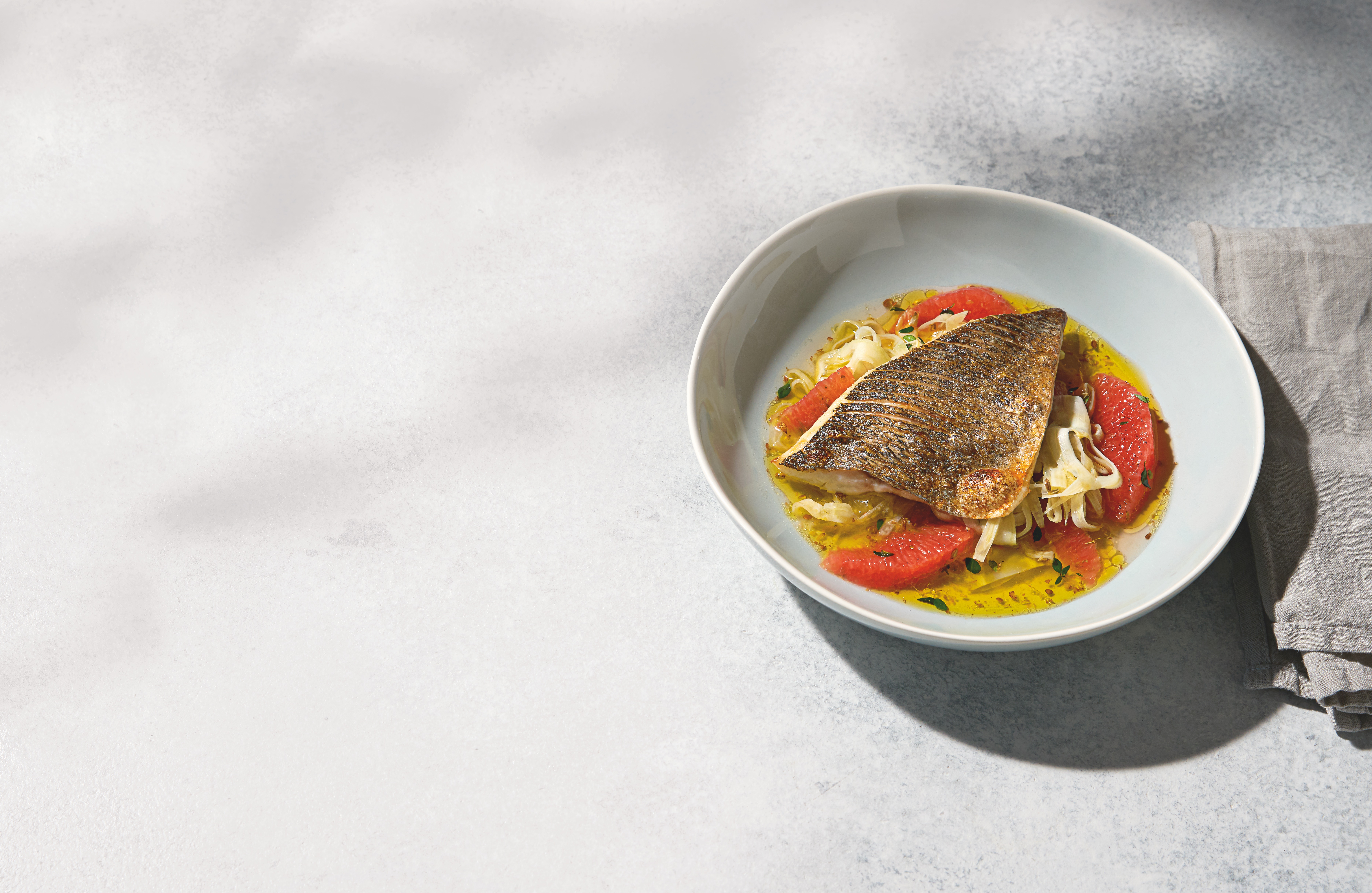
Grilled bream with pink grapefruit by Ollie Dabbous

ESSENTIAL_050820_BREAM_7543_AW

Gilthead bream is one of the best-quality farmed fish you can buy. It is always consistent in quality and very good value; not as meaty as sea bass, but with lovely oily flesh and crisp skin. It is great cooked over the barbecue or under a hot grill. This dressing is as delicious as it is simple. Feel free to chop and change as you wish: lemon and mint would work brilliantly, as would blood orange and sage.

Dressing
2 pink grapefruits, segmented with 6 tablespoons of their juice
6 tablespoons extra virgin olive oil
1 tablespoon Chardonnay vinegar
1 tablespoon clear honey
1 tablespoon thyme leaves
1 tablespoon coriander seeds, toasted and crushed

Bream & fennel
2 fennel bulbs
1 teaspoon fennel seeds
100ml white vermouth
2 gilthead bream, scaled, filleted and pin-boned by your fishmonger
4 tablespoons extra virgin olive oil
fine sea salt

DRESSING
– Mix everything together and warm through in a pan. Do not heat it too much, or the grapefruit segments will cook and collapse.

BREAM & FENNEL
~ Preheat the grill to its highest setting.
~ Slice the fennel lengthways as finely as possible on a mandolin or with a sharp knife, then mix in a roasting tray with the fennel seeds and vermouth. Season lightly with salt.
~ Lightly season the fish on both sides with fine salt, spoon 1 tablespoon of the oil over each fish fillet, then place skin-side up on top of the fennel, to cover the bulk of it.
~ Grill under the preheated grill for about 8 minutes, until the fennel has wilted but the fish is cooked through and has a crispy skin.

To serve
~ Divide the fennel and fish between 4 warmed bowls and spoon over the warm grapefruit dressing.

Cook more from this book
Chicken pie by Ollie Dabbous
Tartiflette by Ollie Dabbous

Read the review

Buy this book
Essential
£30, Bloomsbury Publishing

Cookbook review round up Summer 2021

East London Food by Rosie Birkett and Helen Cathcart

East London Food

What’s the USP? A second edition of the best selling guide to the restaurants, bars, cafes, bakeries and food shops of East London written by an expert resident.

Who is the author? Rosie Birkett is a food writer with columns in the Sunday Times and Good Food Magazine and the author of A Lot on Her Plate and The Joyful Home Cook. Special mention must go to photographer Helen Cathcart, whose portraits, food and location shots really bring the East London Food world to life.

Why do I need a guide to East London Food? Over the last decade, East London has emerged as the culinary powerhouse of the capital with Michelin-starred restaurants, artisan bakeries and breweries and everything in between.  If you want to expereince some of the best food in the UK, you have to visit East London, and this book is your essential guide.

Can I cook from it though? There’s just a baker’s dozen recipes, the one disappointment of the book. I would have swapped some of the perfunctory one paragraph write ups of some of the included places (most get several well researched and written pages) for more recipes. But you do get things like butternut squash, whipped yoghurt, harissa and crispy sage from Morito in Hackney and Chicken and Girolles Pie from the Marksman pub in Haggerston.

Should I buy it? If you are a restaurant nerd, someone who travels to eat or a Londoner that wants to know more about their cities culinary DNA, it’s a must.

Cookbook Review Rating: Four stars

Buy this book
East London Food (Second Edition): The people, the places, the recipes
£30, Hoxton Mini Press
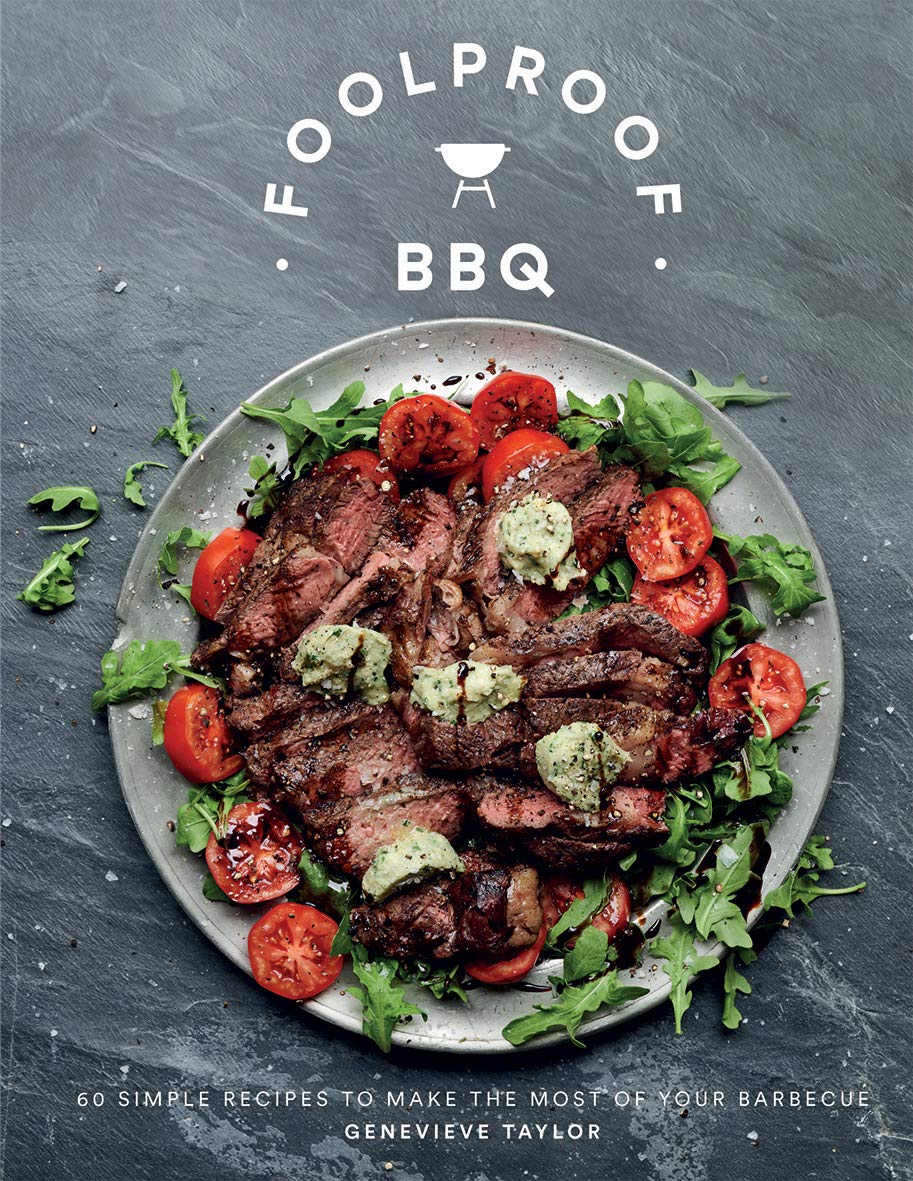
Foolproof BBQ by Genevieve Taylor

Foolproof BBQ Genevieve Taylor

Whats the USP? Barbecue recipes, it’s no more complicated than that.

Who is the author? According to her website, ‘Live fire and BBQ expert, Genevieve Taylor is the author of eleven cookery books including the bestseller, Charred, a complete guide to vegetarian barbecue, The Ultimate Wood-fired Oven Cook book and How to Eat Outside.’ She’s also something of an all-rounder having written books on soup, stew, pie and er, marshmallow (it’s not easy being a food writer, I can tell you. You’ve got to take the gigs when you can get them).

Killer recipes:  Devilled chicken wings with spicy tomato relish; lemon and oregano souvlaki with tzatziki; spicy coconut lamb chops; cajun fish tacos with slaw and line cream.

Should I buy it? If you’re partial to a bit of barbecue and fancy a lively collection of globally inspired skewers, burgers, sandwiches, grilled meats, seafood, vegetables and even desserts, with some delicous sounding sauces, slaws and relishes thrown in for good measure then you won’t go far wrong. Not life changing, but a reliable little volume that will no doubt become a summer regular.

Cuisine: Barbecue
Suitable for:
Beginners/Confident home cooks
Cookbook Review Rating:
Three stars

Buy this book
Foolproof BBQ: 60 Simple Recipes to Make the Most of Your Barbecue
£12.99, Hardie Grant Quadrille
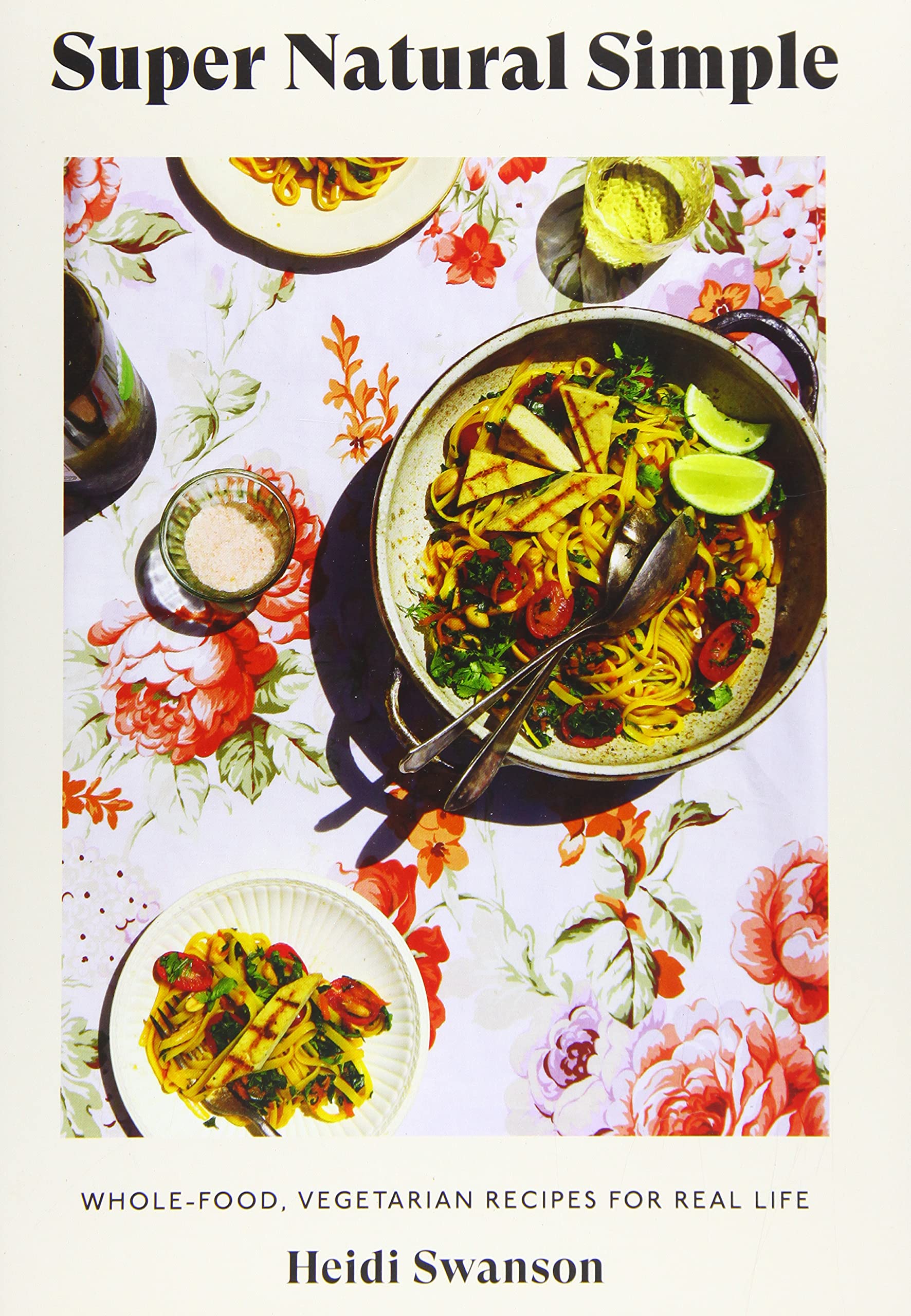
Super Natural Simple by Heidi Swanson

Super natural simple

What’s the USP? Its, uh, a vegetarian cookbook. In 2021, that rates of course as one of the rarest of all the USPs. Hardly ever see a vegetarian cookbook. Or a vegan one come to think of it. They should publish more of them. Help save the planet wouldn’t it? This one is for when your pushed for time and need simple recipes with only a few ingredients and you’ve misplaced your phone and can’t get a Deliveroo. You know, those times. Again, not many books with simple recipes for when your hectic life doesn’t allow you to spend too much time in the kitchen. I think the idea could catch on.

Who is the author? I have to admit to being ignorant of Heidi Swanson until this book arrived on my doormat, but she is a big noise in America. Voted one of the 100 greatest home cooks of all time by Epicurious.com (I’m not on that list for some reason and I’m seriously good, so that gives you some indication of the quality of that particualr line up), she’s the author of several other New York Times bestsellers with the words Super Natural in the title. She definately isn’t Alison Roman. Or Deb Perelman.

Killer recipes: Ten ingredient masala chilli;  grilled corn salad with salty-sweet lime dressing; grilled rice triangles; spicy chickpeas with kale and coconut; feisty tofu with broccoli, chilli and nuts.

Should I buy it? Look, there really isn’t such a thing these days as a really bad cookbook; the industry has becme so adept at churning them out that you will get something out of this. It looks pretty good in a bright, modish retro sort of way and there’s enough content to warrant the price (you’ll get it cheap on Amazon anyway). I get the feeling that Swanson’s earlier books might have more about them, but I’ve never read them so I can’t be sure. Fans will be delighted by the book no doubt and probably furious at this review, but, that’s life isn’t it? One thing that might influence your decision is that fact that Swansons website has over 700 recipes for free on it. Something to think about.

Cuisine: Vegetarian
Suitable for:
Beginners/Confident home cooks
Cookbook Review Rating:
Three stars

Buy this book
Super Natural Simple: Whole-Food, Vegetarian Recipes for Real Life
£22, Hardie Grant Books