Cooking with Anna by Anna Haugh – Cookbook Review

Who is Anna Haugh?
A Dublin-born chef who has spent over 20 years honing her craft working for some of the most highly regarded names in the industry including Shane Osborne (Pied a Terre), Philip Howard (The Square) and the Gordon Ramsay Group. In 2019, she opened her own restaurant, Myrtle, named after the iconic Irish chef and founder of Ballymaloe House, Myrtle Allen, and soon became famous for her modern Irish cuisine inspired by classic Irish recipes and culture. Haugh’s obvious talent, combined with her natural, open manner, has seen her become a firm favourite on TV and radio. She appears regularly on Saturday Kitchen and the Morning Live breakfast show. In 2022, she also stood in for Monica Galetti as a judge on Masterchef: The Professionals. Cooking with Anna is her debut cookbook.

What is Cooking with Anna’s USP?
Understanding the complexities of juggling work alongside a busy family life, Haugh has created 85 recipes designed to show that delicious food need not be complicated. Full of recipes inspired from around the world including modern twists on hearty Irish classics alongside curries, tacos and gazpacho, Cooking with Anna promises to help you cook with confidence for every occasion, from easy weeknight suppers to celebration family roasts. Haugh also draws on her stellar culinary career to share top tips and tricks on how to level up the flavour and add a touch of casual elegance to simple home cooking.

What will I love?
Haugh’s warmth resonates throughout, from the introduction to the anecdotes and recipes. It feels like a very personal book filled with recipes that you could imagine Haugh cooks at home. The recipes are simple to prepare, use affordable ingredients and don’t leave you with mountains of washing up, while also including elements of finesse that make them feel that bit more special.

The selection of beautifully shot recipes is well thought out with a variety of meat, fish and plant-based dishes. The ‘Veggies’ chapter is full of innovative, affordable ideas that brim with flavour without breaking the bank; think ‘Kidney Bean Meatballs with Pomodoro Sauce’, ‘No Waste Vegan Pulled Pork with Slaw’ and ‘Pea & Cheddar Burgers’. While Haugh doesn’t claim that Parmesan (which she uses liberally) is vegetarian, it is worth remembering that Parmesan contains animal rennet and should be swapped for a vegetarian-friendly hard cheese if cooking for vegetarians.

As well as options for every diet, there is something for every occasion too. Alongside the aforementioned ‘20-minute Dinners’ and ‘Veggies’ chapters, there are also ones dedicated to ‘Lunch & Brunch’, ‘Fish’, ‘Meat’, ‘Weekend Projects’ and ‘Sweets’. Some recipes are perfect for entertaining, others more suited for more low-key affairs (plenty serve 2 which is ideal for couples or those living on their own, obviously they can be scaled up). The ‘Tools of the Trade’ section is also worth a mention, helpfully dividing equipment into ‘Essential’, ‘Useful’ and ‘Next Level’ so you can decide what you need depending on your culinary aims. 

Is it good bedtime reading?
Fairly good. There are no lengthy essays, but Haugh’s introduction, taking you through her culinary history and philosophy, spans several pages. It is followed by the ‘Tools of the Trade’ section (mentioned above), plus each recipe includes its own introduction with interesting anecdotes and tips.

Will I have trouble finding the ingredients?
Not at all. The hardest ingredient to find would probably be the vegetarian Worcestershire sauce mentioned in the ‘Lentil Ragu’. Apart from that, all the other ingredients are widely available. 

How easy are the recipes to follow?
Haugh has nailed her brief, proving that you can make very good food with very little fuss. Even the most hesitant cooks will feel inspired by the opening ‘20 Minute Dinners’ chapter which features dishes such as ‘Balsamic Prawns with Cherry Tomatoes & Creamy Polenta’ and ‘Coconut Cod Curry’, that are not as daunting as they sound thanks to Haugh’s clear recipes. The ‘Weekend Projects’ chapter includes more complex recipes but once again, Haugh effortlessly guides you through the steps without making them overcomplicated. A fair few recipes also include ‘Tricks of the Trade’ to help explain some of the culinary theory.

Stand-out recipes?
The ‘Ultimate Cheese & Ham Double Decker Toastie’ is perfect comfort food while the ‘Potato Cakes with Rashers and Mushrooms’ is a delicious way to use up leftover mash (the vegetarian alternative with asparagus is a must-try during asparagus season). The ‘Stuffed & Roast Chicken Breast with Potato Rosti’ is worth making for the moreish rosti alone, and ‘Buttermilk Panna Cotta with Lightly Poached Strawberries & Ripped Basil’ is a beautiful summer pud. 

How often will I cook from this book?
Fairly often. As mentioned above, every culinary occasion is covered. Dishes like the ‘Wednesday Night Curry’ are ideal for a flavoursome, mid-week meal, while ‘The Big Celebration Roast’ and ‘Black Forest Gateau’ are perfect for when you want to push the boat out and impress. The fact that Haugh keeps to her promise in the introduction that ‘you don’t need to spend a fortune or be left with mountains of mess’ is another reason why this could easily become a firm favourite.

Any negatives?
It would be helpful if the recipes had an estimated cooking time at the top so you could loosely gauge how long it will take.

Should I buy the book?
Yes. Cooking with Anna is full of modern, uncomplicated recipes, alongside useful tips and tricks, that will help you expand your culinary repertoire, improve your skills, and increase your confidence in the kitchen. 

Cuisine: Modern Irish
Suitable for: Cooks of all abilities
Great for fans of: Marcus Wareing and Rachel Allen
Cookbook review rating: Four stars
Buy this book: Cooking with Anna: Modern home cooking with Irish heart
£26.00, Bloomsbury

Cook the Book
Wednesday Night Curry
Pea and Cheddar Burgers 
Lemon, Lemongrass and Cardamom Posset

This review was written by Freelance Food Writer and Recipe Developer Sophie Knox Richmond. Follow her on Instagram on @sophie_kr_food

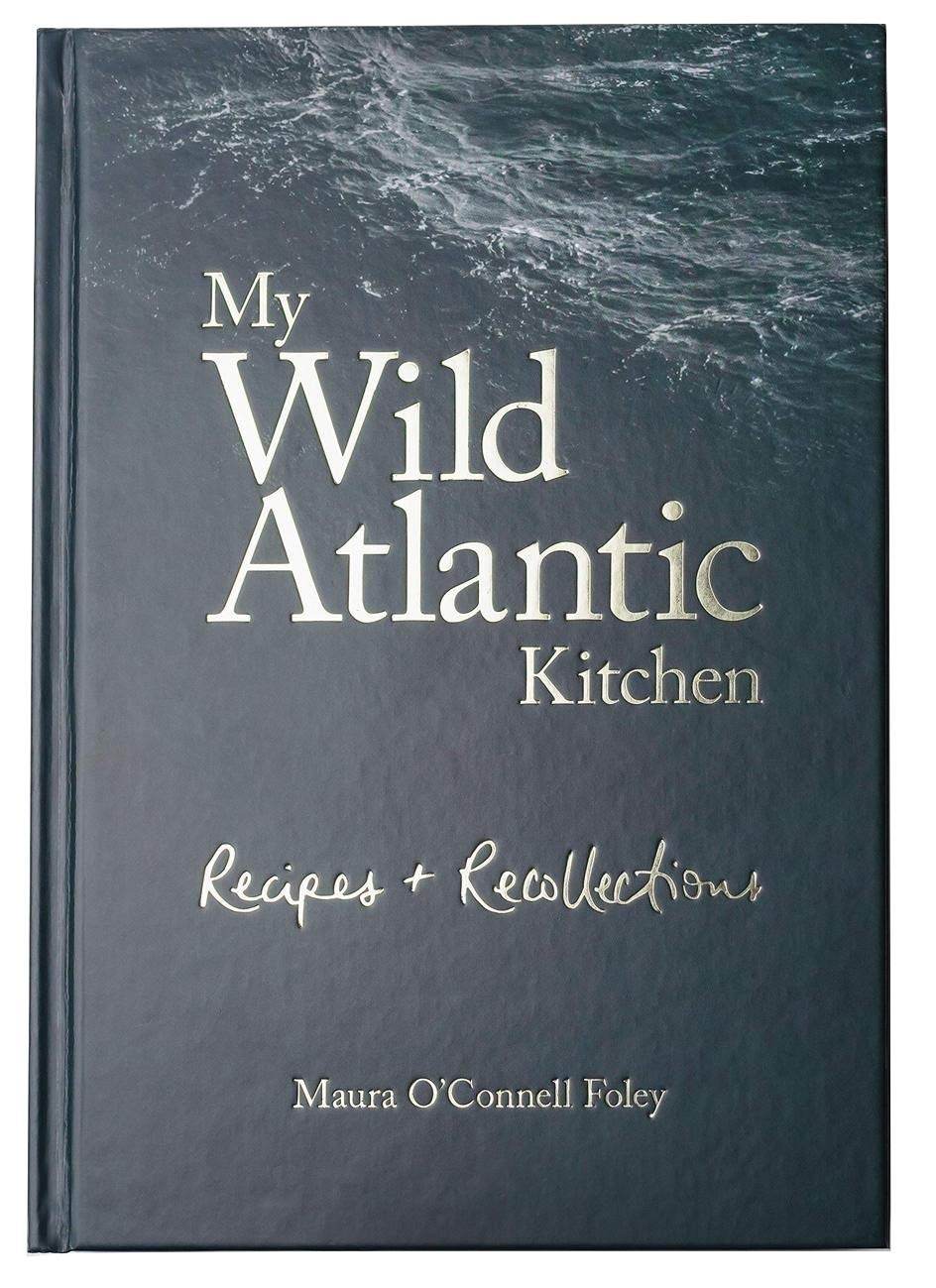
My Wild Atlantic Kitchen by Maura O’Connell Foley

My Wild Atlantic Kitchen by Maura O'Connell Foley

What’s the USP? Recollections from a pioneering Irish chef and restaurateur with 250 recipes that span her 60 year career in hospitality.

Who is the author? Maura O’Connell Foley’s career in Kenmare, County Kerry began in 1961 with Agnes, the first tea shop she ran with her mother, and continued with The Purple Heather Restaurant and Piano Bar, The Lime Tree Restaurant and  Packie’s (named after O’Connell Foley’s uncle). With her husband Tom, she continues to run Shelburne Lodge, a converted mid-18th century Georgian farmhouse which she restored over a five-year period and which she opened as a guesthouse in 1996. 

Is it good bedtime reading? A forward by Irish celebrity chef Derry Clarke of L’Ecrivain restaurant in Dublin and a lengthy introduction and cooking notes by O’Connell Foley are supplemented by introductory essays for each of the eight recipe chapters. They include breakfast, starters, fish (O’Connell Foley’s ‘real love’ which is reflected in her extensive notes on the subject), meat, vegetables, desserts and baking, sauce, stocks and staples and dinner parties. Each recipe has its own introduction that includes useful and interesting background information or cooking tips, so there is plenty to keep you informed and entertained.

Will I have trouble finding the ingredients? O’Connell Foley says that it’s ‘vital you aim to source the best ingredients, especially if you want the best outcome’.  So that means eschewing the supermarket and heading to your local butcher, fishmonger and greengrocer if you are fortunate enough to have such things in the 21st century. Otherwise, the pandemic has opened up access via the internet to highly quality ingredients usually reserved for restaurants, but they come at a price. You’ll probably need to forage for your own elderflower heads to make gooseberry and elderflower compote for breakfast, and unless you live in Ireland you’ll need to find an online supplier for Gubeen Chorizo (or just substitute your favourite brand), but that all said, you should have no problem getting you hands on most of what you need to cook from the book.

What’s the faff factor? The wide variety of recipes means you can go from the plain sailing rocket, pear and blue cheese salad with toasted walnuts and apple and walnut dressing or a classic moules mariniere to the more demanding baked fillet of turbot en papillote with salsify and red wine sauce.  

How annoyingly vague are the recipes? Very few complaints here. Weights and measures are supplied for nearly every ingredient including herbs, although ‘a few sprigs of thyme’ does crop up once or twice in the book and of course there’s the old ‘juice of a lemon’ classic (why does no one give ml quantities for lemon juice? I know, I’ve said that before in other reviews). Methods are detailed and well written so you won’t find yourself up a blind alley halfway through cooking a dish.    

How often will I cook from the book? With 250 recipes to choose from, My Wild Atlantic Kitchen offers something for pretty much any occasion. Irish classics including brown soda bread, colcannon, beef and Guinness casserole and traditional Irish stew, cooked in a sealed pot and made with waxy potatoes only to avoid mushiness, (‘Irish stew is a broth with solids, like a bouillabaisse’, states O’Connell Foley) are all present and correct.

But there are plenty of influences from around the globe too, most noticeably France with dishes such as a Normandy-style chicken Valee d’Auge made with apple brandy, cider and apples, and brochettes de fruits de mer with sauce choron. The vegetables chapter with dishes like gratin of leeks or roast fennel will come in handy for when you need inspiration for a mid-week roast or grill, and the baking chapter with sweet treats like Tunisian orange cake will fill up a weekend when you fancy spending a bit of extra time in the kitchen.  

Killer recipes: See above but also Drop Scone Pancakes with Dry Cured Bacon and Apple Syrup, Confit of Duck Leg with Pear and Ginger Salad and Twice Baked Hazelnut Goat’s Cheese Soufflé.

What will I love? Norman McCloskey’s beautiful landscape photography, the book’s timelessly stylish design, the illustrated dinner party menu suggestions and the vintage restaurant menus.   

What won’t I like so much? The indexing could have been a bit more accurate – for example, Irish stew doesn’t appear at all in the index (and yes I checked ‘I’ for Irish, ‘S’ for stew, ‘L’ for lamb and ‘T’ for traditional). 

Should I buy it? The recipes are great, the book looks fantastic and you’ll learn about an important piece of Irish restaurant history too. My Wild Atlantic Kitchen is one of my favourite books of the year and I bet it will yours too.   

Cuisine: Irish/International 
Suitable for: Confident home cooks
Cookbook Review Rating: Five stars

Buy this book
€35 Order from mywildatlantickitchen.com 

(The book is also available from Amazon
My Wild Atlantic Kitchen: Recipes and Recollections
£35, Maura O’Connell Foley)

Smoked Cod Cakes by Maura O’Connell Foley

Maura_CodCakes_057

These cod cakes can be made in advance and frozen for up to one month, making them ideal to be served at any time of day, be that breakfast, lunch or a light supper with Tartare sauce and a green salad. The cakes can also be deep-fried for a crispier result in a canape or starter size. To do so, shape the mixture into small balls (golf ball size) and deep fry in hot oil until golden brown.

Ingredients

  •  Makes around 15-20 small cakes
  • 450g undyed smoked cod
  • 285ml cold milk, for poaching
  • 285ml water, for poaching
  • 45g butter
  • 45g plain white flour
  • 285ml whole milk
  • Sea salt and cracked
  • black pepper
  • 2 eggs, lightly beaten
  • 55g freshly grated Parmigiano Reggiano or
  • mature Coolea gouda cheese
  • 115g fresh soft white breadcrumbs
  • Oil and clarified butter to shallow fry, or oil for deep fat frying

Method

Place the cod in a medium saucepan and cover with the milk and water. Bring to a boil over a medium heat, then reduce to a low heat to gently poach for 5 minutes or until the cod flakes easily. Remove the cod from the poaching liquid and flake into chunky pieces, removing any bones, sinew or skin.

In a small saucepan, melt the butter over a low heat. Add the flour and cook for a further 2 minutes, continuing to stir with a whisk. Turn up to a medium heat and gradually pour in the milk, continuing to stir and cook for at least 6 minutes until the sauce is a very thick consistency (like choux pastry). Season to taste. Turn down to a low heat and add the eggs slowly, stirring vigorously to blend and ensure a smooth consistency. Stir in the cheese. Remove from the heat.

Gently mix in the fish, being careful to keep the fish in generous chunks. With the breadcrumbs in a bowl nearby, take heaped tablespoons of the cod mixture and gently coat in the breadcrumbs, not pressing or handling too much. If shallow frying, make small little cakes. If deep fat frying, shape into small round balls (golf ball size).

Place on a tray and chill for 30 minutes in the fridge before frying, not covering to avoid soggy breadcrumbs.

Heat enough clarified butter and oil in a wide frying pan to cover the base, then shallow fry for 3 minutes either side until golden brown. Repeat in batches until all the cakes are cooked. Alternatively, deep fry in batches until golden brown.

Tartare Sauce
Tartare sauce is a classic sauce for deep fried fish or any fried fish in general. The key to this sauce is its piquancy. I serve it with crab cakes and smoked cod cakes. Capers grow wild in a bush in the Mediterranean and should be much more expensive given that they must be handpicked, only when ripe and at a specific time of day. They are also cultivated, but even then, they cannot be picked by machine. If using salted capers, ensure you rinse off the salt. Large capers can be chopped; if using small capers, do not chop.

Ingredients
Makes 250ml

  • 2 egg yolks, room temperature
  • 15g English mustard
  • 215ml sunflower oil
  • 1 ½ tbsp white wine vinegar
  • 2 tbsp chopped chives
  • 2 tbsp chopped parsley leaves, flat leaf or curly
  • 3 tbsp capers, rinsed and chopped if large or whole if small
  • Sea salt and cracked
  • black pepper

Method

Beginning with the base of a mayonnaise, place the egg yolks and mustard in a food processor and start the machine running. Very slowly, trickle in the oil through the funnel, being careful to avoid splitting the mayonnaise. Once the mixture starts to thicken, the oil can be added more confidently and quickly. Add the vinegar, adding more mustard if desired. Tip into a bowl and finish by mixing through the chives, parsley and capers. Season to taste.

Cook more from this book
Twice Baked Cheese Soufflé by Maura O’Connell Foley
Rum and Walnut Tart with Rum Butterscotch Sauce by Maura O’Connell Foley

Buy this book
€35 Order from mywildatlantickitchen.com 

(The book is also available from Amazon
My Wild Atlantic Kitchen: Recipes and Recollections
£35, Maura O’Connell Foley)

Read the review 
Coming soon


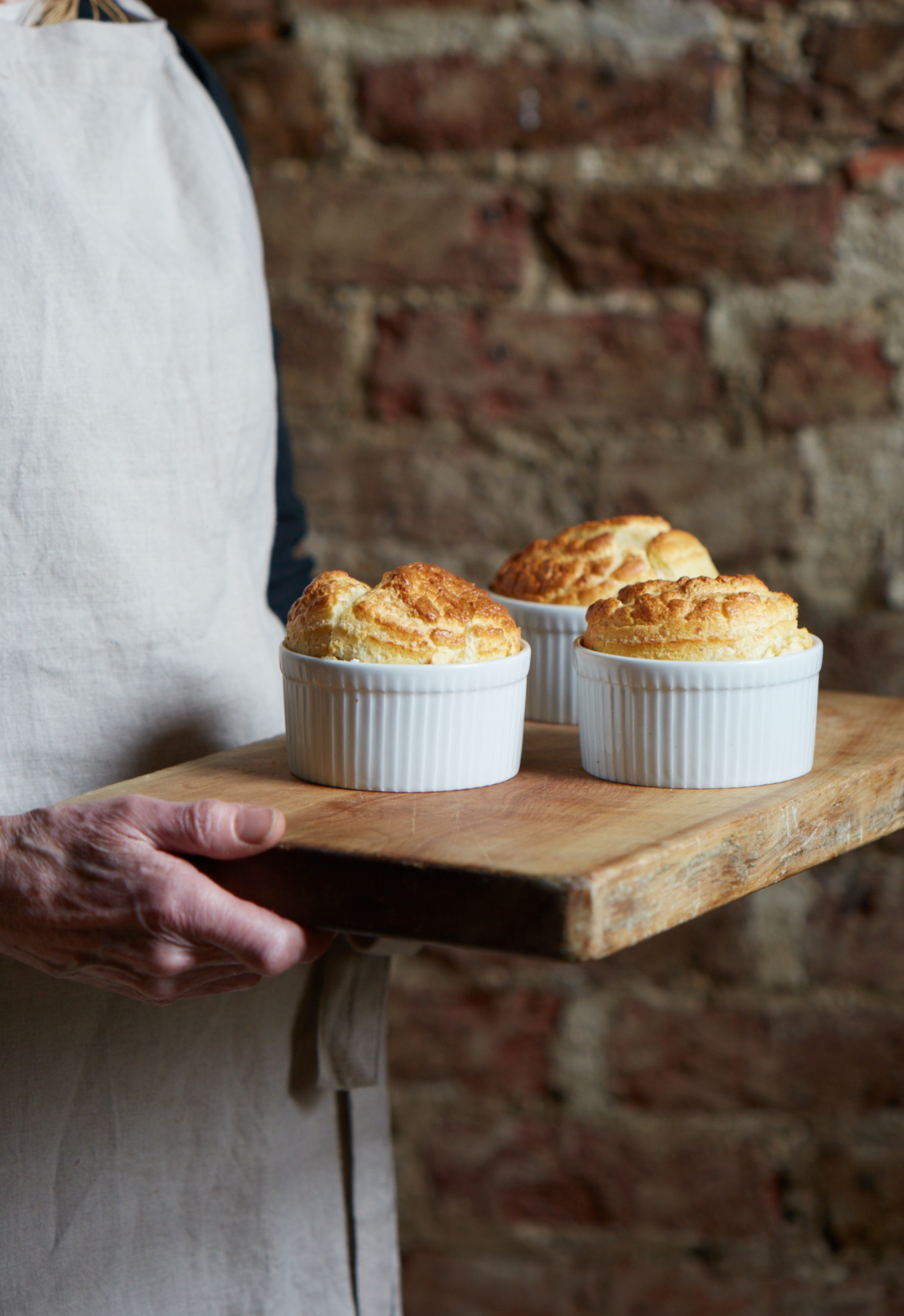
Twice Baked Cheese Soufflé by Maura O’Connell Foley

Maura_Souffle_018

This recipe includes a soft and hard goat’s cheese. Instead of goat’s cheese, for the hard cheese a mature cheddar, pecorino or Parmigiano-Reggiano can be used and for the soft cheese a soft blue cheese would work well. These can be prepared several hours in advance with a first initial bake and then a second bake just before serving. Lovely served with a small organic green salad and a hazelnut dressing.

Ingredients
Makes 4
Ramekin Lining:
• 30g hazelnuts (about 20 hazelnuts)
• 60g soft white breadcrumbs
• 30g softened butter

Soufflé:
• 15g butter
• 15g plain white flour
• 100ml milk
• 60g hard goat’s cheese, grated
• 2 egg yolks, beaten
• 6 egg whites
• 60g soft goat’s cheese for centre filling, chopped
• ½ tsp lemon juice
• Sea salt

Hazelnut Dressing:
• 1. tbsp apple cider vinegar
• 3 tbsp olive oil
• 1 tbsp hazelnut oil
• 1 tsp local honey (warmed to help it combine), plus extra to taste
• Sea salt and cracked black pepper

Method

To toast and skin the nuts, preheat the oven to fan 160°C / fan 325°F / gas mark 4. Arrange the nuts in a single layer on a baking tray and toast in the oven for about 10-15 minutes, turning occasionally until the skins crack and the nuts are light golden. Once roasted, rub the nuts in a dry cloth to remove the skins. Pulse in a processor for a few seconds to bring the nuts to a coarse crumb consistency. Combine the hazelnut crumbs and breadcrumbs.

To prepare the ramekins, generously brush the butter over the sides and bottoms of the ramekins. Coat with a generous layer of hazelnut breadcrumbs. Set aside.

Increase the oven temperature to fan 170°C / fan 340°F / gas mark 5.

Make the base of the soufflé by melting the butter in a saucepan over a low heat. Add the flour and cook, stirring, to a pale golden colour. Gradually add the milk,  continuing to stir, to a smooth consistency. Bring to the boil, then take off the heat and allow to cool. Stir in the hard goat’s cheese, egg yolks and season with sea salt.

In a large dry bowl (essential for whipping egg whites), beat the egg whites with the sea salt until slightly thickened. Add the lemon juice and whisk to stiff peaks. Take a quarter of the egg white mixture and mix this into the cooled soufflé base until well combined. Gently fold in the remaining egg white mixture until well combined.

Half fill the ramekins with the soufflé mixture, place the soft goat’s cheese in the centre then cover with the remaining soufflé mixture, filling the ramekin to the top.

Run your thumb around the ramekins to clean the top edge – this helps the soufflé to rise. Place each of the ramekins in a roasting tin and pour in enough hot water to a depth of two thirds around the ramekins.

Bake for 15 minutes for the first bake. Remove from the oven and allow to cool for at least 15 minutes. At this point, the soufflés can be set aside if preparing in advance and chilled in the fridge for up to 6 hours only.

For the second bake, heat the oven to fan 200°C / fan 400°F / gas mark 7. Loosen the soufflés in the ramekin with a palette knife or small knife. Return the soufflés to the oven, this time with no water in the roasting tray, and bake for 10 minutes or until lightly risen.

To make the dressing, put all the ingredients into a jar, tightly seal and shake vigorously. Add local honey and seasoning to taste, then shake again. Taste and adjust to your liking.

Serve the soufflés immediately with a green salad and hazelnut dressing.

Cook more from this book
Rum and Walnut Tart with Rum Butterscotch Sauce by Maura O’Connell Foley
Smoked Cod Cakes

Buy the book
€35 Order from mywildatlantickitchen.com 

(The book is also available from Amazon
My Wild Atlantic Kitchen: Recipes and Recollections
£35, Maura O’Connell Foley)

Read the review
Coming soon