Rye Crostata with Peas and Asparagus

235 rye crostada

Gluten-free
Preparation Time: 30 minutes plus resting time
Cooking Time: 1 hour
Serves: 6 to 8

To enhance the flavor of the sesame seeds, toast them, covered, in a heavy-bottomed frying pan over medium heat until they start to crackle, then transfer to a plate and let cool. For a vegan version of the recipe, replace the egg yolks with a heaping tablespoon of millet flakes.

  • 1¾ cups (220 g) farro (emmer) flour, plus more for sprinkling
  • Scant ½ cup (50 g) all-purpose (plain) flour
  • 3 tablespoons black sesame seeds
  • 1 tablespoon brown flaxseeds (linseeds)
  • ¼ cup (60 ml) plus 3½ tablespoons extra virgin olive oil
  • 4 spring onions, chopped
  • 1 bunch asparagus, thinly sliced
  • 11/3 cups (200 g) shelled fresh peas
  • Scant 1 cup (200 ml) soy milk
  • Grated zest of ½ lemon
  • 2 egg yolks
  • 2½ tablespoons sunflower seeds
  • Salt and black pepper

In a food processor, combine the farro flour, all-purpose (plain) flour, sesame seeds, flaxseeds (linseeds), 3½ tablespoons of the olive oil, and a pinch of salt and process the mixture until crumbly. With the motor running, drizzle in 1/3 cup (75 ml) cold water and process until the dough comes together and forms a ball. Wrap the dough in plastic wrap (cling film) and refrigerate for at least 30 minutes.

Preheat the oven to 350°F (180°C) with a rack in the lower third.

In the meantime, in a heavy-bottomed frying pan, heat the remaining ¼ cup (60 ml) oil over medium heat. Add the onions and asparagus and cook for 2 to 3 minutes. Add the peas and a scant ½ cup (100 ml) water and cook for 7 to 8 minutes, until the liquid has evaporated. Sprinkle the vegetables with farro flour, drizzle in the milk, and stir.

Reduce the heat to low and cook the sauce for 5 to 6 minutes. Season with salt and pepper, then stir in the lemon zest. Remove from the heat and let the sauce cool. Add the egg yolks and stir to combine.

On a lightly floured surface, roll out two-thirds of the dough into a 2 mm-thick sheet and transfer it to a 9-inch (22 cm) round baking pan. Fill the crust with the vegetable mixture. Roll the remaining dough into a thin sheet and cut it into ¾-inch-wide (1.5 cm) strips. Arrange the strips over the filling to form an open lattice. Press the lattice strips against the bottom crust to seal, then trim the excess dough around the edges.

Brush the lattice with a little water and sprinkle with the sunflower seeds. Bake the tart in the lower third of the oven for about 40 minutes. Serve warm.

Read the review

Buy this book
The Vegetarian Silver Spoon: Classic and Contemporary Italian Recipes (FOOD COOK)
£35, Phaidon

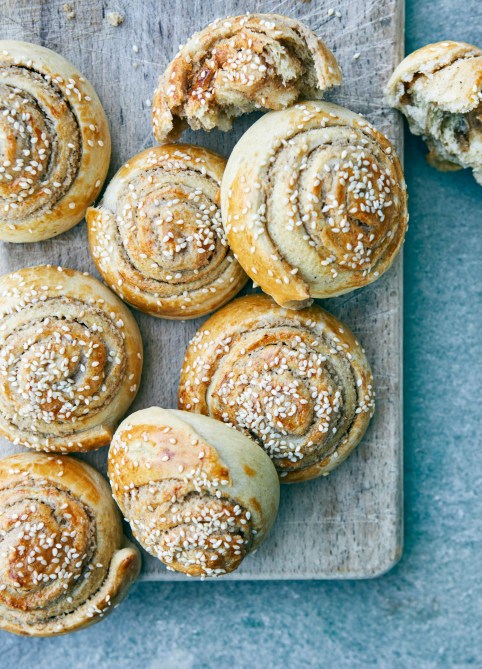
Sweet tahini rolls (Kubez el tahineh) by Sami Tamimi and Tara Wigley

286_sweet_tahini_rolls

The journey of these rolls can be traced through Lebanon to Armenia, where these kubez el tahineh come from. They are simple to make, impressive to look at and loved by all. They’re a particular favourite with kids. Eat them as they are, or sliced and spread with dibs w tahini, the Palestinian equivalent of peanut butter and jam, where creamy tahini is mixed through with a little bit of grape or date molasses (see page 336).

Keeping notes: These are best eaten fresh on the day of baking but are also fine for 2–3 days once baked, warmed through in the oven. They also freeze well, after they’ve been baked and left to cool: you can pop them into the oven straight from the freezer until warmed through.

Makes 10 rolls
Dough
1½ tsp fast-action dried yeast
1 tsp caster sugar
110ml whole milk, lukewarm
300g plain flour, plus extra
for dusting
75g unsalted butter, melted
1 egg, lightly beaten
Olive oil, for greasing
Salt

Filling
100g caster sugar
1 tsp ground cinnamon
120g tahini
Topping
1 egg yolk, beaten
1 tbsp white sesame seeds

First make the dough. Put the yeast, sugar and milk into a small bowl and mix to combine. Set aside for 5 minutes, until it starts to get frothy. Meanwhile, put the flour and ½ teaspoon of salt into the bowl of a freestanding mixer, with the dough hook in place. Mix on a low speed, then slowly pour in the yeast mixture. Add the melted butter and continue to mix for about a minute.

Add the egg, then increase the speed to medium and leave for 5 minutes, for the dough to get well kneaded. Using your hands, scrape the dough into a ball: it will be slightly sticky and elastic. Place it in a lightly oiled bowl, turning it a couple of times so that the dough gets well greased. Cover the bowl with a clean tea towel and leave to rest in a warm place for about 1 hour, or until almost doubled in size. Put the sugar and cinnamon for the filling into a small bowl. Mix well to combine, then set aside.
On a lightly floured surface, roll out the dough into a large rectangle, about 35 x 50cm. Drizzle the tahini over the dough, then, using the back of a spoon or a spatula, spread it out evenly, leaving 1cm clear of tahini at both the shorter ends. Sprinkle the sugar mixture evenly over the tahini and leave for 10 minutes, until the sugar looks all wet.
Starting from one of the long sides, roll the dough inwards to form a long, thin sausage. Trim away about 2cm from each end, then slice the dough into 10 equal pieces: they should each be just over 4½cm long. Sit each piece upright, so that its cut side is facing upwards, then, using your hands, gently flatten out to form an 8cm-wide circle. Cover with a damp tea towel and leave to rest for 15 minutes.

Preheat the oven to 160°C fan. Transfer each roll of dough to a large parchment-lined baking tray, spaced 2–3cm apart. Brush all over – just the top and sides, not the base – with the egg yolk, sprinkle with sesame seeds, and bake on the middle shelf of the oven for 18 minutes, or until cooked through and golden. Remove from the oven and set aside for about 20 minutes – you don’t want them to be piping hot – then serve.

Extracted from FALASTIN: A COOKBOOK by Sami Tamimi and Tara Wigley (Ebury Press, £27) Photography by Jenny Zarins

Cook more from this book
Chicken musakhan
Labneh cheesecake

Buy the book
Falastin: A Cookbook
Ebury Press, £27


Chicken musakhan by Sami Tamimi and Tara Wigley

246_chicken_musakhan

Musakhan is the hugely popular national dish of Palestine: growing up, Sami ate it once a week, pulling a piece of chicken and sandwiching it between a piece of pita or latbread. It’s a dish to eat with your hands and with your friends, served from one pot or plate, for everyone to then tear at some of the bread and spoon over the chicken and topping for themselves.

Traditionally, musakhan was made around the olive oil pressing season in October or November to celebrate (and gauge the quality of) the freshly pressed oil. The taboon bread would be cooked in a hot taboon oven (see page 341) lined with smooth round stones, to create small craters in the bread in which the meat juices, onion and olive oil all happily pool. It’s cooked year round, nowadays, layered with shop-bought taboon or pita bread, and is a dish to suit all occasions: easy and comforting enough to be the perfect weeknight supper as it is, but also special enough to stand alongside other dishes
at a feast.

Playing around: The chicken can be replaced with thick slices of roasted aubergine or chunky cauliflower florets, if you like (or a mixture of both), for a vegetarian alternative. If you do this, toss the slices or florets in the oil and spices, as you do the chicken, and  roast at 200°C fan for about 25 minutes for the cauliflower and about 35 minutes for the aubergine.

Serves four
1 chicken (about 1.7kg), divided into 4 pieces (1.4kg) or 1kg chicken supremes (between 4 and 6, depending on size), skin on, if you prefer
120ml olive oil, plus 2–3
tbsp extra, to finish
1 tbsp ground cumin
3 tbsp sumac
½ tsp ground cinnamon
½ tsp ground allspice
30g pine nuts
3 large red onions, thinly sliced
2–3mm thick (500g)
4 taboon breads (see headnote),
or any flatbread (such as Arabic
flatbread or naan bread) (330g)
5g parsley leaves, roughly chopped
Salt and black pepper

To serve
300g Greek-style yoghurt
1 lemon, quartered
Preheat the oven to 200°C fan.

Place the chicken in a large mixing bowl with 2 tablespoons of oil, 1 teaspoon of cumin, 1½ teaspoons of sumac, the cinnamon, allspice, 1 teaspoon of salt and a good grind of black pepper. Mix well to combine, then spread out on a parchment-lined baking tray. Roast until the chicken is cooked through. This will take about 30 minutes if starting with supremes and up to 45 minutes if starting with the whole chicken, quartered. Remove from the oven and set aside. Don’t discard any juices which have collected in the tray.

Meanwhile, put 2 tablespoons of oil into a large sauté pan, about 24cm, and place on a medium heat. Add the pine nuts and cook for about 2–3 minutes, stirring constantly, until the nuts are golden brown. Transfer to a bowl lined with kitchen paper (leaving the oil behind in the pan) and set aside. Add the remaining 60ml of oil to the pan, along with the onions and ¾ teaspoon of salt. Return to a medium heat for about 15 minutes, stirring from time to time, until the onions are completely soft and pale golden but not caramelised. Add 2 tablespoons of sumac, the remaining 2 teaspoons of cumin and a grind of black pepper and mix through, until the onions are completely coated. Remove from the heat and set aside.

When ready to assemble the dish, set the oven to a grill setting and slice or tear the bread into quarters or sixths. Place them under the grill for about 2–3 minutes, to crisp up, then arrange them on a large platter. Top the bread with half the onions, followed by all the chicken and any chicken juices left in the tray. Either keep each piece of chicken as it is or else roughly shred it as you plate up, into two or three large chunks. Spoon the remaining onions the top and sprinkle with the pine nuts, parsley, 1½ teaspoons of sumac and a final drizzle of olive oil. Serve at once, with the yoghurt and a wedge of lemon alongside.

Extracted from FALASTIN: A COOKBOOK by Sami Tamimi and Tara Wigley (Ebury Press, £27) Photography by Jenny Zarins

Buy the book 
Falastin: A Cookbook
Ebury Press, £27

Cook more from this book
Labneh cheesecake
Chicken musakhan

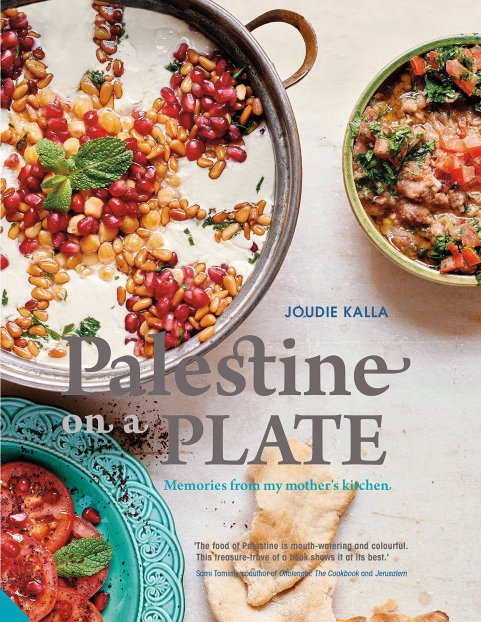
Palestine on a Plate by Joudie Kalla

Palastine on a plate

What’s the USP? Authentic Palestinian home cooking using ingredients and methods handed down from the author’s mother and grandmother.

Who’s the author?  Joudie Kalla is a London-based supper club cook and former owner of Baity Kitchen restaurant in Chelsea.

Is it good bedtime reading? A fairly meaty introduction covers some biographical ground as well as some of the basics of middle Eastern flavours and specifically the food and ingredients of Palestine.

Will I have trouble finding the ingredients? Thanks to Ottolenghi, Middle Eastern cooking is now almost as familiar to British home cooks as Indian, Chinese and Thai so you should have few problems finding all you need between the supermarket and your local deli. if you don’t live in an area with a Middle Eastern store nearby, you may have to head online for the likes of sujuk (a spicy Middle Eastern sausage) and Kalla’s favoured Palestinian olive oil (there’s a very handy list of stockists, many of them online,  at the back of the book).

What’s the faff factor? The subtitle of the book is ‘Memories from my mother’s kitchen, so the recipes are very much from the domestic realm rather than being adapted from restaurant dishes. Think simple and straightforward rather than complex and fiddly.

Killer recipes: Middle Eastern courgettes stuffed with lamb; Palestinian pearl cous cous tabbouleh; freekeh salad with marinated chicken and pomegranate salad;  Palestinian sesame handbag bread; fried red mullet with preserved lemon and lentil salad.

What will I love? This is a vibrant, colourful and often healthy style of cooking that’s very approachable and will add variety and flavour to your weekly menu.

Should I buy it? Kalla has entered a crowded market that’s been pretty much cornered by the aforementioned Ottolenghi and his collaborators (the newly published Falastin by his co-author’s Sami Tamimi and Tara Wigley which is also about Palestine is already a number one best selling book – the books of Greg and Lucy Malouf are also excellent). Nevertheless, there are enough delicious recipes in Palestine on a Plate to make it a worthwhile purchase.

Cuisine: Palestinian
Suitable for: Beginners and confident home cooks
Cookbook Review Rating: Three stars

Buy this book
Palestine on a Plate: Memories from my mother’s kitchen

Sweetcorn Curry Croquettes by Tim Anderson

09.30.19TimVegan_CroquettesPrep_007(Kare¯ Korokke)

Makes 16 croquettes, which is a lot
(enough for 4 servings as a main, 8 as a side), but they freeze well

In Japan, they have something called curry pan, or curry bread, which is essentially an oblong doughnut filled with Japanese curry, so you can have curry in a convenient hand-held format. That recipe is nice, but it’s a bit tricky for a book calledVegan JapanEasy (maybe my next book will be called Vegan Japanslightlymoredifficult), so here’s an alternative: curry croquettes, which are perhaps even better because they’re more crunchy on the outside. Win-win!

1 kg (2 lb 4 oz) floury potatoes, peeled and cut into 2.5 cm (1 in) chunks
2 tablespoons oil
1 onion, finely diced
1 hot red chilli, finely diced
150 g (5 oz) sweetcorn (from a tin is fine)
2 heaped tablespoons curry powder
1 heaped tablespoon garam masala
salt, to taste
vegan egg replacer, equivalent to 8 eggs, prepared according to the manufacturers’ instructions, or 2 x recipe quantity of Batter for Breadcrumbing (page 46)
about 80 g (3 oz/scant ⅔ cup) plain (all-purpose) flour, for dredging
about 150 g (5 oz/3½ cups) panko breadcrumbs
about 2 litres (70 fl oz/8 cups) oil, for deep-frying (or less for shallow-frying)

Boil the potatoes until fork-tender, 10–15 minutes, then drain and leave to cool slightly. Meanwhile, saute the onions and chilli in the oil over a medium-high heat until they soften, then add the corn and continue to cook for several minutes until everything starts to brown a bit. Add the spices and cook for another few minutes to make a thick paste, then remove from the heat. Mash the potatoes and stir in the onion-cornspice mixture, and add a generous amount of salt.

When the mash is cool enough to handle, divide itinto 16 equal balls and then squash each ball into a kind of oblong patty shape. Lay the potato patties out on baking sheets lined with foil and transfer to the freezer to firm up for about 30 minutes.

Meanwhile, prepare the egg replacer or batter. Dredge the patties in the flour, then dip in the eggreplacer or batter, and then the panko, ensuring they are all well-coated. At this point the croquettes can be frozen on the baking sheets, or cooked straight away. (The cooking process is the same from frozen or chilled.)

Preheat your oven to 100C (210F/Gas .). Heat the oil in a wide, deep saucepan to 180C (350F). Carefully lower the croquettes into the hot oil, in batches of 4–6, and fry until deep golden brown, about 8 minutes. Remove with a slotted spoon, drain on a wire rack and keep hot in the oven with the oven door slightly open, until ready to serve.

ALTERNATIVE METHOD
Preheat the oven to 200C (400F/Gas 7). Pour enough oil into a non-stick, flat-bottomed frying pan (skillet) to come up to a depth of 5 mm (. in) and place over a medium-high heat. Carefully lower in the croquettes and fry on each side for about 5 minutes, until golden brown. Transfer the par-fried croquettes to a baking sheet and bake in the oven for 15–20 minutes, until a thin knife inserted into the middle of a croquette comes out feeling hot to the touch.

Read the review

Buy this book
Vegan JapanEasy: Classic & modern vegan Japanese recipes to cook at home

Cook from this book
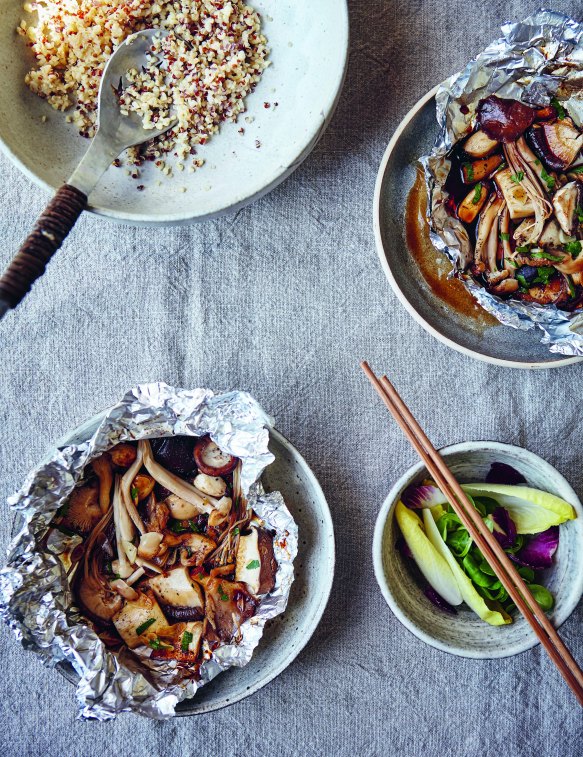
Japanese Mushroom Parcels with Garlic and Soy Sauce
French Onion Ramen

Japanese mushroom parcels with garlic and soy sauce by Tim Anderson

05.13.19_VeganJapaneasy_D4_MushParcels_024

SERVES 2 AS A SIDE OR 1 AS A MAIN

I always associate this preparation, or simple variations thereof, with izakaya – the wonderful Japanese drinkeries-cum-eateries where the food is highly varied but always conducive to drinking loads of good sake or beer – typically salty, snacky, shareable, crowd-pleasing dishes with bold but not over-the-top flavours. This is exactly that kind of dish, mushrooms simply steamed in a foil parcel with plenty of garlic and soy sauce – tearing open the foil is like opening a present on a particularly garlicky Christmas morning. It’s lovely on its own but I would strongly recommend enjoying this with sake – nothing too fancy, as the earthier flavours of cheaper sake are perfect for this mushroomy garlic umami funkbomb.

200 g (7 oz) Japanese mushrooms (such as enoki, shimeji (beech), shiitake and eringi (king oyster)– often supermarkets sell an ‘exotic’ mushroom pack containing a few of each of these, which are perfect)
2 tablespoons soy sauce
1½ teaspoons sake
1½ teaspoons olive oil
3–4 garlic cloves, crushed and thinly sliced
a few grinds of black pepper
a few sprigs of flat-leaf parsley, finely chopped
You will also need some sturdy kitchen foil

Preheat the oven to 220ºC (430°F/Gas 9). Prepare the mushrooms: for enoki or shimeji, cut off their bottoms and break up any large clusters; for shiitake, simply remove the stems; for eringi, cut them into roughly bite-size pieces.

Stir together the soy sauce, sake, olive oil, sliced garlic, black pepper and parsley. Toss the prepared mushrooms with the soy sauce mixture.

Set a wide piece of kitchen foil (about 40 cm/ 16 in long) into a shallow bowl or dish, and place the mushrooms and the sauce into the middle of the foil. Gather up the sides of the foil to cover the mushrooms, crimping them together to form a tight seal. Place the parcel on a baking sheet and bake for 20 minutes.

Transfer the parcel to a plate, taking care not to tear the foil. Serve with the parcel closed and open it at the table.

Buy this book
Vegan JapanEasy: Classic & modern vegan Japanese recipes to cook at home

Cook from this book
French Onion Ramen
Sweetcorn Curry Croquettes

Vegan JapanEasy by Tim Anderson


Vegan Japaneasy

What’s the USP? Full Ronseal vibes here – Vegan JapanEasy is a cookbook filled with easy vegan Japanese recipes. I’m really not sure you need me to tell you that, actually.

Eesh. Sorry I asked. Alright then, who’s the author? Tim Anderson was the youngest winner of Masterchef when he and his Japanese-influenced dishes came out top back in 2011. Since then he’s opened his own restaurant – Nanban – and three vibrant Japanese cookbooks, including 2017’s JapanEasy. This, its vegan spinoff, is his fourth.

Is it good bedtime reading? There’s definitely plenty to read in here. Of note are the usual pages detailing Japanese ingredients you’ll want to familiarise yourself with, punched up with useful ideas on each ingredient’s uses outside of Japanese cuisine.

Anderson writes lovingly and respectfully about Japanese culture and cuisine, and his occasional treatises on dashi or Japanese curry roux are always entertaining – as are his recipe introductions, which are occasionally longer than the recipes themselves.

Will I have trouble finding the ingredients? Anderson’s whole thing is ease, and sourcing the ingredients is no different. Most ingredients are widely available but at worst will warrant a trip to an Asian supermarket. The recipes generally avoid any mock-meat and non-dairy cheeses as well, opting instead for light, delicious looking vegetable numbers.

What’s the faff factor? Do you really need to ask? Nothing in Vegan JapanEasy should throw the average home cook. That said, some dishes do require a little time or, in the case of the ramen recipes, a glut of ingredients – so not every dish is going to cut it for a weeknight dinner.

Killer recipes Teriyaki-roasted carrots; jackfruit karaage; kimchi miso hotpot; cauliflower katsu curry;  Japanese style celeriac steak; fridge drawer fried rice.

What will I love? Anderson’s non-pretentious approach to cooking means that not only does everything look delicious, it’s also tantalisingly do-able. Dishes like Pesto Udon are so simple, and yet so tempting, that there’s a good chance you won’t eat anything else ever again.

What won’t I love? The only slightly grating factor is Anderson’s fondness for ranking the ease of each dish at the bottom of the recipe. Given that ease is the premise of the entire book, it’s entirely unnecessary and instead ends up as a destination for some fairly poor dad jokes that wear thin pretty quickly: “the only cult I’d join is the Not Diffi Cult, and this recipe would be our Kool-Aid”

Should I buy it? In short, yes. Anderson’s book is as practical and imaginative as any other Japanese cookbook on the market. In fact, even as a meat-eater, Vegan JapanEasy has a more appealing range of recipes than the original carnivore-friendly JapanEasy title.

Cuisine: Japanese
Suitable for: Beginners and confident home cooks
Cookbook Review Rating: Four stars

Review written by Stephen Rötzsch Thomas a Brighton-based writer. Follow him on Twitter and Instagram at @srotzschthomas.

Buy this book
Vegan JapanEasy: Classic & modern vegan Japanese recipes to cook at home

Cook from this book
Japanese Mushroom Parcels with Garlic and Soy Sauce
Sweetcorn Curry Croquettes
French Onion Ramen

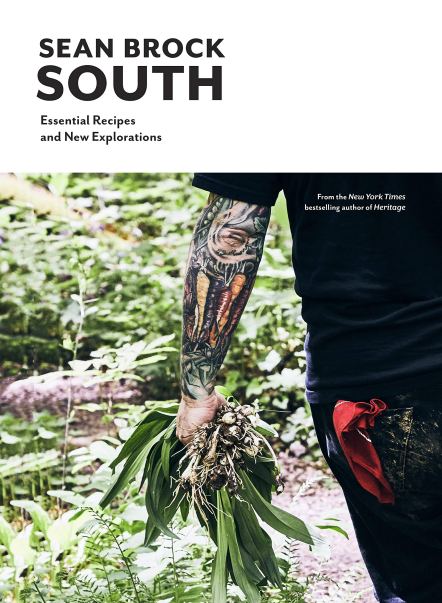
South by Sean Brock

South Sean Brock

What’s the USP? A collection of Southern American recipes from one of the foremost modern exponents of the cuisine.

Who is the author? Chef Sean Brock is the founder of the awarding winning Husk restaurant group with branches in Charleston, Nashville, Greenville and Savannah. Since stepping down from his role as culinary advisor to The Neighborhood Dining Group’ that included Husk as well as McCrady’s, Tavern, and Minero, Brock has announced four new projects in Nashville: Joyland Audrey Red Bird and an unnamed project at the Grand Hyatt. Profiled in an episode of the Netflix series Chef’s Table and featured in a season of the PBS series Mind of a Chef, Brock has established himself as the leading proponent of the culture, traditions and heritage ingredients of Southern cuisine.

Is it good bedtime reading? A 12 page introduction provides some background to Brock’s career and why he is so passionate about Southern cuisine; the ‘microregions’ of the American South (which, Brock says ‘has as many cuisines and comprises a region nearly the same size as Continental Europe’) and how key dishes such as shrimp and grits and cornbread vary from microregion to microregion. Additionally, there are articles on fireplace cookery; smoking; grilling; how to take care of cast iron pans; how to cook a pot of greens and fresh field peas or butter beans; an introduction to cornbread; how to make butter; preserving and canning, and how to make vinegar. So go ahead, take Brock to bed.

Will I have trouble finding ingredients? If you live in America, you’ll be able to take advantage of the two page list of resources at the back of the book to track down the likes of Anson Mills Carolina Gold Rice, Rosebank Gold Grits and Hominy Corn; Kenny’s Farmhouse Dry Fork Reserve Asiago cheese; sorghum syrup, seed and flour; Lindera Farms honey vinegar and Bob Wood’s country ham. If you’re outside of America, then you’ll need to do a little research to identify the best substitutions, but on the whole you should be able to cook the majority of the recipes in the book albeit not to Brock’s high level of authenticity.

What’s the faff factor? Recipes vary from a relatively straightforward chicken breast with black pepper and peanut butter gravy, or pork shoulder steak with grilled mushrooms, to shrimp and grits that requires the preparation of four other linked recipes: oven roasted tomatoes; braised fennel; pressure cooker grits and crispy pigs ears. You’ll also need to make your own crab roe bottarga if you want to make Brock’s recipe for grilled oysters with green garlic butter (although he does say you can substitute a good ready made mullet bottarga).

How often will I cook from the book? Once you’ve sorted out what ingredients you might need to either omit or find alternatives for, you’re sure to find yourself returning to the book often. There’s a fantastic recipe for fried chicken, a great cheeseburger, some amazing looking biscuits (the savory scones, not the one’s you’d dunk in your PG Tips) and lots of delicious salads like grilled asparagus and cracklin’ salad and sides such as charred corn or grilled carrots that will brighten up any meal. There’s also enough weekend projects including condiments, pickles and preserves to keep you going for months.

Killer recipes? See above, but also pork prime rib with mustard onions; pit cooked chicken sandwiches; bacon jam; pea and hominy succotash; blackberry cobbler, and buttermilk pie.

What will I love? The food, as photographed by Peter Frank Edwards, looks fantastic. At 376 pages, the book covers a lot of ground and is a great introduction to South American cuisine.

Should I buy it? Unless you already own Heritage, Brock’s first book, you probably won’t have a book quite like South in your collection. Although some of the recipes might seem to be covering familar ground, you’ll want to have Brock’s version of grilled chicken wings with a West African style BBQ sauce as well as to experiment with some of the more recherché dishes such as Lowcountry fish-head stew.

Cuisine: American
Suitable for: Confident home cooks/professional chefs
Cookbook Review Rating: Four stars

Buy this book
South
Artisan, £30

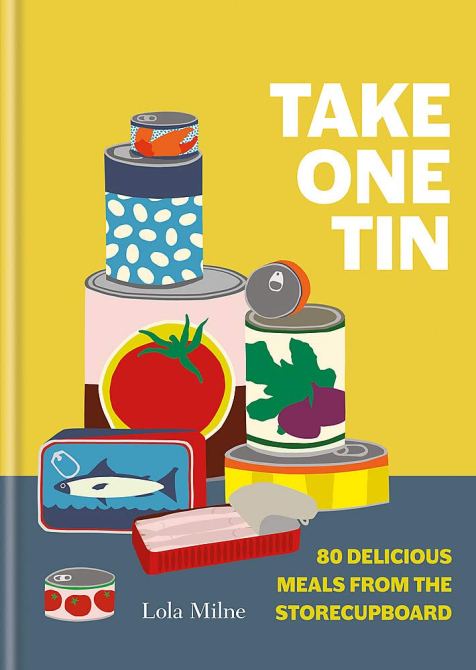
Take One Tin by Lola Milne

Take one tin

What’s the USP? Practical storecupboard meals, with recipes that stray a little from the drab usual suspects.

Who’s the author? Lola Milne isn’t necessarily the most obvious author for a cookbook – her work in the food industry has mostly been behind the camera, as an in-demand photographer and food stylist. This does pay dividends in the book though, with vibrant and beautifully shot dishes livening up what could have easily been a fairly unexciting premise.

What’s great about it? Milne’s focus on long-life products and storecupboard staples feels decidedly modern, and will appeal to people of all ages – perfect for knocking together something for the family when you’ve not had a chance to get to the shops. By focusing on tinned foods as a starting point, Milne has found it easy to put together a collection of recipes that are entirely without meat. Vegetarians will delight, and a wealth of pescatarian dishes ensures plenty of variety throughout the book.

You can’t help but feel that the timing of Take One Tin’s publication will prove a little fortuitous for Milne, too. As much of the world contemplates societal lockdowns and potentially long isolation in the wake of Covid-19, this cookbook will prove an increasingly useful addition to many homes.

Is it good bedtime reading? Not at all. A two-page introduction and two short sentences at the beginning of each recipe. Three, if you’re lucky.

Will I have trouble finding the ingredients? The very nature of Take One Tin ensures that there are no real surprises on the ingredient lists. Whether or not you have trouble securing what you need will come down solely to how well your local supermarket is dealing with any panic buying that might be going on.

What’s the faff factor? What faff factor? Milne’s recipes are all remarkably simple affairs. A bit of pan-frying, maybe. Mix a few items together and chuck them in the oven for a bit. Whilst Milne’s food-styling skills ensure dishes look very impressive, the actual work necessary to pull them off won’t faze the average home cook in the slightest.

How often will I cook from the book? In normal day-to-day life? Maybe once every couple of weeks. These are easy and practical recipes that many people will happily call on when they don’t want to work too hard for their dinner. In a global pandemic? Take One Tin might just prove invaluable.

Killer recipes? Jackfruit & kidney bean chilli, crab thoran, Sri Lankan mackerel curry, banoffee pie with hazelnut cream.

Should I buy it? There are a few storecupboard-centric cookbooks out there, and whilst others might cover more ground (Claire Thomson’s excellent The Art of the Larder being one), Take One Tin is a great deal more accessible, and balances the genre’s practical aspects with genuinely exciting and contemporary ideas.

Cuisine: International
Suitable for: Beginners and confident home cooks
Cookbook Review Rating: Four stars

Buy this book 
Take One Tin: 80 delicious meals from the storecupboard

Review written by Stephen Rötzsch Thomas who is a Brighton-based writer, and is exactly the sort of person who posts his dinner on Instagram. Follow him on Twitter and Instagram at @srotzschthomas.

The Irish Cookbook by Jp McMahon

The Irish Cookbook

What’s the USP? The Irish Cookbook arrives with impeccable timing, following the country’s Michelin success last October. It now boasts three, two-star restaurants and 18 one-star establishments across the Republic and Northern Ireland. It’s an indication of how far the country’s food scene has evolved; a decade ago there were just seven starred restaurants in total.

Who’s the author? Jp McMahon is a Michelin-starred chef and culinary director of the EATGalway restaurant group that includes the one star Aniar. He is also the founder of the annual Food on the Edge culinary congress.

Is it good bedtime reading? There’s more than just recipes in this 400-plus page book with a scope that goes far beyond modern restaurant food, delving back to pre-Neolithic times in a scholarly introduction titled ‘A Little History of Food in Ireland’ that forms part of the book’s attempt to answer the question ‘What is Irish food?’.

Killer recipes? Organised into 15 chapters, McMahon comprehensively covers Ireland’s rich and diverse natural larder from the superlative shellfish (oyster pie; sea urchins with buttermilk and tarragon) to the plentiful wild game (grouse and poteen; venison and barley stew), freshwater fish (pike with gooseberries and sherry; perch baked in milk) and much else besides.

McMahon is keen to point out that it is more than the dishes that ‘emerged in the space created after the (potato) famine’ such as boxty potato pancake and traditional Irish stew, although both are included among the book’s 500 recipes, the former in its most austerely authentic form made with just lamb neck, onions, potatoes, thyme and parsley. The 80s are represented by crab with curry mayonnaise and pineapple while the contemporary Irish repertoire includes smoked eel porridge.

Will I have trouble finding ingredients? A good fishmonger will be required for the likes of sea urchins, razor clams, wild salmon and smoked eel, and you’ll probably need to get your rod out and go and catch pike, perch and carp yourself.  You might need an online supplier for seaweed and be up for a spot of foraging for things like nettles, wild garlic.  There are however many recipes that won’t cause you any shopping bother at all.

What’s the faff factor? This is mostly home cooking rather than complex cheffy stuff and many of the recipes are short and to the point.

How often will I cook from the book? There’s a really good variety of dishes and lots that would work when you’re time poor mid-week.

What will I love? McMahon has included an index of Ireland’s wild plants, seaweed and fungi eaten by the country’s first settlers and which he sees as the future of Irish food. Nettles are rolled around cream cheese, made into a puree and soup and transformed into wine, while steamed asparagus is wrapped in sea lettuce and deep-fried rabbit legs are served with wild garlic mayonnaise.

Should I buy it? McMahon makes the sensible caveat that ‘no book is definitive’ and it is questionable how uniquely Irish some of the recipes such as steak and kidney pie and lamb hotpot actually are, but The Irish Cookbook is nevertheless an impressive achievement and one that will shed new light on a hitherto undervalued cuisine.

Cuisine: Irish 
Suitable for:
Confident home cooks/Professional chefs/
Cookbook Review Rating: 
Four stars

Buy this book
The Irish Cookbook (Food Cook)
Phaidon, £35