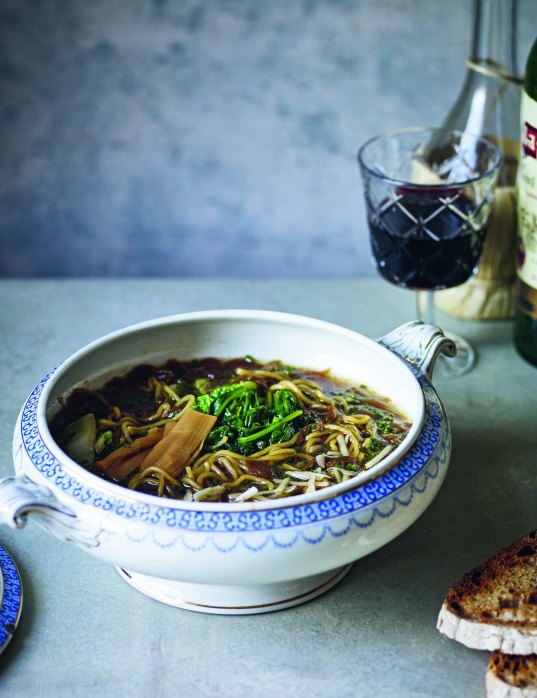
French Onion Ramen by Tim Anderson

05.13.19_VeganJapaneasy_D4_FrenchRamen_022 3

FRENCH ONION RAMEN
SERVES 4

I can never figure out why French onion soup ever went out of style. It’s just so good. I had some that my great aunt Jean made a few years back at a family get-together in Wisconsin and it made me think, ‘I should eat French onion soup every day!’
Suddenly fixated on French onion soup, my thoughts quickly turned to ramen. The molten onions mingle beautifully with the noodles so you get a lovely sweetness and silky texture in every bite, all bathed in a rich, beefy broth that just happens to contain no beef. The onions do take a while to caramelise properly, but for comfort food I think it’s worth the wait.

4 tablespoons olive oil
2 red onions, halved and thinly sliced
2 brown onions, halved and thinly sliced
pinch of salt, or more, to taste
1 teaspoon caster (superfine) or granulated (raw) sugar
2 garlic cloves, crushed and thinly sliced
4 tablespoons sake
2 tablespoons ruby port or red wine
1.2 litres (40 fl oz/4¾ cups) Mushroom or Triple Seaweed Dashi
2 bay leaves
4 sprigs of fresh thyme (optional)
a few grinds of black pepper, or more, to taste
4 tablespoons soy sauce, or more, to taste
1 tablespoon balsamic vinegar
1 tablespoon mirin, or more, to taste
1 tablespoon Marmite (yeast extract)
1½ teaspoons cornflour (cornstarch)
200 g (7 oz) fresh spinach, washed
¼ Savoy cabbage, cut into thin strips
4 portions of uncooked ramen noodles
4 spring onions (scallions), thinly sliced
80 g (3 oz) bamboo shoots (if you can, use Japanese menma – pickled bamboo shoots)
a few drops of sesame oil and/or truffle oil
60–80 g (2–3 oz) vegan cheese (‘Cheddar’ or ‘Italian-style’), grated (shredded)
4 slices of good-quality bread, toasted

Heat the oil in a deep saucepan or casserole (Dutch oven) and add the onions and the salt. Cook over a medium-high heat for 10 minutes or so, stirring frequently, until they soften, then reduce the heat to medium-low and cook for another 45–50 minutes, stirring every 10 minutes. After about 15 minutes, the onions will start to caramelise, so make sure you scrape the bottom of the pan when you stir to prevent them from catching and burning prematurely. When the onions are just starting to brown, stir in the sugar and add the garlic. During the last 10 minutes of cooking, you will have to stir and scrape often to ensure the onions don’t burn. (If it’s proving difficult to scrape up the stuck bits, add a splash of water, which should help them release nicely.)

Add the sake and the port or wine. Add the dashi, bay leaves, thyme and black pepper and bring to a simmer. Simmer for 30 minutes, then stir in the soy sauce, balsamic vinegar, mirin and Marmite. Taste and adjust the seasoning as you like it – it should be fairly salty and slightly sweet. Remove the bay leaves and thyme stems and discard. Spoon about 3 tablespoons of the broth into a small dish and leave to cool. Stir the cornflour into the cooled broth to make a thin slurry, then stir it back into the soup and bring to the boil to thicken the broth slightly.

Bring a large saucepan full of water to the boil and blanch the spinach for 15 seconds. Remove with a slotted spoon and rinse under cold water. Drain well, pressing out any excess water. In the same pan, boil the cabbage for 3–4 minutes until just tender, then remove with a slotted spoon and set aside. Let the water return to a rolling boil, then cook the ramen until al dente, according to the packet instructions. Drain well.

Divide the ramen among 4 deep bowls and ladle over the soup. Gently stir the noodles through the soup to ensure they aren’t sticking together. Top each ramen with the spinach, cabbage, spring onions, bamboo shoots, sesame or truffle oil and vegan cheese. Serve with the toast on the side to soak up the broth once the noodles have all been slurped away.

Buy this book
Vegan JapanEasy: Classic & modern vegan Japanese recipes to cook at home

Cook from this book
Japanese Mushroom Parcels with Garlic and Soy Sauce
Sweetcorn Curry Croquettes


Vegan JapanEasy by Tim Anderson


Vegan Japaneasy

What’s the USP? Full Ronseal vibes here – Vegan JapanEasy is a cookbook filled with easy vegan Japanese recipes. I’m really not sure you need me to tell you that, actually.

Eesh. Sorry I asked. Alright then, who’s the author? Tim Anderson was the youngest winner of Masterchef when he and his Japanese-influenced dishes came out top back in 2011. Since then he’s opened his own restaurant – Nanban – and three vibrant Japanese cookbooks, including 2017’s JapanEasy. This, its vegan spinoff, is his fourth.

Is it good bedtime reading? There’s definitely plenty to read in here. Of note are the usual pages detailing Japanese ingredients you’ll want to familiarise yourself with, punched up with useful ideas on each ingredient’s uses outside of Japanese cuisine.

Anderson writes lovingly and respectfully about Japanese culture and cuisine, and his occasional treatises on dashi or Japanese curry roux are always entertaining – as are his recipe introductions, which are occasionally longer than the recipes themselves.

Will I have trouble finding the ingredients? Anderson’s whole thing is ease, and sourcing the ingredients is no different. Most ingredients are widely available but at worst will warrant a trip to an Asian supermarket. The recipes generally avoid any mock-meat and non-dairy cheeses as well, opting instead for light, delicious looking vegetable numbers.

What’s the faff factor? Do you really need to ask? Nothing in Vegan JapanEasy should throw the average home cook. That said, some dishes do require a little time or, in the case of the ramen recipes, a glut of ingredients – so not every dish is going to cut it for a weeknight dinner.

Killer recipes Teriyaki-roasted carrots; jackfruit karaage; kimchi miso hotpot; cauliflower katsu curry;  Japanese style celeriac steak; fridge drawer fried rice.

What will I love? Anderson’s non-pretentious approach to cooking means that not only does everything look delicious, it’s also tantalisingly do-able. Dishes like Pesto Udon are so simple, and yet so tempting, that there’s a good chance you won’t eat anything else ever again.

What won’t I love? The only slightly grating factor is Anderson’s fondness for ranking the ease of each dish at the bottom of the recipe. Given that ease is the premise of the entire book, it’s entirely unnecessary and instead ends up as a destination for some fairly poor dad jokes that wear thin pretty quickly: “the only cult I’d join is the Not Diffi Cult, and this recipe would be our Kool-Aid”

Should I buy it? In short, yes. Anderson’s book is as practical and imaginative as any other Japanese cookbook on the market. In fact, even as a meat-eater, Vegan JapanEasy has a more appealing range of recipes than the original carnivore-friendly JapanEasy title.

Cuisine: Japanese
Suitable for: Beginners and confident home cooks
Cookbook Review Rating: Four stars

Review written by Stephen Rötzsch Thomas a Brighton-based writer. Follow him on Twitter and Instagram at @srotzschthomas.

Buy this book
Vegan JapanEasy: Classic & modern vegan Japanese recipes to cook at home

Cook from this book
Japanese Mushroom Parcels with Garlic and Soy Sauce
Sweetcorn Curry Croquettes
French Onion Ramen

South by Sean Brock

South Sean Brock

What’s the USP? A collection of Southern American recipes from one of the foremost modern exponents of the cuisine.

Who is the author? Chef Sean Brock is the founder of the awarding winning Husk restaurant group with branches in Charleston, Nashville, Greenville and Savannah. Since stepping down from his role as culinary advisor to The Neighborhood Dining Group’ that included Husk as well as McCrady’s, Tavern, and Minero, Brock has announced four new projects in Nashville: Joyland Audrey Red Bird and an unnamed project at the Grand Hyatt. Profiled in an episode of the Netflix series Chef’s Table and featured in a season of the PBS series Mind of a Chef, Brock has established himself as the leading proponent of the culture, traditions and heritage ingredients of Southern cuisine.

Is it good bedtime reading? A 12 page introduction provides some background to Brock’s career and why he is so passionate about Southern cuisine; the ‘microregions’ of the American South (which, Brock says ‘has as many cuisines and comprises a region nearly the same size as Continental Europe’) and how key dishes such as shrimp and grits and cornbread vary from microregion to microregion. Additionally, there are articles on fireplace cookery; smoking; grilling; how to take care of cast iron pans; how to cook a pot of greens and fresh field peas or butter beans; an introduction to cornbread; how to make butter; preserving and canning, and how to make vinegar. So go ahead, take Brock to bed.

Will I have trouble finding ingredients? If you live in America, you’ll be able to take advantage of the two page list of resources at the back of the book to track down the likes of Anson Mills Carolina Gold Rice, Rosebank Gold Grits and Hominy Corn; Kenny’s Farmhouse Dry Fork Reserve Asiago cheese; sorghum syrup, seed and flour; Lindera Farms honey vinegar and Bob Wood’s country ham. If you’re outside of America, then you’ll need to do a little research to identify the best substitutions, but on the whole you should be able to cook the majority of the recipes in the book albeit not to Brock’s high level of authenticity.

What’s the faff factor? Recipes vary from a relatively straightforward chicken breast with black pepper and peanut butter gravy, or pork shoulder steak with grilled mushrooms, to shrimp and grits that requires the preparation of four other linked recipes: oven roasted tomatoes; braised fennel; pressure cooker grits and crispy pigs ears. You’ll also need to make your own crab roe bottarga if you want to make Brock’s recipe for grilled oysters with green garlic butter (although he does say you can substitute a good ready made mullet bottarga).

How often will I cook from the book? Once you’ve sorted out what ingredients you might need to either omit or find alternatives for, you’re sure to find yourself returning to the book often. There’s a fantastic recipe for fried chicken, a great cheeseburger, some amazing looking biscuits (the savory scones, not the one’s you’d dunk in your PG Tips) and lots of delicious salads like grilled asparagus and cracklin’ salad and sides such as charred corn or grilled carrots that will brighten up any meal. There’s also enough weekend projects including condiments, pickles and preserves to keep you going for months.

Killer recipes? See above, but also pork prime rib with mustard onions; pit cooked chicken sandwiches; bacon jam; pea and hominy succotash; blackberry cobbler, and buttermilk pie.

What will I love? The food, as photographed by Peter Frank Edwards, looks fantastic. At 376 pages, the book covers a lot of ground and is a great introduction to South American cuisine.

Should I buy it? Unless you already own Heritage, Brock’s first book, you probably won’t have a book quite like South in your collection. Although some of the recipes might seem to be covering familar ground, you’ll want to have Brock’s version of grilled chicken wings with a West African style BBQ sauce as well as to experiment with some of the more recherché dishes such as Lowcountry fish-head stew.

Cuisine: American
Suitable for: Confident home cooks/professional chefs
Cookbook Review Rating: Four stars

Buy this book
South
Artisan, £30

Coddle by Jp McMahon

Phaidon Irish Food Bible

CODDLE

Preparation: 20 minutes
Cooking: 1 hour
Serves: 8

Coddle, or Dublin coddle to be more precise, is a dish made up of leftover sausages and bacon. Traditionally, the sausages and bacon were cut up and combined with onions and potatoes and left to stew in a light broth. Though often unappetizing to look at, the dish was made famous by several Irish writers, from Jonathan Swift to James Joyce and Sean O’Casey. Modern versions include barley and carrots. It is essentially a dish that grew out of poverty and famine and then migrated into the working-­class areas of Dublin at the beginning of the twentieth century to become a dish of central importance to the people who lived there. Often it contained a drop of Guinness (or it was eaten with plenty of pints and soda bread). It is said that the housewives would prepare the coddle during the day and it would sit on the stove until the men returned home from the pub. The word itself is derived from the verb ‘to coddle’ or ‘to cook’ (from French caulder). With its associations of poverty, it is surprising to find ‘authentic’ recipes, especially given the status of the dish as being made with whatever leftovers were to hand (as in pig’s trotters/feet, pork ribs, etc.). Some associate it with the Catholic Church’s insistence of abstaining from meat on a Friday. Coddle was a way of using up the bacon and sausages on a Thursday. In this recipe, I fry the ingredients before covering them with the stock, but traditionally they were just layered and simmered until cooked.

INGREDIENTS:

  • 2 tablespoons rapeseed (canola) oil, plus extra if needed
  • 500 g sausages, cut into pieces if preferred
  • 500 g streaky (regular) bacon, cut into pieces
  • 500 g onions, sliced
  • 2 tablespoons chopped thyme
  • 2 bay leaves
  • 1 litre chicken stock
  • 1 kg (9 medium) potatoes, peeled and cut into chunks
  • 4 tablespoons chopped parsley
  • freshly ground black pepper

 
METHOD:

Warm the oil in a large pan over a medium heat. Add the sausages and bacon and fry for about 10 minutes until they have a nice colour. Remove the meat from the pan and set aside.

Add the sliced onions to the pan and a little more oil if necessary. Reduce the heat and fry for about 10 minutes so that the onions caramelize slowly.

When the onions have a nice colour, return the sausages and bacon to the pan and add the thyme and bay leaves. Cover with the chicken stock (broth) and return to the boil. Reduce the heat to a simmer and add the potatoes. Cook for about 30 minutes.

Add the chopped parsley and plenty of black pepper and serve.

Read the review 

Buy this book
The Irish Cookbook (Food Cook)
Phaidon, £35

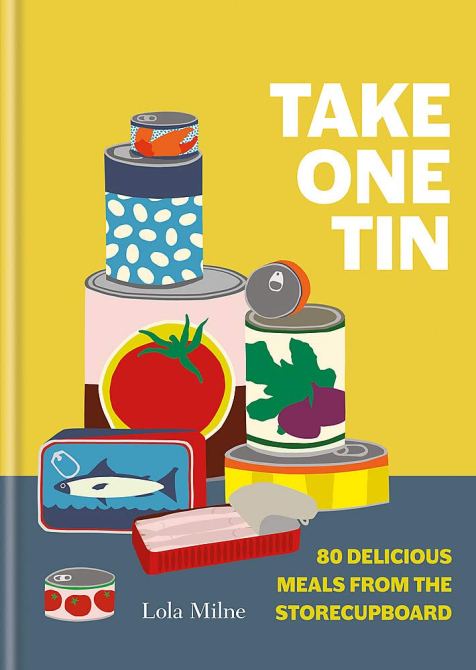
Take One Tin by Lola Milne

Take one tin

What’s the USP? Practical storecupboard meals, with recipes that stray a little from the drab usual suspects.

Who’s the author? Lola Milne isn’t necessarily the most obvious author for a cookbook – her work in the food industry has mostly been behind the camera, as an in-demand photographer and food stylist. This does pay dividends in the book though, with vibrant and beautifully shot dishes livening up what could have easily been a fairly unexciting premise.

What’s great about it? Milne’s focus on long-life products and storecupboard staples feels decidedly modern, and will appeal to people of all ages – perfect for knocking together something for the family when you’ve not had a chance to get to the shops. By focusing on tinned foods as a starting point, Milne has found it easy to put together a collection of recipes that are entirely without meat. Vegetarians will delight, and a wealth of pescatarian dishes ensures plenty of variety throughout the book.

You can’t help but feel that the timing of Take One Tin’s publication will prove a little fortuitous for Milne, too. As much of the world contemplates societal lockdowns and potentially long isolation in the wake of Covid-19, this cookbook will prove an increasingly useful addition to many homes.

Is it good bedtime reading? Not at all. A two-page introduction and two short sentences at the beginning of each recipe. Three, if you’re lucky.

Will I have trouble finding the ingredients? The very nature of Take One Tin ensures that there are no real surprises on the ingredient lists. Whether or not you have trouble securing what you need will come down solely to how well your local supermarket is dealing with any panic buying that might be going on.

What’s the faff factor? What faff factor? Milne’s recipes are all remarkably simple affairs. A bit of pan-frying, maybe. Mix a few items together and chuck them in the oven for a bit. Whilst Milne’s food-styling skills ensure dishes look very impressive, the actual work necessary to pull them off won’t faze the average home cook in the slightest.

How often will I cook from the book? In normal day-to-day life? Maybe once every couple of weeks. These are easy and practical recipes that many people will happily call on when they don’t want to work too hard for their dinner. In a global pandemic? Take One Tin might just prove invaluable.

Killer recipes? Jackfruit & kidney bean chilli, crab thoran, Sri Lankan mackerel curry, banoffee pie with hazelnut cream.

Should I buy it? There are a few storecupboard-centric cookbooks out there, and whilst others might cover more ground (Claire Thomson’s excellent The Art of the Larder being one), Take One Tin is a great deal more accessible, and balances the genre’s practical aspects with genuinely exciting and contemporary ideas.

Cuisine: International
Suitable for: Beginners and confident home cooks
Cookbook Review Rating: Four stars

Buy this book 
Take One Tin: 80 delicious meals from the storecupboard

Review written by Stephen Rötzsch Thomas who is a Brighton-based writer, and is exactly the sort of person who posts his dinner on Instagram. Follow him on Twitter and Instagram at @srotzschthomas.

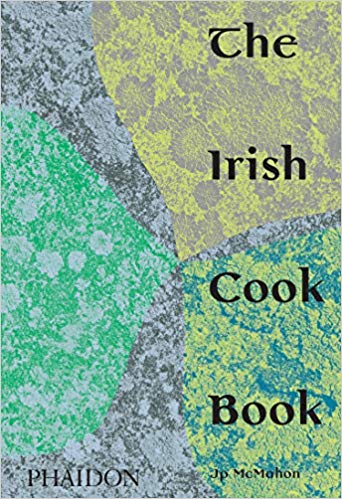
The Irish Cookbook by Jp McMahon

The Irish Cookbook

What’s the USP? The Irish Cookbook arrives with impeccable timing, following the country’s Michelin success last October. It now boasts three, two-star restaurants and 18 one-star establishments across the Republic and Northern Ireland. It’s an indication of how far the country’s food scene has evolved; a decade ago there were just seven starred restaurants in total.

Who’s the author? Jp McMahon is a Michelin-starred chef and culinary director of the EATGalway restaurant group that includes the one star Aniar. He is also the founder of the annual Food on the Edge culinary congress.

Is it good bedtime reading? There’s more than just recipes in this 400-plus page book with a scope that goes far beyond modern restaurant food, delving back to pre-Neolithic times in a scholarly introduction titled ‘A Little History of Food in Ireland’ that forms part of the book’s attempt to answer the question ‘What is Irish food?’.

Killer recipes? Organised into 15 chapters, McMahon comprehensively covers Ireland’s rich and diverse natural larder from the superlative shellfish (oyster pie; sea urchins with buttermilk and tarragon) to the plentiful wild game (grouse and poteen; venison and barley stew), freshwater fish (pike with gooseberries and sherry; perch baked in milk) and much else besides.

McMahon is keen to point out that it is more than the dishes that ‘emerged in the space created after the (potato) famine’ such as boxty potato pancake and traditional Irish stew, although both are included among the book’s 500 recipes, the former in its most austerely authentic form made with just lamb neck, onions, potatoes, thyme and parsley. The 80s are represented by crab with curry mayonnaise and pineapple while the contemporary Irish repertoire includes smoked eel porridge.

Will I have trouble finding ingredients? A good fishmonger will be required for the likes of sea urchins, razor clams, wild salmon and smoked eel, and you’ll probably need to get your rod out and go and catch pike, perch and carp yourself.  You might need an online supplier for seaweed and be up for a spot of foraging for things like nettles, wild garlic.  There are however many recipes that won’t cause you any shopping bother at all.

What’s the faff factor? This is mostly home cooking rather than complex cheffy stuff and many of the recipes are short and to the point.

How often will I cook from the book? There’s a really good variety of dishes and lots that would work when you’re time poor mid-week.

What will I love? McMahon has included an index of Ireland’s wild plants, seaweed and fungi eaten by the country’s first settlers and which he sees as the future of Irish food. Nettles are rolled around cream cheese, made into a puree and soup and transformed into wine, while steamed asparagus is wrapped in sea lettuce and deep-fried rabbit legs are served with wild garlic mayonnaise.

Should I buy it? McMahon makes the sensible caveat that ‘no book is definitive’ and it is questionable how uniquely Irish some of the recipes such as steak and kidney pie and lamb hotpot actually are, but The Irish Cookbook is nevertheless an impressive achievement and one that will shed new light on a hitherto undervalued cuisine.

Cuisine: Irish 
Suitable for:
Confident home cooks/Professional chefs/
Cookbook Review Rating: 
Four stars

Buy this book
The Irish Cookbook (Food Cook)
Phaidon, £35

The Whole Fish Cookbook by Josh Niland

The Whole Fish Josh Niland

What’s the USP?  How to utilise every inch of a fish from top lip to anal fin, with recipes.

Josh who? Only one of the most talked-about, influential chefs on the planet. OK, unless you live in Sydney, you may not have heard of his restaurant Saint Peter, but his revolutionary, sustainable, zero-waste approach to fish cookery has caught the eye of everyone from Nigella Lawson to Rick Stein.

Is it good bedtime reading? There’s a lot of text in the book besides the recipes including a foreword from Australian food writer Pat Nourse, Niland’s own introduction, and articles covering topics such as the reasons why we don’t currently cook more fish at home, sourcing fish, storing and dry-ageing fish, fish butchery and treating fish in the same way as meat (the heart of Niland’s fish philosophy), curing fish, using fish offal and ‘fishues’ i.e. issues with fish.

Will I have trouble finding ingredients? The short answer is yes. Unless you live in Australia or elsewhere in the Southern Hemisphere, getting hold of the varieties of fish specified in some of the recipe titles such as blue mackerel and wild kingfish will be impossible. Niland does, however, provide plenty of alternatives (john dory in the case of the kingfish) but you will definitely need an excellent fishmonger if you are going to cook from the book, supermarket quality fish just isn’t going to cut it.

What’s the faff factor?  This is restaurant-style cooking with few concessions made for the home cook. There are 20 ingredients in the base of the bouillabaisse-style Saint Peter’s Fish Soup recipe including 15kg of various seafood, plus about another 2kg of seafood for the ‘finishing garnishes’ (it feeds just six people). There are some more simple dishes such as fried whitebait, crumbled sardine sandwich and fish and chips (although you’ll need to start making the recipe 4 days ahead of when you want to serve it because of the processes required for the triple cooked chips).

How often will I cook from the book? How often do you fancy a fish fat chocolate caramel slice? For many home cooks, much of the book will be of curiosity value only and time, effort and energy will be required to tackle things like fish black pudding or milt mortadella. Professional chefs will doubtlessly find this book invaluable. Niland’s approach dramatically increases the potential yield per fish from 45 per cent (the fillets) to potentially over 90 per cent which can be converted into revenue, making the extra effort worth their while.

Killer recipes? Swordfish bacon and egg English muffin; smoked eel and beetroot jam doughnut; BBQ red mullet, corn and kelp butter; BBQ glazed cod ribs; Yellowfin tuna cheeseburger with salt and vinegar onion rings; grilled (fish) sausage, celeriac, peas and onion sauce; fish sausage roll; fish wellington. 

What will I love? This is an original and unusual approach to a well-worn subject. You won’t have a book on your shelf quite like it. It’s a reflection of a well-thought-through and fully rounded culinary philosophy that gives a new perspective on preparing and cooking seafood.

Should I buy it? If you’re a professional chef, then you really need to add this book to your collection. Even if you don’t plan to dry-age your own fish or start serving fish eye chips (no, really; you blend the eyes, mix them with tapioca flour to make a batter which is then steamed, dried and finally deep-fried), you will gain new knowledge that could help your business. For passionate home cooks that love seafood, this will be at the very least a real eye-opener and will provide some absorbing and challenging weekend culinary projects.

Cuisine: Seafood
Suitable for:
Professional chefs/Confident home cooks
Cookbook Review Rating: 
Four stars

Buy this book
The Whole Fish Cookbook: New ways to cook, eat and think

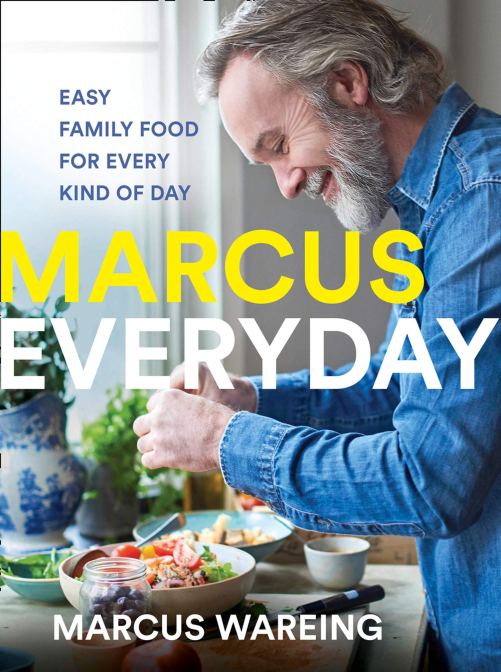
Marcus Everyday by Marcus Wareing

Marcus Everyday


What’s the USP? Approachable, achievable family recipes from a Michelin starred TV chef.

Who are the authors? Marcus Wareing has made his name as one of London’s best-known fine-dining chefs with three restaurants: Marcus, The Gilbert Scott and Tredwells and as a stern taskmaster on Masterchef: The Professionals. He rose to fame in the 90’s as Gordon Ramsay’s right-hand man, heading up a number of restaurants including the original Petrus in St James’s Street. His falling out with Ramsay is well documented.

Wareing’s co-author for the sixth time is Chantelle Nicholson (their previous books include The Gilbert Scott Book of British Food; New Classics and Marcus at Home among others). A New Zealand-born lawyer turned chef whose CV includes The Savoy Grill and Petrus, she opened The Gilbert Scott as general manager and is currently back in the kitchen as head chef of Tredwells in Coven Garden and is the author of Planted her debut solo cookbook outing.

Is it good bedtime reading? Only if you fall asleep really, really quickly. A three-page introduction plus brief chapter and recipe introductions and that’s your lot.

Will I have trouble finding ingredients? Apart from lavender flowers, whole smoked ham hock, fresh bergamot and ripe pears (who has ever found a ripe pear?) you should have no problem tracking down 99 per cent of the ingredients in this book. Even things like fresh turmeric, Gordal olives and white miso should be available in your local Waitrose.

What’s the faff factor?  The book’s raison d’etre is to fling out the faff, so you can mostly expect short ingredient lists and straightforward methods. That’s not always the case however and the prep and cooking times that are provided for all the recipes range from 5 minutes prep and under 10 minutes cooking time for a caramelised banana split up to 1 3/4 hours prep and 3 3/4 hours cooking time for confit of duck ravioli with cucumber and a peanut, sesame and chilli dressing. But at least you know what you’re letting yourself in for.

How often will I cook from the book? No one actually cooks from one book every day, do they? It’s a bit of a self-defeating title really. If people did buy the book and cook from it every day then that’s HarperCollinsPublishers out of business pretty sharpish, or at least Marcus Wareing’s career as a cookbook writer cut mercilessly short. But there is certainly a wide enough range and variety of recipes to keep us cuisine-hopping Brits satisfied for quite some time with everything from celeriac, ham hock and barley hot pot to Thai chicken salad  and prawn tomato and chilli linguine in between. There’s also guidance on fermenting, pickling, jam and chutney making for when you’re in the mood for a bit of a project, so there’s little chance of this turning into Marcus Collecting Dust Everyday.

Killer recipes? Recipes that may well become regular standbys include hassleback potatoes with red wine and pork ragu; haddock with lentils, basil and mascarpone; beef and garden herb meatballs with roasted tomato sauce; barbecued lamb ribs with chimichurri sauce and chocolate and peanut caramel tray bake. 

What will I love? This is a kinder, gentler Marcus; the family man at home in his East Sussex hideaway Melfort House, gardening and cooking with his kids and grinning for the camera in his casual blue denim shirt. It’s the sort of aspiration lifestyle stuff you’d associate with the likes of Bill Granger or Donna Hay, but Wareing pulls it off. The recipes are very much ‘home cookery’ as Wareing likes to call it with not a hint of Michelin-starred hubris.

Should I buy it? There are many books already on the market aimed at this style of cooking (not least the excellent Bill Granger Every Day) but Marcus Everyday ticks enough modern trend and trope boxes including vegan, vegetarian, healthy eating, low waste cooking, preserving and barbecuing to make it a useful addition to any collection. It will be of particular interest to newbie cooks or those in need of updating and broadening their style and repertoire.

Cuisine: International  
Suitable for: 
For beginners/confident home cooks
Cookbook Review Rating: 
Four stars

Buy this book
Marcus Everyday: Easy Family Food for Every Kind of Day
Harper Collins Publishers, £20


The Incredible Lemon Pie from Big Momma Cucina Popolare

279 Tarte Citron.jpg

Lemon meringue tart (pie)

Per 6 amici

Preparation time: 25 minutes
Chilling time: overnight
Cooking time: 30 minutes

Ingredienti
For the pastry (pie dough)
90 g/3 and 1/4 oz (6 tablespoons) unsalted butter
20 g/ 3/4 oz (scant 3 and 1/2 tablespoons) ground almonds (almond meal)
50 g/1 and 3/4 oz (generous 1/3 cup) icing (confectioners’) sugar
2 large (US extra large) eggs
150 g/5 oz (1 and 1/4 cups) plain (all-purpose) flour
1/2 teaspoon salt
For the lemon custard
1 leaf (sheet) gelatine
3 unwaxed lemons
3 eggs
70 g/2 and 1/2 oz (1/3 cup) caster (superfine) sugar
140 g/5 oz (1 and 1/4 sticks) unsalted butter
For the Italian meringue
230 g/8 oz (scant 1 and 1/4 cups) caster (superfine) sugar
2 tablespoons water
juice of 1 lemon
4 egg whites

Come fare

Make the pastry. In a bowl, soften the butter with a spatula. In a mixer with a paddle (flat beater) attachment, beat the softened butter, ground almonds (almond meal) and icing (confectioners’) sugar until smooth. Then add the eggs, one at a time, while beating. Incorporate the flour and salt. Mix the pastry dough until crumbly. Form the dough into a ball, wrap in clingfilm (plastic wrap) and rest overnight in the refrigerator.

Make the lemon custard. Soften the gelatine in a bowl of cold water for 5 minutes. Zest two of the lemons and squeeze all three. In a bowl, beat the eggs with a fork. Combine the lemon juice, sugar and butter in a pan and bring to the boil. Gradually add the eggs, incorporating with a whisk. Cook over a low heat until the mixture comes to a gentle boil.

Pour the mixture into a bowl. Squeeze the gelatine and incorporate. Add the lemon zest. Use an immersion blender to mix well. Put into an airtight container and rest overnight in the refrigerator.

Preheat the oven to 175°C/350°F/Gas Mark 4). Roll out the pastry dough into a 6-mm/1/4-inch-thick disc. Grease a tart pan with butter and line with the pastry. Bake in the preheated oven for 15 minutes.

Make the Italian meringue. Dissolve the sugar into 2 tablespoons of water and the lemon juice in a pan over a low heat. Bring to the boil and cook until the mixture reads 120°C/250°F on a cooking thermometer. If you don’t have a cooking thermometer, put a little of the syrup in a spoon and let one drop fall into a glass of cold water. If it forms a small, soft ball, the syrup is ready. In a grease-free bowl, whisk the egg whites to stiff peaks. Pour the syrup in a thin stream into the meringue while whisking until the mixture cools.

Fill the pastry case (shell) with the lemon custard. Use a plastic spatula to cover the tart with meringue, creating a dome in the centre. Caramelize with a chef’s blowtorch. Chill in the refrigerator for 1 hour before serving.

Cool to know
‘If it’s not big, it’s not big enough’ is one of our mottos, so now you know why our meringue stands 20 cm/8 inches high…

Cook more from this book 
La Gran Carbonara
Green Pizz’

Read the review 

Buy this book
Big Mamma Cucina Popolare: Contemporary Italian Recipes
Phaidon, £27.95

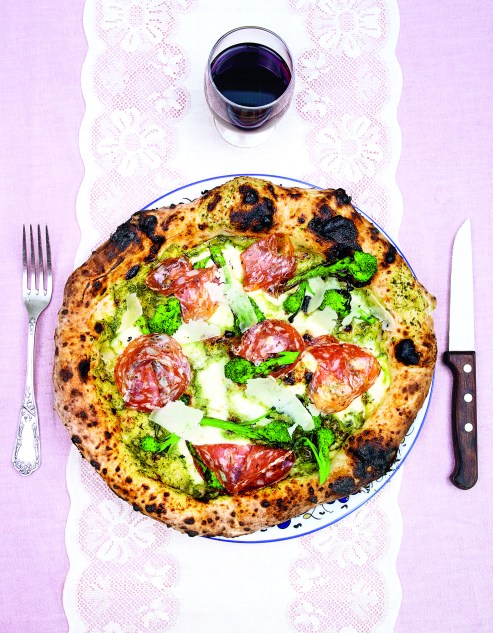
Green Pizz’ from Big Momma Cucina Popolare

121 Green Pizz.jpg

Rapini (broccoli rabe) cream, finocchiona, mozzarella and pecorino pizza

Per 1 pizza

Preparation time: 20 minutes
Resting time: 10 minutes
Cooking time: 30 minutes

Ingredienti

2 bunches rapini (broccoli rabe) or Tenderstem broccoli (broccolini)
2 tablespoons olive oil
2 anchovy fillets in oil, drained
1/2 quantity (250 g/9 oz) Pizza Dough (see below)
5 thin slices of finocchiona or salami
90 g/3 and ¼ oz fior di latte (or mozzarella di bufala), roughly cut
70 g/2 and ½ oz (3/4 cup) grated pecorino, plus a few shavings to garnish
Salt

Come fare

Chop half the rapini (broccoli rabe) stalks (stems) and remove the leaves. Cook the rapini for 2 minutes in a large pan of salted boiling water. Drain, then immerse them in a large container of ice water to stop further cooking. Leave to cool for 10 minutes.

Make the rapini cream. In a large pan, heat 1 tablespoon of the olive oil over a high heat. Chop the remaining rapini stalks and fry with the anchovies for 15 minutes over a medium heat. Process everything in a food processor until you have a smooth cream.

Preheat the oven to 250°C/480°F/Gas Mark 9. Cover a baking sheet with baking (parchment) paper. On a floured work surface, roll out the pizza dough into a circle about 30 cm/12 inches in diameter and about 2 cm/ 3/4 inch thick.

Place the pizza base (crust) on the baking paper. Cover it with the rapini cream and drizzle over the remaining 1 tablespoon of olive oil. Bake for 5 minutes.

Remove from the oven and add the chopped rapini, finocchiona slices and mozzarella. Bake for a further 5 minutes. Remove from the oven and sprinkle with the grated and shaved pecorino. Don’t wait, serve and enjoy immediately!

Cool to know
Finocchiona is a type of traditional Italian salami from Tuscany. Its name comes from ‘finocchio’ – meaning ‘fennel’ in Italian – which, along with pepper, gives this salami its distinctive flavour.

Neapolitan Pizza Dough
A tip from Giuseppe Cutraro

Per 2 pizze

Preparation time: 25 minutes
Rising time: 8 hours

5 g/1/8 oz (13/4 teaspoons) fresh yeast or 1 teaspoon fast-action dried (active dry) yeast
300 g/11 oz (2½ cups) soft (pastry) flour, such as Italian type ’00’
1 generous tablespoon olive oil
2 teaspoons fine salt

Come fare

Dissolve the yeast in 200 ml/7 fl oz (scant 1 cup) of lukewarm water. Sift the flour and add half to the water. Work by hand for 10 minutes, without leaving any lumps, gently mixing the liquid with the flour and kneading the resulting dough well. Incorporate the remaining flour,olive oil and salt.

Continue to knead by hand for 15 minutes until the dough is very smooth and comes off the work surface very easily.

Put into a bowl, cover with a wet cloth and leave to rise for 2 hours in a warm room (about 24°C/75°F).

Dust a rimmed baking sheet. Divide the dough into two and put the dough balls onto the baking sheet. Cover with a cloth or lid without touching the dough and leave to rise in a warm room for 6 hours. The pizza dough can be stored in the refrigerator for 3–4 days.

How to stretch pizza dough

Neapolitan pizza-making is an art form (now recognized as intangible cultural heritage by UNESCO). Giuseppe Cutraro, our chief pizzaiolo, ‘made in Napoli’, explains how to stretch the dough. Professional tips below…

You begin by dusting your work surface (preferably marble to keep the temperature at about 20°C/70°F) with flour.

Put the dough on the work surface and start by stretching it with your hands to form a circle about 30 cm/12 inches in diameter. And here’s where things get a little tough: twirling the pizza with your hands. Unlike what you might think, you don’t toss the dough high into the air, even though it looks like a really cool thing to do. This can even be done on the work surface: make the dough into a circle by rotating it, or by repeatedly lifting it with the left hand while holding it with the right. These actions allow the dough to be stretched uniformly.

Then lay the dough on the work surface and start pushing it from the centre towards the edges with your finger, which pushes the air to the edges and creates a raised lip that is light and puffed when cooked. We pizzaioli call it a cornicione (‘cornice’). It’s the hallmark of genuine Neapolitan pizza – generous edges, about 2 cm/¾ inch, which puff up at 430°C/800°F in the wood-fired pizza oven.

Giuseppe started learning the trade at the age of 15, at the historic Starita a Materdei pizzeria in Naples. We will probably never equal his pizza-making skills, but we can at least pretend.

Cook more from this book 
La Gran Carbonara
The Incredible Lemon Pie

Read the review 

Buy this book
Big Mamma Cucina Popolare: Contemporary Italian Recipes
Phaidon, £27.95