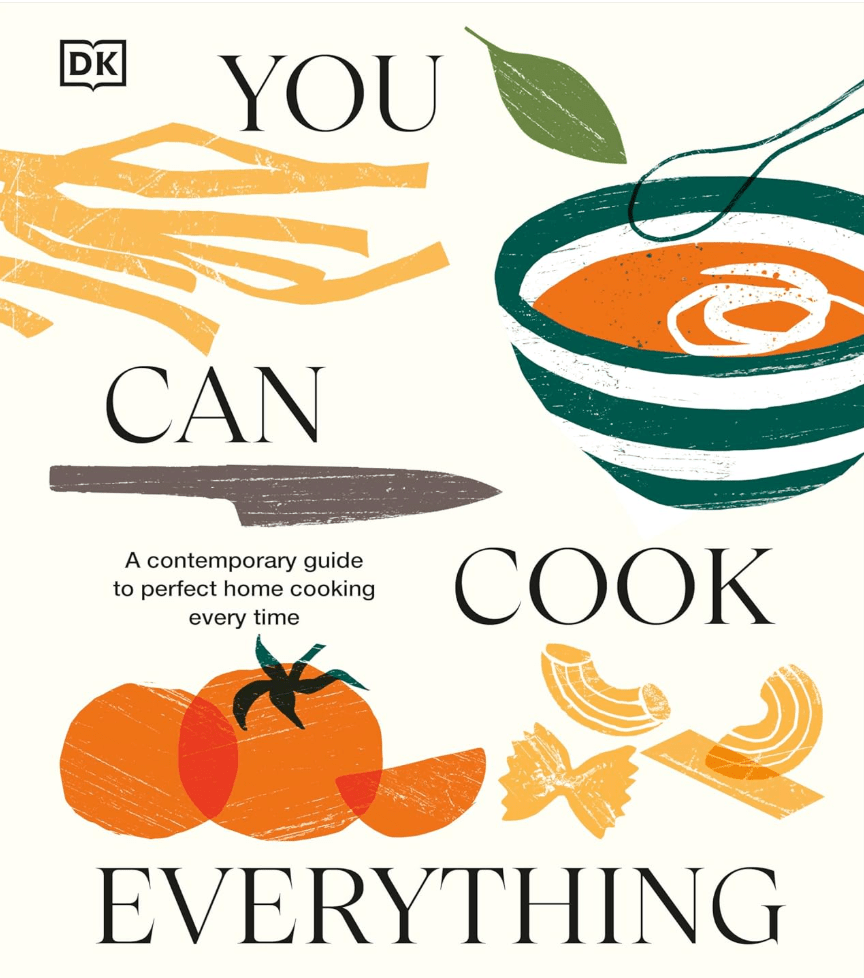
You Can Cook Everything: A Contemporary Guide to Perfect Home Cooking Every Time by DK – Cookbook Review

What is the USP?
An encyclopaedic guide to everything you need to know to become a confident home cook, covering over 1,000 techniques, tips, and recipes in one lavishly photographed volume. There’s no particular cuisine or concept. The focus is on giving you the building blocks to master everything from stir-frying tofu and grilling steak, to baking focaccia and folding gyoza.

What will I love?
It’s all here — the classics, the comfort food, the global favourites — presented with generous step-by-step photography and precise instructions. Want to perfect a béchamel? Learn to butterfly a leg of lamb? Bake flawless cinnamon buns? You Can Cook Everything gives you the confidence to try it, with visual cues and no judgment. It demystifies the things many cookbooks gloss over, from how to make shortcrust pastry to when to season your steak.

There’s also a pleasing sense of reassurance. Although it feels more up-to-date than other ‘cookery bibles’ due to the inclusion of more modern ingredients, it isn’t trying to be trendy or edgy. It’s here to guide you towards better home cooking, at your own pace. Think of it as a contemporary kitchen manual designed for a generation who may not have learned to cook from family, but who are hungry to learn now.

Is it good bedtime reading?
Yes. It’s not a memoir-style book full of essays or storytelling, but it’s incredibly satisfying to flip through. Each page feels like a mini masterclass. If you love the rhythm of methodical, practical cookery, this is bedtime gold.

Will I have trouble finding the ingredients?
Unlikely. The book is global in scope, so you’ll find everything from curries to shakshuka, but recipes are tailored to what is realistically available in most UK supermarkets. There’s helpful advice on substitutions, and where a specialist ingredient is needed (e.g. tamarind paste, rice flour), it’s generally one that has become fairly mainstream. The book is about building confidence and teaching you flexibility, not sending you schlepping across town on a three-hour shop.

How easy are the recipes to follow?
Exceptionally easy. The hallmark of DK books is their visual clarity, and You Can Cook Everything delivers in spades. Recipes are structured, well-spaced, and meticulously illustrated. There are visual walk-throughs for everything from kneading bread to filleting a fish, and plenty of troubleshooting tips to keep you on track. It’s ideal for anyone who wants to see how something should look at each stage. If you are someone who enjoys the reassurance of watching YouTube videos before trying a recipe, the chances are you will find You Can Cook deeply satisfying. 

Stand-out recipes?
The ‘Spring Onion and Cheddar Soda Bread’ is a wonderfully comforting, cheesy twist on a classic, while the ‘Butternut Squash and Sage Gnocchi’ is perfect to make in autumn. On the sweet front, the ‘All‑In‑One Vegan Chocolate Cake’ is rich, fudgy and undetectable as a vegan bake, and the ‘Blueberry Streusel Muffins’ are a delicious way of elevating the fruity favourite with a sweet and crunchy topping. 

How often will I cook from this book?
All the time. It’s a book you will reach for when trying something new or troubleshooting something familiar. The tone is quietly empowering: you don’t feel patronised, but you are never left to flounder. It’s perfect for beginner cooks, but even seasoned home cooks will enjoy the clarity and breadth. You might not cook everything in it, few of us have that kind of ambition, but it’s incredibly satisfying to know it’s all there.

Any negatives?
Not for what it sets out to do. Of course, if you are looking for a cookbook with an evocative or emotional narrative or a strong authorial voice, this won’t fill that void. It’s a clear, clean, and comprehensive reference book at heart. It also isn’t heavy on dietary notes (you won’t find extensive gluten-free or vegan adaptations), though there are plenty of naturally plant-based dishes. 

Should I buy the book?
Absolutely, especially if you’re building or refreshing your cookbook shelf and want a reliable, go-to guide. You Can Cook Everything is a must-have modern-day cooking bible: practical, clear, and deeply satisfying to use. It will teach you to trust your instincts and become a better cook, one delicious step at a time.

Cuisine: International 
Suitable for: Cooks of all abilities – a great place for beginners to start, while also filling in gaps/offering new inspiration for keen cooks. 
Great for fans of: Delia Smith, Leiths and Samin Nosrat.
Cookbook review rating: Five stars
Buy this book: You Can Cook Everything: A Contemporary Guide to Perfect Home Cooking Every Time
£30.00, DK

This review was written by Freelance Food Writer and Recipe Developer Sophie Knox Richmond. Follow her on Instagram on @sophie_kr_food

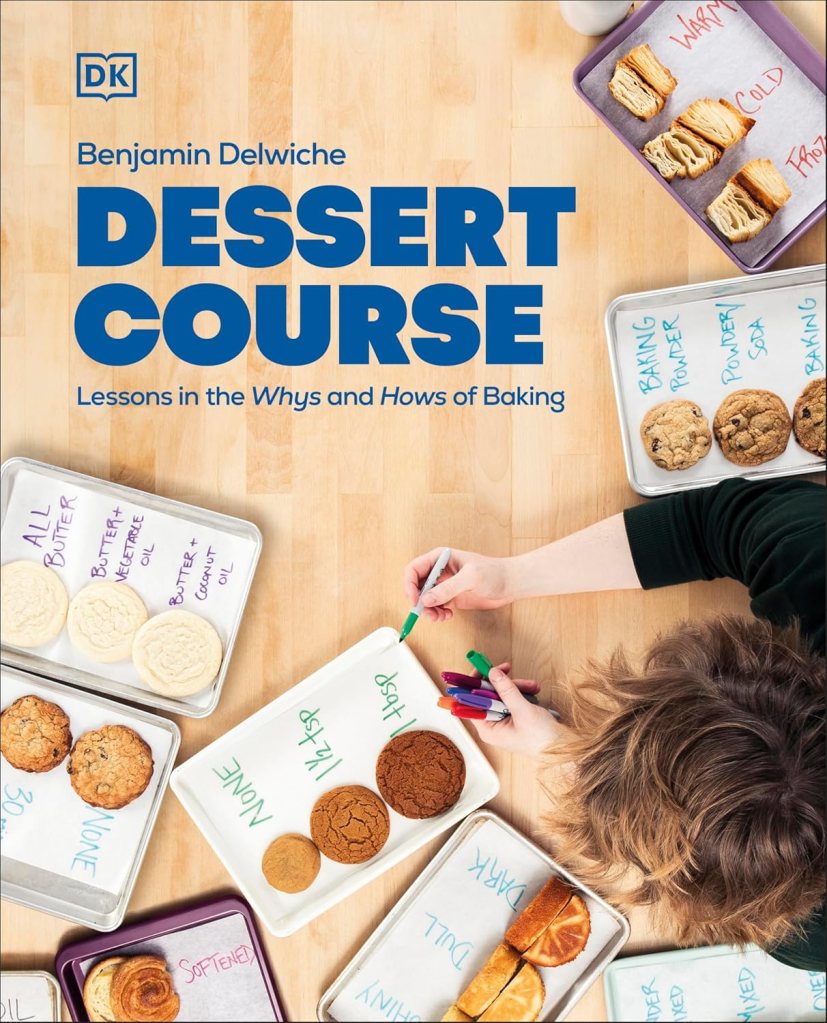
Dessert Course by Benjamin Delwiche – Cookbook Review

Who is Benjamin Delwiche?
You are more likely to know Benjamin Delwiche by his instagram handle @benjaminthebaker. Despite having over 667,000 followers avidly following his baking advice, Delwiche is actually a maths teacher. It might seem an unusual link at first. However, the parallels soon become clear when you see his approach to recipes. Just as he might break down a complicated maths equation to help a puzzled pupil, Delwiche ‘decodes’ the science behind each stage in a recipe, helping explain how and why they work. As he says in his introduction, “Following instructions is one thing, but confidently understanding the concepts that underlie the process is quite another”. 

What is Dessert Course’s USP?
Delwiche describes it as ‘a celebration of the art and science of baking: the ingredients, the recipes, and the concepts that make a baked good both technically successful and undeniably delicious.’ Dessert Course is about explaining how a handful of everyday ingredients can be transformed into an irresistible sweet treat without a kitchen full of expensive equipment or ingredients. It goes beyond just providing the recipes, aiming to help readers develop key foundational skills and understand the fundamental science behind each bake, all in a relatable and accessible manner.

What will I love?
Dessert Course is the ideal book for anyone interested in baking. Complete beginners will be able to build their confidence and knowledge, while more experienced bakers can brush up on their theory and discover more about how and why recipes work.

This is all explained in the first section, with pages dedicated to breaking down recipes, the importance of measuring and scaling, and details on various mixing methods (ever wanted to learn the ins and outs of classic creaming vs reverse creaming?). Then comes the recipes, each starting with a flow chart showing how altering a few steps (or ratios) can significantly impact the final result, ideal for anyone who enjoyed Lateral Cooking by Niki Segnit

That such a treasure trove of information never feels weighty or dull is a testament to Delwiche’s writing and the skill of the book’s design team. The combination of diagrams, charts and side-by-side photos makes Dessert Course a surprisingly engaging read, despite the volume of information. 

Even if you aren’t interested in baking theory, there are plenty of recipes that will have you reaching for your apron. This isn’t the kind of book full of unique flavour combinations or ingredients. Instead, you will find a strong selection of classic cookies, pies, cakes and breads.

Is it good bedtime reading?
Delwiche has a talent for making scientific concepts approachable. Add a few handy diagrams, flowcharts and delectable photos into the mix and you could easily find yourself whiling away the hours absorbed in how to transform a Classic Cheesecake into a Cotton (Japanese) Cheesecake, Chewy Sugar Cookies into Snickerdoodles, or the effect of using baking powder vs bicarbonate of soda. With other writers, this could become rather weighty. However, such is the style and structure of the book, all the information feels accessible and highly readable. 

Will I have trouble finding the ingredients?
No. Part of Delwiche’s philosophy is that you don’t need speciality ingredients to become a good baker. All the recipes feature affordable ingredients you should easily be able to find in your local supermarket. Having said that, Dessert Course is designed to give you the skills to bake with confidence and understand a recipe, so you could get creative and include more extravagant ingredients once you have mastered the basics. 

How easy are the recipes to follow?
There is a good mix of basic and more involved recipes. Naturally, Soda Bread is easier than Kouig-amann. However, Delwich ensures each one is clearly explained with flow charts highlighting the similarities and differences with other similar recipes (e.g. highlighting the links between Bagels and Pretzels), alongside highly informative images which clearly show the effects of different glazes, raising agents and/or how to tell if your bake is underbaked, overbaked or just right. Each recipe also includes a prep time, active time and cooking time at the top. Ideal for helping you plan how to fit a baking session into your day.

Stand-out recipes?
Don’t miss the Chewy Browned Butter Chocolate Chip Cookies or Fudgy Brownies (there are also options for ‘Chewy’ and ‘Cakey’ versions, if you prefer). The Cinnamon Coffee Cake was also a hit. 

How often will I cook from this book?
As often as you want to bak. There are recipes for every occasion with all sorts of classic cakes, biscuits and breads (not forgetting the delectable desserts and pastries).vWhether you want to make up a batch of simple Chewy Peanut Butter Cookies, or master the art of buttery Brioche. 

Any negatives?
It is very geared towards an American audience. Not a problem if you enjoy Snickerdoodles and Pumpkin Pie, but don’t expect to find the secret to the perfect Sticky Toffee Pud.

Should I buy the book?
If you enjoy cookbooks that delve deeper into the whys and hows of recipes, Dessert Course is the book for you. In some ways it is similar to SIFT (Nicola Lamb), although the recipes focus more on popular American crowd pleasing classics (compared to Lamb’s array of more innovative, elevated ideas). 

Cuisine: Baking and Patisserie 
Suitable for: Baking enthusiasts of all abilities
Great for fans of: Matt Adlard, Nicola Lamb and Ravneet Gill
Cookbook review rating: 4 stars
Buy this book: Dessert Course: Lessons in the Whys and Hows of Baking
£27.00, DK.

This review was written by Freelance Food Writer and Recipe Developer Sophie Knox Richmond. Follow her on Instagram on @sophie_kr_food

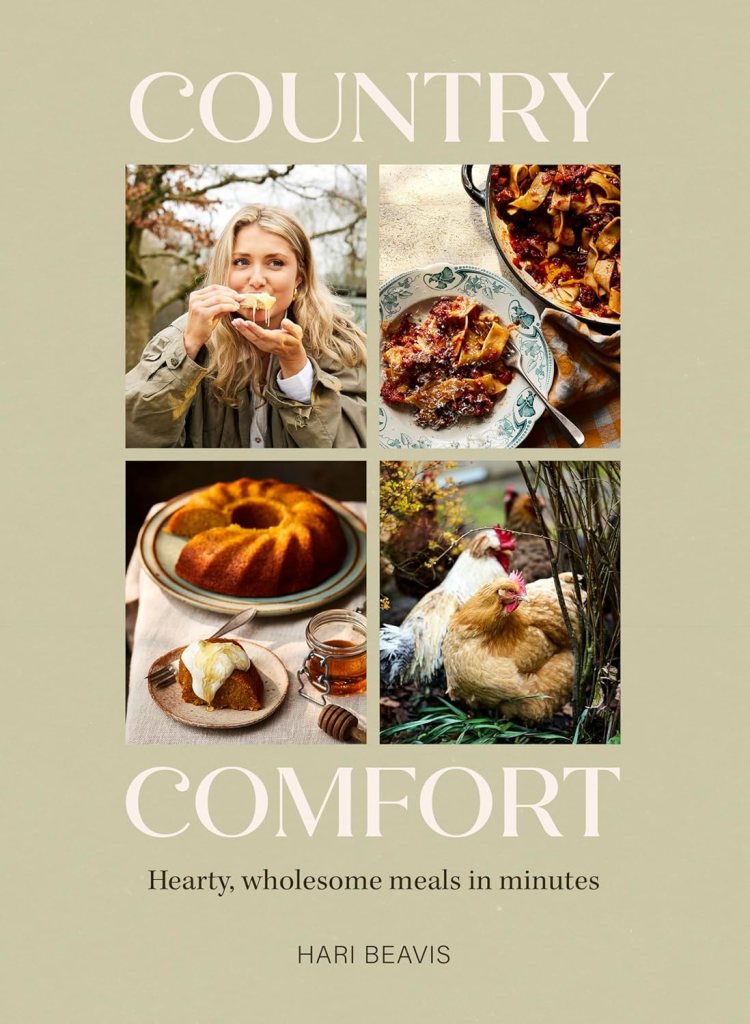
Comfort Food Recipes for Beginners: A Review of Country Comfort by Hari Beavis

Country Comforts cookbook cover.

Self-taught cook Hari Beavis has been described as ‘Gen Z’s go-to chef for comforting, cosy meals’ with nearly 300,000 followers on Instagram and over half a million on TikTok.

Growing up in the Warwickshire countryside, Beavis was raised on rich cosy meals which helped nourish the family through short, chilly days and long dark evenings, the kind of recipes she has become famous for on her social media pages. Think French Onion Soup with Cheesy Garlic Bread, Chicken Alfredo Lasagne and Parmesan Chicken Orzo, alongside Golden Syrup Cake and Chunky Monkey Cookies. They have proved so popular it was only a matter of time before publishers came knocking. The result? Her debut cookbook, Country Comfort. Beavis promises 90 recipes designed to show readers how to create crowd-pleasing, wholesome meals full of love and warmth. 

What will I love?
Country Comfort is a hug in a book, full of cosy, comforting recipes accompanied by rustic, relatable photos. , if you will. Lots of the recipes have tips offering advice on simple swaps and substitutions so you don’t feel like you have to dash out with a lengthy shopping list before you start cooking. Each recipe includes a helpful equipment list, plus the chapters are organised by time so you already vaguely know how long they should take.

Is it good bedtime reading?
Not really. The focus is very much on the recipes. They each have short introductions and paragraphs with tips but, aside from the introduction at the beginning, there isn’t much reading to get stuck into.

Will I have trouble finding the ingredients?
No. The ingredients are decidedly fuss-free. The most obscure is probably truffle mayonnaise in the ‘Chicken Sandwich’. 

How easy are the recipes to follow?
The dishes themselves are very straightforward. However, the recipes are written in paragraphs, rather than clear steps, to fit with the low-key, relaxed vibe of the book. This works for most of them, since they aren’t too complicated, however, some feel rather rushed. ‘My Loved Ones’ Carbonara’ is one example which would have benefited from a clearer, step-by-step, structure. 

Stand-out recipes?
The ‘Moroccan Chicken Dinner with Tahini Yogurt’ makes for a vibrant, flavoursome meal, while the ‘Cheesy Fish Pie’ sounds like the ultimate comfort food. The ‘Chickpea and Spinach Curry’ is perfect when you want a simple, warming supper.

How often will I cook from this book?
The range of recipes is broad enough for you to cook from the book all year round for a multitude of occasions. From a simple ‘Mediterranean Pasta Salad’ and fruity ‘Raspberry, Nectarine and Mozzarella Salad’ (ideal for summer BBQs) to a hearty ‘Butter Chicken Pie’ and ‘Hug in a Bowl Beef Stroganoff’ (perfect autumn/winter warmers). Chapters are organised by time (Comfort in…  10, 20, 30 or 40 minutes), followed by ‘Bake Everything Better’ full of sweet treats at the end (think ‘Chocolate Croissant and Hazelnut Pudding’, ‘Cinnamon Crunch Cake’ and ‘Raspberry Waffle Pudding’). There is also a useful chapter dedicated to ‘Drinks Pairings’. 

Any negatives?
The recipes feel very geared towards an Instagram audience, hardly surprising given Beavis’ large social following. Although there are many good ideas, there isn’t anything particularly innovative or inspiring. Not all of the recipes have photos which is a shame as they really add to the cosy vibe of the book. 

Should I buy the book?
If you are looking for low-effort cosy, comforting recipes, this is the book for you. It is ideal for a beginner cook looking to gain confidence in the kitchen (it would be perfect for a student) but the recipes have a distinct ‘influencer’ vibe that might leave more experienced cooks feeling a little uninspired.

Cuisine: International
Suitable for: Beginner cooks 
Great for fans of: Eleanor Wilkinson, Kitty Coles and MOB
Cookbook review rating: Three stars
Buy this book: Country Comfort: Hearty, wholesome meals in minutes
£26.00, Carnival

This review was written by Freelance Food Writer and Recipe Developer Sophie Knox Richmond. Follow her on Instagram on @sophie_kr_food

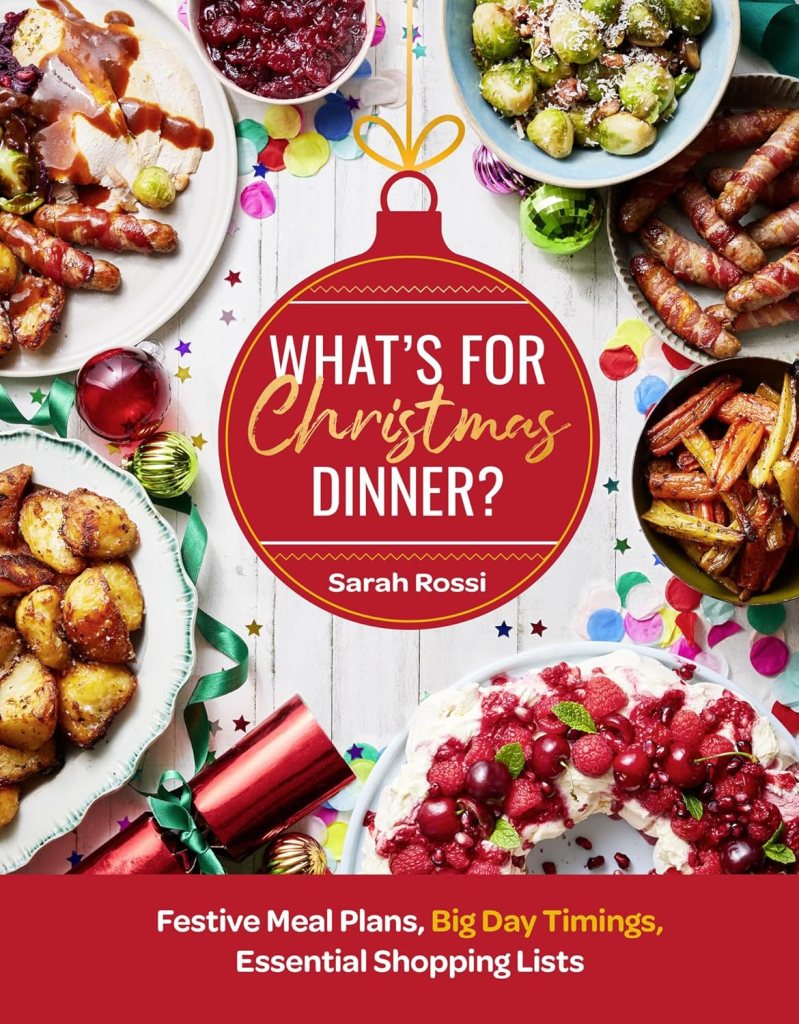
What’s For Christmas Dinner? by Sarah Rossi – Cookbook Review

Sarah Rossi, AKA founder of the immensely popular Taming Twins website, is back with her latest cookbook What’s For Christmas Dinner?. Her previous bestselling books, What’s For Dinner? and What’s For Dinner in One Pot?, secured her spot as one of the ‘go-to’ cookery writers for easy, budget-friendly, family meals. Now she has turned her attention to the season of goodwill and cheer, promising to take the stress out of Christmas and help you become a master of meal planning. A tall order indeed.

What will I love?
If you are feeling overwhelmed by Christmas, Rossi has done all the hard work for you. What’s For Christmas Dinner? is the most comprehensive culinary guide to Christmas I have come across. Alongside recipes accompanied by colourful, enticing photos, there is information on planning, shopping lists, timings for the Big Day, additional equipment, ‘get ahead’ tips, guidance for different numbers, advice on leftovers; you name it, Rossi has thought about it. There’s even a section explaining how to adapt recipes for different diets that will be helpful for anyone expecting vegetarian, vegan, nut-free, gluten-free or dairy-free guests. The book isn’t just for Christmas, much of the advice (and many of the recipes) can be applied to entertaining throughout the year.

The festive favourites are all there including ‘Classic Roast Turkey with Herb Butter’, ‘Stress-free Roast Potatoes’ and ‘Make-ahead Gravy’ as well as more modern ideas such as a retro American-style ‘Hash Brown Breakfast Bake’, moreish ‘Cheese and Chutney Scones’ and indulgent ‘Christmas Brownies’ designed to use up any leftover chocolate from the sharing selections.

Is it good bedtime reading?
Yes and no. There is plenty to read on the planning front and each chapter includes an introduction and the recipes go into extensive detail with tips, where necessary. Just don’t expect nostalgic literary musings on the beauty of Christmas. 

Will I have trouble finding the ingredients?
Not at all. Every recipe features ingredients that are readily available in the supermarkets. Advice on substitutions is also given. 

How easy are the recipes to follow?
Very. Rossi lives up to her reputation of making her recipes as fuss-free as possible. Think clear instructions, timings and prep-ahead tips.

Stand-out recipes?
The ‘Croissant Christmas Tree’ is a showstopping breakfast/brunch which can be adapted to use all sorts of spreads and the ‘Mushroom Wellingtons’ are a delicious veggie main course. The ‘Cheese and Tomato Tart’ is also a stand-out winner. On the pudding front, the ‘Chocolate Orange Pudding’ is a must-try, gloriously gooey with a decadent molten chocolate sauce. The ‘Christmas Tiramisu’, which swaps ladyfingers for panettone, is also delicious. 

How often will I cook from this book?
You could very easily do all your festive cooking exclusively from What’s For Christmas Dinner?. Chapters cover everything from ‘Nibbles and Party Food’ and ‘Cosy Nights In’ to ‘Gorgeous Gifts’ and ‘Festive Feasts’ (not forgetting ‘Leftovers’ and ‘Christmas Breakfast’).

However, it isn’t a book purely reserved for Christmas. Many recipes can easily be enjoyed throughout the year with a few adjustments, especially if you entertain regularly. Who wouldn’t love the ‘Cheese and Pesto Straws’ for a cheesy snack or ‘Smashed Pea Crostini’ as a spring/summer party nibble?

Any negatives?
While this isn’t Nigel Slater’s The Christmas Chronicles with lengthy nostalgic musings on Christmas and the beauty of the festive season, it is hard to find a negative. What’s For Christmas Dinner? does exactly what it sets out to do. A fair few of the sweet treats (e.g. desserts and baking) are chocolatey but then it is Christmas after all and there are other sweet options like zesty ‘Lemon Pots’ and a stunning ‘Wreath Pavlova’ if you aren’t a chocoholic.

Should I buy the book?
If you are entertaining and looking for a book to help you ace the festive period, What’s For Christmas Dinner? is a must-buy. Less confident cooks will get the most out of it (think of it as a festive culinary bible), but Christmas cooking veterans will still find plenty of inspiration within the pages.

Cuisine: British festive with international influences
Suitable for: anyone who wants a helping hand in the kitchen this Christmas.
Great for fans of: Jamie Oliver and The Batch Lady
Cookbook review rating: Four stars
Buy this book: What’s For Christmas Dinner? by Sarah Rossi (@tamingtwins)
£22.00, Harper Collins

This review was written by Freelance Food Writer and Recipe Developer Sophie Knox Richmond. Follow her on Instagram on @sophie_kr_food

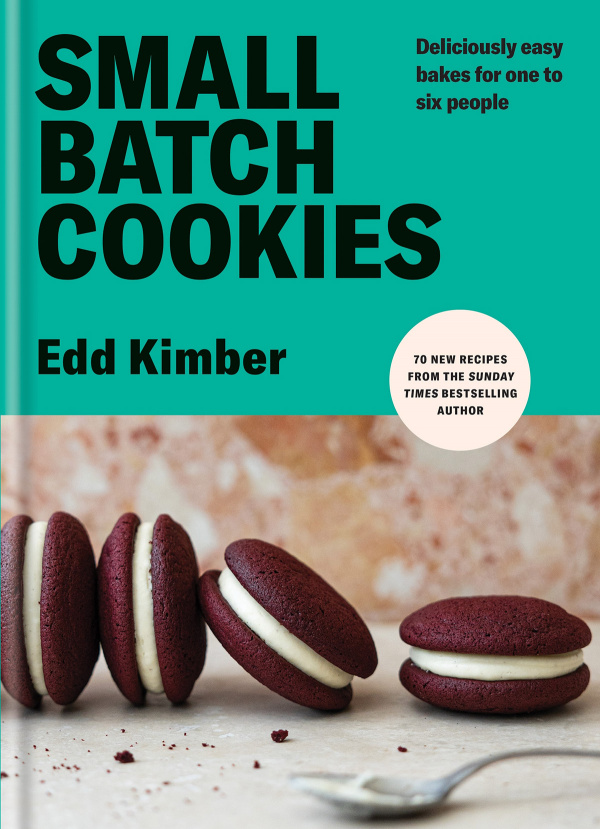
Small Batch Cookies by Ed Kimber – Cookbook Review

Small Batch Cookies Cookbook cover.

Who is Edd Kimber?
A.K.A ‘The Boy Who Bakes’, Edd Kimber is an award-winning baker, food writer and Great British Bake Off (GBBO) winner. He has written several best-selling, critically acclaimed, cookbooks including One Tin Bakes (2020), One Tin Bakes Easy (2021) and Small Batch Bakes (2022). Since achieving culinary fame after GBBO, he has become a familiar fixture on television screens at home and abroad, appearing on Good Morning America, Sunday Brunch and Saturday Kitchen. He can often be found sharing his passion for baking at food festivals, cookery schools and in magazines, including olive. He also regularly shares recipes with his followers via his social media @theboywhobakes and his popular Substack newsletter. Small Batch Cookies is his 7th cookbook. 

What is Small Batch Cookies’ USP?
We all have moments when we just crave a warm cookie straight from the oven. Moments when you don’t want to whip up a big batch to feed the five thousand and/or hunt out a long list of expensive ingredients. You just want to enjoy a comforting cookie (or two). These were Kimber’s inspiration for Small Batch Cookies. After all, the popularity of the infamous ‘Emergency Cookie’ in his earlier book Small Batch Bakes had proved there was a clear demand for it.

What will I love? 
The concept is a clever one. It’s liberating to be able to make such an impressive variety of delicious-sounding cookie recipes (each accompanied by a beautiful photograph) without worrying about leftovers or filling the freezer. Of course, the recipes can always be scaled up so you could make larger batches if you so wish.

Kimber also caters for various diets. Think delicate gluten-free ‘Swedish Lace Cookies’ and rich ‘Chewy Flourless Double Chocolate Cookies’, vegan ‘Tahini Oatmeal Chocolate Chip Cookies’ and ‘Speculoos-Stuffed Dark Chocolate Cookies’, and egg-free ‘Vanilla Kipferl’ and ‘Frosted Banana Bread Cookies’.

Is it good bedtime reading?
In a literary sense, not really. There is an ‘Introduction’ followed by Kimber’s ‘Perfect Cookie Manifesto’, a ‘Boring But Important Bit’ and advice on ‘Equipment’. Plus, each recipe has its own introduction. As long as you aren’t expecting long essays on the origins of the cookie, this is a joyful book to snuggle up with and contemplate your next culinary creations. I would encourage you to take a notebook to jot down a ‘to make’ list.

Will I have trouble finding the ingredients?
There is a helpful list of recommended suppliers at the back of the book, but you should be able to find everything you need in your local supermarket for the vast majority of the recipes. The only exception would be the ‘Panela Brown Butter Shortbread’ which would need a trip to a local health shop or an online order to get your hands on panela. In fairness, Kimber does say you can use regular caster sugar, although it won’t have quite the same flavour. It is also refreshing to see vegan recipes which use regular ingredients and pretty much like-for-like substitutes (Kimber explains at the start that flax or psyllium husk egg replacers are ‘superfluous’ in small-batch baking and can easily be replaced with a splash more plant-based milk). 

How easy are the recipes to follow?
Very. Kimber has ensured the recipes are as accessible as possible with helpful introductions, clear instructions (as well as explanations like ‘resting like this helps to hydrate the flour, which in turn prevents the cookies from spreading too much, leaving us with beautifully chunky cookies’), handy ‘notes’, where necessary, and storage instructions. Measurements are given for pretty much every ingredient (think 2 tsp lemon juice instead of ‘juice of 1 lemon’) so there is precious little room for error. 

Stand-out recipes?
Every recipe I have tried so far has been a success. The ‘Triple Chocolate Skillet Cookie for Two’ makes for a delicious quick and easy pud served warm with a scoop of just-melting vanilla ice cream. The ‘Black Forest Brownie Crinkles’ are a must-try for brownie fans. In fact, you could skip the black forest filling and enjoy the fudgy cookies on their own.

If you ever fancied making your own version of hobnobs, the ‘Knobbly Oat Cookies’ are incredibly simple, easy to adapt for vegans and even more delicious with a layer of chocolate. Speaking of oaty cookies, don’t miss the ‘Anzac Cookies’. They have a wonderfully chewy texture and (notionally) last a long time so are ideal to make ahead. Anyone who has been lucky enough to try Sarah Nelson’s famous Grasmere Gingerbread will be delighted to see Kimber’s own interpretation. The original is a closely guarded secret, but this recipe comes very close.

How often will I cook from this book?
How often do you fancy cookies? Small Batch Cookies could easily become your go-to cookie book with recipes divided into 6 delectably titled chapters — Soft & Sumptuous; Crisp & Crunchy; Ooey Gooey; Sandwich Cookies; Chocolate Heaven; and Chewy — guaranteeing a cookie for every thinkable craving. Although the whole premise is each recipe only makes a few (servings range between 2 and 6), they can all easily be scaled up to make a full batch. You’ll probably cook more recipes from this book than a regular baking book since the smaller batches mean you can try a selection of cookies without worrying about wasting leftovers or filling your freezer to the brim.

Any negatives?
While there is something for almost every diet, the labelling of the recipes is a bit peculiar and inconsistent (for example, the Triple Ginger Molasses Cookies are vegan but there is no label to indicate they are – unlike other recipes). Plus many could easily be adapted for vegans, even though it is only mentioned in the odd recipe (think simple swaps like regular butter for plant-based butter or honey for maple syrup). One can’t help but feel Kimber missed a bit of a trick there.

It would also have been helpful to have the estimated time at the top of each recipe. This is particularly important if a recipe requires chilling. 

Should I buy the book?
Yes. Anyone who remotely enjoys cookies should own a copy of Small Batch Cookies

Cuisine: Baking
Suitable for: Cooks of all abilities 
Great for fans of: Jane Dunn and Nicola Lamb
Cookbook review rating: Four stars
Buy this book: Small Batch Cookies: Deliciously easy bakes for one to six people
£22.00, Kyle Books

This review was written by Freelance Food Writer and Recipe Developer Sophie Knox Richmond. Follow her on Instagram on @sophie_kr_food

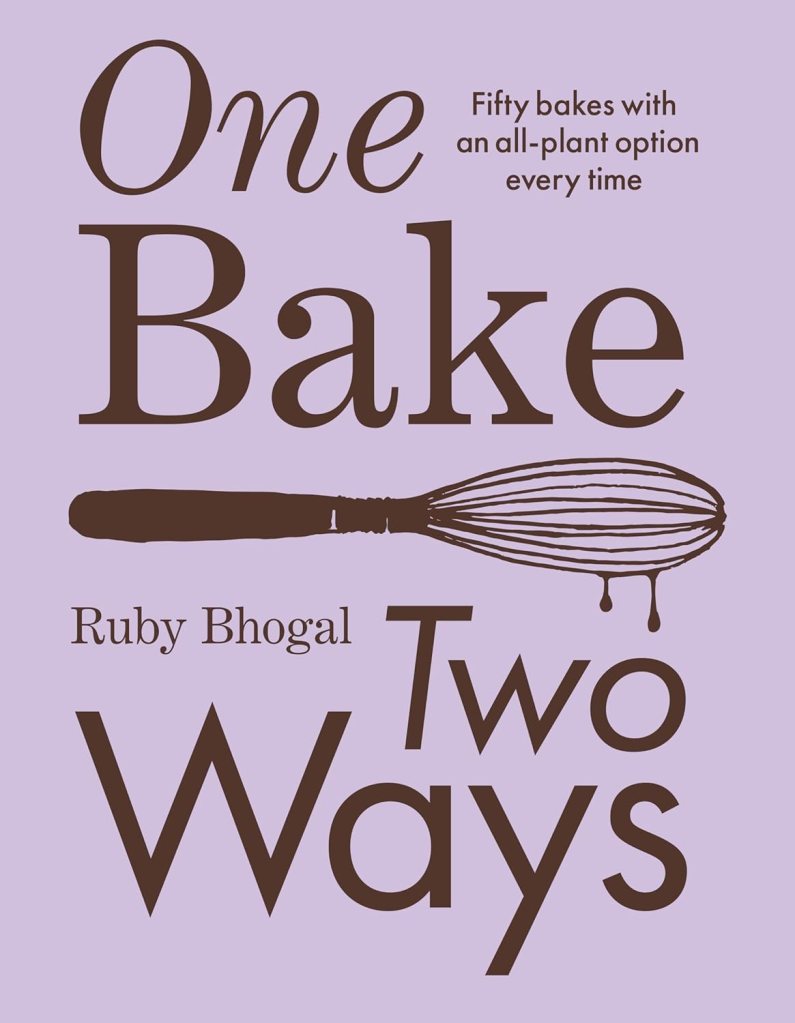
One Bake, Two Ways by Ruby Bhogal – Cookbook Review

Who is Ruby Bhogal?
A former Bake-off finalist who has gone on to become a successful food writer (her work has been featured in publications such as Waitrose magazine, GQ and the Sunday Times) and TV chef. She also has her own substack newsletter, The Last Bite, and regularly keeps her followers up-to-date with her latest baking creations on social media @rubybhogal.

What’s the USP
Each of the 50 recipes is presented twice: first in its traditional form, then with a ‘veganised’ plant-based alternative. It is undoubtedly a clever and inclusive concept, promising to help teach you the skills to cater for everyone’s needs, regardless of dietary preferences. 

What will I love?
Bhogal’s energy and enthusiasm for a start. Each recipe exudes her warmth and personality, from the chatty introductions to the friendly hints and tips included in each step. It feels like you are baking with a friend at your side.

There are also plenty of unique recipes that will encourage you to try new flavours and expand your baking repertoire. Sometimes dessert and baking books can feel a bit repetitive when you come across yet another for something like a tiramisu, but Bhogal offers genuinely new and exciting twists on classics (in this case, offering a ‘Malt Milk Tiramisu with Milk Chocolate’), that aren’t too outlandish. 

It is a brilliant concept. Even if you have no interest in vegan cooking, you can still enjoy 50 new baking recipes. Yet, if you, or someone in your family, follows a vegan diet or needs to eat dairy-free, One Bake, Two Ways shows that it is perfectly possible to make something that is every bit as achievable and delicious.

Is it good bedtime reading?
While there aren’t any long essays, Bhogal’s friendly writing style makes the introductions a joy to read. You could happily browse through the pages marvelling out the array of bakes on offer, and the nifty tips and tricks to make them vegan-friendly, before drifting off into a sweet slumber. 

Will I have trouble finding the ingredients?
For a book which is 50% vegan, there is a distinct lack of unusual ingredients (phew!). Plant-based milk, butter and spread are all widely available, perhaps the trickiest thing to get hold of is vegan white chocolate but it is available online.

How easy are the recipes to follow?
Some of the recipes are more faffy than others (e.g. the ‘Chocolate Wagon Wheels with Raspberry Jam and Hazelnut Biscuit’), but there are plenty of simpler options for when you want a quick and easy bake. As mentioned above, Bhogal’s directions are consistently clear and accessible throughout so that even the more complex recipes seem achievable.

Stand-out recipes?
The ‘Self-saucing Sticky Toffee Pud Tray-Cake with Stem Ginger and Chocolate’ is everything you want in a comforting winter pud, whilst the ‘Victoria Sponge Loaf with Roasted Strawberries and Mint’ is a must-make during the summer months when strawberries are in season. Meanwhile, chocoholics won’t be able to resist a slice of the unbelievably moist ‘Chocolate Fudge Sponge with Milk Chocolate Fudge Frosting’, and don’t miss the beautifully buttery ‘Cranberry, Apricot and Almond Couronne with Apricot Glaze’ which is guaranteed to impress friends and family.

How often will I cook from this book?
There are bakes for every occasion so, if you are a regular baker, there is enough to pique your interest and keep you busy. The only thing to bear in mind is that a few of the recipes call for some more expensive ingredients.

Any negatives?
The majority of the recipes include a modern twist on a classic, so if you are a staunch traditionalist who is horrified at the idea of adding chai to your custard creams or swapping the classic dark chocolate Viennese whirls for the more tropical ‘Passion Fruit Viennese Fingers with White Chocolate and Coconut Ganache’, then this probably isn’t the book for you.

It would also be helpful to have the cooking time by the ingredients so you can easily see how long a recipe will take, rather than skimming the recipe and calculating it in your head. This is especially important for baking so you can gauge if it is going to be an ‘all-day’ recipe requiring resting, chilling, proving etc. or one that can be whipped up in an afternoon. Finally, not every recipe has a photo which may bother some more than others. 

Should I buy the book?
If you love trying innovative new flavours in your bakes and/or are curious about dabbling in more plant-based baking, this is most certainly the book for you. 

Cuisine: Baking
Suitable for: Cooks of all abilities 
Great for fans of: Ravneet Gill, Phillip Khoury and Max La Manna
Cookbook review rating: Four stars

Buy this book: One Bake, Two Ways
£26.00, Pavillion

This review was written by Freelance Food Writer and Recipe Developer Sophie Knox Richmond. Follow her on Instagram on @sophie_kr_food

Chocolate Tart with Marsala Sabayon and Toasted Hazelnuts recipe by Sarah Johnson

Marsala is a fortified wine from Sicily that was once popular among chefs and wine enthusiasts alike. However, excessive production cheapened its quality over time, leading to a decline in its reputation. Fortunately, a select few winemakers continue to produce marsala in its authentic form, capturing its deep and mellow character with notes of muscovado and sun-dried fruit. If you haven’t any already, now may be the time to add a bottle to your pantry. In this recipe, sweet marsala is used in a sabayon (or zabaglione in Italian). Both creamy and light, this boozy custard is traditionally served with summer fruits. But I have opted to serve it with a chocolate tart and toasted hazelnuts.

SERVES 10–12

Ingredients:
For the chocolate tart shell:
150g (5½oz) unsalted butter, softened, plus extra for greasing
90g (3¼oz) icing sugar, sifted
1 egg
½ teaspoon salt
200g (7oz) plain flour
50g (1¾oz) cocoa powder

For the chocolate filling:
530g (1lb 3oz) good-quality chocolate (70% cocoa solids), broken into pieces
3 egg yolks
200ml (7fl oz) double cream
270ml (9½fl oz) whole milk
1 teaspoon salt

For the marsala sabayon:
190ml (6½fl oz) double cream
7 egg yolks
80g (2¾oz) sugar
150ml (5oz) sweet marsala
150g (5½oz) hazelnuts, lightly toasted and coarsely chopped, to serve

For the chocolate dough, butter the bottom and sides of a 25cm (10in) fluted tart tin, and line the base with baking parchment. Place the butter and icing sugar into a mixing bowl and beat until smooth. Add the egg and salt and continue beating until the egg is absorbed.

Sift in the flour and cocoa powder and mix until everything comes together. The dough may feel dry at this stage, but the crust will have a nicer texture when the dough is cooked.

Using your hands, press the dough as evenly as possible into the prepared tart tin. Place a piece of baking parchment over the dough and use the back of a measuring cup (a small glass will also do) to gently press the dough into a smooth even layer. Press the dough up the sides of the tart tin, then trim the excess dough, reserving it for patching up any cracks that may form during baking. Place in the refrigerator until firm.

Preheat the oven to 160°C/325°F/gas mark 3.

Prick the bottom of the tart using a fork, then place it into the oven. After 7 minutes, you may notice the sides of the tart shell beginning to slouch. Gently press a flatbottomed measuring cup around the edges where the dough has shrunk and encourage it back up the side of the tart tin. Continue to bake for about 20 minutes until the tart shell is cooked all the way through. Remove from the oven and cool on a wire rack.

For the chocolate filling, prepare two large heatproof bowls – add the chocolate to one and the egg yolks to the other. Fill a saucepan with water and bring it to the boil. Remove it from the heat and place the bowl of chocolate on top, ensuring it doesn’t come into contact with the water. Allow the chocolate to melt gradually. Meanwhile, in a separate heavy-based saucepan, combine the double cream, milk and salt. Place it over medium heat. Put your bowl of egg yolks nearby, with a towel underneath to secure it.

When the milk mixture begins to simmer, take it off the heat and slowly ladle it into the yolks, stirring constantly with a whisk. Once you have incorporated all the milk into the yolks, return the mixture to the saucepan and place it over a low heat. Stir constantly until the custard thickens slightly and coats the back of a spoon.

Strain through a fine-mesh sieve into the chocolate and let it sit over the hot water for 1 minute. Remove from heat and wipe the water from underneath the bowl. Place a clean, dry spatula into the centre of the chocolate and, using small circular motions, begin to emulsify the chocolate. Once the mixture begins to look glossy, continue to bring in more chocolate and custard, all the while using small circular motions to emulsify the chocolate. Gentle stirring will prevent unwanted air bubbles. If the mixture begins to split, your chocolate may be too hot. However, a small splash of cold milk stirred into the chocolate should bring it back to its glossy texture. Scrape the sides and base of the bowl with spatula every so often. Once the chocolate is properly emulsified, pour into the prepared tart shell and shimmy the tart back and forth to evenly spread the filling. Place in a cool part of the kitchen for 2–3 hours until the filling is set.

For the marsala sabayon, take a small mixing bowl and whip the double cream until the whisk leaves tracks in the cream, stopping before soft peaks form. Chill the whipped cream in the refrigerator until needed. Prepare a large bowl with ice-cold water, filling it about one-third of the way up then set aside. Bring a pan of water to the boil and place the egg yolks into another large heatproof bowl. Sit this on top of the pan of boiling water. Whisk the yolks until they are warm to the touch, then add the sugar and whisk vigorously until the yolks turn pale and thick. Add the marsala and continue whisking until the custard is doubled in size. Notice how the sabayon changes; the bubbles will become smaller and the whisk will leave trails as the mixture thickens and becomes glossy. Remove from the heat and place over the bowl of ice-cold water. Continue whisking until completely chilled. Remove the cream from the refrigerator and whisk to soft peaks. Fold one-third of the sabayon into the cream, then fold in the rest. Store in the refrigerator for up to 4 hours until you are ready to use.

Serve slices of the tart with generous spoonfuls of chilled sabayon and a scattering of toasted hazelnuts.

Book credit: Fruitful by Sarah Johnson. Published by Kyle Books. Photography: Patricia Niven.

Cook more from this book
Lemon Drizzle Cake
North African Lamb with Plums

Read the review: click here
Buy this book:
Fruitful by Sarah Johnson
£30, Kyle Books

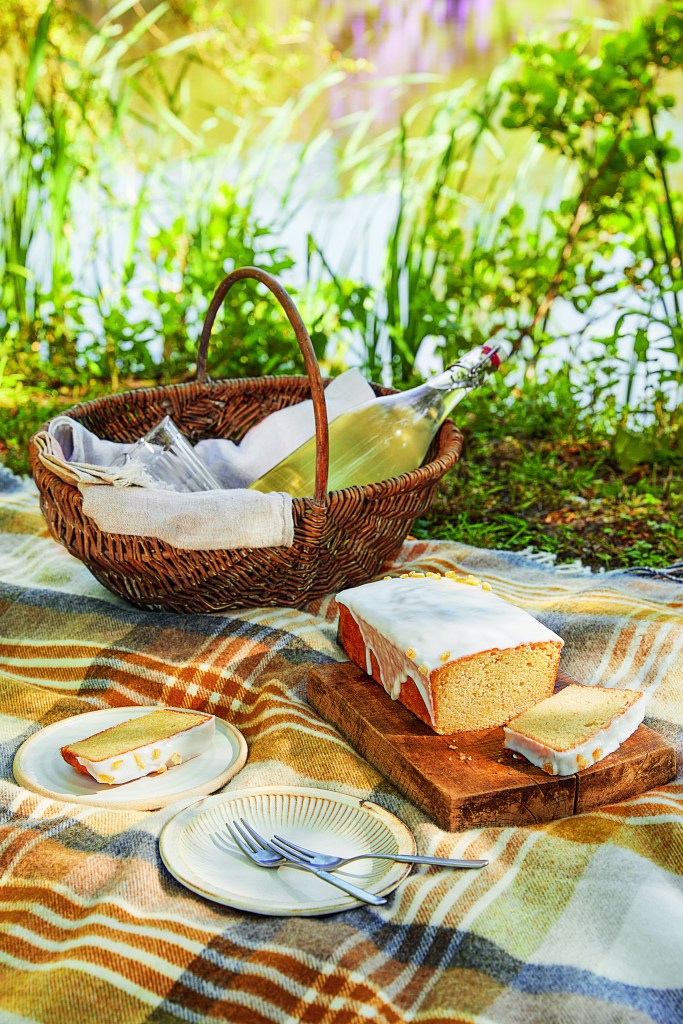
Lemon Drizzle Cake recipe by Sarah Johnson

It’s worth having a recipe for a classic lemon drizzle in your baking repertoire. I adore this particular version because it’s reliable, full of lemon flavour, and the addition of buttermilk provides a tender crumb.

SERVES 8–10

Ingredients:
For the cake:
200g (7oz) flour
1¼ teaspoons baking powder
¼ teaspoon bicarbonate of soda
zest of 1 lemon
225g (8oz) caster sugar
135g (4¾oz) butter, room temperature
140g (5oz) eggs (2–3 eggs)
¼ teaspoon salt
175ml (6oz) buttermilk

For the lemon soak:
2 tablespoons lemon juice, strained
1 tablespoon caster sugar

For the lemon icing:
150g (5½oz) icing sugar, sifted
1–1½ tablespoons lemon juice, strained

Position a rack in the middle of the oven and preheat it to 160°C/325°F/gas mark 3. Grease a loaf tin with butter and lightly dust it with flour. Tap out any excess flour and line the bottom with baking parchment. Sift the flour, baking powder and bicarbonate of soda into a bowl. Set aside. Zest the lemon directly over the measured sugar then rub it together using the tips of your fingers.

In a separate mixing bowl, beat the butter until smooth and satiny. Add the lemony sugar and continue to cream until the mixture becomes light in colour and fluffy in appearance.

Beat the eggs together and add to the butter and sugar, a third at a time, mixing until fully incorporated before adding the next third. Continue to cream the mixture, scraping the sides of the bowl once or twice. Once all the eggs have been added, the texture will be fluffy, light and increased in volume (it should resemble whipped cream cheese and the graininess should disappear). If you are using a stand mixture, remove the bowl now and proceed to mix by hand.

Gently fold in one-third of the dry ingredients, followed by half of the buttermilk. Repeat this process, alternating between the dry and wet ingredients. After each addition, scrape the sides of the bowl and continue mixing until the batter is smooth.

Pour the batter into the prepared loaf tin, smoothing out the top, and bake for 25–30 minutes. Rotate the cake and bake for another 15–20 minutes until a skewer inserted into the middle of the cake comes out clean.

While the cake is baking, make the lemon soak by combining the lemon juice and sugar together until the sugar dissolves. When the cake is done, transfer it to a wire rack (still in the tin) and use a skewer or toothpick to poke holes in the surface. Spoon the lemon soak over the top and allow it to cool in the tin.

When you’re ready to ice the cake, remove it from the tin by running a palette knife or butter knife along the edges. Turn out the cake and remove the parchment from the bottom. Place it back onto the rack while you prepare the icing. Put the sifted icing sugar into a bowl and add the smaller amount of lemon juice. Mix with a small spoon or spatula until all the icing sugar is dissolved. If the icing seems thick, you can thin it out with a bit more juice. Spoon the icing over the cake, covering the top completely and allowing any excess icing to drizzle down the sides. Leave the icing to set before serving.

Book credit: Fruitful by Sarah Johnson. Published by Kyle Books. Photography: Patricia Niven.

Cook more from this book
Chocolate Tart with Marsala Sabayon and Toasted Hazelnuts
North African Lamb with Plums

Read the review:click here
Buy this book:
Fruitful by Sarah Johnson
£30, Kyle Books

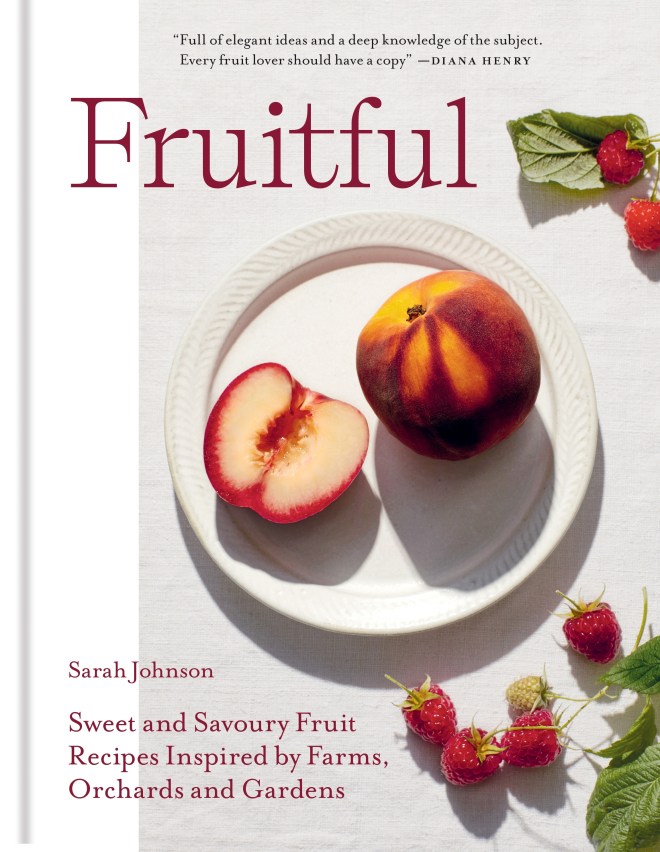
Fruitful by Sarah Johnson – Cookbook Review

Who is Sarah Johnson?
Sarah Johnson is an American-born pastry chef who trained under Alice Waters at Chez Panisse, before working at Skye Gyngell’s acclaimed Spring restaurant in London, and Heckfield Place in Hampshire. Johnson is known for her passion for using seasonal, sustainable ingredients, transforming them into innovative desserts and cakes that celebrate the best of what nature has to offer. Followers are treated to a collection of her stunning creations, and an inside glimpse of her farm-to-table approach to cooking, on her social media account @sarahjohnsoncooks. Fruitful is her debut cookbook.

What is Fruitful’s USP?
Described by Darina Allen as ‘a delicious celebration of ripe and seasonal produce’, Fruitful offers over 80 sweet and savoury recipes that showcase fruit in all its glory. Accompanying the recipes are a selection of pairing recommendations, flavour charts, interviews with regenerative farmers from around the world, and expert advice on mastering key techniques to help you make the most out of your produce.

What will I love?
The thought and detail that has gone into putting this book together shines through. Some books feel rather rushed, but this one is almost crafted like a work of art. The recipes are inventive and elegant, with almost all accompanied by stunning photographs which leave you hoping you have the ingredients so you can start cooking straight away.

Johnson is generous with her knowledge, sharing tips and tricks in the gentle manner of a friend leading you on a foodie journey. You can’t help but be inspired by page after page of sweet and savoury ideas that showcase the sheer versatility of fruit. Fruitful feels so much more than a cookbook, it is a joyous celebration of fruit and farming that will deepen your knowledge and broaden your culinary horizons.

Is it good bedtime reading?
Alongside the main introduction which details Johnson’s culinary journey and philosophy, each chapter and recipe also includes its own introduction. There are several pages dedicated to a detailed explanation of the various ‘Techniques for Cooking with Fruit’, breakout boxes on everything from how to curate a seasonal fruit bowl no matter what the time of year, to favourite flavour combinations. Weaved throughout the book are interviews with various producers who share fascinating insights into their work.

Will I have trouble finding the ingredients?
Not really. Johnson offers variations throughout the book so you can adjust the recipes depending on the season and/or what you already have available. For example, stracciatella features in the ‘Pizza with Peaches, Stracciatella, Rocket and Pesto’, but burrata and mozzarella are suggested alternatives. The odd recipe uses ingredients like coconut flour (‘Coconut Rum Cake with Peaches in Syrup’) and peach leaves (Vin de Pêche’), but the vast majority rely on ingredients that aren’t too tricky to source.

How easy are the recipes to follow?
There are a variety of simple and more complex recipes. Fuss-free ideas like ‘Blackcurrant Jelly’ and ‘Strawberry Sorbet’ sit alongside more involved recipes like the beautiful ‘Apple, Prune and Armagnac Tart’. All are explained in a detailed yet accessible manner, clearly outlining the steps, with photos offering additional guidance where necessary.

Stand-out recipes?
You could be forgiven for thinking that the stand-out recipes would all be sweet, but the savoury options are equally impressive. The ‘Goats Cheese Soufflés with Spring Herb Salad and Roasted Cherries’ are inspired, while the ‘North African Lamb with Plums’ is a deliciously sweet, sticky and subtly spiced slow-cooked dish that is perfect for impressing loved ones. It is tricky to select just a few ‘stand-out’ sweet options, but the indulgent ‘Little Chocolate Pots with Roasted Cherries and Kirsch Cream’, zesty ‘Lemon Curd Tart’ and sophisticated ‘Apple, Prune and Armagnac Tart’ are not to be missed.

How often will I cook from this book?
This isn’t the kind of cookbook you will make something from every day of the week, but there is much to learn from the various charts and tables which will influence your cooking. Recipes cover everything from cakes, ice cream and jam to slow-roast meats, seasonal salads and sustainable fish. There is plenty of variety too, whether you want a teatime treat (‘Polenta Olive Oil Muffins with Blackberries’), a show stopping tart (‘Chocolate Tart with Marsala Sabayon and Toasted Hazelnuts’ or a simple supper (‘Lemony Chicken Piccata’). 

Any negatives?
Whilst not prohibitively extravagant, a few of the recipes are quite expensive to make due to the need to purchase certain liqueurs. Some recipes rely on a rather large number of eggs – ‘Little Chocolate Pots with Roasted Cherries and Kirsch Cream’ uses 8 yolks and ‘Lemon Curd Tart’ calls for 8 whole eggs and 12 yolks. To her credit, Johnson acknowledges that the latter may seem excessive, but assures us they are necessary. Conscious of avoiding waste, she recommends saving the whites for her ‘Lemon Meringue Pie’ or ‘Meringues’ later in the book (as a side note, I would also heartily encourage you to try making your own ricciarelli, a deliciously soft Tuscan treat half-way between a macaron and an amaretti). 

Should I buy the book?
Yes. This is a beautiful book which will inspire you to step outside of your comfort zone and cook more confidently, creatively and sustainably with seasonal fruit.

Cuisine: Seasonal British with Italian and French influences
Suitable for: Foodies and keen cooks who want to be more adventurous, and sustainable, with their cooking
Great for fans of: Alice Walters, Darina Allen and Skye Gygnell
Cookbook review rating: Five stars

Buy this book: Fruitful: Sweet and Savoury Fruit Recipes Inspired by Farms, Orchards and Gardens
£30.00, Kyle Books

Cook the Book:
Chocolate Tart with Marsala Sabayon and Toasted Hazelnuts
Lemon Drizzle Cake
North African Lamb with Plums

This review was written by Freelance Food Writer and Recipe Developer Sophie Knox Richmond. Follow her on Instagram on @sophie_kr_food

Fruit scones recipe by Ranveet Gill

FRUIT SCONES

One of my earliest pastry jobs involved making hundreds of scones each morning for afternoon tea service. The key was never to overmix the dough and to get your hands involved to bring it together, then to rest it before cutting. A scone is best served on the day it is baked with copious amounts of clotted cream and jam on the side.

MAKES 6 SCONES

Equipment
flat baking tray
15g/1 tbsp raisins
just-boiled water, to cover
250g plain flour, plus extra for dusting
12g/21/2 tsp baking powder
1/4 tsp fine salt
30g caster sugar
75g cold unsalted butter, cubed
25g (prepped weight) eating apple
(approx. 1/4 small apple), cored and grated
125ml full-fat milk
1 egg, beaten, for the egg wash

Put the raisins in a small, heatproof bowl, cover with just-boiled water and leave to soak for 20 minutes, then drain.

In a large bowl, stir together the flour, baking powder, salt and sugar. Add the butter and use your fingertips to breadcrumb it together. Mix through the apple and strained raisins.

Keeping one hand out of the bowl, make a well in the centre and add the milk. Use your hand (that’s in the bowl) to bring it together initially to a loose dough, but do not overwork it. Tip this onto your workbench and then use both hands to gently bring it together to form a dough. Gently shape into a disc, then wrap tightly in baking paper or clingfilm and refrigerate for 30 minutes.

Preheat the oven to 180°C fan/200°C/gas mark 6. Line the baking tray with baking paper.

Lightly dust your workbench and a 6.5cm (23/4in) round biscuit cutter with flour. Unwrap the chilled dough and gently roll it into a round, about 3cm (11/4in) thick. Position the cutter, then press down in one straight motion (don’t twist the cutter) with your hand to cut out each scone, then gather the trimmings and cut out another scone.

Place the rounds on the lined baking tray, then brush the top of each one with egg wash.

Bake for 18–20 minutes or until risen and lightly golden.

Remove from the oven, transfer the scones to a wire rack and allow to cool fully before serving. Serve split and spread with butter and jam, or clotted cream and jam, or all three!

These scones are best eaten fresh on the day they are made.

Cook more from this book
Fig rolls

Read the review

Buy the book: Baking for pleasure by Ranveet Gill
£26, Pavillion Books