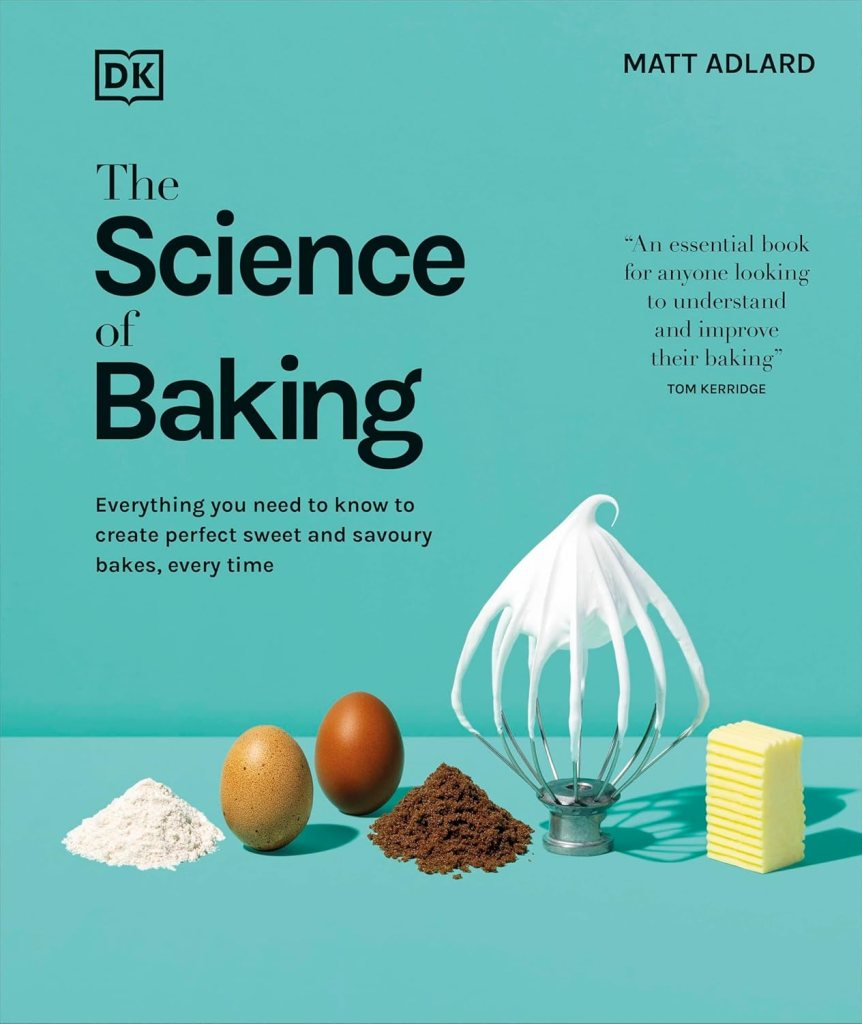
The Science of Baking by Matt Adlard – Cookbook Review

Who is Matt Adlard?
Matt Adlard is a self-taught baker and pastry chef from Norwich, known for making professional pastry techniques approachable for home cooks. He is the son of former Michelin-starred chef David Adlard, who ran Adlard’s in Norwich from 1990 to 2007 where chefs including Tom Kerridge and Aiden Byrne worked in the kitchen. Through his website, online classes and large social media following (@mattadlard), he shares detailed tutorials, troubleshooting advice and practical tips designed to help bakers improve their skills with confidence. His debut cookbook, Bake it Better became a Publishers Weekly bestseller. The Science of Baking is his second cookbook.  

What is The Science of Baking’s USP?
It’s a baking manual rooted in food science, yet written for home cooks. Adlard doesn’t just tell you what to do, he explains why it works. However, fat from being overwhelming, that scientific insight is carefully balanced with practical guidance and approachable language, so you come away not just with beautiful bakes, but with a deeper intuition for technique and ingredients.

What will I love?
Meticulous notes compare essentials like types of pastry and flours. Clear, elegant infographics explain everything from gluten formation to the impact of mixing methods, and sidebars break down texture differences in a way that feels genuinely illuminating rather than academic.

The troubleshooting sections are especially helpful, offering a way to decode what went wrong and, importantly, how to fix it next time. That kind of guidance transforms mistakes from frustrations into learning opportunities.

The photography and design also deserve a mention. Clever visual layouts (such as a brownie split into three to show ‘chewy’, ‘fudgy’ and ‘cakey’ sections side-by-side) make complex information easy to digest and genuinely enticing to explore.

Is it good bedtime reading?
Adlard writes with clarity and a light touch, weaving insight with practical advice. Even when you are not actively planning to bake, it is absorbing to dip into: you might start by reading about the science behind meringues or laminated dough and find yourself several pages later, having learned something new without it ever feeling heavy or overly technical. The tone is curious and encouraging rather than instructional, making it the sort of cookbook you can happily read cover to cover.

Will I have trouble finding the ingredients?
For the most part, no. The book relies on well-known essentials (flour, butter, sugar, eggs and chocolate) that are easy to find at most supermarkets. Some recipes (such as the gluten-free tiger bread) call for particular types of flour, which may mean a quick trip to a specialist store or ordering online, but nothing feels prohibitively niche. The focus is on technique and understanding, not exotic ingredients.

How easy are the recipes to follow?
Although not all the recipes are easy in themselves (the book is designed to help elevate your skills after all), they are very easy to follow. Instructions are written with patience and precision, with steps that never assume prior expertise. The infographics and side notes explaining the purpose of each stage make even unfamiliar techniques feel achievable. Where other books might overwhelm you with terminology, Adlard’s explanations feel like gentle coaching, genuinely supportive and confidence-building. The accompanying photos are also clear and thoughtfully staged, helping you visualise the key stages and the final result.

Importantly, the book is designed to expand your skills gradually. There is a reassuring range of classic favourites like soda bread, chocolate chip cookies and other dependable staples,  sitting comfortably alongside more ambitious bakes such as a stunning raspberry mille-feuille made with homemade puff pastry. You are never thrown in at the deep end; instead, you are invited to build confidence step by step, stretching your abilities without ever feeling out of your depth.

Stand-out recipes?

  • Caramelised Onion, Pea and Gruyère Quiche – a delicious combination of sweet caramelised onions, nutty Gruyère and crisp, buttery pastry. Perfect for lunch with a simple salad. 
  • Seeded Cheese Soda Bread – a rich and cheesy loaf that is ready in under an hour. It is lovely served warm with homemade soup.
  • Muscovado Profiteroles with Chocolate Sauce – a little more complex than a classic profiterole, but the deep caramel flavour in the crème diplomate is worth the effort. 
  • Raspberry Mille-Feuille – Adlard’s version is an elevated version of the classic, which looks and tastes special. It takes a bit of time and planning, but the results are well worth it. 

How often will I cook from this book?
If you are interested in baking, you are likely to cook the recipes in this book often. However, if you take the time to properly read the advice within its pages, you will actually realise that you are cooking from it almost every time you bake, applying Adlard’s advice and noticing his observations across a whole host of recipes.

Any negatives?
If what you want is a quick, no-frills baking book where you follow a list of steps without pausing to think, this isn’t it. The depth of information might feel overwhelming at first. But the writing always stays approachable, and the more you engage with it, the more it enriches your baking. It never feels pompous or needlessly complicated.

Should I buy the book?
If you are a home baker who wants to understand rather than just replicate, this book is transformative. It is ideal for curious cooks and confident home bakers seeking to elevate their creations. Beginners will benefit from the clear guidance; intermediates will enjoy the depth; advanced bakers will appreciate the intellectual rigour.

Cuisine: Baking
Suitable for: Cooks of all abilities with an interest in baking
Great for fans of: Cordon Bleu, Harold McGee, Leiths and Nicola Lamb 
Cookbook review rating: Five stars
Buy this book: The Science of Baking by Matt Adlard £25.00, DK.

This review was written by Freelance Food Writer and Recipe Developer Sophie Knox Richmond. Follow her on Instagram on @sophie_kr_food.  
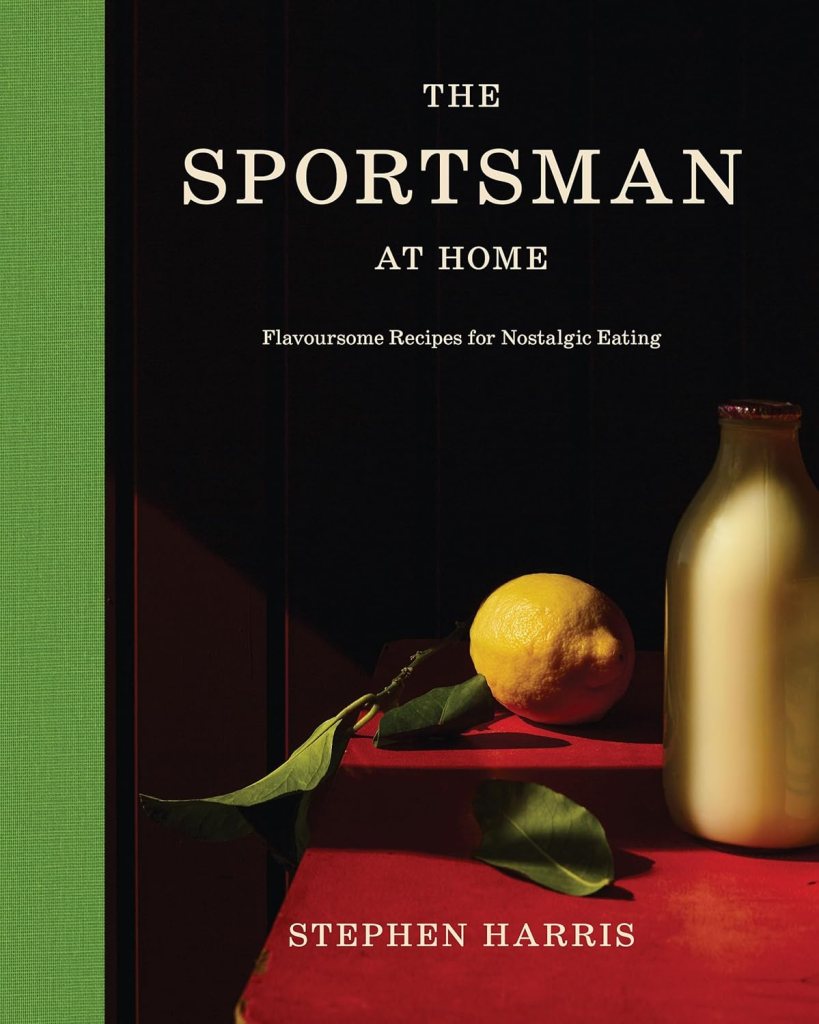
The Sportsman at Home by Stephen Harris – Cookbook Review

Who is Stephen Harris?
There are some cooks whose influence is loud and declarative, and others whose impact seeps in slowly, shaping how we think about food without ever demanding attention. Stephen Harris belongs firmly to the latter camp. Self-taught, thoughtful and resolutely grounded, he took over The Sportsman — a salt-scrubbed pub on the Kent coast — in the late 1990s and, over time, turned it into one of Britain’s most quietly revered Michelin-starred restaurants. Awards followed, inevitably, but Harris has always seemed more interested in flavour than fuss, in the pleasures of eating well rather than the performance of it. His cooking is rooted in British food history and in the landscape that surrounds him, shaped by curiosity rather than trends. He writes much as he cooks: with clarity, restraint and an unshowy assurance earned over decades.  The Sportsman at Home is his second cookbook (read our review of his first here). 

What is The Sportsman at Home’s USP?
This is not restaurant cooking repackaged for domestic use, but home cooking approached with seriousness and care. Harris structures the book around ideas rather than courses, with chapters that reflect mood, memory and appetite: Assemblies, Tea, Dinner and Christmas sit alongside more reflective sections such as An Ode to Cream, Baking and Making, and Nostalgia. The effect is quietly immersive. Rather than prescribing how or when to cook, Harris invites you to respond to moments — a table of friends, an afternoon pause, a craving for something soothing or celebratory. Recipes are underpinned by personal anecdotes and food history, reinforcing his belief that the dishes we return to most often are those that carry meaning as well as flavour. It is a book that honours simplicity, not as restraint, but as a form of generosity.

What will I love?
The sense of ease that runs through the book. Harris’s recipes are deliberately simple, but never simplistic, and written in an informal, approachable voice that feels deeply personal. There is a relaxed generosity in the way he cooks and writes: dishes are offered as starting points rather than fixed ideas, with room to adapt, adjust and make them your own. He gives you the confidence to trust your instincts, to serve things when they feel right, to linger or pare back as you choose, encouraging a way of cooking that is intuitive rather than prescriptive. It’s this freedom, and the pleasure it brings, that makes The Sportsman at Home feel less like a set of instructions and more like an invitation to fall back in love with cooking for yourself and others.

Is it good bedtime reading?
Very much so. Harris writes with calm authority and reflective warmth, weaving in memories, observations and small details that linger. Like the best Diana Henry books, this is as much about atmosphere and appetite as it is about instruction. It is a book to enjoy reading slowly, dipping in and out at leisure, making notes of your favourite recipes to try. 

Will I have trouble finding the ingredients?
Overall, no. This is a book firmly rooted in the British kitchen. Good butter, seasonal vegetables, decent cheese, and meat and fish from trusted sources form the backbone of the recipes. Quality matters, but rarity does not. Harris is clear-eyed about what makes ingredients worthwhile, describing them as “a rare upgrade in a world of plunging standards”, yet he is never showy or dogmatic. His emphasis is on care rather than perfection, and there is a reassuring absence of anything that feels overly cheffy or inaccessible. There is the odd mention of ingredients like truffle oil and hazelnut oil, but these are easy to find nowadays in large supermarkets or online.

How easy are the recipes to follow?
The recipes are thoughtfully written, with Harris explaining not just how to do things, but why, which makes even the more complex dishes feel approachable. His tone is quietly companionable, as if he’s beside you in the kitchen, attentive to every detail, guiding rather than instructing, and encouraging you to cook with confidence. There is an emphasis on care and attention over speed, so nothing feels intimidating or inaccessible.

Stand out recipes?
There are many, for this is a book full of recipes you will want to return to again and again, but a few favourites include:

  • Baked Potato Fish Pie: comfort cooking at its finest. Familiar, deeply savoury and cleverly constructed, it marries the pleasures of a jacket potato with the generosity of a proper pie.
  • Ratatouille: a celebration of seasonal vegetables. Harris’s suggestion of adding beans makes it more substantial (I recommend splashing out on the jars from Bold Bean Co.), and smoky chorizo is a welcome optional flourish if you enjoy smoky flavours.
  • Cheese Soufflé: a classic, made all the more appealing by its rarebit-inspired sauce, which brings warmth and savoury depth without unnecessary complexity.
  • Vincisgrassi: an indulgent, layered Italian bake — often described as a cousin of lasagne — unapologetically rich and entirely worth the effort.
  • Chocolate Marquise: luxuriously intense, made even better by the inclusion of Harris’s cheat’s orange custard. A perfect dinner-party pudding.
  • Digestive Biscuits: it may seem like a faff, but these crisp, buttery biscuits are dangerously moreish. Be warned: shop-bought versions will never quite satisfy again.

How often will I cook from the book?
Often. This is a book for real life: Sunday lunches, midweek suppers, quiet baking afternoons and celebrations that don’t require spectacle. It rewards repetition and quietly becomes a companion in the kitchen, rather than just a reference on the shelf

Any negatives?
If you enjoy fast, highly stylised cooking or bold, adventurous global flavours, this book may feel restrained. Harris values subtlety, balance and tradition, which means it won’t appeal to everyone. But for those who enjoy thoughtful, approachable recipes that celebrate ingredients and seasonality, this is very much a strength rather than a limitation.

Should I buy the book?
Absolutely. The Sportsman at Home is a quietly confident, beautifully judged cookbook that rewards attention and repetition. It’s the kind of book that shapes how you cook, not just what you cook.

Cuisine: British – with European influences
Suitable for: Home cooks of all abilities 
Great for fans of: Jane Grigson, Diana Henry and Nigel Slater
Cookbook review rating: five stars

Buy the book: The Sportsman at Home: Flavoursome Recipes for Nostalgic Eating, Quadrille, £30.00 

This review was written by Freelance Food Writer and Recipe Developer Sophie Knox Richmond. Follow her on Instagram on @sophie_kr_food.  
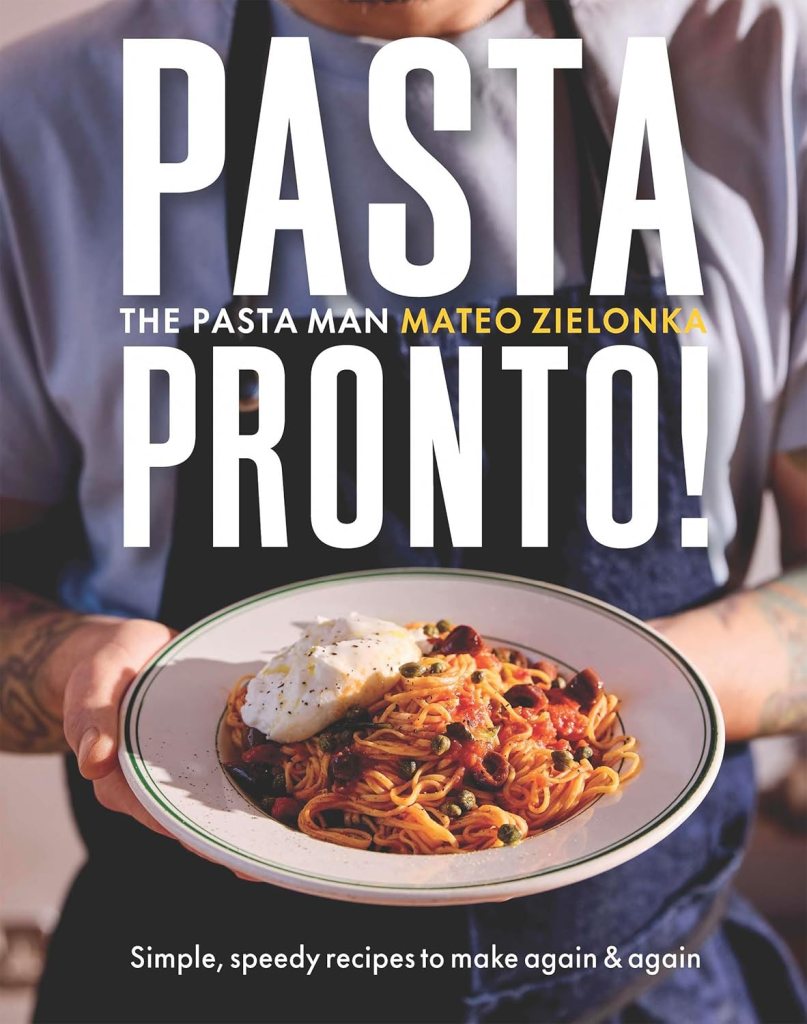
Pasta Pronto by Mateo Zielonka – Cookbook Review

Who is Mateo Zielonka?
Mateo Zielonka is better known to his 900k+ Instagram followers (@mateo.ziolonka) as The Pasta Man. He is a London-based chef, pasta teacher and creator whose culinary philosophy blends visual artistry with disciplined technique. Originally from Poland, he honed his skills at London institutions such as Padella and Polpo before opening his own pasta studio. His earlier books, The Pasta Man and Pasta Masterclass, established him as the go-to name for anyone serious about homemade pasta. Pasta Pronto marks a shift from the intricate and artisanal to the quick, flavour-packed and effortlessly doable.

What is Pasta Pronto’s USP?
Pasta Pronto celebrates speed without compromise. This isn’t about sculpting elaborate pasta shapes (although there are plenty of those on his social media – this post is extraordinary), it’s about getting brilliant pasta dishes on the table fast, without losing the heart or soul of Italian cooking. The book offers 55 recipes that range from quick midweek miracles (20 minutes or less) to slightly slower weekend indulgences, with every dish offering the option of using fresh or dried pasta. This dual approach (fresh if you have time, dried if you don’t)  makes the book genuinely flexible. Zielonka also includes thoughtful primers on essential kitchen tools, store cupboard staples, and the art of cooking pasta perfectly.

What will I love?
If your ideal evening involves a bowl of pasta, a glass of wine and minimal washing up, this is the book for you. The recipes balance speed with sophistication: expect comforting dishes made lively with hits of chilli and lemon and silky sauces that come together in minutes. Zielonka writes with quiet confidence; he is never showy, but his generosity and good taste shine through. The photography and styling are elegant yet relaxed, making the food feel invitingly within reach.

Clear sections guide you through kitchen essentials, pantry staples and a concise but thorough pasta masterclass (with vegan and gluten-free doughs included). Step-by-step photo guides to shaping, rolling and cooking pasta are ideal for beginners.

There are also clever serving suggestions peppered throughout such as a peppery rocket and Parmesan salad or a handful of crispy pangrattato, small flourishes that make a simple dish sing. Vegetarian and vegan adaptations are included too.

Is it good bedtime reading?
This is the sort of book you flick through before dinner, or keep propped open on the worktop. Zielonka doesn’t meander into long travel stories or culinary essays, but his short recipe introductions are warm, personal and engaging. He offers just enough backstory or technique insight to feel companionable, without drifting into waffle.

Will I have trouble finding the ingredients?
Zielonka keeps things accessible: olive oil, garlic, pancetta, tinned tomatoes, seasonal vegetables, seafood and herbs you can find in most supermarkets. Occasionally, a recipe calls for a premium cheese or a particular cured meat but they can easily be swapped. 

How easy are the recipes to follow?
Zielonka’s instructions are clear and efficient. Each recipe offers the fresh or dried pasta route, ideal for afternoons when you want to make a bit more effort, as well as nights when time and/or energy are in short supply. While a few dishes involve multiple components, none require chef-level prep. This is everyday cooking at its most elegant.

Stand-out recipes?
Spaghetti with Creamy Ricotta and Basil is a soft, velvety twist on pesto that’s light, fragrant and indulgent without being heavy. For something brighter, Spaghetti with Poached Cod, Capers and Lemon delivers the perfect balance of sharpness and silkiness, ideal for summer evenings. Meanwhile, Orzo Salad with Cannellini Beans and Cavolo Nero is a nourishing all-rounder, just as satisfying at the kitchen table as it is packed up for lunch or a picnic. And when comfort calls, Pappardelle with Gorgonzola and Speck is gloriously rich and soothing, especially when paired with Zielonka’s Sautéed Garlicky Broccoli, creating the kind of meal that makes you linger at the table a little longer than planned. 

How often will I cook from this book?
This is a book for repeat use, not display. The balance between simplicity and creativity means you’ll find yourself returning again and again, whether for a Tuesday-night Rigatoni with ‘No-Vodka Sauce’ or a weekend treat.

Alongside reliable classics like Alfredo and carbonara, you’ll discover inventive combinations such as Spaghetti alla Tapenade, Farfalle with Fig and Chorizo, and Orecchiette with Broccoli and Anchovy that expand your repertoire.

Any negatives?
The pared-back writing style, while refreshing, might feel a little sparse to readers who enjoy travel anecdotes or deep cultural context. And while 55 recipes cover a lot of ground, you might find yourself wishing for a few more. Still, what’s here feels polished, practical and full of personality.

Should I buy the book?
Pasta Pronto isn’t about perfection or pasta purism; it’s about joy, flavour and achievable food that fits real life. You’ll cook from it often, and with pleasure.

Cuisine: Italian with global flourishes 
Suitable for: Time-conscious food lovers seeking flavour-forward meals
Great for fans of: Theo Randall and Tim Siadatan
Cookbook review rating: Four stars
Buy this book: Pasta Pronto by Mateo Zielonka £18.00, Quadrille

This review was written by Freelance Food Writer and Recipe Developer Sophie Knox Richmond. Follow her on Instagram on @sophie_kr_food

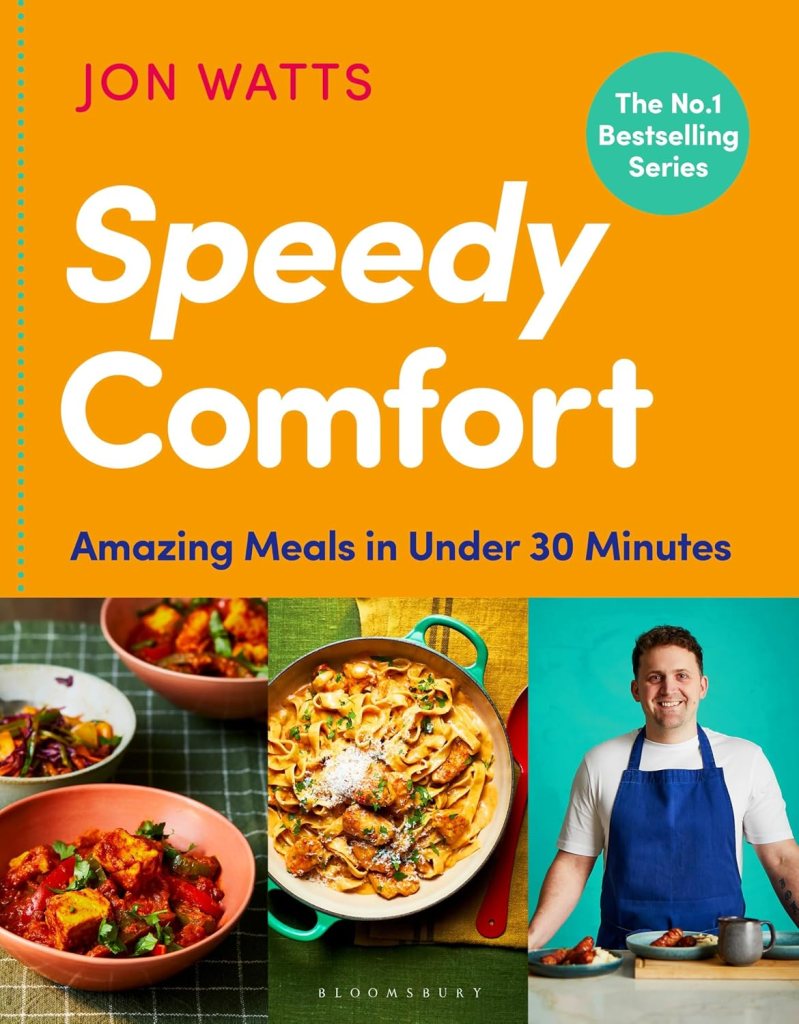
Speedy Comfort by Jon Watts – Cookbook Review

Who is Jon Watts?
Jon Watts’s journey into food is one of transformation. As a teenager in a young offenders’ institution, he became the first person in custody to complete all three Duke of Edinburgh Awards. He learned to cook in the prison kitchens and officers’ mess, and later trained at one of Jamie Oliver’s restaurants while on day release, a turning point that helped him build a new future. He went on to gain national attention through social media (@jonwatts88) and TV appearances, including regular slots cooking live on ITV’s This Morning.

In 2023, Watts self-published his first cookbook, Watts Cooking, which became a word-of-mouth hit. That success led to his Speedy series, beginning with the bestselling Speedy Weeknight Meals and now followed by Speedy Comfort. His recipes are known for being simple, satisfying and budget-friendly, with ingredients that are easy to find. Beyond the kitchen, he shares his story with schools, prisons and businesses, speaking openly about resilience, second chances, and the power of purpose.

What is Speedy Comfort’s USP?
This is comfort food for real life: meals that soothe and satisfy, but won’t keep you in the kitchen all evening. Every recipe in Speedy Comfort is designed to be on the table in 30 minutes or less without sacrificing flavour or warmth. There’s no gimmickry here, just practical, generous cooking that works when time (and energy) are in short supply.

What will I love?
The photography is bright and appealing, but there’s no gloss for gloss’s sake. Everything looks achievable, like food you might actually cook on a Wednesday night. The tone is equally grounded: there’s no preaching, no performance, just food that makes sense.

Though it isn’t overtly marketed as a “budget” cookbook, there’s a real thoughtfulness around cost. Recipes rely on everyday ingredients so you won’t be sent off looking for obscure pastes or out-of-season veg. The food is affordable without drawing attention to itself.

The layout is clean and intuitive, with recipes easy to scan at a glance. Helpful symbols throughout the book flag up key features such as freezer-friendly, air fryer–adaptable, or ideal for batch cooking making it easy to plan meals around your time, energy and what you have in the fridge. There are also clever hacks scattered throughout including time-savers, swaps, and shortcuts that make the recipes even more flexible.

Is it good bedtime reading?
There’s no literary storytelling, essays or poetic flourishes, but there is a reassuringly companionable tone. Watts writes like someone who knows how it feels to cook when you’re tired, hungry, or simply lacking inspiration and shows you how to create something delicious anyway.

Will I have trouble finding the ingredients?
No. Everything can be found in a standard UK supermarket, and the recipes don’t ask for anything rare or niche. This is a book that respects your time and your local Tesco.

How easy are the recipes to follow?
Very. The instructions are clear and written for real people in real kitchens the kind where time is short, you have family commitments, or simply too tired to fuss. Watts doesn’t overexplain, but neither does he assume knowledge, with the recipes offering structure without straying into the patronising. 

There’s cleverness in how he’s reimagined classic comfort dishes. A streamlined Coq au Vin can be made in just 30 minutes, without feeling rushed or compromised. There are also plenty of fakeaway favourites, like the Sweet’n’Spicy Chicken, ready in 15 minutes, full of bold flavour but still entirely doable after a long day. 

Stand-out recipes?
The One Pan Butter Chicken is the sort of dish that tastes like it took hours, but doesn’t. Enjoy with rice and/or naan to mop up all the delicious sauce. Popcorn Chicken Katsu is playful and clever, and would make an excellent Friday-night-in option (the tip about swapping panko breadcrumbs for cornflakes is also very helpful). Smoky Paprika Salmon with Lemon Couscous is quick, fragrant, and full of flavour, the perfect choice when you want something a little lighter (we enjoyed it with some roasted peppers on the side). There are also lots of options to satisfy your sweet tooth. Irish Cream and Dark Chocolate Mousse is the ultimate fuss-free festive dessert, while the Panettone Pudding is ideal for making the most of Christmas leftovers.

How often will I cook from this book?
Often. The book is well-structured, with chapters that suit different moods and needs, including Family Feasts, Old School Classics, Lighter Comforts, Easy Dinners, Weekend Treats, Cosy Traybakes, and Puddings. Whether you want to rustle up something familiar or treat yourself at the weekend, there’s a recipe here that’ll fit the moment.

Any negatives?
This isn’t a book for long weekends of elaborate cooking, and it’s not trying to reinvent the wheel. It’s not a statement cookbook. It’s a useful one.

Should I buy the book?
If you want flavour, speed, and recipes you’ll actually cook, not just admire, this is a very worthwhile addition to your kitchen shelf.

Cuisine: Global
Suitable for: Busy home cooks, parents, students and anyone seeking good food fast
Great for fans of: Amy Sheppard, MOB Kitchen and Poppy O’Toole
Cookbook review rating: Four stars
Buy this book: Speedy Comfort by Jon Watts £22.00, Bloomsbury

This review was written by Freelance Food Writer and Recipe Developer Sophie Knox Richmond. Follow her on Instagram on @sophie_kr_food

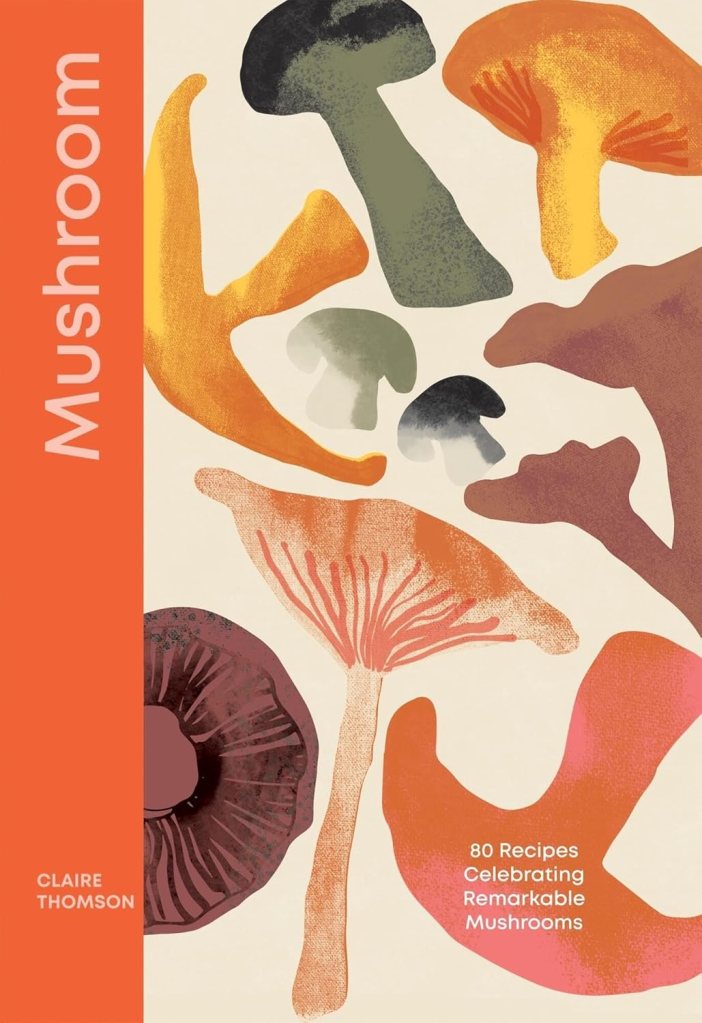
Mushroom by Claire Thomson – Cookbook Review

Who is Claire Thomson?
Claire Thomson is a chef and food writer with a remarkable ability to make everyday ingredients exciting. Known for her approachable yet inventive cooking, she has authored several celebrated cookbooks including Home Cookery Year, Tomato and One Pan Chicken. A former restaurant chef, Claire now focuses on creating accessible, family-friendly recipes that bring exciting global flavours to the home cook. Her writing often appears in The Guardian and Good Food, where she has developed a following for her warm, clever voice and unfussy food. She also has a popular Instagram account @5oclockapron and podcast

What is Mushroom’s USP?
Mushroom is a love letter to fungi in all their forms, a wide-ranging and flavour-led celebration of one of the most versatile ingredients in the kitchen. Whether working with humble closed-cup mushrooms or more luxurious porcini, Thomson places fungi at the centre of the plate, treating them with the attention and respect usually reserved for meat or fish.

What will I love?
The breadth of recipes is impressive, yet the collection avoids novelty for novelty’s sake. Dishes are thoughtful, achievable and rooted in comfort while remaining inventive. Chapters include: Soups, Salads, Fried & Grilled, Braised & Stovetop, Baked & Roasted, and Condiments. Recipes range from the familiar to the unexpected – buttery pastry galettes and warming risottos sit alongside fragrant biryanis, umami-rich burgers and spiced goulash. The recipes are written in Thomson’s signature accessible, engaging tone, with many accompanied by beautiful photography that is striking without being overly stylised.

Is it good bedtime reading?
Yes. The introduction is both informative and personal, offering insight into Thomson’s passion for mushrooms and setting a reflective, engaging tone. Recipe introductions are concise yet warm, providing context and encouragement without detracting from the recipe itself. It is the perfect book on a blustery autumn afternoon, curled up in a chair with a cup of something warm and a mind half-dreaming of garlic and butter.

Will I have trouble finding the ingredients?
No. While there are references to more specialist mushrooms such as maitake, enoki and ceps, the recipes are easily adaptable to commonly available varieties — closed cup, chestnut, portobello or dried porcini. Thomson is careful to provide substitutions and alternatives, ensuring accessibility for the home cook. Like all her books, Mushroom is rooted in home kitchens, not restaurant larders.

Stand out recipes?
Highlights include:

  • Sautéed Mushrooms with Clotted Cream and Poached Egg – a luxurious reworking of the humble mushrooms on toast. The clotted cream enriches the sauce, creating a silky texture that pairs beautifully with the runny egg yolk. Versatile enough for breakfast, brunch, lunch or supper, it transforms a simple dish into something memorable, yet remains straightforward to prepare.
  • Chicken and Hazelnut Kyiv with Porcini Butter – a clever twist on the classic. The porcini butter brings a deep savoury intensity, while the hazelnuts form a crisp, nutty crust. Indulgent but not intimidating, it offers restaurant sophistication without unnecessary complexity.
  • Porcini Gnocchi with Fried Garlic Mushrooms – impressive in both presentation and flavour, but made approachable through Thomson’s clear instructions. The gnocchi, infused with porcini, are earthy and delicate, while the fried garlic mushrooms add contrast and bite. Designed to impress, yet achievable for the home cook.
  • Harry’s Bar Sandwich (Just Add Mushrooms!) – a hearty nod to the iconic Venetian sandwich, reimagined with mushrooms taking centre stage. Rich, warming and substantial, it’s the kind of dish you crave on a chilly autumn or winter day.
  • Mushroom Risotto with Vermouth and Grated Chestnuts – a classic with subtle refinement. Aromatic vermouth and grated chestnuts lend depth and texture, producing comfort food that feels elegant as well as satisfying.

How often will I cook from the book?
If mushrooms are your thing — even just occasionally — this could become a core part of your cookbook rotation. There is a recipe for every meal and occasion, from breakfast through to supper – whether a quick midweek fix or an impressive dinner-party centrepiece. In warmer summer months, enjoy the Mushroom and Asparagus Tart, while the Hungarian Mushroom Goulash and Mushroom, Chicken and Butter Bean Stroganoff are both perfect for when you want a hearty winter warmer. You’ll find yourself thinking, What mushrooms do I have?, not What can I do with them?

Any negatives?
Strict vegetarians may be disappointed by the inclusion of meat-based recipes, though there is a strong selection of plant-based dishes. The only other minor criticism is that additional photography of finished dishes would have been welcome.

Should I buy the book?
If you have even the faintest fondness for mushrooms, this book deserves a place on your shelf. It is practical, imaginative and quietly celebratory; a reminder that the simplest ingredients can inspire the most rewarding cooking. The recipes are accessible, clear and flexible, never reliant on elaborate or hard-to-source ingredients, which makes them as realistic for everyday suppers as they are for special occasions.

Cuisine: International
Suitable for: All cooking abilities – particularly anyone who enjoys mushrooms, or wants to learn to love them.
Great for fans of: Darina Allen, Antonio Carluccio and Theo Randall
Cookbook review rating: 5 stars
Buy the book: Mushroom by Claire Thomson, Quadrille, £22.00 

This review was written by Freelance Food Writer and Recipe Developer Sophie Knox Richmond. Follow her on Instagram on @sophie_kr_food

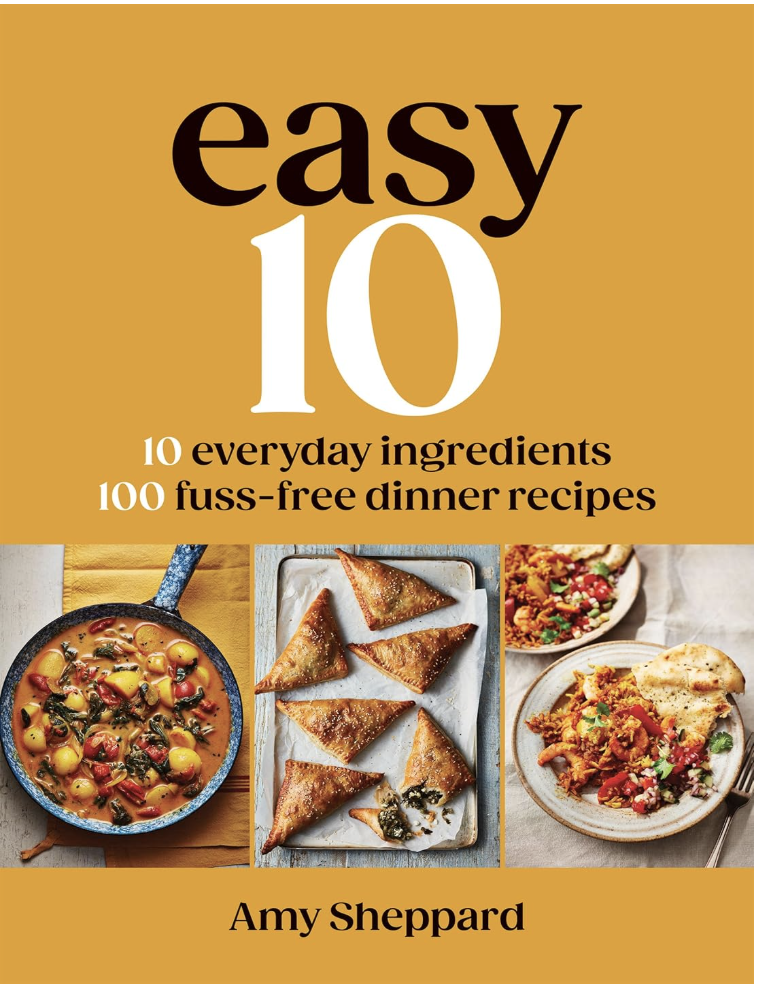
Easy Ten by Amy Sheppard – Cookbook Review

Who is Amy Sheppard?
Amy Sheppard is a food writer, home cook and mum based in Cornwall, with a wonderfully straightforward approach to family cooking. She’s gained a loyal following on social media (@amysheppardfood) by championing recipes that are both budget-friendly and full of flavour; no faff, just good honest food that the whole family can enjoy.

What is the Easy Ten’s  USP?
The book’s premise is to focus on the 10 most commonly purchased supermarket staples and how to transform them into 100 quick, affordable dinners. It’s a brilliant idea for anyone who’s ever felt stuck in a cooking rut or just needs some inspiration for busy weeknights.

What will I love?
The fact that the recipes such as Chicken Kyiv Spaghetti and Cheesy Chorizo Rice Cakes, are simple and achievable, but far from boring. Sheppard’s tone is warm and encouraging, and her dishes are clearly written with family life in mind. 

There is also a broad range of recipes with comfort food aplenty (think creamy pastas, traybakes, and hearty curries), but also lighter soups and stir fries for busy weekdays. Recipes are divided into chapters focusing on: Rice, Chicken, Pasta, Canned Fish, Potatoes, Sausages, Ready-rolled Pastry, Cheddar, Lentils and Beef Mince. None of the recipes are particularly expensive or challenging to make. It is cooking for real-life busy households who don’t want to spend hours at the stove, but still want to eat well. 

Each recipe has an enticing photo alongside helpful freezing instructions and suggested ingredient substitutions. There is also a strong emphasis on reducing food waste, using store-cupboard staples wisely, and making the most of every ingredient.

Is it good bedtime reading?
Perhaps not in a literary sense — this is a practical, straight-talking book — but it is still a pleasure to flick through. The layout is clean, the photography bright, and there’s a comforting sense of order in how everything is arranged. It’s the kind of book you reach for at the end of a long day and feel reassured that tomorrow’s supper won’t be stressful.

Will I have trouble finding the ingredients?
Not at all. Amy writes for real people, and her ingredient lists reflect that. Everything is easy to find in most supermarkets, and there is clever use of store-cupboard staples (tins, packets, frozen bits) throughout. There’s also an awareness of food waste, with plenty of tips for using up leftovers and making ingredients stretch a little further.

Stand out recipes?
There are lots. The Spiced Chicken and Couscous sings with aromatic spices and is perfect for a laid-back summer Sunday roast. For chilly nights, the Potato, Camembert and Bacon Bake is gloriously indulgent, as are the Croque Monsieur Baked Potatoes and Potato, Leek and Three-Cheese Pie. The Mini Salmon en Croutes are a standout — they look impressive but are deceptively simple — and the Whipped Stilton, Red Onion and Walnut Slices are dreamy warm with buttery potatoes or popped into lunchboxes the next day.

How often will I cook from the book?
Often. This is a book that wants to be used. You will find yourself scribbling notes in the margins and slotting recipes into your regular routine. It is built for busy households and everyday cooking. Less about entertaining, more about making weeknights manageable and mealtimes a little more joyful.

Any negatives?
There are no puddings or cakes to satisfy your sweet tooth, which some may miss, and it may not push boundaries for confident or experimental cooks. But for most of us — the ones feeding families, juggling work, and still wanting to eat well — that’s precisely what makes this book so useful. It meets you where you are.

Should I buy the book?
Yes, especially if you find yourself staring blankly into the fridge at suppertime wondering what to cook. Easy Ten offers fuss-free solutions that are both satisfying and sustainable. It is a proper friend-in-the-kitchen sort of cookbook that you will reach for again and again.

Cuisine: everyday British with global flavours
Suitable for: busy home cooks, families, students, and anyone looking to simplify mealtimes
Great for fans of: Jon Watts, Nadiya Hussain and The Batch Lady
Cookbook review rating: 4 stars
Buy the book: Easy 10: 10 Everyday Ingredients, 100 Fuss-free Dinner Recipes: The Sunday Times Bestseller by Amy Sheppard 

This review was written by Freelance Food Writer and Recipe Developer Sophie Knox Richmond. Follow her on Instagram on @sophie_kr_food

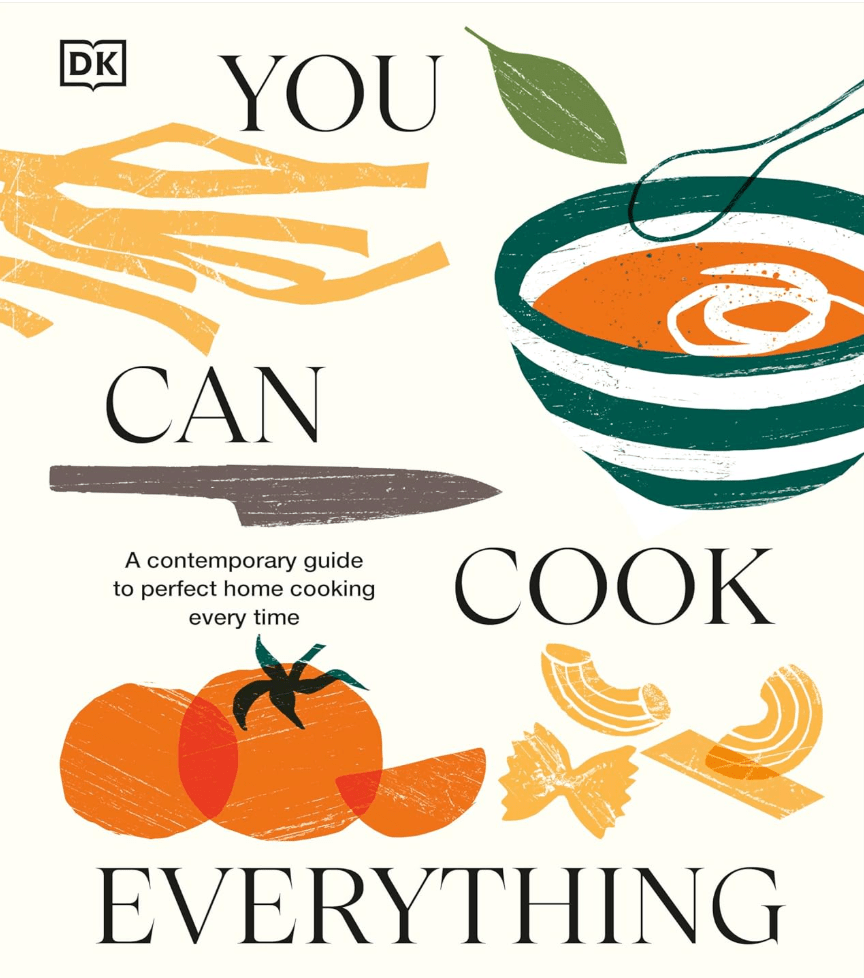
You Can Cook Everything: A Contemporary Guide to Perfect Home Cooking Every Time by DK – Cookbook Review

What is the USP?
An encyclopaedic guide to everything you need to know to become a confident home cook, covering over 1,000 techniques, tips, and recipes in one lavishly photographed volume. There’s no particular cuisine or concept. The focus is on giving you the building blocks to master everything from stir-frying tofu and grilling steak, to baking focaccia and folding gyoza.

What will I love?
It’s all here — the classics, the comfort food, the global favourites — presented with generous step-by-step photography and precise instructions. Want to perfect a béchamel? Learn to butterfly a leg of lamb? Bake flawless cinnamon buns? You Can Cook Everything gives you the confidence to try it, with visual cues and no judgment. It demystifies the things many cookbooks gloss over, from how to make shortcrust pastry to when to season your steak.

There’s also a pleasing sense of reassurance. Although it feels more up-to-date than other ‘cookery bibles’ due to the inclusion of more modern ingredients, it isn’t trying to be trendy or edgy. It’s here to guide you towards better home cooking, at your own pace. Think of it as a contemporary kitchen manual designed for a generation who may not have learned to cook from family, but who are hungry to learn now.

Is it good bedtime reading?
Yes. It’s not a memoir-style book full of essays or storytelling, but it’s incredibly satisfying to flip through. Each page feels like a mini masterclass. If you love the rhythm of methodical, practical cookery, this is bedtime gold.

Will I have trouble finding the ingredients?
Unlikely. The book is global in scope, so you’ll find everything from curries to shakshuka, but recipes are tailored to what is realistically available in most UK supermarkets. There’s helpful advice on substitutions, and where a specialist ingredient is needed (e.g. tamarind paste, rice flour), it’s generally one that has become fairly mainstream. The book is about building confidence and teaching you flexibility, not sending you schlepping across town on a three-hour shop.

How easy are the recipes to follow?
Exceptionally easy. The hallmark of DK books is their visual clarity, and You Can Cook Everything delivers in spades. Recipes are structured, well-spaced, and meticulously illustrated. There are visual walk-throughs for everything from kneading bread to filleting a fish, and plenty of troubleshooting tips to keep you on track. It’s ideal for anyone who wants to see how something should look at each stage. If you are someone who enjoys the reassurance of watching YouTube videos before trying a recipe, the chances are you will find You Can Cook deeply satisfying. 

Stand-out recipes?
The ‘Spring Onion and Cheddar Soda Bread’ is a wonderfully comforting, cheesy twist on a classic, while the ‘Butternut Squash and Sage Gnocchi’ is perfect to make in autumn. On the sweet front, the ‘All‑In‑One Vegan Chocolate Cake’ is rich, fudgy and undetectable as a vegan bake, and the ‘Blueberry Streusel Muffins’ are a delicious way of elevating the fruity favourite with a sweet and crunchy topping. 

How often will I cook from this book?
All the time. It’s a book you will reach for when trying something new or troubleshooting something familiar. The tone is quietly empowering: you don’t feel patronised, but you are never left to flounder. It’s perfect for beginner cooks, but even seasoned home cooks will enjoy the clarity and breadth. You might not cook everything in it, few of us have that kind of ambition, but it’s incredibly satisfying to know it’s all there.

Any negatives?
Not for what it sets out to do. Of course, if you are looking for a cookbook with an evocative or emotional narrative or a strong authorial voice, this won’t fill that void. It’s a clear, clean, and comprehensive reference book at heart. It also isn’t heavy on dietary notes (you won’t find extensive gluten-free or vegan adaptations), though there are plenty of naturally plant-based dishes. 

Should I buy the book?
Absolutely, especially if you’re building or refreshing your cookbook shelf and want a reliable, go-to guide. You Can Cook Everything is a must-have modern-day cooking bible: practical, clear, and deeply satisfying to use. It will teach you to trust your instincts and become a better cook, one delicious step at a time.

Cuisine: International 
Suitable for: Cooks of all abilities – a great place for beginners to start, while also filling in gaps/offering new inspiration for keen cooks. 
Great for fans of: Delia Smith, Leiths and Samin Nosrat.
Cookbook review rating: Five stars
Buy this book: You Can Cook Everything: A Contemporary Guide to Perfect Home Cooking Every Time
£30.00, DK

This review was written by Freelance Food Writer and Recipe Developer Sophie Knox Richmond. Follow her on Instagram on @sophie_kr_food

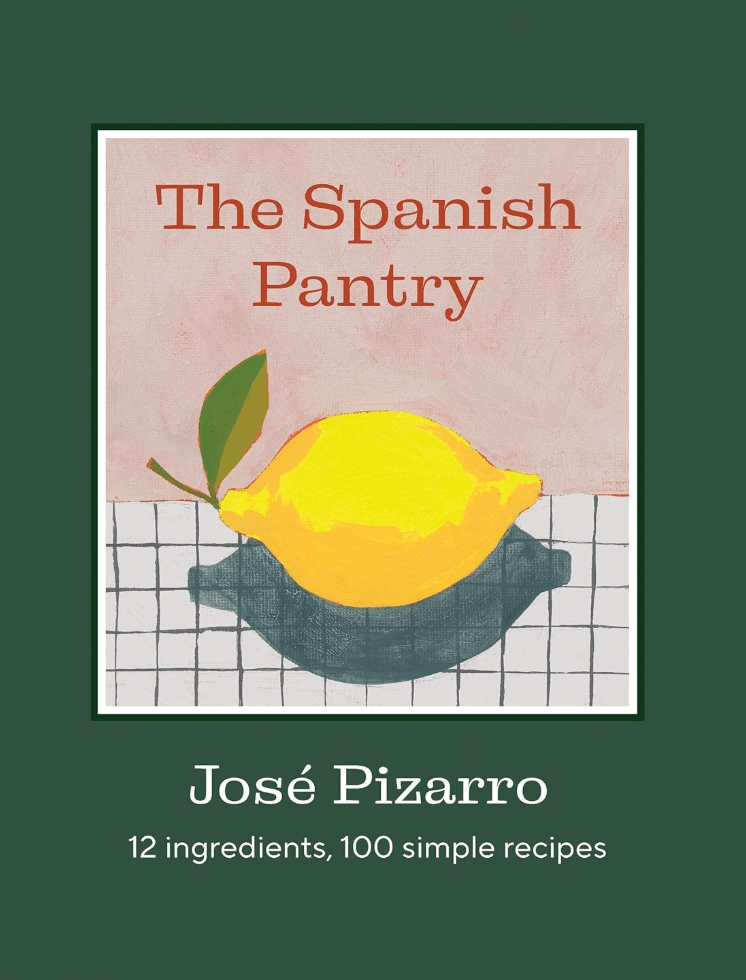
Spanish Pantry by José Pizarro

Who is José Pizarro?
José Pizarro is a Spanish chef and restaurateur who has spent over two decades bringing the soul of Spanish cooking to British tables. Born in Extremadura and now firmly rooted in the UK with a string of restaurants, he is known for his ability to translate the warmth and flavour of traditional Spanish food into something approachable, generous, and deeply satisfying. The Spanish Pantry is his ode to the essential ingredients that define the cuisine he grew up with.

What is The Spanish Pantry’s USP?
This is a grounded, ingredient-led cookbook that takes you back to the essentials that sit quietly in Spanish kitchens but carry so much flavour. It’s less about technique-heavy cooking and more about building confidence with essential components, encouraging cooks to build dishes from simple, high-quality basics. The result is a book that feels both accessible and rooted in tradition, quietly showing how much can be done with a well-stocked cupboard and a little care.

What will I love?
The Spanish Pantry is a love letter to the core components of Spanish cooking. Each chapter is built around one iconic pantry ingredient (Onions, Tomatoes, Peppers, Chorizo, Manchego, Almonds, Lemons, Rice, Chickpeas, Beans, Jamón and Saffron), showing how something simple and humble can unlock the bold, sun-drenched flavours of the Mediterranean. It is smart, focused, and deeply rooted in place. A real education in how to cook with heart, by knowing your basics inside out.

Pizarro excels at bringing Spanish cooking alive without making it overcomplicated. A tin of anchovies, a drizzle of good oil, and suddenly you’re on a terrace in Andalucía. Recipes like ‘Braised Black Beans with Spatchcock Chicken and Herb Salsa’, ‘Warm Gigante Beans on Toast’, and ‘Oloroso-braised Lamb Shanks and Chickpeas with Warm Anchovy Salsa’ offer richness and depth with minimal fuss. His food is rustic and hearty, yet still beautiful in its simplicity; exactly the kind of food you want to cook at home.

The helpful ‘menus’ section at the back provides inspiration for Lunch, Dinner, Tapas, Brunch and Summer Lunch party menus and includes time planning instructions so you can prepare ahead like a pro and entertain with ease. The beautiful photographs of Spain will have you hunting out your passport.

Is it good bedtime reading?
Yes, if you like to dream of distant markets and seaside tavernas. Pizarro writes with warmth, clarity and a palpable sense of place. You get snippets of Spanish life, hints of Extremadura and the Basque coast, and an unmistakable reverence for the people who taught him to cook. 

Will I have trouble finding the ingredients?
Some specialist items like sobrasada and morcilla might require a good deli or online shop, but many recipes rely on staples already in your cupboard. Think olive oil, paprika, garlic, pulses and tinned seafood. Although the book is about celebrating Spanish culture and cuisine, it is by no means inaccessible to UK cooks. Pizarro’s aim is to make your pantry do the heavy lifting, and he succeeds. There’s no unnecessary showing off, just good, honest cooking.

How often will I cook from the book?
This is very much a weekday-and-weekend sort of book. Although there are dishes which take a bit longer (the ‘Braised Jamón and Pork Knuckle with Olive Oil Mash’ is a succulent slow-cooked winner) or are impressive enough for a dinner party, this isn’t a book full of technical flourishes. It is real, robust food that you will return to time and time again. If you like the idea of elevating simple ingredients into something soul-stirring, this book will become a well-used companion.

Stand-out recipes?
The ‘Jamón Serrano and Watermelon Salad with Honey and Basil’ is a beautifully simple, and wonderfully refreshing, summer salad. ‘Garlic and Manchego Coca’ is a must-try for garlic bread fans, and the ‘Patatas à la Importancia con Chorizo’ will soon become one of your favourite ways to enjoy potatoes. Don’t miss the ‘Warm Olive Oil and Almond Cake with Preserved Peaches’. It has the most delicious flavour and moist texture, one of those cakes you will find yourself making on repeat. 

Any negatives?
Once you get into the recipes, you may find yourself seeking out higher-quality pantry items, which can become expensive. However, the flipside is that it encourages you to cook (and eat) more consciously, with respect for quality and provenance. 

Should I buy the book?
If you love Spanish food (not just the kind you eat on holiday, but the kind you dream of recreating in your own kitchen) The Spanish Pantry is a gem. It’s informative, heartfelt, and packed with flavour. You will eat well and learn a lot.

Cuisine: traditional and regional Spanish
Suitable for: curious foodies and lovers of Mediterranean flavours
Great for fans of: Claudia Roden, Rick Stein and Sam & Sam Clark
Cookbook review rating: 4 stars
Buy the book: The Spanish Pantry: 12 Ingredients, 100 Simple Recipes byJosé Pizarro, Hardie Grant £28.00

This review was written by Freelance Food Writer and Recipe Developer Sophie Knox Richmond. Follow her on Instagram on @sophie_kr_food

The Food You Want to Eat by Thomas Straker – Cookbook Review

Who is Thomas Straker?
Thomas Straker is a chef and social media sensation from London, known for his viral “All Things Butter” series and his easy-going, ingredient-led cooking style. Formerly a private chef and alumni of some of London’s top restaurants, Straker blends fine dining flair with everyday accessibility. With over 3 million followers across platforms and a bustling restaurant in Notting Hill, Straker’s unpretentious, flavour-packed recipes are just as likely to appear in your feed as on your table. The Food You Want to Eat is his debut cookbook. Find him on instagram @thomas_straker

What is The Food You Want to Eat’s USP?
Straker promises “no-faff food that tastes banging.” This is not a book of chef-y techniques or food you’ll cook once and never revisit. Instead, it’s about dishes that are genuinely craveable, with big flavour pay-offs and short, confident ingredient lists. The book blends Italian, Middle Eastern, British and modern European influences, and above all, celebrates good food done simply.

What will I love?
If you have ever watched one of his interviews or listened to him on a podcast, you will see that Straker writes like he talks – direct, cheeky, and deeply enthusiastic about good, seasonal produce. The recipes feel like an extension of his online presence: unpretentious, visually beautiful, and centred around real-world cooking. He’s all about layering flavour, using butter generously, and showing you how to make food that “slaps”.

Expect dishes like ‘Paccheri with Wild Garlic Pesto’, ‘Chicken Caesar Salad’, and ‘Spiced Tomato Tagliolini’ that feel fresh but still achievable on a weeknight. The photography is particularly striking. The shots are moody, natural and appetising, showing real food that’s been cooked and eaten, not styled within an inch of its life.

Is it good bedtime reading?
Yes, if you like falling asleep to the thought of buttery sauces and garlicky roast potatoes. Straker’s voice carries through in short, punchy intros to each recipe, but the writing isn’t wordy; more friend-in-the-pub vibes than lyrical food memoir. Still, the passion is there, and you might find yourself bookmarking entire sections in your head before you drift off.

Will I have trouble finding the ingredients?
Not especially. Straker keeps things supermarket-friendly, and when he uses more niche ingredients (like ‘nduja or miso, although both are often easily available), they’re generally ones you will use again and again throughout the book. His cooking style thrives on a well-stocked larder of oils, vinegars, chilli pastes and, of course, butter (lots of butter). There’s also helpful guidance on swapping or omitting ingredients if needed.

How easy are the recipes to follow?
Very. This is cooking stripped of ego. Most dishes are done in a few simple steps, and Straker’s confidence as a cook comes through in how little hand-holding there is (in a good way). These are recipes written for home cooks who want to trust their instincts and don’t want to be micromanaged.

Stand-out recipes?
The ‘’Nduja and Mozzarella Flatbread’ is pure flavour with minimal effort, one of those recipes you make once and then crave weekly. There’s a touch of genius about the indulgent ‘Chilli Cheese Smash Burger’, while the ‘Chocolate Mousse’ might just ruin all other desserts for you. Don’t miss the ‘Roast Chicken, Butter Beans and Salsa Verde’ which will soon become a new staple (I recommend using Bold Beans butter beans).

How often will I cook from this book?
Frequently. The recipes are what they say on the tin; the food you actually want to eat. There’s no fluff, no filler. Expect easy weeknight pasta, juicy chicken traybakes, punchy salads, and crowd-pleasing sides. The food is adaptable, generous and built for sharing. It’s not one of those aspirational books you leave on a shelf. It’s one you’ll cook from midweek and again at the weekend, ideally with friends, wine, and a lot of napkins.

Any negatives?
If you are looking for particularly health-conscious or plant-based recipes, this probably won’t be for you. While there are veg-focused dishes, butter and meat do a lot of the heavy lifting. Also, if you like your cookbooks full of background essays, regional history or in-depth foodie musings, you will be disappointed. 

Should I buy the book?
Absolutely. If you follow Straker online, this book delivers exactly what you would hope for: big, bold, confident recipes that are genuinely doable and deeply delicious. It is for cooks who want fuss-free inspiration without compromising on flavour.

Cuisine: Seasonal British/Modern European home cooking
Suitable for: Anyone from confident beginners up
Great for fans of: Anna Jones, Jeremy Lee and Marcus Wareing
Cookbook review rating: 5 stars
Buy this book: Food You Want To Eat , £25.00, Bloomsbury.

This review was written by Freelance Food Writer and Recipe Developer Sophie Knox Richmond. Follow her on Instagram on @sophie_kr_food

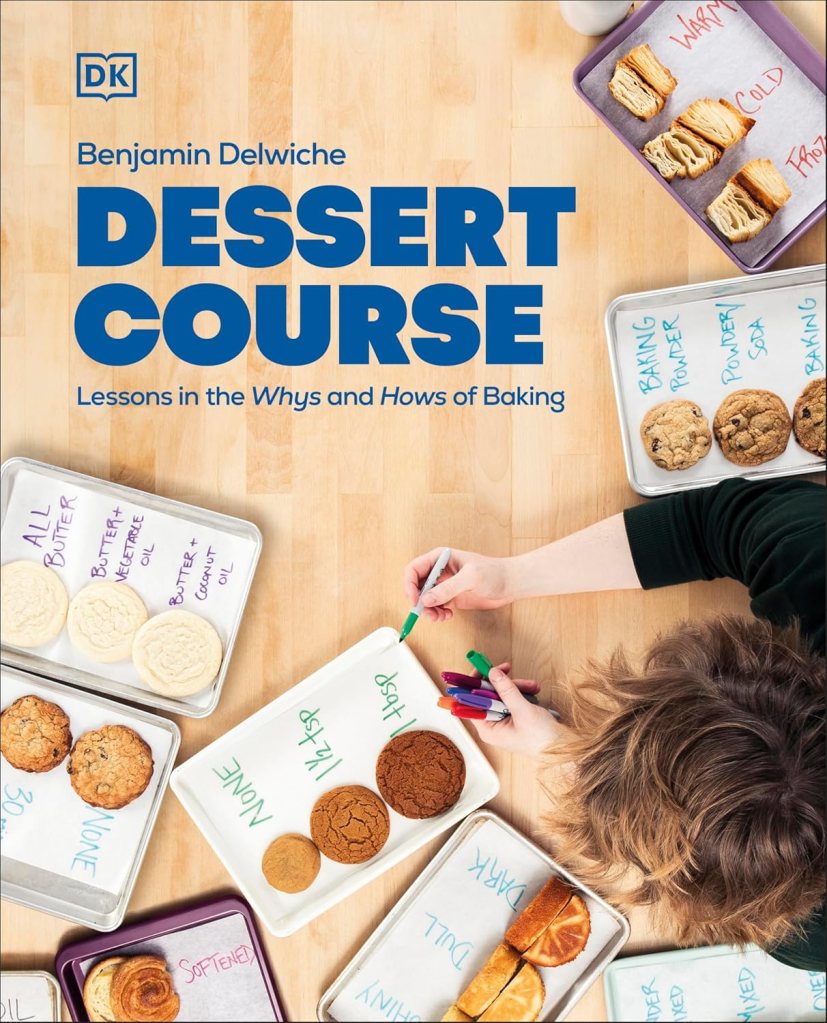
Dessert Course by Benjamin Delwiche – Cookbook Review

Who is Benjamin Delwiche?
You are more likely to know Benjamin Delwiche by his instagram handle @benjaminthebaker. Despite having over 667,000 followers avidly following his baking advice, Delwiche is actually a maths teacher. It might seem an unusual link at first. However, the parallels soon become clear when you see his approach to recipes. Just as he might break down a complicated maths equation to help a puzzled pupil, Delwiche ‘decodes’ the science behind each stage in a recipe, helping explain how and why they work. As he says in his introduction, “Following instructions is one thing, but confidently understanding the concepts that underlie the process is quite another”. 

What is Dessert Course’s USP?
Delwiche describes it as ‘a celebration of the art and science of baking: the ingredients, the recipes, and the concepts that make a baked good both technically successful and undeniably delicious.’ Dessert Course is about explaining how a handful of everyday ingredients can be transformed into an irresistible sweet treat without a kitchen full of expensive equipment or ingredients. It goes beyond just providing the recipes, aiming to help readers develop key foundational skills and understand the fundamental science behind each bake, all in a relatable and accessible manner.

What will I love?
Dessert Course is the ideal book for anyone interested in baking. Complete beginners will be able to build their confidence and knowledge, while more experienced bakers can brush up on their theory and discover more about how and why recipes work.

This is all explained in the first section, with pages dedicated to breaking down recipes, the importance of measuring and scaling, and details on various mixing methods (ever wanted to learn the ins and outs of classic creaming vs reverse creaming?). Then comes the recipes, each starting with a flow chart showing how altering a few steps (or ratios) can significantly impact the final result, ideal for anyone who enjoyed Lateral Cooking by Niki Segnit

That such a treasure trove of information never feels weighty or dull is a testament to Delwiche’s writing and the skill of the book’s design team. The combination of diagrams, charts and side-by-side photos makes Dessert Course a surprisingly engaging read, despite the volume of information. 

Even if you aren’t interested in baking theory, there are plenty of recipes that will have you reaching for your apron. This isn’t the kind of book full of unique flavour combinations or ingredients. Instead, you will find a strong selection of classic cookies, pies, cakes and breads.

Is it good bedtime reading?
Delwiche has a talent for making scientific concepts approachable. Add a few handy diagrams, flowcharts and delectable photos into the mix and you could easily find yourself whiling away the hours absorbed in how to transform a Classic Cheesecake into a Cotton (Japanese) Cheesecake, Chewy Sugar Cookies into Snickerdoodles, or the effect of using baking powder vs bicarbonate of soda. With other writers, this could become rather weighty. However, such is the style and structure of the book, all the information feels accessible and highly readable. 

Will I have trouble finding the ingredients?
No. Part of Delwiche’s philosophy is that you don’t need speciality ingredients to become a good baker. All the recipes feature affordable ingredients you should easily be able to find in your local supermarket. Having said that, Dessert Course is designed to give you the skills to bake with confidence and understand a recipe, so you could get creative and include more extravagant ingredients once you have mastered the basics. 

How easy are the recipes to follow?
There is a good mix of basic and more involved recipes. Naturally, Soda Bread is easier than Kouig-amann. However, Delwich ensures each one is clearly explained with flow charts highlighting the similarities and differences with other similar recipes (e.g. highlighting the links between Bagels and Pretzels), alongside highly informative images which clearly show the effects of different glazes, raising agents and/or how to tell if your bake is underbaked, overbaked or just right. Each recipe also includes a prep time, active time and cooking time at the top. Ideal for helping you plan how to fit a baking session into your day.

Stand-out recipes?
Don’t miss the Chewy Browned Butter Chocolate Chip Cookies or Fudgy Brownies (there are also options for ‘Chewy’ and ‘Cakey’ versions, if you prefer). The Cinnamon Coffee Cake was also a hit. 

How often will I cook from this book?
As often as you want to bak. There are recipes for every occasion with all sorts of classic cakes, biscuits and breads (not forgetting the delectable desserts and pastries).vWhether you want to make up a batch of simple Chewy Peanut Butter Cookies, or master the art of buttery Brioche. 

Any negatives?
It is very geared towards an American audience. Not a problem if you enjoy Snickerdoodles and Pumpkin Pie, but don’t expect to find the secret to the perfect Sticky Toffee Pud.

Should I buy the book?
If you enjoy cookbooks that delve deeper into the whys and hows of recipes, Dessert Course is the book for you. In some ways it is similar to SIFT (Nicola Lamb), although the recipes focus more on popular American crowd pleasing classics (compared to Lamb’s array of more innovative, elevated ideas). 

Cuisine: Baking and Patisserie 
Suitable for: Baking enthusiasts of all abilities
Great for fans of: Matt Adlard, Nicola Lamb and Ravneet Gill
Cookbook review rating: 4 stars
Buy this book: Dessert Course: Lessons in the Whys and Hows of Baking
£27.00, DK.

This review was written by Freelance Food Writer and Recipe Developer Sophie Knox Richmond. Follow her on Instagram on @sophie_kr_food