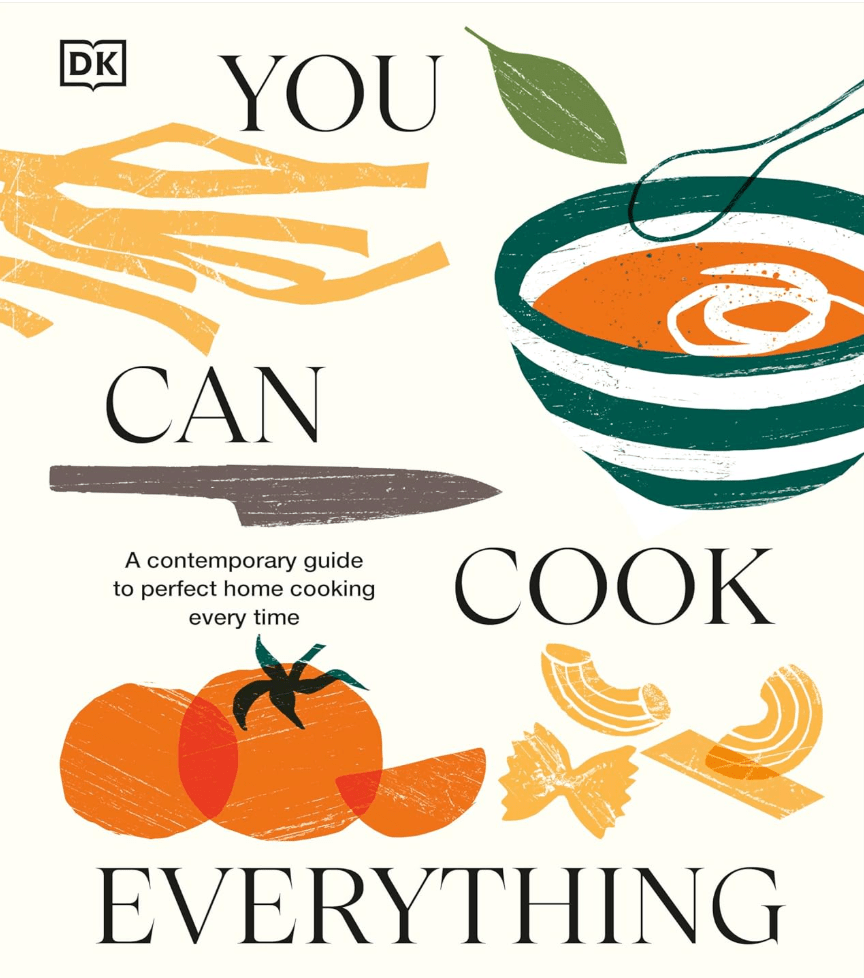
You Can Cook Everything: A Contemporary Guide to Perfect Home Cooking Every Time by DK – Cookbook Review

What is the USP?
An encyclopaedic guide to everything you need to know to become a confident home cook, covering over 1,000 techniques, tips, and recipes in one lavishly photographed volume. There’s no particular cuisine or concept. The focus is on giving you the building blocks to master everything from stir-frying tofu and grilling steak, to baking focaccia and folding gyoza.

What will I love?
It’s all here — the classics, the comfort food, the global favourites — presented with generous step-by-step photography and precise instructions. Want to perfect a béchamel? Learn to butterfly a leg of lamb? Bake flawless cinnamon buns? You Can Cook Everything gives you the confidence to try it, with visual cues and no judgment. It demystifies the things many cookbooks gloss over, from how to make shortcrust pastry to when to season your steak.

There’s also a pleasing sense of reassurance. Although it feels more up-to-date than other ‘cookery bibles’ due to the inclusion of more modern ingredients, it isn’t trying to be trendy or edgy. It’s here to guide you towards better home cooking, at your own pace. Think of it as a contemporary kitchen manual designed for a generation who may not have learned to cook from family, but who are hungry to learn now.

Is it good bedtime reading?
Yes. It’s not a memoir-style book full of essays or storytelling, but it’s incredibly satisfying to flip through. Each page feels like a mini masterclass. If you love the rhythm of methodical, practical cookery, this is bedtime gold.

Will I have trouble finding the ingredients?
Unlikely. The book is global in scope, so you’ll find everything from curries to shakshuka, but recipes are tailored to what is realistically available in most UK supermarkets. There’s helpful advice on substitutions, and where a specialist ingredient is needed (e.g. tamarind paste, rice flour), it’s generally one that has become fairly mainstream. The book is about building confidence and teaching you flexibility, not sending you schlepping across town on a three-hour shop.

How easy are the recipes to follow?
Exceptionally easy. The hallmark of DK books is their visual clarity, and You Can Cook Everything delivers in spades. Recipes are structured, well-spaced, and meticulously illustrated. There are visual walk-throughs for everything from kneading bread to filleting a fish, and plenty of troubleshooting tips to keep you on track. It’s ideal for anyone who wants to see how something should look at each stage. If you are someone who enjoys the reassurance of watching YouTube videos before trying a recipe, the chances are you will find You Can Cook deeply satisfying. 

Stand-out recipes?
The ‘Spring Onion and Cheddar Soda Bread’ is a wonderfully comforting, cheesy twist on a classic, while the ‘Butternut Squash and Sage Gnocchi’ is perfect to make in autumn. On the sweet front, the ‘All‑In‑One Vegan Chocolate Cake’ is rich, fudgy and undetectable as a vegan bake, and the ‘Blueberry Streusel Muffins’ are a delicious way of elevating the fruity favourite with a sweet and crunchy topping. 

How often will I cook from this book?
All the time. It’s a book you will reach for when trying something new or troubleshooting something familiar. The tone is quietly empowering: you don’t feel patronised, but you are never left to flounder. It’s perfect for beginner cooks, but even seasoned home cooks will enjoy the clarity and breadth. You might not cook everything in it, few of us have that kind of ambition, but it’s incredibly satisfying to know it’s all there.

Any negatives?
Not for what it sets out to do. Of course, if you are looking for a cookbook with an evocative or emotional narrative or a strong authorial voice, this won’t fill that void. It’s a clear, clean, and comprehensive reference book at heart. It also isn’t heavy on dietary notes (you won’t find extensive gluten-free or vegan adaptations), though there are plenty of naturally plant-based dishes. 

Should I buy the book?
Absolutely, especially if you’re building or refreshing your cookbook shelf and want a reliable, go-to guide. You Can Cook Everything is a must-have modern-day cooking bible: practical, clear, and deeply satisfying to use. It will teach you to trust your instincts and become a better cook, one delicious step at a time.

Cuisine: International 
Suitable for: Cooks of all abilities – a great place for beginners to start, while also filling in gaps/offering new inspiration for keen cooks. 
Great for fans of: Delia Smith, Leiths and Samin Nosrat.
Cookbook review rating: Five stars
Buy this book: You Can Cook Everything: A Contemporary Guide to Perfect Home Cooking Every Time
£30.00, DK

This review was written by Freelance Food Writer and Recipe Developer Sophie Knox Richmond. Follow her on Instagram on @sophie_kr_food

The Food You Want to Eat by Thomas Straker – Cookbook Review

Who is Thomas Straker?
Thomas Straker is a chef and social media sensation from London, known for his viral “All Things Butter” series and his easy-going, ingredient-led cooking style. Formerly a private chef and alumni of some of London’s top restaurants, Straker blends fine dining flair with everyday accessibility. With over 3 million followers across platforms and a bustling restaurant in Notting Hill, Straker’s unpretentious, flavour-packed recipes are just as likely to appear in your feed as on your table. The Food You Want to Eat is his debut cookbook. Find him on instagram @thomas_straker

What is The Food You Want to Eat’s USP?
Straker promises “no-faff food that tastes banging.” This is not a book of chef-y techniques or food you’ll cook once and never revisit. Instead, it’s about dishes that are genuinely craveable, with big flavour pay-offs and short, confident ingredient lists. The book blends Italian, Middle Eastern, British and modern European influences, and above all, celebrates good food done simply.

What will I love?
If you have ever watched one of his interviews or listened to him on a podcast, you will see that Straker writes like he talks – direct, cheeky, and deeply enthusiastic about good, seasonal produce. The recipes feel like an extension of his online presence: unpretentious, visually beautiful, and centred around real-world cooking. He’s all about layering flavour, using butter generously, and showing you how to make food that “slaps”.

Expect dishes like ‘Paccheri with Wild Garlic Pesto’, ‘Chicken Caesar Salad’, and ‘Spiced Tomato Tagliolini’ that feel fresh but still achievable on a weeknight. The photography is particularly striking. The shots are moody, natural and appetising, showing real food that’s been cooked and eaten, not styled within an inch of its life.

Is it good bedtime reading?
Yes, if you like falling asleep to the thought of buttery sauces and garlicky roast potatoes. Straker’s voice carries through in short, punchy intros to each recipe, but the writing isn’t wordy; more friend-in-the-pub vibes than lyrical food memoir. Still, the passion is there, and you might find yourself bookmarking entire sections in your head before you drift off.

Will I have trouble finding the ingredients?
Not especially. Straker keeps things supermarket-friendly, and when he uses more niche ingredients (like ‘nduja or miso, although both are often easily available), they’re generally ones you will use again and again throughout the book. His cooking style thrives on a well-stocked larder of oils, vinegars, chilli pastes and, of course, butter (lots of butter). There’s also helpful guidance on swapping or omitting ingredients if needed.

How easy are the recipes to follow?
Very. This is cooking stripped of ego. Most dishes are done in a few simple steps, and Straker’s confidence as a cook comes through in how little hand-holding there is (in a good way). These are recipes written for home cooks who want to trust their instincts and don’t want to be micromanaged.

Stand-out recipes?
The ‘’Nduja and Mozzarella Flatbread’ is pure flavour with minimal effort, one of those recipes you make once and then crave weekly. There’s a touch of genius about the indulgent ‘Chilli Cheese Smash Burger’, while the ‘Chocolate Mousse’ might just ruin all other desserts for you. Don’t miss the ‘Roast Chicken, Butter Beans and Salsa Verde’ which will soon become a new staple (I recommend using Bold Beans butter beans).

How often will I cook from this book?
Frequently. The recipes are what they say on the tin; the food you actually want to eat. There’s no fluff, no filler. Expect easy weeknight pasta, juicy chicken traybakes, punchy salads, and crowd-pleasing sides. The food is adaptable, generous and built for sharing. It’s not one of those aspirational books you leave on a shelf. It’s one you’ll cook from midweek and again at the weekend, ideally with friends, wine, and a lot of napkins.

Any negatives?
If you are looking for particularly health-conscious or plant-based recipes, this probably won’t be for you. While there are veg-focused dishes, butter and meat do a lot of the heavy lifting. Also, if you like your cookbooks full of background essays, regional history or in-depth foodie musings, you will be disappointed. 

Should I buy the book?
Absolutely. If you follow Straker online, this book delivers exactly what you would hope for: big, bold, confident recipes that are genuinely doable and deeply delicious. It is for cooks who want fuss-free inspiration without compromising on flavour.

Cuisine: Seasonal British/Modern European home cooking
Suitable for: Anyone from confident beginners up
Great for fans of: Anna Jones, Jeremy Lee and Marcus Wareing
Cookbook review rating: 5 stars
Buy this book: Food You Want To Eat , £25.00, Bloomsbury.

This review was written by Freelance Food Writer and Recipe Developer Sophie Knox Richmond. Follow her on Instagram on @sophie_kr_food

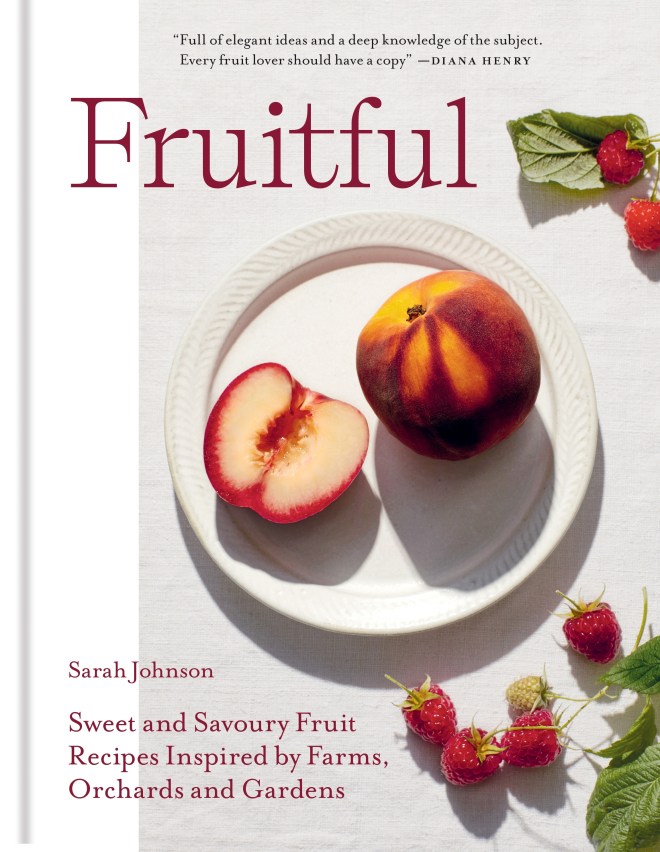
Fruitful by Sarah Johnson – Cookbook Review

Who is Sarah Johnson?
Sarah Johnson is an American-born pastry chef who trained under Alice Waters at Chez Panisse, before working at Skye Gyngell’s acclaimed Spring restaurant in London, and Heckfield Place in Hampshire. Johnson is known for her passion for using seasonal, sustainable ingredients, transforming them into innovative desserts and cakes that celebrate the best of what nature has to offer. Followers are treated to a collection of her stunning creations, and an inside glimpse of her farm-to-table approach to cooking, on her social media account @sarahjohnsoncooks. Fruitful is her debut cookbook.

What is Fruitful’s USP?
Described by Darina Allen as ‘a delicious celebration of ripe and seasonal produce’, Fruitful offers over 80 sweet and savoury recipes that showcase fruit in all its glory. Accompanying the recipes are a selection of pairing recommendations, flavour charts, interviews with regenerative farmers from around the world, and expert advice on mastering key techniques to help you make the most out of your produce.

What will I love?
The thought and detail that has gone into putting this book together shines through. Some books feel rather rushed, but this one is almost crafted like a work of art. The recipes are inventive and elegant, with almost all accompanied by stunning photographs which leave you hoping you have the ingredients so you can start cooking straight away.

Johnson is generous with her knowledge, sharing tips and tricks in the gentle manner of a friend leading you on a foodie journey. You can’t help but be inspired by page after page of sweet and savoury ideas that showcase the sheer versatility of fruit. Fruitful feels so much more than a cookbook, it is a joyous celebration of fruit and farming that will deepen your knowledge and broaden your culinary horizons.

Is it good bedtime reading?
Alongside the main introduction which details Johnson’s culinary journey and philosophy, each chapter and recipe also includes its own introduction. There are several pages dedicated to a detailed explanation of the various ‘Techniques for Cooking with Fruit’, breakout boxes on everything from how to curate a seasonal fruit bowl no matter what the time of year, to favourite flavour combinations. Weaved throughout the book are interviews with various producers who share fascinating insights into their work.

Will I have trouble finding the ingredients?
Not really. Johnson offers variations throughout the book so you can adjust the recipes depending on the season and/or what you already have available. For example, stracciatella features in the ‘Pizza with Peaches, Stracciatella, Rocket and Pesto’, but burrata and mozzarella are suggested alternatives. The odd recipe uses ingredients like coconut flour (‘Coconut Rum Cake with Peaches in Syrup’) and peach leaves (Vin de Pêche’), but the vast majority rely on ingredients that aren’t too tricky to source.

How easy are the recipes to follow?
There are a variety of simple and more complex recipes. Fuss-free ideas like ‘Blackcurrant Jelly’ and ‘Strawberry Sorbet’ sit alongside more involved recipes like the beautiful ‘Apple, Prune and Armagnac Tart’. All are explained in a detailed yet accessible manner, clearly outlining the steps, with photos offering additional guidance where necessary.

Stand-out recipes?
You could be forgiven for thinking that the stand-out recipes would all be sweet, but the savoury options are equally impressive. The ‘Goats Cheese Soufflés with Spring Herb Salad and Roasted Cherries’ are inspired, while the ‘North African Lamb with Plums’ is a deliciously sweet, sticky and subtly spiced slow-cooked dish that is perfect for impressing loved ones. It is tricky to select just a few ‘stand-out’ sweet options, but the indulgent ‘Little Chocolate Pots with Roasted Cherries and Kirsch Cream’, zesty ‘Lemon Curd Tart’ and sophisticated ‘Apple, Prune and Armagnac Tart’ are not to be missed.

How often will I cook from this book?
This isn’t the kind of cookbook you will make something from every day of the week, but there is much to learn from the various charts and tables which will influence your cooking. Recipes cover everything from cakes, ice cream and jam to slow-roast meats, seasonal salads and sustainable fish. There is plenty of variety too, whether you want a teatime treat (‘Polenta Olive Oil Muffins with Blackberries’), a show stopping tart (‘Chocolate Tart with Marsala Sabayon and Toasted Hazelnuts’ or a simple supper (‘Lemony Chicken Piccata’). 

Any negatives?
Whilst not prohibitively extravagant, a few of the recipes are quite expensive to make due to the need to purchase certain liqueurs. Some recipes rely on a rather large number of eggs – ‘Little Chocolate Pots with Roasted Cherries and Kirsch Cream’ uses 8 yolks and ‘Lemon Curd Tart’ calls for 8 whole eggs and 12 yolks. To her credit, Johnson acknowledges that the latter may seem excessive, but assures us they are necessary. Conscious of avoiding waste, she recommends saving the whites for her ‘Lemon Meringue Pie’ or ‘Meringues’ later in the book (as a side note, I would also heartily encourage you to try making your own ricciarelli, a deliciously soft Tuscan treat half-way between a macaron and an amaretti). 

Should I buy the book?
Yes. This is a beautiful book which will inspire you to step outside of your comfort zone and cook more confidently, creatively and sustainably with seasonal fruit.

Cuisine: Seasonal British with Italian and French influences
Suitable for: Foodies and keen cooks who want to be more adventurous, and sustainable, with their cooking
Great for fans of: Alice Walters, Darina Allen and Skye Gygnell
Cookbook review rating: Five stars

Buy this book: Fruitful: Sweet and Savoury Fruit Recipes Inspired by Farms, Orchards and Gardens
£30.00, Kyle Books

Cook the Book:
Chocolate Tart with Marsala Sabayon and Toasted Hazelnuts
Lemon Drizzle Cake
North African Lamb with Plums

This review was written by Freelance Food Writer and Recipe Developer Sophie Knox Richmond. Follow her on Instagram on @sophie_kr_food

Sift by Nicola Lamb

reviewed by Sophie Knox Richmond

Who is Nicola Lamb? Nicola Lamb is a recipe developer and pastry chef famed for hosting sell-out pastry parties with her pop-bakery, Lark!, and collaborating with the likes of the Ottolenghi Test Kitchen, Soft & Swirly and Toklas Bakery. She honed her skills at some of London and New York’s top bakeries including Happy Endings, Dominique Ansel and Little Bread Pedlar, and has seen her work featured in publications including The Guardian, Vogue and ES Magazine. She is also the author of Kitchen Projects (her weekly substack newsletter with over 50,000 dedicated subscribers) where she delves deep into the world of desserts, baking and pastries, sharing behind-the-scenes glimpses of the recipe development process and explaining the ins and outs of what, how and why a recipe works. From the lowdown on the ultimate chocolate chip cookies to how to craft beautifully buttery brioche (not forgetting more adventurous ideas like wild garlic bagels, pistachio gateau basque and caramelised white chocolate, malt and hazelnut spread), it is little wonder the Observer declared it an ‘incredible resource’. SIFT is her debut cookbook. 

What is SIFT’s USP? Described as the ‘essential new baking bible’ SIFT promises to take the ‘fear out of failure’ with its collection of over 100 bakes. The first half of the book is focused on theory, featuring key elements and techniques, accompanied by illustrations and diagrams, designed to explore the hows and whys of baking. The second half is dedicated to the recipes, organised by how long you have available to bake, whether that be an afternoon (‘Bread and Butter Pudding with Caramel Mandarins’), a day (‘Rhubarb and Custard Crumb Cake) or weekend (‘Mocha Passionfruit Opera Cake’). Felicity Cloake summed it up perfectly as: ‘Everything you ever wanted to know about baking but were too afraid to ask.’ 

What will I love? This is the ultimate book for anyone remotely interested in baking no matter your skill level. It lays the foundations for novices to build on and professionals will find inspiring new ideas to develop their own recipes as well as reference points for substitutions.  

The first half offers a fascinating look at the main ingredients at the heart of baking (e.g. flour, sugar, eggs and fat) before exploring the techniques that bring them to life (prepare to learn all about texture, colour and rising). The numerous diagrams and ‘technical overview’ help ensure the information remains clear and accessible. Each recipe highlights the techniques used so you can refer back to the theory chapters, identify links between different recipes, and work your way up to more complex ones as you grow in confidence.

Even if you aren’t interested in baking theory, Lamb’s meticulous testing and flair for flavour means the recipes alone are enough to get you grabbing your apron. Expect original sweet and savoury cakes, tarts, biscuits, pies, breads and desserts. Classics like Victoria Sandwich Cake are transformed into ‘Roasted Strawberry Victoria Sponge’, and ‘Baked Lemon Custard Brûlée’ gives Crème Brûlée a zesty modern twist.

Is it good bedtime reading? Lamb’s highly readable writing, coupled with the handy diagrams is likely to leave you staying up into the early hours learning about the ins and outs of ‘starch gelatinisation in action’ and ‘coagulation of eggs’ (I promise you, it isn’t as weighty as it sounds). You can dip in and out at your leisure, focusing on the elements you wish to learn more about at any given time. All the recipes include a short introduction too.

Will I have trouble finding the ingredients? Some fruit purées and pistachio paste might need to be bought online unless you want to make your own (a recipe is included for the latter). Dried hibiscus flowers may also need hunting down but plenty of other sorbet flavours are given instead. 

How easy are the recipes to follow? The book is designed for all abilities. Not all the recipes are easy but Lamb has gone to great lengths to ensure they are achievable and the processes are as clear as possible. Each recipe contains a time plan and specifies the equipment and techniques used. There are helpful notes on what to look for at each stage as well as useful tips, shortcuts and instructions on how to prep in advance and/or reheat. It couldn’t be more user-friendly if it tried. 

Stand-out recipes? ‘Brown Butter Banana Cookies’ are quick, easy and incredibly moreish, ‘Ricotta, Marmalade and Hazelnut Chocolate-chip Cake’ is a must-make for chocolate-orange fans, and ‘Lemon Basque Cheesecake with Sticky Lemons’ is a beautifully balanced pud for any occasion. Banoffee-lovers shouldn’t miss the ‘Banana Pudding Pie’, and the ‘Tiramichoux’ are utterly inspired and worth the effort. On the savoury side, ‘Olive Oil Brie-oche with Roasted Grapes, Honey and Thyme’ sounds particularly delicious.

How often will I cook from this book? There is something for every mood, occasion and season so you could easily find yourself baking from this all year round, whether you are making a birthday cake for a loved one, a teatime treat to curb mid-afternoon cravings, or a show-stopping dessert for a special occasion. There’s a plethora of savoury delights ideal for lunches and suppers too.

Any negatives? None. SIFT is designed to be the ultimate baking and pastry bible and Lamb has well and truly nailed the brief. 

Should I buy the book? A resounding yes. Whether you want to delve deep into the science of the Maillard reaction, or simply want to up your baking game, SIFT is an exceptional book and a must-have addition to your cookbook collection. 

Cuisine: Baking and Patisserie
Suitable for: Baking enthusiasts of all abilities
Great for fans of: Ravneet Gill
Cookbook review rating: Five stars

Buy this book: SIFT: The Elements of Great Baking
£30.00, Ebury Press

Cook from this book
Secret Chocolate Cake
Miso Walnut Cookies
Cheese and Pickle Scones

The Food Substitutions Bible by David Joachim

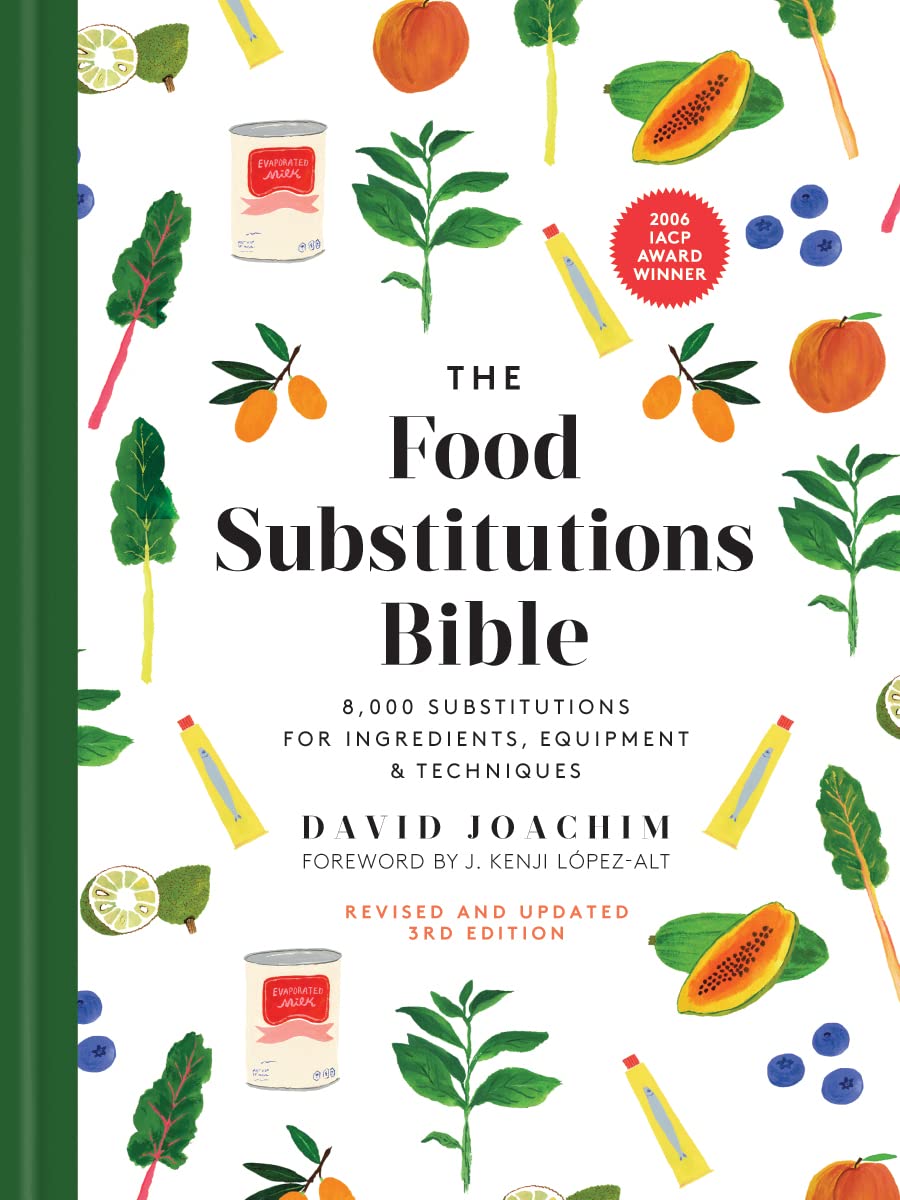
The Food Substitutions Bible
The Food Substitutions Bible is a hefty reference volume offering over 8000 ideas for smart replacements useful on those occasions when you’ve misjudged the contents of your cupboards. Need something to sit in for those fennel seeds you forgot to pick up in the weekend shop? Simply flick through to ‘F’ and discover that while anise seeds are your ideal swap, dill seeds will work in a pinch to offer a slightly milder flavour, or caraway seeds, if you’re happy to forgo some sweetness.

This is the third edition of David Joachim’s book, which first came out in 2005, before being revised in 2010. The way we eat has changed significantly in the past decade, and the new additions here reflect that. From freekeh to katsuobushi, Joachim acknowledges the ongoing global shift in the industry.

But the focus isn’t strictly on base-level ingredients – there are recommendations for tools that might stand in for a blowtorch, a steamer, or various specialist pots and pans. Folks with cookbooks that are more ambitious than their local supermarket shelves will find plenty of use in the suggestions of more readily accessible equivalents to elk, squirrel and crocodile.

There’s still room for improvements in future editions, though: having been diagnosed as coeliac last year, I’m still trying to get my head around substitutions for a long list of ingredients I have been surprised to have robbed from my kitchen (Marmite! Soy sauce! English mustard!) While each of these are addressed in some way in the book, none of them face the gluten question head on. This feels like a waste when the very concept of the book offers so much promise to those suffering from any number of dietary restrictions; those with nut allergies will be among those who might also feel a little underserved in some areas.

You should buy The Food Substitutions Bible for a handy point of reference while cooking. Yes, Google exists, but when you’re deep into a recipe and juggling several pans at once it can be a real faff to discern which citation-thirsty suggestion will actually work in practice. Even in the first week in my house, Joachim came to my rescue on two different occasions, suggesting simple replacements that saved dinner. For that alone, this is a purchase worth making.

Cuisine: Global
Suitable for: Beginner and confident home cooks as well as curious foodies and professional chefs
Cookbook Review Rating: Four stars

Buy this book: The Food Substitutions Bible

Review written by Stephen Rötzsch Thomas a Nottingham-based writer. Follow him on Twitter and Instagram at @srotzschthomas

Restaurant Gordon Ramsay: A Story of Excellence by Gordon Ramsay

Restaurant Gordon Ramsay

What’s the USP? A follow up of sorts to Ramsay’s 2007 book Three Star Chef  that focuses on the food and story of his three Michelin starred flagship restaurant Restaurant Gordon Ramsay in Chelsea, London. Recipes are organised by seasons, each with an introduction to the key ingredients available at the time of year. Interspersed is Ramsay’s anecdotal history of the restaurant. As such, the book is aimed at professional chefs and those who want a memento of what might possibly be a meal of a lifetime and be of less interest to the audience for Ramsay’s usual quick and easy-style cookbooks such as Ramsay in 10: Delicious Recipes Made in a Flash.

Who is the author? That bad tempered shouty bloke from off the telly, that’s who. Born in Scotland and brought up in Stratford-upon-Avon, he is a former aspiring professional footballer turned most-famous-chef-currently-on-the-planet. Trained by some of the leading chefs of the time including Albert Roux, Marco Pierre White, Guy Savoy and Joël Robuchon, Ramsay opened his first restaurant Aubergine in Fulham in 1993 where he won two Michelin stars. The third came when he opened Restaurant Gordon Ramsay in 1998. His restaurant empire currently spans the UK, France, the US, Dubai and Singapore and encompasses everything from the two Michelin starred Le Pressoir d’Argent in Bordeaux to a string of Street Pizza and Street Burger restaurants. Ramsay is a familiar figure on TV both sides of the Atlantic with shows including Hell’s Kitchen, Masterchef, Masterchef Jr., 24 Hours To Hell & Back, Gordon Ramsay: Uncharted and Gordon, Gino And Fred.

The book’s co author is Restaurant Gordon Ramsay Chef Patron Matt Abé who has worked for Ramsay for 16 years. Born in Australia, he worked at Aria Restaurant in Sydney and Vue du Monde in Melbourne before moving to the UK at the age of 21 to work as chef de partie at Claridge’s. He then moved to Restaurant Gordon Ramsay, working his way up from chef de partie to his current position overseeing the whole restaurant.

Are the recipes easy to follow? Well, sort of. Let’s take ‘Veal Sweetbread, Toasted Grains, Ajo Blanco, Malt’ as an example. First you’ll need to make your veal stock and chicken stock (separate recipes for both are included in the ‘basics’ section). You’ll need 4kg of veal bones and 3kg of chicken wings and necks and 24 hours during which you’ll be regularly skimming the stocks. The recipe fails to explain how you’ll get any sleep during this process so you’ll have to figure that one for yourselves.

Anyway, once you’ve had a nap, it’s time to get the malt jus on. You’ll just need a kilo of veal trimmings for this and fair amount of time for browning and reducing and passing. Once you’ve got your beautiful and extremely expensive sauce, it’s time to deep fry some wild rice and amaranth grains to puff them up for garnish. The cost of living crisis means this alone is an horrendously expensive process, but it’ll be worth it.

Once you’ve got those boxed up, all you need to do is trim 2kg of veal heart sweetbreads (they were all out at Asda but I’m sure you can track them down at your local butcher. Do you have one of those? Lucky you) removing the membrane with your razor sharp Japanese-style chef’s knife. Then just fry them up and top with some honey glaze (there’s a separate recipe for that), your puffed grains plus some sobacha and malted oats you just happen to have in the cupboard, along with all those allium buds and flowers you were looking for something to do with. Then you pour over your ajo blanco (sorry, didn’t I mention it that before? Yes, that’s another thing you need to make) and your malt jus and job’s a good’un.

It’s at this point you begin to realise why dinner at Restaurant Gordon Ramsay costs £180 a head just for the food. So to answer the question, the recipes are pretty straightforward, if you take each individual component by itself. But it’s the amount of components, the number of ingredient, the time involved and the skill and equipment required (you’ll need a Vitamix if you are going to follow the recipe to the letter and achieve the sort of velvety texture Abé does in the restaurant for example) that’s the issue.

Will I have trouble finding the ingredients? There are a number of dishes such as canapes and amuse-bouche where you will find it impossible as there are no recipes, just images and a description. This sadly includes the restaurant’s fantastic Parker House rolls. If anything would have been worth the £60 cost of the book it would be a recipe for that bread, one of the highlights of a recent meal I was lucky enough to enjoy at RGR.

While many of the ingredients for most of the dishes in the book are readily available in some form or another, there are quite a few instances of micro herbs/foraged flowers, herbs and leaves and the sort of powders associated with molecular gastronomy (although the food in the book is very far removed from that) being required. So you’ll need for example to track down mustard frills, chickweed leaves and three cornered garlic flowers for a asparagus and morel starter, and some Ultratex (and a Pacojet) to make a herb puree for a cod and Jersey Royal dish. However, it would only take a little thought and ingenuity for an experienced cook (and certainly a professional chef) to work around these requirements without straying too far from the original intention of the dish.

How often will I cook from this book? While this is at heart a coffee table book, it could also have a useful life in your kitchen. If you are a home cook, most of the complete dishes in the book will be quite a serious undertaking. However, many of the individual components are fairly straightforward, so you might make the saffron emulsion (mayo) that accompanies a crab and melon mousse and that’s flavoured with paprika and Espelette chilli powder and serve it with some simply grilled fish.

Does it make for a good bedtime read? This is the story of the restaurant as well as a recipe book so there’s a good amount to read. This is very much Ramsay’s version of events however and key players like Marcus Wareing, Angela Hartnett, Mark Sargeant, Jason Atherton and Mark Askew  (none of whom still work for Ramsay) get only a passing mention. There are a few juicy nuggets like the fact Ramsay was paid £200k for the Boiling Point documentary series and that he applies ‘ruthless margins on wine’ (now you know the other reason why your dinner is so expensive). If you’ve read Playing With Fire or Humble Pie, Ramsay ‘s two autobiographies you won’t learn much new here but it’s an enjoyable read nevertheless. There are also some interesting observations on seasonal ingredients including the fact that lobsters are never cooked whole at the restaurant because each part cooks at a different rate.

Should I buy the book? The book looks a million dollars, especially the fantastic food shots by John Carey, is a decent read and has some great, if daunting recipes. Ramsay fans, professional chefs and ambitious home cooks will find much to enjoy and inspire here. What it’s definitely not is a practical everyday cookbook, but there are plenty of those already. Perhaps a book you would gift rather than buy for yourself.

Cuisine: Modern British
Suitable for: For professional chefs
Cookbook Review Rating: Four stars

Buy this book: Restaurant Gordon Ramsay: A Story of Excellence by Gordon Ramsay

Chef’s cookbook prize draw for Brain Tumour Charity (UK mainland only)

Chef James cook book raffle for Brain Tumour Charity from Natural Selection Design on Vimeo.

IMPORTANT NOTICE: THIS PRIZE DRAW IS OPEN TO UK MAINLAND RESIDENTS ONLY 

THE PRIZE
James is a talented chef who has spent his life pursuing his passion for food.

In 2022 James was diagnosed with a terminal brain tumour, which has given him a new perspective on life. Despite his illness, he has remained determined to make the most of his time and has decided to auction his collection of cookery books to raise funds for the Brain Tumour Association.

The cookery books in James’ collection are his pride and joy, and he has collected them over 20 years in the industry. The 150+ books represent a lifetime of learning and exploration in the world of food and butchery.

His treasured collection includes books from the world’s best restaurants and chefs, and it is a testament to his dedication to his craft.

They range from unique and out of print books to accessible books, to say that from new to replace is a £4k + collection. The El Bulli collection alone is retailed at £500 and Sergiology book also retails over £500.

Since the diagnosis of a grade 4 inoperable brain stem tumour, James has discovered that brain tumour research receives only around 1% funding. The importance of raising funds for the Brain Tumour Association has never been more important, and he is auctioning his beloved collection to help others in need.  It is a selfless act that speaks to James’ character and his desire to make a positive impact in the world, even in the face of adversity.

James hopes that his contribution will help others who are also affected by brain tumours, and he is grateful for the opportunity to make a difference in this way. He has met amazing people who also want to help, and he hopes that with more available funds, they will be able to help more people in the future.

Find out how to enter the draw by clicking here  The draw is open to UK mainland residents only and closes 14th April 2023 at 2:46pm. Full terms and conditions are here.

This is of course an amazing opportunity to acquire an incredible collection of cookbooks, but more importantly to support a truly altruistic act that benefits a worthy organisation, the Brain Tumour Charity who are dedicated to ‘a drive to improve services and outcomes for everyone affected by a brain tumour’.

Follow James on Twitter @chefjamesfpl and Instagram @jamescon198

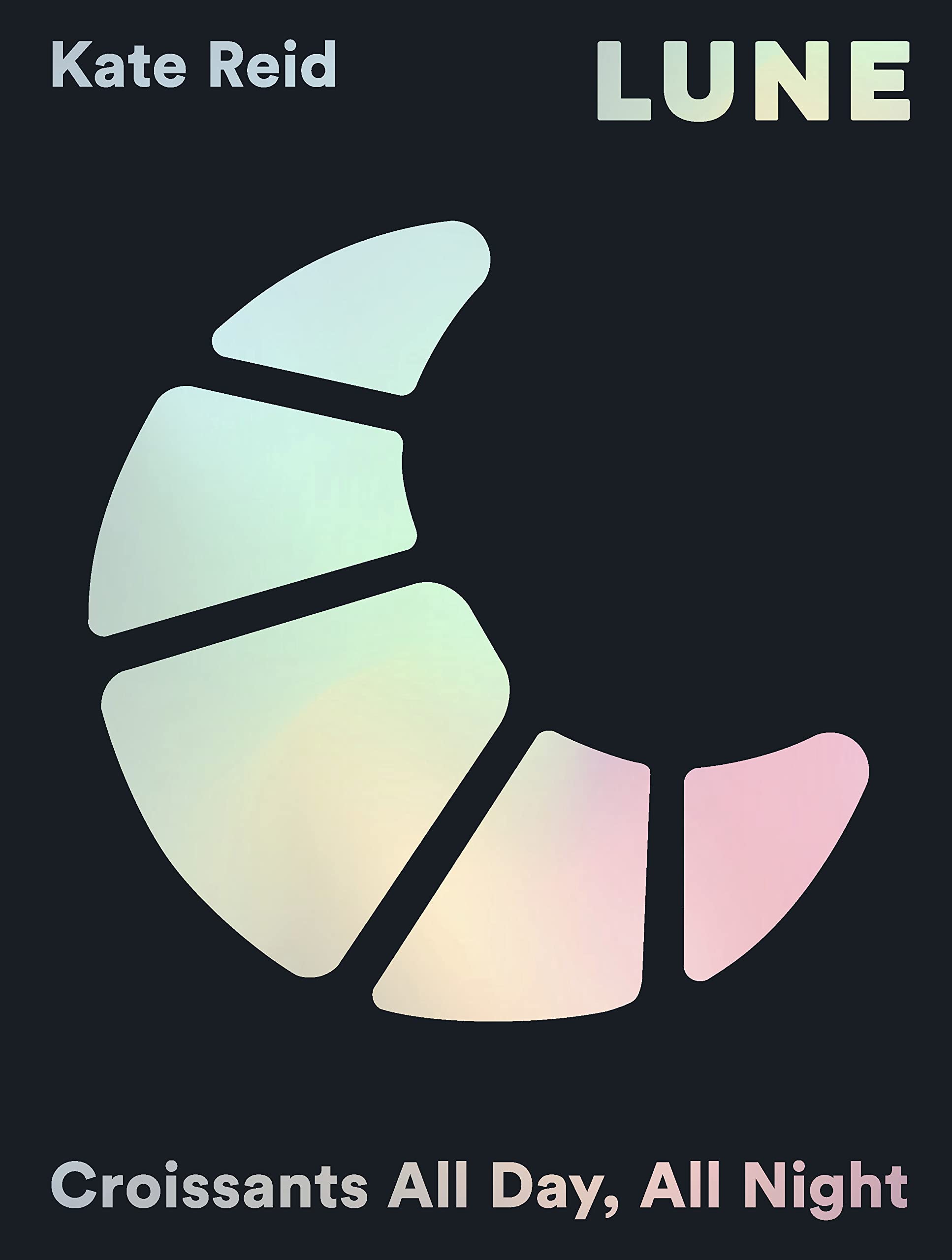
Lune by Katie Reid

Lune by Katie Read
Lune: Croissants All Day, All Night – to which is there any other answer than, yes please? Making croissants is something I’ve always thought best left to the professionals. It’s a fine art and while not rocket science, there’s definitely crossover: one requires precision, delicacy and an intricate understanding of weight and heat distribution; the other is rocket science. Kate Reid, owner and author of Lune, originally worked as an aerospace engineer for the Williams Formula 1 Team before a trip to Paris convinced her to apply her skillset to making croissants. Over a decade later, Lune has multiple venues in Australia, queues of people willing to wait hours to try their products and as of last year, a debut cookbook.

Reid has talked at length at how the two seemingly distinct career paths have benefited one another. She compares Lune to a “croissant Formula 1 team”, being driven by a need for an experimental and results driven approach in the pursuit of excellence. The book wears its engineering influences quite literally on its sleeve: starting with the croissant-shaped spaceship logo, a sleek black and reflective silver design, high contrast photography and a rigorously assembled ingredients list and methodology. Recipes are broadly listed by what time of day to have them, from Breakfast to Dinner, all the times in between and interspersed with personal stories of establishing Lune.

The golden thread throughout the book is the croissant dough. Once made, it can be applied to numerous different pastry recipes ranging from croissants, cruffins, danishes, escargots and more. Alongside the classics, are inventive recipes like Chocolate Plum Sake Danishes or Beef Bourguignon croissants. The book gets this out of the way early and it’s only fair I should too: you will not be travelling at speed. It will take at least 48 hours over the course of three days and a decent amount of effort to produce a single batch. Croissant casuals need not apply.

Day one requires a morning making a poolish and an afternoon bringing the dough together. Day two is lamination, the process of layering butter and pastry that gives croissants their flaky layers and if laminated in the morning, can then be shaped in the evening. Day three calls for a 2am start (spoiler: I did not get up at 2am), proving the croissants for five hours before baking to have with breakfast.

It is as time consuming as the book assures you it is but the dough recipe is so exacting, with photographs accompanying every step and measurements to the centimetre and gram there is little scope to go wrong. It is entirely worth the effort. I bake mine at a much more reasonable 1pm, filling the house with croissant pheromones that continually entice us back into the kitchen to check on their progress. The results are ethereal wonders, so lovingly formed and delicate I consider making an application for a UNESCO heritage listing to preserve them forever. They taste even better, as if they descended fully formed, a divine aura sailing them gracefully into my mouth.

Thankfully, the dough recipe returns enough for five batches and leaves plenty of opportunity to explore other pastries. The Cacio e Pepe Escargot is as lavish as its namesake. Danishes filled with strawberries and a burnt miso caramel custard are a rollercoaster of sweet and savoury. Cruffins are surprisingly easy to assemble and, in less of a shock, absolutely magnificent when filled with a peanut butter crème pâtissière and jam.

There are some small barriers to entry, investments in both time and equipment being examples. If you’re already a home baker, you’ll likely have the essentials to make the dough but for certain recipes, you’ll need more bespoke items like small, square silicone moulds for danish pastries. However, I didn’t have some of these and used the best equivalent I could find. The results were, admittedly, misshapen but no less delicious for it.

One of the many joys of this book is its laser focus. All of the recipes start from the same place – the croissant dough – which you’re going to learn to do very well and then apply it in an abundance of wildly inventive recipes. It’s refreshing to be encouraged to hone a craft, that yes, this is a practice of patience and discipline but it’s worth doing well. And once mastered, it can be taken in any creative direction you like – the sky’s the limit as they say, though I think Lune makes me want to shoot for the moon.

Cuisine: International
Suitable for: Confident home cooks/professional chefs
Cookbook Review Rating: Five stars

Buy the book: Lune: Croissants All Day, All Night by Katie Read
£28, Hardie Grant Books

Review written by Nick Dodd a Leeds-based pianist, teacher and writer. Contact him at www.yorkshirepiano.co.uk

Lune has been shortlisted for the Andre Simon Food and Drink Book Awards 2022

andre simon logo

Cooking by Jeremy Lee

Jeremy Lee Cooking

What’s the USP? Somewhat delightfully, there isn’t one. There’s no tortuous concept or shoehorned-in theme. There’s no claim of quick and easy recipes, that it’s the only cookbook you’ll ever need or that it’s yet another of that irksome and ubiquitous ilk, the cookbook for ‘every day’. As Robert de Niro once memorably stated in The Deer Hunter ‘This is this. This ain’t somethin’ else. This is this.’ It’s a cookbook. It’s a very good cookbook written by an outstanding chef with thirty years of knowledge, experience and wisdom he’s like to share with you. What else do you need? 

Who is the author?  Dundee born Jeremy Lee is the head chef of Quo Vadis restaurant and club in London’s bustling Soho. He was previously the head chef of Sir Terence Conran’s Blueprint Cafe in Shad Thames and at Euphorium in Islington where he first came to national attention (Independent news paper critic Emily Bell said that Lee ‘delivers flavour like Oliver Stone serves up violence’, a very 1995 sort of thing to say). Working backwards in time, Lee also cooked at Alistair Little at 49 Frith Street (now home to Hoppers Sri Lankan restaurant and just a ladle’s throw from Quo Vadis in Dean Street) and at Bibendum in South Kensington for Simon Hopkinson. There’s more, but you can buy the book to find it out (spoiler alert, you really should buy the book).  Surprisingly, Cooking is Lee’s first cookbook.   

Is it good bedtime reading? It is. There’s a reasonably chunky introduction that skips and hops briefly through Lee’s background and culinary career as well as some thoughts on his approach to food and cooking in general. Each of the 24 chapters, themed most around ingredients, includes a full page or so of introduction and many of the 100 or so recipes have substantial intros. There are also a couple of essays, one on equipment and one on stocking your pantry. That’s how you end up with a 400 hundred page book.     

Will I have trouble finding the ingredients? The first line of the book reads ‘The simple truth I’ve learned from a lifetime of cooking is that good food is honed from fine ingredients.’ The simple truth that I’ve learned from a lifetime of shopping at supermarkets is that last thing they sell is fine ingredients. I mean, they’re fine for plebs like us, but they’re not fine. The likelihood is that you’ll be able to get most things that Lee cooks with in the book, but probably not of the same quality, unless you live somewhere that has great butchers, fishmongers, greengrocers and delis. You know, central London. 

Some ingredients that might prove tricky if you are reliant on Lidl (or even Waitrose) might include fresh artichokes, samphire, monk’s bread, Tropea onions, Roscoff onions, Treviso, Tardivo, Banyuls vinegar ‘very, very good chicken’, ‘excellent duck’. marjoram, summer savory, Agen prunes, fennel pollen, herring, fresh mackerel, whole lemon sole, cuttlefish, verdina beans, skate knobs, cockles, Arbroath smokies, razor clams, smoked eel, quail, onglet, lamb’s sweetbreads, feuilles de brick, kid, hare, dandelion, puntarelle, Catalonga, lovage, salsify and sorrel. 

That might seem like a long list, but do not let it put you off buying the book. Help is of course at hand from specialist internet suppliers and, post pandemic, it’s now easier than ever to get hold of excellent quality fresh fish, meat, vegetables and groceries delivered to your door (for a price of course). The excellent list of stockists at the back of the book will be extremely useful to many readers. There are also many recipes that you will be able to source ingredients for with no trouble or you will be able to make substitutions with reasonable ease. 

How annoyingly vague are the recipes? There is the odd ‘handful’ of this and ‘pinch’ of that, but they are few and far between.  Methods are as well written as you might expect of such a well experienced chef and are as detailed as they need to be and easy to follow. 

How often will I cook from the book? A lot. There’s pretty much a dish for every occasion, every time of day and every cook’s mood. There’s maple walnut biscuits breakfast or mid-morning coffee, chard and cheddar omelette for a quick lunch and chicken leek and tarragon pie for a comforting dinner. There a simple as can be puntarelle and anchovy salad for when time is short or a cottage pie made with braised oxtails for when you want to linger in the kitchen. Lee is also particularly good on baking, desserts and sweet things in general so expect an apple tart in your future soon.   

However, this is a resolutely British and European book; a pinch of chilli flakes or a few drop of tabasco is about as spicy as things get. There are no modish Middle Eastern influences and India, Asia and South America don’t get a look in. Lee knows what he likes and sticks to it which gives the book a very strong identity.  Cooking  doesn’t cover every conceivable culinary base, but that’s no bad thing at all. There are many, many books available that will fill those particular needs, just have a browse around this site. Cooking is not an encyclopaedia of the subject but ‘home cooking rediscovered after a lifetime spent in professional cooking’ and all the better for it.  

What will I love? You’ll recognise John Broadley’s intricate yet bold black and white illustrations from the menus at Quo Vadis if you’ve been fortunate enough to visit the restaurant (and if you haven’t, I’d highly recommend rectifying that particular situation, especially now as the restaurant has just been refurbished and expanded).  They are a complete joy and give the book a unique style.  

Lee’s writing style is also highly individual and charming. He has a turn of phrase like no other food writer. A spiced marmalade steamed pudding is ‘made bold with whole ginger and a spice’ and breadcrumbs are fashioned from ‘husks, heels and buckshee slices of bread’. Open the book at random and you’ll find sentences such as ‘I like the Presbyterian forthrightness of leek pie’ or ‘It is near miraculous how much water is released from the chard but perseverance pays a fine dividend’.  There’s a kind of effortless poetry on every page that’s utterly delightful and doesn’t feel in the slightest bit forced. Within a single paragraph, Lee can be informative, instructional and celebratory; that’s fine food writing. 

Killer recipes: salmagundy (warm roast chicken salad with summer slaw); maple walnut biscuits; chard potato and celeriac gratin; St Emilion au chocolat; hake with parsley, dill and anchovy sauce; smoked eel sandwich; lamb’s sweetbreads, peas, almonds and herbs; duck pea and cabbage hash (the list goes on…)

Should I buy it? With Cooking, Lee has joined the pantheon of great British food writers that includes Jane Grigson, Sophie Grigson, Elizabeth David, Alan Davidson, Alistair Little, Richard Whittington, Shaun Hill, Stephen Bull, Mark Hix and others.  It might be reminiscent of older books, but in the current publishing climate, it’s a breath of fresh air. Rather than advising you on hints and tips that will enable you to spend the least amount of time as possible in your kitchen, Cooking is aimed at a readership that actually enjoys the craft and are happily chained to their stoves (you won’t find air fryer or slow cooker recipes here). 

Cooking is worth the cover price just to learn how to cook chard properly. But you will learn so much more including the virtues of making a properly good vegetable salad, how to lift the flavour of a rustic kale soup with a spoon of new season Tuscan olive oil and how to make ‘coupe Danemark’ – a delicious yet simple dessert made from chocolate melted with cream, poured over vanilla ice cream and topped with nuts. Cooking is also full of intriguing kitchen miscellanea. Did you know a wishbone used to be known as the ‘merry thought’? Or that there’s a variety of potato called ‘Mr Little’s Yetholm Gypsy 1899’? Of course you didn’t.  That’s why you need to buy this book. A genuine pleasure to cook from and to read, Cooking is an essential addition to any keen home cook or professional chef’s cookbook collection. 

Cuisine: European
Suitable for: Confident home cooks/professional chefs 
Cookbook Review Rating: Five stars

Buy this book: Cooking by Jeremy Lee
£30, Fourth Estate

andre simon logo

Winner of the 2022 Andre Simon Food Award


The Wok by J. Kenji López-Alt

The Wok by J. Kenji Lopez-Alt

A friend does a great impression of a former housemate. It’s at exactly the moment they realise it’s much quicker to make mashed potatoes by chopping it into smaller bits first, rather than boiling one giant potato and mashing it whole. We’ve all been there. A fizzle and a crack as old neurons make new connections, a deluge of endorphins, a brief moment of shame and eureka: a higher plane of consciousness. 

Get used to this feeling reading The Wok, a book of such astonishing detail and craft that comparisons to other weighty tomes like encyclopaedias seem somehow derogatory. J. Kenji López-Alt has built his reputation on this meticulous, science-oriented approach to cooking and has seen him garner a huge online following with over a million subscribers to his excellent YouTube channel as well as regular contributions to major publications and a growing collection of cookbooks.

His latest is substantial in both size and scope. Physically, it’s the sort of thing that used to be compared to the Yellow Pages but now is probably more like a stack of iPads. Though the heft is a reward for the sheer breadth of information found on its pages, ranging from the basics of stir-frying and chopping all the way to Scoville units and the glutamic acid content of certain foods. 

Woks are versatile creatures and the chapters reflect this, being summarised by either ways of cooking with a wok, like Stir-Frying, Braising or Deep Frying or cooking with wok-centric ingredients like Rice or Noodles. Each chapter mingles technique, scientific explanations and applicable recipes like in the section dedicated to stir-frying chicken for instance, you will find an explanation for velveting, the scientific reasoning behind it and then a recipe for Sweet and Sour Chicken. 

If you’ve ever enjoyed something cooked with a wok whether from China, Japan, Thailand or even at your local takeaway, it’s likely to be here. There’s recipes for ramen, tempura, dumplings, curries, all types of noodles, classic takeaway meals, traditional dishes, oils, and condiments. The recipes are written with such exacting measurements and instructions it’s almost impossible to get wrong and are so precise, you’re often told exactly where to place the ingredients into the wok (swirl your sauce around the side!). Trust in the process and it’ll deliver probably the best homemade version of that particular dish you could hope for. 

The book has elevated every part of my cooking with a wok. Dishes like Fried Rice, Dan Dan Noodles, Pad See Ew and Lo Mein that benefit from the turbocharged gas burners in restaurants were as good of an approximation I could have wished to achieve at home (I’ve yet to try the suggestion of using a blow torch to achieve more authentic results). Recipes less demanding of high heat like Kung Pao Chicken, Khai Jiao (Thai-Style Omelette), Mapo Tofu and Soy Glazed Mushrooms were all exceptional. Better still, The Wok has improved my cooking even when not following the book. Using the lessons learned like the specific size of the vegetables, the order of cooking the ingredients or how you heat the oil has meant the quick Tuesday night stir-fry is as good as it’s ever been. 

There’s no avoiding The Wok is theory heavy, more a Cook’s Book than a cookbook. Scientific explanations are almost always lurking over the next page and how much you engage with these will depend on your appetite for it. They are tiny marvels in themselves, using a data and process driven approach to justify any conclusions though personally, I find overly academic accounts of kitchen alchemy can leave me a little cold, like gazing at a rainbow and being told it’s just water drops and light dispersion, actually.

This however, is a pocket-sized gripe. Much like López-Alt’s The Food Lab, Samin Nosrat’s Salt, Fat, Acid, Heat and Harold McGee’s On Food and Cooking, The Wok is a book that isn’t content with showing you how, it wants to show you why. Sure, you can teach a man to fish but you could also show him how salt interacts with protein on a molecular level until he makes the best Kung Pao Prawns this side of the river. For a little time and energy, this is a book that will change how you cook for a lifetime.

Cuisine: International
Suitable for: Confident home cooks/Professional chefs
Cookbook Review Rating: Five stars

Buy this book: The Wok by J. Kenji López-Alt
£36, WW Norton & Co

Review written by Nick Dodd a Leeds-based pianist, teacher and writer. Contact him at www.yorkshirepiano.co.uk