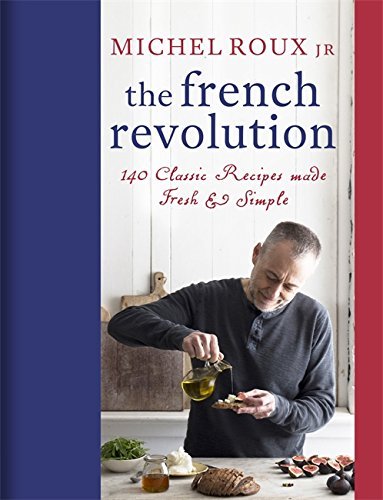
The French Revolution by Michel Roux Jr

French Revolution Michel Roux Jr

What’s the USP? Classic French home cooking updated to ‘suit the way we like to eat today’, cutting down on butter and cream, eschewing luxury ingredients like foie gras, lobster and truffle and focusing on simpler recipes that don’t require a full batterie de cuisine and a KP to wash it all up afterwards.

Who’s the author? Michel Roux Jr is restaurant royalty, son of the legendary Albert Roux, father of Emily (who has just opened her first London restaurant Caractère) and is chef/patron of legendary Mayfair joint Le Gavroche and oversees fine dining destinations Roux at Parliament Square and Roux at The Landau, where he also has his own pub The Wigmore. He is a regular on TV shows like Saturday Kitchen and has written seven previous cookbooks.

Killer recipes? Basque-style chicken; shrimp tartlets thermidor; red mullet pastilla; duck confit pie; lamb with haricot beans; roast pears with nougat and dark chocolate sauce; fig tarte Tatin.

How annoyingly vague are the recipes? Apart from salt and pepper, there are weights and measures for every ingredient. The methods are sometimes usefully vague – for example, for Duck Confit Pie the instructions say to ‘sweat the chopped onion until soft and lightly browned’ rather than claiming that they will be cooked in five minutes; onions never are.

Is it good bedtime reading? There is very little additional text in the book, even the recipe introductions are kept to a bare minimum.

What will I love? Roux Jr has included recipes from all over France, some of which only the most ardent of Francophiles will have encountered before such as Seiche a la Sétoise from the Languedoc-Roussillon (cuttlefish as prepared in the port city of Séte, slow cooked with white wine, saffron, tomatoes and olives) and Tourment D’Amour from the overseas French region of Guadeloupe in the Caribbean (sweet pastry cases filled with coconut jam, crème patissiere and genoise sponge). Roux Jr is a skilled baker and the chapter on boulangerie is a particular joy with recipes for goat’s cheese bread; garlic bread that’s baked with cloves of garlic confit in the dough; and speculoos, spicy biscuits made with cinnamon, ginger, nutmeg and cloves.

What won’t I like? The lack of explanatory text is disappointing, and these are not Roux Jr’s restaurant dishes; you’ll need to pick up a copy of Le Gavroche Cookbook for that.

Should I buy it? The huge variety of dishes could easily provide inspiration for a dinner party, special occasion celebratory meal for two or something quick and easy for days off or when you arrive home hungry after work.

Cuisine: French
Suitable for: Professional chefs/confident home cooks
Cookbook Review Rating: Four stars

Buy this book
The French Revolution: 140 Classic Recipes made Fresh & Simple
£25, Seven Dials

Bread and Butter by Richard Snapes, Grant Harrington and Eve Hemingway

Bread and Butter Richard Snapes

What’s the USP? The history and culture behind the world’s greatest gastronomic double act, covering traditions, flavours and processes, plus recipes covering both the sweet and savoury incarnations of bread and butter.

Who are the authors?Richard Snapes runs The Snapes Bakery in Bermondsey that supplies the likes of Jose Pizzaro restaurants and Casse-Croute; Grant Harrington is a former chef who worked for Gordon Ramsay and now runs Ampersand Cultured Butter in Oxfordshire, supplying 20 Michelin starred restaurants (Snapes and Harrington met selling their wares at Maltby Street Market in London), and Eve Hemingway is a food writer who specialises in traditional food culture.

Killer recipes?  Buttermilk fried quails; ribollita fritters; brioche and brown butter ice cream; Tibetan butter tea, and a recipe from home brewed beer using stale bread from London’s Toast Ale brewery.

How annoyingly vague are the recipes? There are just 50 recipes in the book, with ‘The Field Loaf’, the signature bread of Snapes Bakery taking up no less than six pages and a twelve-page section on cultured butter, buttermilk and its variations, so it’s all about the detail. Recipes in the final ‘Bread & Butter’ and ‘Leftovers’ chapter feature contributions from all three authors where the specificity goes out the window somewhat with ‘knobs’ of butter and ‘splashes’ of olive oil and ‘handfuls’ of herbs.

Is it good bedtime reading? Top notch, and by all rights should probably be enjoyed with a late night sandwich made with Snapes Bakery bread and Ampersand butter. The first third of the book is dedicated to exploring the twin subject matter in depth with extended essays on Ancient Origins; Production and Craft; Bread and Butter Today; and Global Tastes and Traditions.

What will I love? The 360-degree approach to the subject unearths all sorts of fascinating material, including that the first recorded mention of bread and butter being eaten together was in a 15th century treatise on fly fishing, and a straightforward explanation of the Chorleywood mass production process and its disastrous impact on the quality and flavour of bread.

What won’t I like? There is a slight sense of compromise about the book; serious bakers might want more content on bread; those interested in butter may feel short changed by the number of pages given over to the subject and those in search of a recipe book may not be satisfied with just 50 of them.

Should I buy it? Reservations aside, the book will be of particular interest to anyone interested artisan food production as well as chefs wanting to offer something a bit special when it comes to the bread and butter course in their restaurants.

Cuisine: British
Suitable for: Confident home cooks/professional chefs
Cookbook Review Rating: Four stars

Buy this book
Bread & Butter: History, Culture, Recipes
£22, Quadrille

In My Blood by Bo Bech

BoBech_CoverGeist3D_kvadratisk_180806

What’s the USP? Recipes, essays and musings that tell the story behind the creation and running of the acclaimed Copenhagen restaurant Geist.

Who are the authors? Danish chef Bo Bech (the surname is pronounced ‘Beck’) made his name with his avant garde cooking at the Michelin-starred Paustian in Copenhagen in the early 2000’s and then opened the more casual Geist in 2011. He has appeared on a number of food TV programmes in Denmark and is also the author of ‘What Does Memory Taste Like’.

Killer recipes?  Pot roasted cauliflower with black truffle; turbot with fennel ravioli on gruyere; white asparagus heads with chocolate and stilton; lamb hearts with smoked red grapes and sorrel; potato mash with brown stone crab and salted butter.

How annoyingly vague are the recipes? For the most part, Bech’s dishes are based around just a few ingredients and methods are explained in enough detail to be easily understood, certainly by professional chefs. There are however a number of instances where quantities are either vague or not given. In the recipe for crispy artichokes with suckling pig and black truffle, you are told to ‘heat a pot with grapeseed oil’ but no indication is given of the size of the pot or amount of oil while the gravlax recipe lists fennel pollen in the ingredients but doesn’t mention it in the method.

Is it good after bedtime reading reading? The recipes are punctuated with 15 fascinating ‘Stories’ that include everything from a facsimile of a note from a brainstorming session before the restaurant opened to ‘The Rage’, a short essay where Bech explains how his anger with certain ingredients (such as poor quality salmon) feeds into his creative drive and ultimately results in new dishes (fennel pollen gravlax served with a sauce made from the curing brine mixed with apple juice, mustard and bronze fennel).

 What will I love? In addition to Bech’s own expert food photography, the book is illustrated with beautiful watercolours and pencil drawings and printed on 120-gram paper stock which gives the book a very distinctive and luxurious look and feel.  The ten cocktail recipes, that include kombucha gin, unripe peach; and mezcal sour, gentle smoke of Mexico, are every bit as imaginative as the food.

What won’t I like? Bech has allocated eight of the book’s 344 pages to the reproduction of the full transcript of the commentary of The Rumble in the Jungle, the 1974 Foreman/Ali fight which plays in the restrooms in Geist. You will either find this endearingly eccentric or puzzlingly absurd, depending on how indulgent you feel towards the author.

Should I buy it? Bech is a chef with a truly individual creative voice which comes through loud and clear in both the recipes and the ‘Stories’. His minimalist plating style looks stunning on the page, every dish a work of art, and his writing gives real insight into what it means to be a chef in the 21st century, from both a creative and practical perspective. Well worth buying if you are interested in cutting edge cooking or in the business yourself.

Cuisine: Nordic/progressive
Suitable for: Professional chefs/confident home cooks
Cookbook Review Rating: Four stars

Buy this book
In My Blood by Bo Bech
DKK300 (about £36, plus shipping)from chefbobech.com/books

Pollen Street: The Cookbook by Jason Atherton

Pollen St_FULL TRADE v1.1

What’s the USP? After a string of books aimed at the home cook including Gourmet Food for a Fiver, Jason Atherton finally delivers the cookbook his peers have been waiting for; a collection of recipes from his flagship Michelin-starred London restaurant Pollen Street Social.

Who’s the author? Jason Atherton needs no introduction, but for readers who have been hiding under a rock for the last decade, Atherton is the chef that created and launched Maze for Gordon Ramsay Holdings Ltd, one of the group’s most successful concepts. In 2011, Atherton launched The Social Company which now boasts 15 restaurants worldwide from Hong Kong to New York and Dubai to Shanghai (with no less than seven of the group in London). He was also the first British chef to work at el Bulli and get paid for it, which is no mean feat.

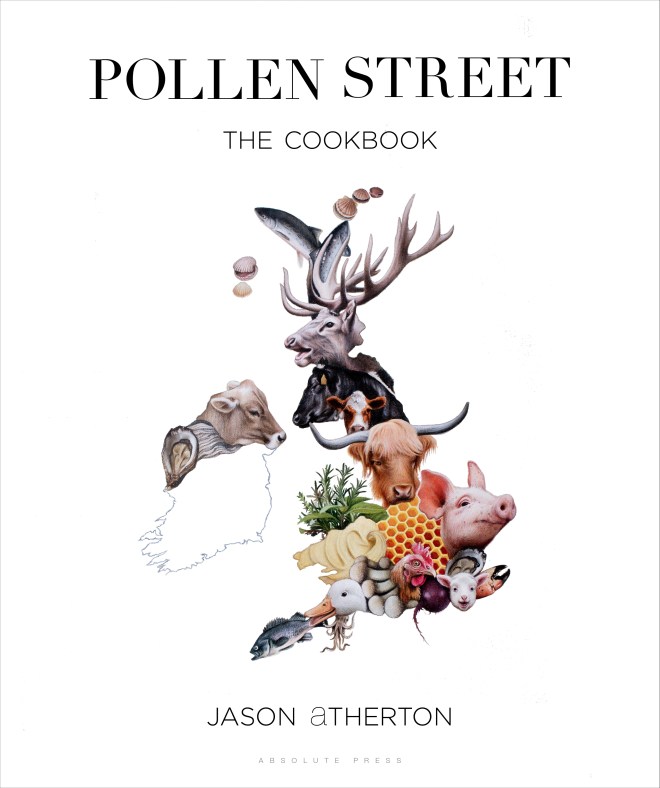
What does it look like? From the cover reproduction of Ben Ashton’s Taste of Britain: The British Isles in Winter, an original artwork commissioned by Atherton to hang in Pollen Street Social restaurant, to John Carey’s beautiful food photography, Pollen Street is as classy and well stitched together as one of Atherton’s signature Saville Row suits. The pricey special edition is ‘luxuriously boxed and bound’ but is essentially the same book.

Is it good bedtime reading? At 400 odd pages, there is certainly the room for lots of Daniel Clifford-style revelations (which made that chef’s recent book Out of My Tree so exceptional) but Pollen Street is sadly lacking in engaging stories. There is just a single page introduction from Atherton and no introductions to the recipes which gives the book an impersonal feel, further accentuated by a series of short articles on Atherton’s favoured suppliers which are written by the suppliers themselves and which therefore inevitably read like marketing material that could have been cribbed from their websites.

Killer recipes?  There are outstanding dishes in each of the eight chapters (headed canapes, starters, shellfish, fish, meat and game, poultry and game birds, sweets and petit fours) including a ‘fish and chips’ canape of confit potato topped with taramasalata and salt and vinegar powder; a starter of pressed Norfolk quail with taco of the confit leg and truffle; St Austell Bay lobster with yuzu jam and savoury seaweed custard, and a classic game pithier with grouse, pheasant and wild mushrooms. Even the appendix of basics features a cracking recipe for pearl barley risotto that’s finished with mushroom puree and Madeira cream.

What will I love? That depends on your perspective. The recipes are presented in all their complex glory; no shortcuts or simplifications for home cooks here. Atherton recently said in an interview with the iPaper that he didn’t necessarily expect anyone to cook from the book, “I’ve not dumbed it down. Those are the recipes and some of them are damn bloody hard. Do you have three days of your life to waste making my mushroom tea? Probably not.” A recipe might run to six pages (including a double page spread photo) so that you get enough detail to attempt to reproduce Atherton’s tightly controlled, precise modern cooking in your own kitchen, if you’ve got the time, energy and funds (believe me, it ain’t going to be cheap to make these dishes).

What won’t I like? Although Pollen Street delivers Atherton’s high-end food, it delivers very little of the man himself. Who wouldn’t love to hear a blow by blow account of his time with Ramsay and how and why it all ended; about his days with Nico and Marco, Koffmann and Adria (all of whom have written glowing tributes to Atherton for the book) and how he has built an international restaurant empire. Maybe next time.

Should I buy it? Jason Atherton is unquestionably one of the most successful British-born, post-Ramsay chefs currently working today and a book of his flagship restaurant recipes is a must-buy, providing a vital record of mainstream modern British fine dining in the early 21st century and a benchmark for all ambitious chefs to strive towards.

Cuisine: International
Suitable for: Professional Chefs/ competent home cooks
Cookbook Review Rating: Four stars

Buy this book
Pollen Street
£50, Absolute Press (Special boxed edition, £250)

From the Earth by Peter Gilmore

from the earth_final

What’s the USP? One chef’s obsession with heirloom vegetable varieties explored in recipes, detailed ingredient profiles and features on specialist growers.

 Who’s the author? Peter Gilmore is one of Australia’s leading chefs. His restaurant Quay overlooking Sydney Harbour has held Three Chef Hats in the Good Food Guide (the Australian equivalent of three Michelin stars) for 16 consecutive years and was listed for five years on the World’s 50 Best Restaurant list. He is also executive chef of Bennelong in the Sydney Opera House which holds Two Chef Hats.

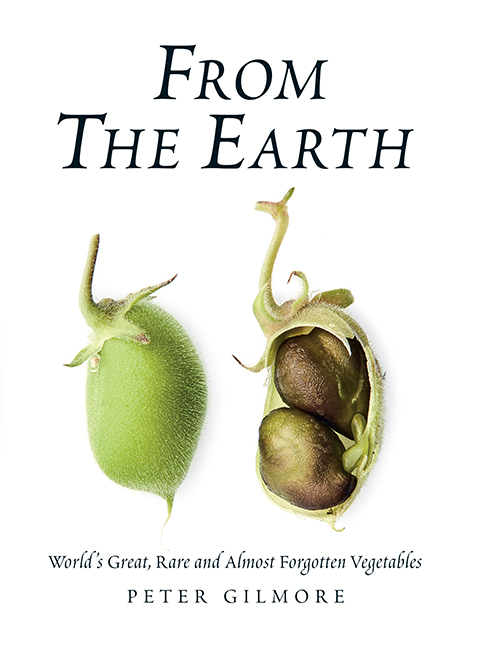
What does it look like? Even by the uniformly high standards of modern cookbook production values, From The Earth  is something special. The book’s large format adds extra impact to Brett Stevens’s full page shots of Gilmore’s exquisitely presented dishes and the artfully arranged vegetable portraits that you’ll want to frame and hang on your wall.

 Killer recipes? Tartare of wagyu, fermented chilli, redmeat radishes; salad of violet de Provence artichoke; braise of Gagon cucumber, green-lipped abalone, shimonita onion; salad of raw trentino cabbage turnip with caper vinaigrette.

 What will I love? This is no veggie bandwagon jumping exercise. Gilmore has been a dedicated cultivator of rare heirloom varieties for more than a decade and really knows his stuff. He is passionately pro-biodiversity and anti-genetic modification but restrains himself to a few words on the subject in the introduction saying, ‘this book is not about the politics of food’ and lets his imaginative and creative dishes do the talking.

Ingredient profiles have been expertly put together by Gilmore’s wife Kathryn, who spent ‘countless hours researching each featured vegetable, referencing and cross-referencing information on species, origin and history’. All that work shows in the detailed and fascinating finished product. Want to know about the history of radish cultivation? Look no further (the Egyptians got there first in 2000 BC apparently).

 The four grower profiles that include provide an interesting insight onto Australia’s specialist produce scene and are illustrated with photographs that show the Aussie landscape in all its rugged glory.

What won’t I like? By its very nature, From The Earth presents all but the most dedicatedly green fingered chef with the problem of sourcing the raw ingredients for many of the recipes. You may not be able to easily get your hands on Cherokee White Eagle corn, Gete Okosomin squash or Kyoto red carrots but you will want to cook the delicious sounding dishes so, as Gilmore points out, you can ‘use the recipes as a starting point to experiment with all sorts of varieties’ while you grow your own crops or convince a supplier to do so for you.

Should I buy it? Informative, inspiring and stunning to look at, From The Earth is a fresh take on  vegetable cultivation and cookery that could well have an impact on how you serve vegetables in your restaurant. It’s also a lovely, aesthetically pleasing object that will be catnip to all cookbook enthusiasts. How can you resist?

Cuisine: Australian/progressive
Suitable for: Professional chefs/confident home cooks
Cookbook Review Rating: Five stars

Buy this book
From the Earth: World’s Great, Rare and Almost Forgotten Vegetables
£ 35, Hardie Grant

A Very Serious Cookbook by Jeremiah Stone and Fabian von Hauske

Very serious cookbook

What’s the USP? In an act of post-modernist, self-reflexive irony, Phaidon, famous for publishing very serious cookbooks by the likes of Magnus Nilsson of Faviken and Dan Hunter of Brae have published a not entirely serious cookbook and called it A Very Serious Cookbook.

Who are the authors? Two young chefs who run the acclaimed Lower East Side restaurants, Contra, which has a Michelin star, and its wine bar sibling Wildair and who have serious CVs; Fabian von Hauske (formerly of Noma and Faviken) and Jeremiah Stone (who worked for Giovanni Passerini in Paris and helped Ignacio Mattos open Isa in Brooklyn). Stone and von Hauske embody the ‘bistronomy’ movement of fine cuisine served in relaxed surroundings and incorporate many of the tropes of modern progressive cooking including dashi, fermented items and a sense of abandon when it comes to mashing up culinary traditions.

What does it look like? You might call the book design ‘urban chic’ if you couldn’t think of a better phrase. Recipe titles look like they’ve been scrawled on the page with a black sharpie, the text is printed on pink, green and beige (as well as plain white) paper and there’s plenty of double-page kitchen action photography alongside the moody overhead food shots.

Is it good bedtime reading? Underpinning the comedic aspects of the book (see below) is the urge to be honest and tell the relatively short story of Contra and Wildair (opened in 2013 and 2015) warts and all; the personal tensions between the two chefs, a stinging review, the dishes that didn’t quite make it are all included.

Will I have trouble finding ingredients? A number of recipes will demand a fair amount of effort on behalf of home cooks to source ingredients like tuna bones, unseasoned grain vinegar and fresh hearts of palm (all necessary to make ‘Tuna, onion, tomato’) so you might need to make some carefully considered substitutions to make the book work for you.

What’s the faff factor? There are some relatively straightforward dishes like ‘Beef, paparras, umeboshi’ which is basically steak served with pickled Basque peppers and flavoured butter, but many recipes are very process-heavy and more suited to a restaurant rather than the home kitchen.

How often will I cook from the book? Unless you are a professional chef, A Very Serious Cookbook will be reserved for weekend kitchen project cooking or as a source of inspiration for your own simplified dishes.

Killer recipes? Littleneck clam, almond milk, XO; oyster, lapsang souchong; shrimp, yuba (the skin of heated soymilk), turnip; pommes darphin, uni, jalapeno; strawberry, charred milk.

What will I love? There’s plenty of New York attitude that may or may not be played for laughs. A list of ‘things that are important to know about the dessert recipes’ includes ‘No fruit sorbets. Ever’ (von Hauske, who worked as a pastry chef for Jean George Vongerichten, prefers the purity of a granita made with very little sugar) and a claim that ‘people treat microgreens like s**t’. A ‘recipe’ for Stone’s secret XO sauce lacks quantities and a proper method, and an entire chapter called Never dedicated to dishes that have either never appeared on their menus or ‘did once and never again’.

What won’t I like? This is primarily a snapshot of a pair of New York restaurants in 2018; the food, the people and the history and philosophy behind them. It has patently not be created to supply you with ideas for last-minute mid-week meals.

Should I buy it? Distinctive and engaging, the book will be particularly inspiring to chefs who are planning to or simply daydreaming about opening their first restaurant.

Cuisine: American/progressive
Suitable for: Professional chefs/confident home cooks
Cookbook Review Rating: Four stars

Buy this book
A Very Serious Cookbook: Contra Wildair
£35, Phaidon

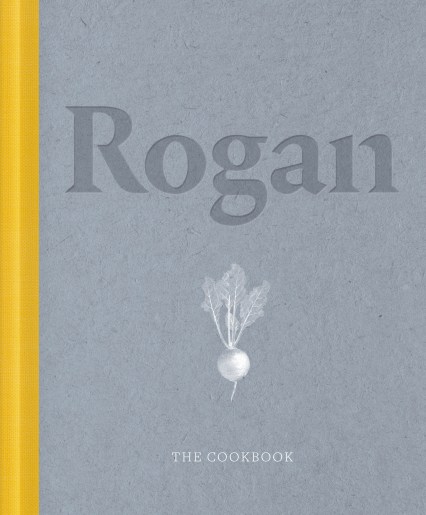
Rogan: The Cookbook

Rogan Jacket

What’s the USP? A cookbook that many chefs in the UK and around the world have been waiting for; the print debut of Simon Rogan, one of the most highly regarded British chefs of the last decade.

Who’s the author? Simon Rogan needs no introduction as the two Michelin-starred chef/patron of L’Enclume in the chocolate box village of Cartmel in the Lake District which he opened in 16 years ago and where he also runs the more casual Rogan & Co. Rogan opened Aulis, an 8-seater chefs table and development kitchen in Soho in 2017 (a sister to the original Aulis development kitchen in Cartmel), closely followed by the second coming of Roganic, originally launched as two year pop up in 2011 and now a permanent restaurant in Marylebone. Rogan was the opening chef of Fera at Claridges hotel and relaunched The French at the Midland hotel in Manchester. His style of cooking, that draws heavily on locally foraged ingredients and organic vegetables from his own farm just outside Cartmel and the use of cutting-edge culinary equipment such as rotary evaporators, has been hugely influential.

What does it look like? At 28.5cm by 24cm, Rogan will stand proud of many other cookbooks on your shelf, and at over 300 pages, it constitutes a weighty tome. The look is very ‘green and pleasant’ in the Blakeian sense of the phrase with lots of double page spreads of stunning Lake District scenery and Rogan himself at work on Our Farm, harvesting turnips and radishes or out foraging on the shoreline at Grange-Over-Sands that’s close to L’Enclume.

Is it good after service reading? Rogan espouses his culinary philosophy in an extended introduction (‘in these days of overconsumption on a global scale, I believe we need to step back and appreciate what our local area offers us’) and tells the story of developing his farm. Articles on key ingredients such as Herdwick lamb, scallops and Tunworth cheese are dotted through out the book and recipe introductions include useful and interesting information such as ‘Meadowsweet flowers have an extraordinary honey almond scent that makes a wonderful flavouring for mousses and yoghurts’.

Will I have trouble finding ingredients? As long as you are happy to go picking things like ox-eye daisies (they grow everywhere in June, from ‘roadside verges as well as in domestic gardens’ according to Rogan), mugwort and ramson leaves, then you’re golden. Rogan specifies varieties of veg such as Simane onions, Aquadulce broad beans and pigeon cabbage which, unless you cultivate them yourself, you may have problems tracking down, although you can get away with substituting more common types. Just don’t let Simon Rogan find out.

What’s the faff factor? Some of the dishes are dauntingly complex for the home cook; a scallop starter involves three preparations served in separate vessels including raw scallops with cider vinegar gel, a bouillon made from the scallop skirts and gooseberry tart with scallop roe. Others, such as roast cod with kelp butter sauce are far more approachable and could be knocked up for a mid-week dinner.

How often will I cook from the book? There is no question that Rogan: The Cookbook is aimed at serious home cooks (and, it goes without saying, professional chefs) and for the most part will be the sort of book you reach for when you are in the mood for a bit of a project.

How annoyingly vague are the recipes? There is the odd ‘drizzle of rapeseed oil’, ‘lemon juice, to taste’ and ‘pinch of chilli flakes’ but for the most part, accurate weights and measures are given and the methods are clear and easy to follow.

Killer recipes? Rogan has included some old L’Enclume favourites including the ridiculously titled Chick O Hake (hake loin wrapped in chicken skin and served with chervil root puree); roasted carrots with ham fat; Cubes from Land and Sea with eucalyptus hollandaise (a combination of lobster, sweetbread and girolles that critic Victor Lewis Smith once described as looking like ‘the inside of a Dalek’) and the grilled smoked salad over embers that he prepared for the Great British Menu TV series in 2012.

What will I love? Rogan feels like a labour of love, the distillation of sixteen years of knowledge and expertise developed during the evolution of L’Enclume (plus Rogan’s career beforehand that included several years at the three Michelin starred Lucas Carton in Paris) and the food looks distinctive, beautiful and extremely appetising.

What won’t I like? If you want your food to taste as good as Rogan’s, ideally, you’ll need to move to the Lake District and open an organic farm, or at least start an allotment there. The good news however is that many of the dishes are perfectly achievable without going to such extreme lengths.

Should I buy it? This book may have been a long time coming, but it’s worth the wait with much to read, techniques to master, ingredients to discover and ideas to explore.  A new classic and a must own.

Cuisine: Modern progressive 
Suitable for: 
Professional chefs/Confident home cooks 
Cookbook Review Rating:
5

Buy this book
Rogan
£30, HarperCollinsPublishers

Cook from this book
Radish stew
Smoked lamb shoulder
Quince tart with gingerbread ice cream

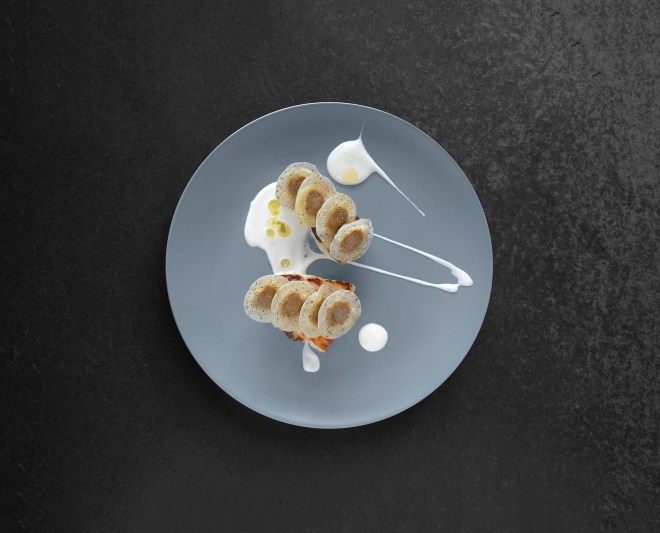
Turbot with Fennel Ravioli on Gruyere by Bo Bech

Turbot Gruyere Fennel.jpg

For 4 people

Ingredients:
1 turbot, 3 kilo
4 fennel bulbs
3 whole star anise
1 lemongrass stalk
2 tablespoons grapeseed oil
200 grams Gruyere cheese
200 grams salted butter
4 tablespoons yogurt Black pepper

Method:
Rinse and dry the fennel bulbs. Slice thinly on a mandoline and transfer to a pot, adding the grapeseed oil. Bruise the lemongrass stalk with the back side of knife, then transfer to a tea bag along with star anise. Add the tea bag to the pot. Place a piece of wet parchment paper over the fennel and roast at medium heat until tender and caramelised. It may stick a bit to the bottom of the pot.

Remove the pot from the heat and let stand for a few minutes. Stir the pot well so that the caramelised bits in the bottom dissolve. Return the pot to the heat. Let the fennel become tender and golden, then remove the tea bag. Blend the fennel smooth and add salt to taste. The consistency must be very thick. Transfer the puree to a piping bag.

Slice Gruyere cheese as thinly as possible, using a deli meat slicer if possible. Cut out circles of the cheese using a cutting ring about four centimetres in diameter. There should be 16 circles per dish. Place half the slices on a parchment-lined baking pan. Pipe a dot of fennel puree on the middle of each circle of Gruyere cheese and carefully place another circle on top, so that it floats on top of the puree.

Bake the raviolis at 90 degrees Celsius, until the top slice of cheese has melted over the fennel puree and touches the bottom slice. Remove the raviolis from the oven and let them cool slightly, then turn them over and season with black pepper. Blend the remaining cheese with 100 grams of melted butter and strain. Pour off the water from the cheese fat when cooled.

Melt the remaining 100 grams of salted butter slowly without boiling. Pour into a transparent bowl, so the clarified butter can be seen clearly on top and the whey rests on the bottom. Let stand for a few minutes while it separates completely. Use a strainer to separate the clarified butter.

Fillet the turbot from the bone, remove the skin and divide the fish into eight pieces of equal size. Cook the turbot in clarified butter on a hot pan. Cook the prettiest side first, so that it will face upward when serving.

Swirl a spoonful of yogurt onto a plate and add a few drops of cheese fat. Place two pieces of turbot on the plate and arrange four raviolis on each piece of turbot.

Cook more from this book
Wild duck with Hokkaido Squash
Baked white onion with tamari

Read the review

Buy this book
In My Blood

Quince tart with gingerbread ice cream by Simon Rogan
Quince Tart

MAKES 8

Gingerbread
80g unsalted butter
50g molasses
400g plain flour
250g caster sugar
1 tsp baking powder
a pinch of salt
zest of 1 lemon
50ml whole milk
80g preserved stem ginger (from a jar)
½ tsp ground cinnamon
1 tsp ground ginger
50g fresh ginger
2 eggs

Gingerbread ice cream
500ml whole milk
2 egg yolks
25g caster sugar
½ tsp salt
125g gingerbread, from recipe above, roughly broken into chunks
Pastry
270g plain flour, plus extra for dusting
150g unsalted butter, softened
75g soft light brown sugar
1 tsp salt
1 egg

Poached quince
1 quince
350ml red wine
250g caster sugar
50g unsalted butter

Preheat the oven to 195°C/175°C Fan/Gas Mark 5, grease a 900g (2lb) loaf tin and line it with baking parchment.

To make the gingerbread, melt the butter and the molasses in a heavy-based saucepan over a medium heat. Once melted, remove from the heat and leave to one side. Mix the flour, caster sugar, baking powder, salt and lemon zest together in a large bowl. Blitz the milk, stem ginger, cinnamon, ground ginger and fresh ginger in a small food processor until smooth, then pass through a fine sieve. Beat the eggs in a bowl and mix with the ginger milk, then add the molasses mix. Whisk the wet ingredients into the dry ingredients little by little, until fully incorporated.

Transfer the mixture to the prepared tin and bake for 50 minutes. Once cooked (a skewer inserted into the middle of the cake should come out clean), remove from the oven and leave to cool. Remove from the tin and cut into suitable size 125g pieces, wrap each piece in cling film and freeze.

To make the ice cream, bring the milk to the boil in a heavy-based saucepan over a medium heat. Combine the egg yolks, sugar and salt in a heatproof bowl. Gradually pour the hot milk into the yolk and sugar mixture, whisking constantly to prevent the eggs from scrambling. Return to the pan and cook over a low heat until the temperature of the mixture reaches 80°C (check with a thermometer), stirring constantly. Remove from the heat and add the fresh or defrosted from frozen gingerbread, then allow to cool. Blitz in a blender until smooth then churn in an ice-cream maker until frozen. Transfer the ice cream to a piping bag fitted with a star nozzle and keep in the freezer.

While the ice cream is churning, make the tart bases. Mix the flour and the butter together by hand in a bowl until the mixture resembles breadcrumbs, then add the sugar, salt and egg and keep mixing until you have a smooth dough. Wrap the dough in cling film and put it in the fridge to rest for 1 hour. Once rested, dust a work surface with flour, unwrap the dough and roll it out to a thickness of 3mm.

Cut to size with a cutter or upside-down small bowl to fit eight 4cm small tart tins. Line the tins with the pastry, pushing the pastry all the way down the sides, lightly prick the base of the tartlets and line them with greaseproof paper and a few baking beans. Bake blind for 8 minutes. Remove from the oven and allow to cool in the tins, then transfer to a wire rack to cool completely. Store in an airtight container.

Peel and cut the core away from the quince. In a small, heavy-based saucepan bring the wine and 200g of the sugar to the boil. Reduce the heat to low, add the quince and simmer for 18–20 minutes, or until the quince are just tender but still have a little bite. Remove from the heat and leave the quince to cool in the wine.

Cut the cooled quince into 5mm dice. Make a caramel with the remaining sugar: heat the sugar in a heavy-based pan over a medium heat, without stirring, until it begins to melt, then start to stir and keep stirring until all the sugar crystals have dissolved. Cook for about 10 minutes until the sugar is a dark honey colour.

Remove from the heat and add the butter, whisking constantly. Add the diced quince to the pan and cook for a further 30 seconds. Remove the caramelised quince from the pan and allow to cool.

Place a small amount of the quince in each tart case then pipe a rosette of ice cream on top to cover and serve immediately.

Cook more from this book
Radish stew
Smoked lamb shoulder

Read the review

Buy this book 
Rogan

Smoked lamb shoulder by Simon Rogan

Smoked Lamb Shoulder

SERVES 6–8

Lamb shoulder
400g coarse sea salt
1 lamb shoulder (about 2.8–3kg)
100g soft light brown sugar
200g granulated sugar
20g garlic powder
50g smoked paprika
50g sweet paprika
6 star anise
1 tbsp yellow mustard seeds
1 tbsp juniper berries
1 tbsp cayenne pepper
1 tbsp ground cumin
1 tbsp ground black pepper
1 tbsp coriander seeds

Runner beans
500g young, tender runner beans, such as Tenderstar
40g unsalted butter
salt, for seasoning

enough wood smoking chips to create an even layer in the baking tray
Lamb Jus (SEE RECIPE AT END OF MAIN RECIPE), to serve

Dissolve 300g of the salt in 1.5 litres of water in a large bowl. Submerge the lamb shoulder in the brine and put it in the fridge for 24 hours. The next day, rinse the shoulder under cold running water and pat it dry with kitchen paper. Mix the remaining ingredients together in a bowl, including the 100g salt, and rub into the shoulder.

Put the smoking chips in a nice even layer in a large roasting tin lined with foil. Sit a wire rack on top, one that is a similar size to the roasting tin, making sure the wire isn’t touching the chips. Put the shoulder on the rack and cover the entire rack and tin with a tent of foil, so no smoke escapes. Sit the tin on the hob over a low–medium heat for 10 minutes. Remove the covered tin from the heat and allow the shoulder to smoke in the foil tent for 30 minutes.

Preheat the oven to 150°C/130°C Fan/Gas Mark 2. Transfer the smoked lamb shoulder to a clean baking tray, place in the oven and cook for 4 hours until tender.

Top and tail the runner beans and remove the stringy sides. Bring a large saucepan of salted water to the boil, add the butter and cook the beans for 3 minutes. Drain.

Serve the lamb in the middle of the table with a jug of sauce for guests to help themselves and with the runner beans and confit potatoes in a large bowl alongside.

LAMB JUS

2 tbsp sunflower oil
2 carrots, roughly chopped
2 onions, roughly chopped
2 celery sticks, roughly chopped
1 leek, roughly chopped
2 garlic cloves
1kg lamb bones
3 litres White Chicken Stock (RECIPE BELOW)

WHITE CHICKEN STOCK
3kg chicken wings

Roughly chop the chicken wings and put them in a large,heavy-based saucepan with 5 litres of water. Bring to the boil over a medium heat, then reduce the heat and simmer for 2–3 hours, skimming occasionally. Remove from the heat and leave to cool, the strain through a muslin-lined sieve. Keep the stock covered in the fridge and use within 3–4 days, or freeze and use within 3 months.

To make the lamb jus, warm the oil in a large, heavy-based saucepan over a low heat, add the vegetables and cook for 2–3 hours, stirring regularly, until completely soft and no moisture is left in the pan.

Preheat the oven to 220°C/200°C Fan/Gas Mark 7. Put the lamb bones in a roasting tin and roast for 40 minutes, or until deeply golden. Add the bones to the pan with the vegetables, reserving the fat for the potatoes. Deglaze the roasting tin with 200ml water and add it to the pan. Cover with the chicken stock and bring to the boil over a high heat. Reduce the heat and simmer for 2 hours over a low heat, skimming it regularly. Strain through a fine sieve into another heavy-based saucepan then reduce the stock over a medium heat to a sauce consistency.

Cook more from this book
Radish stew
Quince tart

Read the review

Buy this book 
Rogan