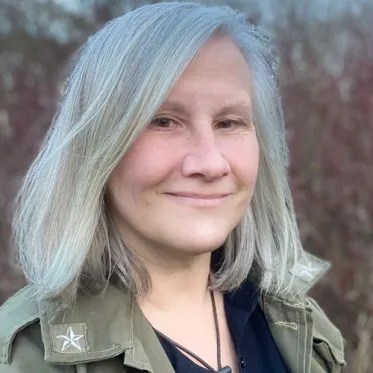
Mo Wilde Author of The Wilderness Cure Interview

Mo-Wilde-social-21

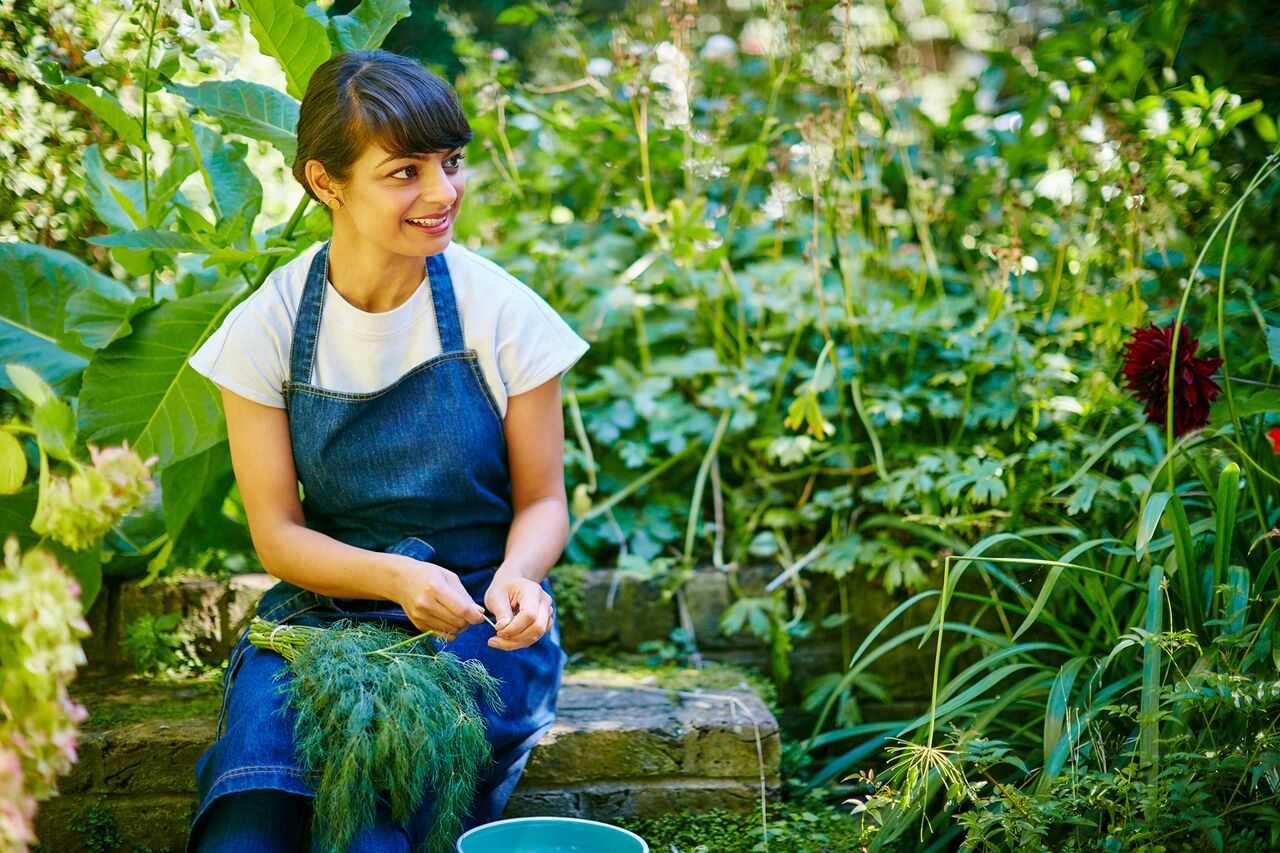
Mo Wilde is a forager, research herbalist and ethnobotanist. She lives in West Lothian in a self-built wooden house on four organic acres where she encourages medicinal and foraging species to make their home, creating a wild, teaching garden. She lived for a year on a wild food diet, started on Black Friday, 27 Nov 2020. She has a Masters degree in Herbal Medicine, is a Fellow of the Linnean Society, a Member of the British Mycological Society and a Member of the International Lyme and Associated Diseases Society (ILADS). She also teaches foraging and herbal medicine courses, with the aim of “Restoring Vital Connection” – the mantra of the Association of Foragers. She is the author of The Wilderness Cure which was shortlisted in the Andre Simon awards in 2022. Nick Dodd spoke to her for cookbookreview,org.

The Wilderness Cure is such an interesting and thought-provoking read. It’s a pleasure to have spent a year in your company and go on this adventure with you. How do you reflect on that time now, a couple of years later?
My wild food year really feels as though it was just yesterday. I think this is because as soon as I’d finished the year, I was writing my book about it. So I was reliving the year until June 2022 when it was published. Then, after realising that my gut results were fascinating but needed to be approached scientifically, I started working on The Wildbiome Project – 26 people eating wild as a ‘citizen science’ research study – which has just started. This has created a continuum which means my wild year has never finished!

Most of the issues that propelled me into the wild food year are still there, just under different news headings. So the political act of a ‘supermarket hunger strike’ is still relevant. The food shortages of ‘Beast from the East’ and COVID-19 are replaced by salad shortages as climate-induced drought reduces supply of Spanish imports and the cost-of-living crisis has reduced UK poly farmers’ supply. And we need, more than ever, to think about how we provide people with nutrient-rich food while living sustainably on this planet.

There is an incredible array of plant species you eat throughout the year that many readers, including myself, will have never heard of. You reference that in general, we eat an alarmingly low amount of species from the hundreds that are available all around us. How did you find writing about the tastes of these plants assuming the reader wouldn’t have the same reference points?
I ate over 300 species of plants, 87 species of fungi and 20 seaweeds – as well as fish, shellfish and culled game like venison. That’s a lot when you consider that half of the world’s daily calorie intake is from just 3 starchy species – wheat, corn and rice. However, it is a fraction of what is available. It is difficult explaining what things taste like sometimes. That’s why foraging books often say asparagus-like or celery-like. For instance, young Rosebay Willowherb shoots do taste a little like a cross between asparagus and okra; Ground Elder a cross between celery and parsley; wild Fuchsia berries a cross between a fig and a grape. But, young Common Hogweed shoot tempura… it’s undescribable. Either you know what fried Common Hogweed tastes like, or you don’t!

You invest a huge amount of time in the sourcing and preparation of your food, often using ingredients that have taken months or years to cultivate. How did the book begin to take shape alongside this?
Ironically, if you even the time out across the week, I averaged 1 1/2 hours per day in the pursuit, preparation and cooking of wild food. I don’t think that is long but it does take being very organised and thinking ahead. For example, I am not near the coast. But two days a year of dedicated harvesting is all the seaweed I need for a year. It’s a tiny fraction of what is available and I always harvest sustainably so there is little impact on the colonies I pick from. I guess the use of time boils down to what our priorities are. I would rather be outside than at the gym, watching TV, playing video games or losing my time to social media. It’s better for my physical and mental health.

A theme throughout the book was one of reclamation, whether through tools or techniques of our ancestors or eating according to the seasons. You also refer to your “Wild Self’ being reclaimed from your ‘Digital Self’ and I wonder how you’ve ensured they can live together in harmony. Where did you find technology to be of the most help or hindrance throughout your year of wild eating? For instance, you mention using Google Earth to scout out potential foraging spots.
When I’m teaching I’m sometimes asked to forage in a new place. Instead of wasting fuel on a recce trip I will use Google Earth to get a feel for the terrain. That is enough to tell me what I am likely to find there. The rest is up to the plants, fungi and seaweeds to observe the seasons, the weather and their normal patterns. They are usually pretty predictable! Certain technologies are vital as – even if we wanted to give it all up – the very nature of land ownership and exclusion precludes the necessarily nomadic life of an ancient hunter-gatherer. Modern foragers swop car or train trips for relocating with the seasons; a fridge-freezer for a souterrain; a dehydrator for a warm breezy day; an oven for a campfire! These are very different in nature though to the digital technologies that now consume us. Their constant demand for attention and reward-addiction triggers are creating a massive physical and mental health hazard. So many people never feel they are switched off. Without silence how can we hear other species, let alone the voice of our wild selves and souls? The extra blessing of foraging is that it roots you in the present moment, with the same freedom and focus of a child discovering nature. We badly need those moments in our busy lives.

Your year of wild food is one of enormous variety and as you note in the book, it’s all for free. With soaring living costs and climate change making some staples more difficult to produce, the ability to source nutritious and seasonal ingredients from your doorstep would be liberating. You’ve definitely convinced me to give it a go. What would your advice be for a beginner forager?
I’ve added some advice on ‘Getting Started’ at the back of my book. Start with one new species every week, giving it your focus, time and real-world attention. By the end of a year that’s over 50 new species. Books are great, field guides mandatory, but nothing beats going out with someone else who can show you the things the internet and print cannot: texture, smell, taste, context, scale, symbiotic partnerships. There’s a great organisation called the Association of Foragers where you can find a mindful foraging teacher near you. Visit their directory at foragers-association.org

Which other books on food or foraging would you recommend?
My bookshelves are groaning. As well as good field guides I recommend John Wright’s The Foragers’ Calender; Roger Philips’ Mushrooms; and other books by Association of Foragers’ members such as Robin Harford, Liz Knight, Miles Irving, Andy Hamilton, Emma Gunn, Adele Nozedar, Dave Hamilton, etc. This way you avoid the regurgitated errors that Google and Chat GPT make.

The meals you make from wild and foraged food all sound delicious. Could you be tempted to write a forager’s cookbook?!
I certainly could be tempted. I have a huge stash of recipes. There are lots of lovely books already out, Liz Knight’s ‘Forage’ for example, that combine farmed staples with wild ingredients. I am interested in that cookbook for ‘the end of time’ using only foraged ingredients – but also offering farmed substitutes as not everyone wants to go fully hard core!

What does being shortlisted for the Andre Simon award mean to you?
I am delighted, surprised and incredulous at getting on to the shortlist for the 2022 André Simon Food Book Award. I didn’t know Simon & Schuster had entered me so it came out of the blue. I’m still pinching myself to see if its real that I wrote a book, let alone getting such lovely reviews and recognition.

Interview with Jeremy Lee by Andy Lynes

Jeremy Lee

Jeremy Lee is one of the shortlisted authors in the food category of this year’s Andre Simon Awards for his marvellous debut Cooking. Dundee born Jeremy Lee one of London’s most celebrated chef and heads up the kitchens at Quo Vadis restaurant and club in London’s bustling Soho. He was previously the head chef of Sir Terence Conran’s Blueprint Cafe in Shad Thames and at Euphorium in Islington where he first came to national attention (Independent news paper critic Emily Bell said that Lee ‘delivers flavour like Oliver Stone serves up violence’, a very 1995 sort of thing to say). Working backwards in time, Lee also cooked at Alistair Little at 49 Frith Street (now home to Hoppers Sri Lankan restaurant and just a ladle’s throw from Quo Vadis in Dean Street) and at Bibendum in South Kensington for Simon Hopkinson.

Cooking has quite rightly been described by ESQUIRE magazine as ‘cookbook of the year’ and also ‘long awaited’ which is equally true. What took you so long! 

Ah, you are too kind. This was a greatly appreciated gong. Oh golly, so many factors contributed to the time taken, not least building the confidence to realise that not all had been written about food as food evolves constantly as does cooking, ingredients and seasons. It took so long finding the path that would include, Mum and Dad, childhood, home, becoming a chef and the extraordinary learning curve required to acquire the knowledge to run a kitchen, write menus and find the produce with which to furnish the kitchen to produce the dishes. The book was not so different. It was also hugely impactful learning that writing a book and running a kitchen were not the easiest of bedfellows, played a considerable role in a lengthy delay.

The book is very distinctive, in terms of writing style, content and design. Was it a conscious decision to try and do something different or just the way the book turned out?

Illustrations

Ah, thank you. In truth, the arbitrary approach seemed to fall quite naturally on the pages. There was always just the great hope the book would be good but there was never really a structured plan, more an instinctive and intuitive feeling that grew exponentially as the book progressed. I have written much for newspapers and journals but had never written on this scale. The most fascinating thing was the realisation that the book had to feel quite natural and pleasing.

I’ve had the good fortune to see chef’s kitchen ‘recipes’ in situ which are often no more than a list of ingredients and weights if they are even written down. The recipes in Cooking are brilliantly written for the home cook and work perfectly in the domestic kitchen. Did that take some mental re-wiring on your part to see things from the home cook’s perspective? 

Ah, years of writing columns for the Guardian, other broadsheets and a fair few journals had taught me much. The most important quality was a genuine and honest approach avoiding myriad pitfalls. Most importantly, taking nothing for granted and ensuring a place in the finished manuscript. There were too a wealth of memories from years watching my Granny and my Mum in the kitchen cooking for her family which were easily tapped being buried deep in our, my siblings and my subconscious.

I’m guessing that you had a lot of recipes to draw on for the book, how did you go about narrowing down the selection?

jeremy_lee_

Oh that was fun, I would say, mostly trial and the occasional error. Writing a menu, you only ever choose dishes you want to cook and eat yourself. It was the same with the book. Some old, some new, some constant, some occasionally. It seemed natural to pay homage to the great writers, cooks, chefs, restaurants, suppliers and producers enjoyed over the years with a growing awareness of being in the now and dishes that would continue to please. Louise Haines who had commissioned and was to publish the book and Carolyn who edited the book were brilliant at steering with the most subtle of quiet comments ensured nothing went in that had not been fully considered and put down on paper fully. Many chapters grew wildly such as fish, a chapter that could have been twice the size until Louise calmly explained about the flow and balance of the chapters.

What are your three favourite recipes in the book or recipes that best represent your style of cooking for readers who might be new to your food? 

Oh no, terrible ask. I love them all. It’s like someone in the dining room asking what they should order. Were I to choose, eek, then, roast leg of pork with bitter leaves, onions and sage might be one, another might be steamed kid pudding and probably that good friend, a smoked eel sandwich. But oh, there are so many more.

You’ve done some TV (Great British Menu obviously but I also remember a magazine programme on Channel 4 I think to which you contributed recipe demonstrations including what I recall as an historic version of mushrooms on toast – hope I haven’t misremembered that!) but isn’t it high time you had your own series? Could Cooking be the perfect springboard for that?

Oh Telly…well thank you, you certainly know how to make a cook blush. I love telly and think often of Michael Smith, Claudia Roden and Madhur Jaffrey who presented cooking with such ease, charm and style. Should the stars align, perhaps something charming in the loveliest kitchen with the glorious family we made when turning a manuscript into a book?

What does being shortlisted for the Andre Simon award mean to you? 

Oh my goodness, such a nomination means the world. I have judged books several times and it is a task not taken lightly. I know well from my time as adjudicator that each book had to be scrutinised and each decision made, justified to a scrupulous committee. When the judgement of the judge is under scrutiny , oh lordy, one must be so sure and say so. So this is truly a very great honour and I could not bow lower.

What is your desert island cookbook? 

Oh my, there are so many. Yet there is always a pile of constant favourites and I think, the one forever on the or near the top is French Provincial Cooking, beside Italian  Food by Elizabeth David. Peerless.

Cooking has been a big success, are you planning a follow up? 

Thank you. Tis such a great honour. And, well, as it happens, there is to be another ,4th Estate having just commissioned a second book. We barely touched on puddings,  and I can say no more as the scraps of paper covered in thoughts once again litter desk and floor at home.

Jeremy-Lee

Read the review

Buy the book: Cooking by Jeremy Lee
£30, Fourth Estate

Read more about the Andre Simon Award 2022

andre simon logo

Interview: Cindy-Marie Harvey, author of Watercress, Willow and Wine

What inspired you to come up with the idea for the book?
Like many people, there has been a potential book meandering around the edges of my mind for quite a while, and it was always going to be about food & wine pairing. But in lockdown, as all of the tours that I organise to vineyards around the world were not happening, I started doing online Zoom tastings for clients. I would choose between 6 – 10 wines and I would send recipes to match for clients to cook at home and share on screen during the tasting. I would also send suggestions of cheeses or charcuterie as easy pairings, and discovered a wealth of lesser known artisan cheeses and cured meats made in Britain. So after one particular English Wine tasting, with a glass of Pinot Blanc in hand, the germ of Watercress, Willow & Wine was created.

Why is it the right time for a book about English wine now?
English Wine is experiencing a really exciting time, as wine lovers both at home and abroad are starting to discover its quality and diversity. No longer a “patriotic one off” purchase, English wine is establishing a very loyal following – from sparkling wines that have repeatedly beaten top Champagne producers in blind tastings at international awards, through to crisp whites that delight the palate, fruit filled Rosés perfect for a picnic, even the fickle grape variety of Pinot Noir has found a happy new home in the South of England.

How did you develop the recipes for the book – were they directly inspired by your visits to the vineyards and tastings of the wine?
Some of the recipes draw inspiration from the produce of the county where the wine is produced, such as watercress in Hampshire. Some of them are inspired by my meanderings around the vineyards of the world, so might have an Italian influence but using clams from Cornwall or apples from Kent. Some of them indeed direct from the vineyards themselves. But the starting place was always the featured wine from each producer in the book. So it was a case of pouring a glass of the chosen wine, sitting quietly with a notebook and giving my creative food-brain free range to see what flavours the wine could inspire. It was such a tough job!

There’s a wide range of cuisines in the book, were you surprised at how adaptable the wines were in terms of dishes they would pair with?
Not really, as that was one of the reasons that I wrote the book – to share this incredible versatility with people. At the moment, quite a few wine lovers still think that we only make sparkling wines in this country – so spreading the word about what great food friendly still English wines there are being produced – and that will pair happily with a myriad of food styles. I hope the book encourages people to try new pairings – I’d love to see more people drinking white wine with cheese (rather than red) and also more people understanding that Sparkling wines are not just as an aperitif – but are fabulous with a meal as well.

It’s a beautiful book and I love the illustrations. Why did you decide on the drawings rather than photographs?
Much as I love great food photography, for this book I wanted a very quintessentially English feel – and was lucky enough to discover the brilliant illustrator, Chloe Robertson who lives just down the road from myself in the South Downs. As I envisioned the book as taking readers on a voyage of discovery of English wine, I wanted to make it as accessible as possible . I feel that illustrations are a lot more forgiving to the home cook – I’m sure that I’m not alone in having cooked a recipe for the first time and looked at the spectacular accompanying photo and been slightly disheartened at the comparison! Chloe’s beautiful illustrations give the cook an idea to aim for whilst still allowing for home creativity.

It’s arguable that, although English sparkling wines have been embraced by the public, the still wines are perhaps less well understood. Is there one wine and recipe pairing in the book that you would point to that would open people’s eyes to English still wines.
I absolutely agree, our still wines are getting better known but still don’t have the wider spread fame of our sparkling wines (yet!). A hard call to mention just one, but perhaps the Pinot Gris from Stopham in West Sussex paired with Chameleon Curry. The off dry style of the Pinot Gris is fabulous with a host of spicy foods but also so much more.

Readers will probably be familiar with the big named vineyards in the book like Nyetimber and Chapel Down. Where would you recommend people to start if they wanted to explore some of the lesser-known vineyards?
If they are lucky enough to live close to a vineyard, then start by booking a tasting visit on their own doorstep as it were! There are so many smaller, family run wine estates that welcome visitors by appointment, where a warm welcome awaits from the people who actually grow the grapes themselves! Do visit winegb.co.uk as they have over 200 wine estates listed – You can search by location, those that offer lunches, those with accommodation and everything you need to know for a visit! From the private English Wine tours that we have organised, I can definitely say that a day out visiting a couple of English wine estates, is a great way to celebrate a birthday or just getting together with friends.

How do you think English wine tourism compares to other wine regions around the world?
In its infancy for sure, but growing rapidly and generally in the right direction. It’s great to see winery restaurants opening up such as the new one at Wiston (West Sussex), at Sandridge Barton (Devon) and at Hambledon (Hampshire). But also smaller estates that offer platters of local cheeses, or as at Nutbourne (West Sussex), a glorious picnic full of home baked goodies and heritage tomatoes from a few fields away! Looking ahead, I think it’s important that wine estates remember that all visitors are different, and not to follow the “one size fits all” approach of some of the New World Cellar Door operations, where the personal touch has been lost.

Did you come to any conclusions about English wine as a region in terms of style compared to other regions around the world?
Not in terms of style, as there is so much diversity – from Bacchus grapes fermented in terracotta amphorae to late harvested Ortega grapes resulting in delicious dessert wine. But one thing that did emerge, was that being a relatively young wine region, that our winemakers are unfettered by tradition, which gives them a huge scope for experimentation – which is great news for us, the curious wine drinkers.

What will be your next project?
Well once I’ve been to Sicily, Alto Adige, Piemonte and Chile on tour this Autumn, I’ll start focusing on my next book – but a few more glasses of wine are still needed yet, for creative purposes of course, before I decide which region to focus on!

Cindy-Marie Harvey’s book Watercress, Willow and Wine is published 15 September 2022 by whitefox. Visit Cindy-Marie’s website, Love Wine Food, to find out more: lovewinefood.com

Buy this book: Watercress Willow and Wine by Cindy-Marie Harvey
£25, Love Wine Food Books 

Read the review 

Cook from this book
Roasted Monkfish Tail with ’Nduja, White Beans and Samphire by Cindy -Marie Harvey
Twice-Baked Goat’s Cheese and Wasabi Leaves Soufflé by Cindy-Marie Harvey
Hazelnut Roulade with Rosewater and Raspberries by Cindy-Marie Harvey

An interview with Yemisi Aribisala: Food Assessor 2021 – André Simon Food and Drink Book Awards

YemisiAribisala
How did you get involved with the André Simon Food and Drink Book Awards?

Salt of the earth Xanthe Clay, Columnist, Chef, and trustee of the food prize sent me a message inviting me to help assess the 2021 Food Books. My first interaction with André Simon was an email titled The André Simon Shortlist 2016 EMBARGOED. I was sitting in the Western Cape stunned that my book Longthroat Memoirs: Soups, Sex and Nigerian Taste Buds had been shortlisted and fretting whether Simon was like Nina Simone or Paul Simon.

It seems as though there are a mountain of great food and cookery books published every year, how many did you start with and what was your process in whittling them down to your longlist?

Books tend to arrive like summer rain- spots, drizzles then downpour. I am quite sure this is the yearly pattern. The truth is you have to get on top of the reading as soon as possible and you have to keep in mind that this is the sum of people’s YEARS of hard labour, sweat and pain that you hold in your hands. Without being able to meet all the people who make that thing in your hand possible, you have to conjure up their presence, interact with every single book with great reverence. And then decide what adds something unique to the existing cannon, has longevity, distinct gastronomical appeal and would be the choice of the great André Simon who founded the prize in 1965. Who would he give his 100 guineas to?

What makes a book worthy of the André Simon longlist for you?

You come across so many books as you’ve accurately noted- a book worthy of the longlist has got to offer brilliance that distinctly stands out. The index for comparison stretches backwards and forwards, if you see what I mean. If you imagine that the trustees have seen thousands of really great books on food and drink spanning the years, and that the trustees constitute that incredible sentient index that you are presenting your book to for comparison…their responsibility is to make sure a book longlisted or shortlisted is one that you want to own, read, cook from in 10, 20 years from now.

Did you notice any trends in food publishing while reading through the contenders?

The pandemic created a flood of talented home cookery books. And you would imagine that perhaps not much more could come out of there that the vibrant cookbook publishing world hadn’t seen already. It was truly fascinating. Following that, were the goodhearted one-pan books instinctively catering to the anxieties of people that hitherto hadn’t worried too much about churning meals out daily.

Was there anything in terms of voices or subject matter that you either felt was missing in this year’s selection of published books that you read in order to select your longlist or that you would have liked to have seen more of?

I definitely would have loved to see books on Sub-Saharan African food, West-coast Africa, books that come out of wonderful communities like Little Lagos, London – especially as this year had such a wonderful global reach. Also more food memoirs from all kinds of intermingling of life and cooking.

What do you think will be the future of food and cookery writing in the UK in the next 5-10 years?

I believe there will be more food memoirs taking us right into people’s lives, homes, rooms, pots and pans, helping us interpret humanity in broader, more open minded, kinder terms. I think this is welcome because the beauty of food books is they remove the tension of meeting others and knock in place the fact that we are all the same, we all eat, for pleasure, for sustenance…Every single one of us all want basically the same things in life. I believe the UK ‘palate’ will expand for sure especially where it regards migration and the wonderful offerings of delicious niches like supper clubs and underground dining…how they represent the true diversity of culture, taste and eating in the United Kingdom.

Lastly, I believe the pandemic has forced a balance in the nation’s perspective where food writing is concerned. Yes hedonism and escapism and beautiful photographs are necessary because pleasure is its own brand of necessity, but also the reality of budgets, feeding communities and prisons, and making sure children are nurtured will be the themes of books in the next decade. I hope so.

Yemisi Aribisala, is best known for her thematic use of food writing to explore Nigerian culture. Her first book, Longthroat Memoirs: Soups Sex & Nigerian Tastebuds won the 2016 John Avery Prize at the André Simon Awards and was shortlisted for the 2018 Art of Eating awards. Her writing has been published worldwide.

To find out more about the André Simon Food and Drink Book Awards click here

André Simon Awards 2020 interview: Lisa Markwell

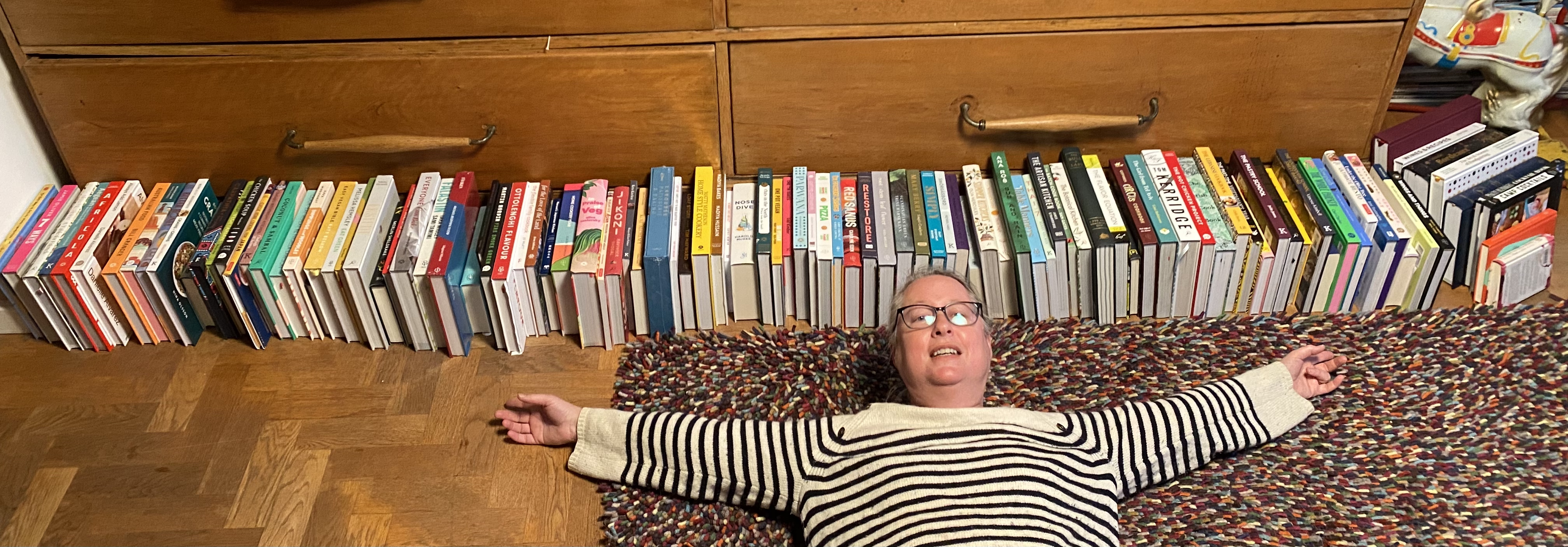
AS Shortlist Food Books - Andre Simon assessor Lisa Markwell

Ahead of the announcement  of this year’s prestigious André Simon Food and Drink Book Awards on 3 March 2021, Andy Lynes spoke to Sunday Times Food Editor Lisa Markwell about her first year as Food Book Award Assessor and what it was like reading 140 cookbooks in the space of a few months. 

COMPETITION: For a chance to win a copy of Red Sands by Caroline Eden, one of the shortlisted books, head over to my twitter account @andylynes and check out my recent timeline. Closes 25 February, open to UK readers of Cookbook Review only. 

Andy Lynes: When did you begin the judging process?

Lisa Markwell: Last November was really when everything started happening and publishers started sending their books in. The beginning of December was when I really started looking in earnest. So I suppose there were two months of hard  looking. Halfway through December, I’d whittled it down and then we decided, for the first time I think , to have a long list.

This is the first year I’ve been involved but I think usually it’s quite brutal, it goes from however many there might be (and this year has been a bumper year), so let’s say usually there’s something around 90 books, that’s then cut straight down to six or seven. So we decided to have a longlist in order to acknowledge the books, which perhaps weren’t central to the criteria of the awards but they were nevertheless really worthwhile to talk about. So that was six weeks of ‘tough, tough, tough cut, cut, cut’ down to the middle of December and then after Christmas I picked it back up again. I then worked quite hard on cutting it down to a shortlist which was towards the end of January. 

AL: That first round of culling, what’s your criteria?

LM: Luckily for me, the criteria are quite specific. The book does have to have an educational agenda and a sort of new facet; it can’t be for instance, a collection of recipes that has been done before, so some books you would take away immediately for that. And then the fact that it has to be educational, not in a very sort of nerdy way, but nevertheless, it has to teach you something new, so that meant fun books about, let’s say, cooking with a slow cooker weren’t right for this competition.  So that was the first cut – there’s nice books out there, but they’re not right for this.

Then you have to take into consideration how well it’s actually written. I’m lucky that, because I’ve done my chef training, I can look at recipes and think, I’m just not sure that that’s good and well enough written, so there were some books that fell by the wayside because of that. In terms of more narrative books, there were a couple that I really liked the look of but I found them impenetrable or boring.  Like any book they have to look appealing and that’s anything from font – is it easy to read – to the illustrations, what’s the photography like, the layout. 

I quite quickly got it down to about 24 books and then we ended up with the longlist of 15 that was announced in December. The Pie Room by Calum  Franklin was on the longlist which is a book that’s been really successful, much loved, fantastic book, really lovely and deserved to be there. Entangled Life is a book by food nerd (I don’t know if he’d want himself to be called that) Merlin Sheldrake, which is all about mushrooms and fungi which was a really fascinating book, a real deep dive into fungi and everything to do with them, so that definitely needed to be on the long list. There was something a bit more light hearted, like Victory in the Kitchen, which was the story of, Churchill’s cook, the woman who cooked all the food at 10 Downing Street when Winston Churchill was Prime Minister, a lovely fun book. So the longlist was a bit more wide ranging, it was a bit more freewheeling, but then it had to be cut back and then it got hard.  

One thing I did feel was that I knew that sometimes an award is given to somebody for their first book and there were a couple of books, which I thought were terrific, but perhaps didn’t quite reach the height of some of the ones that were on the short list but I thought, those people I hope will  possibly get the amplification of getting a special award. 

AL: I was looking at all the past winners of the awards and, although there are a few big names like Rick Stein and Hugh Fearnley Whittingstall, often the winners will be lesser known writers. Is there any consideration given to getting bigger names on the shortlist that will have media impact and increase the profile of the awards, or is that not an issue?    

LM: I definitely didn’t have that in my mind. I didn’t see it that way. Nigella Lawson had a book out last year, Yotam Ottolenghi had a book out last year, but neither of those books were quite right, I didn’t feel, for the André Simon. You can see, perhaps for some people that it would be great to give it to a big name because then you get lots of hoo-ha around it, but I just don’t think this is that kind of award. Something like the Fortnum and Mason Awards for instance might be more – I don’t want to use mass appeal as a sort of pejorative term – but you know, André Simon is really about a particular kind of book.  Josh Niland who won last year – that is such a fantastic book from someone who’s not a household name, but if you’re interested in fish, I think anyone would love that book. That exemplifies what the André Simon award is all about; is it exciting and is it going to take you somewhere from either reading it or cooking from it or both? That’s one of the things that’s interesting about this year is that the recipe books are a much more than recipe books and the narrative books are much more than factual, they’ve got real spirit to them. 

AL: Over the years, the award has been given to what have turned out to be important and influential books such as On Food and Cooking by Harold McGee and The Classic Italian Cookbook by Marcella Hazan among others. Did you have an eye on longevity when drawing up the shortlist? 

LM: That was definitely one thing that Katy Lander, who administrates the awards, did say to keep in mind and that’s definitely in the entry criteria – is this a book that will be around in 10 years and will be on the shelf; is it something that people will refer back to? That’s really the spirit of the prize. Something like The Flavour Thesaurus that won ten years ago, that sort of book that transcends trends, that’s really a book that you pull down time and time again. It was a really unusual book as well and Niki Segnit, I didn’t know much at all at that point, so it doesn’t matter who you are, it’s the content that’s important.

Andre Simon books

AL: Did having the opportunity to see so many books in a short period of time allow you to identify any current trends in cookbook publishing? 

I don’t know how quickly trends move in food books.  In my day job, I get sent books a lot and last year, or maybe the year before, I felt if I got one more ‘easy vegan’ I’d go completely nuts. It felt like the publishers had thought, crikey, we’ve got to get the vegan book out. But that felt like it was quite a long time in coming. A food book is quite complicated, even if for no other reason just to actually cook the food and photograph it, these things take time. So I think the trends probably don’t move that quickly. But one of the biggest and welcome trends, if you can call it that, but perhaps evolutions, has been the rise of the travel-meets-food-meets-culture-meets history-meets-politics -the ‘holistic food book’ if  you want to use a terrible term – that really takes the subject in the round.

Four of the books on the shortlist do that. Summer Kitchens is about Ukraine; Red Sands, that whole central Asian thing; Parwana is Afghanistan and Falastin is Palestine. They’re all books that look at a geographical cuisine but then they do so much more than that. You can’t have a book about food from Palestine without talking about the politics of Palestine. Similarly Parwana, that’s such a beautiful book that actually doesn’t pull any punches about the politics in that country, but does it through the prism of food and family, which I think is really successful. 

I hesitate to sort of talk about it because it’s such a hot potato, but something that has caused a lot of friction in food writing and food books is the issue of cultural appropriation; who is the right person to write on any subject. The thorny matter of is Jamie Oliver allowed to talk about jerk chicken, or whatever it is. I think that the voice that’s been given to people like Durkhanai who wrote Parwana, that is fantastic. Food books are giving people who have grown up with a cuisine or have something really authentic to say about it – they’re given that voice and opportunity.  I think that can only be a good thing.

AL: Yes, absolutely. Although, over the last three or four years, books have been getting more and more granular in terms of the regions and areas that they’re covering. I just wonder if there’s anywhere left on the planet that hasn’t got a cookbook about it now! 

I haven’t got the full list of submitted books in front of me but I did think that there were some quite specific areas of food and I thought crikey, who’s going to buy this other than the author’s family, it has a very local niche appeal. But you can’t ignore the fact that last year, no one’s been allowed to travel, in fact they’re not going to be able to this year, so that sort of armchair travel and deliciousness you can get through food is a good thing. I wouldn’t want to say anything negative about books that marry travel and food. It’s been a real pleasure for me to read them. 

AL: Having gone through the process of being the André Simon Food Award Assessor for the first time this year, has it put you off – given that you also have your day job as Sunday Times food editor and your work editing and contributing to Code – or, if you were asked, would you do it again?

I would love to do it again. Probably what I would do next time is get to know XL spreadsheets a bit better and plot my time better because I’m probably the quintessential journalist, I can’t do anything without a deadline. No matter how long I’ve got to do something I will always do it at the eleventh hour.

It was definitely an advantage having already seen some of the books. Jikoni, Red Sands and Summer Kitchens I was pretty familiar with and Falastin, having been to Palestine myself, I was very eager to see that as soon as it came out. So having been quite familiar with them and cooked from them, it did give me a bit more time to read things like Harold McGee’s Nose Dive which is a hell of a tome, it’s a big, big book and it covers a huge subject. Hands up, I haven’t read every page of it yet, but I keep going back to it.

I  don’t know if every year is as amazing as this. It does feel like it has been a particularly fantastic year. But yeah, I’d love to do it, but I would be more scientific.

Lisa’s longlist

Jikoni by Ravinder Bhogal
Summer Kitchens, Olia Hercules 
Falastin: A Cookbook, Sami Tamimi and Tara Wigley
Nose Dive, Harold McGee 
Parwana, Durkhanai Ayubi
Salmon, Mark Kurlansky 
Red Sands, Caroline Eden 
Eating for Pleasure People and Planet by Tom Hunt 
Entangled Life by Merlin Sheldrake
Spoon Fed by Tim Spector
The Pie Room by Calum Franklin 
The Whole Chicken by Carl Clarke
Victory in the Kitchen: The Life of Churchill’s Cook by Annie Gray
The Chicken Soup Manifesto by Jenn Louis
Oats in the North, Wheat from the South: The history of British Baking: savoury and sweet by Regula Ysewijn

About the awards

Founded in 1978, the André Simon Food & Drink Book Awards are the only awards in the UK to exclusively recognise the achievements of food and drink writers and are the longest continuous running awards of their kind. The first two awards were given to Elizabeth David and Rosemary Hume for their outstanding contribution in the fields of food and cooking. Other winners include Michel Roux, Hugh Fearnley-Whittingstall, Nigel Slater, Rick Stein, Hugh Johnson and Oz Clarke.

There are two categories: food, and wine, drinks and beverages. For the winner of each category there will be an award of £2,000. In addition, there will be an award of £1,500 in honour of John Avery and the Special Commendation Award of £1,500 – both of these are awarded at the discretion of the judges.

The main criteria against which the works are judged are:

  • The work shall contain a substantial proportion of original research and not simply be a re-arrangement of existing material.
  • Great importance will be attached to the educational value of the work.
  • The books chosen are likely to be ones that are pleasurable to read and not just professional textbooks.
  • The book should be well produced.

When judging the books, the Trustees have the help and advice of two independent assessors. In 2020 Lisa Markwell has kindly agreed to assess the food books and John Hoskins is assessing the drink books. Judging will be in the hands of the Trustees. Their decision will be final, and no correspondence will be entered into. The André Simon Food & Drink Book Award Trustees are Nicholas Lander (Chair), Sarah Jane Evans MW, David Gleave MW and Xanthe Clay.

Andre Simon awards special feature: An interview with chairman Nick Lander

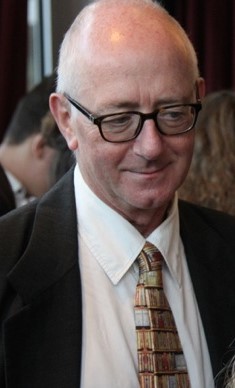
nick lander at vinoteca kc cropped

Nick Lander is the restaurant correspondent of the Financial Times, author and hospitality expert. His first book, The Art of The Restaurateur became an Economist Book of The Year in 2012. He is the former proprietor of L’Escargot in Soho and has acted as a hospitality consultant to arts organisations across London including The Southbank Centre; the British Museum; and the Royal Albert Hall among many others.  He consulted on the food and beverage offering at the restored St Pancras International station and for the  development of King’s Cross, the 67 acre site that is currently the biggest single urban regeneration project in Europe.


When did you first get involved with the Andre Simon Awards?

Twenty years ago. I was a food book assessor then after two years they made me a trustee and when Julian Cotterell, my predecessor passed away I became chairman.

What are your responsibilities as chairman of the awards?

That depends on who you ask! The principle one is to monitor and make sure that the Andre Simon memorial fund doesn’t spend too much of its money on the awards, that’s the slightly dry side. The real job is to navigate the ship and listen to everybody’s opinions. I am involved in producing the short list, but I defer to the assessors. My job is more informal; providing lunch and a wrapping up speech on 5 February at the ceremony and ensuring we stay solvent.

I think the system we have of one food and one drink book assessor is absolutely fantastic because it minimises committees. A lot of these awards they have, they bring in the good and the great and everybody has an opinion and the lowest common denominator tends to dominate rather than the actual winner. The list of nine food books and six drink books we’ve got this year is probably the broadest and eclectic and wide ranging and interesting that we’ve ever had, and that’s nothing to do with me.

How have cookbooks change in the 20 years you’ve been involved in the awards.

I think they’re much more detailed and because the general cookbook has been so well covered in the past, nascent writers have to look for a subject and, like everything today, it’s becoming harder and harder to find an undiscovered topic. The idea that there’s a book on Shetland or the Black Sea is a reflection of that, and the Pie and Mash book too, which I think is a great read. The idea of Jill Norman or anybody else’s cookbook being definitive, those days are finished, and authors are having to search for slightly recherche but actually very interesting topics.

What impact does the awards have on British food and drink writing?

That’s a very difficult question, because the book trade is so odd, speaking as an author myself. We’ve tried all kinds of things to publicise the awards; stickers, moving the dates of the selection before Christmas so that the books could be highlighted in the run up. I’m not sure any of that actually works. I think the prestige comes after the award to the winner; nice cheque and the prestige to the publishers. It must be a huge pat on the back to the production team because production values are really important to Andre Simon.

How is food writing viewed by critics in the UK, do you think it get taken seriously enough?

There are so many books published and literary editors are swamped, so there’s no real room for food and drinks books other than at Christmas, which I think is a bit odd, we don’t eat and drink just at Christmas. I’d like to see more scope given to coverage of food and drink books.

Despite the many cookbooks already on the shelves, is there a cookbook you’d like to see that hasn’t yet been written?

I still hanker after something that brings food and wine together in one cookbook, I think that would be quite interesting; not matching, but just thoughts on cooking and choosing wine, but I don’t know of anybody who could do that.

And finally, do you have an all-time favourite cookbook?

The Classic Cuisine of the Italian Jews by Edda Servi Machlin, which Elizabeth David introduced me to, is a fantastic cookbook. And any fish cookbook from Rick Stein to whoever, I just marvel at what they can do with fish.

To read more about the Andre Simon Awards click on the logo below

andre simon logo

Andre Simon Awards special feature: an interview with Meera Sodha

meera sodha andre simon food assessor 2018 c. david loftus

Chef, food writer and author Meera Sodha is the independent assessor of the food category for the 2018 Andre Simon Food and Drink book awards.

Born in Lincolnshire to Ugandan Indian parents, her love for her ancestors’ food and a desire to keep their food traditions alive led her to capture her mother’s recipes from her childhood in her first cookbook Made in India, which was published by Figtree, Penguin in July 2014 It became a top 10 best seller and was named a book of the year by The Times and the Financial Times. Her second book, Fresh India, published July 2016 is a celebration of India’s love of vegetables.

She writes a regular column for Associated Press and writes (or have written) occasionally for Food 52, Borough Market, The Pool and The Guardian and you can follow her on instagram and twitter.

How did you get involved with the awards? 

My first two books, Made in India and Fresh India were both shortlisted so I’ve been lucky enough to come to the awards twice, meet the team and enjoy the company of so many interesting and influential voices in the world of food. I’ve have always loved how the awards is for the writers and by the writers and that every year, the shortlist throws up books I have never heard of and immediately want to buy. So when I got asked to be the independent assessor, I jumped at the opportunity.

What are your responsibilities as independent assessor?

I have the job of taking a very long list down to a shortlist and then ultimately to a few winners. Quite a daunting prospect once I realised just how books the postman was going to be delivering to me.

How many books did you have to read in order to come up with the shortlist?

I don’t know exactly but I would guess that I have received around 150 books. It shows just how the how highly publishers and writers view the awards. At times it’s been overwhelming – but through the process I’ve got to do what I love doing most, immersing myself in great writing and great cookbooks.

What does it take for a book to make it onto the shortlist. What are you looking for in a food book to make it a potential winner?

I look for a few things:

Originality – is this a book that takes a refreshing new angle on something or opens up a new world to the reader?

Knowledge – does the writer have a firm grasp and passion for their chosen subject?

Enduring – Is this a book of the moment or a future classic that we will be talking about for years to come?

Coherent – Is there a powerful core theme that runs through the book that I can identify?

Enjoyment – Does it make me feel something and how easy is it to put down?

As an author of food books, how do you feel about judging your peers?

It’s a real honour and very exciting but I also feel a strong sense of responsibility. As a writer, I know how much it takes to write a book and how challenging it can feel to not only get something done but create something that you are genuinely proud of. With every book I have read during the judging, I have tried to put myself in the author’s shoes and understand their journey and motivations for writing the book. Whether they’re a big name or an unknown name, I have tried to treat them all equally and focus on the quality of what they have produced.

What are your top three all-time food books, either Andre Simon awards shortlisted, winners or otherwise?  

I’ve loved the books produced by recent winners Mark Diacono’s Otter Farm, Rachel Roddy’s Five Quarters, Fuscia Dunlop’s Land of Fish and Rice and Stephen Harris’ The Sportsman. Sorry, that’s the previous four.

 What do you think about the current food writing scene in general, do you think we are in a golden age of food writing right now?

 I think of it less as a golden age and more as a scene that has just continually gets better and better over the years. A bit like the broader food world in the UK. There are now such a variety of voices writing brilliantly about such an amazing variety of topics that with each year that passes, the food writing world becomes richer and more interesting.  It’s a fantastic time to be a reader – the only problem is choosing which book to read(!)

Is there a food book that doesn’t exist that you think needs to be written (and who should write it)?

Cooking in out of space. Might be a few years until we see it…

Do you think that food writing should be considered as ‘literature’ – do you think it gets taken seriously enough by critics?

I don’t mind what it is classed as, I’m more interested in how good it is and how much people are reading it. Anecdotally, I do feel as though food writing is something more people are starting to enjoy and understand. Recently, I was buoyed to see in Daunt Books that the main book being promoted throughout the store was MFK Fishers ‘Consider The Oyster’ – perhaps a book that years ago would have been hidden away in a dusty corner.

Author interview: Stephen Harris

040 SH seaweed.jpg
Stephen Harris photographed by Toby Glanville

How did The Sportsman book come about?
I wasn’t planning to do a book at all particularly, but then I got an email from Phaidon. I thought, I quite fancy doing something with them, they make such lovely books. My motive really was to make a souvenir, a representation of The Sportsman and the work that we’ve done over the last 17 years, so it was as simple as that really.

I love a cookbook when it’s not just a collection of recipes, but also tells the story of the restaurant which The Sportsman does brilliantly.   
Oh, thanks, that was the plan. I’m the same, I think we’ve probably got quite similar tastes in that respect. Just another recipe, photo, recipe, photo book can be lovely, but if you cook a lot you don’t often need that and its quite interesting to have a story, isn’t it?

I was a little bit intimidated by having to write the whole story, so I tried to do it episodically. I can write 1000-1500 words but as soon as it goes over that I’m a bit out of my depth, so I wrote essays. It appealed to me because I like that kind of Pulp Fiction thing where you move around in the story. It doesn’t insult the intelligence of the reader, it allows the reader to work it out for themselves.

Having written for The Telegraph for two years, I often have to assume no knowledge or intelligence on the part of the reader because that’s part of newspapers, everything has to be crystal clear- recipes that idiots can cook and all that kind of stuff. It was really nice to do a bit where actually I didn’t have to worry about that. I had a bit more of a free hand.

What are your favourite recipes from the book?
A few stand out. The one I’m really loving at the moment, it’s just gone back on the menu, is the pot roast red cabbage, that feels like a very modern dish. Rene Redzepi did this thing where he took a whole cauliflower, and, like a lot of people, I thought what a lovely idea. It makes you question the nature of a chicken versus a vegetable and why do we treat them differently. I thought I’d try a traditional cooking method applied to a winter vegetable and the result was spectacular. I love that dish.

The slip sole with seaweed butter is always going to be a big thing with us because that feels like a recipe with all the loose ends tied up, everything seems to work. It’s a local fish, its seaweed from the beach outside the pub, its butter from the diary, its salt from the sea, there’s something almost holistic about it.

You see slip soles on a lot of other people’s menus these days.
I know, I’m so chuffed.  I love it, I think some chefs get annoyed when their ideas get copied but I actually see it as flattery.

Unusually, the book contains recipes for some fundamental ingredients, right down to salt.
That was the route that I chose twelve or thirteen years ago – to go elemental rather than poncey. We got to the point where the kitchen was quite well set up, I had a good team and I was able to start thinking about my own style. It was almost like a fork in the road; shall I go down the route that most two and three-star chefs do where they refine everything, and they trim all the fun out of the food and I went the other route which was to go a bit more elemental, to think about things like salt and butter and bread the very basics of restaurants and to try and elevate them and make them as good as they could be.

Then this whole idea sprang up that there were some things I could make in my own kitchen that were better than I could buy from any supplier.  I used to love Echiré butter that you used to get in posh restaurants like Nico’s, it was so delicious, but I couldn’t afford it. But when I made my own butter that made a lot more sense. I always have to remind people that nobody was making their own butter in restaurants back then, so it was a radical idea, but it was also fantastic because it was a reflection of the landscape as well.

Has writing the book clarified in your own mind what your style is or was that already evident to you?
It was already there, but yeah, you’re right. Whenever you have to reflect a bit, inevitably it crystallises things and makes them a bit clearer. In that respect it was good. It was more just having to dredge into my own brain really and allow myself to look at it from that point of view. I don’t know whether it was revelatory, but it was a fun process.

How would you describe your cooking, it’s very distinctive isn’t it?
I suppose so, yeah. The Sportsman is like two restaurants in one. I’ve never really said it and not many people have observed this, but we do an a la carte which is for somebody who lives in Whitstable and wants to pop out for lunch, and then we do a tasting menu and it’s the tasting menu that I’ve put most work into in the last 10 years. When I wrote about a style of my own that was really it.

Olivier Roellinger and those kind of chefs developed a certain style. So Roellinger, I give the example in the book, was very much reflecting the spice trade in Saint-Malo; Michel Bras with his foraging reflecting the landscape on the plate, and that’s what the tasting menu is about really, it’s a bit more kind of highbrow but at the same time I’m also very keenly aware of not alienating people. My palate and my taste are quite traditional, and I love really tasty food. I think that’s the style.

It’s interesting that you mention chefs like Roellinger and Bras because you’re in the same category but you’re in a pub on the Kent coast. Have you ever been tempted to move The Sportsman into swanky restaurant premises?
No, I’ve never had a problem with that. I’ve always thought that anything’s possible where I am. The elephant in the room is their three Michelin stars versus our one, but I don’t mind that, I’m enjoying watching the arbiters of the food world struggling with the modern definitions of what’s good. We’ve added to that in a way. It’ll take you three or four visits to the Sportsman to realise, “oh wait a minute, this is really quite a serious restaurant”.

I’ve never had a problem with the idea that a pub is basically just a building same as a restaurant is and you can do whatever you like within reason. We don’t have locals because we’re in the middle of nowhere and there’s no village around us, so that helps us to do whatever we like.  The usual things that apply to pubs don’t apply to us. Because I have carte blanche then it’s just about what feels right rather than what anyone’s trying to tell you to do.

How has your cooking evolved over the time The Sportsman has been open?
I started off, I was a keen amateur and cooked dinner parties for friends. I loved everything-Chinese food, Italian food, I was a bit more ‘global-kitcheny’ as we all were back in the 90’s. Then I found a way to teach myself to cook by going to Marco Pierre White, Nico Ladenis, La Tante Claire and all those places that were around in the 90’s and copying them.

When I was a kid of 14, I bought a guitar and to learn how to play it – it’s not like now, you go on Youtube and any song you want to play you can watch someone play it – then I used to go to gigs, stand at the front and watch the guitarist, watch what his fingers did and try and do it as soon as I got home. And I suddenly realised that’s how I taught myself to cook. I went to the restaurant, ate the food, then I understood what it was supposed to taste like so when I went home to cook it, with the aid of quite a lot of books, it was the memory of what it was supposed to taste like in my head.

So that style of copying Ramsay and Marco and Nico was the first five years of the Sportsman. We would knock people out because we got close. We weren’t some rank amateurs who were out of our depth, we were delivering. It’s just that I wanted a bigger picture. I noticed that all the great chefs find an angle and my angle was the surrounding history of this area. I didn’t want to copy old recipes, I just wanted the landscape and the history to inform the tasting menu more than dominate it.

I started almost closing in on myself. It sounds restrictive but the reason I did it was because it such a remarkable few miles. It was owned by the kitchens of Canterbury Cathedral in the Doomsday Book, so for a thousand years it was their larder. There’s everything you need here – fish, seafood, lamb, pigs, salt making, hedgerows, it just goes on and on. I wrote them all down once and I thought, that’s enough, that’s a menu. There’s a concept behind it rather than just whatever’s nice that day. The food, when we send it out, feels like it reflects the surrounding area.

What’s your involvement with Noble Rot in London?
It started out as a wine fanzine. Dan and Mark who wrote it worked in the music industry with my brother Damien who lives in Brighton. Dan was married to my cousin who had also been working for Island Records. I met Dan and we hit it off about wine because we both like those slightly nerdy, culty wines.

He came and had a look in my cellar and saw Raveneau and Leflaive and all these great names and we bonded over that. Then three years after doing the magazine they said they wanted to start a wine bar and I just said, let me know when you do it, because I didn’t want them to mess the food up. I said, I’ll help you, thinking that they’d get a little wine bar like Sager and Wild and of course they found a 50-seater restaurant, but you know, sod’s law.

I got the chef and gave them some recipes to use; I just go up every couple of weeks and keep an eye on it now. I think they’re going to do another one in which case I will get back involved a bit more heavily. We’re really lucky, we’ve got a great head chef and a good team and so far, there haven’t been too many alarms, but I didn’t want the call at eight in the morning saying we haven’t got any staff, I can’t get involved on that level.

So, you’re still based at The Sportsman?
I’m still here at The Sportsman, its where I want to be. I don’t want a chain of restaurants, this is where I’ll be staying. I still cook every day. It’s different to how it was because for the first 10 years it was quite easy. Although we were busy it wasn’t mad, and you’d get the odd shift where you were quiet.

Now its 100 plus covers a day, every single day and that starts to mean that you have to have somebody running a section. That really has to be their whole job because there’s a lot of things to think about, a lot of planning, ordering, making sure everything goes out right.

I have chefs on each section and my job is to go through everything with them, taste all the stuff, monitor the food that’s coming out, coming up with new dishes, finding new ingredients, I like to meet the farmers I use and all that sort of stuff. That’s more my job, but that doesn’t preclude me from being in the kitchen every day, but I just tend to get in the way now. But it’s still great, it’s lovely. As I get a bit older it suits me better than working a section and doing 13-14 hour days.

My head chef has been with me 17 years my sous chefs have been with me for 10-12 years, it’s a bit of a family business as well, my brother is here, Emma my girlfriend works up front and does various things for the restaurant, although I’m the only one that tends to get mentioned. That was another thing in the book, I wanted to let the others share a bit of the blame, that’s why I put the interviews with them and let them talk to the editors, just to share it rather than it all being on me.

Talking of being in the spotlight, have you ever been tempted to do TV?
There’s been a couple of television companies sniffing around, but it’s all the same old shit – amateurs cooking and you judge them. It’s like, ‘haven’t you made enough of these programmes yet?’ I wouldn’t mind doing something interesting, but I think I’m a bit too old now, I think I missed the boat. Ten years ago I would have been a good choice, but I’m not bothered, that’s cool.

Chef’s Table came here a while ago to do a recce but we haven’t heard anything back from them. I like their stories, they’re a bit more interesting than your average one and I think that’s what Phaidon were drawn to, the story. You might be a really great chef cooking, knocking out three-star, two-star food but if you haven’t got much of a story, what kind of a book are you going to do? And I think that’s the same with Chef’s Table.

This is your first book, will there more?  
I don’t know, I don’t think so. Actually, that question came up because when I wrote down all the recipes there were nearly 250 and we only had room for 55 in the book, so there is a lot of stuff left over. You can knock out a hundred of them because they’re dated slightly, but there’s still a lot that’s not in there so it’s possible. I don’t know how it works, if they ask me I’d have to think about it but no plans at the moment.

Read the review

Buy the book
The Sportsman by Stephen Harris
£29 Phaidon

Cook from the book
Salmagundi
Slip sole in seaweed butter
Warm chocolate mousse