Tucking In by Sophie Wyburd – Cookbook Review

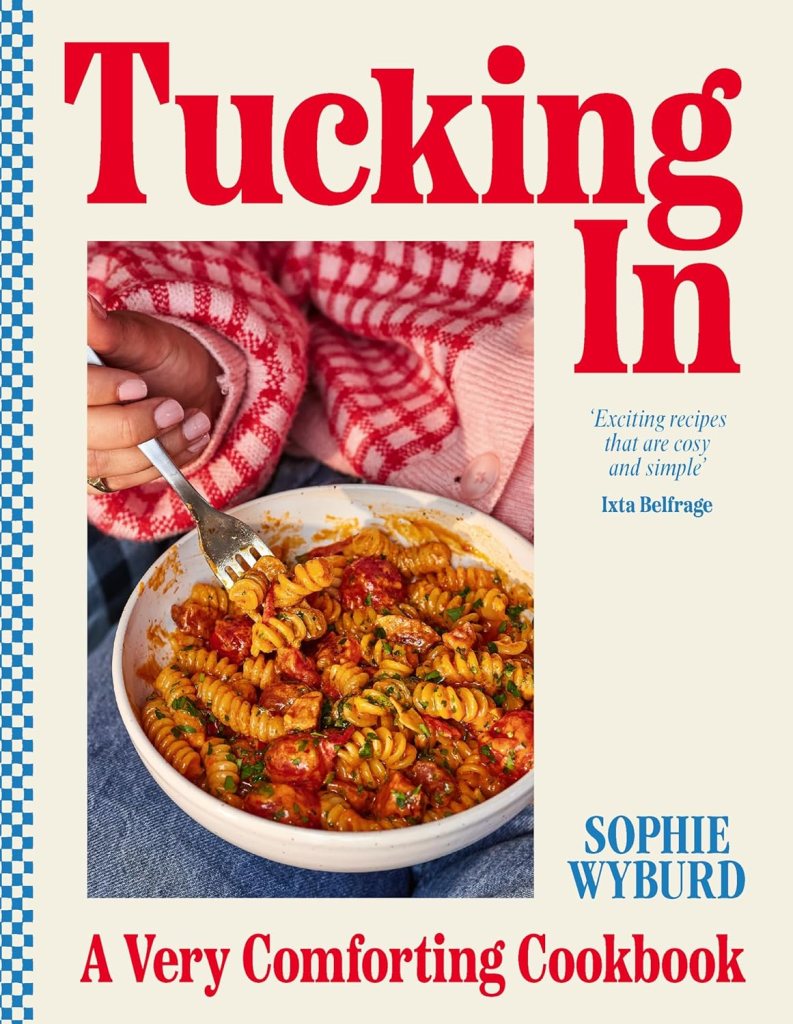
Tucking In cookbook cover.

Who is Sophie Wyburd?
A cook and recipe writer from South London. Wyburd has enjoyed a varied career in food; working as a restaurant chef, in food styling and heading up the food team at Mob (where she became one of their most popular recipe developers). She has since branched out on her own and is known for sharing simple, comforting home cooking ideas via social media (@sophiewyburd) and her newsletter, Feeder. She also regularly cooks at her sellout London supper clubs and co-hosts the I’ll Have What She’s Having and A Bit of a Mouthful podcasts. Tucking In is her first solo book.

What is Tucking In’s USP?
Described by Ixta Belfrage as: ‘A collection of exciting recipes that are cosy and simple,’ Tucking In is on a mission to show that good food doesn’t have to be fussy or stressful with over 100 recipes for satisfying, unapologetically comforting, meals. There are ideas for every season and occasion, from summer sharing platters to cosy winter weeknight warmers and everyday suppers to relaxed weekend feasts. Put simply, Tucking In wants to help you fall in love with everything about food; the cooking, the sharing and the eating. As Wyburd explains: ‘cooking is not only a fabulous way to show other people that you love them; it’s also a pretty foolproof method of showing yourself some love.’ 

What will I love?
The approachable, unfussy, nature of the book and the way Wyburd’s personality and passion for food shine through (this is a very personal cookbook, you can’t help but warm to Wyburd through her chatty introductions, it almost feels like you are catching over a cup of coffee).

You would be forgiven for thinking that a book offering ‘comfort food’ might be full of recipes you have seen before, but you would be mistaken. Wyburd has created innovative recipes offering twists on comforting classics; think a Kinder Bueno-inspired ‘Hazelnut Tiramisu’, Chinese-spiced ‘Sticky Sprunion Sausage Rolls’ and the veg-packed ‘Cauliflower Shawarma Bowls’.  There is also a knock-out ‘Pasta Party’ chapter featuring dishes which genuinely offer something different (the glorious ‘Piggy Porcini Lasagne’ is a personal favourite). There is just the right balance of meat, fish, vegetarian and vegan options (and none of the latter feel gimmicky). In fact, many of the recipes are flexible and can easily be adapted for various diets.

Is it good bedtime reading?
Not in a lengthy essay sort of way, more in a ‘curl up under the covers and get lost in a world of food’ sort of way. The introductions to each recipe are beautifully written, full of tips and tricks and nostalgic anecdotes that share the stories behind each one. You could argue that Tucking In is part cookbook, part evocative food memoir; you can’t help but reminisce about your own culinary memories as you become immersed in the recipes.

Will I have trouble finding the ingredients?
The majority of the time, no. Some recipes have the odd ingredient which is a bit more expensive, like a whole side of salmon or a joint of lamb, but these are balanced out by my more affordable recipes (especially once you have stocked up your larder with Wyburd’s staples). The Hazelnut Tiramisu does call for hazelnut butter which is likely to require an online order.

How easy are the recipes to follow?
Very, after all, fuss-free is the theme of the book. There are a few more involved recipes for anyone wishing to challenge themselves, but Wyburd’s directions are clear and easy to understand. Each recipe includes an introduction, information on whether it is gluten-free, dairy-free, vegetarian and/or vegan, as well as the cooking time and helpful tips, where necessary.

Stand-out recipes?
The ‘Cheeseboard Arancini’ are far too delicious for their own good and ideal for using up the odds and ends of different cheeses (I will definitely be making these with the remnants of the Christmas cheeseboard). The ‘Curried Chicken Legs with Cheesy Polenta’ sounds like an unusual combination, but is utterly delicious (and almost guaranteed to convert any polenta naysayers), while the ‘Life-Saving Garlicky Chicken’ is possibly one of the most comforting dishes you will ever eat. The previously mentioned ‘Hazelnut Tiramisu’ is also outstanding and worth seeking out the hazelnut butter for.

How often will I cook from this book?
Fairly often. Every culinary eventuality is covered, from the ultra-indulgent ‘Cavolo and Taleggio Pasta’, perfect when in need of a bit of comfort, to the vibrant ‘Spiced Blackened Salmon Tacos with Orange Salsa’, ideal for a summer feast. 

Chapters include ‘Nibbly Bits’ (ideas for snacks and canapés for when friends come for drinks), ‘Midweek Mood’ (quick and delicious meals ideal for after a long day), ‘Pasta Party’ (self-explanatory), ‘A Bit Fancier’ (perfect for get togethers when you want to make a good impression), ‘Carb City’ (the ultimate comfort food), ‘Veg Me Up’ (when you need to balance out the previous chapter) and ‘Sweet Stuff’ (puds). 

Any negatives?
Being really picky, the ‘Cavolo and Taleggio Pasta’ was labelled vegetarian when Taleggio contains animal rennet. Apart from that, there isn’t really much to complain about.

Should I buy the book?
If you like fuss-free, comforting food, then it is a resounding yes. Tucking In is full of delicious, hearty recipes for every mood and occasion.

Cuisine: International
Suitable for: Cooks of all abilities 
Great for fans of: MOB and Ixta Belfrage
Cookbook review rating: Four stars

Buy this book: Tucking In: A Very Comforting Cookbook
£22.00, Ebury

This review was written by Freelance Food Writer and Recipe Developer Sophie Knox Richmond. Follow her on Instagram on @sophie_kr_food

Fruitful by Sarah Johnson – Cookbook Review

Who is Sarah Johnson?
Sarah Johnson is an American-born pastry chef who trained under Alice Waters at Chez Panisse, before working at Skye Gyngell’s acclaimed Spring restaurant in London, and Heckfield Place in Hampshire. Johnson is known for her passion for using seasonal, sustainable ingredients, transforming them into innovative desserts and cakes that celebrate the best of what nature has to offer. Followers are treated to a collection of her stunning creations, and an inside glimpse of her farm-to-table approach to cooking, on her social media account @sarahjohnsoncooks. Fruitful is her debut cookbook.

What is Fruitful’s USP?
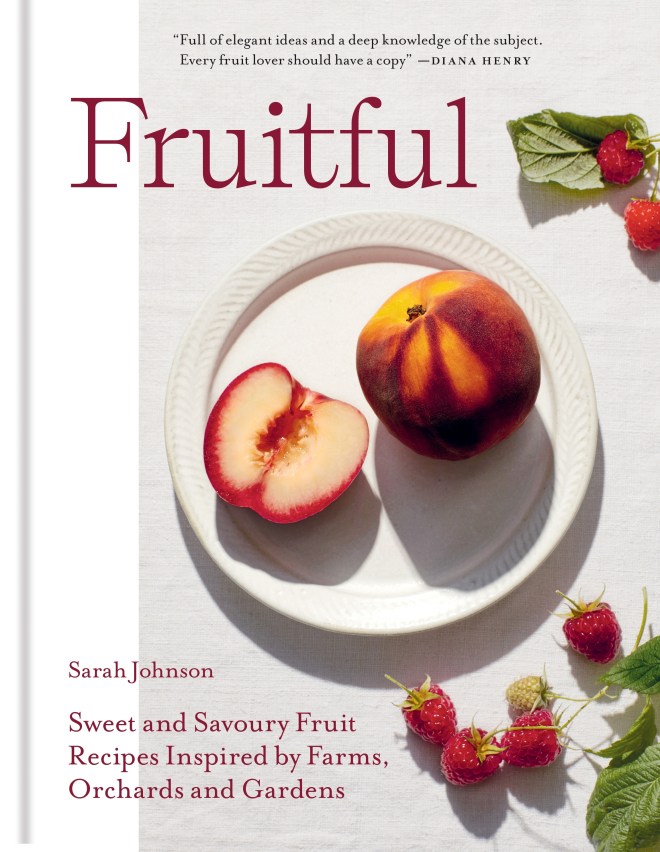
Described by Darina Allen as ‘a delicious celebration of ripe and seasonal produce’, Fruitful offers over 80 sweet and savoury recipes that showcase fruit in all its glory. Accompanying the recipes are a selection of pairing recommendations, flavour charts, interviews with regenerative farmers from around the world, and expert advice on mastering key techniques to help you make the most out of your produce.

What will I love?
The thought and detail that has gone into putting this book together shines through. Some books feel rather rushed, but this one is almost crafted like a work of art. The recipes are inventive and elegant, with almost all accompanied by stunning photographs which leave you hoping you have the ingredients so you can start cooking straight away.

Johnson is generous with her knowledge, sharing tips and tricks in the gentle manner of a friend leading you on a foodie journey. You can’t help but be inspired by page after page of sweet and savoury ideas that showcase the sheer versatility of fruit. Fruitful feels so much more than a cookbook, it is a joyous celebration of fruit and farming that will deepen your knowledge and broaden your culinary horizons.

Is it good bedtime reading?
Alongside the main introduction which details Johnson’s culinary journey and philosophy, each chapter and recipe also includes its own introduction. There are several pages dedicated to a detailed explanation of the various ‘Techniques for Cooking with Fruit’, breakout boxes on everything from how to curate a seasonal fruit bowl no matter what the time of year, to favourite flavour combinations. Weaved throughout the book are interviews with various producers who share fascinating insights into their work.

Will I have trouble finding the ingredients?
Not really. Johnson offers variations throughout the book so you can adjust the recipes depending on the season and/or what you already have available. For example, stracciatella features in the ‘Pizza with Peaches, Stracciatella, Rocket and Pesto’, but burrata and mozzarella are suggested alternatives. The odd recipe uses ingredients like coconut flour (‘Coconut Rum Cake with Peaches in Syrup’) and peach leaves (Vin de Pêche’), but the vast majority rely on ingredients that aren’t too tricky to source.

How easy are the recipes to follow?
There are a variety of simple and more complex recipes. Fuss-free ideas like ‘Blackcurrant Jelly’ and ‘Strawberry Sorbet’ sit alongside more involved recipes like the beautiful ‘Apple, Prune and Armagnac Tart’. All are explained in a detailed yet accessible manner, clearly outlining the steps, with photos offering additional guidance where necessary.

Stand-out recipes?
You could be forgiven for thinking that the stand-out recipes would all be sweet, but the savoury options are equally impressive. The ‘Goats Cheese Soufflés with Spring Herb Salad and Roasted Cherries’ are inspired, while the ‘North African Lamb with Plums’ is a deliciously sweet, sticky and subtly spiced slow-cooked dish that is perfect for impressing loved ones. It is tricky to select just a few ‘stand-out’ sweet options, but the indulgent ‘Little Chocolate Pots with Roasted Cherries and Kirsch Cream’, zesty ‘Lemon Curd Tart’ and sophisticated ‘Apple, Prune and Armagnac Tart’ are not to be missed.

How often will I cook from this book?
This isn’t the kind of cookbook you will make something from every day of the week, but there is much to learn from the various charts and tables which will influence your cooking. Recipes cover everything from cakes, ice cream and jam to slow-roast meats, seasonal salads and sustainable fish. There is plenty of variety too, whether you want a teatime treat (‘Polenta Olive Oil Muffins with Blackberries’), a show stopping tart (‘Chocolate Tart with Marsala Sabayon and Toasted Hazelnuts’ or a simple supper (‘Lemony Chicken Piccata’). 

Any negatives?
Whilst not prohibitively extravagant, a few of the recipes are quite expensive to make due to the need to purchase certain liqueurs. Some recipes rely on a rather large number of eggs – ‘Little Chocolate Pots with Roasted Cherries and Kirsch Cream’ uses 8 yolks and ‘Lemon Curd Tart’ calls for 8 whole eggs and 12 yolks. To her credit, Johnson acknowledges that the latter may seem excessive, but assures us they are necessary. Conscious of avoiding waste, she recommends saving the whites for her ‘Lemon Meringue Pie’ or ‘Meringues’ later in the book (as a side note, I would also heartily encourage you to try making your own ricciarelli, a deliciously soft Tuscan treat half-way between a macaron and an amaretti). 

Should I buy the book?
Yes. This is a beautiful book which will inspire you to step outside of your comfort zone and cook more confidently, creatively and sustainably with seasonal fruit.

Cuisine: Seasonal British with Italian and French influences
Suitable for: Foodies and keen cooks who want to be more adventurous, and sustainable, with their cooking
Great for fans of: Alice Walters, Darina Allen and Skye Gygnell
Cookbook review rating: Five stars

Buy this book: Fruitful: Sweet and Savoury Fruit Recipes Inspired by Farms, Orchards and Gardens
£30.00, Kyle Books

Cook the Book:
Chocolate Tart with Marsala Sabayon and Toasted Hazelnuts
Lemon Drizzle Cake
North African Lamb with Plums

This review was written by Freelance Food Writer and Recipe Developer Sophie Knox Richmond. Follow her on Instagram on @sophie_kr_food

Cooking with Anna by Anna Haugh – Cookbook Review

Who is Anna Haugh?
A Dublin-born chef who has spent over 20 years honing her craft working for some of the most highly regarded names in the industry including Shane Osborne (Pied a Terre), Philip Howard (The Square) and the Gordon Ramsay Group. In 2019, she opened her own restaurant, Myrtle, named after the iconic Irish chef and founder of Ballymaloe House, Myrtle Allen, and soon became famous for her modern Irish cuisine inspired by classic Irish recipes and culture. Haugh’s obvious talent, combined with her natural, open manner, has seen her become a firm favourite on TV and radio. She appears regularly on Saturday Kitchen and the Morning Live breakfast show. In 2022, she also stood in for Monica Galetti as a judge on Masterchef: The Professionals. Cooking with Anna is her debut cookbook.

What is Cooking with Anna’s USP?
Understanding the complexities of juggling work alongside a busy family life, Haugh has created 85 recipes designed to show that delicious food need not be complicated. Full of recipes inspired from around the world including modern twists on hearty Irish classics alongside curries, tacos and gazpacho, Cooking with Anna promises to help you cook with confidence for every occasion, from easy weeknight suppers to celebration family roasts. Haugh also draws on her stellar culinary career to share top tips and tricks on how to level up the flavour and add a touch of casual elegance to simple home cooking.

What will I love?
Haugh’s warmth resonates throughout, from the introduction to the anecdotes and recipes. It feels like a very personal book filled with recipes that you could imagine Haugh cooks at home. The recipes are simple to prepare, use affordable ingredients and don’t leave you with mountains of washing up, while also including elements of finesse that make them feel that bit more special.

The selection of beautifully shot recipes is well thought out with a variety of meat, fish and plant-based dishes. The ‘Veggies’ chapter is full of innovative, affordable ideas that brim with flavour without breaking the bank; think ‘Kidney Bean Meatballs with Pomodoro Sauce’, ‘No Waste Vegan Pulled Pork with Slaw’ and ‘Pea & Cheddar Burgers’. While Haugh doesn’t claim that Parmesan (which she uses liberally) is vegetarian, it is worth remembering that Parmesan contains animal rennet and should be swapped for a vegetarian-friendly hard cheese if cooking for vegetarians.

As well as options for every diet, there is something for every occasion too. Alongside the aforementioned ‘20-minute Dinners’ and ‘Veggies’ chapters, there are also ones dedicated to ‘Lunch & Brunch’, ‘Fish’, ‘Meat’, ‘Weekend Projects’ and ‘Sweets’. Some recipes are perfect for entertaining, others more suited for more low-key affairs (plenty serve 2 which is ideal for couples or those living on their own, obviously they can be scaled up). The ‘Tools of the Trade’ section is also worth a mention, helpfully dividing equipment into ‘Essential’, ‘Useful’ and ‘Next Level’ so you can decide what you need depending on your culinary aims. 

Is it good bedtime reading?
Fairly good. There are no lengthy essays, but Haugh’s introduction, taking you through her culinary history and philosophy, spans several pages. It is followed by the ‘Tools of the Trade’ section (mentioned above), plus each recipe includes its own introduction with interesting anecdotes and tips.

Will I have trouble finding the ingredients?
Not at all. The hardest ingredient to find would probably be the vegetarian Worcestershire sauce mentioned in the ‘Lentil Ragu’. Apart from that, all the other ingredients are widely available. 

How easy are the recipes to follow?
Haugh has nailed her brief, proving that you can make very good food with very little fuss. Even the most hesitant cooks will feel inspired by the opening ‘20 Minute Dinners’ chapter which features dishes such as ‘Balsamic Prawns with Cherry Tomatoes & Creamy Polenta’ and ‘Coconut Cod Curry’, that are not as daunting as they sound thanks to Haugh’s clear recipes. The ‘Weekend Projects’ chapter includes more complex recipes but once again, Haugh effortlessly guides you through the steps without making them overcomplicated. A fair few recipes also include ‘Tricks of the Trade’ to help explain some of the culinary theory.

Stand-out recipes?
The ‘Ultimate Cheese & Ham Double Decker Toastie’ is perfect comfort food while the ‘Potato Cakes with Rashers and Mushrooms’ is a delicious way to use up leftover mash (the vegetarian alternative with asparagus is a must-try during asparagus season). The ‘Stuffed & Roast Chicken Breast with Potato Rosti’ is worth making for the moreish rosti alone, and ‘Buttermilk Panna Cotta with Lightly Poached Strawberries & Ripped Basil’ is a beautiful summer pud. 

How often will I cook from this book?
Fairly often. As mentioned above, every culinary occasion is covered. Dishes like the ‘Wednesday Night Curry’ are ideal for a flavoursome, mid-week meal, while ‘The Big Celebration Roast’ and ‘Black Forest Gateau’ are perfect for when you want to push the boat out and impress. The fact that Haugh keeps to her promise in the introduction that ‘you don’t need to spend a fortune or be left with mountains of mess’ is another reason why this could easily become a firm favourite.

Any negatives?
It would be helpful if the recipes had an estimated cooking time at the top so you could loosely gauge how long it will take.

Should I buy the book?
Yes. Cooking with Anna is full of modern, uncomplicated recipes, alongside useful tips and tricks, that will help you expand your culinary repertoire, improve your skills, and increase your confidence in the kitchen. 

Cuisine: Modern Irish
Suitable for: Cooks of all abilities
Great for fans of: Marcus Wareing and Rachel Allen
Cookbook review rating: Four stars
Buy this book: Cooking with Anna: Modern home cooking with Irish heart
£26.00, Bloomsbury

Cook the Book
Wednesday Night Curry
Pea and Cheddar Burgers 
Lemon, Lemongrass and Cardamom Posset

This review was written by Freelance Food Writer and Recipe Developer Sophie Knox Richmond. Follow her on Instagram on @sophie_kr_food

Core by Clare Smyth

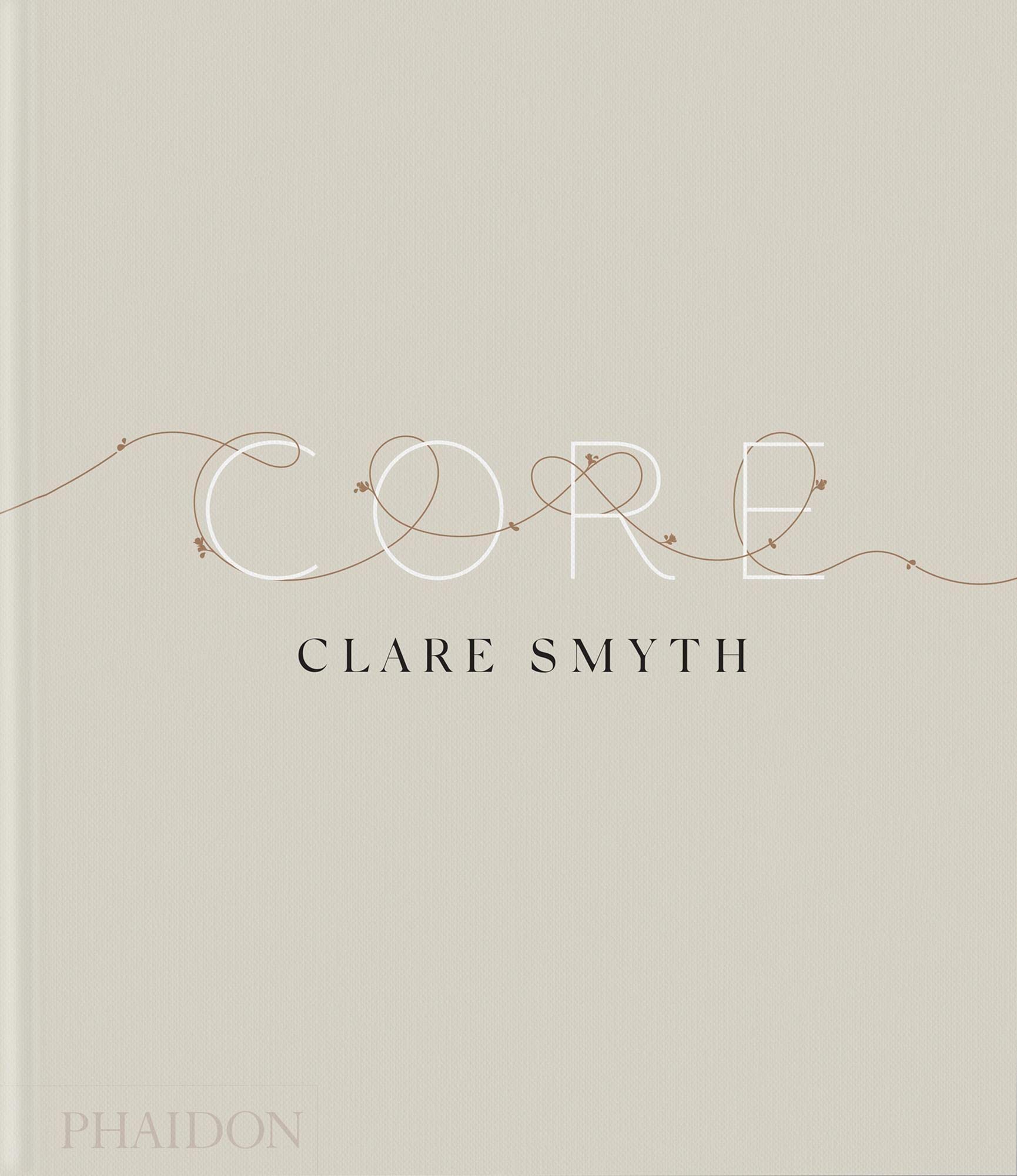
Core by Clare Smyth
As the first and currently only British female chef to hold three Michelin stars, Clare Smyth needs no introduction. But in case you didn’t know, before opening Core restaurant in Notting Hill in 2017, Smyth was chef-patron of Restaurant Gordon Ramsay, worked for Alain Ducasse in Monaco and staged at Thomas Keller’s The French Laundry and Per Se, all of them three Michelin starred establishments. So it’s no surprise to flick through the gold lined pages of this sumptuously produced book to find immaculately presented, highly detailed and technically brilliant dishes.

From a ‘Caviar Sandwich’ – a perfect, tiny wedge of buckwheat pancake layered with sieved egg white and yolk bound in mayonnaise, creme fraiche, puffed buckwheat and caviar served on a beautiful bespoke wooden sphere – to a pear and verbena Eton mess that belies its name with a Faberge-like construction of upturned meringue dome filled with lemon verbena cream, pear puree, verbena jelly, compressed pear pearls and pear sorbet, topped with miniature discs of pear and meringue, each of the 60 recipes (there are also a further 70 recipes for stocks, sauces and breads) is an elegant work of culinary art.

Smyth calls her style ‘British fine dining’, eschewing and ‘excessive reliance on imported luxury ingredients’ and instead celebrating world class produce from the British Isles such as Scottish langoustines and Lake District hogget. In Smyth’s hands, even the humble potato (from a secret supplier she won’t reveal the name of) is transformed into a signature dish of astonishingly intense flavours. Cooked sous vide with kombu and dulse, topped with trout and herring roe and homemade salt and vinegar crisps and served with a dulse beurre blanc ‘Potato and Roe’ is an homage to the food of Smyth’s Northern Ireland coastal upbringing.

With a forward by Ramsay, introduction by journalist Kieran Morris, essays on subjects such as Smyth’s suppliers and informative recipe introductions, there’s plenty to read, while the colour food and landscape photography – and black and white shots of the restaurant in action –are stunning. It all adds up to an unmissable package that any ambitious cook will find inspiring.

Cuisine: British
Suitable for: For confident home cooks/professional chefs
Cookbook Review Rating: Five stars

Buy this book: Core by Clare Smyth 
£45, Phaidon

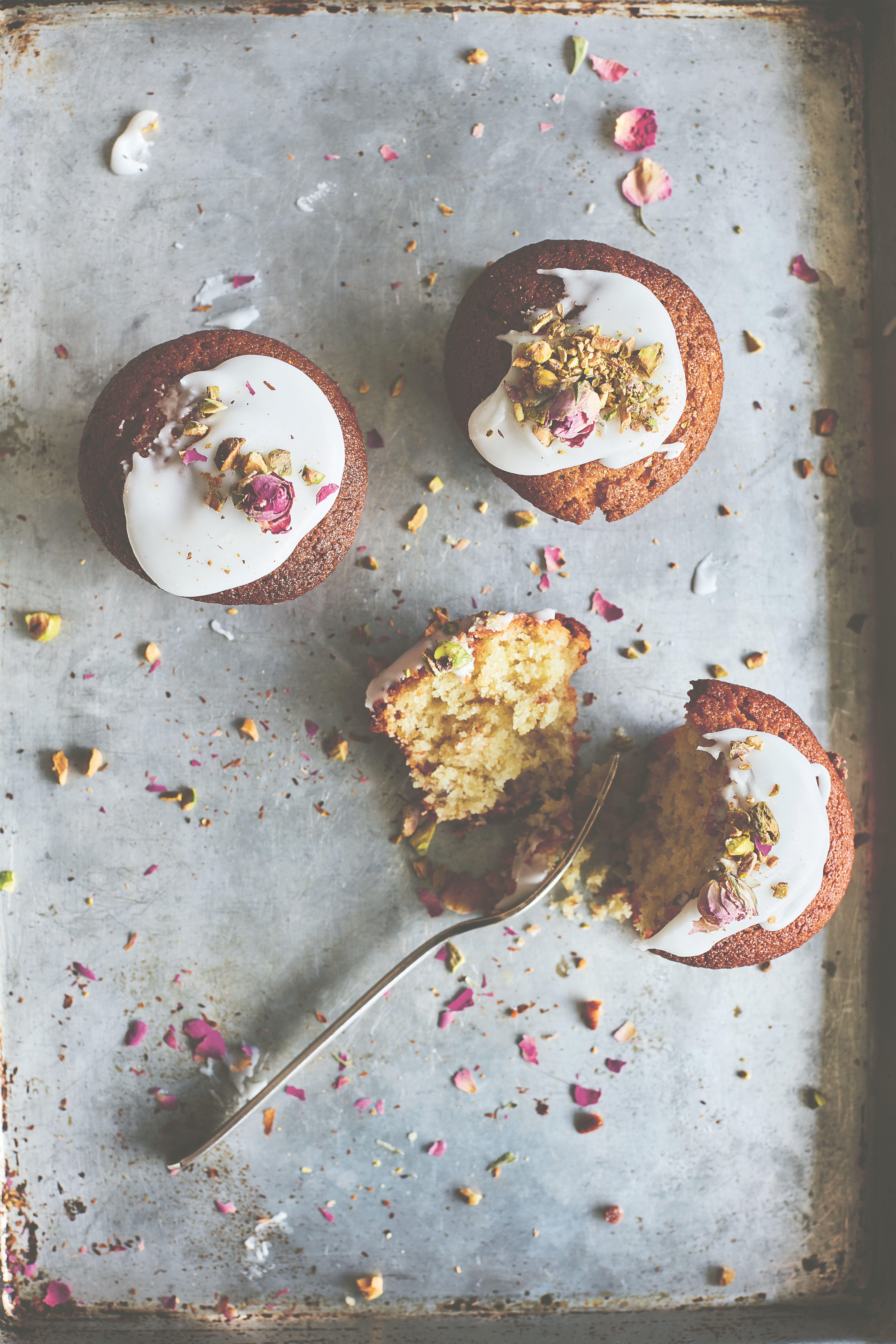
Rose and Pistachio Little Buns by Dee Rettali

Rose and Pistachio (1)

At Fortitude, I top these rosewater-flavoured buns with organic dried rose buds from the Merzouga valley in Morocco. I have visited this region on many occasions, where you are always greeted by the heady floral smell of organic roses.

Makes 12 little buns

12-hole muffin tin or easy-release silicone mould, greased well with oil
170ml pomace oil (or light virgin olive oil)
200g unrefined golden caster sugar
4 eggs
125g fine semolina
50g pistachios, finely ground into a flour
200g ground almonds
1. teaspoons baking powder
25ml rosewater

To decorate
250g icing sugar
25g finely chopped pistachios
12 dried rose buds (optional)

In a large bowl, beat together the pomace oil and caster sugar with an electric whisk until light and fluffy.

Add the eggs one at a time and continue to mix until combined, but do not overmix.

In a separate bowl, combine the semolina, ground pistachios, ground almonds and baking powder.

Fold the semolina mixture into the whipped olive oil mix using a metal spoon. When it is almost combined, add the rosewater and gently fold through. Leave overnight in the fridge.

Preheat the oven to 200°C/Fan 180°C/Gas 6.

Fold any oil that is sitting on the surface back into the mixture to combine again. Making sure that the muffin tin or mould is greased well with oil, divide the mixture equally between the holes of the tin or mould, then place it on a baking tray. Bake in the centre of the hot oven for 22 minutes or until the buns feel set to the touch.

Transfer the buns from the tin or mould to a wire cooling rack and leave to cool completely.

To make the icing, mix the icing sugar with just enough warm water to make a thick paste. Spread the top of each bun with the icing using the back of a spoon and sprinkle over the pistachios. If preferred, place a dried rose bud in the middle of each bun.

When stored in an airtight container in the fridge,
these little buns will keep for 7 days.

To ferment

Once mixed, store the cake batter in an airtight container in the fridge for up to 3 days to allow it to ferment. Fold any oil sitting on the surface back into the mixture before baking.

Read the review 
Coming soon

Buy this book 

The Twelve Cookbooks of Christmas

There’s no better Christmas present to give a true foodie than a new cookbook. Here’s my selection of a dozen of the best new releases from the last few months that will please the gourmet in your life, whether they are serious hobbyist cooks, professional chefs or just in need of some fresh inspiration for midweek meals.

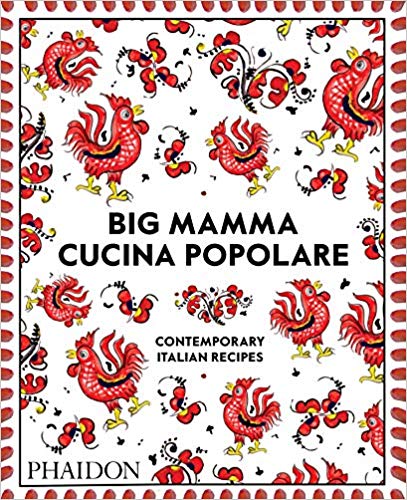
Big Mamma Cucina Popolare

Big Momma Cucina Popolare

What the publishers say:  The hotly anticipated cookbook from the group behind London’s Gloria and Circolo Popolare restaurants.  Italian restaurant group Big Mamma burst onto the London food scene earlier this year with the opening of Gloria, the 70’s Capri-style trattoria in the heart of Shoreditch. This little corner of Italy hosted an explosive menu, mixing old Italian classics with ingredients sourced direct from small producers in Italy, plus a few fun twists from Head Chef Filippo La Gattuta. In June, in the wake of the success of their first opening in London, French owners Victor Lugger and Tigrane Seydoux opened Circolo Popolare – a sunny Sicily style trattoria in Fitzrovia, with immediate show-stopping dishes, from giant Pizzas al metro to XXL desserts.

Big Mamma Cucina Popolare: Contemporary Italian Recipes features 130 best recipes from the Big Mamma team. Some delicious, easy-to-prepare, imaginative twists from true classics such as La Gran Carbonara and Tiramisu, to some of the most creative Italian recipes today, including Pizza Nera Con Cozze and Sfoglia Lasagna. The book includes much-loved dishes from Gloria and Circolo Popolare, and some amazing Pizza Yolo, Lob’star Pasta, Ravioli Di Ricotta, Daft Punch and Eat Me Baba One More Time.

Full review coming soon

Buy this book
Big Mamma Cucina Popolare: Contemporary Italian Recipes
Phaidon, £27.95 (phaidon.com)

Cook from this book: coming soon

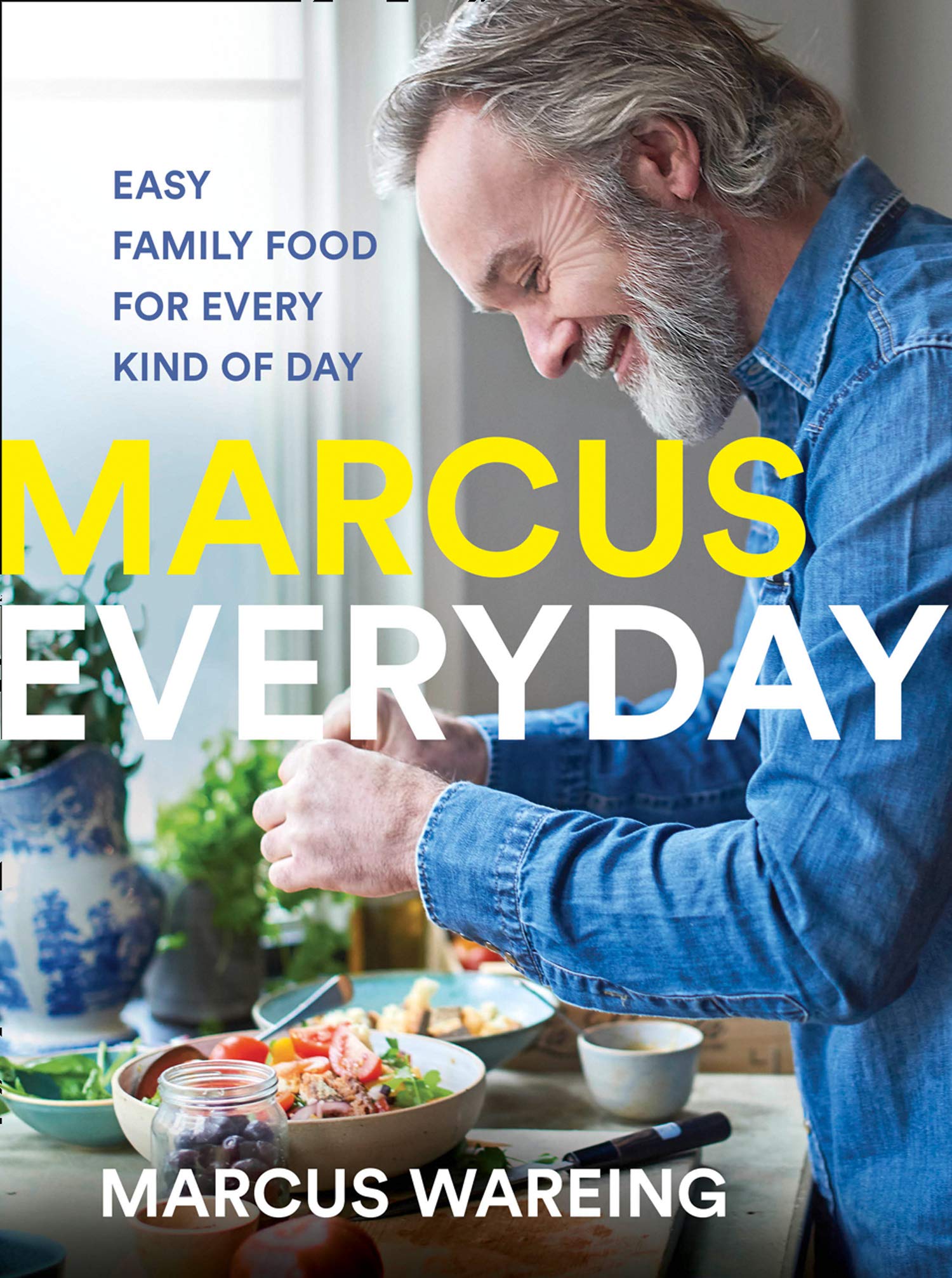
Marcus Everyday by Marcus Wareing

Marcus Everyday

Marcus Wareing has made his name as one of London’s best-known fine-dining chefs and as a stern taskmaster on Masterchef: The Professionals. But in his new book (the sixth he has co-authored with Chantelle Nicholson, Group Operations Director for Marcus Wareing Restaurants), he presents a kinder, gentler Marcus; the family man at home in his East Sussex hideaway Melfort House, gardening and cooking with his kids and grinning for the camera in his casual blue denim shirt. It’s the sort of aspiration lifestyle stuff you’d associate with the likes of Bill Granger or Donna Hay, but Wareing pulls it off. The recipes are very much ‘home cookery’ as Wareing likes to call it; approachable, achievable and not a hint of Michelin-starred hubris. Recipes that may well become regular standbys include hassleback potatoes with red wine and pork ragu; haddock with lentils, basil and mascarpone and beef and garden herb meatballs with roasted tomato sauce.

Read the full review 

Cuisine: International  
Suitable for:
For beginners/confident home cooks
Cookbook Review Rating:
Four stars

Buy this book
Marcus Everyday: Easy Family Food for Every Kind of Day
Harper Collins Publishers, £20

Rick Steins Secret France

Secret France Rick Stein

Restaurateur and seafood expert Rick Stein takes a meandering journey through rural France from Normandy in the north to Provence in the south. In addition to the usual suspects like snails in garlic butter,  omelette aux fines herbes, croque monsieur and steak frites, Stein has gone off the beaten track and unearthed pounti, a ham and chard terrine from the Auvergne; wild boar stew with pinot noir from Alsace, and boles de picolat, meatballs flavoured with cinnamon and piment d’Espelette from Prades in the Pyrenees. Fans of Rick Stein will not be disappointed. If you are new to the food of France this is a great introduction, and if you are a Francophile, you will enjoy revisiting old favourites and discovering new dishes to add to your repertoire.

Read the full review

Cuisine: French  
Suitable for: 
Confident home cooks/professional chefs
Cookbook Review Rating: 
Five stars

Buy this book
Rick Stein’s Secret France
BBC Books, £26

Black Axe Mangal by Lee Tiernan

Black Axe

Lee Tiernan runs the cult north London restaurant Black Axe Mangal and this is his first book. His pizza oven is emblazoned with the faces of the rock group Kiss and the flavours of dishes like pig’s tails with pickled chicory; braised hare, chocolate and pig’s blood with mash; oxtail, bone marrow and anchovy and the signature squid ink flatbread with smoked cod’s roe are turned up to 11.

The liberal seasoning of salty language and peppering of softcore glamour shots may be off-putting to some, but the step by step instructions on the key skills of grilling, smoking and baking that help define Tiernan’s food, along with the story behind his success, provide an insight into one of the UK’s most exciting and original chefs and make Black Axe Mangal an essential purchase.

Read the full review

Cuisine: Modern British
Suitable for: Confident home cooks/professional chefs
Cookbook Review Rating: 
Five stars

Buy this book
Black Axe Mangal
Phaidon, £24.95

Cook from this book
Vietnamese Scrambled Eggs With Sesame Bread
Pressed Octopus And Szechuan Vinaigrette
Crispy Fuckin’ Rabbit

The Quality Chop House

Quality chop house

Recipes and stories from a landmark London restaurant that’s been trading in one form or other since 1869. You get a very real sense of what the Quality Chop House is all about. If you are already a regular, it will make you want to go back immediately and if you’ve never been you’ll be desperate for a table. Keen cooks willing to invest time and some money to create restaurant-quality dishes like mince on dripping toast; pastrami cured salmon; corn and marmite butter; truffled potato croquettes, and the signature confit potatoes at home will absolutely devour this book.

Read the full review

Cuisine: British 
Suitable for: 
Confident home cooks/professional chefs
Cookbook Review Rating: 
Five stars

Buy this book
The Quality Chop House: Modern Recipes and Stories from a London Classic
£30, Hardie Grant
(Head to the restaurant’s website for a signed copy wrapped in their own branded  butcher’s paper)

Cook from this book
Confit potatoes 

The Official Downton Abbey Cookbook by Annie Gray

Downton Cookbook

The acclaimed historian, cook and broadcaster Annie Gray takes the fictional Downtown Abbey as a jumping-off point to chart the history of British country house cooking in a series of short articles and recipes including Palestine soup; cabbage as they served it in Budapest; mutton with caper sauce; the queen of trifles; beef stew with dumplings; treacle tart; rice pudding. Downtown fans will love it, but it’s such a sumptuously produced book with lovely food photography by John Kernick that it will appeal to anyone with an interest in British food and its history.

Read the full review

Cuisine: British 
Suitable for: 
Confident home cooks
Cookbook Review Rating: 
Four stars

Buy this book
The Official Downton Abbey Cookbook
White Lion Publishing, £25

Signature Dishes That Matter by Christine Muhlke et al

Sig dishes

A collection of 240 restaurant dishes that spans six centuries from the first-ever gelato created in 1686 by Procopio Cutò at Le Procope in Paris to Tomos Parry’s whole turbot, first-served at his London restaurant Brat in 2018. It is a fascinating read and an invaluable resource for anyone who wants to learn more about the history of world cuisine. It’s perfect for bedtime reading and could provide inspiration for a spectacular retro-themed dinner party.

Read the full review

Cuisine: International 
Suitable for: 
Confident home cooks/professional chefs
Cookbook Review Rating: 
Four stars

Buy this book
Signature Dishes That Matter
Phaidon, £35

Dishoom by Shamil Thakrar, Kavi Thakrar and Naved Nasir 

Dishoom

The cookbook of the eight-strong Dishoom all-day dining Indian restaurant group inspired by the Persian-style Irani cafes of Mumbai.  There’s recipes for mid-morning snacks like keema puffs, lunch dishes including aloo sabzi (vegetable curry served with bedmi puri bread), afternoon refreshments such as salted laksi, ‘sunset snacks’  pau bhaji, a spicy vegetable mash served with toasted Bombay bread buns and dinner dishes such as soft shell crab masala, lamb biryani and spicy lamb chops. Besides the delicious recipes, the book looks beautiful, is a great read and gives you more than enough detail about Mumbai to plan a truly sybaritic holiday there.

Read the full review

Cuisine: Indian
Suitable for: 
Confident home cooks
Cookbook Review Rating: 
Four stars

Buy this book
Dishoom: The first ever cookbook from the much-loved Indian restaurant: From Bombay with Love
Bloomsbury Publishing, £26.

The Book of St John by Fergus Henderson and Trevor Gulliver

St John

The long-awaited follow up to 2007’s Beyond Nose to Tail from one of the UK’s most distinguished and influential chefs Fergus Henderson and his business partner Trevor Gulliver. The publication coincides with the 25th anniversary of the opening of St John restaurant near Smithfield market in London, world-famous for dishes such as roast bone marrow with parsley salad that celebrate offal. Adding The Book of St John will bring something distinctive to your cookbook collection and might well expand your culinary horizons with dishes such as crispy lamb’s brains; pig’s tongues, butter beans and green sauce; chicken, bacon and trotter pie and Eccles cake and Lancashire cheese.

Read the full review

Cuisine: British 
Suitable for: 
Confident home cooks/professional chefs
Cookbook Review Rating: 
Four stars

Buy this book
The Book of St John: Over 100 Brand New Recipes from London’s Iconic Restaurant

Cook from this book
Welsh Rarebit 
Grilled lamb hearts, peas and mint
Salted caramel and chocolate tart 

The Food of Sichuan by Fuchsia Dunlop

The Food of Sichuan

The Food of Sichuan is a revised and updated edition of Sichuan Cookery, originally published in 2001. It’s an authoritative and comprehensive investigation of the styles, techniques and ingredients of a lesser-known regional Chinese cuisine with over 100 recipes, 50 of them new to the revised edition including bowl steamed belly pork with preserved vegetables; fragrant and crispy duck, and pot-sticker dumplings with chicken stock. The quality of the writing, the depth and breadth of the research and the sheer reassuring heft of the thing tell you this is the only book on Sichuan cooking you’ll ever need.

Read the full review

Cuisine: Chinese
Suitable for: 
Confident home cooks/professional chefs
Cookbook Review Rating: 
Five stars

Buy this book
The Food of Sichuan
£30, Bloomsbury

Cook House by Anna Hedworth

Cook House Anna Hedworth

If you’ve ever dreamed about making a career in food, self-taught chef and restaurateur Anna Hedworth’s story of how she opened a restaurant in a shopping container in Newcastle upon Tyne will provide you with the information and inspiration to take the leap. If you want to try out techniques like cooking over open-fire and preserving and fermenting for the first time, this book will be of particular interest. But even if you just want to add a few more delicious go-to recipes to your repertoire such as red pepper, paprika and rosemary soup with sourdough croutons; chicken, courgette and pea salad with aioli and sourdough crumb or dark chocolate and almond cake, Cook House is well worth adding to your collection.

Read the full review 

Cuisine: British
Suitable for: Confident home cooks
Cookbook Review Rating: 
Four stars

Buy this book
Cook House
£25, Head of Zeus

The Shore by Bruce Rennie

The Shore

A collection of highly inventive and original seafood dishes from one of the best seafood restaurants in the country, The Shore in Penzance. Chef Bruce Rennie worked with Michelin starred Edinburgh-based chef Martin Wishart as well as Gary Rhodes and Rick Stein before opening The Shore in 2015. An extended introductory chapter covers Rennie’s own story, his relationship with the land and Cornwall and running the restaurant. Recipes are arranged into six, eight-course tasting menus which reflect Rennie’s love of Japanese and Indian flavours in dishes such as mackerel, sashimi style, sesame, beetroot and wasabi sorbet and cod with dal, cauliflower, lime pickle, onion bhaji and coriander.

Read my foreword to the book

Cuisine: Seafood
Suitable for: Dedicated home cooks/professional chefs

Buy this book
The Shore
£25, A Way with Media

Vietnamese Scrambled Eggs with Sesame Bread by Lee Tiernan

069 Vietnamese eggs

This is a dish we used to serve as staff meal at St. JOHN Bread and Wine from time to time. I’m not sure why we called it Vietnamese Scrambled Eggs, but it’s basically scrambled eggs with Asian flavours, and it’s fucking tasty. If you can’t be bothered to make the Sesame Bread by all means use whatever bread you have at home, but preferably something with a bit of texture, like sourdough. Sweet coffee goes well with this. Or even a White Russian.

ESSENTIAL EQUIPMENT non-stick frying pan (skillet) rubber spatula

SERVES 4

3–4 cloves garlic, thinly sliced
2 thumb-sized pieces of ginger, peeled and finely chopped
sunflower or vegetable oil, for frying
2 red chillies, finely chopped
3 spring onions (scallions), whites thinly sliced, greens reserved
1 bunch coriander (cilantro), stems sliced, leaves left whole and reserved
25 g (1 oz/2 tablespoons) butter
8 eggs, beaten
fish sauce, to taste
salt

FOR THE SALAD
400 g/14 oz bean sprouts
reserved greens of the spring onions (see above), finely sliced
2 tablespoons Pickled Red Chillies (page 201)
2 tablespoons Pickled Red Onions (page 200)
1 tablespoon olive oil
juice of 1⁄2-1 lime
reserved coriander leaves (see above)

TO SERVE
4 BAM Flatbreads (pages 56–63), topped with sesame seeds and a dash of sesame oil after cooking
8 rashers BAM Bacon, or shop bought, grilled (page 50; optional)
dried baby shrimp (optional)
2 tablespoons shop-bought crispy fried onions

In a non-stick frying pan (skillet) over a low heat, soften the garlic and ginger in a little oil for 2 minutes. Add the chillies with a pinch of salt and cook for a further minute. Add the whites of the spring onions (scallions) and the coriander (cilantro) stalks and cook for 1–2 minutes more. Don’t cook the latter for too long as they will lose their vibrant green colour. Remove from the heat and set aside.

Next, toss all the salad ingredients in a mixing bowl until well combined, and set aside.

Wipe the non-stick frying pan clean, and then get the pan hot over a high heat. Melt the butter in the pan and add the garlic, ginger and chilli mix. When it starts to sizzle, add the eggs and stir with a rubber spatula. Turn the heat down to low. Keep stirring and turning the eggs, then add a good splash of fish sauce, bearing in mind that this is all the seasoning the eggs are going to get. I like to go pretty heavy with it – at least 1⁄2 tablespoon – but really it depends how salty and funky you want it. I’d recommend tasting a little of the egg once it’s mixed in to check. Continue to cook the eggs for around 2 minutes – you want them just cooked and super silky, as opposed to dried out and rubbery.

Place the breads on plates. Distribute the scrambled eggs onto each bread and top with the salad. Add the bacon and dried baby shrimp (if using) and the crispy fried onions. Serve with steak knives for ease of eating

PICKLED RED CHILLIES

These pickled chillies cut through fatty meat and add the welcome hit of spice I’m always craving. We use them a lot at BAM. Reserve the vinegar to use in a salad dressing after you’ve used all the actual chilli.

MAKES ABOUT 800 G/13⁄4 LB

250 g/9 oz red chillies
350 ml (12 fl oz/11⁄2 cups) red wine vinegar 175 g (6 oz/3⁄4 cup) caster (superfine) sugar

In a small bowl, whisk the sugar into the vinegar until it has dissolved.

Blister the chillies under a hot grill, over the coals of a barbecue or with a blow torch, then cut into 5 mm (1⁄4 inch) chunks. Combine the chillies and vinegar in an airtight container and store in the refrigerator.

PICKLED RED ONIONS

MAKES 800 G (13⁄4 LB/3 CUPS)

1 tablespoon salt
4–6 red onions, thinly sliced
125 g (41⁄4 oz/1⁄2 cup) caster (superfine) sugar
250 ml (8 fl oz/1 cup) red wine vinegar

In a colander or sieve set over a sink, dis- tribute the salt over the sliced onions and let sit for 10 minutes.

While the onions are salting, dissolve the sugar into the vinegar in a saucepan over a low heat. When the liquid has cooled, add the onions. Tip into an air- tight container.

These can be used after a few hours, but will be better after a few days in the refrigerator.

Cook more from this book
Pressed Octopus And Szechuan Vinaigrette
Crispy Fuckin’ Rabbit

Buy this book
Black Axe Mangal
Phaidon, £24.95

Read the review

Pressed Octopus and Szechuan Vinaigrette by Lee Tiernan

095 pressed octopus

This dish is one of the more aesthetically pleasing items on the menu at BAM. We set the octopus once poached so that when we cut a slice, the octopus resembles marble or terrazzo. Pressing isn’t essential so don’t stress out if you don’t have time or can’t be bothered. If you can be bothered, however, you will need two interlocking 450 g (1 lb) loaf pans. Octopus isn’t that cheap, so take care when cooking.

ESSENTIAL EQUIPMENT
2 x 450 g (1 lb) interlocking loaf pans weights, such as tin cans

SERVES 4

FOR THE OCTOPUS
1 large Galician double-sucker octopus, washed and cleaned
1 leek, roughly chopped
1 teaspoon fennel seeds
1 teaspoon whole black peppercorns
2 bay leaves
1 lemon
1 tablespoon salt
1 tablespoon light olive oil

TO SERVE
150 g (5 oz/1 cup) freshly podded peas
dash of Lemon Oil (page 198)
1 teaspoon black chilli flakes
1 large handful pea shoots, trimmed at the last possible moment
50 ml (1 3⁄4 fl oz/1⁄4 cup) Szechuan Vinaigrette (page 199)
sea salt flakes, to taste
75 g (23⁄4 oz/1⁄2 cup) Turmeric Pickled Onions (page 200)
4 tablespoons deep-fried baby anchovies (see method on page 115)

Place the octopus in a deep saucepan and cover with water. Add the rest of the octopus ingredients, apart from the oil, then bring to the boil. Reduce to a simmer, and, using a cartouche
(a circle of baking/parchment paper that fits snugly on top of the saucepan) weighed down with a plate, keep the octopus submerged. Cook for roughly 1 hour, depending on size, until poking the octopus with a skewer meets minimal resistance. Allow to cool in the cooking liquid until you can comfortably handle the octopus.

Place the octopus on a large chopping (cutting) board and have a quick scout for any fennel seeds or peppercorns and discard them. Cut the tentacles away from the body then slice off a piece to taste for seasoning, adding a touch of salt if required. We discard the head as the texture is pappy – it’s small and tends to overcook. Transfer the tentacles to a bowl and toss the tentacles in the light olive oil.

Line one loaf pan with a double layer of cling film (plastic wrap). Lay the tentacles lengthways and fold over the cling film, placing the second pan (bottom-side down) on top. Press with a heavy weight, such as a tin can, and leave to set in the refrigerator overnight. This will last for 3–4 days.

Cut the pressed octopus into slices and arrange on a platter. Dress the peas with the dash of Lemon Oil and the chilli flakes, and lastly mix in the the pea shoots.

Shake the Szechuan Vinaigrette vigorously then apply generously over the octopus. Sprinkle over a pinch or two
of sea salt flakes on top and heap the pea salad on top. Spike the salad with slithers of vivid-yellow Turmeric Pickled Onions, and finally scatter over my favourites, the crispy deep- fried baby anchovies.

SWEET SZECHUAN VINAIGRETTE

I will go into work after being off for a couple of days, and Trick will have developed a better method to cook some- thing, refined a sauce, or experimented with something new. It’s the most fulfilling facet of the cooking process for me – experimenting. I came in one day to find something labelled ‘Sweet Szechuan Vinaigrette’. I squirted some on the back of my hand, tasted it and was immediately hooked. I eat this on its own over plain rice, it’s that good – particularly good on the leftover rice that’s caught slightly at the end of service, when you realize you haven’t eaten all day and you’re absolutely famished. I love the way this works with octopus (page 94), but it is extremely versatile. Think cold roast chicken, pork terrines, duck, ham – anything that benefits from a little zip.

ESSENTIAL EQUIPMENT

old frying pan (skillet) fine sieve

MAKES 300 ML (10 FL OZ/11⁄4 CUPS)

50 g (2 oz) green Szechuan peppercorns
250 ml (8 fl oz/generous 1 cup) rapeseed or sunflower oil
100 g (3 1⁄2 oz/1⁄2 cup) palm sugar
1 tablespoon spicy Chinese hot chilli bean paste (also known as spicy broad bean paste)
100 ml (31⁄2 fl oz/scant 1⁄2 cup) red wine vinegar
1 tablespoon Szechuan peppercorn oil (prickly oil)

In a heavy-based pan large enough to hold all the ingredients, toast the peppercorns over a medium heat. I like to take a slower approach when toasting Szechuan peppercorns, as the oil they release can burn and end up tasting bitter. Look for a touch of colour. You will be able to smell when the peppercorns are ready by the intoxicating aroma. If I could bottle that smell, I would smother myself in it like a teenage boy applies Lynx deodorant. Turn the heat down and add the oil to the peppercorns. This might bubble up and spit, so stand back, then turn off the heat.

In a separate pan (one you care a little less about) start a dry caramel with the palm sugar over a medium heat. When the sugar starts to bubble, after about 2 minutes, reduce the heat and cook for 1–2 minutes until caramelized – slightly too much colour and the vinaigrette will taste burnt. Remove from the heat and whisk in the bean paste and vinegar, dis- solving all the sugar. Add this mix to the infused oil and allow to cool completely.

TURMERIC PICKLED ONIONS

MAKES ABOUT 400 G (14 OZ/11⁄2 cups)

2 medium white onions, thinly sliced
1 teaspoon salt
250 ml (8 fl oz/1 cup) white wine vinegar
125 g (41⁄2 oz/1 g cup) caster (superfine) sugar
1 teaspoon ground turmeric
1 teaspoon yellow mustard seeds

Set a small sieve or colander over the sink, add the onions and toss with the salt.

While the onions are salting, bring the vinegar, sugar, turmeric and mustard seeds to the boil in a saucepan, stirring the liquid at first to dissolve the sugar. Once boiled, take off the heat and allow to cool.

When the liquid is cool, add the onions and tip into an airtight container. They will turn a vivid yellow colour after a day or two in the refrigerator, but can be used a couple of hours after making. They will keep for 1 week, chilled.

Cook more from this book
Vietnamese Scrambled Eggs With Sesame Bread
Crispy Fuckin’ Rabbit

Buy this book
Black Axe Mangal
Phaidon, £24.95

Read the review

Crispy Fuckin’ Rabbit by Lee Tiernan

093 crispy fkn rabbit

This dish from start to finish is all Tristram Bowden (aka Trick), one of the best chefs I have ever had the privilege to work with. It bridges BAM’s transition into a zero-genre restaurant where we can put whatever we like on the menu. We sell colonies of Crispy Fuckin’ Rabbit weekly, it’s one of the tastiest dishes we sell and it’s well worth putting in the effort to make this at home for friends if you have the time. I would encourage you to get ahead by cook- ing and pressing the rabbit a couple of days in advance of serving it, so the meat is well set and firm when you crumb and cook it.

ESSENTIAL EQUIPMENT casserole dish (Dutch oven) 2 x 1.3 kg (3 lb) loaf pans weights, such as tin cans digital thermometer

MAKES 10–12 PIECES

FOR THE RABBIT
1 large rabbit, jointed, offal trimmed (you can ask your butcher to joint the rabbit)
sunflower oil, for roasting and deep frying
8 plump cloves garlic
125 ml (41⁄4 fl oz/1⁄2 cup) white wine
200 ml (7 fl oz/scant 1 cup) dark chicken stock (broth)
100 g (31⁄2 oz/1 stick plus 1 tablespoon) butter
400 g/14 oz lardo in one large piece
200 g/7 oz chicken livers, trimmed
1⁄4 bunch flat leaf parsley, roughly chopped
1 teaspoon Dijon mustard
1 teaspoon grape must mustard
salt

FOR THE COATING
100 g (31⁄2 oz/2 cups) panko breadcrumbs
50 g (2 oz/scant 1⁄2 cup) plain (all-purpose) flour
3 eggs, beaten

TO SERVE
2 tablepoons black peppercorns and 2 tablespoons salt, blitzed to a fine powder
4 tablespoons Pickled Mooli (page 201)
1 x quantity Apple and Chilli Sauce (page 198)
lime quarters

Preheat your oven to 160°C/325°F/Gas Mark 3.
Coat the rabbit pieces (minus the offal) with a smattering of oil and season with salt. Put a large casserole dish (Dutch oven) over a medium heat and flash fry the rabbit until golden for 8–10 minutes, adding the garlic for the last 2 minutes. Deglaze the pan with the white wine. Add the chicken stock (broth) and butter, bring to a bubble and nestle in the lardo. Cover the dish with a layer of baking (parchment) paper and a double layer of aluminium foil, cover, and steam for 1–11⁄2 hours, until the meat just starts to come off the bone. Leave covered and allow to cool.

When the rabbit is cool enough to handle, flake the meat from the bone (do not shred). There are a few tiny bones so keep a careful eye out. Remove the skin from the lardo (if necessary) and dice into 1 cm (1⁄2 inch) cubes. Meanwhile, reduce the cook- ing liquid by half. Mix the lardo and the rabbit together in a large bowl, then pour over the cooking liquid.

Set a frying pan (skillet) over a high heat and fry the rabbit offal and chicken livers until they are just cooked, around
3 minutes. Allow to cool slightly and roughly chop. Collect all the juices from the chopping (cutting) board and add them
to the meat mixture. Mix in the parsley and mustard and taste for seasoning.

Line a 1.3 kg (3 lb) loaf pan with baking paper. Spoon the rabbit mix into the loaf pan, cover with more baking paper, place the second loaf pan, base-side down, into the pan, and weigh down with tin cans or metal weights – remember this has to fit into your refrigerator – and press down evenly. In addition, if the rabbit isn’t pressed hard enough it’ll flake apart when it comes to portioning and frying. Refrigerate for at least 8 hours, preferably overnight.

Turn the rabbit out of the pan. If it’s reluctant, put the pan in a sink of hot water for a few seconds to loosen the fat a bit. Lay the pan on its side and coax the rabbit out using the baking paper. Whatever you do, don’t start slamming the pan against your work surface, as you run the risk of the rabbit breaking apart. Slice the terrine into 12 equal-sized pieces. If they are a little soft, pop them in the refrigerator until they firm up.

Place the breadcrumbs, flour and eggs into three separate dishes and line a baking sheet with baking paper ready to receive the crumbed bunny fingers. With your left hand, flour the first finger. Shake off any excess flour. Using your right hand toss
the finger in egg. Place the eggy finger in the crumb. Use your left hand to coat the finger in crumbs and place on the baking sheet. It might sound a little patronizing me telling you what hand to use and where, but it is way cleaner to use dry floury fingers to toss whatever you happen to be crumbing than both fingers being covered in egg, which will pick up more and more crumbs. Once all 12 fingers are crumbed, chill for 1 hour.

Heat a decent glug of oil in a frying pan over a medium heat and fry the fingers for 4–5 minutes, or until golden and crisp on all sides. Alternatively, heat a deep-fat fryer to 160oC/320oF and fry in batches. You are looking for an internal temperature of 75°C/165°F. Drain on paper towels, sprinkle with the salt and pepper mix and serve piping hot, with the Pickled Mooli, Apple and Chilli Sauce and fresh lime on the side.

APPLE AND CHILLI SAUCE

This is the sauce we serve with the Crispy Fuckin’ Rabbit (page 92) but it’s magical with pork or pressed pig’s head.

ESSENTIAL EQUIPMENT

blowtorch mini food processor

MAKES 1 LITRE (34 FL OZ/41⁄4 CUPS)

300 g/11 oz medium-heat red chillies
4 plump cloves garlic
2 banana shallots
vegetable oil, for frying
175 ml (6 fl oz/3⁄4 cup) cloudy apple juice
125 ml (41⁄4 fl oz/1⁄2 cup) apple cider vinegar
125 g (41⁄4 oz/generous 1 cup) palm sugar
3 Pink Lady apples, peeled and cut into 1 cm (1⁄2 inch) dice soy sauce, to taste

Blacken the chillies with a blow torch, on a barbecue or under the grill (broiler).

Blitz the garlic and shallots to a paste in a small food processor. Add to a large frying pan (skillet) with a good glug of oil and cook until fragrant, avoiding any colour.

Purée the chilli and add to the garlic and shallot mix. Cook over a medium–low heat for 5 minutes, stirring occasionally, making sure the mix isn’t catching.

Add the apple juice and cider vinegar and dissolve the palm sugar into the sauce. Simmer the sauce over a low- medium heat for 10–15 minutes, again being vigilant to make sure the sauce doesn’t catch on the pan.

Stir in the apples when cool and add soy to taste. I add about 1 tablespoon of dark soy but find the salt levels vary from brand to brand, so add a little, then add more until you’ve achieved the level of seasoning you’re happy with.

Pour into an airtight container and store in the refrigerator until needed. This will keep well for a week or so.

PICKLED MOOLI

Up there with my all-time favourite pickles, this is a good combination of vinegar flavour with a decent fermented edge. A polite warning though… this pickle omits a powerful fart-like aroma when you open the lid after a few days in the refrigerator. It always tickles me when the smell catches people unaware and they start looking around suspiciously for the culprit.

ESSENTIAL EQUIPMENT

mandoline with ribbon attachment or vegetable peeler

MAKES 150 G (51⁄3 OZ/1 CUP)

300 ml (10 fl oz/11⁄4 cups) white wine vinegar 150 g (5 oz/3⁄4 cup) caster (superfine) sugar 4–5 star anise
1 red chilli
1 mooli (daikon)
1 tablespoon salt

Simmer the vinegar, sugar and anise over a gentle heat. Allow to cool completely.

While the pickle liquid is cooling, prepare the mooli. Peel the mooli then top, tail and slice in half widthways so it’s easier to manage. If you have a ribbon attachment on a mandoline that’s perfect for achieving the bootlace strands we serve at the restaurant. Watch your fingers and use the guard when pushing the mooli through the mandolin. If you don’t have one of these, use a vegetable peeler.

Put the shaved mooli into a sieve and toss with the salt. Leave to sit for 10 minutes.

Add the mooli to the pickling liquid, then store in an airtight container in the refrigerator. This pickle only needs a few hours before it’s good to eat, but will last a few weeks in the refrigerator.

Cook more from this book
Vietnamese Scrambled Eggs With Sesame Bread
Pressed Octopus And Szechuan Vinaigrette

Buy this book
Black Axe Mangal
Phaidon, £24.95

Read the review

New releases round-up December 2019

The Official Downton Abbey Cookbook by Annie Gray

Downton Cookbook

So, this is a quick and nasty cash in on a world-famous TV franchise, right?Well, it will undoubtedly make a few quid off the Downtown name, but there is nothing quick and nasty about it.  Written by the acclaimed historian, cook and broadcaster Annie Gray this a pukka piece of work that takes the fictional Downtown Abbey as a jumping off point to chart the history of British country house cooking in recipes and a series of short articles

Killer recipes:  Palestine soup; Cabbage as they served it in Budapest; mutton with caper sauce; the queen of trifles; beef stew with dumplings; treacle tart; rice pudding.

Should I buy it?: You don’t have to be a Downtown fan to buy this book but it will help if you are one. There are quite a lot of photos from the set of the TV series which won’t mean much to those who don’t follow the show. That said, it’s a sumptuously produced book with some lovely food photography by John Kernick and the quality of the writing and recipes means it will appeal to anyone with an interest in British food and its history.

Cuisine: British 
Suitable for: 
Confident home cooks
Cookbook Review Rating: 
Four stars

Buy this book
The Official Downton Abbey Cookbook
White Lion Publishing, £25

Super Sourdough by James Morton

Super Sourdough James Morton

Another book about sourdough, really? Yes, really. Like the shelves aren’t already heaving with them. If you don’t own the ten year old Tartine Bread: (Artisan Bread Cookbook, Best Bread Recipes, Sourdough Book) by legendary San Francisco baker Chad Robertson then you really need to rectify that massive mistake immediately, and then you can still buy Super Sourdough. Although Morton’s 20 page recipe for Pain au Levan shares many striking similarities with Robertson’s 40 page Basic Country Bread recipe, what Morton is particularly good at is helping novice bakers through the process every step of the way. The troubleshooting guides on sourdough starters and bread making are particularly useful and reassuring.  

Should I buy it? If you’ve never made sourdough before and are looking for a new hobby, this is a great place to start. It’s not just an instruction manual; once you have mastered the basics of sourdough there’s plenty of fun to be had knocking up Chelsea buns, pizza, crumpets and even cornbread. 

Cuisine: Baking 
Suitable for: 
Confident home cooks/professional chefs
Cookbook Review Rating:
Four stars

Buy this book
Super Sourdough: The foolproof guide to making world-class bread at home
Quadrille Publishing Ltd, £20

Week Light by Donna Hay

Week Light Donna Hay

So what is this, the 900th Donna Hay cookbook? Calm down mate. She might be the self -styled ‘Australia’s leading food editor and best-selling cookbook author’ and have sold ‘over seven million copies worldwide, with the books translated into 10 languages’ but in fact this is ‘only’ her 29th book.

That’s still about half a dozen more books than Charles Dickens ever wrote. What has she got left to say about food that anyone wants to hear? Well, how about, ‘No longer the side dishes, the back up dancers, the understudies, vegetables have EARNED THEIR PLACE to be front and centre on your plate’ (capitals, Donna Hay’s own).

Radical. Except didn’t Bruno Loubet say something very similar about 5 years ago with his brilliant book Mange ToutIts unlikely that there’s much overlap between Hay and Loubet’s audience. And there’s nothing truly new in cooking anyway is there, so stop quibbling.

Sorry, but before we go any further, WTAF is that title all about? That has got to be the weakest pun in the history of publishing.  It’s never explained or referred to at all in the book, it’s almost as if it was an after thought. Weeknight/Weeklight? Who knows?

So what’s the USP then? Healthy food that’s easy to prepare and which ticks all the modish boxes of the last few years including ‘bowl food’ like cheat’s chilli cashew tofu larb; a version of banh mi made with marinated tofu; chipotle chicken and cauliflower tacos, and ‘pizza’ made with a base of mashed sweet potato, almond meal, flour and eggs.

Christ on a bike. She knows how to suck the fun out of food doesn’t she? Actually, a lot of the dishes look extremely appealing in a fresh, green sort of way. Perfect for when you want your weeknight to be weeklight!

Just drop it, it doesn’t work does it? Don’t let the stupid title put you off. If you can stomach the endless shots of Hay being the perfect Aussie mum to her perfect Aussie kids in perfect Aussie settings and the relentlessly upbeat tone of the whole thing, then you might actually get a lot use out of the book.

Are you actually suggesting I buy Weakpun? There are worse things you could spend £20 on. And you don’t want your veggies to be understudies and back up dancers for the rest of their lives do you?  After all, they’ve EARNED THEIR PLACE front and centre.

They earn it every weeklight baby, every weeklight.  

Cuisine: International  
Suitable for:
Beginners/Confident home cooks
Cookbook Review Rating:
Three stars

Buy this book
Week Light: Super-Fast Meals to Make You Feel Good
Harper Collins, £20

Dishoom

by Shamil Thakrar, Kavi Thakrar and Naved Nasir 

Dishoom

Dishoom, oh I love that place. The breakfast bacon naan rolls are to die for.  Get you, Mr London hipster. Some of us have to settle for a greasy caff.

Actually, there’s now eight Dishooms, inspired by the Persian-style Irani cafes of Mumbai, including branches in Manchester, Birmingham and Edinburgh so its long past being a hipster hangout, if it ever was you suburban ninny.  OK, I know, I’ve read the book’s introduction thank you very much. Dishoom is an all day dining destination,  so there’s recipes for mid-morning snacks like keema puffs, lunch dishes including aloo sabzi (vegetable curry served with bedmi puri bread), afternoon refreshments such as salted laksi, ‘sunset snacks’ like…

Sunset snacks? They’ve made that up! Its a thing apparently; street food from vendors on Girgaum Chowpatty beach including pau bhaji, a spicy vegetable mash served with toasted Bombay bread buns. Of course there’s also recipes for dinner dishes such as soft shell crab masala, lamb biryani and spicy lamb chops.

I’m still hungry, what’s for pudding? No one gets to pudding in an Indian restaurant. But if you do have room then there’s the likes of basmati kheer (rice pudding with cardamom and a brulee topping) or berry Shrikhand (a type of thick, sweetened yoghurt popular amongst Gujarati families).

I’ve got loads of recipe books from modern Indian restaurants already, why do I want another?  Besides the delicious recipes, the book looks beautiful, is a great read and gives you more than enough detail about Mumbai to plan a truly sybaritic holiday there.

So I should buy it then? Does a naan roll have bacon in it? Get clicking the link below.

Cuisine: Indian
Suitable for:
Confident home cooks
Cookbook Review Rating:
Four stars

Buy this book
Dishoom: The first ever cookbook from the much-loved Indian restaurant: From Bombay with Love
Bloomsbury Publishing, £26.