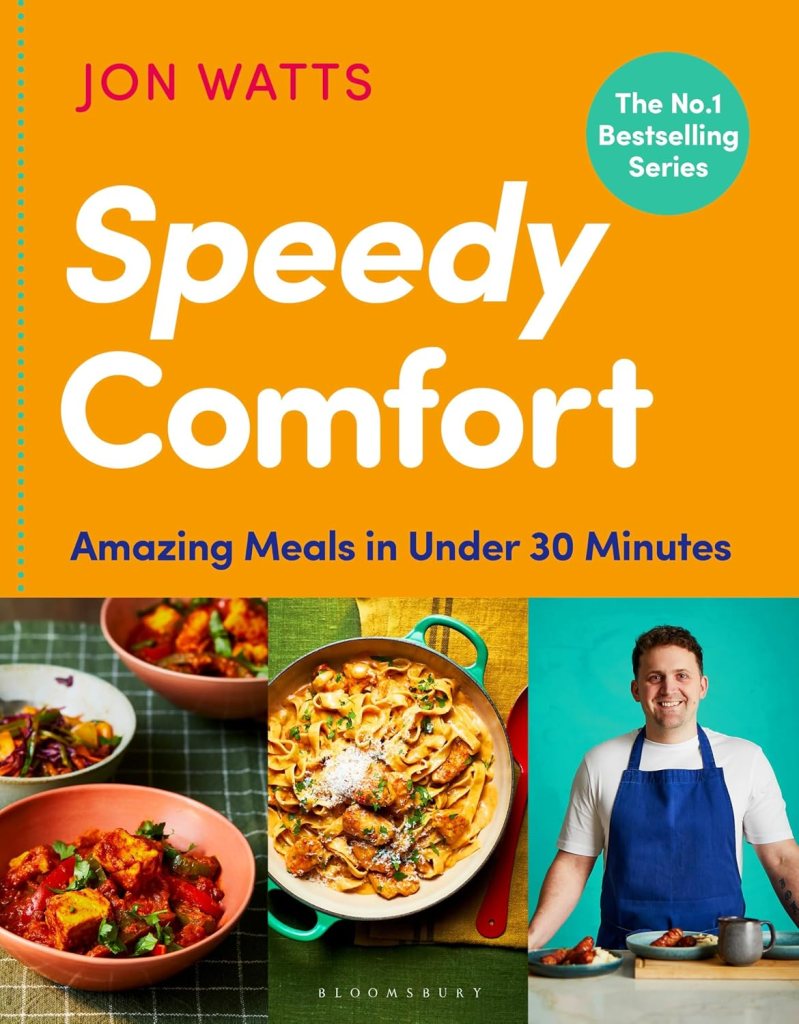
Speedy Comfort by Jon Watts – Cookbook Review

Who is Jon Watts?
Jon Watts’s journey into food is one of transformation. As a teenager in a young offenders’ institution, he became the first person in custody to complete all three Duke of Edinburgh Awards. He learned to cook in the prison kitchens and officers’ mess, and later trained at one of Jamie Oliver’s restaurants while on day release, a turning point that helped him build a new future. He went on to gain national attention through social media (@jonwatts88) and TV appearances, including regular slots cooking live on ITV’s This Morning.

In 2023, Watts self-published his first cookbook, Watts Cooking, which became a word-of-mouth hit. That success led to his Speedy series, beginning with the bestselling Speedy Weeknight Meals and now followed by Speedy Comfort. His recipes are known for being simple, satisfying and budget-friendly, with ingredients that are easy to find. Beyond the kitchen, he shares his story with schools, prisons and businesses, speaking openly about resilience, second chances, and the power of purpose.

What is Speedy Comfort’s USP?
This is comfort food for real life: meals that soothe and satisfy, but won’t keep you in the kitchen all evening. Every recipe in Speedy Comfort is designed to be on the table in 30 minutes or less without sacrificing flavour or warmth. There’s no gimmickry here, just practical, generous cooking that works when time (and energy) are in short supply.

What will I love?
The photography is bright and appealing, but there’s no gloss for gloss’s sake. Everything looks achievable, like food you might actually cook on a Wednesday night. The tone is equally grounded: there’s no preaching, no performance, just food that makes sense.

Though it isn’t overtly marketed as a “budget” cookbook, there’s a real thoughtfulness around cost. Recipes rely on everyday ingredients so you won’t be sent off looking for obscure pastes or out-of-season veg. The food is affordable without drawing attention to itself.

The layout is clean and intuitive, with recipes easy to scan at a glance. Helpful symbols throughout the book flag up key features such as freezer-friendly, air fryer–adaptable, or ideal for batch cooking making it easy to plan meals around your time, energy and what you have in the fridge. There are also clever hacks scattered throughout including time-savers, swaps, and shortcuts that make the recipes even more flexible.

Is it good bedtime reading?
There’s no literary storytelling, essays or poetic flourishes, but there is a reassuringly companionable tone. Watts writes like someone who knows how it feels to cook when you’re tired, hungry, or simply lacking inspiration and shows you how to create something delicious anyway.

Will I have trouble finding the ingredients?
No. Everything can be found in a standard UK supermarket, and the recipes don’t ask for anything rare or niche. This is a book that respects your time and your local Tesco.

How easy are the recipes to follow?
Very. The instructions are clear and written for real people in real kitchens the kind where time is short, you have family commitments, or simply too tired to fuss. Watts doesn’t overexplain, but neither does he assume knowledge, with the recipes offering structure without straying into the patronising. 

There’s cleverness in how he’s reimagined classic comfort dishes. A streamlined Coq au Vin can be made in just 30 minutes, without feeling rushed or compromised. There are also plenty of fakeaway favourites, like the Sweet’n’Spicy Chicken, ready in 15 minutes, full of bold flavour but still entirely doable after a long day. 

Stand-out recipes?
The One Pan Butter Chicken is the sort of dish that tastes like it took hours, but doesn’t. Enjoy with rice and/or naan to mop up all the delicious sauce. Popcorn Chicken Katsu is playful and clever, and would make an excellent Friday-night-in option (the tip about swapping panko breadcrumbs for cornflakes is also very helpful). Smoky Paprika Salmon with Lemon Couscous is quick, fragrant, and full of flavour, the perfect choice when you want something a little lighter (we enjoyed it with some roasted peppers on the side). There are also lots of options to satisfy your sweet tooth. Irish Cream and Dark Chocolate Mousse is the ultimate fuss-free festive dessert, while the Panettone Pudding is ideal for making the most of Christmas leftovers.

How often will I cook from this book?
Often. The book is well-structured, with chapters that suit different moods and needs, including Family Feasts, Old School Classics, Lighter Comforts, Easy Dinners, Weekend Treats, Cosy Traybakes, and Puddings. Whether you want to rustle up something familiar or treat yourself at the weekend, there’s a recipe here that’ll fit the moment.

Any negatives?
This isn’t a book for long weekends of elaborate cooking, and it’s not trying to reinvent the wheel. It’s not a statement cookbook. It’s a useful one.

Should I buy the book?
If you want flavour, speed, and recipes you’ll actually cook, not just admire, this is a very worthwhile addition to your kitchen shelf.

Cuisine: Global
Suitable for: Busy home cooks, parents, students and anyone seeking good food fast
Great for fans of: Amy Sheppard, MOB Kitchen and Poppy O’Toole
Cookbook review rating: Four stars
Buy this book: Speedy Comfort by Jon Watts £22.00, Bloomsbury

This review was written by Freelance Food Writer and Recipe Developer Sophie Knox Richmond. Follow her on Instagram on @sophie_kr_food

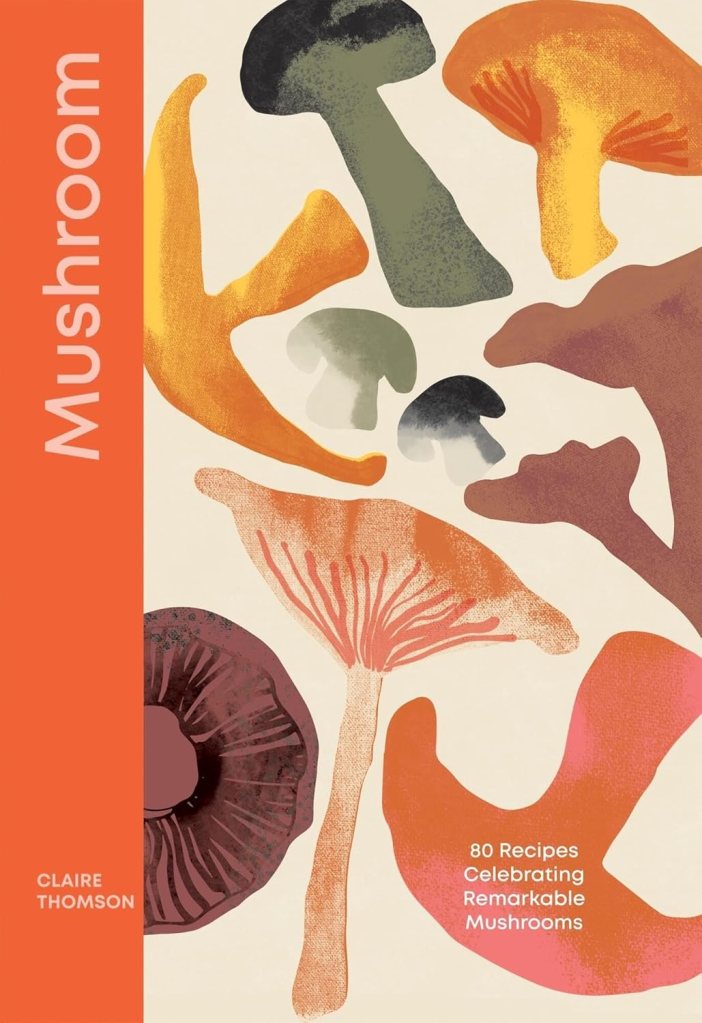
Mushroom by Claire Thomson – Cookbook Review

Who is Claire Thomson?
Claire Thomson is a chef and food writer with a remarkable ability to make everyday ingredients exciting. Known for her approachable yet inventive cooking, she has authored several celebrated cookbooks including Home Cookery Year, Tomato and One Pan Chicken. A former restaurant chef, Claire now focuses on creating accessible, family-friendly recipes that bring exciting global flavours to the home cook. Her writing often appears in The Guardian and Good Food, where she has developed a following for her warm, clever voice and unfussy food. She also has a popular Instagram account @5oclockapron and podcast

What is Mushroom’s USP?
Mushroom is a love letter to fungi in all their forms, a wide-ranging and flavour-led celebration of one of the most versatile ingredients in the kitchen. Whether working with humble closed-cup mushrooms or more luxurious porcini, Thomson places fungi at the centre of the plate, treating them with the attention and respect usually reserved for meat or fish.

What will I love?
The breadth of recipes is impressive, yet the collection avoids novelty for novelty’s sake. Dishes are thoughtful, achievable and rooted in comfort while remaining inventive. Chapters include: Soups, Salads, Fried & Grilled, Braised & Stovetop, Baked & Roasted, and Condiments. Recipes range from the familiar to the unexpected – buttery pastry galettes and warming risottos sit alongside fragrant biryanis, umami-rich burgers and spiced goulash. The recipes are written in Thomson’s signature accessible, engaging tone, with many accompanied by beautiful photography that is striking without being overly stylised.

Is it good bedtime reading?
Yes. The introduction is both informative and personal, offering insight into Thomson’s passion for mushrooms and setting a reflective, engaging tone. Recipe introductions are concise yet warm, providing context and encouragement without detracting from the recipe itself. It is the perfect book on a blustery autumn afternoon, curled up in a chair with a cup of something warm and a mind half-dreaming of garlic and butter.

Will I have trouble finding the ingredients?
No. While there are references to more specialist mushrooms such as maitake, enoki and ceps, the recipes are easily adaptable to commonly available varieties — closed cup, chestnut, portobello or dried porcini. Thomson is careful to provide substitutions and alternatives, ensuring accessibility for the home cook. Like all her books, Mushroom is rooted in home kitchens, not restaurant larders.

Stand out recipes?
Highlights include:

  • Sautéed Mushrooms with Clotted Cream and Poached Egg – a luxurious reworking of the humble mushrooms on toast. The clotted cream enriches the sauce, creating a silky texture that pairs beautifully with the runny egg yolk. Versatile enough for breakfast, brunch, lunch or supper, it transforms a simple dish into something memorable, yet remains straightforward to prepare.
  • Chicken and Hazelnut Kyiv with Porcini Butter – a clever twist on the classic. The porcini butter brings a deep savoury intensity, while the hazelnuts form a crisp, nutty crust. Indulgent but not intimidating, it offers restaurant sophistication without unnecessary complexity.
  • Porcini Gnocchi with Fried Garlic Mushrooms – impressive in both presentation and flavour, but made approachable through Thomson’s clear instructions. The gnocchi, infused with porcini, are earthy and delicate, while the fried garlic mushrooms add contrast and bite. Designed to impress, yet achievable for the home cook.
  • Harry’s Bar Sandwich (Just Add Mushrooms!) – a hearty nod to the iconic Venetian sandwich, reimagined with mushrooms taking centre stage. Rich, warming and substantial, it’s the kind of dish you crave on a chilly autumn or winter day.
  • Mushroom Risotto with Vermouth and Grated Chestnuts – a classic with subtle refinement. Aromatic vermouth and grated chestnuts lend depth and texture, producing comfort food that feels elegant as well as satisfying.

How often will I cook from the book?
If mushrooms are your thing — even just occasionally — this could become a core part of your cookbook rotation. There is a recipe for every meal and occasion, from breakfast through to supper – whether a quick midweek fix or an impressive dinner-party centrepiece. In warmer summer months, enjoy the Mushroom and Asparagus Tart, while the Hungarian Mushroom Goulash and Mushroom, Chicken and Butter Bean Stroganoff are both perfect for when you want a hearty winter warmer. You’ll find yourself thinking, What mushrooms do I have?, not What can I do with them?

Any negatives?
Strict vegetarians may be disappointed by the inclusion of meat-based recipes, though there is a strong selection of plant-based dishes. The only other minor criticism is that additional photography of finished dishes would have been welcome.

Should I buy the book?
If you have even the faintest fondness for mushrooms, this book deserves a place on your shelf. It is practical, imaginative and quietly celebratory; a reminder that the simplest ingredients can inspire the most rewarding cooking. The recipes are accessible, clear and flexible, never reliant on elaborate or hard-to-source ingredients, which makes them as realistic for everyday suppers as they are for special occasions.

Cuisine: International
Suitable for: All cooking abilities – particularly anyone who enjoys mushrooms, or wants to learn to love them.
Great for fans of: Darina Allen, Antonio Carluccio and Theo Randall
Cookbook review rating: 5 stars
Buy the book: Mushroom by Claire Thomson, Quadrille, £22.00 

This review was written by Freelance Food Writer and Recipe Developer Sophie Knox Richmond. Follow her on Instagram on @sophie_kr_food

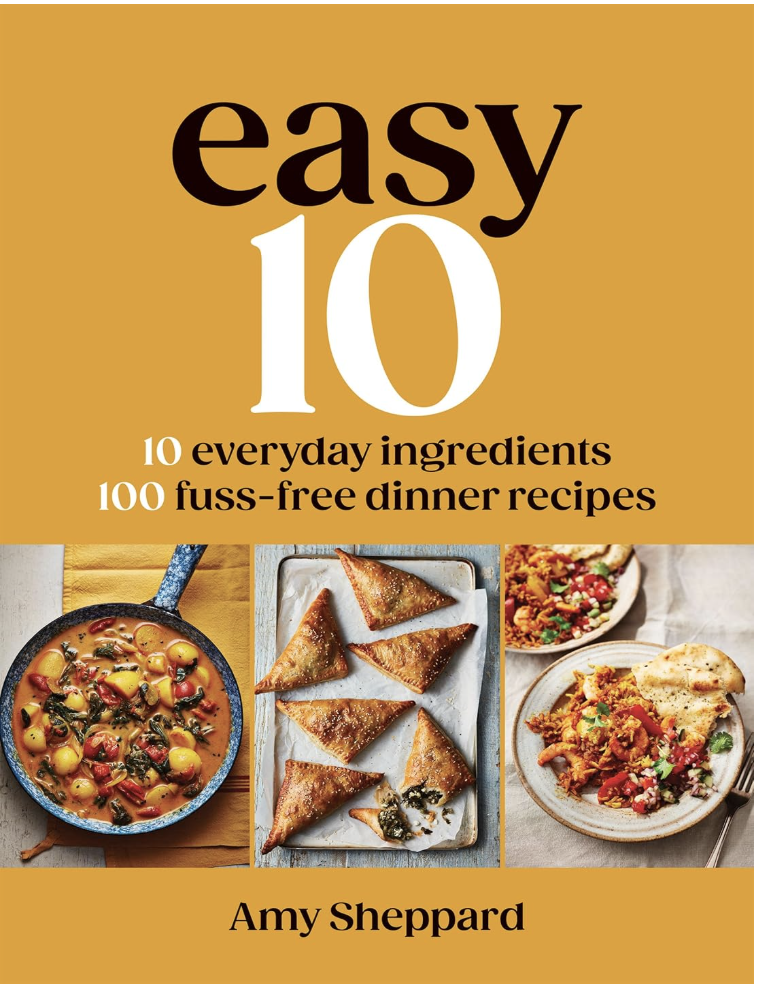
Easy Ten by Amy Sheppard – Cookbook Review

Who is Amy Sheppard?
Amy Sheppard is a food writer, home cook and mum based in Cornwall, with a wonderfully straightforward approach to family cooking. She’s gained a loyal following on social media (@amysheppardfood) by championing recipes that are both budget-friendly and full of flavour; no faff, just good honest food that the whole family can enjoy.

What is the Easy Ten’s  USP?
The book’s premise is to focus on the 10 most commonly purchased supermarket staples and how to transform them into 100 quick, affordable dinners. It’s a brilliant idea for anyone who’s ever felt stuck in a cooking rut or just needs some inspiration for busy weeknights.

What will I love?
The fact that the recipes such as Chicken Kyiv Spaghetti and Cheesy Chorizo Rice Cakes, are simple and achievable, but far from boring. Sheppard’s tone is warm and encouraging, and her dishes are clearly written with family life in mind. 

There is also a broad range of recipes with comfort food aplenty (think creamy pastas, traybakes, and hearty curries), but also lighter soups and stir fries for busy weekdays. Recipes are divided into chapters focusing on: Rice, Chicken, Pasta, Canned Fish, Potatoes, Sausages, Ready-rolled Pastry, Cheddar, Lentils and Beef Mince. None of the recipes are particularly expensive or challenging to make. It is cooking for real-life busy households who don’t want to spend hours at the stove, but still want to eat well. 

Each recipe has an enticing photo alongside helpful freezing instructions and suggested ingredient substitutions. There is also a strong emphasis on reducing food waste, using store-cupboard staples wisely, and making the most of every ingredient.

Is it good bedtime reading?
Perhaps not in a literary sense — this is a practical, straight-talking book — but it is still a pleasure to flick through. The layout is clean, the photography bright, and there’s a comforting sense of order in how everything is arranged. It’s the kind of book you reach for at the end of a long day and feel reassured that tomorrow’s supper won’t be stressful.

Will I have trouble finding the ingredients?
Not at all. Amy writes for real people, and her ingredient lists reflect that. Everything is easy to find in most supermarkets, and there is clever use of store-cupboard staples (tins, packets, frozen bits) throughout. There’s also an awareness of food waste, with plenty of tips for using up leftovers and making ingredients stretch a little further.

Stand out recipes?
There are lots. The Spiced Chicken and Couscous sings with aromatic spices and is perfect for a laid-back summer Sunday roast. For chilly nights, the Potato, Camembert and Bacon Bake is gloriously indulgent, as are the Croque Monsieur Baked Potatoes and Potato, Leek and Three-Cheese Pie. The Mini Salmon en Croutes are a standout — they look impressive but are deceptively simple — and the Whipped Stilton, Red Onion and Walnut Slices are dreamy warm with buttery potatoes or popped into lunchboxes the next day.

How often will I cook from the book?
Often. This is a book that wants to be used. You will find yourself scribbling notes in the margins and slotting recipes into your regular routine. It is built for busy households and everyday cooking. Less about entertaining, more about making weeknights manageable and mealtimes a little more joyful.

Any negatives?
There are no puddings or cakes to satisfy your sweet tooth, which some may miss, and it may not push boundaries for confident or experimental cooks. But for most of us — the ones feeding families, juggling work, and still wanting to eat well — that’s precisely what makes this book so useful. It meets you where you are.

Should I buy the book?
Yes, especially if you find yourself staring blankly into the fridge at suppertime wondering what to cook. Easy Ten offers fuss-free solutions that are both satisfying and sustainable. It is a proper friend-in-the-kitchen sort of cookbook that you will reach for again and again.

Cuisine: everyday British with global flavours
Suitable for: busy home cooks, families, students, and anyone looking to simplify mealtimes
Great for fans of: Jon Watts, Nadiya Hussain and The Batch Lady
Cookbook review rating: 4 stars
Buy the book: Easy 10: 10 Everyday Ingredients, 100 Fuss-free Dinner Recipes: The Sunday Times Bestseller by Amy Sheppard 

This review was written by Freelance Food Writer and Recipe Developer Sophie Knox Richmond. Follow her on Instagram on @sophie_kr_food

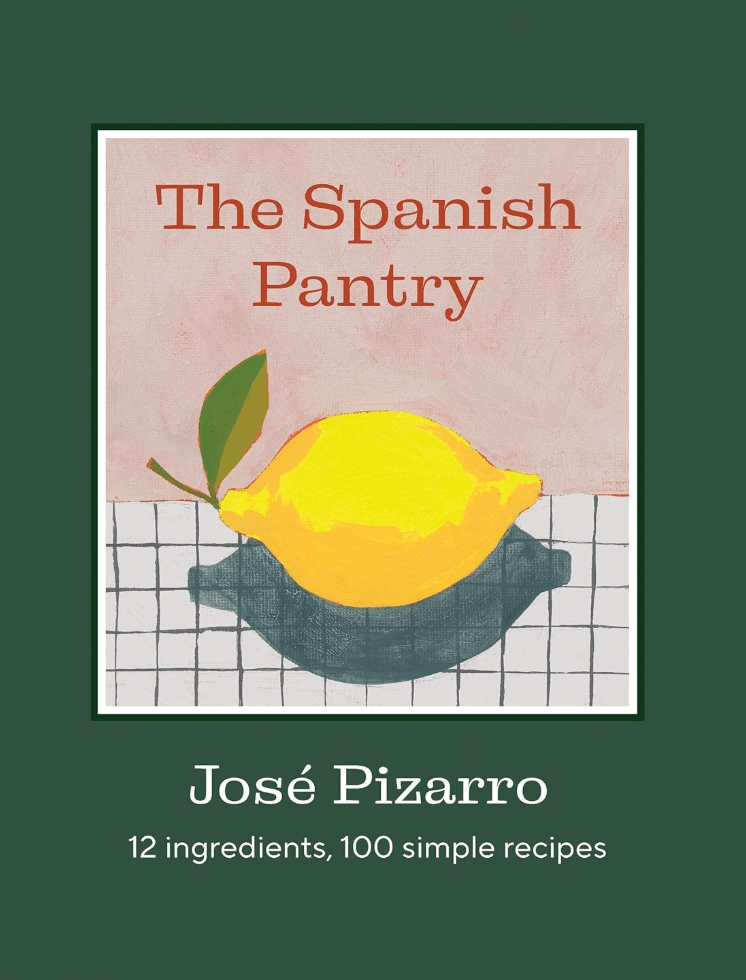
Spanish Pantry by José Pizarro

Who is José Pizarro?
José Pizarro is a Spanish chef and restaurateur who has spent over two decades bringing the soul of Spanish cooking to British tables. Born in Extremadura and now firmly rooted in the UK with a string of restaurants, he is known for his ability to translate the warmth and flavour of traditional Spanish food into something approachable, generous, and deeply satisfying. The Spanish Pantry is his ode to the essential ingredients that define the cuisine he grew up with.

What is The Spanish Pantry’s USP?
This is a grounded, ingredient-led cookbook that takes you back to the essentials that sit quietly in Spanish kitchens but carry so much flavour. It’s less about technique-heavy cooking and more about building confidence with essential components, encouraging cooks to build dishes from simple, high-quality basics. The result is a book that feels both accessible and rooted in tradition, quietly showing how much can be done with a well-stocked cupboard and a little care.

What will I love?
The Spanish Pantry is a love letter to the core components of Spanish cooking. Each chapter is built around one iconic pantry ingredient (Onions, Tomatoes, Peppers, Chorizo, Manchego, Almonds, Lemons, Rice, Chickpeas, Beans, Jamón and Saffron), showing how something simple and humble can unlock the bold, sun-drenched flavours of the Mediterranean. It is smart, focused, and deeply rooted in place. A real education in how to cook with heart, by knowing your basics inside out.

Pizarro excels at bringing Spanish cooking alive without making it overcomplicated. A tin of anchovies, a drizzle of good oil, and suddenly you’re on a terrace in Andalucía. Recipes like ‘Braised Black Beans with Spatchcock Chicken and Herb Salsa’, ‘Warm Gigante Beans on Toast’, and ‘Oloroso-braised Lamb Shanks and Chickpeas with Warm Anchovy Salsa’ offer richness and depth with minimal fuss. His food is rustic and hearty, yet still beautiful in its simplicity; exactly the kind of food you want to cook at home.

The helpful ‘menus’ section at the back provides inspiration for Lunch, Dinner, Tapas, Brunch and Summer Lunch party menus and includes time planning instructions so you can prepare ahead like a pro and entertain with ease. The beautiful photographs of Spain will have you hunting out your passport.

Is it good bedtime reading?
Yes, if you like to dream of distant markets and seaside tavernas. Pizarro writes with warmth, clarity and a palpable sense of place. You get snippets of Spanish life, hints of Extremadura and the Basque coast, and an unmistakable reverence for the people who taught him to cook. 

Will I have trouble finding the ingredients?
Some specialist items like sobrasada and morcilla might require a good deli or online shop, but many recipes rely on staples already in your cupboard. Think olive oil, paprika, garlic, pulses and tinned seafood. Although the book is about celebrating Spanish culture and cuisine, it is by no means inaccessible to UK cooks. Pizarro’s aim is to make your pantry do the heavy lifting, and he succeeds. There’s no unnecessary showing off, just good, honest cooking.

How often will I cook from the book?
This is very much a weekday-and-weekend sort of book. Although there are dishes which take a bit longer (the ‘Braised Jamón and Pork Knuckle with Olive Oil Mash’ is a succulent slow-cooked winner) or are impressive enough for a dinner party, this isn’t a book full of technical flourishes. It is real, robust food that you will return to time and time again. If you like the idea of elevating simple ingredients into something soul-stirring, this book will become a well-used companion.

Stand-out recipes?
The ‘Jamón Serrano and Watermelon Salad with Honey and Basil’ is a beautifully simple, and wonderfully refreshing, summer salad. ‘Garlic and Manchego Coca’ is a must-try for garlic bread fans, and the ‘Patatas à la Importancia con Chorizo’ will soon become one of your favourite ways to enjoy potatoes. Don’t miss the ‘Warm Olive Oil and Almond Cake with Preserved Peaches’. It has the most delicious flavour and moist texture, one of those cakes you will find yourself making on repeat. 

Any negatives?
Once you get into the recipes, you may find yourself seeking out higher-quality pantry items, which can become expensive. However, the flipside is that it encourages you to cook (and eat) more consciously, with respect for quality and provenance. 

Should I buy the book?
If you love Spanish food (not just the kind you eat on holiday, but the kind you dream of recreating in your own kitchen) The Spanish Pantry is a gem. It’s informative, heartfelt, and packed with flavour. You will eat well and learn a lot.

Cuisine: traditional and regional Spanish
Suitable for: curious foodies and lovers of Mediterranean flavours
Great for fans of: Claudia Roden, Rick Stein and Sam & Sam Clark
Cookbook review rating: 4 stars
Buy the book: The Spanish Pantry: 12 Ingredients, 100 Simple Recipes byJosé Pizarro, Hardie Grant £28.00

This review was written by Freelance Food Writer and Recipe Developer Sophie Knox Richmond. Follow her on Instagram on @sophie_kr_food

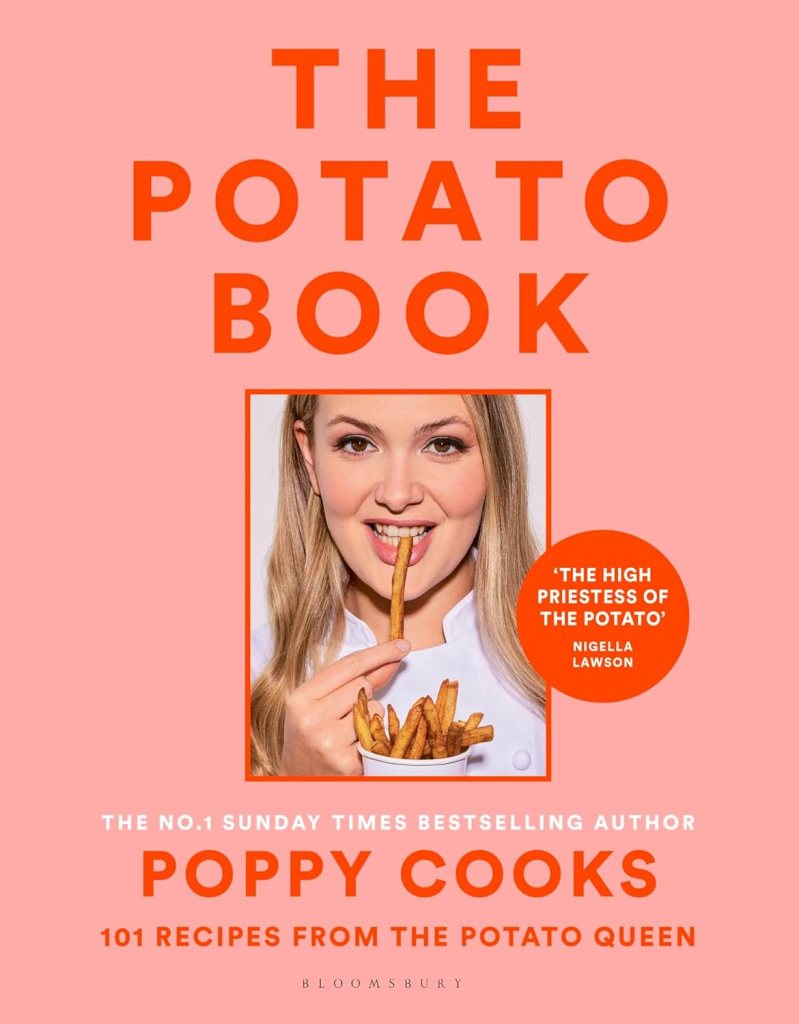
The Potato Book by Poppy O’Toole – Cookbook Review

Social media sensation Poppy O’Toole, A.K.A ‘The Potato Queen’ is back with her fourth cookbook. Having previously published best-selling books focusing on simplified cookery and air fryers, O’Toole has returned to the ingredient that made her famous: the humble spud.

What is the USP?
Your ultimate guide to potatoes with a 21st-century twist. Among the book’s 101 recipes, you will find all the classics, plus options to add an extra ‘something’ (like the ultra-indulgent ‘Three Cheese Mash’ loaded with a glorious combination of gooey mozzarella, Cheddar and Red Leicester, or umami-rich ‘Marmite Roast Potatoes’). There are also plenty of potato ideas from around the world, like ‘Latkes’ and ‘Batata Harra’ (a spicy Lebanese cubed potato dish), as well as more modern options like ‘French Onion Fondants’ and ‘Smashed Potato Nachos’. O’Toole’s relaxed, approachable manner make this a fun and celebratory book. Think of it as the potato bible for those who enjoy cooking, but don’t take themselves too seriously.

What will I love?
The photography is modern, eye-catching and enticing. You can almost taste the crispiness of the latkes just by looking at the photo, while the shot of the aligot will send you hurrying to your fridge to see if you have the ingredients.

The variety of O’Toole’s ideas is impressive. Not only does she cover all the classics, she also branches out with creative twists to bring something different. Think ‘Christmas Mash with Crispy Sprouts and Bacon’, ‘Hash Brown Bhajis’ and ‘Caramelised Onion and Cream Cheese Hasselbacks’. 

Is it good bedtime reading?
From a literary perspective, no. Each recipe has a very readable and relatable introduction, brimming with O’Toole’s chatty warmth and enthusiasm. However, this isn’t one of those books filled with lengthy essays or musings on potatoes. 

Will I have trouble finding the ingredients?
No. Obviously, potatoes are the main ingredient, but the recipes are refreshingly free from expensive or difficult-to-source ingredients. You should be able to find everything you need in your local supermarket. 

How easy are the recipes to follow?
There is a range of recipes from incredibly fuss-free and straightforward (‘Classic Skin-on Wedges’) to the more time-consuming (‘Pommes Dauphine’). Not forgetting O’Toole’s infamous ‘15-hour Potatoes’ (of which you will find several versions in this book). However, due to O’Toole’s approachable, accessible writing style, even the notionally more complex dishes are achievable for less confident cooks. 

Stand-out recipes?
The ‘Masala Chips’ are dangerously addictive, while the ‘Cheesy Leeky Mashed Potato’ is simply delicious (do try it next time you are making regular mash). The ‘Croquettes’ are another winner; packed full of flavour thanks to the combination of smoky chorizo and salty, tangy goats cheese. Do heed O’Toole’s advice and let them cool slightly before digging in though. Don’t miss the ‘Chimichurri Smashed Potatoes’ which, as O’Toole recommends, make an excellent side for steak.

How often will I cook from this book?
That depends on how often you want to eat potatoes. Given that they are an affordable, popular ingredient and O’Toole has included a wide variety of ideas for every palate and occasion, the answer is ‘regularly’. Whether you want a show-stopping potato side for a special occasion (like the ‘Ultimate Chicken and Truffle Pomme Purée’), crunchy snack (the spiced ‘Extra Crispy Smashed Spuds’ are a must-try) or soul-soothing comforting spud (the rich and indulgent ‘Tartiflette’ ticks every box), the chances are, The Potato Book will have what you need.

Any negatives?
It would be helpful to outline the prep time and cook time for each recipe at the top. It also would be beneficial to specify if dishes are vegetarian and/or vegan or highlight when ingredients need to be adjusted (for example, certain cheeses like Taleggio and, sometimes, Comté, which contain animal rennet). 

Should I buy the book?
Yes. The Potato Book is a must-have for anyone who enjoys potatoes and, dare I say it, even those who are yet to understand their versatility. It’s a fun, modern and exciting book that will change how you perceive the humble spud. 

Cuisine: International 
Suitable for: Cooks of all abilities. Especially anyone who is remotely interested in potatoes and wants to learn new ways to enjoy them. 
Great for fans of: MOB
Cookbook review rating: Four stars

Buy this book: Poppy Cooks: The Potato Book: 101 recipes from the Potato Queen
£22.00, Bloomsbury

This review was written by Freelance Food Writer and Recipe Developer Sophie Knox Richmond. Follow her on Instagram on @sophie_kr_food

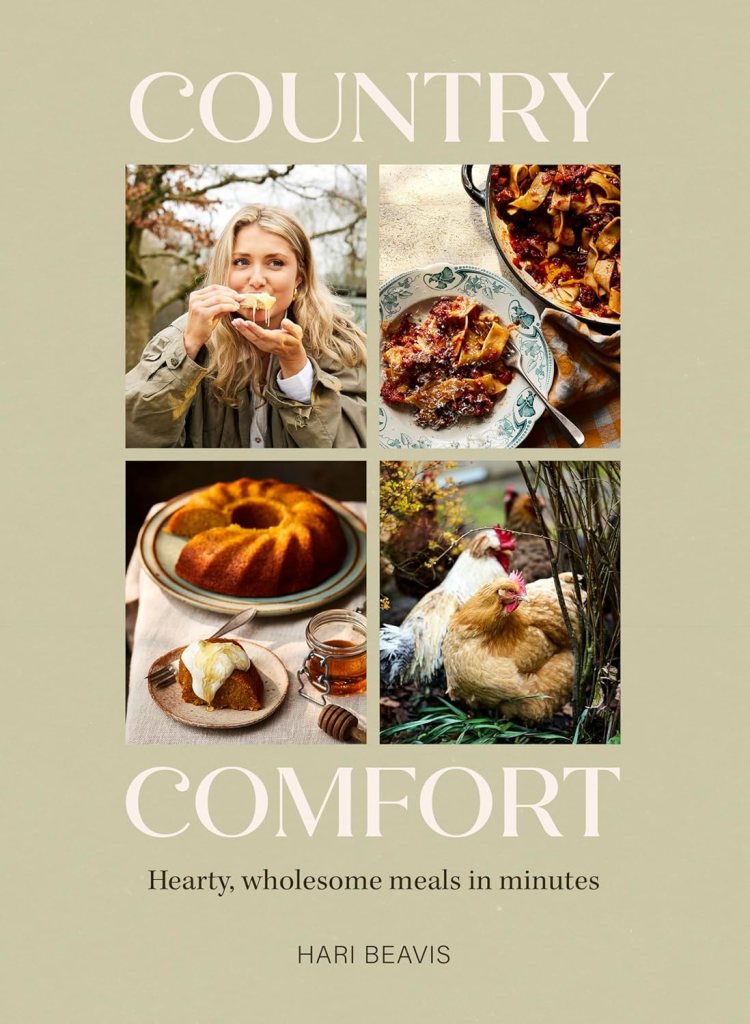
Comfort Food Recipes for Beginners: A Review of Country Comfort by Hari Beavis

Country Comforts cookbook cover.

Self-taught cook Hari Beavis has been described as ‘Gen Z’s go-to chef for comforting, cosy meals’ with nearly 300,000 followers on Instagram and over half a million on TikTok.

Growing up in the Warwickshire countryside, Beavis was raised on rich cosy meals which helped nourish the family through short, chilly days and long dark evenings, the kind of recipes she has become famous for on her social media pages. Think French Onion Soup with Cheesy Garlic Bread, Chicken Alfredo Lasagne and Parmesan Chicken Orzo, alongside Golden Syrup Cake and Chunky Monkey Cookies. They have proved so popular it was only a matter of time before publishers came knocking. The result? Her debut cookbook, Country Comfort. Beavis promises 90 recipes designed to show readers how to create crowd-pleasing, wholesome meals full of love and warmth. 

What will I love?
Country Comfort is a hug in a book, full of cosy, comforting recipes accompanied by rustic, relatable photos. , if you will. Lots of the recipes have tips offering advice on simple swaps and substitutions so you don’t feel like you have to dash out with a lengthy shopping list before you start cooking. Each recipe includes a helpful equipment list, plus the chapters are organised by time so you already vaguely know how long they should take.

Is it good bedtime reading?
Not really. The focus is very much on the recipes. They each have short introductions and paragraphs with tips but, aside from the introduction at the beginning, there isn’t much reading to get stuck into.

Will I have trouble finding the ingredients?
No. The ingredients are decidedly fuss-free. The most obscure is probably truffle mayonnaise in the ‘Chicken Sandwich’. 

How easy are the recipes to follow?
The dishes themselves are very straightforward. However, the recipes are written in paragraphs, rather than clear steps, to fit with the low-key, relaxed vibe of the book. This works for most of them, since they aren’t too complicated, however, some feel rather rushed. ‘My Loved Ones’ Carbonara’ is one example which would have benefited from a clearer, step-by-step, structure. 

Stand-out recipes?
The ‘Moroccan Chicken Dinner with Tahini Yogurt’ makes for a vibrant, flavoursome meal, while the ‘Cheesy Fish Pie’ sounds like the ultimate comfort food. The ‘Chickpea and Spinach Curry’ is perfect when you want a simple, warming supper.

How often will I cook from this book?
The range of recipes is broad enough for you to cook from the book all year round for a multitude of occasions. From a simple ‘Mediterranean Pasta Salad’ and fruity ‘Raspberry, Nectarine and Mozzarella Salad’ (ideal for summer BBQs) to a hearty ‘Butter Chicken Pie’ and ‘Hug in a Bowl Beef Stroganoff’ (perfect autumn/winter warmers). Chapters are organised by time (Comfort in…  10, 20, 30 or 40 minutes), followed by ‘Bake Everything Better’ full of sweet treats at the end (think ‘Chocolate Croissant and Hazelnut Pudding’, ‘Cinnamon Crunch Cake’ and ‘Raspberry Waffle Pudding’). There is also a useful chapter dedicated to ‘Drinks Pairings’. 

Any negatives?
The recipes feel very geared towards an Instagram audience, hardly surprising given Beavis’ large social following. Although there are many good ideas, there isn’t anything particularly innovative or inspiring. Not all of the recipes have photos which is a shame as they really add to the cosy vibe of the book. 

Should I buy the book?
If you are looking for low-effort cosy, comforting recipes, this is the book for you. It is ideal for a beginner cook looking to gain confidence in the kitchen (it would be perfect for a student) but the recipes have a distinct ‘influencer’ vibe that might leave more experienced cooks feeling a little uninspired.

Cuisine: International
Suitable for: Beginner cooks 
Great for fans of: Eleanor Wilkinson, Kitty Coles and MOB
Cookbook review rating: Three stars
Buy this book: Country Comfort: Hearty, wholesome meals in minutes
£26.00, Carnival

This review was written by Freelance Food Writer and Recipe Developer Sophie Knox Richmond. Follow her on Instagram on @sophie_kr_food

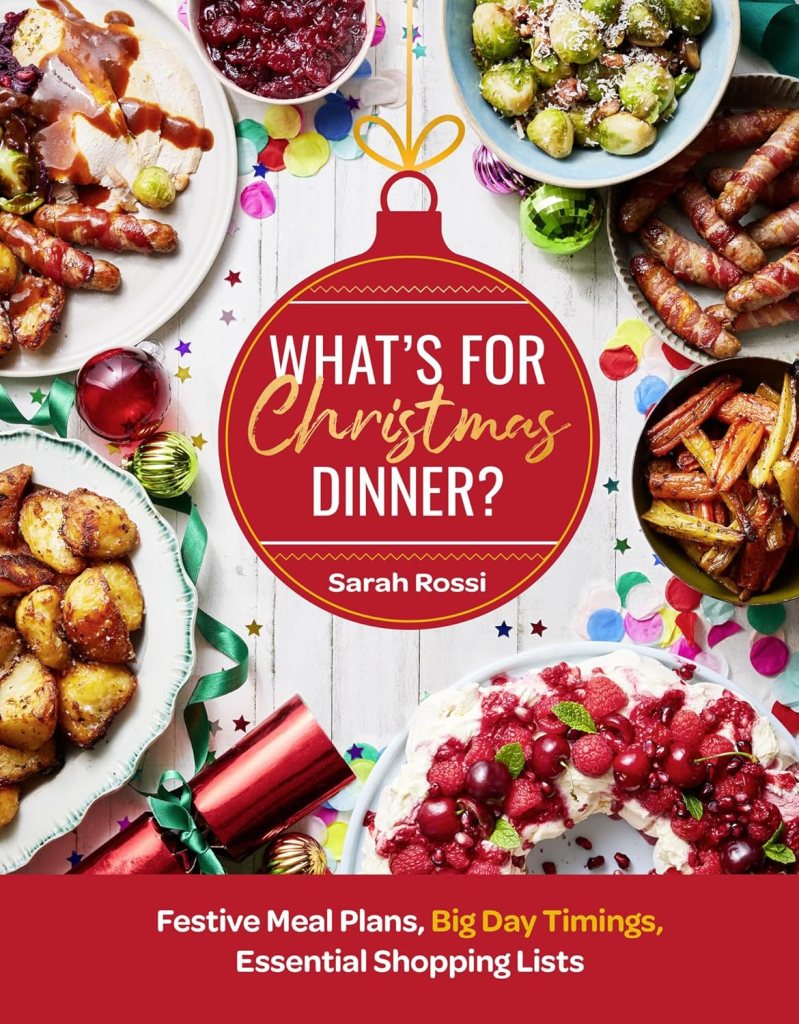
What’s For Christmas Dinner? by Sarah Rossi – Cookbook Review

Sarah Rossi, AKA founder of the immensely popular Taming Twins website, is back with her latest cookbook What’s For Christmas Dinner?. Her previous bestselling books, What’s For Dinner? and What’s For Dinner in One Pot?, secured her spot as one of the ‘go-to’ cookery writers for easy, budget-friendly, family meals. Now she has turned her attention to the season of goodwill and cheer, promising to take the stress out of Christmas and help you become a master of meal planning. A tall order indeed.

What will I love?
If you are feeling overwhelmed by Christmas, Rossi has done all the hard work for you. What’s For Christmas Dinner? is the most comprehensive culinary guide to Christmas I have come across. Alongside recipes accompanied by colourful, enticing photos, there is information on planning, shopping lists, timings for the Big Day, additional equipment, ‘get ahead’ tips, guidance for different numbers, advice on leftovers; you name it, Rossi has thought about it. There’s even a section explaining how to adapt recipes for different diets that will be helpful for anyone expecting vegetarian, vegan, nut-free, gluten-free or dairy-free guests. The book isn’t just for Christmas, much of the advice (and many of the recipes) can be applied to entertaining throughout the year.

The festive favourites are all there including ‘Classic Roast Turkey with Herb Butter’, ‘Stress-free Roast Potatoes’ and ‘Make-ahead Gravy’ as well as more modern ideas such as a retro American-style ‘Hash Brown Breakfast Bake’, moreish ‘Cheese and Chutney Scones’ and indulgent ‘Christmas Brownies’ designed to use up any leftover chocolate from the sharing selections.

Is it good bedtime reading?
Yes and no. There is plenty to read on the planning front and each chapter includes an introduction and the recipes go into extensive detail with tips, where necessary. Just don’t expect nostalgic literary musings on the beauty of Christmas. 

Will I have trouble finding the ingredients?
Not at all. Every recipe features ingredients that are readily available in the supermarkets. Advice on substitutions is also given. 

How easy are the recipes to follow?
Very. Rossi lives up to her reputation of making her recipes as fuss-free as possible. Think clear instructions, timings and prep-ahead tips.

Stand-out recipes?
The ‘Croissant Christmas Tree’ is a showstopping breakfast/brunch which can be adapted to use all sorts of spreads and the ‘Mushroom Wellingtons’ are a delicious veggie main course. The ‘Cheese and Tomato Tart’ is also a stand-out winner. On the pudding front, the ‘Chocolate Orange Pudding’ is a must-try, gloriously gooey with a decadent molten chocolate sauce. The ‘Christmas Tiramisu’, which swaps ladyfingers for panettone, is also delicious. 

How often will I cook from this book?
You could very easily do all your festive cooking exclusively from What’s For Christmas Dinner?. Chapters cover everything from ‘Nibbles and Party Food’ and ‘Cosy Nights In’ to ‘Gorgeous Gifts’ and ‘Festive Feasts’ (not forgetting ‘Leftovers’ and ‘Christmas Breakfast’).

However, it isn’t a book purely reserved for Christmas. Many recipes can easily be enjoyed throughout the year with a few adjustments, especially if you entertain regularly. Who wouldn’t love the ‘Cheese and Pesto Straws’ for a cheesy snack or ‘Smashed Pea Crostini’ as a spring/summer party nibble?

Any negatives?
While this isn’t Nigel Slater’s The Christmas Chronicles with lengthy nostalgic musings on Christmas and the beauty of the festive season, it is hard to find a negative. What’s For Christmas Dinner? does exactly what it sets out to do. A fair few of the sweet treats (e.g. desserts and baking) are chocolatey but then it is Christmas after all and there are other sweet options like zesty ‘Lemon Pots’ and a stunning ‘Wreath Pavlova’ if you aren’t a chocoholic.

Should I buy the book?
If you are entertaining and looking for a book to help you ace the festive period, What’s For Christmas Dinner? is a must-buy. Less confident cooks will get the most out of it (think of it as a festive culinary bible), but Christmas cooking veterans will still find plenty of inspiration within the pages.

Cuisine: British festive with international influences
Suitable for: anyone who wants a helping hand in the kitchen this Christmas.
Great for fans of: Jamie Oliver and The Batch Lady
Cookbook review rating: Four stars
Buy this book: What’s For Christmas Dinner? by Sarah Rossi (@tamingtwins)
£22.00, Harper Collins

This review was written by Freelance Food Writer and Recipe Developer Sophie Knox Richmond. Follow her on Instagram on @sophie_kr_food

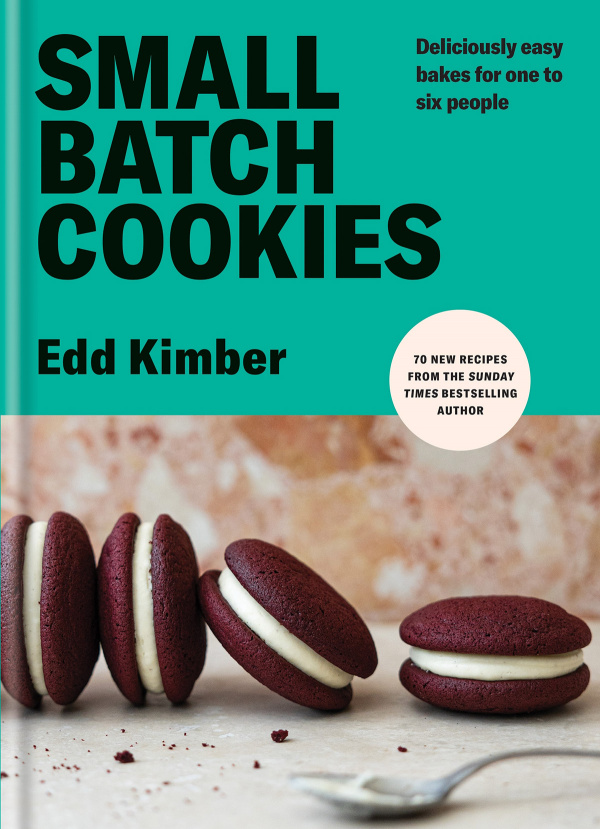
Small Batch Cookies by Ed Kimber – Cookbook Review

Small Batch Cookies Cookbook cover.

Who is Edd Kimber?
A.K.A ‘The Boy Who Bakes’, Edd Kimber is an award-winning baker, food writer and Great British Bake Off (GBBO) winner. He has written several best-selling, critically acclaimed, cookbooks including One Tin Bakes (2020), One Tin Bakes Easy (2021) and Small Batch Bakes (2022). Since achieving culinary fame after GBBO, he has become a familiar fixture on television screens at home and abroad, appearing on Good Morning America, Sunday Brunch and Saturday Kitchen. He can often be found sharing his passion for baking at food festivals, cookery schools and in magazines, including olive. He also regularly shares recipes with his followers via his social media @theboywhobakes and his popular Substack newsletter. Small Batch Cookies is his 7th cookbook. 

What is Small Batch Cookies’ USP?
We all have moments when we just crave a warm cookie straight from the oven. Moments when you don’t want to whip up a big batch to feed the five thousand and/or hunt out a long list of expensive ingredients. You just want to enjoy a comforting cookie (or two). These were Kimber’s inspiration for Small Batch Cookies. After all, the popularity of the infamous ‘Emergency Cookie’ in his earlier book Small Batch Bakes had proved there was a clear demand for it.

What will I love? 
The concept is a clever one. It’s liberating to be able to make such an impressive variety of delicious-sounding cookie recipes (each accompanied by a beautiful photograph) without worrying about leftovers or filling the freezer. Of course, the recipes can always be scaled up so you could make larger batches if you so wish.

Kimber also caters for various diets. Think delicate gluten-free ‘Swedish Lace Cookies’ and rich ‘Chewy Flourless Double Chocolate Cookies’, vegan ‘Tahini Oatmeal Chocolate Chip Cookies’ and ‘Speculoos-Stuffed Dark Chocolate Cookies’, and egg-free ‘Vanilla Kipferl’ and ‘Frosted Banana Bread Cookies’.

Is it good bedtime reading?
In a literary sense, not really. There is an ‘Introduction’ followed by Kimber’s ‘Perfect Cookie Manifesto’, a ‘Boring But Important Bit’ and advice on ‘Equipment’. Plus, each recipe has its own introduction. As long as you aren’t expecting long essays on the origins of the cookie, this is a joyful book to snuggle up with and contemplate your next culinary creations. I would encourage you to take a notebook to jot down a ‘to make’ list.

Will I have trouble finding the ingredients?
There is a helpful list of recommended suppliers at the back of the book, but you should be able to find everything you need in your local supermarket for the vast majority of the recipes. The only exception would be the ‘Panela Brown Butter Shortbread’ which would need a trip to a local health shop or an online order to get your hands on panela. In fairness, Kimber does say you can use regular caster sugar, although it won’t have quite the same flavour. It is also refreshing to see vegan recipes which use regular ingredients and pretty much like-for-like substitutes (Kimber explains at the start that flax or psyllium husk egg replacers are ‘superfluous’ in small-batch baking and can easily be replaced with a splash more plant-based milk). 

How easy are the recipes to follow?
Very. Kimber has ensured the recipes are as accessible as possible with helpful introductions, clear instructions (as well as explanations like ‘resting like this helps to hydrate the flour, which in turn prevents the cookies from spreading too much, leaving us with beautifully chunky cookies’), handy ‘notes’, where necessary, and storage instructions. Measurements are given for pretty much every ingredient (think 2 tsp lemon juice instead of ‘juice of 1 lemon’) so there is precious little room for error. 

Stand-out recipes?
Every recipe I have tried so far has been a success. The ‘Triple Chocolate Skillet Cookie for Two’ makes for a delicious quick and easy pud served warm with a scoop of just-melting vanilla ice cream. The ‘Black Forest Brownie Crinkles’ are a must-try for brownie fans. In fact, you could skip the black forest filling and enjoy the fudgy cookies on their own.

If you ever fancied making your own version of hobnobs, the ‘Knobbly Oat Cookies’ are incredibly simple, easy to adapt for vegans and even more delicious with a layer of chocolate. Speaking of oaty cookies, don’t miss the ‘Anzac Cookies’. They have a wonderfully chewy texture and (notionally) last a long time so are ideal to make ahead. Anyone who has been lucky enough to try Sarah Nelson’s famous Grasmere Gingerbread will be delighted to see Kimber’s own interpretation. The original is a closely guarded secret, but this recipe comes very close.

How often will I cook from this book?
How often do you fancy cookies? Small Batch Cookies could easily become your go-to cookie book with recipes divided into 6 delectably titled chapters — Soft & Sumptuous; Crisp & Crunchy; Ooey Gooey; Sandwich Cookies; Chocolate Heaven; and Chewy — guaranteeing a cookie for every thinkable craving. Although the whole premise is each recipe only makes a few (servings range between 2 and 6), they can all easily be scaled up to make a full batch. You’ll probably cook more recipes from this book than a regular baking book since the smaller batches mean you can try a selection of cookies without worrying about wasting leftovers or filling your freezer to the brim.

Any negatives?
While there is something for almost every diet, the labelling of the recipes is a bit peculiar and inconsistent (for example, the Triple Ginger Molasses Cookies are vegan but there is no label to indicate they are – unlike other recipes). Plus many could easily be adapted for vegans, even though it is only mentioned in the odd recipe (think simple swaps like regular butter for plant-based butter or honey for maple syrup). One can’t help but feel Kimber missed a bit of a trick there.

It would also have been helpful to have the estimated time at the top of each recipe. This is particularly important if a recipe requires chilling. 

Should I buy the book?
Yes. Anyone who remotely enjoys cookies should own a copy of Small Batch Cookies

Cuisine: Baking
Suitable for: Cooks of all abilities 
Great for fans of: Jane Dunn and Nicola Lamb
Cookbook review rating: Four stars
Buy this book: Small Batch Cookies: Deliciously easy bakes for one to six people
£22.00, Kyle Books

This review was written by Freelance Food Writer and Recipe Developer Sophie Knox Richmond. Follow her on Instagram on @sophie_kr_food

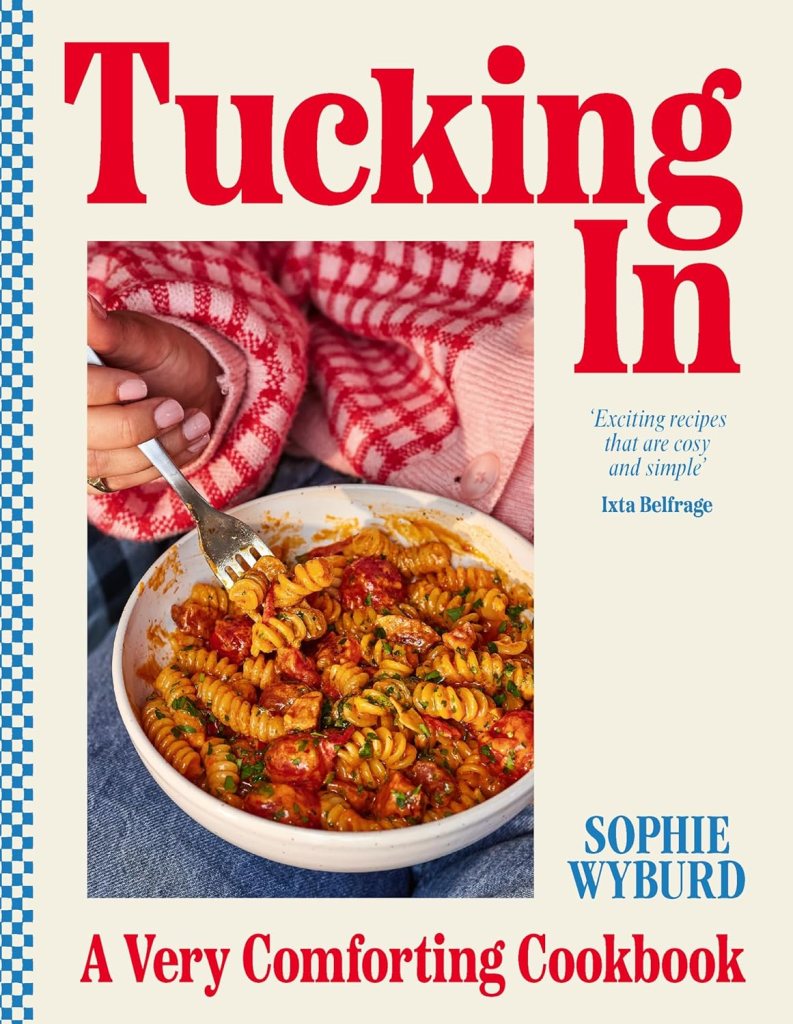
Tucking In by Sophie Wyburd – Cookbook Review

Tucking In cookbook cover.

Who is Sophie Wyburd?
A cook and recipe writer from South London. Wyburd has enjoyed a varied career in food; working as a restaurant chef, in food styling and heading up the food team at Mob (where she became one of their most popular recipe developers). She has since branched out on her own and is known for sharing simple, comforting home cooking ideas via social media (@sophiewyburd) and her newsletter, Feeder. She also regularly cooks at her sellout London supper clubs and co-hosts the I’ll Have What She’s Having and A Bit of a Mouthful podcasts. Tucking In is her first solo book.

What is Tucking In’s USP?
Described by Ixta Belfrage as: ‘A collection of exciting recipes that are cosy and simple,’ Tucking In is on a mission to show that good food doesn’t have to be fussy or stressful with over 100 recipes for satisfying, unapologetically comforting, meals. There are ideas for every season and occasion, from summer sharing platters to cosy winter weeknight warmers and everyday suppers to relaxed weekend feasts. Put simply, Tucking In wants to help you fall in love with everything about food; the cooking, the sharing and the eating. As Wyburd explains: ‘cooking is not only a fabulous way to show other people that you love them; it’s also a pretty foolproof method of showing yourself some love.’ 

What will I love?
The approachable, unfussy, nature of the book and the way Wyburd’s personality and passion for food shine through (this is a very personal cookbook, you can’t help but warm to Wyburd through her chatty introductions, it almost feels like you are catching over a cup of coffee).

You would be forgiven for thinking that a book offering ‘comfort food’ might be full of recipes you have seen before, but you would be mistaken. Wyburd has created innovative recipes offering twists on comforting classics; think a Kinder Bueno-inspired ‘Hazelnut Tiramisu’, Chinese-spiced ‘Sticky Sprunion Sausage Rolls’ and the veg-packed ‘Cauliflower Shawarma Bowls’.  There is also a knock-out ‘Pasta Party’ chapter featuring dishes which genuinely offer something different (the glorious ‘Piggy Porcini Lasagne’ is a personal favourite). There is just the right balance of meat, fish, vegetarian and vegan options (and none of the latter feel gimmicky). In fact, many of the recipes are flexible and can easily be adapted for various diets.

Is it good bedtime reading?
Not in a lengthy essay sort of way, more in a ‘curl up under the covers and get lost in a world of food’ sort of way. The introductions to each recipe are beautifully written, full of tips and tricks and nostalgic anecdotes that share the stories behind each one. You could argue that Tucking In is part cookbook, part evocative food memoir; you can’t help but reminisce about your own culinary memories as you become immersed in the recipes.

Will I have trouble finding the ingredients?
The majority of the time, no. Some recipes have the odd ingredient which is a bit more expensive, like a whole side of salmon or a joint of lamb, but these are balanced out by my more affordable recipes (especially once you have stocked up your larder with Wyburd’s staples). The Hazelnut Tiramisu does call for hazelnut butter which is likely to require an online order.

How easy are the recipes to follow?
Very, after all, fuss-free is the theme of the book. There are a few more involved recipes for anyone wishing to challenge themselves, but Wyburd’s directions are clear and easy to understand. Each recipe includes an introduction, information on whether it is gluten-free, dairy-free, vegetarian and/or vegan, as well as the cooking time and helpful tips, where necessary.

Stand-out recipes?
The ‘Cheeseboard Arancini’ are far too delicious for their own good and ideal for using up the odds and ends of different cheeses (I will definitely be making these with the remnants of the Christmas cheeseboard). The ‘Curried Chicken Legs with Cheesy Polenta’ sounds like an unusual combination, but is utterly delicious (and almost guaranteed to convert any polenta naysayers), while the ‘Life-Saving Garlicky Chicken’ is possibly one of the most comforting dishes you will ever eat. The previously mentioned ‘Hazelnut Tiramisu’ is also outstanding and worth seeking out the hazelnut butter for.

How often will I cook from this book?
Fairly often. Every culinary eventuality is covered, from the ultra-indulgent ‘Cavolo and Taleggio Pasta’, perfect when in need of a bit of comfort, to the vibrant ‘Spiced Blackened Salmon Tacos with Orange Salsa’, ideal for a summer feast. 

Chapters include ‘Nibbly Bits’ (ideas for snacks and canapés for when friends come for drinks), ‘Midweek Mood’ (quick and delicious meals ideal for after a long day), ‘Pasta Party’ (self-explanatory), ‘A Bit Fancier’ (perfect for get togethers when you want to make a good impression), ‘Carb City’ (the ultimate comfort food), ‘Veg Me Up’ (when you need to balance out the previous chapter) and ‘Sweet Stuff’ (puds). 

Any negatives?
Being really picky, the ‘Cavolo and Taleggio Pasta’ was labelled vegetarian when Taleggio contains animal rennet. Apart from that, there isn’t really much to complain about.

Should I buy the book?
If you like fuss-free, comforting food, then it is a resounding yes. Tucking In is full of delicious, hearty recipes for every mood and occasion.

Cuisine: International
Suitable for: Cooks of all abilities 
Great for fans of: MOB and Ixta Belfrage
Cookbook review rating: Four stars

Buy this book: Tucking In: A Very Comforting Cookbook
£22.00, Ebury

This review was written by Freelance Food Writer and Recipe Developer Sophie Knox Richmond. Follow her on Instagram on @sophie_kr_food

Roasted New Potato and Green Bean Salad with Mint recipe by Ceri Jones

No summer BBQ is complete without a potato salad, and this is my go-to. I know, I know, waxy new potatoes are meant to be served boiled, but I don’t love the papery skins so prefer to roast until the skins are crispy yet the insides remain soft. I sometimes use thinly sliced shallots instead of spring onions, swap the mint for watercress or the green beans for asparagus.

SERVES 2 AS A SIDE | TIME TO PREPARE – 40 MINUTES

400g/14oz baby or new potatoes, scrubbed clean and left whole if small enough or chopped into bite-sized pieces
1 tbsp olive oil
150g/5½oz green beans, end trimmed and cut in half or into 3 x 2.5cm/1 inch pieces
2 spring onions, very thinly sliced on an angle
zest of 1 lemon
large handful of mint leaves (approx. 5g/1/8oz )
salt and pepper

FOR THE DRESSING
½ tsp wholegrain mustard
½ tsp honey
juice of half a lemon (approx. 1 tbsp)
3 tbsp olive oil

Preheat the oven to 200°C fan/220°C/450°F/gas mark 7. On a baking tray, toss the potatoes with 1 tablespoon of olive oil and season with salt. Roast for 20 minutes. Reduce to 180°C fan/200°C/400°F/gas mark 6 and cook for another 15 minutes, until crispy on the outside and cooked through on the inside. Remove from the oven and cool off for a short time, around 5 minutes. Meanwhile, make the dressing. In a small bowl stir together the mustard, honey, and lemon juice until combined. Whisk in the oil until emulsified.

Season with salt and pepper to taste. Set aside for the flavours to mingle.

Bring a small saucepan of salted water to the boil, then blanch the beans for 2–3 minutes, until just al dente. Drain and rinse immediately under cold water until cold to the touch. Shake off any excess water then leave to dry on kitchen paper. To put the salad together, toss the cooked potatoes in a medium-sized bowl with the beans, chopped spring onions, and enough dressing to just coat. Season with lemon zest, then tear your mint leaves and add to the bowl (they will go black more quickly if sliced). Transfer to a serving platter or bowl to serve.

Buy this book: It Starts with Veg: 100 Seasonal Suppers and Sides
£20.00, Pavilion Books

Read the review