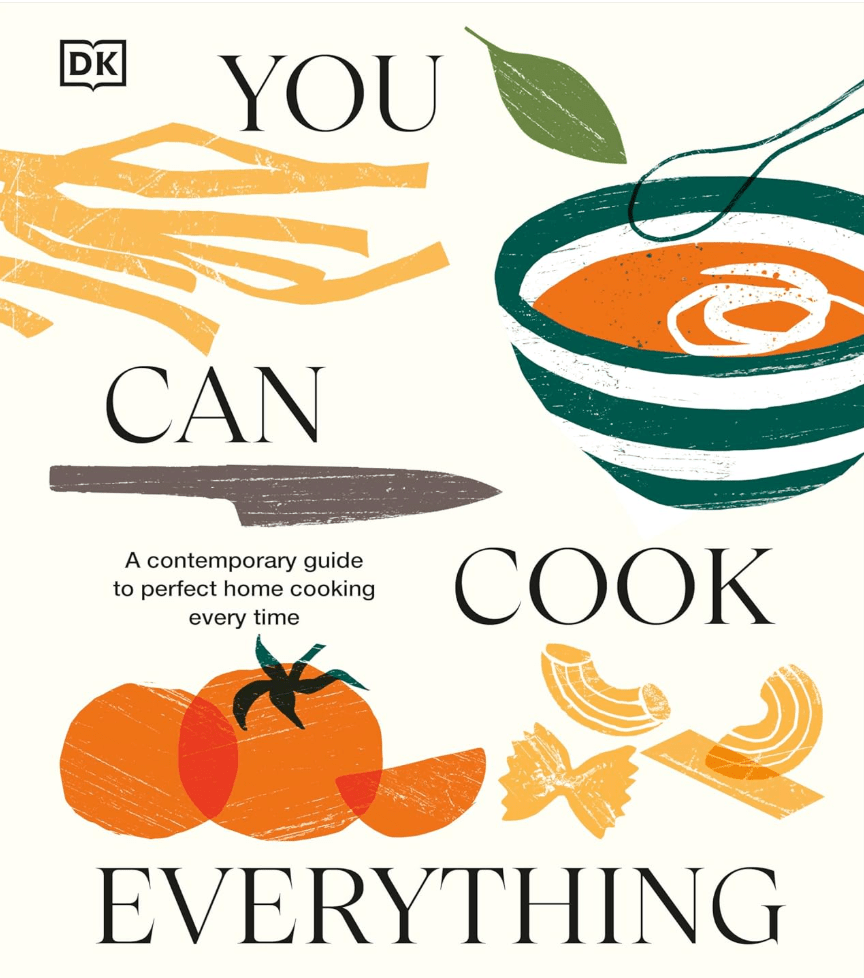
You Can Cook Everything: A Contemporary Guide to Perfect Home Cooking Every Time by DK – Cookbook Review

What is the USP?
An encyclopaedic guide to everything you need to know to become a confident home cook, covering over 1,000 techniques, tips, and recipes in one lavishly photographed volume. There’s no particular cuisine or concept. The focus is on giving you the building blocks to master everything from stir-frying tofu and grilling steak, to baking focaccia and folding gyoza.

What will I love?
It’s all here — the classics, the comfort food, the global favourites — presented with generous step-by-step photography and precise instructions. Want to perfect a béchamel? Learn to butterfly a leg of lamb? Bake flawless cinnamon buns? You Can Cook Everything gives you the confidence to try it, with visual cues and no judgment. It demystifies the things many cookbooks gloss over, from how to make shortcrust pastry to when to season your steak.

There’s also a pleasing sense of reassurance. Although it feels more up-to-date than other ‘cookery bibles’ due to the inclusion of more modern ingredients, it isn’t trying to be trendy or edgy. It’s here to guide you towards better home cooking, at your own pace. Think of it as a contemporary kitchen manual designed for a generation who may not have learned to cook from family, but who are hungry to learn now.

Is it good bedtime reading?
Yes. It’s not a memoir-style book full of essays or storytelling, but it’s incredibly satisfying to flip through. Each page feels like a mini masterclass. If you love the rhythm of methodical, practical cookery, this is bedtime gold.

Will I have trouble finding the ingredients?
Unlikely. The book is global in scope, so you’ll find everything from curries to shakshuka, but recipes are tailored to what is realistically available in most UK supermarkets. There’s helpful advice on substitutions, and where a specialist ingredient is needed (e.g. tamarind paste, rice flour), it’s generally one that has become fairly mainstream. The book is about building confidence and teaching you flexibility, not sending you schlepping across town on a three-hour shop.

How easy are the recipes to follow?
Exceptionally easy. The hallmark of DK books is their visual clarity, and You Can Cook Everything delivers in spades. Recipes are structured, well-spaced, and meticulously illustrated. There are visual walk-throughs for everything from kneading bread to filleting a fish, and plenty of troubleshooting tips to keep you on track. It’s ideal for anyone who wants to see how something should look at each stage. If you are someone who enjoys the reassurance of watching YouTube videos before trying a recipe, the chances are you will find You Can Cook deeply satisfying. 

Stand-out recipes?
The ‘Spring Onion and Cheddar Soda Bread’ is a wonderfully comforting, cheesy twist on a classic, while the ‘Butternut Squash and Sage Gnocchi’ is perfect to make in autumn. On the sweet front, the ‘All‑In‑One Vegan Chocolate Cake’ is rich, fudgy and undetectable as a vegan bake, and the ‘Blueberry Streusel Muffins’ are a delicious way of elevating the fruity favourite with a sweet and crunchy topping. 

How often will I cook from this book?
All the time. It’s a book you will reach for when trying something new or troubleshooting something familiar. The tone is quietly empowering: you don’t feel patronised, but you are never left to flounder. It’s perfect for beginner cooks, but even seasoned home cooks will enjoy the clarity and breadth. You might not cook everything in it, few of us have that kind of ambition, but it’s incredibly satisfying to know it’s all there.

Any negatives?
Not for what it sets out to do. Of course, if you are looking for a cookbook with an evocative or emotional narrative or a strong authorial voice, this won’t fill that void. It’s a clear, clean, and comprehensive reference book at heart. It also isn’t heavy on dietary notes (you won’t find extensive gluten-free or vegan adaptations), though there are plenty of naturally plant-based dishes. 

Should I buy the book?
Absolutely, especially if you’re building or refreshing your cookbook shelf and want a reliable, go-to guide. You Can Cook Everything is a must-have modern-day cooking bible: practical, clear, and deeply satisfying to use. It will teach you to trust your instincts and become a better cook, one delicious step at a time.

Cuisine: International 
Suitable for: Cooks of all abilities – a great place for beginners to start, while also filling in gaps/offering new inspiration for keen cooks. 
Great for fans of: Delia Smith, Leiths and Samin Nosrat.
Cookbook review rating: Five stars
Buy this book: You Can Cook Everything: A Contemporary Guide to Perfect Home Cooking Every Time
£30.00, DK

This review was written by Freelance Food Writer and Recipe Developer Sophie Knox Richmond. Follow her on Instagram on @sophie_kr_food

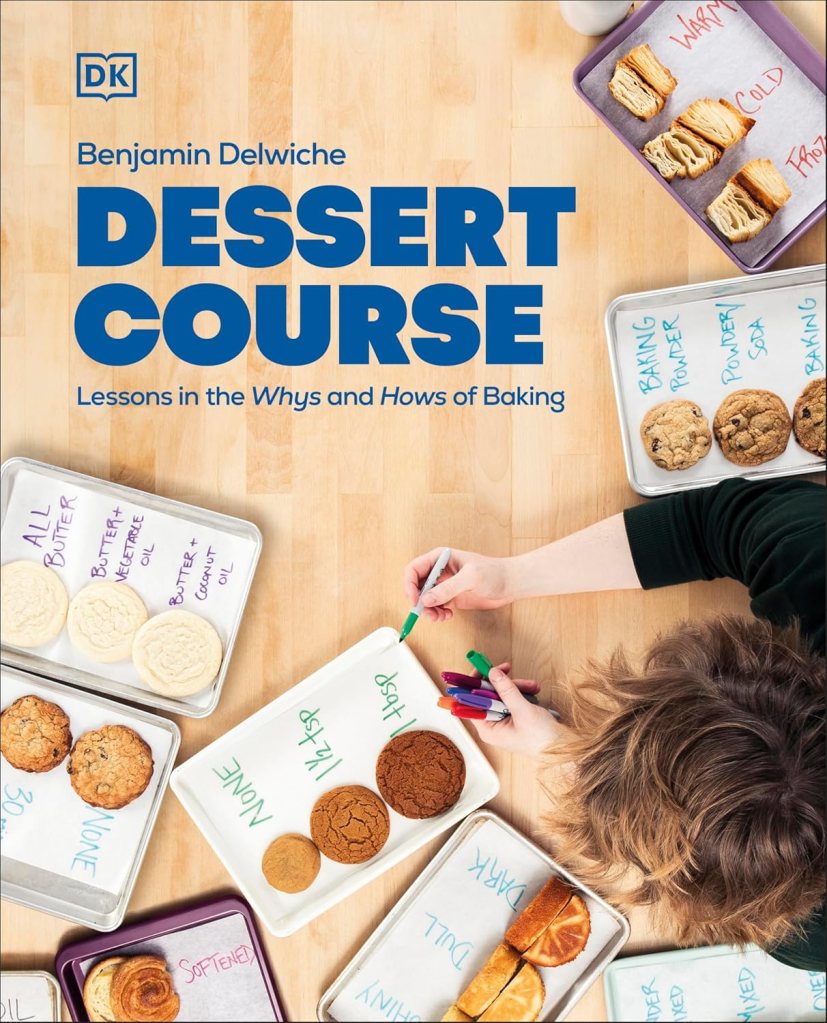
Dessert Course by Benjamin Delwiche – Cookbook Review

Who is Benjamin Delwiche?
You are more likely to know Benjamin Delwiche by his instagram handle @benjaminthebaker. Despite having over 667,000 followers avidly following his baking advice, Delwiche is actually a maths teacher. It might seem an unusual link at first. However, the parallels soon become clear when you see his approach to recipes. Just as he might break down a complicated maths equation to help a puzzled pupil, Delwiche ‘decodes’ the science behind each stage in a recipe, helping explain how and why they work. As he says in his introduction, “Following instructions is one thing, but confidently understanding the concepts that underlie the process is quite another”. 

What is Dessert Course’s USP?
Delwiche describes it as ‘a celebration of the art and science of baking: the ingredients, the recipes, and the concepts that make a baked good both technically successful and undeniably delicious.’ Dessert Course is about explaining how a handful of everyday ingredients can be transformed into an irresistible sweet treat without a kitchen full of expensive equipment or ingredients. It goes beyond just providing the recipes, aiming to help readers develop key foundational skills and understand the fundamental science behind each bake, all in a relatable and accessible manner.

What will I love?
Dessert Course is the ideal book for anyone interested in baking. Complete beginners will be able to build their confidence and knowledge, while more experienced bakers can brush up on their theory and discover more about how and why recipes work.

This is all explained in the first section, with pages dedicated to breaking down recipes, the importance of measuring and scaling, and details on various mixing methods (ever wanted to learn the ins and outs of classic creaming vs reverse creaming?). Then comes the recipes, each starting with a flow chart showing how altering a few steps (or ratios) can significantly impact the final result, ideal for anyone who enjoyed Lateral Cooking by Niki Segnit

That such a treasure trove of information never feels weighty or dull is a testament to Delwiche’s writing and the skill of the book’s design team. The combination of diagrams, charts and side-by-side photos makes Dessert Course a surprisingly engaging read, despite the volume of information. 

Even if you aren’t interested in baking theory, there are plenty of recipes that will have you reaching for your apron. This isn’t the kind of book full of unique flavour combinations or ingredients. Instead, you will find a strong selection of classic cookies, pies, cakes and breads.

Is it good bedtime reading?
Delwiche has a talent for making scientific concepts approachable. Add a few handy diagrams, flowcharts and delectable photos into the mix and you could easily find yourself whiling away the hours absorbed in how to transform a Classic Cheesecake into a Cotton (Japanese) Cheesecake, Chewy Sugar Cookies into Snickerdoodles, or the effect of using baking powder vs bicarbonate of soda. With other writers, this could become rather weighty. However, such is the style and structure of the book, all the information feels accessible and highly readable. 

Will I have trouble finding the ingredients?
No. Part of Delwiche’s philosophy is that you don’t need speciality ingredients to become a good baker. All the recipes feature affordable ingredients you should easily be able to find in your local supermarket. Having said that, Dessert Course is designed to give you the skills to bake with confidence and understand a recipe, so you could get creative and include more extravagant ingredients once you have mastered the basics. 

How easy are the recipes to follow?
There is a good mix of basic and more involved recipes. Naturally, Soda Bread is easier than Kouig-amann. However, Delwich ensures each one is clearly explained with flow charts highlighting the similarities and differences with other similar recipes (e.g. highlighting the links between Bagels and Pretzels), alongside highly informative images which clearly show the effects of different glazes, raising agents and/or how to tell if your bake is underbaked, overbaked or just right. Each recipe also includes a prep time, active time and cooking time at the top. Ideal for helping you plan how to fit a baking session into your day.

Stand-out recipes?
Don’t miss the Chewy Browned Butter Chocolate Chip Cookies or Fudgy Brownies (there are also options for ‘Chewy’ and ‘Cakey’ versions, if you prefer). The Cinnamon Coffee Cake was also a hit. 

How often will I cook from this book?
As often as you want to bak. There are recipes for every occasion with all sorts of classic cakes, biscuits and breads (not forgetting the delectable desserts and pastries).vWhether you want to make up a batch of simple Chewy Peanut Butter Cookies, or master the art of buttery Brioche. 

Any negatives?
It is very geared towards an American audience. Not a problem if you enjoy Snickerdoodles and Pumpkin Pie, but don’t expect to find the secret to the perfect Sticky Toffee Pud.

Should I buy the book?
If you enjoy cookbooks that delve deeper into the whys and hows of recipes, Dessert Course is the book for you. In some ways it is similar to SIFT (Nicola Lamb), although the recipes focus more on popular American crowd pleasing classics (compared to Lamb’s array of more innovative, elevated ideas). 

Cuisine: Baking and Patisserie 
Suitable for: Baking enthusiasts of all abilities
Great for fans of: Matt Adlard, Nicola Lamb and Ravneet Gill
Cookbook review rating: 4 stars
Buy this book: Dessert Course: Lessons in the Whys and Hows of Baking
£27.00, DK.

This review was written by Freelance Food Writer and Recipe Developer Sophie Knox Richmond. Follow her on Instagram on @sophie_kr_food

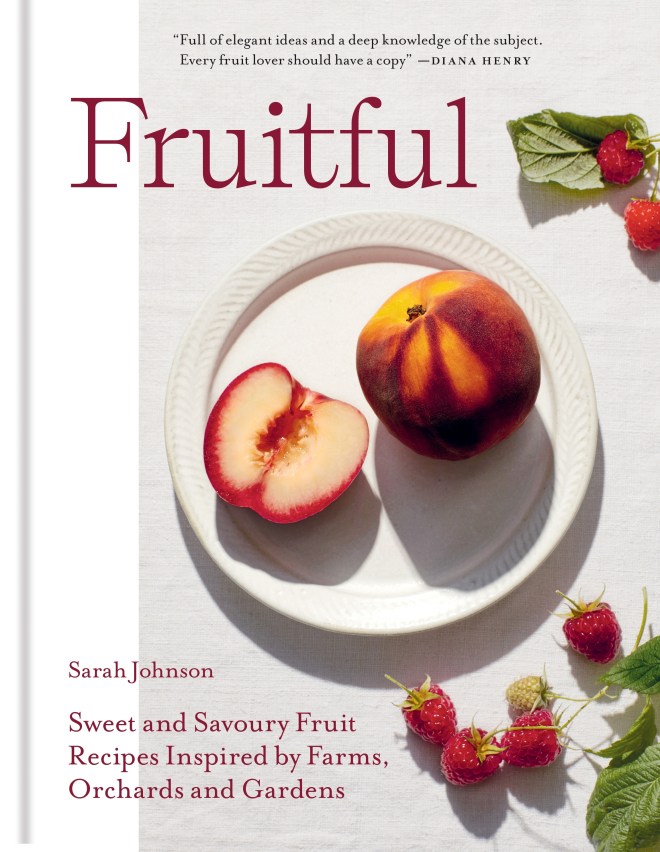
Fruitful by Sarah Johnson – Cookbook Review

Who is Sarah Johnson?
Sarah Johnson is an American-born pastry chef who trained under Alice Waters at Chez Panisse, before working at Skye Gyngell’s acclaimed Spring restaurant in London, and Heckfield Place in Hampshire. Johnson is known for her passion for using seasonal, sustainable ingredients, transforming them into innovative desserts and cakes that celebrate the best of what nature has to offer. Followers are treated to a collection of her stunning creations, and an inside glimpse of her farm-to-table approach to cooking, on her social media account @sarahjohnsoncooks. Fruitful is her debut cookbook.

What is Fruitful’s USP?
Described by Darina Allen as ‘a delicious celebration of ripe and seasonal produce’, Fruitful offers over 80 sweet and savoury recipes that showcase fruit in all its glory. Accompanying the recipes are a selection of pairing recommendations, flavour charts, interviews with regenerative farmers from around the world, and expert advice on mastering key techniques to help you make the most out of your produce.

What will I love?
The thought and detail that has gone into putting this book together shines through. Some books feel rather rushed, but this one is almost crafted like a work of art. The recipes are inventive and elegant, with almost all accompanied by stunning photographs which leave you hoping you have the ingredients so you can start cooking straight away.

Johnson is generous with her knowledge, sharing tips and tricks in the gentle manner of a friend leading you on a foodie journey. You can’t help but be inspired by page after page of sweet and savoury ideas that showcase the sheer versatility of fruit. Fruitful feels so much more than a cookbook, it is a joyous celebration of fruit and farming that will deepen your knowledge and broaden your culinary horizons.

Is it good bedtime reading?
Alongside the main introduction which details Johnson’s culinary journey and philosophy, each chapter and recipe also includes its own introduction. There are several pages dedicated to a detailed explanation of the various ‘Techniques for Cooking with Fruit’, breakout boxes on everything from how to curate a seasonal fruit bowl no matter what the time of year, to favourite flavour combinations. Weaved throughout the book are interviews with various producers who share fascinating insights into their work.

Will I have trouble finding the ingredients?
Not really. Johnson offers variations throughout the book so you can adjust the recipes depending on the season and/or what you already have available. For example, stracciatella features in the ‘Pizza with Peaches, Stracciatella, Rocket and Pesto’, but burrata and mozzarella are suggested alternatives. The odd recipe uses ingredients like coconut flour (‘Coconut Rum Cake with Peaches in Syrup’) and peach leaves (Vin de Pêche’), but the vast majority rely on ingredients that aren’t too tricky to source.

How easy are the recipes to follow?
There are a variety of simple and more complex recipes. Fuss-free ideas like ‘Blackcurrant Jelly’ and ‘Strawberry Sorbet’ sit alongside more involved recipes like the beautiful ‘Apple, Prune and Armagnac Tart’. All are explained in a detailed yet accessible manner, clearly outlining the steps, with photos offering additional guidance where necessary.

Stand-out recipes?
You could be forgiven for thinking that the stand-out recipes would all be sweet, but the savoury options are equally impressive. The ‘Goats Cheese Soufflés with Spring Herb Salad and Roasted Cherries’ are inspired, while the ‘North African Lamb with Plums’ is a deliciously sweet, sticky and subtly spiced slow-cooked dish that is perfect for impressing loved ones. It is tricky to select just a few ‘stand-out’ sweet options, but the indulgent ‘Little Chocolate Pots with Roasted Cherries and Kirsch Cream’, zesty ‘Lemon Curd Tart’ and sophisticated ‘Apple, Prune and Armagnac Tart’ are not to be missed.

How often will I cook from this book?
This isn’t the kind of cookbook you will make something from every day of the week, but there is much to learn from the various charts and tables which will influence your cooking. Recipes cover everything from cakes, ice cream and jam to slow-roast meats, seasonal salads and sustainable fish. There is plenty of variety too, whether you want a teatime treat (‘Polenta Olive Oil Muffins with Blackberries’), a show stopping tart (‘Chocolate Tart with Marsala Sabayon and Toasted Hazelnuts’ or a simple supper (‘Lemony Chicken Piccata’). 

Any negatives?
Whilst not prohibitively extravagant, a few of the recipes are quite expensive to make due to the need to purchase certain liqueurs. Some recipes rely on a rather large number of eggs – ‘Little Chocolate Pots with Roasted Cherries and Kirsch Cream’ uses 8 yolks and ‘Lemon Curd Tart’ calls for 8 whole eggs and 12 yolks. To her credit, Johnson acknowledges that the latter may seem excessive, but assures us they are necessary. Conscious of avoiding waste, she recommends saving the whites for her ‘Lemon Meringue Pie’ or ‘Meringues’ later in the book (as a side note, I would also heartily encourage you to try making your own ricciarelli, a deliciously soft Tuscan treat half-way between a macaron and an amaretti). 

Should I buy the book?
Yes. This is a beautiful book which will inspire you to step outside of your comfort zone and cook more confidently, creatively and sustainably with seasonal fruit.

Cuisine: Seasonal British with Italian and French influences
Suitable for: Foodies and keen cooks who want to be more adventurous, and sustainable, with their cooking
Great for fans of: Alice Walters, Darina Allen and Skye Gygnell
Cookbook review rating: Five stars

Buy this book: Fruitful: Sweet and Savoury Fruit Recipes Inspired by Farms, Orchards and Gardens
£30.00, Kyle Books

Cook the Book:
Chocolate Tart with Marsala Sabayon and Toasted Hazelnuts
Lemon Drizzle Cake
North African Lamb with Plums

This review was written by Freelance Food Writer and Recipe Developer Sophie Knox Richmond. Follow her on Instagram on @sophie_kr_food

The Food Substitutions Bible by David Joachim

The Food Substitutions Bible
The Food Substitutions Bible is a hefty reference volume offering over 8000 ideas for smart replacements useful on those occasions when you’ve misjudged the contents of your cupboards. Need something to sit in for those fennel seeds you forgot to pick up in the weekend shop? Simply flick through to ‘F’ and discover that while anise seeds are your ideal swap, dill seeds will work in a pinch to offer a slightly milder flavour, or caraway seeds, if you’re happy to forgo some sweetness.

This is the third edition of David Joachim’s book, which first came out in 2005, before being revised in 2010. The way we eat has changed significantly in the past decade, and the new additions here reflect that. From freekeh to katsuobushi, Joachim acknowledges the ongoing global shift in the industry.

But the focus isn’t strictly on base-level ingredients – there are recommendations for tools that might stand in for a blowtorch, a steamer, or various specialist pots and pans. Folks with cookbooks that are more ambitious than their local supermarket shelves will find plenty of use in the suggestions of more readily accessible equivalents to elk, squirrel and crocodile.

There’s still room for improvements in future editions, though: having been diagnosed as coeliac last year, I’m still trying to get my head around substitutions for a long list of ingredients I have been surprised to have robbed from my kitchen (Marmite! Soy sauce! English mustard!) While each of these are addressed in some way in the book, none of them face the gluten question head on. This feels like a waste when the very concept of the book offers so much promise to those suffering from any number of dietary restrictions; those with nut allergies will be among those who might also feel a little underserved in some areas.

You should buy The Food Substitutions Bible for a handy point of reference while cooking. Yes, Google exists, but when you’re deep into a recipe and juggling several pans at once it can be a real faff to discern which citation-thirsty suggestion will actually work in practice. Even in the first week in my house, Joachim came to my rescue on two different occasions, suggesting simple replacements that saved dinner. For that alone, this is a purchase worth making.

Cuisine: Global
Suitable for: Beginner and confident home cooks as well as curious foodies and professional chefs
Cookbook Review Rating: Four stars

Buy this book: The Food Substitutions Bible

Review written by Stephen Rötzsch Thomas a Nottingham-based writer. Follow him on Twitter and Instagram at @srotzschthomas

Lateral Cooking by Niki Segnit

lateral cooking by niki segnit

What’s the USP? Segnit says that Lateral Cooking is ‘a practical handbook, designed to help creative cooks develop their own recipes’. So, not your everyday cookbook then.

Who’s the author? Niki Segnit is probably best known as the author of The Flavour Thesaurus, the culinary version of Roget’s Thesaurus, which listed 99 ingredients and suggested flavour matches for each of them. Lateral Cooking is designed as a companion volume to The Flavour Thesaurus.

What does it look like? At over 600 pages long, its a brick of a book, with densely packed pages illustrated only by simple red ink line drawings.  Think weighty reference work rather than a glossy cookbook.

Is it good bedtime reading? Oh yes. There are (very) approximately 300,000 words to keep you occupied, or around three airport novels worth.

Will I have trouble finding ingredients? The short answer is no, but that needs some qualification, so here goes with the long version. This is not a recipe book as such (although it does contain recipes) and is organised in a very particular way. Each of the twelve chapters takes either a type of ingredient such as nuts, chocolate or sugar, or a product (bread) or related group of products (stock, soup and stew) and offers a simple ‘starting point’ recipe which Signet says lies on a ‘continuum’ which links one recipe to the next within the chapter’s subject. As she explains in her introduction, ‘Marzipan can be nothing more than a mixture of equal weights of ground almonds and sugar with just enough egg white to bring them together. Macaroons, the next point on the continuum, simply call for more egg white’.

So will you have trouble finding the ingredient for the starting point Marzipan recipe? Almost certainly not. But before you get to the next point in the continuum, Signet provides ‘a range of flavouring options’ under the heading of ‘Flavours & Variations’ for the starting point recipes. So you might want to try and track down candied melon to make your own Calissons D’aix, a lozenge shaped sweet from Aix-en-Provence made with a marzipan like mix of ground almonds and flavoured with honey, Grand Marnier and orange flower water as well as the aforementioned candied melon. Signet doesn’t always provide recipes for all her flavouring options, so you’ll have to google Calissons D’aix , or just click here. Ultimately, Signet wants her readers to develop their own recipes based on the starting points and flavouring options, so your imagination is your only limit to what you include in a recipe, which means you might have trouble finding ingredients if your ideas are really out there.

What’s the faff factor? Again, not a straightforward question to answer. The starting point recipes are designed to be simple, but the idea of the book is not just to master those simple recipes, but to become an all round instinctive cook who understands ingredients and cooking methods so well that you won’t need recipes or cookery books anymore. So, in addition to the flavouring suggestions, each starting point recipe comes with a list of ‘leeway’ bullet points that illustrate the different ways the basic recipe can be prepared and variations in ingredients (and this is before you get on to the more major variations of the flavouring suggestions). So the faff is not necessarily in the complexity of the recipes, but the amount of reading you will need to do before you get into the kitchen.

How often will I cook from the book? If you treat the book as it’s intended and follow the ‘continuum’ from the starting point recipes and really get inside a particular branch of cookery, you will be making a lot of food and basically taking a self-directed cookery course at home. Otherwise, I’m not sure this book would be the first I’d reach for when planning a weekly household menu for example.

Killer recipes? As a practical handbook, Lateral Cooking isn’t really about killer recipes but culinary fundamentals, so you’ll find full written out recipes for things like Yeast-risen bread, Brown Chicken Stock, Risotto Bianco, Pasta, Tarka Chana Dal, Lamb and Vegetable Stew, Marzipan, Shortbread and Ice Cream. The more unusual dishes are often embedded within the ‘Flavours & Variations’ sections, such as Chanfana, a goat stew from the Beira region of Portugal that’s flavoured with red wine, mint, paprika and piri piri seasoning. 

What will I love? Lateral Cooking is a comprehensive work and notable academic achievement, taking a fresh perspective on a well worn subject that will have you thinking about cooking in a new way.

What won’t I like? Whether or not you like the book will depend on how willing you are to go with Segnit’s basic conceit of the cooking continuum, how important you feel it is to understand cooking from that perspective and if you agree that it will turn you into an instinctive cook (if you are not one already) and if that’s what you want to be.

Should I buy it? If you don’t own a copy of Larousse Gastronomique, Le guide culinaire by Escoffier or La Repertoire de la Cuisine and are a novice cook who wants to take a more serious approach to learning the craft, then Lateral Cooking will fit the bill. If you already have a decent cookbook collection and are an accomplished cook, you may want to carefully consider how likely you are to cook through the book in the manner intended. However, it may fill a gap in your collection as a modern reference work.

Cuisine: International
Suitable for: 
Beginners and confident home cooks
Cookbook Review Rating: 
Four stars

Buy this book
Lateral Cooking: Foreword by Yotam Ottolenghi

£35, Bloomsbury Publishing

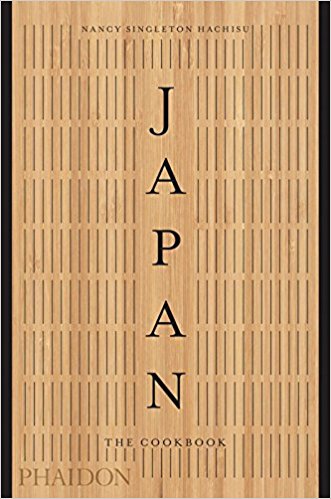
Japan: The Cookbook by Nancy Singleton Hachisu

Japan the cookbook

What’s the USP? This weighty 464-page volume is the latest in Phaidon’s series of ‘international cookbook bibles’ that have previously covered Mexico, Peru and China among other countries.

Who is the author? Californian Nancy Singleton Hachisu, a recognised authority on Japanese cooking both in America and Japan where she has lived for over thirty years

What does it look like? Three years in the making, the book contains over 400 recipes (many illustrated with clear and simple overhead photographs), organised into 15 categories including pickles, stir-fries and one pots, to create what Singleton Hachisu calls ‘a curated experience of Japan’s culinary framework from a specific moment in time’, researched during travels across the country and discussions with ‘chefs, local grandmothers and artisanal makers of traditional food’.

Is it good bedtime reading? As long as you’ve got strong arms, and be careful not to nod off reading about Jomon period of Japanese food history, if the 1.7kg book falls out of your hands it could do some serious damage.

Will I have trouble finding ingredients? You may struggle to track down some things such as konnyaku but between your local Asian supermarket and online specialists such as Sous Chef you should be able to source the majority of stuff you need.

What’s the faff factor? All the dishes are listed with a preparation time and cooking time so you know what you’re letting yourself in for, but many can be completed in under half an hour.

How often will I cook from the book? There is a huge range of recipes included in this veritable encyclopedia of Japanese food so you could easily find yourself dipping into it on a regular basis.

Killer recipes? The broad selection of dishes from across the country covers everything from walnut dressed chrysanthemum petals to steamed mountain yam with nori and grilled eggplant miso soup to chicken yakitori.

What will I love? A history of Japanese food, a glossary of ingredients, a list of Japanese kitchen equipment and descriptions of Japanese cutting styles (zakugiri are ‘greens cut crosswise into 4cm pieces’). The 11-strong international line-up featured in the ‘shefu’ (chefs) chapter include Shinobu Namae of two Michelin-starred L’Effervescenvce in Tokyo, whose recipes include bonito sashimi with butterbur miso and shiso, and Shuko Oda of Koya Bar in London who contributes three recipes including clams, fava beans and capers steamed in dashi butter.

What won’t I like? If you’re looking for an encyclopedia of sushi, sashimi and ramen, then Japan The cookbook will disappoint, with just seven sushi, three sashimi and one ramen recipe (although there is a whole chapter on noodles).

Should I buy it?  Japanese food has become an everyday part of the British diet. From udon at Wagamama to ramen at Bone Daddies, from robata grilled lamb chops at Roka to the omakase tasting menu at the three Michelin-starred The Araki, Japanese cuisine has become so prevalent that there are now even sushi counters in supermarkets. Japanese ingredients and techniques have also become part of many progressive British kitchens with dashi becoming almost as common as chicken stock.

But even the most ardent Japanophile chef will probably only have scratched the surface of a food culture with a recorded history dating back to the third century. That’s where Japan The Cookbook comes in. This is the perfect primer for anyone wanting to deepen their knowledge of an endlessly fascinating subject.

Cuisine: Japanese
Suitable for: Confident home cooks/professional chefs
Cookbook Review Rating: 5 stars

Buy this book

Japan: The Cookbook
£29.95 Phaidon

The Mushroom Cookbook by Michael Hyams and Liz O’Keefe

The Mushroom Cookbook coverWhat is it? A directory of the most widely available mushrooms, both wild and cultivated, plus a collection of 50 mushroom- based recipes. Michael Hyams, based in Covent Garden Market, is apparently known as The Mushroom Man and supplies markets and restaurants with fungi while co-writer Lix O’Keefe is a chef, recipe developer and food stylist.
What’s the USP? From morels to mousseron and portobello to pom pom, Hyams describes in detail 33of the most widely available wild and cultivated mushroom varieties, listing alternative names, their Latin name, where the mushroom can be found and when, along with a detailed description of its appearance, flavour and texture and how it should be prepared and cooked. In the second half of the book, O’Keefe provides 50 ways to cook your fungi.

What does it look like? It’s a game of two halves. The first half that contains the directory is a reference work with the emphasis on providing simple, clear and well organised information. The photos are mainly of unadorned mushrooms against a white or grey background accompanied with step by step illustrations of how to clean and prepare them. By contrast, in the second recipe half, there is a serious amount of food styling going on with all manner of folded napkins, trays, boards, slates and other props to liven up proceedings.

Is it good bedtime reading? Although there is plenty of text, this is more of a reference work than a relaxing read. 

Will I have trouble finding ingredients? That will depend on how keen you are on foraging. You could substitute easier to find mushrooms for some of the more obscure varieties, although that would seem to defeat the whole object of the book.

What’s the faff factor? There’s a fair amount of wrapping and stuffing going on, but for the most part, the recipes are quite straightforward.

How often will I cook from the book? How much do you love mushrooms? For most readers, the book will come in handy for when they want to cook something a little different for a dinner party or find themselves with a sudden fungi fixation.

Killer recipes? Chinese mixed mushroom curry; Asian mushroom and pork ramen; wild mushroom and boar sausages

What will I love? The price. A 250 page, full-colour illustrated hardback cookbook for £15 is excellent value.

What won’t I like? Some of the recipes, like mushroom sushi, are a little gimmicky, there are some odd flavour combinations (Camembert and blackberry fondue on your mushroom burger anyone?) and some of the dishes like whole roast salmon with garlic pesto and truffle look messy and unappetising.

Should I buy it? At the knock-down price, it’s worth picking up for the mushroom directory alone.

Cuisine: International
Suitable for: Confident home cooks
Cookbook Review Rating: 3 stars 

Buy this book
The Mushroom Cookbook: A Guide to Edible Wild and Cultivated Mushrooms – And Delicious Seasonal Recipes to Cook with Them
£15, Lorenz Books

The Mushroom Cookbook by Michael Hyams & Liz O’Keefe

The Mushroom Cookbook cover

What is it? A directory of the most widely available mushrooms, both wild and cultivated, plus a collection of 50 mushroom-based recipes. Michael Hyams, based in Covent Garden Market, is apparently known as The Mushroom Man and supplies markets and restaurants with fungi while co-writer Lix O’Keefe is a chef, recipe developer and food stylist.
What’s the USP? From morels to mousseron and portobello to pom pom, Hyams describes in detail 33 of the most widely available wild and cultivated mushroom varieties, listing alternative names, their Latin name, where the mushroom can be found and when, along with a detailed description of its appearance, flavour and texture and how it should be prepared and cooked. In the second half of the book, O’Keefe provides 50 ways to cook your fungi.

What does it look like? It’s a game of two halves. The first half that contains the directory is a reference work with the emphasis on providing simple, clear and well organised information. The photos are mainly of unadorned mushrooms against a white or grey background accompanied with step by step illustrations of how to clean and prepare them. By contrast, in the second recipe half, there is a serious amount of food styling going on with all manner of folded napkins, trays, boards, slates and other props to liven up proceedings.

Is it good bedtime reading? Although there is a lot to read in the book, it’s more of a reference work than something you’d want to cuddle up to last thing at night.

Will I have trouble finding ingredients? There are a decent selection of fresh and dried mushrooms available in supermarkets these days and doubtless, you will find suppliers online (none are given in the book however) but for the more obscure varieties like lobster and saffron milkcap you might have to head out on an expert-led foraging trip (don’t try it by yourself – as the introduction points out, the book is not designed to be an identification guide for foraging and there are lots of poisonous varieties out there).

What’s the faff factor? A mix. There’s simple like creamy mixed mushroom and tarragon soup and there’s I’m-simply-never-going-to-make-that (mushroom sushi).

How often will I cook from the book? It really depends how much you like mushrooms; for most people, once in a while.

Killer recipes? Chinese mixed mushroom curry; Asian mushroom and pork ramen; wild mushroom and boar sausages

What will I love? The price. A 250 page, full-colour illustrated hardback cookbook for £15 is excellent value.

What won’t I like? Some of the recipes, like mushroom sushi, are a little gimmicky, there are some odd flavour combinations (Camembert and blackberry fondue on your mushroom burger anyone?) and some of the dishes like whole roast salmon with garlic pesto and truffle look messy and unappetising.

Should I buy it? At the knock-down price, it’s worth picking up for the mushroom directory alone.

Cuisine: Modern eclectic
Suitable for: Confident home cooks
Cookbook Review Rating: 3 stars

Buy this book
The Mushroom Cookbook: A Guide to Edible Wild and Cultivated Mushrooms – And Delicious Seasonal Recipes to Cook with Them
£15, Lorenz Books

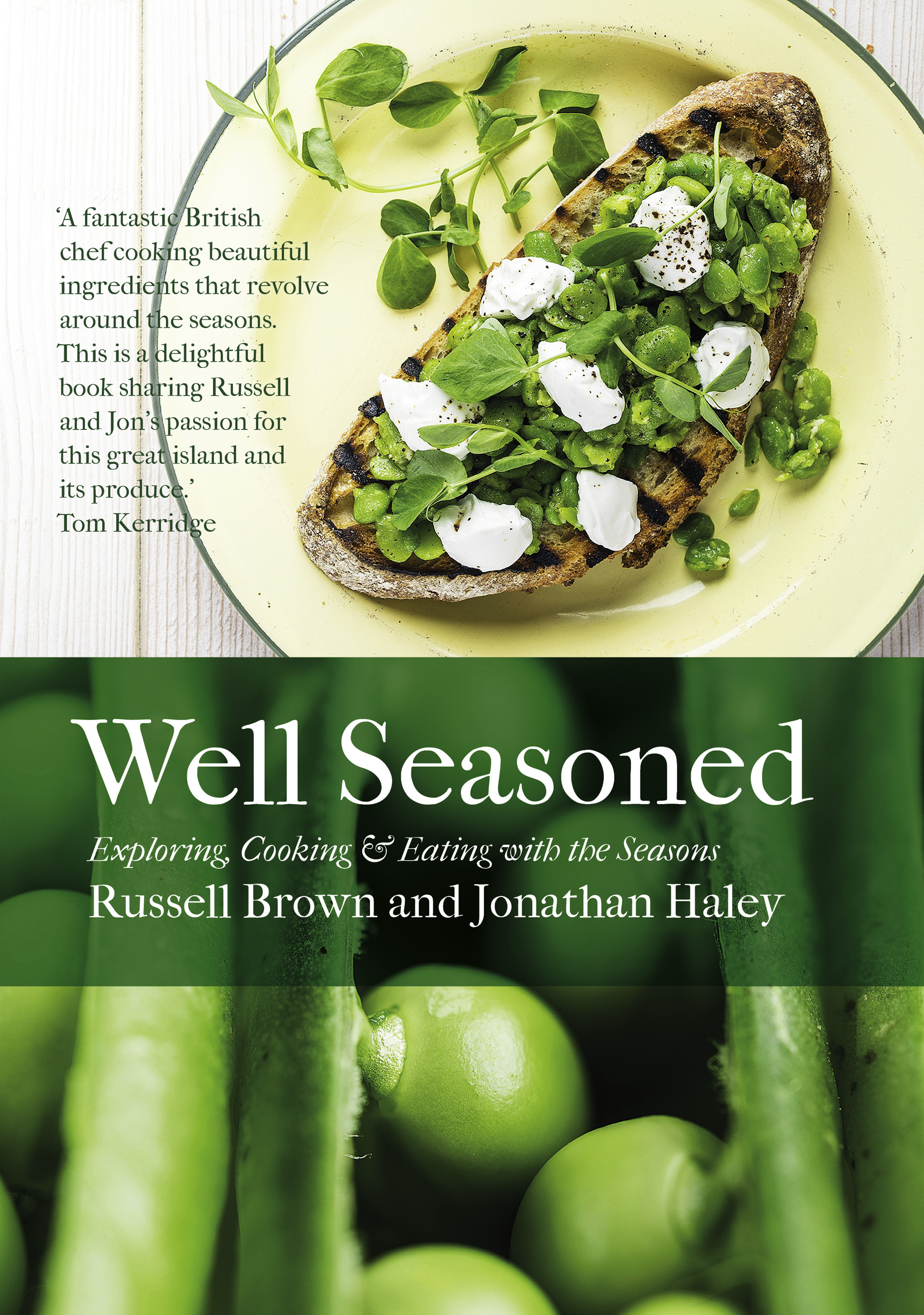
Well Seasoned by Russell Brown and Jonathan Haley

Well Seasoned

What is it? Former Michelin starred chef/patron of the much missed Sienna restaurant in Dorchester and now head honcho of the Creative about Cuisine food writing, photography and consultancy business has teamed up with leading food blogger Jonathan Haley for his first book that’s all about ‘exploring, cooking and eating with the seasons’; a guide to ‘seasonal living’ that doesn’t just tell you that crayfish are in season in May, but where and how to catch them.

What’s the USP? In addition to Brown’s seasonal recipes and accompanying photographs, the book contains a month by month guide to the year that encompasses seasonal ingredients, what you can expect to find growing wild in the fields and meadows, what you can forage for on land and at sea and what feasts and festivals to celebrate.

What does it look like? Beautifully designed by Matt Inwood (who has also worked on books by Tom Kerridge and Jason Atherton among many others), the introductory pages of each monthly-themed chapter have their own colour – an icy blue for January, a warm sage green for July – giving the book a lively feel and providing a suitably hued contrasting frame for Brown’s seasonal landscape and nature photography which is every bit as impressive as his food photography.

Is it good bedtime reading? You’ve got to love a book that goes that extra mile with some well-written prose to enjoy away from the stove and blogger Jonathan Haley has provided that in spades with chapter introductions and a series of ‘Out and About’ ‘Food and Foraging’ and ‘Feast and Festival’ articles that appear in each chapter.

Will I have trouble finding ingredients? Although the book encourages the reader to get out there and forage for their own food, the recipes are kind to the more indoorsy cooks amongst us and you should have little trouble finding all the specified ingredients or suitable alternatives. A list of recommended suppliers at the back of the book should help fill in any gaps.

What’s the faff factor? As this is written by a former Michelin starred chef, you won’t be surprised to encounter some degree of complexity in some of the recipes, but that is more than balanced by plenty of very approachable, straightforward dishes.

How often will I cook from the book? The seasonal theme and mix of everyday and special occasion dishes ensure Well Seasoned will be a well-thumbed tome.

Killer recipes? Warm salad of new season’s spring lamb; harissa mackerel flatbreads with quick-pickled cucumber; hay-baked leg of kid goat; sauteed squid with chorizo and piquillo pepper dressing; white chocolate mousse with cherry compote.

What will I love? Brown and Haley have really taken their seasonal premise seriously and have unearthed all manner of useful and sometimes arcane information (who knew that the Celts called the first of May Beltane Day and that there is a cake named in its honour? The recipe is included in the book).

What won’t I like? If you were hoping for a collection of recipes from Sienna restaurant, this is not it.

Should I buy it?  Seasonality should always be a top priority for any serious home cook or chef and Brown and Haley have created a year-round reference work that should find a place on the shelves of amateur and professional kitchens alike up and down the land.

Cuisine: Modern British
Suitable for: Home cooks and professional chefs
Cookbook Review Rating: 4 stars

Buy this book
Well Seasoned: Exploring, Cooking and Eating with the Seasons
£25, Head of Zeus

Cook from this book
Harissa mackerel flatbreads with quick pickled cucumber
Warm salad of new season’s spring lamb
Iced strawberry parfait

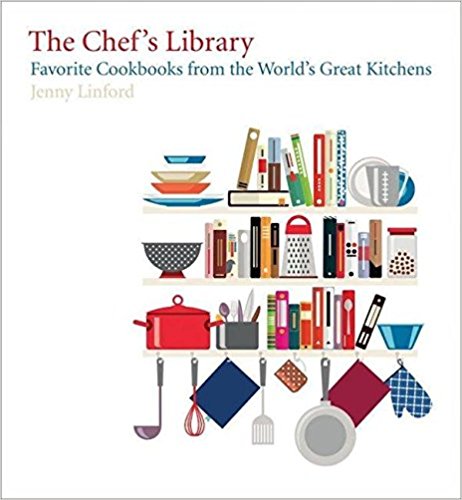
The Chef’s Library: Favourite Cookbooks from the World’s Great Kitchens by Jenny Linford

Chefs library

If you’re reading this blog, chances are you’re an addict like me. Nights spent trawling the internet, searching for the next fix. Days spent waiting for a new delivery. Hiding the cost of our compulsion from loved ones. And everyday the cookbook collection grows and grows. So this isn’t so much a review of The Chef’s Library, a book about cookbooks, more of a dire warning.

Respected food writer Jenny Linford wants to put temptation in your path. Why else would she ask over 70 chefs from around the world, including Thomas Keller, Massimo Bottura and Angela Hartnett for their favourite cookery volumes? Why compile a diverse list of influential cookbooks? Why put together a handy reference of global, historical and specialist books on food?

However, if you do posses a modicum of self control, this is the perfect book for anyone who wants to build their own culinary reference library.  Alongside modern must-haves like Too Many Chiefs Only One Indian by Sat Bains and Noma by Rene Redzepi, readers will also discover enduring works by notable food writers including Elizabeth David, Anne del Conte and Jane Grigson.

But even the most ardent gastronomic bibliophile is sure to discover gaps in their collection. Sean Brock of Husk in Charleston has unearthed The Unrivalled Cook-Book and Housekeepers Guide by Mrs. Washington, a book of Southern American cooking from 1886, and Simon Rogan has chosen Herbs, Spices and Flavourings by Tom Stobart from 1970 that combines history and botany with cooking tips.

The Chef’s Library has its shortcomings. Chef’s contributions are limited to a few short quotes per  choice and there are a number of duplications including three separate entries for Great Chefs of France by Anthony Blake and Quentin Crewe and two for Marco’s White Heat. Linford’s selection of Influential Cookbooks not only replicates some of the chefs own picks (The French Laundry Cookbook, Origin by Ben Shewry and another review of White Heat) but also includes some eyebrow raising selections such as Tom Kerridge’s Best Ever Dishes and Social Suppers by Jason Atherton, both great books, but even the authors probably wouldn’t claim them to be influential.

The Chef’s Library will no doubt fuel a late night sip and click online spending sessions but it will at least be expanding your gastronomic horizons as it depletes your bank balance. Perhaps the next edition should come complete with lock and key.

(This review first appeared in The Caterer magazine)

Cuisine: International
Suitable for: Reference
Cookbook Review rating: 3 stars

Buy this book
The Chef’s Library: Favorite Cookbooks from the World’s Great Kitchens
Jenny Linford
£25, Abrams