Comfort Food Recipes for Beginners: A Review of Country Comfort by Hari Beavis

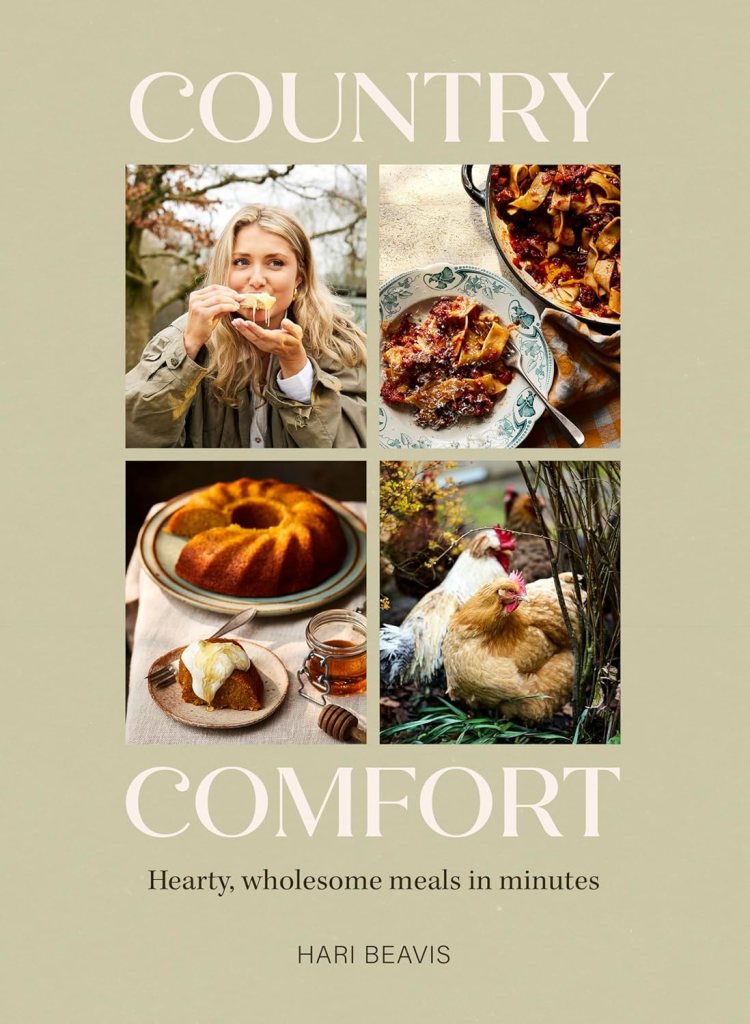
Country Comforts cookbook cover.

Self-taught cook Hari Beavis has been described as ‘Gen Z’s go-to chef for comforting, cosy meals’ with nearly 300,000 followers on Instagram and over half a million on TikTok.

Growing up in the Warwickshire countryside, Beavis was raised on rich cosy meals which helped nourish the family through short, chilly days and long dark evenings, the kind of recipes she has become famous for on her social media pages. Think French Onion Soup with Cheesy Garlic Bread, Chicken Alfredo Lasagne and Parmesan Chicken Orzo, alongside Golden Syrup Cake and Chunky Monkey Cookies. They have proved so popular it was only a matter of time before publishers came knocking. The result? Her debut cookbook, Country Comfort. Beavis promises 90 recipes designed to show readers how to create crowd-pleasing, wholesome meals full of love and warmth. 

What will I love?
Country Comfort is a hug in a book, full of cosy, comforting recipes accompanied by rustic, relatable photos. , if you will. Lots of the recipes have tips offering advice on simple swaps and substitutions so you don’t feel like you have to dash out with a lengthy shopping list before you start cooking. Each recipe includes a helpful equipment list, plus the chapters are organised by time so you already vaguely know how long they should take.

Is it good bedtime reading?
Not really. The focus is very much on the recipes. They each have short introductions and paragraphs with tips but, aside from the introduction at the beginning, there isn’t much reading to get stuck into.

Will I have trouble finding the ingredients?
No. The ingredients are decidedly fuss-free. The most obscure is probably truffle mayonnaise in the ‘Chicken Sandwich’. 

How easy are the recipes to follow?
The dishes themselves are very straightforward. However, the recipes are written in paragraphs, rather than clear steps, to fit with the low-key, relaxed vibe of the book. This works for most of them, since they aren’t too complicated, however, some feel rather rushed. ‘My Loved Ones’ Carbonara’ is one example which would have benefited from a clearer, step-by-step, structure. 

Stand-out recipes?
The ‘Moroccan Chicken Dinner with Tahini Yogurt’ makes for a vibrant, flavoursome meal, while the ‘Cheesy Fish Pie’ sounds like the ultimate comfort food. The ‘Chickpea and Spinach Curry’ is perfect when you want a simple, warming supper.

How often will I cook from this book?
The range of recipes is broad enough for you to cook from the book all year round for a multitude of occasions. From a simple ‘Mediterranean Pasta Salad’ and fruity ‘Raspberry, Nectarine and Mozzarella Salad’ (ideal for summer BBQs) to a hearty ‘Butter Chicken Pie’ and ‘Hug in a Bowl Beef Stroganoff’ (perfect autumn/winter warmers). Chapters are organised by time (Comfort in…  10, 20, 30 or 40 minutes), followed by ‘Bake Everything Better’ full of sweet treats at the end (think ‘Chocolate Croissant and Hazelnut Pudding’, ‘Cinnamon Crunch Cake’ and ‘Raspberry Waffle Pudding’). There is also a useful chapter dedicated to ‘Drinks Pairings’. 

Any negatives?
The recipes feel very geared towards an Instagram audience, hardly surprising given Beavis’ large social following. Although there are many good ideas, there isn’t anything particularly innovative or inspiring. Not all of the recipes have photos which is a shame as they really add to the cosy vibe of the book. 

Should I buy the book?
If you are looking for low-effort cosy, comforting recipes, this is the book for you. It is ideal for a beginner cook looking to gain confidence in the kitchen (it would be perfect for a student) but the recipes have a distinct ‘influencer’ vibe that might leave more experienced cooks feeling a little uninspired.

Cuisine: International
Suitable for: Beginner cooks 
Great for fans of: Eleanor Wilkinson, Kitty Coles and MOB
Cookbook review rating: Three stars
Buy this book: Country Comfort: Hearty, wholesome meals in minutes
£26.00, Carnival

This review was written by Freelance Food Writer and Recipe Developer Sophie Knox Richmond. Follow her on Instagram on @sophie_kr_food

What’s For Christmas Dinner? by Sarah Rossi – Cookbook Review

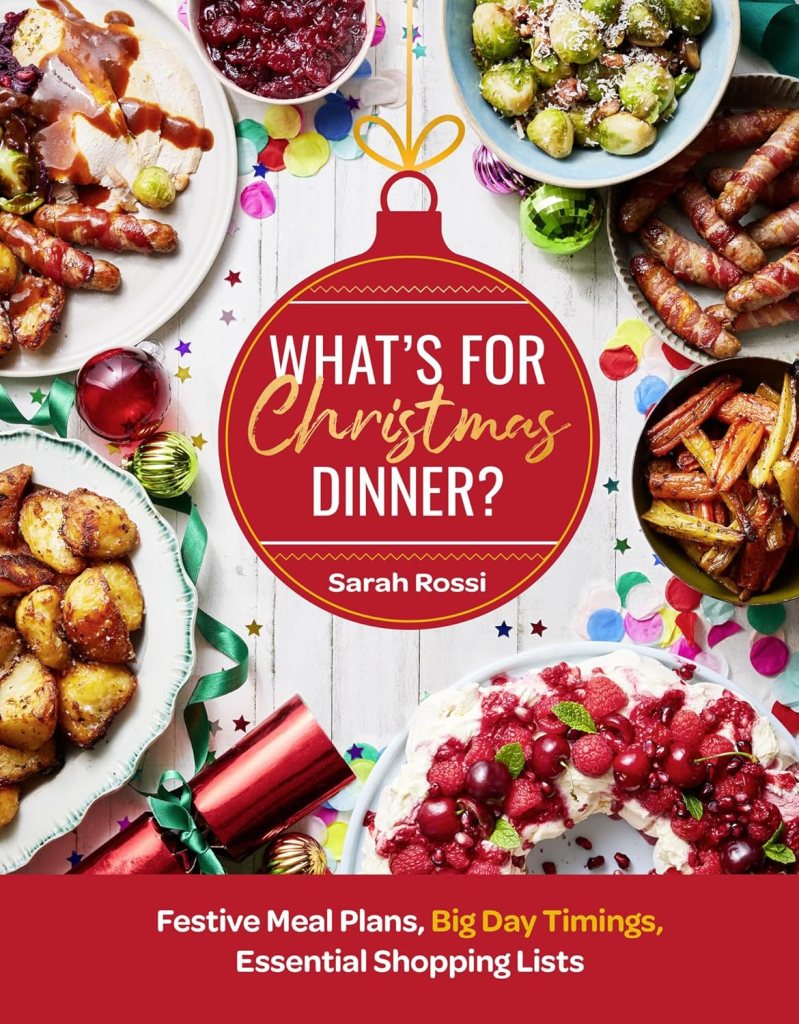
Sarah Rossi, AKA founder of the immensely popular Taming Twins website, is back with her latest cookbook What’s For Christmas Dinner?. Her previous bestselling books, What’s For Dinner? and What’s For Dinner in One Pot?, secured her spot as one of the ‘go-to’ cookery writers for easy, budget-friendly, family meals. Now she has turned her attention to the season of goodwill and cheer, promising to take the stress out of Christmas and help you become a master of meal planning. A tall order indeed.

What will I love?
If you are feeling overwhelmed by Christmas, Rossi has done all the hard work for you. What’s For Christmas Dinner? is the most comprehensive culinary guide to Christmas I have come across. Alongside recipes accompanied by colourful, enticing photos, there is information on planning, shopping lists, timings for the Big Day, additional equipment, ‘get ahead’ tips, guidance for different numbers, advice on leftovers; you name it, Rossi has thought about it. There’s even a section explaining how to adapt recipes for different diets that will be helpful for anyone expecting vegetarian, vegan, nut-free, gluten-free or dairy-free guests. The book isn’t just for Christmas, much of the advice (and many of the recipes) can be applied to entertaining throughout the year.

The festive favourites are all there including ‘Classic Roast Turkey with Herb Butter’, ‘Stress-free Roast Potatoes’ and ‘Make-ahead Gravy’ as well as more modern ideas such as a retro American-style ‘Hash Brown Breakfast Bake’, moreish ‘Cheese and Chutney Scones’ and indulgent ‘Christmas Brownies’ designed to use up any leftover chocolate from the sharing selections.

Is it good bedtime reading?
Yes and no. There is plenty to read on the planning front and each chapter includes an introduction and the recipes go into extensive detail with tips, where necessary. Just don’t expect nostalgic literary musings on the beauty of Christmas. 

Will I have trouble finding the ingredients?
Not at all. Every recipe features ingredients that are readily available in the supermarkets. Advice on substitutions is also given. 

How easy are the recipes to follow?
Very. Rossi lives up to her reputation of making her recipes as fuss-free as possible. Think clear instructions, timings and prep-ahead tips.

Stand-out recipes?
The ‘Croissant Christmas Tree’ is a showstopping breakfast/brunch which can be adapted to use all sorts of spreads and the ‘Mushroom Wellingtons’ are a delicious veggie main course. The ‘Cheese and Tomato Tart’ is also a stand-out winner. On the pudding front, the ‘Chocolate Orange Pudding’ is a must-try, gloriously gooey with a decadent molten chocolate sauce. The ‘Christmas Tiramisu’, which swaps ladyfingers for panettone, is also delicious. 

How often will I cook from this book?
You could very easily do all your festive cooking exclusively from What’s For Christmas Dinner?. Chapters cover everything from ‘Nibbles and Party Food’ and ‘Cosy Nights In’ to ‘Gorgeous Gifts’ and ‘Festive Feasts’ (not forgetting ‘Leftovers’ and ‘Christmas Breakfast’).

However, it isn’t a book purely reserved for Christmas. Many recipes can easily be enjoyed throughout the year with a few adjustments, especially if you entertain regularly. Who wouldn’t love the ‘Cheese and Pesto Straws’ for a cheesy snack or ‘Smashed Pea Crostini’ as a spring/summer party nibble?

Any negatives?
While this isn’t Nigel Slater’s The Christmas Chronicles with lengthy nostalgic musings on Christmas and the beauty of the festive season, it is hard to find a negative. What’s For Christmas Dinner? does exactly what it sets out to do. A fair few of the sweet treats (e.g. desserts and baking) are chocolatey but then it is Christmas after all and there are other sweet options like zesty ‘Lemon Pots’ and a stunning ‘Wreath Pavlova’ if you aren’t a chocoholic.

Should I buy the book?
If you are entertaining and looking for a book to help you ace the festive period, What’s For Christmas Dinner? is a must-buy. Less confident cooks will get the most out of it (think of it as a festive culinary bible), but Christmas cooking veterans will still find plenty of inspiration within the pages.

Cuisine: British festive with international influences
Suitable for: anyone who wants a helping hand in the kitchen this Christmas.
Great for fans of: Jamie Oliver and The Batch Lady
Cookbook review rating: Four stars
Buy this book: What’s For Christmas Dinner? by Sarah Rossi (@tamingtwins)
£22.00, Harper Collins

This review was written by Freelance Food Writer and Recipe Developer Sophie Knox Richmond. Follow her on Instagram on @sophie_kr_food

Tom Kerridge Cooks Britain by Tom Kerridge Cookbook Review

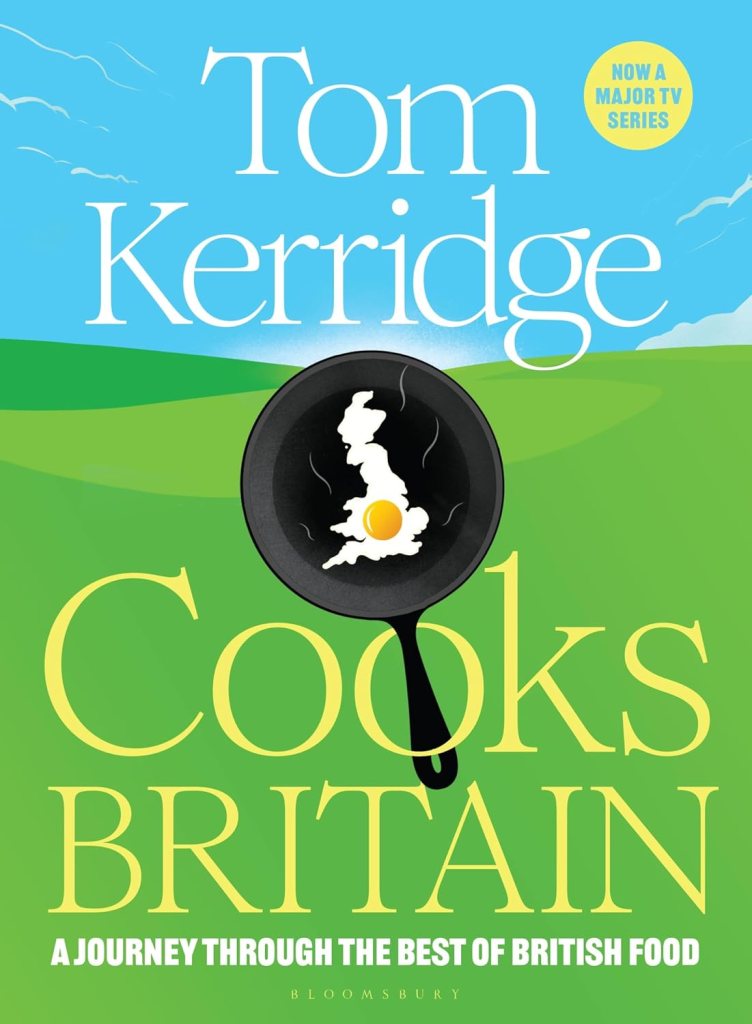
Tom Kerridge Cooks Britain Cookbook cover.

Tom Kerridge is surely a man who needs no introduction by now? For those of you who haven’t heard of him, he is the proprietor of several bars and restaurants including The Hand and Flowers (the first gastropub to receive 2 Michelin stars back in 2012) and The Coach (which secured its first Michelin star in 2018). His profile soared after appearing on Great British Menu in 2010 and has released cookbooks regularly ever since (including the bestselling Proper Pub Food, Outdoor Cooking and Pub Kitchen as well as more diet-friendly titles Tom Kerridge’s Dopamine Diet and Tom Kerridge’s Fresh Start inspired by his own weight-loss journey). 

If you haven’t eaten in one of his establishments or cooked from one of his books, you have probably seen him on television (where he regularly pops up in M&S adverts, stars in his own cookery shows and documentaries, and judges on Great British Menu), tried one of his M&S meals, attended a Pub in the Park food festival, or come across his campaigns championing the hospitality industry or fighting child food poverty (through Full Time Meals). 

This time, Kerridge has turned his attention to Britain, or rather, British ingredients, promising 100 recipes that celebrate the best of what this country has to offer.

What will I love?
If you are interested in learning more about British produce, and how to make the most of them in your kitchen, you will find plenty to enjoy here. There are over 100 recipes – divided into chapters of ‘Vegetables’, ‘Fish & Shellfish’, ‘Meat & Poultry’, ‘Dairy’ and ‘Fruit’ – designed to mirror the key areas that make up the backbone of the British farming industry. Options are varied, ranging from lighter dish like ‘Asparagus, Poached Egg and Hollandaise’ to a hearty ‘Family Beef Mince Pie’. The photos are beautiful too.

Is it good bedtime reading?
Yes. The introduction spans several pages, offering an enthusiastic (and very persuasive) argument for the importance of British farming. Each chapter then begins with a short introduction and the recipes also all have their own introductions explaining Kerridge’s inspiration and/or offering helpful hints.

Will I have trouble finding the ingredients?
Not at all. Although some recipes mention specific cheeses, there is nothing too obscure (more readily available alternatives are also given). There is a good balance in terms of affordability; while there are recipes for Tomahawk steak and other more expensive cuts of meat and fish, plenty of less extravagant ingredients are also featured.

How easy are the recipes to follow?
The recipes range in ability, but the instructions are always clear, giving advice on what to look out for and tips on how to make certain processes easier. It would be helpful if recipe timings were included at the top.

Stand-out recipes?
The ‘Leek and Caerphilly Rarebit’ is wonderfully comforting, while the ‘Chicken Kyiv Dippers’ are a delicious snack (or simply a fun alternative to a classic Kyiv). Don’t miss the ‘Bacon and Mushrooms Eggs Benedict’ for an umami-rich twist on the brunch favourite and even kale avoiders could be converted by the ‘Creamy Kale Pasta with Crispy Parmesan’. 

How often will I cook from this book?
There is a range of recipes for every eating occasion throughout the year: ‘Asparagus Pecorino and Lemon Pasta’ in spring, a suitably summer-y ‘Yoghurt and Apricot Parfait with Almond Praline’, a cosy, comforting autumnal ‘Blackberry, Pear and Apple Crumble’, and a warming winter ‘Turnip Gratin with Lincolnshire Poacher’. However, there is a greater emphasis on dishes geared more towards spring/summer cooking and entertaining. 

Any negatives?
There are some lovely options for vegetarians (or recipes that could easily be adapted), but not many choices for vegans. The pudding options could also be more diverse, perhaps a result of the emphasis n produce available in the UK.

Should I buy the book?
If you are keen to cook more seasonally with local British ingredients, this book is perfect for you. It also offers helpful inspiration to make everyday recipes a bit more special.

Cuisine: International cuisine using British ingredients
Suitable for: Cooks of all abilities.
Great for fans of: Hugh Fearnly-Whittingstall 
Cookbook review rating: Four stars
Buy this book: Tom Kerridge Cooks Britain
£25.00, Bloomsbury

Tom Kerridge Cooks Britain aired on ITV in July 2024.

This review was written by Freelance Food Writer and Recipe Developer Sophie Knox Richmond. Follow her on Instagram on @sophie_kr_food

Tucking In by Sophie Wyburd – Cookbook Review

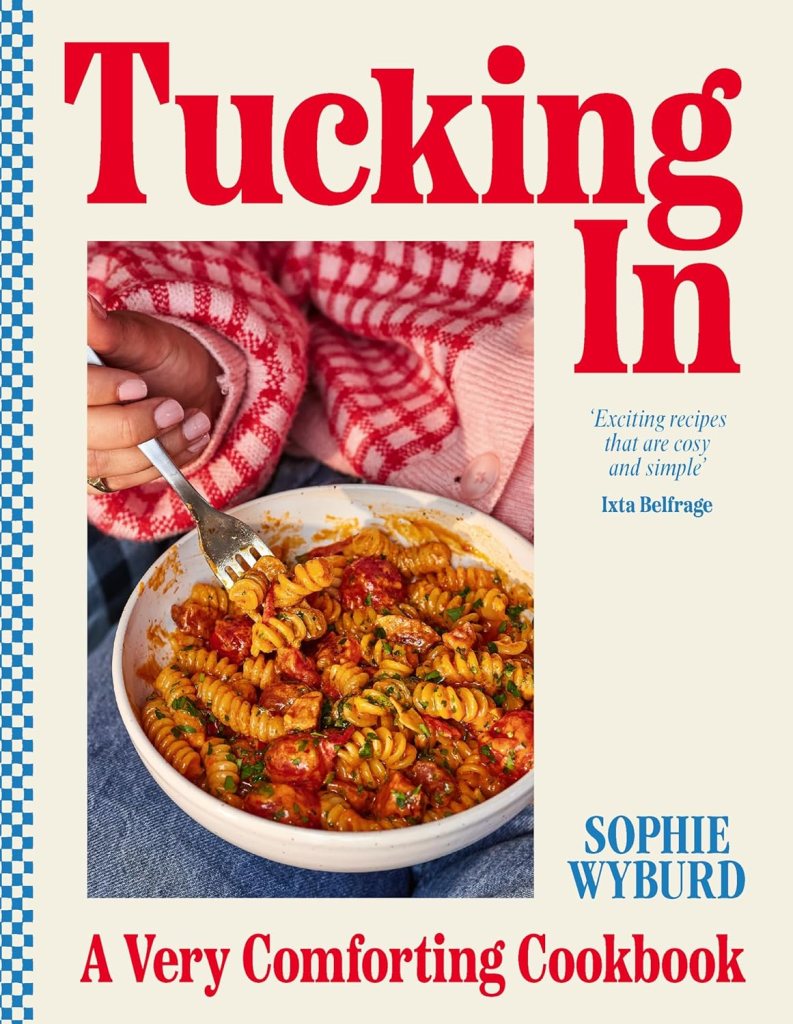
Tucking In cookbook cover.

Who is Sophie Wyburd?
A cook and recipe writer from South London. Wyburd has enjoyed a varied career in food; working as a restaurant chef, in food styling and heading up the food team at Mob (where she became one of their most popular recipe developers). She has since branched out on her own and is known for sharing simple, comforting home cooking ideas via social media (@sophiewyburd) and her newsletter, Feeder. She also regularly cooks at her sellout London supper clubs and co-hosts the I’ll Have What She’s Having and A Bit of a Mouthful podcasts. Tucking In is her first solo book.

What is Tucking In’s USP?
Described by Ixta Belfrage as: ‘A collection of exciting recipes that are cosy and simple,’ Tucking In is on a mission to show that good food doesn’t have to be fussy or stressful with over 100 recipes for satisfying, unapologetically comforting, meals. There are ideas for every season and occasion, from summer sharing platters to cosy winter weeknight warmers and everyday suppers to relaxed weekend feasts. Put simply, Tucking In wants to help you fall in love with everything about food; the cooking, the sharing and the eating. As Wyburd explains: ‘cooking is not only a fabulous way to show other people that you love them; it’s also a pretty foolproof method of showing yourself some love.’ 

What will I love?
The approachable, unfussy, nature of the book and the way Wyburd’s personality and passion for food shine through (this is a very personal cookbook, you can’t help but warm to Wyburd through her chatty introductions, it almost feels like you are catching over a cup of coffee).

You would be forgiven for thinking that a book offering ‘comfort food’ might be full of recipes you have seen before, but you would be mistaken. Wyburd has created innovative recipes offering twists on comforting classics; think a Kinder Bueno-inspired ‘Hazelnut Tiramisu’, Chinese-spiced ‘Sticky Sprunion Sausage Rolls’ and the veg-packed ‘Cauliflower Shawarma Bowls’.  There is also a knock-out ‘Pasta Party’ chapter featuring dishes which genuinely offer something different (the glorious ‘Piggy Porcini Lasagne’ is a personal favourite). There is just the right balance of meat, fish, vegetarian and vegan options (and none of the latter feel gimmicky). In fact, many of the recipes are flexible and can easily be adapted for various diets.

Is it good bedtime reading?
Not in a lengthy essay sort of way, more in a ‘curl up under the covers and get lost in a world of food’ sort of way. The introductions to each recipe are beautifully written, full of tips and tricks and nostalgic anecdotes that share the stories behind each one. You could argue that Tucking In is part cookbook, part evocative food memoir; you can’t help but reminisce about your own culinary memories as you become immersed in the recipes.

Will I have trouble finding the ingredients?
The majority of the time, no. Some recipes have the odd ingredient which is a bit more expensive, like a whole side of salmon or a joint of lamb, but these are balanced out by my more affordable recipes (especially once you have stocked up your larder with Wyburd’s staples). The Hazelnut Tiramisu does call for hazelnut butter which is likely to require an online order.

How easy are the recipes to follow?
Very, after all, fuss-free is the theme of the book. There are a few more involved recipes for anyone wishing to challenge themselves, but Wyburd’s directions are clear and easy to understand. Each recipe includes an introduction, information on whether it is gluten-free, dairy-free, vegetarian and/or vegan, as well as the cooking time and helpful tips, where necessary.

Stand-out recipes?
The ‘Cheeseboard Arancini’ are far too delicious for their own good and ideal for using up the odds and ends of different cheeses (I will definitely be making these with the remnants of the Christmas cheeseboard). The ‘Curried Chicken Legs with Cheesy Polenta’ sounds like an unusual combination, but is utterly delicious (and almost guaranteed to convert any polenta naysayers), while the ‘Life-Saving Garlicky Chicken’ is possibly one of the most comforting dishes you will ever eat. The previously mentioned ‘Hazelnut Tiramisu’ is also outstanding and worth seeking out the hazelnut butter for.

How often will I cook from this book?
Fairly often. Every culinary eventuality is covered, from the ultra-indulgent ‘Cavolo and Taleggio Pasta’, perfect when in need of a bit of comfort, to the vibrant ‘Spiced Blackened Salmon Tacos with Orange Salsa’, ideal for a summer feast. 

Chapters include ‘Nibbly Bits’ (ideas for snacks and canapés for when friends come for drinks), ‘Midweek Mood’ (quick and delicious meals ideal for after a long day), ‘Pasta Party’ (self-explanatory), ‘A Bit Fancier’ (perfect for get togethers when you want to make a good impression), ‘Carb City’ (the ultimate comfort food), ‘Veg Me Up’ (when you need to balance out the previous chapter) and ‘Sweet Stuff’ (puds). 

Any negatives?
Being really picky, the ‘Cavolo and Taleggio Pasta’ was labelled vegetarian when Taleggio contains animal rennet. Apart from that, there isn’t really much to complain about.

Should I buy the book?
If you like fuss-free, comforting food, then it is a resounding yes. Tucking In is full of delicious, hearty recipes for every mood and occasion.

Cuisine: International
Suitable for: Cooks of all abilities 
Great for fans of: MOB and Ixta Belfrage
Cookbook review rating: Four stars

Buy this book: Tucking In: A Very Comforting Cookbook
£22.00, Ebury

This review was written by Freelance Food Writer and Recipe Developer Sophie Knox Richmond. Follow her on Instagram on @sophie_kr_food

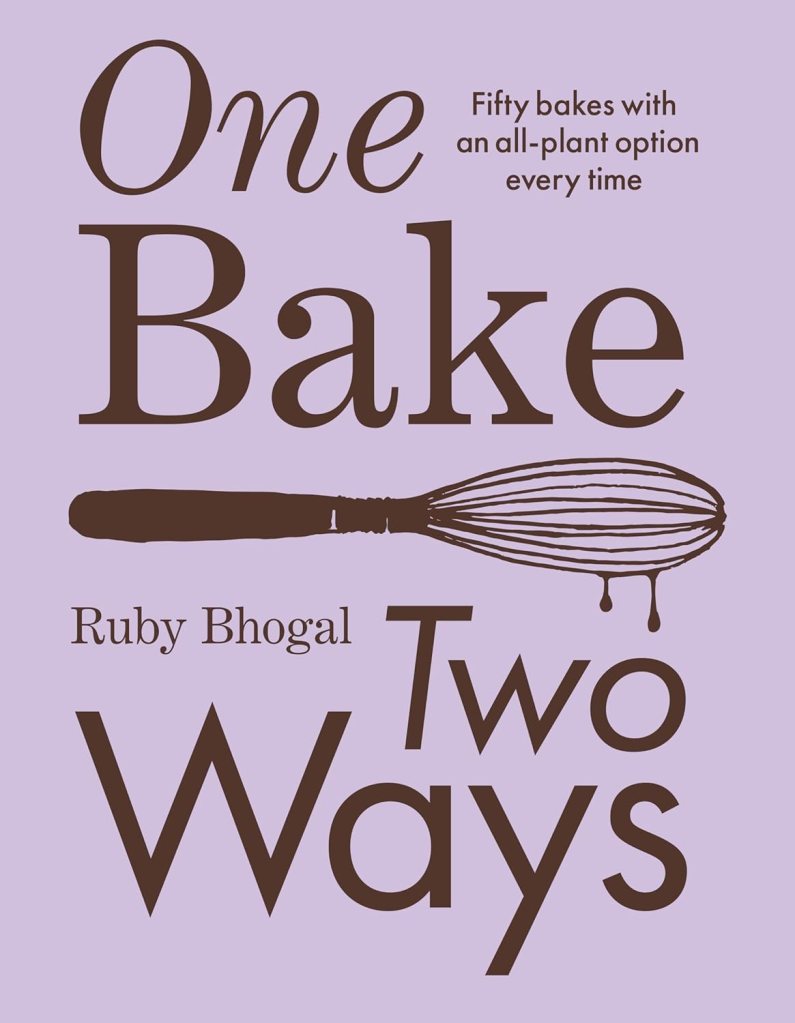
One Bake, Two Ways by Ruby Bhogal – Cookbook Review

Who is Ruby Bhogal?
A former Bake-off finalist who has gone on to become a successful food writer (her work has been featured in publications such as Waitrose magazine, GQ and the Sunday Times) and TV chef. She also has her own substack newsletter, The Last Bite, and regularly keeps her followers up-to-date with her latest baking creations on social media @rubybhogal.

What’s the USP
Each of the 50 recipes is presented twice: first in its traditional form, then with a ‘veganised’ plant-based alternative. It is undoubtedly a clever and inclusive concept, promising to help teach you the skills to cater for everyone’s needs, regardless of dietary preferences. 

What will I love?
Bhogal’s energy and enthusiasm for a start. Each recipe exudes her warmth and personality, from the chatty introductions to the friendly hints and tips included in each step. It feels like you are baking with a friend at your side.

There are also plenty of unique recipes that will encourage you to try new flavours and expand your baking repertoire. Sometimes dessert and baking books can feel a bit repetitive when you come across yet another for something like a tiramisu, but Bhogal offers genuinely new and exciting twists on classics (in this case, offering a ‘Malt Milk Tiramisu with Milk Chocolate’), that aren’t too outlandish. 

It is a brilliant concept. Even if you have no interest in vegan cooking, you can still enjoy 50 new baking recipes. Yet, if you, or someone in your family, follows a vegan diet or needs to eat dairy-free, One Bake, Two Ways shows that it is perfectly possible to make something that is every bit as achievable and delicious.

Is it good bedtime reading?
While there aren’t any long essays, Bhogal’s friendly writing style makes the introductions a joy to read. You could happily browse through the pages marvelling out the array of bakes on offer, and the nifty tips and tricks to make them vegan-friendly, before drifting off into a sweet slumber. 

Will I have trouble finding the ingredients?
For a book which is 50% vegan, there is a distinct lack of unusual ingredients (phew!). Plant-based milk, butter and spread are all widely available, perhaps the trickiest thing to get hold of is vegan white chocolate but it is available online.

How easy are the recipes to follow?
Some of the recipes are more faffy than others (e.g. the ‘Chocolate Wagon Wheels with Raspberry Jam and Hazelnut Biscuit’), but there are plenty of simpler options for when you want a quick and easy bake. As mentioned above, Bhogal’s directions are consistently clear and accessible throughout so that even the more complex recipes seem achievable.

Stand-out recipes?
The ‘Self-saucing Sticky Toffee Pud Tray-Cake with Stem Ginger and Chocolate’ is everything you want in a comforting winter pud, whilst the ‘Victoria Sponge Loaf with Roasted Strawberries and Mint’ is a must-make during the summer months when strawberries are in season. Meanwhile, chocoholics won’t be able to resist a slice of the unbelievably moist ‘Chocolate Fudge Sponge with Milk Chocolate Fudge Frosting’, and don’t miss the beautifully buttery ‘Cranberry, Apricot and Almond Couronne with Apricot Glaze’ which is guaranteed to impress friends and family.

How often will I cook from this book?
There are bakes for every occasion so, if you are a regular baker, there is enough to pique your interest and keep you busy. The only thing to bear in mind is that a few of the recipes call for some more expensive ingredients.

Any negatives?
The majority of the recipes include a modern twist on a classic, so if you are a staunch traditionalist who is horrified at the idea of adding chai to your custard creams or swapping the classic dark chocolate Viennese whirls for the more tropical ‘Passion Fruit Viennese Fingers with White Chocolate and Coconut Ganache’, then this probably isn’t the book for you.

It would also be helpful to have the cooking time by the ingredients so you can easily see how long a recipe will take, rather than skimming the recipe and calculating it in your head. This is especially important for baking so you can gauge if it is going to be an ‘all-day’ recipe requiring resting, chilling, proving etc. or one that can be whipped up in an afternoon. Finally, not every recipe has a photo which may bother some more than others. 

Should I buy the book?
If you love trying innovative new flavours in your bakes and/or are curious about dabbling in more plant-based baking, this is most certainly the book for you. 

Cuisine: Baking
Suitable for: Cooks of all abilities 
Great for fans of: Ravneet Gill, Phillip Khoury and Max La Manna
Cookbook review rating: Four stars

Buy this book: One Bake, Two Ways
£26.00, Pavillion

This review was written by Freelance Food Writer and Recipe Developer Sophie Knox Richmond. Follow her on Instagram on @sophie_kr_food

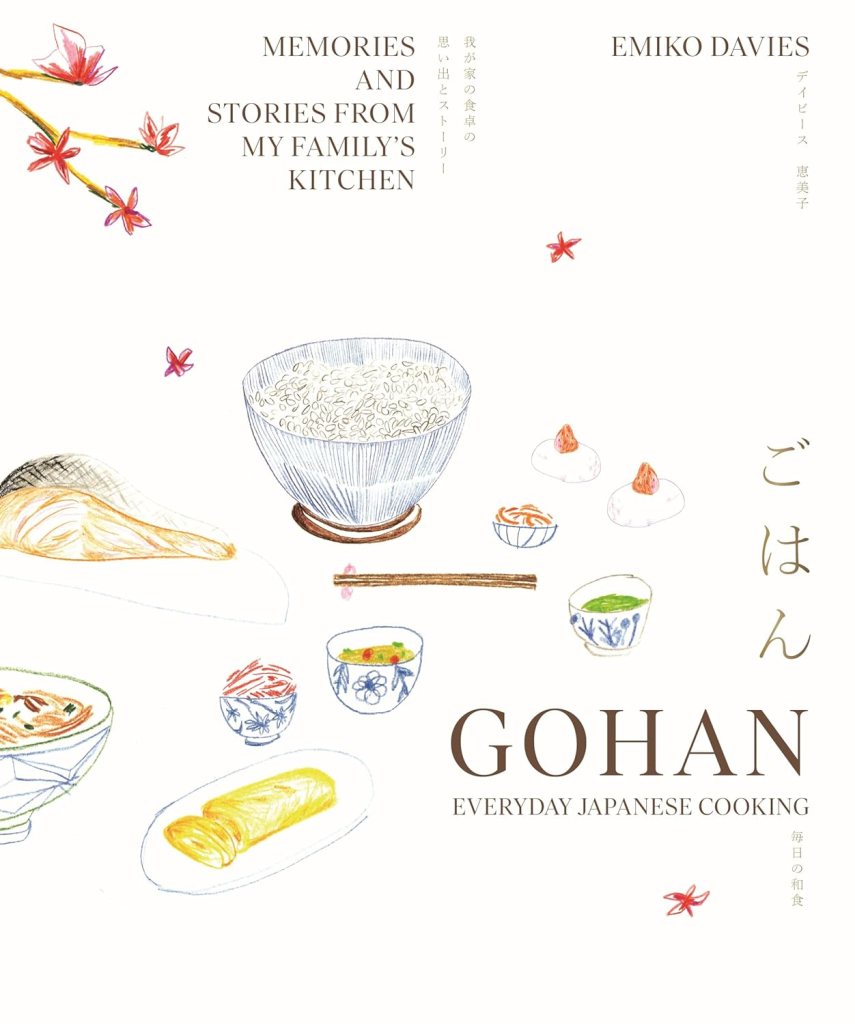
Gohan: Everyday Japanese Cooking: Memories and stories from my family’s kitchen by Emiko Davies – Cookbook Review

Who is Emiko Davies?
Emiko Davies is an award-winning Australian-Japanese food writer, photographer and author of five cookbooks. Based in Italy, her first four cookbooks included stories and recipes celebrating authentic Italian cuisine. She continues to write and develop recipes and travel guides for national and international publications including Food52, Conde Nast Traveler, The Sunday Times, The Guardian, The Kitchn and delicious. magazine.

What is Gohan’s USP?
In Gohan, Davies eschews the more complex dishes of Japanese restaurant food such as sashimi, and instead shares the simple, satisfying meals like like yakisoba, tamago no gohan (stir fried egg and rice) and soba noodle soup that she grew up with and now makes for her own children. As she explains: “Gohan to me means the everyday home-cooked meal. Nothing fussy. It’s quick and easy, but nourishing. A meal made with love.”

What will I love?
Davies’ evocative writing about her Japanese heritage shows how powerful food is in keeping memories alive. You almost feel you have joined her on a journey delving into her culinary history. It is fascinating to learn about lesser-known ‘everyday’ Japanese cuisine and how it is so much more than sushi, tempura and bento boxes.

The variety of recipes is impressive with most accompanied by beautifully shot home-style photos. There is something to suit every season and taste. The ‘Winter Hotpot’ is perfect for chilly days; ‘Cold Somen Noodles with Cucumber and Ginger’ is ideal for humid summers. It is also good to see several recipes include suggestions for ‘variations’ to help you ring the changes. Prepare to be inspired.

Is it good bedtime reading?
This isn’t just a recipe book to cook from, it is one to curl up and read from cover to cover. You will become immersed in Davies’ moving tributes to her family and food memories with pages discussing everything from ‘Making Tofu in the Mountains of Nagano’ to ‘The Perfect Bowl of Japanese Rice’. Each recipe also features deeply personal introductions which feature childhood memories and additional tips passed down from mother (or grandmother) to daughter.

Will I have trouble finding the ingredients?
Gohan is all about home-cooking and Davies makes a concerted effort to encourage readers to use ingredients they already have to hand. Having said that, there are still a fair few ingredients that will take a little effort to get hold of such as plum vinegar, dried bonito flakes, kirimochi (dried mochi blocks), natto and Japanese taro to name just a few. Once you familiarise yourself with suppliers, and/or become more confident with substitutions, it shouldn’t be too much of a problem. 

How easy are the recipes to follow?
One of Gohan’s main aims is to dispel the myth that Japanese food is complicated. There are dishes which require time, skill and effort but there are plenty that can be ready in under 15 minutes. Those that require a certain level of technique, like the ‘Filled Rice Balls’, are accompanied by helpful step-by-step photos. Some ingredient lists are a little vague (e.g. the ‘Fried Rice’ suggests ‘a handful of green beans’), but then that is the nature of the style of cooking that is central to the book (especially with a recipe designed to use up leftovers). Overall, the recipe instructions are clear, easy-to-follow and thanks to the introductions and tips, feel like Davies is guiding you through each step.

Stand-out recipes?
The ‘Curry Croquettes’ are dangerously addictive and the ‘Fried Pork Cutlet with Miso Sauce’ is packed full of flavour. The ‘Seafood Rice Gratin’ is wonderfully rich and creamy; the epitome of comfort food.

How often will I cook from this book?
It depends on how much you want to eat authentic Japanese food. Recipes range from mastering the basics like how to cook rice, make panko breadcrumbs and pickled ginger, to breakfasts, mains and sweet treats so there is enough variety for you to cook regularly from the book. Classics like ‘Scrambled Eggs with Garlic Chives’, ‘Egg and Rice’ and ‘Fried Noodles’ can easily become weekly staples, while recipes like the ‘Red Bean Buns’ are great for a weekend baking project.

Any negatives?
If you don’t already have a larder stocked up with staple Japanese ingredients, the initial outlay cost will be expensive. However, once you have the essentials, you will find many are used time and again. Some recipes (like the ‘Prawn Balls’) require specialist equipment although Davies does include alternative options (like getting creative with a waffle maker). 

Should I buy the book?
If you are even the slightest bit interested in learning more about Japanese cuisine, then yes. This is a beautifully written, heartfelt book full of passion and warmth that offers readers a glimpse inside the kitchens of Japanese mothers and grandmothers. It is a privilege to have the opportunity to try nourishing, soulful recipes that have been passed down the generations. 

Cuisine: Home-style Japanese 
Suitable for: Keen cooks who want to deepen their knowledge on Japanese culture and cuisine.
Great for fans of: Tim Anderson
Cookbook review rating: Five stars
Buy this book: Gohan: Everyday Japanese Cooking: Memories and stories from my family’s kitchen
£26, Thames & Hudson

Cook the Book:
Fried Pork Cutlet with Miso Sauce
Fried Noodles

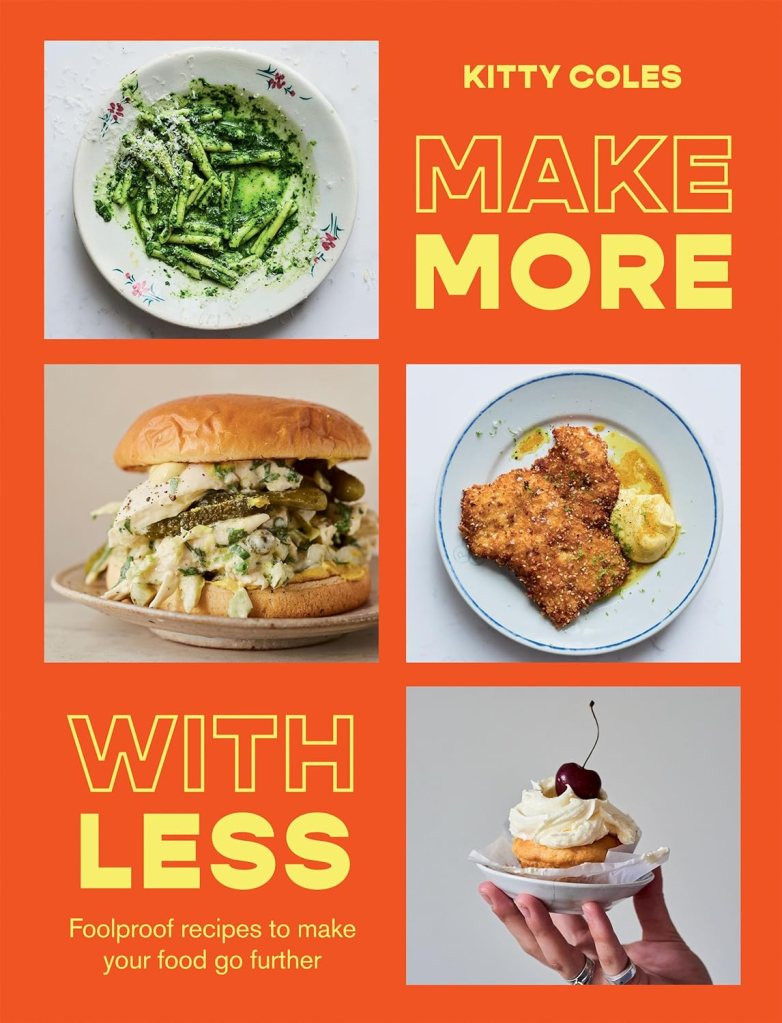
Make More with Less by Kitty Coles – Cookbook Review

Who is Kitty Coles?
Kitty Coles is a cook, recipe developer and food stylist with a passion for celebrating seasonal ingredients and fresh produce. Over the last eight years she has worked for publications such as The Telegraph and delicious. and on best-selling cookbooks including The Borough Market Cookbook, Mezcla and Pasta Grannies, earning a reputation for creating stunning recipes that leave you hungry for more. She is currently the food writer at @theglossmag and regularly updates followers with her daily eats on instagram @kittycoles. Make More with Less is her debut cookbook.

What is Make More with Less’ USP?
Right now, everyone is looking for ways to make their food go further and Make More with Less is here to help with versatile low-waste, low-fuss and low-effort recipes. Each chapter begins with a core recipe, followed by a selection of recipes that use it as a base. There are also ideas utilising the main ingredient to help you transform leftovers into flavour-packed dishes. Coles guarantees there’ll be no lengthy lists of unusual and/or expensive ingredients.

What will I love?
In a world of ‘food trends’ and obscure ‘must-have’ ingredients that you fork out a fortune for only to use once, Make More with Less is a refreshingly down-to-earth, practical cookbook. That isn’t to say the recipes are dull or uninspiring. It is clear that much thought has gone into the flavours and textures; imagine cooling honey-infused yoghurt designed to balance out zesty lemon potatoes and garnishes like crispy onions and nutty almond breadcrumbs.

You could be forgiven for assuming a book focused on some of the most-wasted foods might be a bit lacklustre, but the ideas such as ‘Very Oniony Pasta with Parmesan and Black Pepper’ (imagine a love-child of French Onion Soup and Cacio e Pepe) and ‘Salted Sesame Caramelised Breadcrumbs with Ice Cream and Olive Oil’ are innovative and exciting. 

Coles promotes creativity and adaptability in the kitchen. She explains how to master basic recipes like meatballs and then encourages readers to explore beyond the classic ‘pasta and tomato sauce’ combination with suggestions for soups or serving them with yoghurt, herbs and flatbread. This championing of flexibility runs throughout the book with recipes like the ‘Any Cake Cake’ including several flavour variations and fruit toppings, as well as advice on how to adjust the recipe for different tin sizes.

It is refreshing to see some recipes that serve two. Often recipes are designed for groups of four and, while they can be halved, it feels more inclusive and is perfect for those who live alone and don’t fancy batch-cooking something to eat four days in a row.

Put simply, this is an empowering book full of delicious recipes, tips for using up odds and ends and striking, achievable, photography, all designed to help you develop confidence in the kitchen.

Is it good bedtime reading?
Sort of. There are no lengthy essays but there is an introduction that runs to several pages and each recipe includes its own paragraph. Coles also goes into detail about some of the ‘main’ ingredients with pages of subjects like ‘How to Roast a Chicken’ and ‘The Perfect Potato’.

Will I have trouble finding the ingredients?
Not at all. The book is designed to help use up some of the most wasted food items using simple, seasonal and affordable everyday ingredients. Coles also stays true to the promise she makes in the introduction not to send us out hunting for harissa or ‘Nduja. There is a useful ‘Note on Ingredients’ which includes a list of what she always has in the house which is a good base for any cook.

How easy are the recipes to follow?
A couple refer to ‘glugs’ of oil, but then the overall tone of the book is designed to be relaxed and encourage intuitive cooking. The recipes themselves are low on the faff factor with many on the table in under 30 minutes. 

Stand-out recipes?
The ‘Baked Leek and Mustard Mashed Potato’ is a must-try for any mash potato fans while the green sauce from the ‘Roast Chicken with Green Sauce’ will become your new go-to to serve with a host of other dishes. ‘Onion Butter Beans with Crispy Garlic and Pickled Chillies’ is ideal for anyone looking for an alternative to hummus, and don’t miss the ‘Schnitzel with Curry Mayo’. In the sweet corner, the ‘Any Cake Cake’ is a delicious, versatile cake to make all year round, and ‘Brown Sugar Custard with Biscuit Crumb’is a must-make.  

How often will I cook from this book?
The recipes are designed to be adjusted to suit your personal taste and what you have available, so you could easily make versions of the dishes regularly. There is a good variety of recipes for every occasion and the wealth of advice on leftovers will help you save money and reduce waste throughout the week.

Any negatives?
If you haven’t read the introduction, the structure and chapter breakdown might seem a bit confusing at first and does make the book a bit tricky to navigate. The ‘Meat and Fish’ chapter is mostly focused on chicken (although there are other fish recipes in different chapters). It would also be good to see a broader range of puds. 

Should I buy the book?
Yes. This book will give you the confidence and knowledge to transform everyday ingredients into delicious meals, with minimal effort.

Cuisine: International
Suitable for: Cooks of all abilities looking for fuss-free culinary inspiration.
Great for fans of: MOB and Claire Thomson
Cookbook review rating: Four stars

Buy this book: Make More With Less: Foolproof Recipes to Make Your Food Go Further
£22.00, Hardie Grant

Cook the Book:
Baked Leek and Mustard Mashed Potato
Brown Sugar Custard with Biscuit Crumb
Leftover Chicken Tacos

This review was written by Freelance Food Writer and Recipe Developer Sophie Knox Richmond. Follow her on Instagram on @sophie_kr_food

One Pan Chicken by Claire Thomson – Cookbook Review

Who is Claire Thomson?
If you haven’t already heard of her, Claire Thomson is a chef and food writer behind the immensely popular @5oclockapron where she shares (almost) daily reels of the food she cooks for her family of 5. She is famed for her enthusiasm for fuss-free food, encouraging followers to skip the stress and embrace joy in their cooking, all while celebrating seasonal, sustainable ingredients. She is the author of 9 cookbooks — including the award-winning Tomato: 70 Recipes Celebrating the Extraordinary Tomato and immensely popular Home Cookery Year: Four Seasons, Over 200 Recipes for All Possible Occasions — and has written for the Guardian, Telegraph, Good Food and many others. She also recently launched the ‘5 o’clock apron podcast’ where she ‘chops and chats’ with guests from a host of professions as they share what they cook every day in their real-life kitchens. 

What is One Pan Chicken’s USP?
Jumping on the popularity of ‘One Pot’ and ‘One Tin’ cookbooks, One Pan Chicken promises 70 simple, delicious and inventive recipes using various popular cuts of chicken and one casserole dish, roasting pan, baking tray, frying pan or stockpot.

What will I love?
Chicken is a regular in most people’s shopping baskets, but it is easy to get stuck in a rut when it comes to recipes. Thomson provides the solution with a plethora of adventurous ideas inspired by cuisines across the world, from ‘Miso Butter Chicken’ to ‘Hungarian Chicken Paprikash’. For a book confined to one ‘hero’ ingredient, there is an impressive variety, from something light like a ‘Caesar Salad’ or warming like a ‘Chicken with Borlotti Beans, Cavolo Nero and Rosemary’. There’s recipes for both oven and hob and that utilise breasts, thighs, wings or a whole chicken to delicious effect. The recipes (all accompanied by a beautifully shot photo) genuinely feel ‘new’ and will inject a little excitement into your mealtimes.

Is it good bedtime reading?
The focus of the book is on flavoursome recipes for busy people. If you are expecting essays on free-range chicken, sustainable poultry farming and/or the origins of various chicken dishes (akin to the beautifully written seasonal introductions found in Thomson’s Home Cookery Year) you will be disappointed. In fairness, the one page introduction touches on these points, and each recipe includes an introduction which shares advice and the inspiration behind the dish.

Will I have trouble finding the ingredients?
One of Thomson’s many strong points is that she always ensures her recipes are accessible and includes alternative suggestions if an ingredient is remotely tricky to find. For example, the ‘Chicken Braciole’ uses pecorino in the filling instead of the harder-to-source, but traditional, provolone (although the option is included for those able to find it). Likewise, the ‘Elote-style Chicken with Corn’ suggests using feta while mentioning that Cotija and Chihuahua are authentic choices. You may struggle to source the fried maize (kikos) used in the recipe, but you could always make your own. There is the odd mention of more unusual ingredients like rosewater, dried sour cherries, Japanese seven spice (togarashi), truffle oil, truffle paste and dried porcini mushrooms, but nowadays they aren’t too difficult to source.

How easy are the recipes to follow?
Very. Like all her books (and recipe videos on her 5 o’clock apron instagram), Thomson’s instructions are clear and detailed enough to guide even the most nervous cooks. The only slight criticism is that it would be helpful to have the cooking time by the ingredients so you can easily see how long a recipe will take, rather than skimming the recipe and calculating it in your head. 

Stand-out recipes?
The ‘Sticky Sesame Marmalade Chicken Wings’ are dangerously addictive (be sure to make extra), while the ‘Fried Chicken with Kimchi’ is a must-try for fans of sweet and sour dishes. Meanwhile, the ‘Chicken Dauphinoise with Dijon and Cream’ is the ultimate comfort food on a cold and chilly day, while the ‘Za’atar Chicken served with Hummus, Pine Nuts and Pomegranate’ is a jewelled, flavour-packed dish that will transport your taste buds straight to the Middle East. Don’t miss the ‘Chicken with Tortilla Chips, Black Beans and Feta’ in the ‘Leftovers’ chapter – in fact, I would recommend cooking extra chicken just to give it a go…

How often will I cook from this book?
This could easily become a go-to cookbook when you want something simple and stress-free, that still delivers on flavour. The variety of recipes is what makes this book such a winner. From a classic ‘Chicken and Leek Pot Pie’ to a vibrant ‘Chimichurri Chicken with Roast Squash’ — not to mention the Greek-inspired ‘Chicken Soup with Egg and Lemon’ and the ‘Chicken Baguette with Tarragon, Gherkin and Mustard Butter’ — there genuinely is something for every mood, season, taste and occasion.

Any negatives?
Despite being part of the ‘One Pan’ cookbook cohort, not all recipes are ‘complete meals’ and would typically call for rice, pasta, potatoes etc alongside (thus requiring an extra pan). 

Should I buy the book?
A definite ‘yes’. Thomson has, once again, excelled at creating yet another cookbook full of enticing, accessible recipes that leave you counting down until suppertime. One Pan Chicken is a must-have for anyone looking to enhance their culinary repertoire with flavour-packed fuss-free chicken recipes that will delight the whole family.

Cuisine: International
Suitable for: Anyone looking for inspiring, faff-free ways to celebrate the humble chicken.
Great for fans of: Rukmini Ayer
Cookbook review rating: Five stars
Buy this book: One Pan Chicken: 70 All-in-One Chicken Recipes For Simple Meals, Every Day
£20.00, Quadrille

Cook the Book
Chicken Pilaf
Chicken Tagine with Chickpeas, Dates and Apricots
Fried Chicken with Kimchi

This review was written by Freelance Food Writer and Recipe Developer Sophie Knox Richmond. Follow her on Instagram on @sophie_kr_food

Cooking with Anna by Anna Haugh – Cookbook Review

Who is Anna Haugh?
A Dublin-born chef who has spent over 20 years honing her craft working for some of the most highly regarded names in the industry including Shane Osborne (Pied a Terre), Philip Howard (The Square) and the Gordon Ramsay Group. In 2019, she opened her own restaurant, Myrtle, named after the iconic Irish chef and founder of Ballymaloe House, Myrtle Allen, and soon became famous for her modern Irish cuisine inspired by classic Irish recipes and culture. Haugh’s obvious talent, combined with her natural, open manner, has seen her become a firm favourite on TV and radio. She appears regularly on Saturday Kitchen and the Morning Live breakfast show. In 2022, she also stood in for Monica Galetti as a judge on Masterchef: The Professionals. Cooking with Anna is her debut cookbook.

What is Cooking with Anna’s USP?
Understanding the complexities of juggling work alongside a busy family life, Haugh has created 85 recipes designed to show that delicious food need not be complicated. Full of recipes inspired from around the world including modern twists on hearty Irish classics alongside curries, tacos and gazpacho, Cooking with Anna promises to help you cook with confidence for every occasion, from easy weeknight suppers to celebration family roasts. Haugh also draws on her stellar culinary career to share top tips and tricks on how to level up the flavour and add a touch of casual elegance to simple home cooking.

What will I love?
Haugh’s warmth resonates throughout, from the introduction to the anecdotes and recipes. It feels like a very personal book filled with recipes that you could imagine Haugh cooks at home. The recipes are simple to prepare, use affordable ingredients and don’t leave you with mountains of washing up, while also including elements of finesse that make them feel that bit more special.

The selection of beautifully shot recipes is well thought out with a variety of meat, fish and plant-based dishes. The ‘Veggies’ chapter is full of innovative, affordable ideas that brim with flavour without breaking the bank; think ‘Kidney Bean Meatballs with Pomodoro Sauce’, ‘No Waste Vegan Pulled Pork with Slaw’ and ‘Pea & Cheddar Burgers’. While Haugh doesn’t claim that Parmesan (which she uses liberally) is vegetarian, it is worth remembering that Parmesan contains animal rennet and should be swapped for a vegetarian-friendly hard cheese if cooking for vegetarians.

As well as options for every diet, there is something for every occasion too. Alongside the aforementioned ‘20-minute Dinners’ and ‘Veggies’ chapters, there are also ones dedicated to ‘Lunch & Brunch’, ‘Fish’, ‘Meat’, ‘Weekend Projects’ and ‘Sweets’. Some recipes are perfect for entertaining, others more suited for more low-key affairs (plenty serve 2 which is ideal for couples or those living on their own, obviously they can be scaled up). The ‘Tools of the Trade’ section is also worth a mention, helpfully dividing equipment into ‘Essential’, ‘Useful’ and ‘Next Level’ so you can decide what you need depending on your culinary aims. 

Is it good bedtime reading?
Fairly good. There are no lengthy essays, but Haugh’s introduction, taking you through her culinary history and philosophy, spans several pages. It is followed by the ‘Tools of the Trade’ section (mentioned above), plus each recipe includes its own introduction with interesting anecdotes and tips.

Will I have trouble finding the ingredients?
Not at all. The hardest ingredient to find would probably be the vegetarian Worcestershire sauce mentioned in the ‘Lentil Ragu’. Apart from that, all the other ingredients are widely available. 

How easy are the recipes to follow?
Haugh has nailed her brief, proving that you can make very good food with very little fuss. Even the most hesitant cooks will feel inspired by the opening ‘20 Minute Dinners’ chapter which features dishes such as ‘Balsamic Prawns with Cherry Tomatoes & Creamy Polenta’ and ‘Coconut Cod Curry’, that are not as daunting as they sound thanks to Haugh’s clear recipes. The ‘Weekend Projects’ chapter includes more complex recipes but once again, Haugh effortlessly guides you through the steps without making them overcomplicated. A fair few recipes also include ‘Tricks of the Trade’ to help explain some of the culinary theory.

Stand-out recipes?
The ‘Ultimate Cheese & Ham Double Decker Toastie’ is perfect comfort food while the ‘Potato Cakes with Rashers and Mushrooms’ is a delicious way to use up leftover mash (the vegetarian alternative with asparagus is a must-try during asparagus season). The ‘Stuffed & Roast Chicken Breast with Potato Rosti’ is worth making for the moreish rosti alone, and ‘Buttermilk Panna Cotta with Lightly Poached Strawberries & Ripped Basil’ is a beautiful summer pud. 

How often will I cook from this book?
Fairly often. As mentioned above, every culinary occasion is covered. Dishes like the ‘Wednesday Night Curry’ are ideal for a flavoursome, mid-week meal, while ‘The Big Celebration Roast’ and ‘Black Forest Gateau’ are perfect for when you want to push the boat out and impress. The fact that Haugh keeps to her promise in the introduction that ‘you don’t need to spend a fortune or be left with mountains of mess’ is another reason why this could easily become a firm favourite.

Any negatives?
It would be helpful if the recipes had an estimated cooking time at the top so you could loosely gauge how long it will take.

Should I buy the book?
Yes. Cooking with Anna is full of modern, uncomplicated recipes, alongside useful tips and tricks, that will help you expand your culinary repertoire, improve your skills, and increase your confidence in the kitchen. 

Cuisine: Modern Irish
Suitable for: Cooks of all abilities
Great for fans of: Marcus Wareing and Rachel Allen
Cookbook review rating: Four stars
Buy this book: Cooking with Anna: Modern home cooking with Irish heart
£26.00, Bloomsbury

Cook the Book
Wednesday Night Curry
Pea and Cheddar Burgers 
Lemon, Lemongrass and Cardamom Posset

This review was written by Freelance Food Writer and Recipe Developer Sophie Knox Richmond. Follow her on Instagram on @sophie_kr_food

It Starts with Veg by Ceri Jones – Cookbook Review

Who is Ceri Jones?
Ceri Jones trained as a Natural Chef in Berkeley, California before embarking on a career cooking food for yoga and well-being retreats around the world. She currently works part-time as a Food Educator at the Garden Museum in London, where she pioneered one of the first museum food learning programmes in the country. She is also a freelance writer and content creator and regularly shares seasonal recipes and cooking tips with her followers on social media. It Starts with Veg is her first cookbook.

What is It Starts with Veg’s USP?
Looking for ways to include more vegetables in your diet? It Starts with Veg promises 100 easy and delicious seasonal recipes for every occasion. Focusing on 40 vegetables, from potato to celeriac, Jones takes us through the best ways to prepare them and the tastiest flavour pairings. Vegetables are the stars of the show, but recipes also include seasonal fruits, herbs, whole grains, beans and pulses, as well as a little meat, dairy, fish and seafood, all designed to help you enjoy eating more veg.

What will I love?
If you want to include more veg in your diet, this is a good place to start, with chapters based around vegetable families including brassicas, fungi, pods and leaves. There’s plenty of advice on substituting vegetables which means you can be flexible with what you have already to hand and you won’t necessarily need to buy more ingredients or adjust recipes to suit your tastes, ideal if there are certain veg you really cannot stand.

It’s refreshing to see a flexitarian book that celebrates seasonality and plant-based produce, while including meat and fish. As Jones explains in her introduction, she views them as the ‘seasoning’ to add flavour although vegetarian alternatives are given, where possible. It feels more approachable, in contrast to some fully vegetarian and vegan books that can come across as a bit ‘preachy’.

Most of the recipes are for two people, which is perfect for couples or those living on their own who don’t want to be left with lots of leftovers. However, they are all easy to scale up if cooking for family and friends. The UK-US conversion chart and UK-US culinary terms list are both very useful, as is the ‘further reading’ list of resources. It feels like a great deal of thought and care has gone into making  It Starts with Veg as inspiring and comprehensive as possible. It is more of a ‘vegetable bible’ than a cookbook. 

Is it good bedtime reading?
This is a book to be read as much as it is to be cooked from. Jones is generous with her wisdom and the book is brimming with highly readable advice on how to cook more sustainably; from seasonal eating and minimising food waste to how to reduce food costs. Each chapter and recipe has an introduction and there is also a list of ‘cooking terms’ which is helpful for less confident cooks.

Will I have trouble finding the ingredients?
You shouldn’t do if you are cooking in season, although there is plenty of advice on how to substitute if you struggle to source a particular veg. Jones includes ingredients like ‘Nduja and pul biber to pack in plenty of flavour, but these are widely available nowadays.

How easy are the recipes to follow?
Very. Each recipe includes the number of servings and the time it should take (and yes, the latter is accurate for a fairly competent home cook as opposed to a Michelin-starred chef with everything good-to-go), followed by a clearly set out list of ingredients and well-explained recipe. 

Stand-out recipes?
The ‘Leftover Roasties, Herb and Gruyère Frittata’ will become a Monday staple for those of you who enjoy a Sunday roast, while the ‘Leek, Roasted Pepper and Cheese Toasties’ are delicious for a quick lunch. The ‘Purple Sprouting Broccoli Puff Pastry Tarts with Ricotta and Olive Tapenade’ is a great base recipe to adjust throughout the seasons with different veg, while the ‘Griddled Leeks and Spring Onions with ‘Nduja Butter Sauce’ simply must be served with cous cous or warm bread to mop up every last morsel of the flavour-packed sauce.

How often will I cook from this book?
There is every chance that this book could be cooked from regularly. The recipes are affordable, and accessible and include a wide variety of flavours to suit all tastes. There are options for a myriad of occasions, from simple summer lunches (‘Roasted Radishes with Whipped Feta on Toast’) to comforting winter warmers (‘Cavolo Nero, ‘Nduja and Butter Bean Stew’), not to mention a host of starters and sides which can be easily be transformed into mains.

Any negatives?
There aren’t any photos which may disappoint those who like to see what a dish will look like before deciding whether to make it. However, some lovely illustrations complement the tone of the book.

Should I buy the book?
If you are a fan of vegetables or looking to include more plant foods in your diet, yes. This book will revolutionise your approach to veg and leave you feeling excited and inspired.

Cuisine: Flexitarian 
Suitable for: Cooks of all abilities who want to broaden their veg-centred recipe repertoire. 
Great for fans of: Joe Woodhouse and Anna Jones
Cookbook review rating: 4 stars
Buy this book: It Starts with Veg: 100 Seasonal Suppers and Sides
£20.00, Pavilion Books

Cook the Book
Roasted New Potato and Green Bean Salad

This review was written by Freelance Food Writer and Recipe Developer Sophie Knox Richmond. Follow her on Instagram on @sophie_kr_food