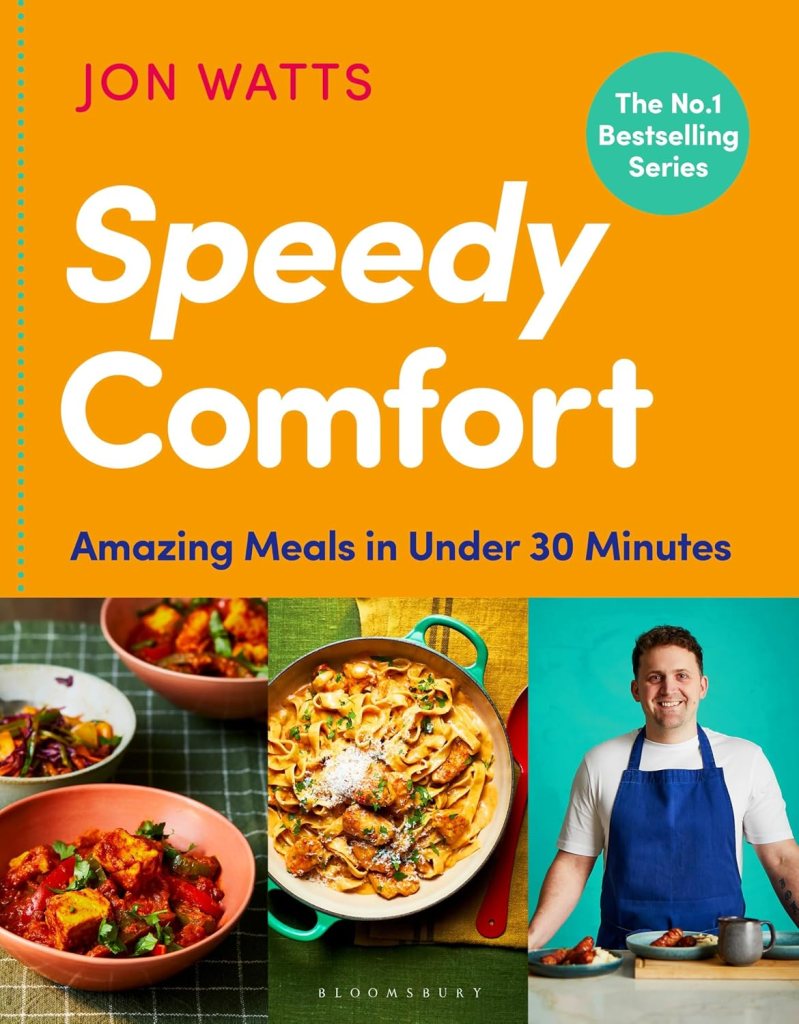
Speedy Comfort by Jon Watts – Cookbook Review

Who is Jon Watts?
Jon Watts’s journey into food is one of transformation. As a teenager in a young offenders’ institution, he became the first person in custody to complete all three Duke of Edinburgh Awards. He learned to cook in the prison kitchens and officers’ mess, and later trained at one of Jamie Oliver’s restaurants while on day release, a turning point that helped him build a new future. He went on to gain national attention through social media (@jonwatts88) and TV appearances, including regular slots cooking live on ITV’s This Morning.

In 2023, Watts self-published his first cookbook, Watts Cooking, which became a word-of-mouth hit. That success led to his Speedy series, beginning with the bestselling Speedy Weeknight Meals and now followed by Speedy Comfort. His recipes are known for being simple, satisfying and budget-friendly, with ingredients that are easy to find. Beyond the kitchen, he shares his story with schools, prisons and businesses, speaking openly about resilience, second chances, and the power of purpose.

What is Speedy Comfort’s USP?
This is comfort food for real life: meals that soothe and satisfy, but won’t keep you in the kitchen all evening. Every recipe in Speedy Comfort is designed to be on the table in 30 minutes or less without sacrificing flavour or warmth. There’s no gimmickry here, just practical, generous cooking that works when time (and energy) are in short supply.

What will I love?
The photography is bright and appealing, but there’s no gloss for gloss’s sake. Everything looks achievable, like food you might actually cook on a Wednesday night. The tone is equally grounded: there’s no preaching, no performance, just food that makes sense.

Though it isn’t overtly marketed as a “budget” cookbook, there’s a real thoughtfulness around cost. Recipes rely on everyday ingredients so you won’t be sent off looking for obscure pastes or out-of-season veg. The food is affordable without drawing attention to itself.

The layout is clean and intuitive, with recipes easy to scan at a glance. Helpful symbols throughout the book flag up key features such as freezer-friendly, air fryer–adaptable, or ideal for batch cooking making it easy to plan meals around your time, energy and what you have in the fridge. There are also clever hacks scattered throughout including time-savers, swaps, and shortcuts that make the recipes even more flexible.

Is it good bedtime reading?
There’s no literary storytelling, essays or poetic flourishes, but there is a reassuringly companionable tone. Watts writes like someone who knows how it feels to cook when you’re tired, hungry, or simply lacking inspiration and shows you how to create something delicious anyway.

Will I have trouble finding the ingredients?
No. Everything can be found in a standard UK supermarket, and the recipes don’t ask for anything rare or niche. This is a book that respects your time and your local Tesco.

How easy are the recipes to follow?
Very. The instructions are clear and written for real people in real kitchens the kind where time is short, you have family commitments, or simply too tired to fuss. Watts doesn’t overexplain, but neither does he assume knowledge, with the recipes offering structure without straying into the patronising. 

There’s cleverness in how he’s reimagined classic comfort dishes. A streamlined Coq au Vin can be made in just 30 minutes, without feeling rushed or compromised. There are also plenty of fakeaway favourites, like the Sweet’n’Spicy Chicken, ready in 15 minutes, full of bold flavour but still entirely doable after a long day. 

Stand-out recipes?
The One Pan Butter Chicken is the sort of dish that tastes like it took hours, but doesn’t. Enjoy with rice and/or naan to mop up all the delicious sauce. Popcorn Chicken Katsu is playful and clever, and would make an excellent Friday-night-in option (the tip about swapping panko breadcrumbs for cornflakes is also very helpful). Smoky Paprika Salmon with Lemon Couscous is quick, fragrant, and full of flavour, the perfect choice when you want something a little lighter (we enjoyed it with some roasted peppers on the side). There are also lots of options to satisfy your sweet tooth. Irish Cream and Dark Chocolate Mousse is the ultimate fuss-free festive dessert, while the Panettone Pudding is ideal for making the most of Christmas leftovers.

How often will I cook from this book?
Often. The book is well-structured, with chapters that suit different moods and needs, including Family Feasts, Old School Classics, Lighter Comforts, Easy Dinners, Weekend Treats, Cosy Traybakes, and Puddings. Whether you want to rustle up something familiar or treat yourself at the weekend, there’s a recipe here that’ll fit the moment.

Any negatives?
This isn’t a book for long weekends of elaborate cooking, and it’s not trying to reinvent the wheel. It’s not a statement cookbook. It’s a useful one.

Should I buy the book?
If you want flavour, speed, and recipes you’ll actually cook, not just admire, this is a very worthwhile addition to your kitchen shelf.

Cuisine: Global
Suitable for: Busy home cooks, parents, students and anyone seeking good food fast
Great for fans of: Amy Sheppard, MOB Kitchen and Poppy O’Toole
Cookbook review rating: Four stars
Buy this book: Speedy Comfort by Jon Watts £22.00, Bloomsbury

This review was written by Freelance Food Writer and Recipe Developer Sophie Knox Richmond. Follow her on Instagram on @sophie_kr_food

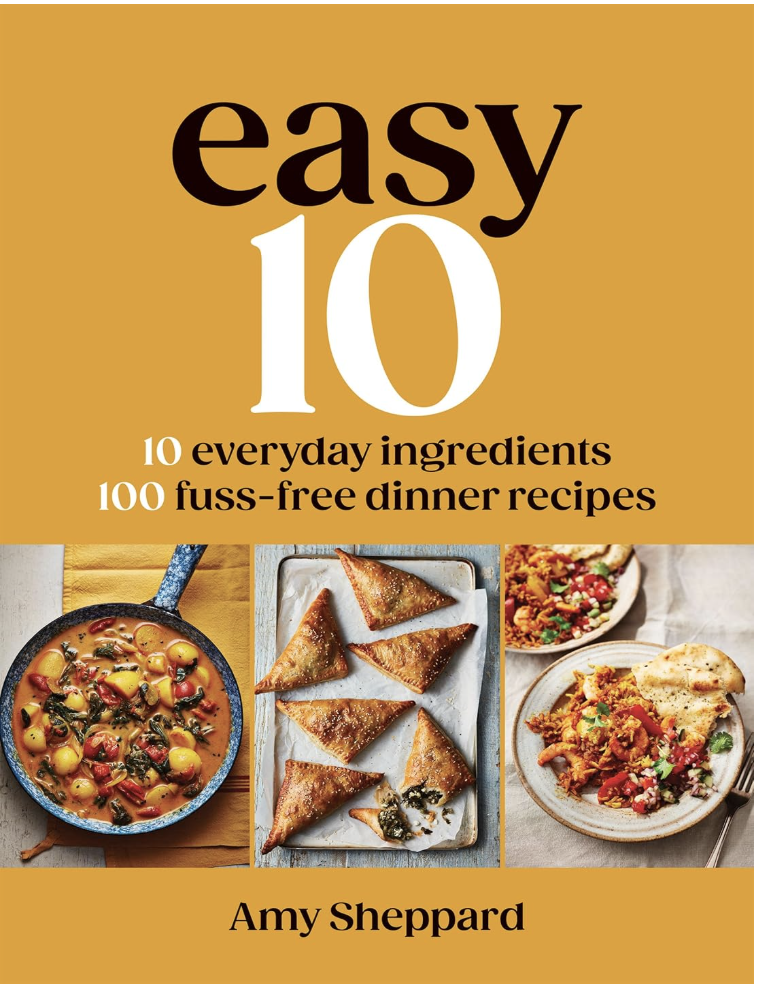
Easy Ten by Amy Sheppard – Cookbook Review

Who is Amy Sheppard?
Amy Sheppard is a food writer, home cook and mum based in Cornwall, with a wonderfully straightforward approach to family cooking. She’s gained a loyal following on social media (@amysheppardfood) by championing recipes that are both budget-friendly and full of flavour; no faff, just good honest food that the whole family can enjoy.

What is the Easy Ten’s  USP?
The book’s premise is to focus on the 10 most commonly purchased supermarket staples and how to transform them into 100 quick, affordable dinners. It’s a brilliant idea for anyone who’s ever felt stuck in a cooking rut or just needs some inspiration for busy weeknights.

What will I love?
The fact that the recipes such as Chicken Kyiv Spaghetti and Cheesy Chorizo Rice Cakes, are simple and achievable, but far from boring. Sheppard’s tone is warm and encouraging, and her dishes are clearly written with family life in mind. 

There is also a broad range of recipes with comfort food aplenty (think creamy pastas, traybakes, and hearty curries), but also lighter soups and stir fries for busy weekdays. Recipes are divided into chapters focusing on: Rice, Chicken, Pasta, Canned Fish, Potatoes, Sausages, Ready-rolled Pastry, Cheddar, Lentils and Beef Mince. None of the recipes are particularly expensive or challenging to make. It is cooking for real-life busy households who don’t want to spend hours at the stove, but still want to eat well. 

Each recipe has an enticing photo alongside helpful freezing instructions and suggested ingredient substitutions. There is also a strong emphasis on reducing food waste, using store-cupboard staples wisely, and making the most of every ingredient.

Is it good bedtime reading?
Perhaps not in a literary sense — this is a practical, straight-talking book — but it is still a pleasure to flick through. The layout is clean, the photography bright, and there’s a comforting sense of order in how everything is arranged. It’s the kind of book you reach for at the end of a long day and feel reassured that tomorrow’s supper won’t be stressful.

Will I have trouble finding the ingredients?
Not at all. Amy writes for real people, and her ingredient lists reflect that. Everything is easy to find in most supermarkets, and there is clever use of store-cupboard staples (tins, packets, frozen bits) throughout. There’s also an awareness of food waste, with plenty of tips for using up leftovers and making ingredients stretch a little further.

Stand out recipes?
There are lots. The Spiced Chicken and Couscous sings with aromatic spices and is perfect for a laid-back summer Sunday roast. For chilly nights, the Potato, Camembert and Bacon Bake is gloriously indulgent, as are the Croque Monsieur Baked Potatoes and Potato, Leek and Three-Cheese Pie. The Mini Salmon en Croutes are a standout — they look impressive but are deceptively simple — and the Whipped Stilton, Red Onion and Walnut Slices are dreamy warm with buttery potatoes or popped into lunchboxes the next day.

How often will I cook from the book?
Often. This is a book that wants to be used. You will find yourself scribbling notes in the margins and slotting recipes into your regular routine. It is built for busy households and everyday cooking. Less about entertaining, more about making weeknights manageable and mealtimes a little more joyful.

Any negatives?
There are no puddings or cakes to satisfy your sweet tooth, which some may miss, and it may not push boundaries for confident or experimental cooks. But for most of us — the ones feeding families, juggling work, and still wanting to eat well — that’s precisely what makes this book so useful. It meets you where you are.

Should I buy the book?
Yes, especially if you find yourself staring blankly into the fridge at suppertime wondering what to cook. Easy Ten offers fuss-free solutions that are both satisfying and sustainable. It is a proper friend-in-the-kitchen sort of cookbook that you will reach for again and again.

Cuisine: everyday British with global flavours
Suitable for: busy home cooks, families, students, and anyone looking to simplify mealtimes
Great for fans of: Jon Watts, Nadiya Hussain and The Batch Lady
Cookbook review rating: 4 stars
Buy the book: Easy 10: 10 Everyday Ingredients, 100 Fuss-free Dinner Recipes: The Sunday Times Bestseller by Amy Sheppard 

This review was written by Freelance Food Writer and Recipe Developer Sophie Knox Richmond. Follow her on Instagram on @sophie_kr_food

The Food You Want to Eat by Thomas Straker – Cookbook Review

Who is Thomas Straker?
Thomas Straker is a chef and social media sensation from London, known for his viral “All Things Butter” series and his easy-going, ingredient-led cooking style. Formerly a private chef and alumni of some of London’s top restaurants, Straker blends fine dining flair with everyday accessibility. With over 3 million followers across platforms and a bustling restaurant in Notting Hill, Straker’s unpretentious, flavour-packed recipes are just as likely to appear in your feed as on your table. The Food You Want to Eat is his debut cookbook. Find him on instagram @thomas_straker

What is The Food You Want to Eat’s USP?
Straker promises “no-faff food that tastes banging.” This is not a book of chef-y techniques or food you’ll cook once and never revisit. Instead, it’s about dishes that are genuinely craveable, with big flavour pay-offs and short, confident ingredient lists. The book blends Italian, Middle Eastern, British and modern European influences, and above all, celebrates good food done simply.

What will I love?
If you have ever watched one of his interviews or listened to him on a podcast, you will see that Straker writes like he talks – direct, cheeky, and deeply enthusiastic about good, seasonal produce. The recipes feel like an extension of his online presence: unpretentious, visually beautiful, and centred around real-world cooking. He’s all about layering flavour, using butter generously, and showing you how to make food that “slaps”.

Expect dishes like ‘Paccheri with Wild Garlic Pesto’, ‘Chicken Caesar Salad’, and ‘Spiced Tomato Tagliolini’ that feel fresh but still achievable on a weeknight. The photography is particularly striking. The shots are moody, natural and appetising, showing real food that’s been cooked and eaten, not styled within an inch of its life.

Is it good bedtime reading?
Yes, if you like falling asleep to the thought of buttery sauces and garlicky roast potatoes. Straker’s voice carries through in short, punchy intros to each recipe, but the writing isn’t wordy; more friend-in-the-pub vibes than lyrical food memoir. Still, the passion is there, and you might find yourself bookmarking entire sections in your head before you drift off.

Will I have trouble finding the ingredients?
Not especially. Straker keeps things supermarket-friendly, and when he uses more niche ingredients (like ‘nduja or miso, although both are often easily available), they’re generally ones you will use again and again throughout the book. His cooking style thrives on a well-stocked larder of oils, vinegars, chilli pastes and, of course, butter (lots of butter). There’s also helpful guidance on swapping or omitting ingredients if needed.

How easy are the recipes to follow?
Very. This is cooking stripped of ego. Most dishes are done in a few simple steps, and Straker’s confidence as a cook comes through in how little hand-holding there is (in a good way). These are recipes written for home cooks who want to trust their instincts and don’t want to be micromanaged.

Stand-out recipes?
The ‘’Nduja and Mozzarella Flatbread’ is pure flavour with minimal effort, one of those recipes you make once and then crave weekly. There’s a touch of genius about the indulgent ‘Chilli Cheese Smash Burger’, while the ‘Chocolate Mousse’ might just ruin all other desserts for you. Don’t miss the ‘Roast Chicken, Butter Beans and Salsa Verde’ which will soon become a new staple (I recommend using Bold Beans butter beans).

How often will I cook from this book?
Frequently. The recipes are what they say on the tin; the food you actually want to eat. There’s no fluff, no filler. Expect easy weeknight pasta, juicy chicken traybakes, punchy salads, and crowd-pleasing sides. The food is adaptable, generous and built for sharing. It’s not one of those aspirational books you leave on a shelf. It’s one you’ll cook from midweek and again at the weekend, ideally with friends, wine, and a lot of napkins.

Any negatives?
If you are looking for particularly health-conscious or plant-based recipes, this probably won’t be for you. While there are veg-focused dishes, butter and meat do a lot of the heavy lifting. Also, if you like your cookbooks full of background essays, regional history or in-depth foodie musings, you will be disappointed. 

Should I buy the book?
Absolutely. If you follow Straker online, this book delivers exactly what you would hope for: big, bold, confident recipes that are genuinely doable and deeply delicious. It is for cooks who want fuss-free inspiration without compromising on flavour.

Cuisine: Seasonal British/Modern European home cooking
Suitable for: Anyone from confident beginners up
Great for fans of: Anna Jones, Jeremy Lee and Marcus Wareing
Cookbook review rating: 5 stars
Buy this book: Food You Want To Eat , £25.00, Bloomsbury.

This review was written by Freelance Food Writer and Recipe Developer Sophie Knox Richmond. Follow her on Instagram on @sophie_kr_food

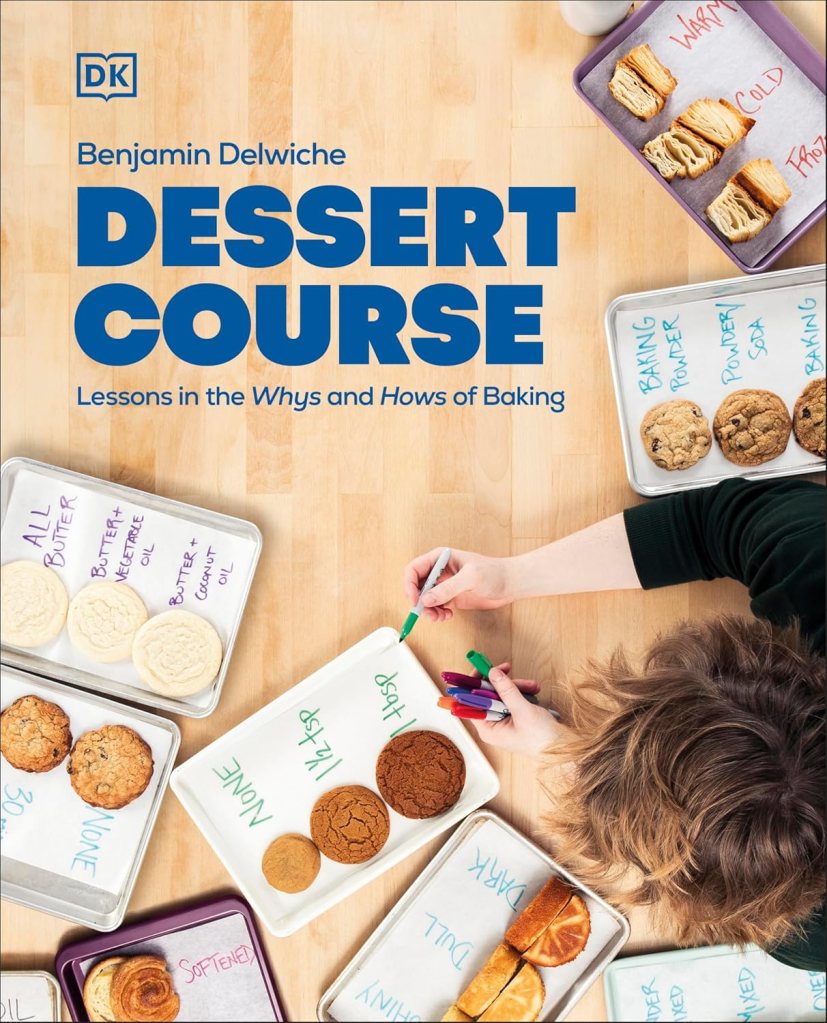
Dessert Course by Benjamin Delwiche – Cookbook Review

Who is Benjamin Delwiche?
You are more likely to know Benjamin Delwiche by his instagram handle @benjaminthebaker. Despite having over 667,000 followers avidly following his baking advice, Delwiche is actually a maths teacher. It might seem an unusual link at first. However, the parallels soon become clear when you see his approach to recipes. Just as he might break down a complicated maths equation to help a puzzled pupil, Delwiche ‘decodes’ the science behind each stage in a recipe, helping explain how and why they work. As he says in his introduction, “Following instructions is one thing, but confidently understanding the concepts that underlie the process is quite another”. 

What is Dessert Course’s USP?
Delwiche describes it as ‘a celebration of the art and science of baking: the ingredients, the recipes, and the concepts that make a baked good both technically successful and undeniably delicious.’ Dessert Course is about explaining how a handful of everyday ingredients can be transformed into an irresistible sweet treat without a kitchen full of expensive equipment or ingredients. It goes beyond just providing the recipes, aiming to help readers develop key foundational skills and understand the fundamental science behind each bake, all in a relatable and accessible manner.

What will I love?
Dessert Course is the ideal book for anyone interested in baking. Complete beginners will be able to build their confidence and knowledge, while more experienced bakers can brush up on their theory and discover more about how and why recipes work.

This is all explained in the first section, with pages dedicated to breaking down recipes, the importance of measuring and scaling, and details on various mixing methods (ever wanted to learn the ins and outs of classic creaming vs reverse creaming?). Then comes the recipes, each starting with a flow chart showing how altering a few steps (or ratios) can significantly impact the final result, ideal for anyone who enjoyed Lateral Cooking by Niki Segnit

That such a treasure trove of information never feels weighty or dull is a testament to Delwiche’s writing and the skill of the book’s design team. The combination of diagrams, charts and side-by-side photos makes Dessert Course a surprisingly engaging read, despite the volume of information. 

Even if you aren’t interested in baking theory, there are plenty of recipes that will have you reaching for your apron. This isn’t the kind of book full of unique flavour combinations or ingredients. Instead, you will find a strong selection of classic cookies, pies, cakes and breads.

Is it good bedtime reading?
Delwiche has a talent for making scientific concepts approachable. Add a few handy diagrams, flowcharts and delectable photos into the mix and you could easily find yourself whiling away the hours absorbed in how to transform a Classic Cheesecake into a Cotton (Japanese) Cheesecake, Chewy Sugar Cookies into Snickerdoodles, or the effect of using baking powder vs bicarbonate of soda. With other writers, this could become rather weighty. However, such is the style and structure of the book, all the information feels accessible and highly readable. 

Will I have trouble finding the ingredients?
No. Part of Delwiche’s philosophy is that you don’t need speciality ingredients to become a good baker. All the recipes feature affordable ingredients you should easily be able to find in your local supermarket. Having said that, Dessert Course is designed to give you the skills to bake with confidence and understand a recipe, so you could get creative and include more extravagant ingredients once you have mastered the basics. 

How easy are the recipes to follow?
There is a good mix of basic and more involved recipes. Naturally, Soda Bread is easier than Kouig-amann. However, Delwich ensures each one is clearly explained with flow charts highlighting the similarities and differences with other similar recipes (e.g. highlighting the links between Bagels and Pretzels), alongside highly informative images which clearly show the effects of different glazes, raising agents and/or how to tell if your bake is underbaked, overbaked or just right. Each recipe also includes a prep time, active time and cooking time at the top. Ideal for helping you plan how to fit a baking session into your day.

Stand-out recipes?
Don’t miss the Chewy Browned Butter Chocolate Chip Cookies or Fudgy Brownies (there are also options for ‘Chewy’ and ‘Cakey’ versions, if you prefer). The Cinnamon Coffee Cake was also a hit. 

How often will I cook from this book?
As often as you want to bak. There are recipes for every occasion with all sorts of classic cakes, biscuits and breads (not forgetting the delectable desserts and pastries).vWhether you want to make up a batch of simple Chewy Peanut Butter Cookies, or master the art of buttery Brioche. 

Any negatives?
It is very geared towards an American audience. Not a problem if you enjoy Snickerdoodles and Pumpkin Pie, but don’t expect to find the secret to the perfect Sticky Toffee Pud.

Should I buy the book?
If you enjoy cookbooks that delve deeper into the whys and hows of recipes, Dessert Course is the book for you. In some ways it is similar to SIFT (Nicola Lamb), although the recipes focus more on popular American crowd pleasing classics (compared to Lamb’s array of more innovative, elevated ideas). 

Cuisine: Baking and Patisserie 
Suitable for: Baking enthusiasts of all abilities
Great for fans of: Matt Adlard, Nicola Lamb and Ravneet Gill
Cookbook review rating: 4 stars
Buy this book: Dessert Course: Lessons in the Whys and Hows of Baking
£27.00, DK.

This review was written by Freelance Food Writer and Recipe Developer Sophie Knox Richmond. Follow her on Instagram on @sophie_kr_food

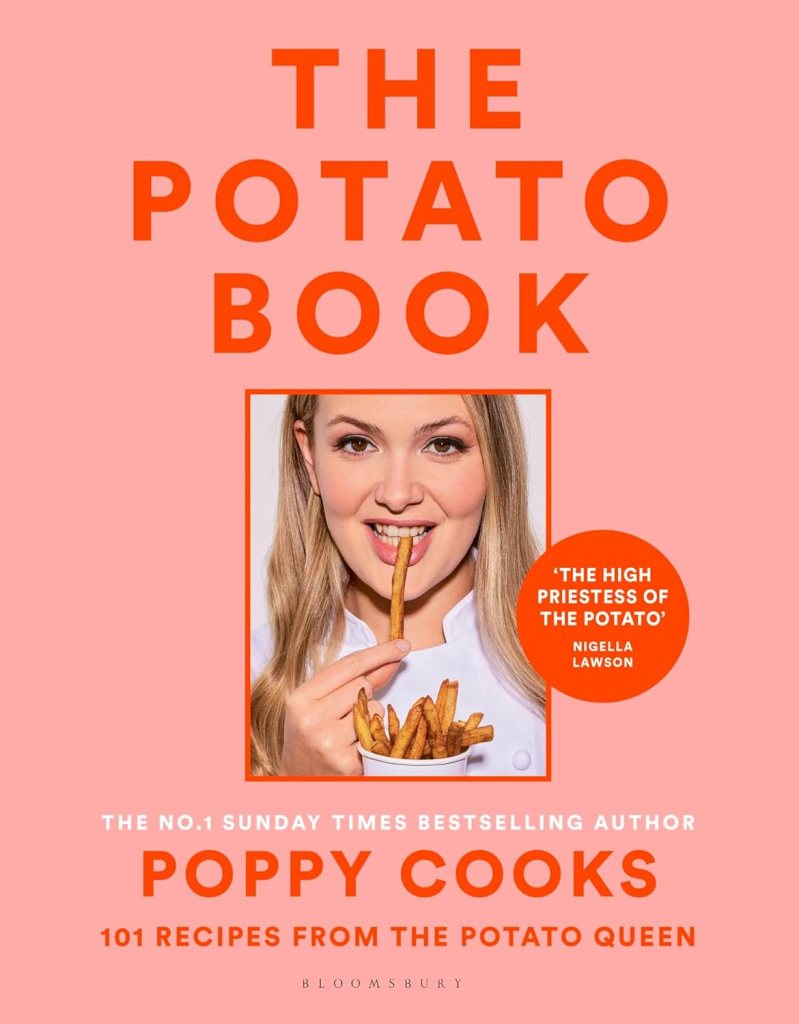
The Potato Book by Poppy O’Toole – Cookbook Review

Social media sensation Poppy O’Toole, A.K.A ‘The Potato Queen’ is back with her fourth cookbook. Having previously published best-selling books focusing on simplified cookery and air fryers, O’Toole has returned to the ingredient that made her famous: the humble spud.

What is the USP?
Your ultimate guide to potatoes with a 21st-century twist. Among the book’s 101 recipes, you will find all the classics, plus options to add an extra ‘something’ (like the ultra-indulgent ‘Three Cheese Mash’ loaded with a glorious combination of gooey mozzarella, Cheddar and Red Leicester, or umami-rich ‘Marmite Roast Potatoes’). There are also plenty of potato ideas from around the world, like ‘Latkes’ and ‘Batata Harra’ (a spicy Lebanese cubed potato dish), as well as more modern options like ‘French Onion Fondants’ and ‘Smashed Potato Nachos’. O’Toole’s relaxed, approachable manner make this a fun and celebratory book. Think of it as the potato bible for those who enjoy cooking, but don’t take themselves too seriously.

What will I love?
The photography is modern, eye-catching and enticing. You can almost taste the crispiness of the latkes just by looking at the photo, while the shot of the aligot will send you hurrying to your fridge to see if you have the ingredients.

The variety of O’Toole’s ideas is impressive. Not only does she cover all the classics, she also branches out with creative twists to bring something different. Think ‘Christmas Mash with Crispy Sprouts and Bacon’, ‘Hash Brown Bhajis’ and ‘Caramelised Onion and Cream Cheese Hasselbacks’. 

Is it good bedtime reading?
From a literary perspective, no. Each recipe has a very readable and relatable introduction, brimming with O’Toole’s chatty warmth and enthusiasm. However, this isn’t one of those books filled with lengthy essays or musings on potatoes. 

Will I have trouble finding the ingredients?
No. Obviously, potatoes are the main ingredient, but the recipes are refreshingly free from expensive or difficult-to-source ingredients. You should be able to find everything you need in your local supermarket. 

How easy are the recipes to follow?
There is a range of recipes from incredibly fuss-free and straightforward (‘Classic Skin-on Wedges’) to the more time-consuming (‘Pommes Dauphine’). Not forgetting O’Toole’s infamous ‘15-hour Potatoes’ (of which you will find several versions in this book). However, due to O’Toole’s approachable, accessible writing style, even the notionally more complex dishes are achievable for less confident cooks. 

Stand-out recipes?
The ‘Masala Chips’ are dangerously addictive, while the ‘Cheesy Leeky Mashed Potato’ is simply delicious (do try it next time you are making regular mash). The ‘Croquettes’ are another winner; packed full of flavour thanks to the combination of smoky chorizo and salty, tangy goats cheese. Do heed O’Toole’s advice and let them cool slightly before digging in though. Don’t miss the ‘Chimichurri Smashed Potatoes’ which, as O’Toole recommends, make an excellent side for steak.

How often will I cook from this book?
That depends on how often you want to eat potatoes. Given that they are an affordable, popular ingredient and O’Toole has included a wide variety of ideas for every palate and occasion, the answer is ‘regularly’. Whether you want a show-stopping potato side for a special occasion (like the ‘Ultimate Chicken and Truffle Pomme Purée’), crunchy snack (the spiced ‘Extra Crispy Smashed Spuds’ are a must-try) or soul-soothing comforting spud (the rich and indulgent ‘Tartiflette’ ticks every box), the chances are, The Potato Book will have what you need.

Any negatives?
It would be helpful to outline the prep time and cook time for each recipe at the top. It also would be beneficial to specify if dishes are vegetarian and/or vegan or highlight when ingredients need to be adjusted (for example, certain cheeses like Taleggio and, sometimes, Comté, which contain animal rennet). 

Should I buy the book?
Yes. The Potato Book is a must-have for anyone who enjoys potatoes and, dare I say it, even those who are yet to understand their versatility. It’s a fun, modern and exciting book that will change how you perceive the humble spud. 

Cuisine: International 
Suitable for: Cooks of all abilities. Especially anyone who is remotely interested in potatoes and wants to learn new ways to enjoy them. 
Great for fans of: MOB
Cookbook review rating: Four stars

Buy this book: Poppy Cooks: The Potato Book: 101 recipes from the Potato Queen
£22.00, Bloomsbury

This review was written by Freelance Food Writer and Recipe Developer Sophie Knox Richmond. Follow her on Instagram on @sophie_kr_food

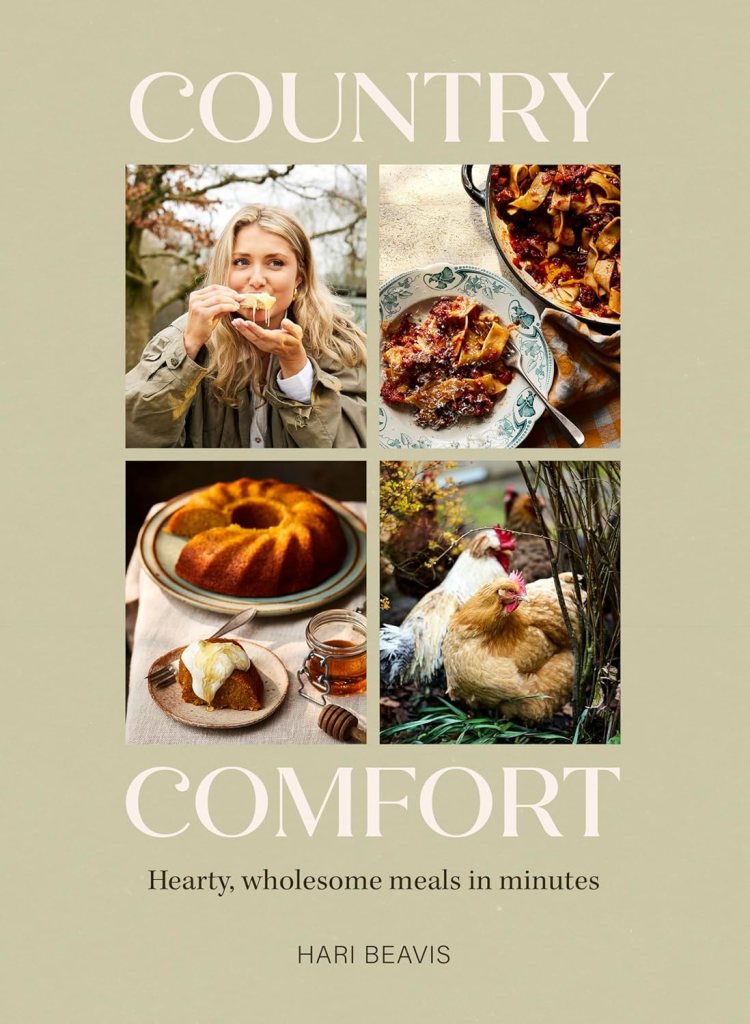
Comfort Food Recipes for Beginners: A Review of Country Comfort by Hari Beavis

Country Comforts cookbook cover.

Self-taught cook Hari Beavis has been described as ‘Gen Z’s go-to chef for comforting, cosy meals’ with nearly 300,000 followers on Instagram and over half a million on TikTok.

Growing up in the Warwickshire countryside, Beavis was raised on rich cosy meals which helped nourish the family through short, chilly days and long dark evenings, the kind of recipes she has become famous for on her social media pages. Think French Onion Soup with Cheesy Garlic Bread, Chicken Alfredo Lasagne and Parmesan Chicken Orzo, alongside Golden Syrup Cake and Chunky Monkey Cookies. They have proved so popular it was only a matter of time before publishers came knocking. The result? Her debut cookbook, Country Comfort. Beavis promises 90 recipes designed to show readers how to create crowd-pleasing, wholesome meals full of love and warmth. 

What will I love?
Country Comfort is a hug in a book, full of cosy, comforting recipes accompanied by rustic, relatable photos. , if you will. Lots of the recipes have tips offering advice on simple swaps and substitutions so you don’t feel like you have to dash out with a lengthy shopping list before you start cooking. Each recipe includes a helpful equipment list, plus the chapters are organised by time so you already vaguely know how long they should take.

Is it good bedtime reading?
Not really. The focus is very much on the recipes. They each have short introductions and paragraphs with tips but, aside from the introduction at the beginning, there isn’t much reading to get stuck into.

Will I have trouble finding the ingredients?
No. The ingredients are decidedly fuss-free. The most obscure is probably truffle mayonnaise in the ‘Chicken Sandwich’. 

How easy are the recipes to follow?
The dishes themselves are very straightforward. However, the recipes are written in paragraphs, rather than clear steps, to fit with the low-key, relaxed vibe of the book. This works for most of them, since they aren’t too complicated, however, some feel rather rushed. ‘My Loved Ones’ Carbonara’ is one example which would have benefited from a clearer, step-by-step, structure. 

Stand-out recipes?
The ‘Moroccan Chicken Dinner with Tahini Yogurt’ makes for a vibrant, flavoursome meal, while the ‘Cheesy Fish Pie’ sounds like the ultimate comfort food. The ‘Chickpea and Spinach Curry’ is perfect when you want a simple, warming supper.

How often will I cook from this book?
The range of recipes is broad enough for you to cook from the book all year round for a multitude of occasions. From a simple ‘Mediterranean Pasta Salad’ and fruity ‘Raspberry, Nectarine and Mozzarella Salad’ (ideal for summer BBQs) to a hearty ‘Butter Chicken Pie’ and ‘Hug in a Bowl Beef Stroganoff’ (perfect autumn/winter warmers). Chapters are organised by time (Comfort in…  10, 20, 30 or 40 minutes), followed by ‘Bake Everything Better’ full of sweet treats at the end (think ‘Chocolate Croissant and Hazelnut Pudding’, ‘Cinnamon Crunch Cake’ and ‘Raspberry Waffle Pudding’). There is also a useful chapter dedicated to ‘Drinks Pairings’. 

Any negatives?
The recipes feel very geared towards an Instagram audience, hardly surprising given Beavis’ large social following. Although there are many good ideas, there isn’t anything particularly innovative or inspiring. Not all of the recipes have photos which is a shame as they really add to the cosy vibe of the book. 

Should I buy the book?
If you are looking for low-effort cosy, comforting recipes, this is the book for you. It is ideal for a beginner cook looking to gain confidence in the kitchen (it would be perfect for a student) but the recipes have a distinct ‘influencer’ vibe that might leave more experienced cooks feeling a little uninspired.

Cuisine: International
Suitable for: Beginner cooks 
Great for fans of: Eleanor Wilkinson, Kitty Coles and MOB
Cookbook review rating: Three stars
Buy this book: Country Comfort: Hearty, wholesome meals in minutes
£26.00, Carnival

This review was written by Freelance Food Writer and Recipe Developer Sophie Knox Richmond. Follow her on Instagram on @sophie_kr_food

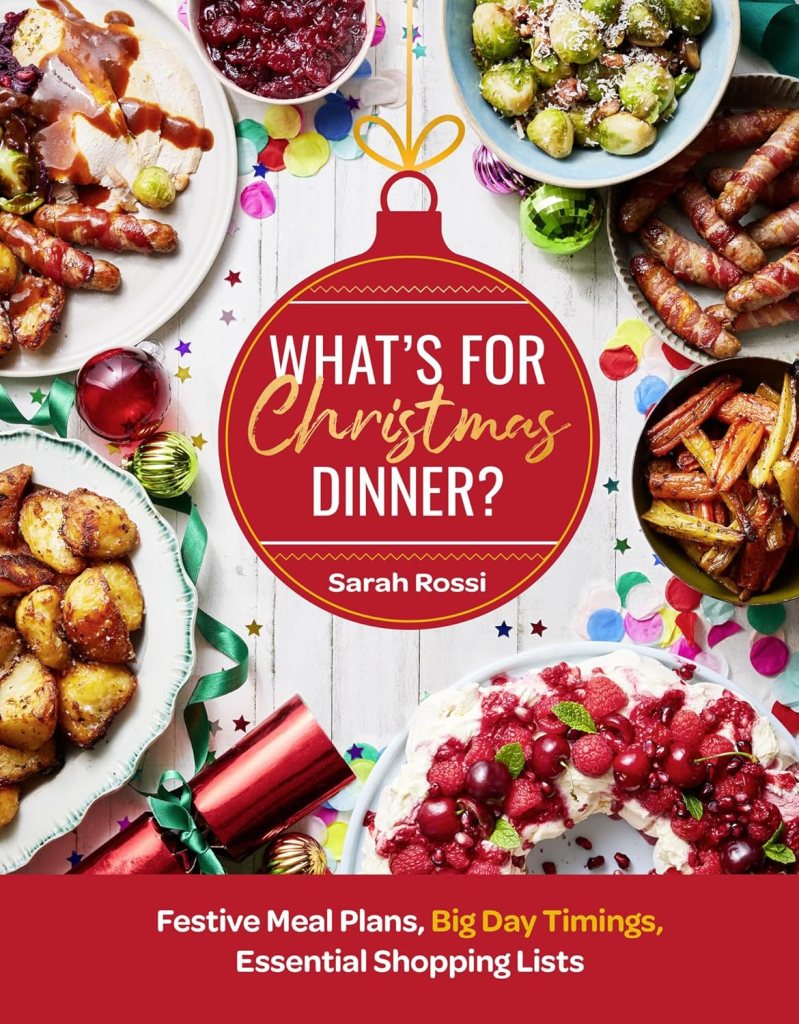
What’s For Christmas Dinner? by Sarah Rossi – Cookbook Review

Sarah Rossi, AKA founder of the immensely popular Taming Twins website, is back with her latest cookbook What’s For Christmas Dinner?. Her previous bestselling books, What’s For Dinner? and What’s For Dinner in One Pot?, secured her spot as one of the ‘go-to’ cookery writers for easy, budget-friendly, family meals. Now she has turned her attention to the season of goodwill and cheer, promising to take the stress out of Christmas and help you become a master of meal planning. A tall order indeed.

What will I love?
If you are feeling overwhelmed by Christmas, Rossi has done all the hard work for you. What’s For Christmas Dinner? is the most comprehensive culinary guide to Christmas I have come across. Alongside recipes accompanied by colourful, enticing photos, there is information on planning, shopping lists, timings for the Big Day, additional equipment, ‘get ahead’ tips, guidance for different numbers, advice on leftovers; you name it, Rossi has thought about it. There’s even a section explaining how to adapt recipes for different diets that will be helpful for anyone expecting vegetarian, vegan, nut-free, gluten-free or dairy-free guests. The book isn’t just for Christmas, much of the advice (and many of the recipes) can be applied to entertaining throughout the year.

The festive favourites are all there including ‘Classic Roast Turkey with Herb Butter’, ‘Stress-free Roast Potatoes’ and ‘Make-ahead Gravy’ as well as more modern ideas such as a retro American-style ‘Hash Brown Breakfast Bake’, moreish ‘Cheese and Chutney Scones’ and indulgent ‘Christmas Brownies’ designed to use up any leftover chocolate from the sharing selections.

Is it good bedtime reading?
Yes and no. There is plenty to read on the planning front and each chapter includes an introduction and the recipes go into extensive detail with tips, where necessary. Just don’t expect nostalgic literary musings on the beauty of Christmas. 

Will I have trouble finding the ingredients?
Not at all. Every recipe features ingredients that are readily available in the supermarkets. Advice on substitutions is also given. 

How easy are the recipes to follow?
Very. Rossi lives up to her reputation of making her recipes as fuss-free as possible. Think clear instructions, timings and prep-ahead tips.

Stand-out recipes?
The ‘Croissant Christmas Tree’ is a showstopping breakfast/brunch which can be adapted to use all sorts of spreads and the ‘Mushroom Wellingtons’ are a delicious veggie main course. The ‘Cheese and Tomato Tart’ is also a stand-out winner. On the pudding front, the ‘Chocolate Orange Pudding’ is a must-try, gloriously gooey with a decadent molten chocolate sauce. The ‘Christmas Tiramisu’, which swaps ladyfingers for panettone, is also delicious. 

How often will I cook from this book?
You could very easily do all your festive cooking exclusively from What’s For Christmas Dinner?. Chapters cover everything from ‘Nibbles and Party Food’ and ‘Cosy Nights In’ to ‘Gorgeous Gifts’ and ‘Festive Feasts’ (not forgetting ‘Leftovers’ and ‘Christmas Breakfast’).

However, it isn’t a book purely reserved for Christmas. Many recipes can easily be enjoyed throughout the year with a few adjustments, especially if you entertain regularly. Who wouldn’t love the ‘Cheese and Pesto Straws’ for a cheesy snack or ‘Smashed Pea Crostini’ as a spring/summer party nibble?

Any negatives?
While this isn’t Nigel Slater’s The Christmas Chronicles with lengthy nostalgic musings on Christmas and the beauty of the festive season, it is hard to find a negative. What’s For Christmas Dinner? does exactly what it sets out to do. A fair few of the sweet treats (e.g. desserts and baking) are chocolatey but then it is Christmas after all and there are other sweet options like zesty ‘Lemon Pots’ and a stunning ‘Wreath Pavlova’ if you aren’t a chocoholic.

Should I buy the book?
If you are entertaining and looking for a book to help you ace the festive period, What’s For Christmas Dinner? is a must-buy. Less confident cooks will get the most out of it (think of it as a festive culinary bible), but Christmas cooking veterans will still find plenty of inspiration within the pages.

Cuisine: British festive with international influences
Suitable for: anyone who wants a helping hand in the kitchen this Christmas.
Great for fans of: Jamie Oliver and The Batch Lady
Cookbook review rating: Four stars
Buy this book: What’s For Christmas Dinner? by Sarah Rossi (@tamingtwins)
£22.00, Harper Collins

This review was written by Freelance Food Writer and Recipe Developer Sophie Knox Richmond. Follow her on Instagram on @sophie_kr_food

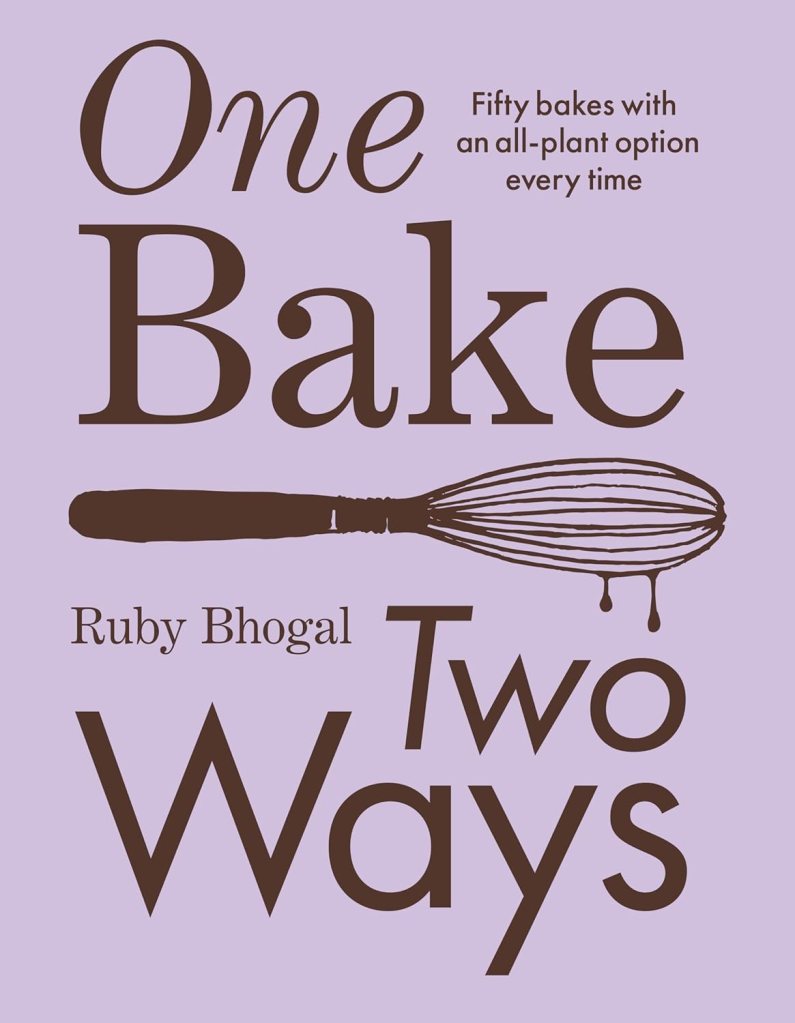
One Bake, Two Ways by Ruby Bhogal – Cookbook Review

Who is Ruby Bhogal?
A former Bake-off finalist who has gone on to become a successful food writer (her work has been featured in publications such as Waitrose magazine, GQ and the Sunday Times) and TV chef. She also has her own substack newsletter, The Last Bite, and regularly keeps her followers up-to-date with her latest baking creations on social media @rubybhogal.

What’s the USP
Each of the 50 recipes is presented twice: first in its traditional form, then with a ‘veganised’ plant-based alternative. It is undoubtedly a clever and inclusive concept, promising to help teach you the skills to cater for everyone’s needs, regardless of dietary preferences. 

What will I love?
Bhogal’s energy and enthusiasm for a start. Each recipe exudes her warmth and personality, from the chatty introductions to the friendly hints and tips included in each step. It feels like you are baking with a friend at your side.

There are also plenty of unique recipes that will encourage you to try new flavours and expand your baking repertoire. Sometimes dessert and baking books can feel a bit repetitive when you come across yet another for something like a tiramisu, but Bhogal offers genuinely new and exciting twists on classics (in this case, offering a ‘Malt Milk Tiramisu with Milk Chocolate’), that aren’t too outlandish. 

It is a brilliant concept. Even if you have no interest in vegan cooking, you can still enjoy 50 new baking recipes. Yet, if you, or someone in your family, follows a vegan diet or needs to eat dairy-free, One Bake, Two Ways shows that it is perfectly possible to make something that is every bit as achievable and delicious.

Is it good bedtime reading?
While there aren’t any long essays, Bhogal’s friendly writing style makes the introductions a joy to read. You could happily browse through the pages marvelling out the array of bakes on offer, and the nifty tips and tricks to make them vegan-friendly, before drifting off into a sweet slumber. 

Will I have trouble finding the ingredients?
For a book which is 50% vegan, there is a distinct lack of unusual ingredients (phew!). Plant-based milk, butter and spread are all widely available, perhaps the trickiest thing to get hold of is vegan white chocolate but it is available online.

How easy are the recipes to follow?
Some of the recipes are more faffy than others (e.g. the ‘Chocolate Wagon Wheels with Raspberry Jam and Hazelnut Biscuit’), but there are plenty of simpler options for when you want a quick and easy bake. As mentioned above, Bhogal’s directions are consistently clear and accessible throughout so that even the more complex recipes seem achievable.

Stand-out recipes?
The ‘Self-saucing Sticky Toffee Pud Tray-Cake with Stem Ginger and Chocolate’ is everything you want in a comforting winter pud, whilst the ‘Victoria Sponge Loaf with Roasted Strawberries and Mint’ is a must-make during the summer months when strawberries are in season. Meanwhile, chocoholics won’t be able to resist a slice of the unbelievably moist ‘Chocolate Fudge Sponge with Milk Chocolate Fudge Frosting’, and don’t miss the beautifully buttery ‘Cranberry, Apricot and Almond Couronne with Apricot Glaze’ which is guaranteed to impress friends and family.

How often will I cook from this book?
There are bakes for every occasion so, if you are a regular baker, there is enough to pique your interest and keep you busy. The only thing to bear in mind is that a few of the recipes call for some more expensive ingredients.

Any negatives?
The majority of the recipes include a modern twist on a classic, so if you are a staunch traditionalist who is horrified at the idea of adding chai to your custard creams or swapping the classic dark chocolate Viennese whirls for the more tropical ‘Passion Fruit Viennese Fingers with White Chocolate and Coconut Ganache’, then this probably isn’t the book for you.

It would also be helpful to have the cooking time by the ingredients so you can easily see how long a recipe will take, rather than skimming the recipe and calculating it in your head. This is especially important for baking so you can gauge if it is going to be an ‘all-day’ recipe requiring resting, chilling, proving etc. or one that can be whipped up in an afternoon. Finally, not every recipe has a photo which may bother some more than others. 

Should I buy the book?
If you love trying innovative new flavours in your bakes and/or are curious about dabbling in more plant-based baking, this is most certainly the book for you. 

Cuisine: Baking
Suitable for: Cooks of all abilities 
Great for fans of: Ravneet Gill, Phillip Khoury and Max La Manna
Cookbook review rating: Four stars

Buy this book: One Bake, Two Ways
£26.00, Pavillion

This review was written by Freelance Food Writer and Recipe Developer Sophie Knox Richmond. Follow her on Instagram on @sophie_kr_food

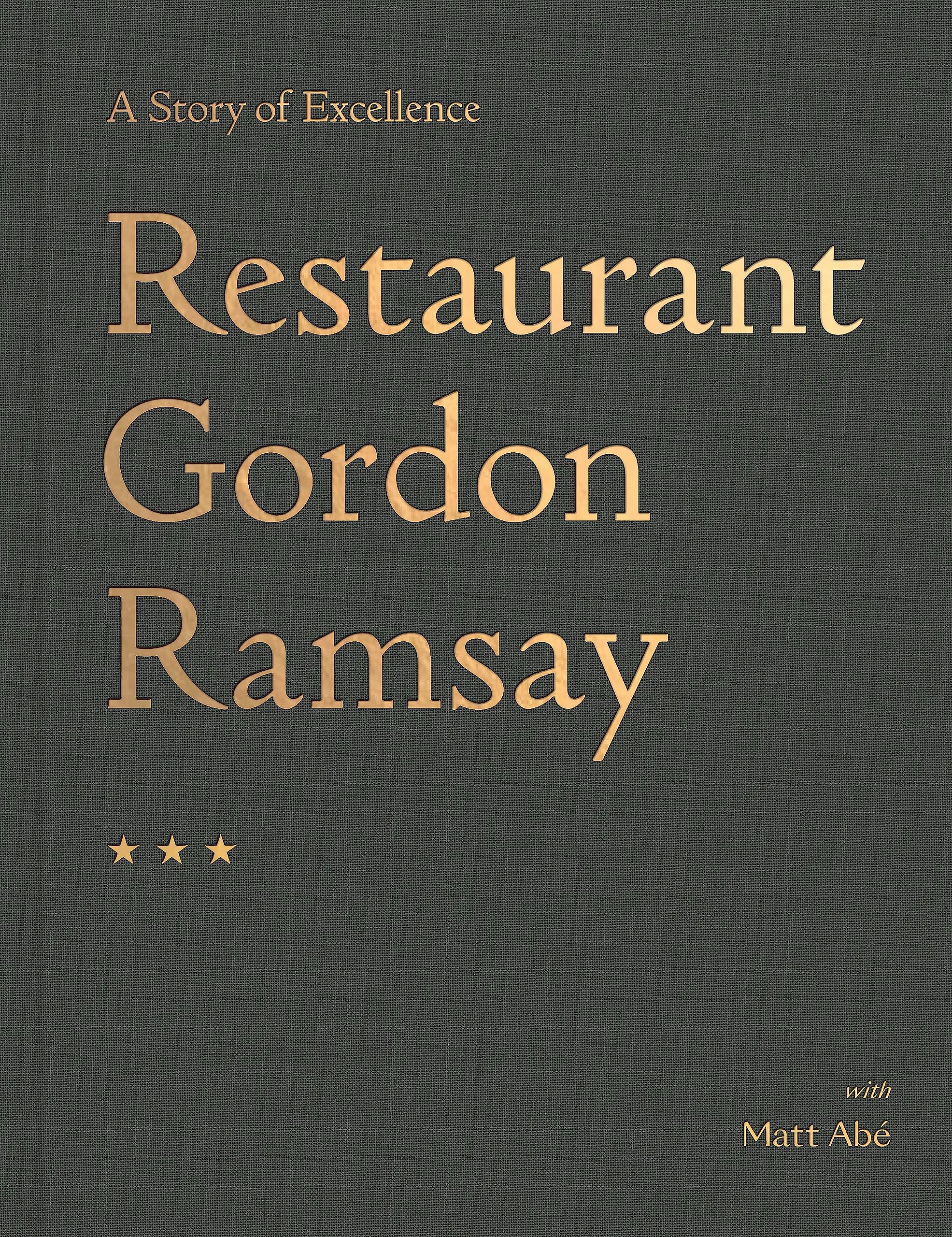
Restaurant Gordon Ramsay: A Story of Excellence by Gordon Ramsay

Restaurant Gordon Ramsay

What’s the USP? A follow up of sorts to Ramsay’s 2007 book Three Star Chef  that focuses on the food and story of his three Michelin starred flagship restaurant Restaurant Gordon Ramsay in Chelsea, London. Recipes are organised by seasons, each with an introduction to the key ingredients available at the time of year. Interspersed is Ramsay’s anecdotal history of the restaurant. As such, the book is aimed at professional chefs and those who want a memento of what might possibly be a meal of a lifetime and be of less interest to the audience for Ramsay’s usual quick and easy-style cookbooks such as Ramsay in 10: Delicious Recipes Made in a Flash.

Who is the author? That bad tempered shouty bloke from off the telly, that’s who. Born in Scotland and brought up in Stratford-upon-Avon, he is a former aspiring professional footballer turned most-famous-chef-currently-on-the-planet. Trained by some of the leading chefs of the time including Albert Roux, Marco Pierre White, Guy Savoy and Joël Robuchon, Ramsay opened his first restaurant Aubergine in Fulham in 1993 where he won two Michelin stars. The third came when he opened Restaurant Gordon Ramsay in 1998. His restaurant empire currently spans the UK, France, the US, Dubai and Singapore and encompasses everything from the two Michelin starred Le Pressoir d’Argent in Bordeaux to a string of Street Pizza and Street Burger restaurants. Ramsay is a familiar figure on TV both sides of the Atlantic with shows including Hell’s Kitchen, Masterchef, Masterchef Jr., 24 Hours To Hell & Back, Gordon Ramsay: Uncharted and Gordon, Gino And Fred.

The book’s co author is Restaurant Gordon Ramsay Chef Patron Matt Abé who has worked for Ramsay for 16 years. Born in Australia, he worked at Aria Restaurant in Sydney and Vue du Monde in Melbourne before moving to the UK at the age of 21 to work as chef de partie at Claridge’s. He then moved to Restaurant Gordon Ramsay, working his way up from chef de partie to his current position overseeing the whole restaurant.

Are the recipes easy to follow? Well, sort of. Let’s take ‘Veal Sweetbread, Toasted Grains, Ajo Blanco, Malt’ as an example. First you’ll need to make your veal stock and chicken stock (separate recipes for both are included in the ‘basics’ section). You’ll need 4kg of veal bones and 3kg of chicken wings and necks and 24 hours during which you’ll be regularly skimming the stocks. The recipe fails to explain how you’ll get any sleep during this process so you’ll have to figure that one for yourselves.

Anyway, once you’ve had a nap, it’s time to get the malt jus on. You’ll just need a kilo of veal trimmings for this and fair amount of time for browning and reducing and passing. Once you’ve got your beautiful and extremely expensive sauce, it’s time to deep fry some wild rice and amaranth grains to puff them up for garnish. The cost of living crisis means this alone is an horrendously expensive process, but it’ll be worth it.

Once you’ve got those boxed up, all you need to do is trim 2kg of veal heart sweetbreads (they were all out at Asda but I’m sure you can track them down at your local butcher. Do you have one of those? Lucky you) removing the membrane with your razor sharp Japanese-style chef’s knife. Then just fry them up and top with some honey glaze (there’s a separate recipe for that), your puffed grains plus some sobacha and malted oats you just happen to have in the cupboard, along with all those allium buds and flowers you were looking for something to do with. Then you pour over your ajo blanco (sorry, didn’t I mention it that before? Yes, that’s another thing you need to make) and your malt jus and job’s a good’un.

It’s at this point you begin to realise why dinner at Restaurant Gordon Ramsay costs £180 a head just for the food. So to answer the question, the recipes are pretty straightforward, if you take each individual component by itself. But it’s the amount of components, the number of ingredient, the time involved and the skill and equipment required (you’ll need a Vitamix if you are going to follow the recipe to the letter and achieve the sort of velvety texture Abé does in the restaurant for example) that’s the issue.

Will I have trouble finding the ingredients? There are a number of dishes such as canapes and amuse-bouche where you will find it impossible as there are no recipes, just images and a description. This sadly includes the restaurant’s fantastic Parker House rolls. If anything would have been worth the £60 cost of the book it would be a recipe for that bread, one of the highlights of a recent meal I was lucky enough to enjoy at RGR.

While many of the ingredients for most of the dishes in the book are readily available in some form or another, there are quite a few instances of micro herbs/foraged flowers, herbs and leaves and the sort of powders associated with molecular gastronomy (although the food in the book is very far removed from that) being required. So you’ll need for example to track down mustard frills, chickweed leaves and three cornered garlic flowers for a asparagus and morel starter, and some Ultratex (and a Pacojet) to make a herb puree for a cod and Jersey Royal dish. However, it would only take a little thought and ingenuity for an experienced cook (and certainly a professional chef) to work around these requirements without straying too far from the original intention of the dish.

How often will I cook from this book? While this is at heart a coffee table book, it could also have a useful life in your kitchen. If you are a home cook, most of the complete dishes in the book will be quite a serious undertaking. However, many of the individual components are fairly straightforward, so you might make the saffron emulsion (mayo) that accompanies a crab and melon mousse and that’s flavoured with paprika and Espelette chilli powder and serve it with some simply grilled fish.

Does it make for a good bedtime read? This is the story of the restaurant as well as a recipe book so there’s a good amount to read. This is very much Ramsay’s version of events however and key players like Marcus Wareing, Angela Hartnett, Mark Sargeant, Jason Atherton and Mark Askew  (none of whom still work for Ramsay) get only a passing mention. There are a few juicy nuggets like the fact Ramsay was paid £200k for the Boiling Point documentary series and that he applies ‘ruthless margins on wine’ (now you know the other reason why your dinner is so expensive). If you’ve read Playing With Fire or Humble Pie, Ramsay ‘s two autobiographies you won’t learn much new here but it’s an enjoyable read nevertheless. There are also some interesting observations on seasonal ingredients including the fact that lobsters are never cooked whole at the restaurant because each part cooks at a different rate.

Should I buy the book? The book looks a million dollars, especially the fantastic food shots by John Carey, is a decent read and has some great, if daunting recipes. Ramsay fans, professional chefs and ambitious home cooks will find much to enjoy and inspire here. What it’s definitely not is a practical everyday cookbook, but there are plenty of those already. Perhaps a book you would gift rather than buy for yourself.

Cuisine: Modern British
Suitable for: For professional chefs
Cookbook Review Rating: Four stars

Buy this book: Restaurant Gordon Ramsay: A Story of Excellence by Gordon Ramsay

HARISSA CHICKEN GYROS by Nathan Anthony (Bored of Lunch)

055_harissachickengyros

These are stunning and make lunchtime extra special, inspired by a version I had at a street food festival. They’re so quick to make that they also work really well for dinner, especially if you’re having friends round. They look so good that people will think you’ve spent ages cooking but the reality is, it’s all done in 15 minutes.

SERVES 3 (331 calories each)

2 tbsp harissa paste
juice of 1 lemon
1 tsp paprika
1 tsp Cajun seasoning
1 tsp ground cumin
500g skinless, boneless chicken thighs
salt and pepper, to taste
3 supermarket gyros, flatbreads or pittas
handful of rocket
3 tbsp pomegranate seeds
small handful of pickled red onions (I use shop-bought – who has time to pickle
stuff?)

Sauce
5 heaped tbsp Greek yogurt
juice of 1 lemon
2 garlic cloves, crushed

1 Combine the harissa, lemon juice, paprika, Cajun seasoning, cumin and salt and pepper in a bowl. Coat the chicken with this mixture – if you can, preheat the air fryer for 2–3 minutes because adding the chicken to the hot drawer will give it an extra bit of char. Air-fry at 200°C for 12 minutes.

2 While the chicken is cooking, combine the yogurt with the lemon juice and garlic.

3 Heat the gyros or flatbreads and assemble, stuffing with the chicken and rocket and drizzling over the yogurt sauce, then top with the pomegranate seeds and pickled red onions.

Cook more from this book
Fish Tacos by Nathan Anthony (Bored of Lunch)
’NDUJA-STUFFEDARANCINI BALLS by Nathan Anthony (Bored of Lunch)

Read the review
coming soon

But the book: Bored of Lunch: The Healthy Air Fryer Book by Nathan Anthony
£18.99, Ebury Press

BoredofLunch_Airfryer_FRONT