Wild Duck with Hokkaido Squash and Arabica by Bo Bech

Wild Duck Pumpkin

For 4 people

Ingredients:
2 wild ducks
Hay
1 Hokkaido squash
1 lemon
1 orange
1 tablespoon Acacia honey
200 grams salted butter
100 grams espresso
2 tablespoons maple syrup
1 tablespoon coriander seeds

Method:
Remove the legs from the wild ducks (reserve these for another use), leaving as much skin on the breasts as possible. Remove the wishbone and innards.

Place hay in the bottom of a large high-sided pot and rest the wild ducks on the hay. Set the hay afire, so it burns the wild ducks. Let the hay almost finish burning, then cover the pot with a lid to suffocate the flames. Let the wild ducks smoke for 10 minutes, then keep chilled until use. The wild ducks may be smoked a couple of days prior to use.

Bake the Hokkaido squash in the oven at 200 degrees Celsius for an hour, then let rest for about 30 minutes.
Slice open the squash, remove the seeds and scrape out the flesh. Squeeze the lemon and orange and strain the juice. Blend the Hokkaido squash to a smooth pure, adding orange and lemon juice to taste. Sweeten with Acacia honey, if needed (we never add salt).

Brown the salted butter until foamy. Add espresso and maple syrup and keep the sauce warm.

Grill the skin of the wild ducks on all sides. Roast the wild ducks in the oven at 200 degrees Celsius for 8-10 minutes, depending on their size, and let rest for five minutes.

Slice off the breasts and lay them skin-side down on the grill for a few seconds, then slice thinly and season with salt and toasted crushed coriander seeds.

Fan out slices of wild duck on a plate. Place a spoonful of Hokkaido squash puree on the side and pour the brown butter-maple syrup-espresso sauce over the duck.

Cook more from this book
Baked white onion with tamari
Turbot with fennel ravioli

Read the review 

Buy this book
In My Blood

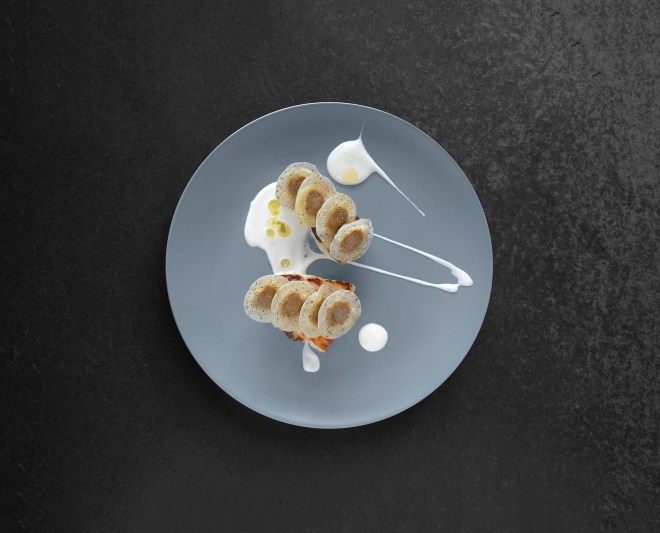
Turbot with Fennel Ravioli on Gruyere by Bo Bech

Turbot Gruyere Fennel.jpg

For 4 people

Ingredients:
1 turbot, 3 kilo
4 fennel bulbs
3 whole star anise
1 lemongrass stalk
2 tablespoons grapeseed oil
200 grams Gruyere cheese
200 grams salted butter
4 tablespoons yogurt Black pepper

Method:
Rinse and dry the fennel bulbs. Slice thinly on a mandoline and transfer to a pot, adding the grapeseed oil. Bruise the lemongrass stalk with the back side of knife, then transfer to a tea bag along with star anise. Add the tea bag to the pot. Place a piece of wet parchment paper over the fennel and roast at medium heat until tender and caramelised. It may stick a bit to the bottom of the pot.

Remove the pot from the heat and let stand for a few minutes. Stir the pot well so that the caramelised bits in the bottom dissolve. Return the pot to the heat. Let the fennel become tender and golden, then remove the tea bag. Blend the fennel smooth and add salt to taste. The consistency must be very thick. Transfer the puree to a piping bag.

Slice Gruyere cheese as thinly as possible, using a deli meat slicer if possible. Cut out circles of the cheese using a cutting ring about four centimetres in diameter. There should be 16 circles per dish. Place half the slices on a parchment-lined baking pan. Pipe a dot of fennel puree on the middle of each circle of Gruyere cheese and carefully place another circle on top, so that it floats on top of the puree.

Bake the raviolis at 90 degrees Celsius, until the top slice of cheese has melted over the fennel puree and touches the bottom slice. Remove the raviolis from the oven and let them cool slightly, then turn them over and season with black pepper. Blend the remaining cheese with 100 grams of melted butter and strain. Pour off the water from the cheese fat when cooled.

Melt the remaining 100 grams of salted butter slowly without boiling. Pour into a transparent bowl, so the clarified butter can be seen clearly on top and the whey rests on the bottom. Let stand for a few minutes while it separates completely. Use a strainer to separate the clarified butter.

Fillet the turbot from the bone, remove the skin and divide the fish into eight pieces of equal size. Cook the turbot in clarified butter on a hot pan. Cook the prettiest side first, so that it will face upward when serving.

Swirl a spoonful of yogurt onto a plate and add a few drops of cheese fat. Place two pieces of turbot on the plate and arrange four raviolis on each piece of turbot.

Cook more from this book
Wild duck with Hokkaido Squash
Baked white onion with tamari

Read the review

Buy this book
In My Blood

Baked white onion with tamari, ginger, lime and sesame by Bo Bech

White onion.jpg

For 4 people

Ingredients:
4-6 large white onions
1 lemon
4 tablespoons sesame seeds Sichuan pepper
50 grams ginger juice
50 grams lime juice
50 grams tamari
50 grams acacia honey
50 grams toasted sesame oil

Method:
Whisk together ginger juice, lime juice, tamari and acacia honey. Add toasted sesame oil to taste.

Bake the whole onions at 200 degrees Celsius for about 30 minutes until tender (the baking time will depend on the size of the onions). Slice off the bottom of the onions and split each in half lengthwise. Divide each onion half into wedges and sprinkle with grated lemon peel, salt, Sichuan peppercorns, salt and sesame seeds.

Arrange the onion wedges on a plate and pour sauce into each wedge. The dish can be eaten as finger food.

Cook more from this book
Turbot with fennel ravioli on Gruyere
Wild duck with Hokkaido Squash

Read the review

Buy this book
In My Blood by Bo Bech
 

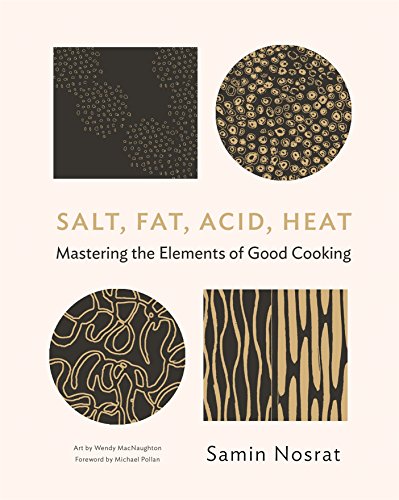
Salt, Fat, Acid, Heat by Samin Nosrat

51V-LRn5VJL

What’s the USP? According to the publishers, Salt, Fat, Acid, Heat is ‘The last cookbook you’ll ever need’, so by reviewing it, I’m risking consigning this blog to the dustbin of history. But of course, it’s not the last cookbook you’ll ever need; we all need new cookbooks all the time, one a day if possible (addicted, me? I beg your pardon!). What the book does, however, is attempt to codify the fundamentals of cooking so that the reader is freed, if they so wish to be, from the (delightful) tyranny of the recipe.   

Who is the author? Samin Nosrat is a writer, teacher and chef who has gone from working at Alice Water’s legendary Californian restaurant Chez Panisse to a being a culinary star thanks to the Netflix serialization of Salt, Fat Acid, Heat, her first book.

What does it look like? A great big comforting block of a book (it runs to over 470 pages) with a very distinctive look, from Rafaela Romaya’s eye-catching graphic cover design (illustrating what I’m assuming to be salt, fat, acid and heat at a molecular level) to Wendy MacNaughton’s charming colour hand-drawn illustrations (apart from headshots of Nosrat and MacNaughton, there are no photographs in the book).

Is it good bedtime reading? Divided into two halves, part one ‘The Four Elements of Good Cooking’ is nothing but bedtime, or anytime reading (part two is where you’ll find all the recipes). Four chapters explore Salt, Fat, Acid and Heat in turn, using Nosrat’s own experience cooking in professional kitchens and her culinary travels, mixed in with a dollop of easily understandable basic science and a generous helping of common sense to explain what cooking is and how you can understand the knowledge that will allow you to acquire the skill of cooking.   

Will I have trouble finding ingredients? Nosrat takes a truly international approach to her subject, including recipes for anything from Vietnamese cucumber salad to classic American chicken pot pie with plenty of Italian pasta dishes along the way (not to mention food from North Africa, Mexico, Lebanon and on and on…), so inevitably you will come up against an ingredient or two that you might have to hunt around for, depending on how well you are served in your area by Asian supermarkets and other specialist suppliers. That said, the vast majority of recipes in the book should pose you no problem at all in the ingredients department.

What’s the faff factor? This is a book all about cooking, so expect to be doing a lot of it. The idea here is to learn and explore the techniques of cooking: braising, streaming, frying in all its forms, smoking, making stocks and sauces, baking etc. so don’t expect too many ‘meals-in-minutes’ (although the currently very trendy Roman pasta dish of Cacio e Pepe – spaghetti with pecorino cheese and loads of black pepper – literally takes only minutes to prepare). Nosrat is all about doing things properly, and not ‘cheffy’ flourishes. You won’t find yourself making endless fiddly garnishes that are best left to restaurant cooks, but you will need to be organized enough to marinate a chicken overnight to make Nosrat’s signature buttermilk-marinated roast chicken and then knock up a panzanella (Tuscan bread and tomato salad) to accompany it.

How often will I cook from the book? Despite the ‘cookery-course-in-a-single-volume’ conceit, this is not a book you will work through and then never look at again. The breadth and variety of recipes mean Salt, Fat, Acid, Heat will provide inspiration for meals any time of the week, and for special occasions, for years to come.

Killer recipes? Those already mentioned above plus pork braised with chillies; chicken and garlic soup; spicy cima di rapa with ricotta salata; Lori’s Chocolate Midnight Cake; classic apple pie and many more.

What will I love? The look and feel of the book; it’s scope and ambition, the enthusiasm and care in the writing, the fact that you’re virtually getting two books (a 200-page treatise on cooking and a 200-page recipe book) for the price of one and the chance to hear a fresh new voice in food writing.

What won’t I like? As with any book that attempts to ‘deconstruct’ the practice of cooking or explain the underlying science behind cooking techniques, you may be left with the feeling of, so what? Do we need to understand that salt works by osmosis and diffusion or will the recipe for spicy brined turkey breast suffice? As a home cook of 35 years, it is interesting to see the subject from another angle but I’m not sure I’m a better cook for having read the book.

Although I loved the idea of the double-page fold-out charts and graphs, I’m not convinced of their practicality. If I consult ‘The World of Flavour’ wheel to check which ingredients I should be using when I’m cooking a dish from Argentina and Uruguay (parsley, oregano, chilli, paprika) what do I do with that information if I don’t already know that cuisine well? Unless I then refer to a recipe, which then makes the wheel redundant. From the ‘Ph of almost everything in Samin’s kitchen’ diagram, we ‘learn’ that lime is more acidic than black coffee; ‘the Avocado Matrix’ only serves to make something very simple – variations of avocado salad – head-spinningly complex, and I gave up trying to interpret the faintly ludicrous colour coded ‘Vegetables: How and When’ chart that seems to say that it’s OK to blanch potatoes but not sauté them – what!?

Salt, Fat, Acid, Heat wouldn’t be the same book without MacNaughton’s lovely illustrations, but sometimes the accuracy of a photograph would have been welcome and more helpful; the drawings of how an egg changes minute by minute as it’s boiled are difficult to distinguish between, especially between 6 and 10 minutes, and the ‘Knife Cuts to Scale’ illustration is a little confusing; how thin actually are those thin slices of celery, and why is crumbled feta included at all (surely you do that with your fingers and not a knife?).

Should I buy it? Despite the reservations listed above, there is much to like about the book and it will be of particular value to those just starting out on their culinary adventure.  

Cuisine: International
Suitable for:
Beginner cooks
Cookbook Review Rating:
4

Buy this book
Salt, Fat, Acid, Heat: Mastering the Elements of Good Cooking: The Four Elements of Good Cooking

Braised eggs with leek and za’atar by Yotam Ottolenghi

Braised eggs.pngServes six

This is a quick way to get a very comforting meal on the table in a wonderfully short amount of time. It’s a dish as happily eaten for brunch, with coffee, as it is for a light supper with some crusty white bread and a glass of wine. The leeks and spinach can be made up to a day ahead and kept in the fridge, ready for the eggs to be cracked in and braised.

30g unsalted butter
2 tbsp olive oil 2 large leeks (or 4 smaller), trimmed and cut into ½cm slices (530g)
1 tsp cumin seeds, toasted and lightly crushed
2 small preserved lemons, pips discarded, skin and flesh finely chopped (30g)
300ml vegetable stock
200g baby spinach leaves
6 large eggs
90g feta broken into 2cm pieces
1 tbsp za’atar salt and black pepper

  1. Put the butter and 1 tablespoon of oil into a large sauté pan, for which you have a lid, and place on a medium high heat. Once the butter starts to foam, add the leeks, ½ teaspoon of salt and plenty of pepper. Fry for 3 minutes, stirring frequently, until the leeks are soft. Add the cumin, lemon and vegetable stock and boil rapidly for 4–5 minutes, until most of the stock has evaporated. Fold in the spinach and cook for a minute, until wilted, then reduce the heat to medium.
  2. Use a large spoon to make 6 indentations in the mixture and break one egg into each space. Sprinkle the eggs with a pinch of salt, dot the feta around the eggs, then cover the pan. Simmer for 4–5 minutes, until the egg whites are cooked but the yolks are still runny.
  3. Mix the za’atar with the remaining tablespoon of oil and brush over the eggs. Serve at once, straight from the pan.

Cook more from this book
Iranian herb fritters
Slow cooked chicken

Read the review

Simple by Yotam Ottolenghi

Simple Ottolenghi

What’s the USP? The publishing phenomenon that is Yotam Ottolenghi returns with a seventh volume of his signature Middle Eastern-inflected food but this time, with colour-coded, simplified recipes for cooks who are short on time or just plain lazy.

Who’s the author? Ottolenghi is a world-famous cookery writer and restaurateur who has almost single-handedly brought Middle Eastern cuisine into the mainstream (although he would no doubt acknowledge the importance of ground-breaking writers such as Claudia Roden who wrote the definitive Book of Middle Eastern Food back in 1972). He runs NOPI and ROVI restaurants in London, alongside a group of four Ottolenghi deli’s dotted around the capital. He has filmed two series of Mediterranean Feasts for Channel 4 and Jerusalem on a Plate for the BBC.

What does it look like? Colourful. From the big lemon on the cover to the bright chapter headers (aubergine purple for Cooked Veg, marine blue for Fish, each accompanied by a charming graphic) and of course the always vibrant, multi-hued food, the book will bring a little ray of sunshine into your kitchen whatever the weather outside. And then there’s the six-step ‘traffic light’ recipe colour-coding using the acronym SIMPLE – an orange ‘S’ for ‘short on time’, a yellow ‘I’ for ‘ingredients: 10 or less’, a green M for ‘make ahead’, a blue P for ‘pantry’, a light green L for ‘lazy’ and a red ‘E’ for ‘easier than you think’.

Is it good bedtime reading? This is a straight up recipe book with an introduction that explains how the colour coding works and short recipe introductions that are often breezy, chatty and mostly about serving suggestions or alternative ingredients. A book for when you are looking for inspiration to cook rather than recreational reading.

How annoyingly vague are the recipes? Ottolenghi has been good enough to credit his two co-authors, food writer Tara Wigley and chef and recipe tester Esme Howarth and, between the three of them, they have produced a book of carefully written recipes that even give weights for herbs instead of ‘bunches’ or ‘handfuls’ and unusually, specify many ingredients by both number and weight, so you know for example that 2 small onions should equal about 250g. It’s a very useful and practical feature and one that should make the book particularly appealing to less confident cooks.

Will I have trouble finding ingredients? You shouldn’t have any problems tracking down everything you need, but if you do get stuck, good old Ottolenghi has his own web store, stocked with everything from black glutinous rice to dried sour cherries that will get you out of any purchasing hole. Handy eh?

What’s the faff factor? For a book titled Simple, there are a fair-few long ingredient lists and complicated methods.

How often will I cook from the book? Simple is one of those rare cookbooks where you’ll want to try every recipe so there’s no danger that it will sit sad and unused on your shelf.

Killer recipes? Standouts include gem lettuce with herby avocado and tahini ‘fridge-raid’ dressing that is bound to become part of your standard repertoire, and a wicked hazelnut, peach and raspberry cake that’s a cinch to make but tastes like your pastry chef sweated hours over it.

What will I love? The useful directory of  ‘Ottolenghi’ ingredients like sumac, za’atar and urfa chilli flakes that help define his cooking; the meal and feast suggestions that will help you plan your cooking, and the book’s upbeat, approachable style. A unique code is printed at the back of the book which gives access to a fully searchable online version of Simple which means you can cook from the book via your phone or tablet (or laptop) when you are away from home (or even if you are at home but don’t want to get pomegranate molasses stains on the pages of your beautiful new cookbook).

What won’t I like? Although the SIMPLE colour coding is a nice conceit, I’m not convinced of its practical use. A more straightforward indication of time to prepare and cook the dishes would be more useful in deciding which recipe to cook on any given day. And not all the recipes are even that simple; slow cooked chicken with a crisp corn crust for example has 16 ingredients and requires you to separate eggs, whisk up the whites and fold back into a corn batter to make the crust, in addition to a two-stage cooking process that will take well over an hour and half to complete (that said, the dish does look well worth the effort).

Should I buy it? If you are new to Ottolenghi, this is an excellent place to start and if you are a converted fan then you will want to add this to your collection.

Cuisine: Middle Eastern
Suitable for: Confident home cooks
Cookbook Review Rating: 4 Stars

Buy this book
Ottolenghi SIMPLE

Cook from this book
Braised eggs
Iranian herb fritters
Slow cooked chicken with a crisp corn crust

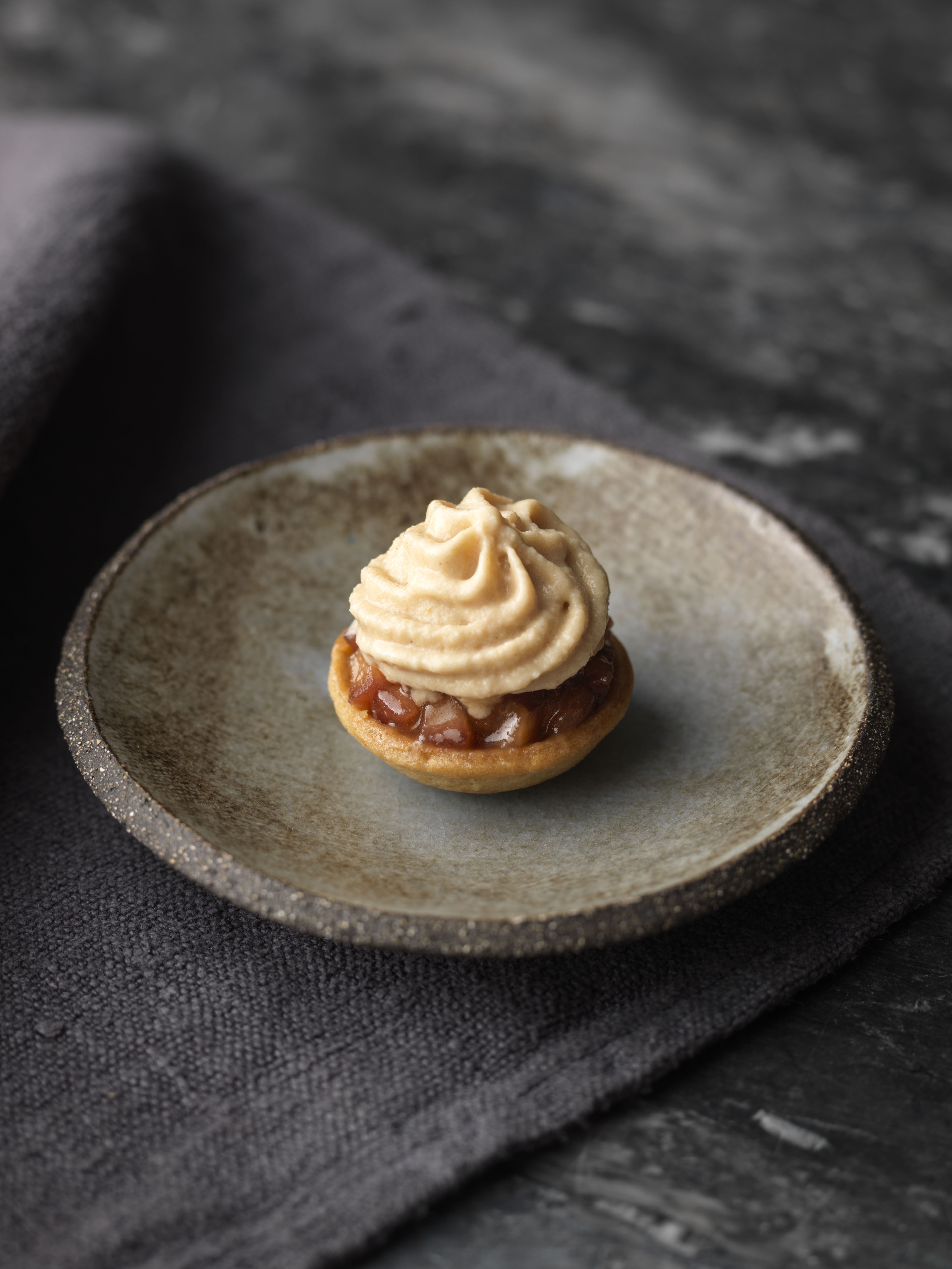
Quince tart with gingerbread ice cream by Simon Rogan

Quince Tart

MAKES 8

Gingerbread
80g unsalted butter
50g molasses
400g plain flour
250g caster sugar
1 tsp baking powder
a pinch of salt
zest of 1 lemon
50ml whole milk
80g preserved stem ginger (from a jar)
½ tsp ground cinnamon
1 tsp ground ginger
50g fresh ginger
2 eggs

Gingerbread ice cream
500ml whole milk
2 egg yolks
25g caster sugar
½ tsp salt
125g gingerbread, from recipe above, roughly broken into chunks
Pastry
270g plain flour, plus extra for dusting
150g unsalted butter, softened
75g soft light brown sugar
1 tsp salt
1 egg

Poached quince
1 quince
350ml red wine
250g caster sugar
50g unsalted butter

Preheat the oven to 195°C/175°C Fan/Gas Mark 5, grease a 900g (2lb) loaf tin and line it with baking parchment.

To make the gingerbread, melt the butter and the molasses in a heavy-based saucepan over a medium heat. Once melted, remove from the heat and leave to one side. Mix the flour, caster sugar, baking powder, salt and lemon zest together in a large bowl. Blitz the milk, stem ginger, cinnamon, ground ginger and fresh ginger in a small food processor until smooth, then pass through a fine sieve. Beat the eggs in a bowl and mix with the ginger milk, then add the molasses mix. Whisk the wet ingredients into the dry ingredients little by little, until fully incorporated.

Transfer the mixture to the prepared tin and bake for 50 minutes. Once cooked (a skewer inserted into the middle of the cake should come out clean), remove from the oven and leave to cool. Remove from the tin and cut into suitable size 125g pieces, wrap each piece in cling film and freeze.

To make the ice cream, bring the milk to the boil in a heavy-based saucepan over a medium heat. Combine the egg yolks, sugar and salt in a heatproof bowl. Gradually pour the hot milk into the yolk and sugar mixture, whisking constantly to prevent the eggs from scrambling. Return to the pan and cook over a low heat until the temperature of the mixture reaches 80°C (check with a thermometer), stirring constantly. Remove from the heat and add the fresh or defrosted from frozen gingerbread, then allow to cool. Blitz in a blender until smooth then churn in an ice-cream maker until frozen. Transfer the ice cream to a piping bag fitted with a star nozzle and keep in the freezer.

While the ice cream is churning, make the tart bases. Mix the flour and the butter together by hand in a bowl until the mixture resembles breadcrumbs, then add the sugar, salt and egg and keep mixing until you have a smooth dough. Wrap the dough in cling film and put it in the fridge to rest for 1 hour. Once rested, dust a work surface with flour, unwrap the dough and roll it out to a thickness of 3mm.

Cut to size with a cutter or upside-down small bowl to fit eight 4cm small tart tins. Line the tins with the pastry, pushing the pastry all the way down the sides, lightly prick the base of the tartlets and line them with greaseproof paper and a few baking beans. Bake blind for 8 minutes. Remove from the oven and allow to cool in the tins, then transfer to a wire rack to cool completely. Store in an airtight container.

Peel and cut the core away from the quince. In a small, heavy-based saucepan bring the wine and 200g of the sugar to the boil. Reduce the heat to low, add the quince and simmer for 18–20 minutes, or until the quince are just tender but still have a little bite. Remove from the heat and leave the quince to cool in the wine.

Cut the cooled quince into 5mm dice. Make a caramel with the remaining sugar: heat the sugar in a heavy-based pan over a medium heat, without stirring, until it begins to melt, then start to stir and keep stirring until all the sugar crystals have dissolved. Cook for about 10 minutes until the sugar is a dark honey colour.

Remove from the heat and add the butter, whisking constantly. Add the diced quince to the pan and cook for a further 30 seconds. Remove the caramelised quince from the pan and allow to cool.

Place a small amount of the quince in each tart case then pipe a rosette of ice cream on top to cover and serve immediately.

Cook more from this book
Radish stew
Smoked lamb shoulder

Read the review

Buy this book 
Rogan

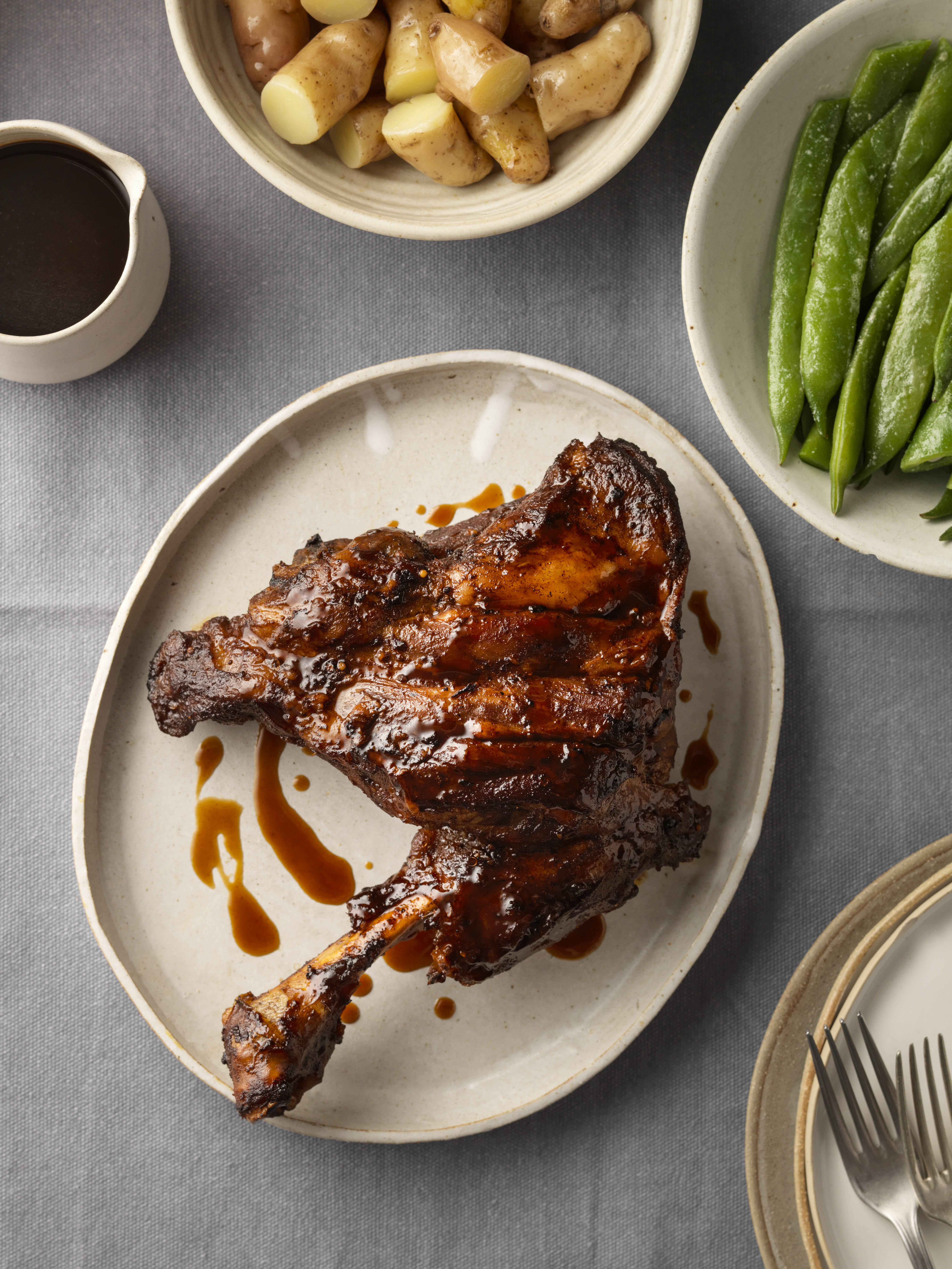
Smoked lamb shoulder by Simon Rogan

Smoked Lamb Shoulder

SERVES 6–8

Lamb shoulder
400g coarse sea salt
1 lamb shoulder (about 2.8–3kg)
100g soft light brown sugar
200g granulated sugar
20g garlic powder
50g smoked paprika
50g sweet paprika
6 star anise
1 tbsp yellow mustard seeds
1 tbsp juniper berries
1 tbsp cayenne pepper
1 tbsp ground cumin
1 tbsp ground black pepper
1 tbsp coriander seeds

Runner beans
500g young, tender runner beans, such as Tenderstar
40g unsalted butter
salt, for seasoning

enough wood smoking chips to create an even layer in the baking tray
Lamb Jus (SEE RECIPE AT END OF MAIN RECIPE), to serve

Dissolve 300g of the salt in 1.5 litres of water in a large bowl. Submerge the lamb shoulder in the brine and put it in the fridge for 24 hours. The next day, rinse the shoulder under cold running water and pat it dry with kitchen paper. Mix the remaining ingredients together in a bowl, including the 100g salt, and rub into the shoulder.

Put the smoking chips in a nice even layer in a large roasting tin lined with foil. Sit a wire rack on top, one that is a similar size to the roasting tin, making sure the wire isn’t touching the chips. Put the shoulder on the rack and cover the entire rack and tin with a tent of foil, so no smoke escapes. Sit the tin on the hob over a low–medium heat for 10 minutes. Remove the covered tin from the heat and allow the shoulder to smoke in the foil tent for 30 minutes.

Preheat the oven to 150°C/130°C Fan/Gas Mark 2. Transfer the smoked lamb shoulder to a clean baking tray, place in the oven and cook for 4 hours until tender.

Top and tail the runner beans and remove the stringy sides. Bring a large saucepan of salted water to the boil, add the butter and cook the beans for 3 minutes. Drain.

Serve the lamb in the middle of the table with a jug of sauce for guests to help themselves and with the runner beans and confit potatoes in a large bowl alongside.

LAMB JUS

2 tbsp sunflower oil
2 carrots, roughly chopped
2 onions, roughly chopped
2 celery sticks, roughly chopped
1 leek, roughly chopped
2 garlic cloves
1kg lamb bones
3 litres White Chicken Stock (RECIPE BELOW)

WHITE CHICKEN STOCK
3kg chicken wings

Roughly chop the chicken wings and put them in a large,heavy-based saucepan with 5 litres of water. Bring to the boil over a medium heat, then reduce the heat and simmer for 2–3 hours, skimming occasionally. Remove from the heat and leave to cool, the strain through a muslin-lined sieve. Keep the stock covered in the fridge and use within 3–4 days, or freeze and use within 3 months.

To make the lamb jus, warm the oil in a large, heavy-based saucepan over a low heat, add the vegetables and cook for 2–3 hours, stirring regularly, until completely soft and no moisture is left in the pan.

Preheat the oven to 220°C/200°C Fan/Gas Mark 7. Put the lamb bones in a roasting tin and roast for 40 minutes, or until deeply golden. Add the bones to the pan with the vegetables, reserving the fat for the potatoes. Deglaze the roasting tin with 200ml water and add it to the pan. Cover with the chicken stock and bring to the boil over a high heat. Reduce the heat and simmer for 2 hours over a low heat, skimming it regularly. Strain through a fine sieve into another heavy-based saucepan then reduce the stock over a medium heat to a sauce consistency.

Cook more from this book
Radish stew
Quince tart

Read the review

Buy this book 
Rogan

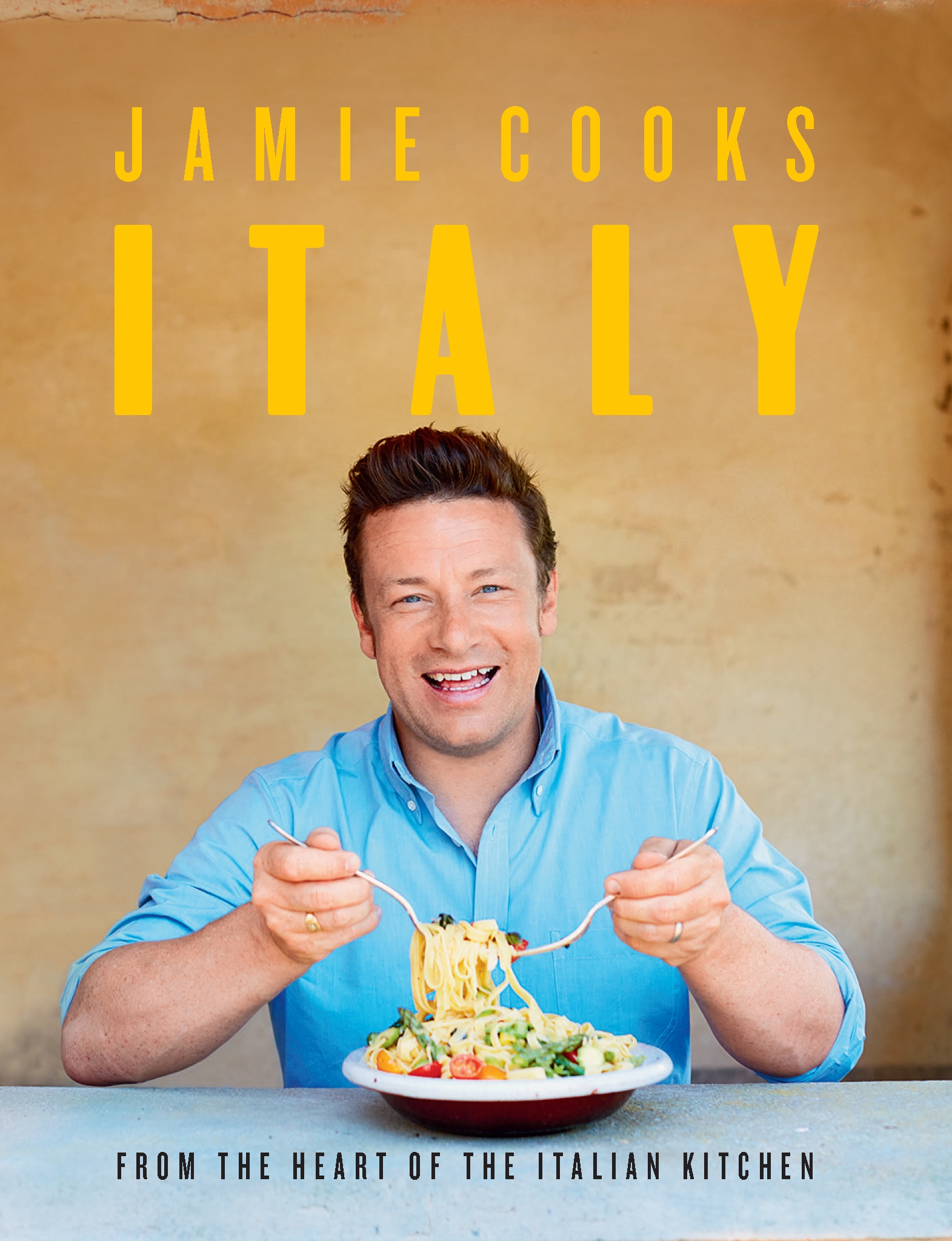
Jamie Cooks Italy by Jamie Oliver

Jamie Cooks Italy jacket (1)

What’s the USP? According to the author’s introduction, it’s ‘your go-to Italian book, a manual of deliciousness’. According to recent reports in the press, it’s part of a carefully planned strategy to help shore up the ailing Jamie’s Italian restaurant chain. Jon Knight, chief executive of the Jamie Oliver Restaurant Group was quoted as saying that, “We lost touch with Jamie, there was a growing disconnect between what Jamie was doing on TV and in his books – people weren’t experiencing that in the restaurants”. So, what better way to realign Jamie’s Italian the restaurant with Jamie the chef than a TV series and cookbook tie-in all about Italy?

Who’s the author? You might have heard of Jamie Oliver. He’s the chef that was recently accused of cultural appropriation for selling ‘Punchy Jerk Rice’ in supermarkets (even though there’s no such thing as jerk rice) and caused outrage with his attempts to curb junk food advertising and extend the sugar tax with accusations of taking food out of poor people’s mouths and hypocrisy, given that his Jamie’s Diner restaurant in Gatwick Airport serves burgers and shakes. He’s also one of the most famous chefs in the world who helped revolutionise food on TV with his debut series The Naked Chef in the 90’s and has a long track record of philanthropy. So, take your pick.

What does it look like? Bold, bright and colourful, there’s nothing subtle about this book. Long-time collaborator David Loftus’s photos seem supersaturated with Sicilian (and many other Italian regions) sun and even the recipe titles are printed in a vibrant sunshine yellow.

Is it great bedtime reading? Not really. A brief introduction and the pen pictures of the various Nonna’s that Oliver has tapped up for recipes on his travels around Italy are brief, superficial and not particularly well written.

Will I have trouble finding ingredients?
As ever, a Jamie Oliver recipe is all about accessibility so you’ll have no problem finding pretty much everything you need, bar the odd grouper or rabbit with its offal intact, at the supermarket

What’s the faff factor?
The preparation times given for the wide range of recipes in the book start at 15 minutes to knock up golden breaded tuna with Aeolian spaghetti with lemon, capers, pecorino, chilli and herbs to five hours plus marinating overnight for ‘wildest boar ragu’ so the ‘faff factor’ really depends on whether you feel life’s too short to stuff your own agnolotti.

How annoyingly vague are the recipes?
If you’re expecting Jamie to be all gor-blimey-guv’ner-bish-bosh-bash-glug-of-oil-matey you’ll be disappointed; even half a bunch of flat leaf parsley is given an indicative weight (15g if you’re interested).

How often will I cook from the book?
This is a something-for-every-occasion sort of book which you may easily find yourself reaching for mid-week for a simple supper or for a weekend of pasta making and baking.

Killer recipes? Semolina teardrop dumplings from the Aosta Valley in Northwest Italy (a sort of spätzle, traditional to the Walsers community in Italy that has Swiss and German roots); baked risotto pie with sweet spicy squash and oozy cheeses; panissa rice with smoked pancetta, cured meats, borlotti beans, tomatoes and red wine, and many others

What will I love? There is no question that Italy is Oliver’s greatest inspiration (watch the Jamie’s Italy or Jamie Cooks Italy TV series and you can see pure joy in his face) and thanks to that TV budget, he and his team have been able to research the recipes first hand, so this is no hastily thrown-together cash in.

What won’t I like? Oliver has a very distinctive food writing voice, one that bursts with enthusiasm and which never leaves a hyperbolic statement unturned; you’ll either love it or it will grate. If you don’t appreciate the flavour of rosemary being described as ‘genius deep savouriness’ then you might want to turn to more level-headed writers like Anna Del Conte or Elizabeth David for your Italian fix.

Should I buy it? Does the world need another Jamie Oliver cookbook, especially another Jamie Oliver cookbook on Italian food, especially given that he published the excellent Jamie’s Italy back in 2005? In fact, there is very little, if any crossover between the two books, quite a feat given that together they run to more than 700 pages. Oliver divides opinion, but if you are a fan, and I am, then this is a welcome 21st addition to the chef’s ever-growing canon.

Cuisine: Italian
Suitable for: Confident home cooks
Cookbook Review Rating: 4 Stars

Buy this book
Jamie Cooks Italy
£26, Michael Joseph

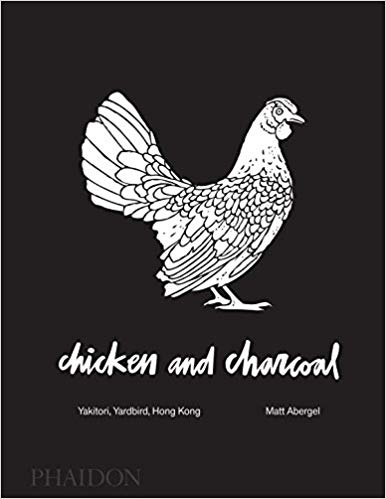
Chicken and Charcoal by Matt Abergel

Chicken and Charcoal

What’s the USP? Everything you every wanted to know about yakitori (Japanese-style skewered and grilled chicken) plus a whole lot more you didn’t even know you wanted to know.

Who’s the author? Matt Abergel is the skateboarding chef and owner of cult Hong Kong restaurant Yardbird that has helped put yakitori on the global culinary map. This is his first cookbook.

What does it look like? A crazy, but beautifully designed, mash-up of an art catalogue, lifestyle magazine and instruction manual. There’s artworks by Yardbird logo designer Evan Hecox; articles on the restaurant’s designer chairs and branded products that include Yardbird Vans skateboarding sneakers and a line of sake and a profile of Yardbird co-owner Lindsay Jang.

But the ‘meat’ (pun intended) of the book is a series of detailed step by step instructions and recipes for butchering a chicken ready for skewering (and that means really butchering the thing down to its last tiny constituent parts including the thyroid and gizzard) and every type of yakitori you can imagine from fillet and thigh to ventricle and soft knee bone.

Is it good bedtime reading? Settle in with a Horlicks and the 40-odd page introductory section with profiles, interviews and articles.

Will I have trouble finding ingredients? How good is your butcher? If you want to cook some of the more recherché recipes in the book like Thyroid skewers you’ll need to find one that will supply you whole chickens with head and organs intact. Good luck with that. You will also need to find a very good Asian grocer or specialist Japanese store for items such as Okinawan black sugar and Chinkiang black rice vinegar.

What’s the faff factor? Correctly butchering your whole chicken, should you be able to get hold of one, will take some practice and there’s a lot of fiddly skewering to be done. Some of the ‘smaller’ and ‘bigger’ dishes require a large number of ingredients and a fair amount of preparation.

How annoyingly vague are the recipes? Measurements are precise – no pinch of this or glug of that – and the methods are detailed and clear. The recipe for Chicken Katsu that is meant to appear on page 174 is however so vague that it has actually completely disappeared from the book.

How often will I cook from the book? Much of the food will be time-consuming to prepare so this is one for the weekend.

Killer recipes? Aside from the yakitori recipes, the chapter on ‘smaller’ snacking dishes includes mushroom salad with mizuna, watercress and wasabi and the ‘Yardbird Caesar’ that’s made with Chinese cabbage, mizuna and nori and a dressing that includes miso, roasted garlic and rice vinegar, while ‘bigger’ dishes include KFC (Korean fried cauliflower) and scotch egg with cabbage, tonkatsu sauce and Kewpie mayo.

What will I love? The sheer attention to detail, the elegant look and all the little extras like the cocktail and highball recipes and a staff Q&A profiling the people behind the restaurant. A lot of love, time and effort has obviously gone into the book making it a rewarding experience both to read and use in the kitchen.

What won’t I like? The full-page, black and white close-up photo of raw chicken skin on page 90 is both gnarly and vaguely obscene.

Should I buy it? If you are interested in Japanese cooking and want the definitive last word on yakitori or are just interested in what’s happening in the modern Hong Kong restaurant scene or just love a well put together cookbook then Chicken and Charcoal is well worth owning.

Cuisine: Japanese
Suitable for: Professional chefs/Confident home cooks
Cookbook Review Rating: 4 Stars

Buy this book
Chicken and Charcoal: Yakitori, Yardbird, Hong Kong
£24.95, Phaidon

Cook from this book
KFC (Korean Fried Cauliflower)
Eggplant Salad with Pickled Garlic and Ginger Tosazu