Fruitful by Sarah Johnson – Cookbook Review

Who is Sarah Johnson?
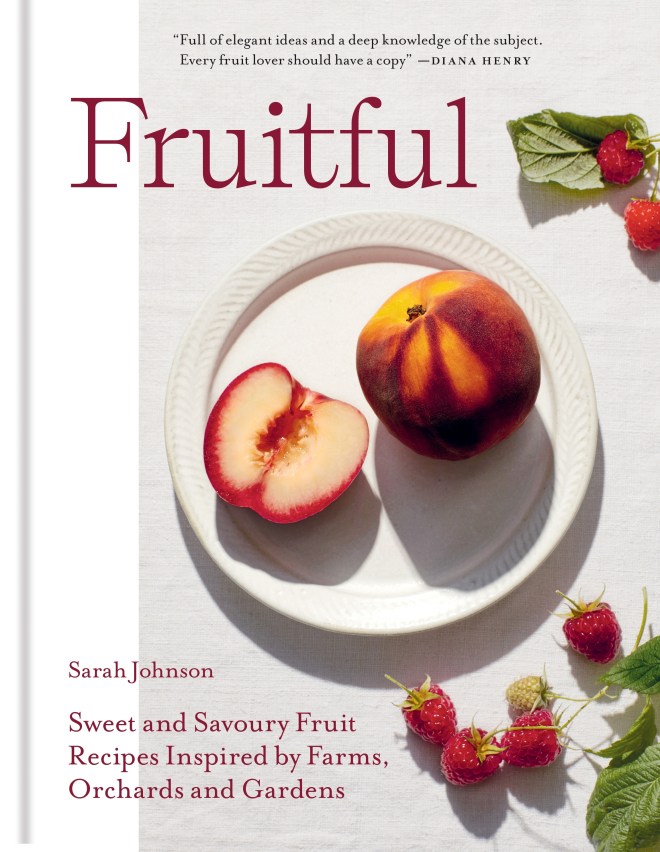
Sarah Johnson is an American-born pastry chef who trained under Alice Waters at Chez Panisse, before working at Skye Gyngell’s acclaimed Spring restaurant in London, and Heckfield Place in Hampshire. Johnson is known for her passion for using seasonal, sustainable ingredients, transforming them into innovative desserts and cakes that celebrate the best of what nature has to offer. Followers are treated to a collection of her stunning creations, and an inside glimpse of her farm-to-table approach to cooking, on her social media account @sarahjohnsoncooks. Fruitful is her debut cookbook.

What is Fruitful’s USP?
Described by Darina Allen as ‘a delicious celebration of ripe and seasonal produce’, Fruitful offers over 80 sweet and savoury recipes that showcase fruit in all its glory. Accompanying the recipes are a selection of pairing recommendations, flavour charts, interviews with regenerative farmers from around the world, and expert advice on mastering key techniques to help you make the most out of your produce.

What will I love?
The thought and detail that has gone into putting this book together shines through. Some books feel rather rushed, but this one is almost crafted like a work of art. The recipes are inventive and elegant, with almost all accompanied by stunning photographs which leave you hoping you have the ingredients so you can start cooking straight away.

Johnson is generous with her knowledge, sharing tips and tricks in the gentle manner of a friend leading you on a foodie journey. You can’t help but be inspired by page after page of sweet and savoury ideas that showcase the sheer versatility of fruit. Fruitful feels so much more than a cookbook, it is a joyous celebration of fruit and farming that will deepen your knowledge and broaden your culinary horizons.

Is it good bedtime reading?
Alongside the main introduction which details Johnson’s culinary journey and philosophy, each chapter and recipe also includes its own introduction. There are several pages dedicated to a detailed explanation of the various ‘Techniques for Cooking with Fruit’, breakout boxes on everything from how to curate a seasonal fruit bowl no matter what the time of year, to favourite flavour combinations. Weaved throughout the book are interviews with various producers who share fascinating insights into their work.

Will I have trouble finding the ingredients?
Not really. Johnson offers variations throughout the book so you can adjust the recipes depending on the season and/or what you already have available. For example, stracciatella features in the ‘Pizza with Peaches, Stracciatella, Rocket and Pesto’, but burrata and mozzarella are suggested alternatives. The odd recipe uses ingredients like coconut flour (‘Coconut Rum Cake with Peaches in Syrup’) and peach leaves (Vin de Pêche’), but the vast majority rely on ingredients that aren’t too tricky to source.

How easy are the recipes to follow?
There are a variety of simple and more complex recipes. Fuss-free ideas like ‘Blackcurrant Jelly’ and ‘Strawberry Sorbet’ sit alongside more involved recipes like the beautiful ‘Apple, Prune and Armagnac Tart’. All are explained in a detailed yet accessible manner, clearly outlining the steps, with photos offering additional guidance where necessary.

Stand-out recipes?
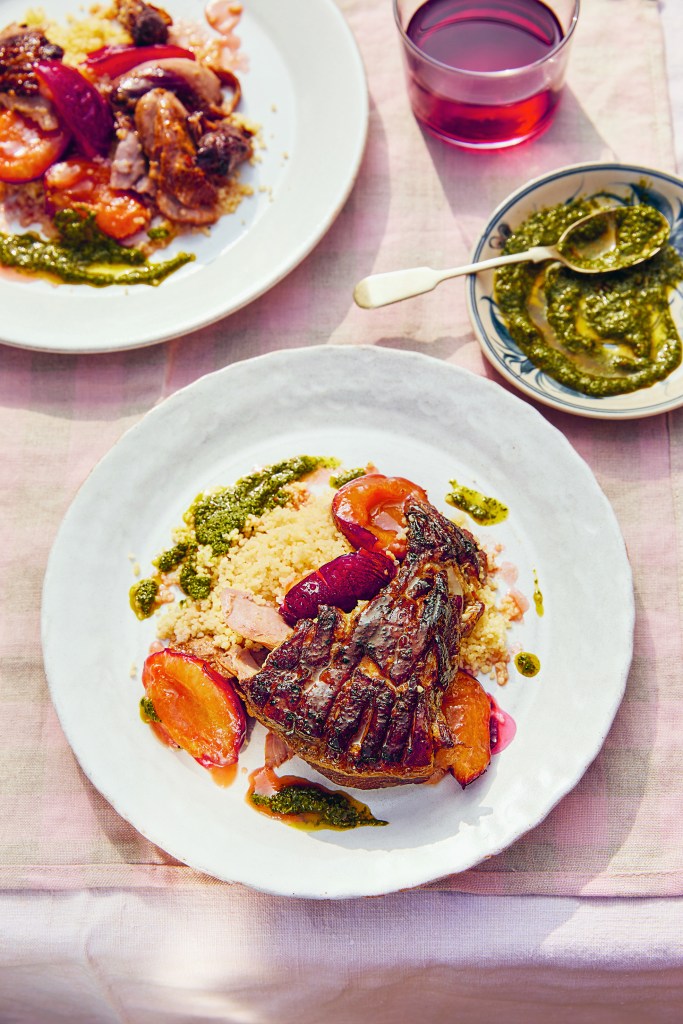
You could be forgiven for thinking that the stand-out recipes would all be sweet, but the savoury options are equally impressive. The ‘Goats Cheese Soufflés with Spring Herb Salad and Roasted Cherries’ are inspired, while the ‘North African Lamb with Plums’ is a deliciously sweet, sticky and subtly spiced slow-cooked dish that is perfect for impressing loved ones. It is tricky to select just a few ‘stand-out’ sweet options, but the indulgent ‘Little Chocolate Pots with Roasted Cherries and Kirsch Cream’, zesty ‘Lemon Curd Tart’ and sophisticated ‘Apple, Prune and Armagnac Tart’ are not to be missed.

How often will I cook from this book?
This isn’t the kind of cookbook you will make something from every day of the week, but there is much to learn from the various charts and tables which will influence your cooking. Recipes cover everything from cakes, ice cream and jam to slow-roast meats, seasonal salads and sustainable fish. There is plenty of variety too, whether you want a teatime treat (‘Polenta Olive Oil Muffins with Blackberries’), a show stopping tart (‘Chocolate Tart with Marsala Sabayon and Toasted Hazelnuts’ or a simple supper (‘Lemony Chicken Piccata’). 

Any negatives?
Whilst not prohibitively extravagant, a few of the recipes are quite expensive to make due to the need to purchase certain liqueurs. Some recipes rely on a rather large number of eggs – ‘Little Chocolate Pots with Roasted Cherries and Kirsch Cream’ uses 8 yolks and ‘Lemon Curd Tart’ calls for 8 whole eggs and 12 yolks. To her credit, Johnson acknowledges that the latter may seem excessive, but assures us they are necessary. Conscious of avoiding waste, she recommends saving the whites for her ‘Lemon Meringue Pie’ or ‘Meringues’ later in the book (as a side note, I would also heartily encourage you to try making your own ricciarelli, a deliciously soft Tuscan treat half-way between a macaron and an amaretti). 

Should I buy the book?
Yes. This is a beautiful book which will inspire you to step outside of your comfort zone and cook more confidently, creatively and sustainably with seasonal fruit.

Cuisine: Seasonal British with Italian and French influences
Suitable for: Foodies and keen cooks who want to be more adventurous, and sustainable, with their cooking
Great for fans of: Alice Walters, Darina Allen and Skye Gygnell
Cookbook review rating: Five stars

Buy this book: Fruitful: Sweet and Savoury Fruit Recipes Inspired by Farms, Orchards and Gardens
£30.00, Kyle Books

Cook the Book:
Chocolate Tart with Marsala Sabayon and Toasted Hazelnuts
Lemon Drizzle Cake
North African Lamb with Plums

This review was written by Freelance Food Writer and Recipe Developer Sophie Knox Richmond. Follow her on Instagram on @sophie_kr_food

One Pan Chicken by Claire Thomson – Cookbook Review

Who is Claire Thomson?
If you haven’t already heard of her, Claire Thomson is a chef and food writer behind the immensely popular @5oclockapron where she shares (almost) daily reels of the food she cooks for her family of 5. She is famed for her enthusiasm for fuss-free food, encouraging followers to skip the stress and embrace joy in their cooking, all while celebrating seasonal, sustainable ingredients. She is the author of 9 cookbooks — including the award-winning Tomato: 70 Recipes Celebrating the Extraordinary Tomato and immensely popular Home Cookery Year: Four Seasons, Over 200 Recipes for All Possible Occasions — and has written for the Guardian, Telegraph, Good Food and many others. She also recently launched the ‘5 o’clock apron podcast’ where she ‘chops and chats’ with guests from a host of professions as they share what they cook every day in their real-life kitchens. 

What is One Pan Chicken’s USP?
Jumping on the popularity of ‘One Pot’ and ‘One Tin’ cookbooks, One Pan Chicken promises 70 simple, delicious and inventive recipes using various popular cuts of chicken and one casserole dish, roasting pan, baking tray, frying pan or stockpot.

What will I love?
Chicken is a regular in most people’s shopping baskets, but it is easy to get stuck in a rut when it comes to recipes. Thomson provides the solution with a plethora of adventurous ideas inspired by cuisines across the world, from ‘Miso Butter Chicken’ to ‘Hungarian Chicken Paprikash’. For a book confined to one ‘hero’ ingredient, there is an impressive variety, from something light like a ‘Caesar Salad’ or warming like a ‘Chicken with Borlotti Beans, Cavolo Nero and Rosemary’. There’s recipes for both oven and hob and that utilise breasts, thighs, wings or a whole chicken to delicious effect. The recipes (all accompanied by a beautifully shot photo) genuinely feel ‘new’ and will inject a little excitement into your mealtimes.

Is it good bedtime reading?
The focus of the book is on flavoursome recipes for busy people. If you are expecting essays on free-range chicken, sustainable poultry farming and/or the origins of various chicken dishes (akin to the beautifully written seasonal introductions found in Thomson’s Home Cookery Year) you will be disappointed. In fairness, the one page introduction touches on these points, and each recipe includes an introduction which shares advice and the inspiration behind the dish.

Will I have trouble finding the ingredients?
One of Thomson’s many strong points is that she always ensures her recipes are accessible and includes alternative suggestions if an ingredient is remotely tricky to find. For example, the ‘Chicken Braciole’ uses pecorino in the filling instead of the harder-to-source, but traditional, provolone (although the option is included for those able to find it). Likewise, the ‘Elote-style Chicken with Corn’ suggests using feta while mentioning that Cotija and Chihuahua are authentic choices. You may struggle to source the fried maize (kikos) used in the recipe, but you could always make your own. There is the odd mention of more unusual ingredients like rosewater, dried sour cherries, Japanese seven spice (togarashi), truffle oil, truffle paste and dried porcini mushrooms, but nowadays they aren’t too difficult to source.

How easy are the recipes to follow?
Very. Like all her books (and recipe videos on her 5 o’clock apron instagram), Thomson’s instructions are clear and detailed enough to guide even the most nervous cooks. The only slight criticism is that it would be helpful to have the cooking time by the ingredients so you can easily see how long a recipe will take, rather than skimming the recipe and calculating it in your head. 

Stand-out recipes?
The ‘Sticky Sesame Marmalade Chicken Wings’ are dangerously addictive (be sure to make extra), while the ‘Fried Chicken with Kimchi’ is a must-try for fans of sweet and sour dishes. Meanwhile, the ‘Chicken Dauphinoise with Dijon and Cream’ is the ultimate comfort food on a cold and chilly day, while the ‘Za’atar Chicken served with Hummus, Pine Nuts and Pomegranate’ is a jewelled, flavour-packed dish that will transport your taste buds straight to the Middle East. Don’t miss the ‘Chicken with Tortilla Chips, Black Beans and Feta’ in the ‘Leftovers’ chapter – in fact, I would recommend cooking extra chicken just to give it a go…

How often will I cook from this book?
This could easily become a go-to cookbook when you want something simple and stress-free, that still delivers on flavour. The variety of recipes is what makes this book such a winner. From a classic ‘Chicken and Leek Pot Pie’ to a vibrant ‘Chimichurri Chicken with Roast Squash’ — not to mention the Greek-inspired ‘Chicken Soup with Egg and Lemon’ and the ‘Chicken Baguette with Tarragon, Gherkin and Mustard Butter’ — there genuinely is something for every mood, season, taste and occasion.

Any negatives?
Despite being part of the ‘One Pan’ cookbook cohort, not all recipes are ‘complete meals’ and would typically call for rice, pasta, potatoes etc alongside (thus requiring an extra pan). 

Should I buy the book?
A definite ‘yes’. Thomson has, once again, excelled at creating yet another cookbook full of enticing, accessible recipes that leave you counting down until suppertime. One Pan Chicken is a must-have for anyone looking to enhance their culinary repertoire with flavour-packed fuss-free chicken recipes that will delight the whole family.

Cuisine: International
Suitable for: Anyone looking for inspiring, faff-free ways to celebrate the humble chicken.
Great for fans of: Rukmini Ayer
Cookbook review rating: Five stars
Buy this book: One Pan Chicken: 70 All-in-One Chicken Recipes For Simple Meals, Every Day
£20.00, Quadrille

Cook the Book
Chicken Pilaf
Chicken Tagine with Chickpeas, Dates and Apricots
Fried Chicken with Kimchi

This review was written by Freelance Food Writer and Recipe Developer Sophie Knox Richmond. Follow her on Instagram on @sophie_kr_food

Fruit scones recipe by Ranveet Gill

FRUIT SCONES

One of my earliest pastry jobs involved making hundreds of scones each morning for afternoon tea service. The key was never to overmix the dough and to get your hands involved to bring it together, then to rest it before cutting. A scone is best served on the day it is baked with copious amounts of clotted cream and jam on the side.

MAKES 6 SCONES

Equipment
flat baking tray
15g/1 tbsp raisins
just-boiled water, to cover
250g plain flour, plus extra for dusting
12g/21/2 tsp baking powder
1/4 tsp fine salt
30g caster sugar
75g cold unsalted butter, cubed
25g (prepped weight) eating apple
(approx. 1/4 small apple), cored and grated
125ml full-fat milk
1 egg, beaten, for the egg wash

Put the raisins in a small, heatproof bowl, cover with just-boiled water and leave to soak for 20 minutes, then drain.

In a large bowl, stir together the flour, baking powder, salt and sugar. Add the butter and use your fingertips to breadcrumb it together. Mix through the apple and strained raisins.

Keeping one hand out of the bowl, make a well in the centre and add the milk. Use your hand (that’s in the bowl) to bring it together initially to a loose dough, but do not overwork it. Tip this onto your workbench and then use both hands to gently bring it together to form a dough. Gently shape into a disc, then wrap tightly in baking paper or clingfilm and refrigerate for 30 minutes.

Preheat the oven to 180°C fan/200°C/gas mark 6. Line the baking tray with baking paper.

Lightly dust your workbench and a 6.5cm (23/4in) round biscuit cutter with flour. Unwrap the chilled dough and gently roll it into a round, about 3cm (11/4in) thick. Position the cutter, then press down in one straight motion (don’t twist the cutter) with your hand to cut out each scone, then gather the trimmings and cut out another scone.

Place the rounds on the lined baking tray, then brush the top of each one with egg wash.

Bake for 18–20 minutes or until risen and lightly golden.

Remove from the oven, transfer the scones to a wire rack and allow to cool fully before serving. Serve split and spread with butter and jam, or clotted cream and jam, or all three!

These scones are best eaten fresh on the day they are made.

Cook more from this book
Fig rolls

Read the review

Buy the book: Baking for pleasure by Ranveet Gill
£26, Pavillion Books

Fig Rolls Recipe by Ranveet Gill

FIG ROLLS

I am a snacker and am so at any opportunity, be that flight, road trip, wedding, whatever. I’ll always make time to go to the shops and buy copious amounts of snacks to share. When I was at Uni, I got persuaded to go to a camping festival, so I left my friend in charge of the compulsory snack pilgrimage, only to find out all he bought were packets of fig rolls. Bizarre. He then got really high and shoved two whole packets of fig rolls into his mouth one after the other quickly. We were in stitches. I think he woke up the next day and realized his error. Whenever I make or eat fig rolls, I think of him. 

MAKES ABOUT 20

Equipment 
large flat baking tray

For the dough
50g unsalted butter, at room temperature
50g caster sugar
1 egg
1 capful (approx. 5ml/1 tsp) of almond extract (optional)
150g plain flour, plus extra for dusting
30g ground almonds 
1/4 tsp baking powder
pinch of Maldon or flaky salt

For the fig filling
300ml water
30g soft light brown sugar
200g dried figs, stems removed and chopped
1 cinnamon stick
demerara sugar, for sprinkling

Make the dough. In a large bowl, beat the butter and caster sugar together until pale and fluffy. Mix in the egg, scraping down the sides of the bowl, along with the almond extract, if using.

In a separate bowl, mix the flour, ground almonds, baking powder and salt together. Add this to the butter mixture and mix until a dough forms. Knead for a minute or two until it’s homogeneous.

Pat the dough into a disc, wrap in clingfilm or baking paper and refrigerate for 2 hours.

Meanwhile, make the fig filling. In a medium saucepan, stir together the water, brown sugar, figs and cinnamon stick. Bring this to a gentle simmer over a medium heat, stirring occasionally, then simmer until the water has reduced by half, about 10 minutes.

Remove the pan from the heat. Tip the fig mixture into a heatproof bowl and leave until it is cool to touch, then refrigerate until cold, approx. 20 minutes. Remove the cinnamon stick before using. Blitz to form a paste using a food processor.

Line a kitchen tray and the baking tray with baking paper and set aside.

On a lightly floured surface, roll out the dough to a rectangle 38 x 18cm (15 x 7in). Cut the strip in half lengthways. Place one strip on a large sheet of baking paper – this is going to help you roll it into shape.

Spoon the fig filling into a piping bag fitted with a large plain nozzle, then pipe half of the fig filling along the length, leaving about a 2cm (3/4in) border on one side which will help you to close it. Use a pastry brush to brush water along this border. Use the baking paper to help lift the other side of the pastry over the filling and onto the dampened edge, as you would do when making sausage rolls. Use a fork to press down and seal the edges together. Place this on the lined kitchen tray and transfer to the fridge, then repeat with the second strip of pastry and the rest of the fig filling. Refrigerate for 20 minutes while the oven preheats.

Preheat the oven to 160°C fan/180°C/gas mark 4.

Use a sharp knife to cut across each long roll and portion the fig rolls – cutting each one to about 3–4cm (11/4–11/2in) in size works nicely. Transfer the fig rolls to the lined baking tray, then brush them with a little water before sprinkling over a little demerara sugar.

Bake for 15–18 minutes or until golden.

Remove from the oven, cool slightly, then transfer to a wire rack to cool completely before serving.

Leftovers will keep in an airtight container at room temperature for up to 3 days.

Cook more from this book
Fruit scones

Read the review

Buy the book: Baking for pleasure by Ranveet Gill
£26, Pavillion Books

Baking for Pleasure by Ravneet Gill – Cookbook Review

Who is Ravneet Gill?
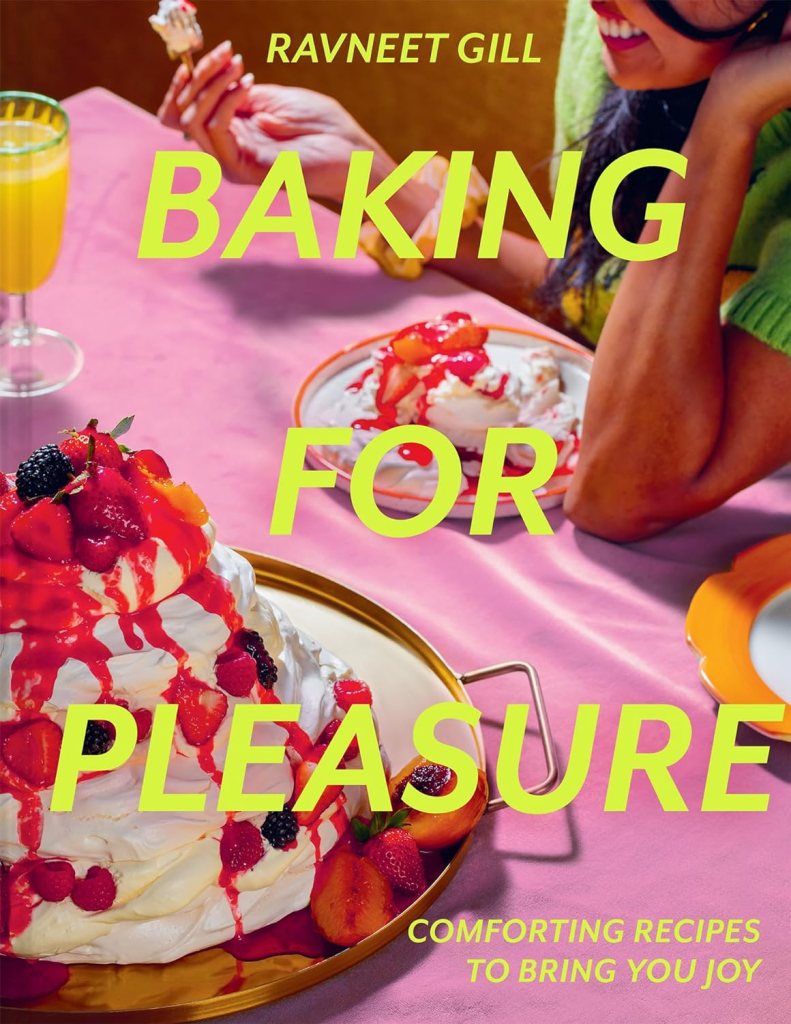
Ravneet Gill is a bestselling author, pastry chef and judge on Channel 4’s Junior Bake Off. She started her culinary career studying at Le Cordon Bleu before taking over the pastry sections at St John, Llewelyn’s and Wild by Tart. In 2018, she set up the trailblazing industry networking platform Countertalk to support hospitality businesses and promote healthy work environments. Now a freelance chef, she writes regularly for the Telegraph and Guardian Feast and often appears on BBC’s Saturday Kitchen. Baking for Pleasure is her third book.

What is Baking for Pleasure’s USP?
Gill’s first book, The Pastry Chef’s Guide, was designed to break down the fundamentals of pastry and provide reliable base recipes so that budding pastry chefs could eventually create their own desserts in a professional kitchen. Her second, Sugar, I Love You, went a step further with elaborate plated puds, intricate entremets and decadent cheesecakes bursting with colour, flavour and ‘wow’ factor. Baking for Pleasure adopts a different approach; imploring you to embrace the enjoyment found in creating delicious dishes for yourself and loved ones. Yes, there are plenty of impressive dinner-party desserts, but there are also crowd-pleasing classics, quick batch-bakes and wholesome weekend treats designed to show how home-baking can be simple, satisfying and full of joy.

What will I love?
Where to begin? Gill’s passion and pleasure for her craft is infectious, radiating through the recipes, personal introductions and encouraging advice. Prepare for page after page of beautifully photographed bakes including favourites like ‘Carrot Cake’, ‘Tiramisu’ and ‘Chocolate and Cream Profiteroles’, alongside more modern interpretations like ‘Millionaire’s Shortbread with Pistachio and Cardamom’ and ‘Mango Crème Brûlée’. It is great to see a wonderful selection of breads and savoury bakes too, including a show-stopping ‘Caramelised Onion Tatin’, ‘Jalapeño Popper Gougères’ and ‘Japanese Milk Loaf’.

Gill successfully manages to strike the balance between explaining each step in detail, without coming across as waffly or patronising (I guarantee you will finish this book with a greater understanding of baking). What’s more, while you could be forgiven for thinking recipes like these would require a lengthy list of culinary utensils, Gill has been mindful of domestic kitchens and washing up (always a bonus!) so you won’t find yourself hunting down obscure equipment or be left with a sink full of dirty dishes.

Is it good bedtime reading?
The eye-catching colours and striking photography make this a great book to flick through and is sure to bring about sweet dreams. However, aside from the introduction and Gill’s thoughts on ‘Finding Joy in the Kitchen’, there isn’t a lot to read… at least not in the sense of the essays in Sugar, I Love You. The recipes do all have introductions and a fair few include tips.

Will I have trouble finding the ingredients?
No. Gill wanted this to be a book for the home-cook so you won’t have much trouble finding the ingredients.

How easy are the recipes to follow?
Yes. The equipment is listed next to the servings and the ingredients are separated into sections (e.g. for the pastry, for the filling, to finish). There is a good mix of recipes depending on whether you want to whip up a simple ‘Blueberry Muffin Cake’ or spend a little longer making the deliciously summery ‘Strawberry and Clotted Cream Paris-Brest’. 

The only minor criticism is it would be helpful to have the cooking time by the ingredients so you can easily see how long a recipe will take, rather than skimming the recipe and calculating it in your head. 

Stand-out recipes?
This book is so full of mouthwatering recipes that it is tricky to narrow it down to just a few… The ‘Double Cream and Frangipane Bakewell’ is the best I have ever tasted, the ‘Chocolate and Hazelnut Cookies’ are dangerously addictive and the ‘Coffee Choux’ are simply divine. The ‘Chocolate and Hazelnut Caramel Tart’ is great fun to make, delicious to eat, and guaranteed to impress anyone you care to share it with.

How often will I cook from this book?
This could easily become your most-used book when in search of a sweet treat (not forgetting the savoury chapter, of course). Every occasion is covered with chapters including: ‘Bakes for Friends’, ‘Crowd Pleasers’, ‘Dinner Parties’, ‘Weekend Bakes’ and ‘Savoury Bakes’. Whether you want a classic ‘Chocolate Mousse’ or something more unusual like the ‘Brown Butter and Honey Baked Tart’, this book has you covered. Some, like the ‘Pantry Raid Flapjacks’, need less than 15 minutes prep and a handful of store-cupboard ingredients, whilst others, like the ‘Light-As-Air Chocolate, Cherry and Pistachio Roulade’, require a bit more effort.

Any negatives?
Nothing major… If you want to be really picky, it would have been nice to see a few more savoury recipes given they are mentioned in the description. However, the sweet options are so tempting you shouldn’t feel hard done by.

Should I buy the book?
A resounding ‘yes’. This is a brilliant book brimming with joy, enthusiasm and delicious recipes that genuinely work. A must-by for any baker.

Cuisine: Baking and Patisserie 
Suitable for: Baking fans of all abilities. 
Great for fans of: Nicola Lamb and Liberty Mendez
Cookbook review rating: Five stars
Buy this book: Baking for Pleasure: The new sweet and savoury cookbook with recipes
£26.00, Pavilion Books

Cook the Book
Fruit Scones
Fig Rolls

This review was written by Freelance Food Writer and Recipe Developer Sophie Knox Richmond. Follow her on Instagram on @sophie_kr_food

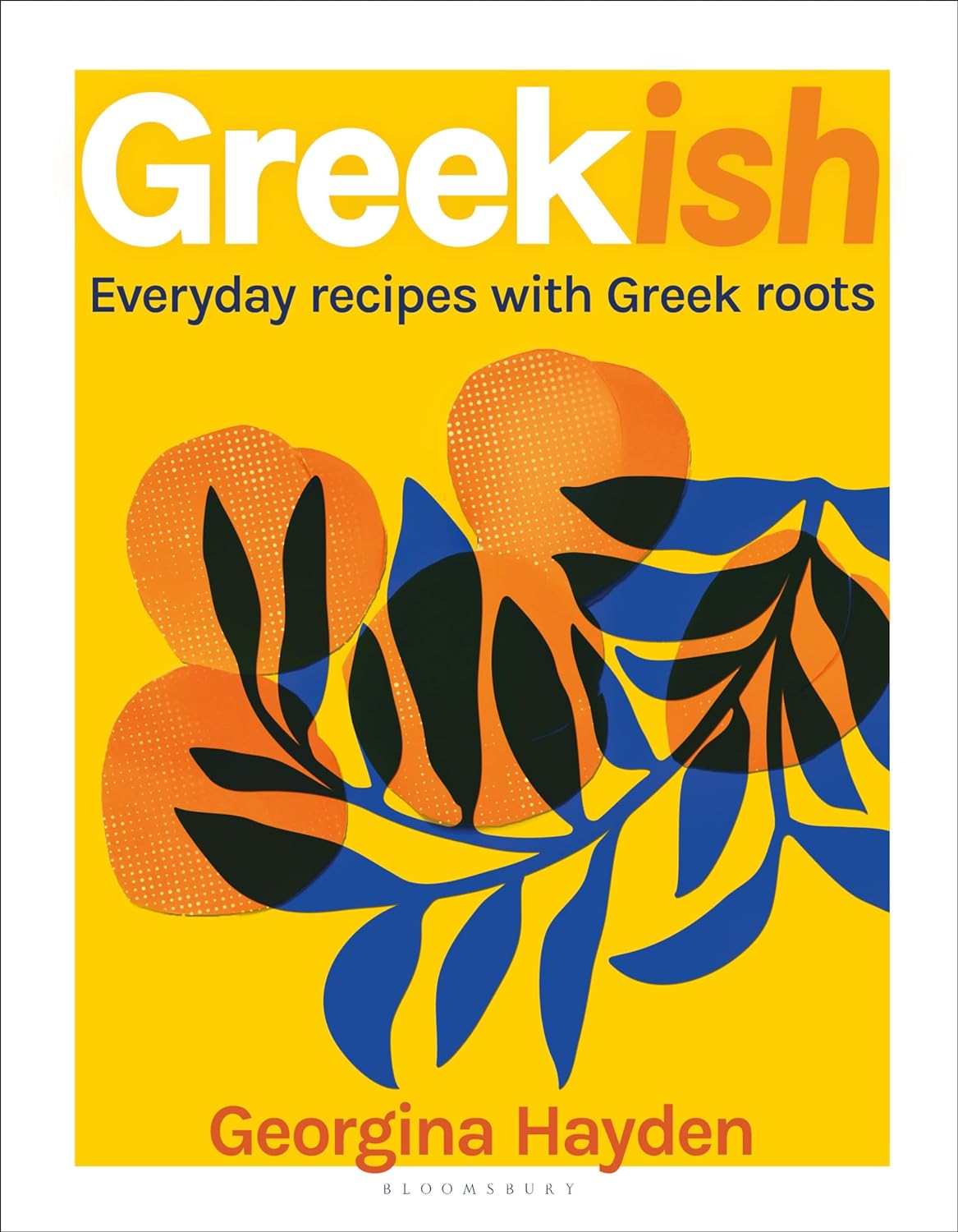
Greekish: Everyday Recipes with Greek Roots by Georgina Hayden – Cookbook Review

Greekish by Georgina Hyden

reviewed by Sophie Knox Richmond

Who is Georgina Hayden?
Georgina Hayden is a food writer and stylist from North London who regularly writes for publications such as The Telegraph, delicious. magazine and Observer Food Monthly. She is also a regular on Channel 4’s Sunday Brunch and BBC1’s Saturday Kitchen. 

Hayden developed a love of food, cooking and storytelling through recipes whilst growing up above her grandparents’ Greek Cypriot taverna. She began her career as a food assistant, working at various food magazines, before joining Jamie Oliver’s food team where she worked for 12 years styling and developing recipes for books, TV and magazines. She has since written 4 best-selling, award-winning, cookbooks captivating readers with a host of enticing Greek Cypriot-inspired recipes for every mood, diet and occasion. She recently launched her podcast ‘Family Feeds’ where she cooks a meal for guests in her home, in real-time, whilst chatting about what food means to them and their families.

What is Greekish’s USP?
Inspired by Hayden’s Greek Cypriot heritage and travels, Greekish promises ‘everyday recipes with Greek roots’. It is a collection of 120 simplified twists on her favourite Mediterranean dishes – all bursting with flavour, but made with fewer ingredients, less stress and designed to be easy enough to be cooked on repeat in busy households.

What will I love?
As Hayden says, this is very much her cookbook full of dishes she cooks in her own kitchen throughout the year. There is a distinctly personal feel to the writing and recipes, almost as if you are chatting with a friend about their favourite recipes. The delicious and inspiring recipes are accompanied by beautifully-shot images. Dietary preferences are catered for with notes on how to adapt recipes if they need to be gluten-free or vegan. Hayden has also included menu ideas for a host of occasions including Sunday lunch, mezedes (small plates), ‘easy but fancy’, plant-based feast, a romantic night in and a do-ahead dinner party. 

Is it good bedtime reading?
It isn’t a particularly ‘wordy’ book, but if you want to drift off dreaming of sunnier climes and delicious food, pop it on the bedside table. Hayden’s warmth and personality shines through in her 3-page introduction, whilst most recipes include a short-ish one of its own. There is also a section at the back with a glossary and advice on how to make the most of the book including tips on how to spatchock a chicken and choose halloumi as well as friendly reassurance that using a stock cube is absolutely fine for those who don’t have the time, or inclination, to make their own.

Will I have trouble finding the ingredients?
Not really. Greek cheeses like graviera and kefalotyri are mentioned, but alternatives such as pecorino are suggested. Once you have stocked your larder with staple Greek seasonings and dried goods (orzo pops up a fair bit), you should be well set to cook your way through the book. Almost all of the recipes can be made with ingredients from your local supermarket and the list of stockists at the back will help you track down anything else. 

How easy are the recipes to follow?
Very. Instructions are detailed without being waffly and ingredient lists are clear. The whole premise of the book is to make delicious, Greek-inspired food, achievable for busy people and Hayden well and truly nails the brief.

Stand-out recipes?
‘One-pot Chicken Thighs and Rice’ is a flavoursome fuss-free supper that has become a regular in our household. ‘HLT Kritharaki’ (a Greek sandwich-inspired tomato, orzo and halloumi dish) is also a firm favourite. ‘Roast Chicken with Tomatoey Bulgur Wheat’ is a great alternative to a traditional roast and ‘Youvetsi’ (meat and orzo stew) is perfect comfort food. ‘Roasted Lemon, Oregano and Feta Potatoes’ also deserves a special mention; prepare for it to become your new go-to potato dish. 

How often will I cook from this book?
There genuinely is something for every mood and occasion. Expect sweet and savoury breakfasts, small plates and snacks (don’t miss the ‘Fried Sesame Cheese Bites’), salads, mains and sweet treats. The unbelievably easy ‘Everyday Yoghurt Flatbreads’ (also adaptable for vegans) could be served throughout the day (some delicious topping ideas are included), whilst dishes like ‘One-pan Pastitsio’ are ideal for a simple supper. There are also plenty of recipes for entertaining, whether you are looking for a selection of dishes for a relaxed summer soiree, or a knock-out bake for an afternoon tea such as ‘Afternoon Chamomile and Honey Cake’.  

Any negatives?
I suppose if you are a staunch traditionalist, you might be horrified at the idea of a ‘Spanakopita Jacket Potato’, but after giving the recipe a go, you will soon change your mind. It would also be helpful to have the cooking time by the ingredients so you can easily see how long a recipe will take, rather than skimming the recipe and calculating it in your head. Apart from that, it is hard to find anything to complain about. 

Should I buy the book?
This is a joyful book brimming with delicious Mediterranean-inspired recipes. A must-have book for anyone who enjoys flavoursome, modern Greek food. It is one of those cookbooks that you will return to time and time again. 

Cookbook review rating: Five stars
Cuisine:
Modern Greek
Suitable for: Anyone who is a fan of Mediterranean food – less confident cooks will love Hayden’s simplified recipes and reassuring writing, whilst those with more experience will enjoy exploring vibrant new dishes.
Great for fans of: Irini Tzortzoglou and Meliz Berg

Buy this book: Greekish: Everyday recipes with Greek roots
£26, Bloomsbury Publishing

Cook from the this book
Coming soon

Recipe: Flakey cheese and pickle scones by Nicola Lamb

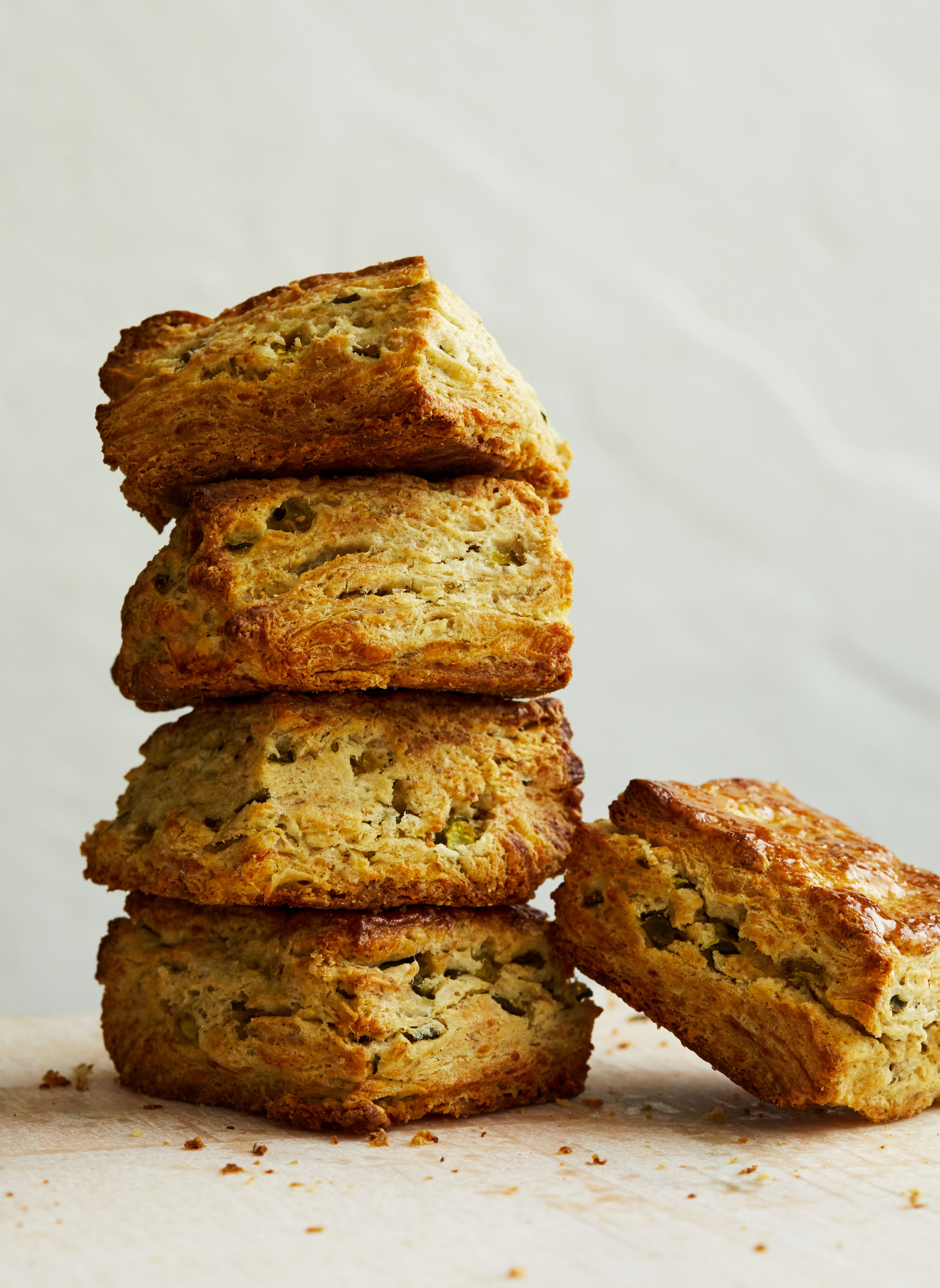
Cheese and Pickle Scones

The humble cheese scone is given the flaky treatment. The addition of rye flour
and pickle chunks in the layers gives these scones a deli sandwich energy that
would be welcome at any picnic. Working fast and having a light touch here is key
for the flakiest scones possible

Equipment
6.5cm cutter

Ingredients

210g plain flour
30g dark rye flour
10g baking powder (about 2½ tsp)
4g flaky sea salt (about 1⅛ tsp)
2g black pepper (about 1 tsp)
100g mature Cheddar cheese, grated
110g butter, very cold
75g pickled gherkins, drained and chopped
120g buttermilk (see Note)
Egg wash (see page 343 of Sift) 

  1. Get everything cold. And I mean cold. If you have time, put your dry ingredients in
    the freezer for 20 minutes before mixing. Your butter must be fridge-cold and firm
    to the touch.
  2. Add all the dry ingredients into a bowl, plus half the grated Cheddar cheese.
  3. Cut the butter into 2cm cubes. Using the paddle attachment or your fingertips, work the cold butter into the dry ingredients, along with the chopped gherkins for about 30 seconds. Only go so far that the butter is in irregular-sized pieces. You need some larger bits of butter to get the layers later.
  4. Now, add the buttermilk in a steady stream and mix until it is looking just hydrated – there can still be dry bits.
  5. Tip onto a clean surface and push together, scraping all the dry bits into the middle.
  6. Roll to approximately 40cm long, sprinkle over half of the leftover cheese and perform a single fold – that’s when you bring the top down two-thirds and then the bottom over the middle third, like a business letter!
  7. Turn 90 degrees and roll to 40cm long, then sprinkle over the rest of the cheese and perform another single fold. Use a knife or a bench scraper to cut the folded edge –this will give you the best layers possible.
  8. Pat the dough into a rectangle around 2.5–3cm high. Trim the edges (you can bake these as snack scraps!) and pat down slightly to get the dough back into proportion. Cut into six large squares. Place on a baking tray lined with baking paper and put into the freezer for 15 minutes or the fridge for 45 minutes.
  9. Preheat the oven to 220°C/200°C fan.
  10. Gently brush the tops of the scones with egg wash, if desired. Bake for 12–15 minutes (watch the colour), then turn the oven down to 190°C/170°C fan and continue cooking for 5–10 minutes until the scones are golden and well baked. Transfer to a cooling rack to cool, then serve warm.

Note: If you don’t have buttermilk, mix 115g whole milk with 5g white wine vinegar and then leave in the fridge to curdle for about 5 minutes. It will appear thickened but a bit split.

Cook more from this book
Miso Walnut Cookies
Secret Chooclate Cake

Click the link to buy this book:
SIFT: The Elements of Great Baking
£30.00, Ebury Press

Click here to read the review

Sift by Nicola Lamb

reviewed by Sophie Knox Richmond

Who is Nicola Lamb? Nicola Lamb is a recipe developer and pastry chef famed for hosting sell-out pastry parties with her pop-bakery, Lark!, and collaborating with the likes of the Ottolenghi Test Kitchen, Soft & Swirly and Toklas Bakery. She honed her skills at some of London and New York’s top bakeries including Happy Endings, Dominique Ansel and Little Bread Pedlar, and has seen her work featured in publications including The Guardian, Vogue and ES Magazine. She is also the author of Kitchen Projects (her weekly substack newsletter with over 50,000 dedicated subscribers) where she delves deep into the world of desserts, baking and pastries, sharing behind-the-scenes glimpses of the recipe development process and explaining the ins and outs of what, how and why a recipe works. From the lowdown on the ultimate chocolate chip cookies to how to craft beautifully buttery brioche (not forgetting more adventurous ideas like wild garlic bagels, pistachio gateau basque and caramelised white chocolate, malt and hazelnut spread), it is little wonder the Observer declared it an ‘incredible resource’. SIFT is her debut cookbook. 

What is SIFT’s USP? Described as the ‘essential new baking bible’ SIFT promises to take the ‘fear out of failure’ with its collection of over 100 bakes. The first half of the book is focused on theory, featuring key elements and techniques, accompanied by illustrations and diagrams, designed to explore the hows and whys of baking. The second half is dedicated to the recipes, organised by how long you have available to bake, whether that be an afternoon (‘Bread and Butter Pudding with Caramel Mandarins’), a day (‘Rhubarb and Custard Crumb Cake) or weekend (‘Mocha Passionfruit Opera Cake’). Felicity Cloake summed it up perfectly as: ‘Everything you ever wanted to know about baking but were too afraid to ask.’ 

What will I love? This is the ultimate book for anyone remotely interested in baking no matter your skill level. It lays the foundations for novices to build on and professionals will find inspiring new ideas to develop their own recipes as well as reference points for substitutions.  

The first half offers a fascinating look at the main ingredients at the heart of baking (e.g. flour, sugar, eggs and fat) before exploring the techniques that bring them to life (prepare to learn all about texture, colour and rising). The numerous diagrams and ‘technical overview’ help ensure the information remains clear and accessible. Each recipe highlights the techniques used so you can refer back to the theory chapters, identify links between different recipes, and work your way up to more complex ones as you grow in confidence.

Even if you aren’t interested in baking theory, Lamb’s meticulous testing and flair for flavour means the recipes alone are enough to get you grabbing your apron. Expect original sweet and savoury cakes, tarts, biscuits, pies, breads and desserts. Classics like Victoria Sandwich Cake are transformed into ‘Roasted Strawberry Victoria Sponge’, and ‘Baked Lemon Custard Brûlée’ gives Crème Brûlée a zesty modern twist.

Is it good bedtime reading? Lamb’s highly readable writing, coupled with the handy diagrams is likely to leave you staying up into the early hours learning about the ins and outs of ‘starch gelatinisation in action’ and ‘coagulation of eggs’ (I promise you, it isn’t as weighty as it sounds). You can dip in and out at your leisure, focusing on the elements you wish to learn more about at any given time. All the recipes include a short introduction too.

Will I have trouble finding the ingredients? Some fruit purées and pistachio paste might need to be bought online unless you want to make your own (a recipe is included for the latter). Dried hibiscus flowers may also need hunting down but plenty of other sorbet flavours are given instead. 

How easy are the recipes to follow? The book is designed for all abilities. Not all the recipes are easy but Lamb has gone to great lengths to ensure they are achievable and the processes are as clear as possible. Each recipe contains a time plan and specifies the equipment and techniques used. There are helpful notes on what to look for at each stage as well as useful tips, shortcuts and instructions on how to prep in advance and/or reheat. It couldn’t be more user-friendly if it tried. 

Stand-out recipes? ‘Brown Butter Banana Cookies’ are quick, easy and incredibly moreish, ‘Ricotta, Marmalade and Hazelnut Chocolate-chip Cake’ is a must-make for chocolate-orange fans, and ‘Lemon Basque Cheesecake with Sticky Lemons’ is a beautifully balanced pud for any occasion. Banoffee-lovers shouldn’t miss the ‘Banana Pudding Pie’, and the ‘Tiramichoux’ are utterly inspired and worth the effort. On the savoury side, ‘Olive Oil Brie-oche with Roasted Grapes, Honey and Thyme’ sounds particularly delicious.

How often will I cook from this book? There is something for every mood, occasion and season so you could easily find yourself baking from this all year round, whether you are making a birthday cake for a loved one, a teatime treat to curb mid-afternoon cravings, or a show-stopping dessert for a special occasion. There’s a plethora of savoury delights ideal for lunches and suppers too.

Any negatives? None. SIFT is designed to be the ultimate baking and pastry bible and Lamb has well and truly nailed the brief. 

Should I buy the book? A resounding yes. Whether you want to delve deep into the science of the Maillard reaction, or simply want to up your baking game, SIFT is an exceptional book and a must-have addition to your cookbook collection. 

Cuisine: Baking and Patisserie
Suitable for: Baking enthusiasts of all abilities
Great for fans of: Ravneet Gill
Cookbook review rating: Five stars

Buy this book: SIFT: The Elements of Great Baking
£30.00, Ebury Press

Cook from this book
Secret Chocolate Cake
Miso Walnut Cookies
Cheese and Pickle Scones

Easy Wins by Anna Jones

Easy Wins by Anna Jones

Who is Anna Jones?
Anna Jones is an award-winning cook, food writer and pioneer of modern plant based food. She  celebrates the joys of food – with vegetables firmly placed at the centre of the table. In recent years her books have taken a bolder stance on sustainability. In her fourth cookbook One: Pot, Pan, Planet (2021) she dedicated some chapters to educating readers on how to become more eco-friendly. Her recipes take simple, often side-lined, ingredients and transform them into innovative and exciting dishes inspired by cuisines from around the world. 

What is Easy Wins’ USP?
Based around 12 hero ingredients (lemons, olive oil, vinegar, mustard, tomatoes, capers, chilli, tahini, garlic, onions, miso and peanuts), Easy Wins promises 125 simple, seasonal, recipes to help you create delicious, veg-centred, dishes all year round.

As Jones explains in the introduction: ‘Simple ingredients, when shown a little bit of love and attention, come together to make more than the sum of their parts. This to me is an Easy Win. A little moment of kitchen alchemy that reassures me. Recipes that are reliable sources of joy in a world that is ever changing.’

What will I love?
A lot. This is a beautiful book full of stunning photography and enticing, ‘cookable’, recipes for every mood and occasion. Jones has made a concerted effort to utilise lesser-known ingredients in several recipes. Instead of asking the reader to buy a whole jar or pot of something only to leave it lingering in the cupboard after one outing, she gives multiple ideas for how to use it up.

Nearly every recipe is accompanied by a photograph which helps give a visual guide for those who like to see what the final dish looks like. Each beautifully shot images manages to be both striking and achievable at the same time. 

Flexibility is a running theme of the book; many of the recipes can be adapted for vegans and there are explanations on how to successfully swap ingredients, while still producing a delicious result. Jones includes invaluable advice on how to use flavour and texture to enhance any dish and take your cooking to the next level. 

Is it good bedtime reading?
If you are interested in seasonality, eating more sustainably, and learning more about how to make the most out of every meal, then hell yes. There is a personal, heartfelt introduction, followed by ‘Golden Rules for Easy Wins’ and informative guides to ‘Planet-friendly Cooking’ and ‘Salt and Seasoning’.  There’s also interesting and useful advice on ‘Vegetarian Flavour Swaps’, ‘How to Cook Flexibly’, ‘Layering Flavour’ and ‘Layering Texture’.  The ‘Vegetarian Flavour Swaps’ pages are particularly helpful for those looking to incorporate more meat-free dishes into their diet, with paragraph per recommendation to explain why it works, instead of merely offering a bullet-pointed list.

Each chapter begins with a mini-homage to its hero ingredient, followed by information on different types, complimentary flavours, storage tips and which varieties to buy; useful for experimenting with new recipes even beyond Jones’s book. Sections on ‘Herbs’ and ‘Spices’ provide handy information on flavour profiles, origins, flavour pairings, recommended uses and substitutions.  

Will I have trouble finding the ingredients?
Some ingredients, like Amalfi lemons, can be tricky (or expensive) to get hold of, but Jones has gone out of her way to offer advice on substitutions as much as possible. 

How easy are the recipes to follow?
Very. Ingredient quantities are listed in the recipe as well as in the ingredient list so you can keep track as you go along. Admittedly there is the usual ‘juice of a lemon’ instead of a specified quantity, but one of the aims of the book is to encourage you to become a more intuitive cook and taste as you go along. The introductions are also genuinely helpful and full of useful anecdotes about each recipe – as well as advice on how to adjust them with seasonal ingredients.  

Stand-out recipes?
Where to start? One Pot Pasta al Limone (an ingenious dish which relies on the starchy pasta cooking water to make a creamy, zesty pasta sauce), Double Lemon Pilaf with Buttery Almonds (a sublime combination of taste and texture – worth making for the buttery almonds alone), Double Lemon Cake with Streusel Topping (deliciously moist and refreshing – perfect for pudding or with coffee), Cheese and Pickle Roast Potatoes with Chilli-dressed Leaves (a must-try recipe for anyone who likes big flavours), Chipotle Aubergine Parmigiana (wonderfully smoky and cheesy – can also be made vegan-friendly), Confit Garlic Cauliflower Cheese (a decadent side dish for a special occasion), Lemongrass Dal with Garlic and Curry Leaves (subtly spiced, aromatic and soothing – comfort in a bowl), Miso Rarebit with Asian Herbs (an umami-packed twist on the classic – sure to become a firm favourite) and Peanut Butter Chocolate Chip Cookies (gooey, chocolatey and simply one of the best cookie recipes I have ever made). 

How often will I cook from this book?
Keen cooks will find themselves reaching for the book on a regular basis due to the variety of recipes suitable for every occasion. Think mezze sharing dishes like Smoky Aubergines with Tahini and Spiced Tomatoes, easy lunches like Sesame and Chilli Oil Noodles, flavour-packed sides including Corn on the Cob with Caper and Herb Crumbs, simple suppers like Traybake Lemon Dal with Pickled Green Chillies, quick desserts like Miso Banana Caramel Whip (ready in 15 minutes!), comforting cakes like the Double Ginger Cake with Lemon Crème Fraiche, and beautiful breads like Olia’s Pampushky (a garlic and parsley Ukrainian bread traditionally served with borscht). 

Any negatives?
This is a plant-based book so a passionate meat eater may feel it’s not for them. However, it’s a testament to Jones’ skill and creativity that none of the recipes feel incomplete due to the lack of meat. In fact, many work as side dishes that could be served alongside meat. 

Should I buy the book?
A resounding ‘yes’. Easy Wins is one of those cookbooks that you will find yourself returning to again and again – not just for the recipes, but for the culinary advice.  Jones writes with genuine passion and this book feels very personal. Her style is considered, almost conversational; encouraging, never dictatorial. Sustainability-focused cookbooks can be a bit too unattainable, but Easy Wins feels realistic and achievable. This is a guide to Jones’ approach to cooking and one that aims to provide you with the tools to build on the recipes, make them your own and become a more confident, sustainable, cook. 

Cuisine: Plant based
Suitable for: Confident cooks and those who enjoy exploring different tastes, textures and cuisines – and have an interest in broadening their plant based recipe repertoire 

Great for fans of: Claire Thomson (5 o’clock apron) and Meera Sodha
Cookbook review rating: Five stars
Buy this book: Easy Wins by Anna Jones
£28,  Fourth Estate 

This review was written by Freelance Food Writer and Recipe Developer Sophie Knox Richmond. Follow her on Instagram on @sophie_kr_food. 

Steve The Bartender’s Cocktail Guide by Steven Roennfeldt

Steve The Bartender Cocktail Guide

Who is Steve the Bartender? You’ll know Steve Roennfeldt from his hugely popular YouTube channel, launched in 2015 and which at the time of writing boasts 600 videos and 713k subscribers. He has more than two decades experience working in the hospitality industry in Australia and is founder of Threefold Distilling.

What’s the USP? A complete guide to cocktails at home, from stocking up your bar, what barware you’ll need, how to make your own syrups and mixers and 125 cocktail recipes. It’s the perfect introduction for cocktail newbies or more experienced amateur enthusiasts who want to up their game. What more could you ask for?

What will I love?
The book is beautifully laid out and leads you gradually into the subject, like a mini-cocktail masterclass. First there’s a short history of cocktails (Roennfeldt suggests they are a British invention – hurrah for us – with roots in the bowls of sprits and fruits served in 18th century punch houses) and cocktail timeline that tracks the development of mixed drinks from those simple punches through prohibition, tiki bars, disco drinks and modern technique driven cocktail bars that emerged from he early 90s until today. You’ll then learn about the various cocktail families such sours and highballs.

Now you’re an instant expert on cocktails, you’re ready to get hands on and start stocking up your own home bar. From my own experience, this can be a daunting task; read a random sample of half a dozen modern cocktails online and you might well believe you’re going to need a small fortune and ton of storage for all those obscure premium spirits and random liqueurs. Roennfeldt has the solution, advising his readers to ‘pick a few favourite cocktails, purchase the select bottles needed and expand your bottle collection gradually’. Wise words. Roennfeldt then offers recommendations for spirits, liqueurs, amaros, aromatised wines including vermouths and sherry bitters.

Recipes for making your own syrups and mixers are followed by a primer on types of ice (cubed, crushed and clear) and garnishes like olives and cucumber. Now you’re ready to buy some essential kit like a shaker and a muddler and purchase your glassware. Roennfeldt lists three essentials including highball and six secondary including a hurricane, the tulip shaped glass you serve a pina colada in, all handily illustrated  so you know exactly what you need to get and for what purpose.

Finally, Roennfeldt outlines how to execute the essential techniques you’ll need including shaking (10-12 seconds is enough apparently, any longer and you’re wasting everyone’s time) and stirring (it takes longer to achieve the correct serving temperature than you might think, up to 30 seconds. More advanced techniques include ‘fat-washing’; infusing things like bacon and coconut oil into spirits.

Roennfeldt offers some cocktail menus to simplify to job of hosting a cocktail party for friends and then it’s into the recipes. These are grouped in to aperitivo, whiskey, gin, rum, tequilas/mezcal, brandy/cognac/vodka, fortified wine and liqueurs, so something for everyone.

How easy are the recipes to follow? Every recipe is illustrated with a full page colour photograph which looks great and you can see exactly how your drink should look. Every recipe is headed by the main ingredient written in large type at the top of the page which makes it simple to flick through the book and find the category of drinks you are interested in making. Roennfeldt also lists where the drink originated, the type of drink (e.g. tropical), the method of making, the glassware you’ll need and the required garnish so you can quickly decide if you have everything to hand to make the drink or if you need to go shopping or maybe choose another recipe.

Instructions are clear and comprehensive with both ounce and ml measurements,  so you won’t put a foot wrong. How complicated can mixing a drink be? Well, there are more variables than you might expect and Roennfeldt covers them all. For example, in his recipe for Port-au-Prince, a rum-based tropical drink, named after the Haitian capital, that originated circa 1930 by Don the Beachcomber and that’s served in a footed pilsner glass with a lime wedge (I learned all that in seconds just by reading the recipe), Roennfeldt recommends ‘flashblending’ the drink in a milkshake maker, but offers the alternative method of ‘whip shaking’ – a short shake with a small amount of pebble ice that will chill, combine and aerate the drink. He also offers an alternative recipe by increasing the quantity of rum and splitting it between two types, aged Haitian and demerara rum.

Should I buy the book? If you are new to cocktail making, or want to kick your home bartending skills up a notch, this is the book for you. Like any great educator, Roennfeldt has seen his subject from his reader/pupil’s point of view ensuring they have all the information they need. There is no assumption of knowledge or expertise on the reader’s part so you won’t find yourself having to Google jargon related to techniques or equipment or ingredients. It’s an extremely well thought-through book that look great too. What are you waiting for? Order the book, get your shake (or stir) on and take your drinking (of the responsible kind of course).

Cuisine: Cocktails
Suitable for: Beginners/Confident home bartenders
Cookbook Review Rating: Five stars

Buy this book: Steve The Bartender’s Cocktail Guide
£20, Alpha