It Starts with Veg by Ceri Jones – Cookbook Review

Who is Ceri Jones?
Ceri Jones trained as a Natural Chef in Berkeley, California before embarking on a career cooking food for yoga and well-being retreats around the world. She currently works part-time as a Food Educator at the Garden Museum in London, where she pioneered one of the first museum food learning programmes in the country. She is also a freelance writer and content creator and regularly shares seasonal recipes and cooking tips with her followers on social media. It Starts with Veg is her first cookbook.

What is It Starts with Veg’s USP?
Looking for ways to include more vegetables in your diet? It Starts with Veg promises 100 easy and delicious seasonal recipes for every occasion. Focusing on 40 vegetables, from potato to celeriac, Jones takes us through the best ways to prepare them and the tastiest flavour pairings. Vegetables are the stars of the show, but recipes also include seasonal fruits, herbs, whole grains, beans and pulses, as well as a little meat, dairy, fish and seafood, all designed to help you enjoy eating more veg.

What will I love?
If you want to include more veg in your diet, this is a good place to start, with chapters based around vegetable families including brassicas, fungi, pods and leaves. There’s plenty of advice on substituting vegetables which means you can be flexible with what you have already to hand and you won’t necessarily need to buy more ingredients or adjust recipes to suit your tastes, ideal if there are certain veg you really cannot stand.

It’s refreshing to see a flexitarian book that celebrates seasonality and plant-based produce, while including meat and fish. As Jones explains in her introduction, she views them as the ‘seasoning’ to add flavour although vegetarian alternatives are given, where possible. It feels more approachable, in contrast to some fully vegetarian and vegan books that can come across as a bit ‘preachy’.

Most of the recipes are for two people, which is perfect for couples or those living on their own who don’t want to be left with lots of leftovers. However, they are all easy to scale up if cooking for family and friends. The UK-US conversion chart and UK-US culinary terms list are both very useful, as is the ‘further reading’ list of resources. It feels like a great deal of thought and care has gone into making  It Starts with Veg as inspiring and comprehensive as possible. It is more of a ‘vegetable bible’ than a cookbook. 

Is it good bedtime reading?
This is a book to be read as much as it is to be cooked from. Jones is generous with her wisdom and the book is brimming with highly readable advice on how to cook more sustainably; from seasonal eating and minimising food waste to how to reduce food costs. Each chapter and recipe has an introduction and there is also a list of ‘cooking terms’ which is helpful for less confident cooks.

Will I have trouble finding the ingredients?
You shouldn’t do if you are cooking in season, although there is plenty of advice on how to substitute if you struggle to source a particular veg. Jones includes ingredients like ‘Nduja and pul biber to pack in plenty of flavour, but these are widely available nowadays.

How easy are the recipes to follow?
Very. Each recipe includes the number of servings and the time it should take (and yes, the latter is accurate for a fairly competent home cook as opposed to a Michelin-starred chef with everything good-to-go), followed by a clearly set out list of ingredients and well-explained recipe. 

Stand-out recipes?
The ‘Leftover Roasties, Herb and Gruyère Frittata’ will become a Monday staple for those of you who enjoy a Sunday roast, while the ‘Leek, Roasted Pepper and Cheese Toasties’ are delicious for a quick lunch. The ‘Purple Sprouting Broccoli Puff Pastry Tarts with Ricotta and Olive Tapenade’ is a great base recipe to adjust throughout the seasons with different veg, while the ‘Griddled Leeks and Spring Onions with ‘Nduja Butter Sauce’ simply must be served with cous cous or warm bread to mop up every last morsel of the flavour-packed sauce.

How often will I cook from this book?
There is every chance that this book could be cooked from regularly. The recipes are affordable, and accessible and include a wide variety of flavours to suit all tastes. There are options for a myriad of occasions, from simple summer lunches (‘Roasted Radishes with Whipped Feta on Toast’) to comforting winter warmers (‘Cavolo Nero, ‘Nduja and Butter Bean Stew’), not to mention a host of starters and sides which can be easily be transformed into mains.

Any negatives?
There aren’t any photos which may disappoint those who like to see what a dish will look like before deciding whether to make it. However, some lovely illustrations complement the tone of the book.

Should I buy the book?
If you are a fan of vegetables or looking to include more plant foods in your diet, yes. This book will revolutionise your approach to veg and leave you feeling excited and inspired.

Cuisine: Flexitarian 
Suitable for: Cooks of all abilities who want to broaden their veg-centred recipe repertoire. 
Great for fans of: Joe Woodhouse and Anna Jones
Cookbook review rating: 4 stars
Buy this book: It Starts with Veg: 100 Seasonal Suppers and Sides
£20.00, Pavilion Books

Cook the Book
Roasted New Potato and Green Bean Salad

This review was written by Freelance Food Writer and Recipe Developer Sophie Knox Richmond. Follow her on Instagram on @sophie_kr_food

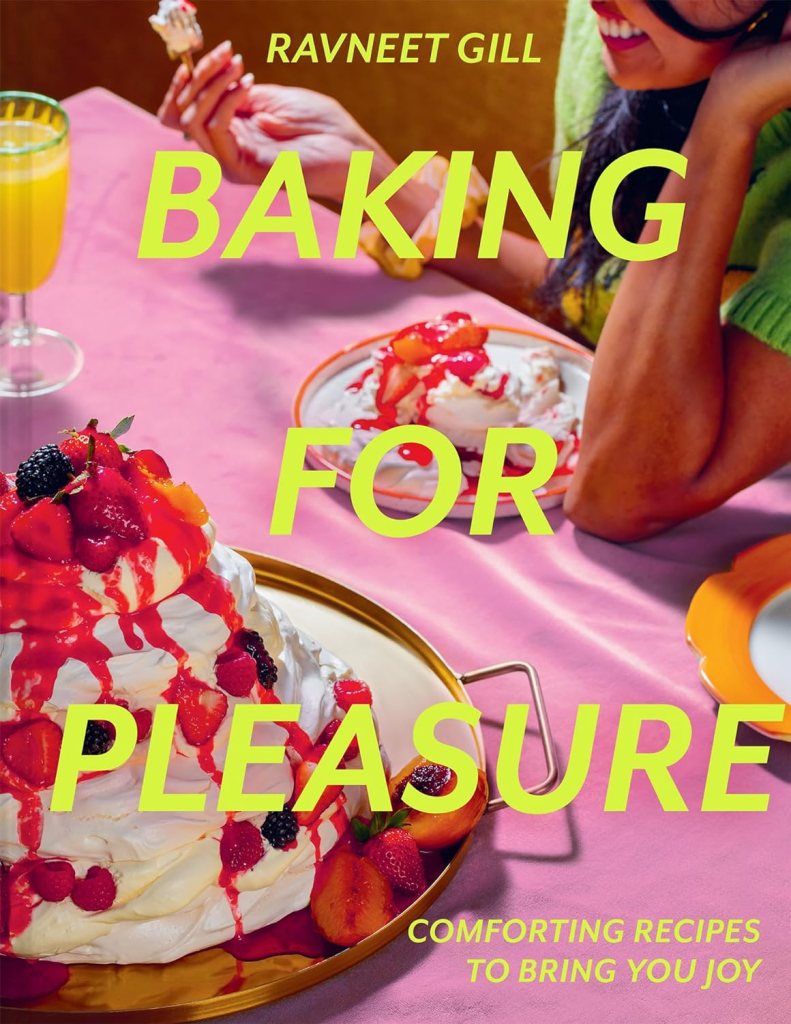
Baking for Pleasure by Ravneet Gill – Cookbook Review

Who is Ravneet Gill?
Ravneet Gill is a bestselling author, pastry chef and judge on Channel 4’s Junior Bake Off. She started her culinary career studying at Le Cordon Bleu before taking over the pastry sections at St John, Llewelyn’s and Wild by Tart. In 2018, she set up the trailblazing industry networking platform Countertalk to support hospitality businesses and promote healthy work environments. Now a freelance chef, she writes regularly for the Telegraph and Guardian Feast and often appears on BBC’s Saturday Kitchen. Baking for Pleasure is her third book.

What is Baking for Pleasure’s USP?
Gill’s first book, The Pastry Chef’s Guide, was designed to break down the fundamentals of pastry and provide reliable base recipes so that budding pastry chefs could eventually create their own desserts in a professional kitchen. Her second, Sugar, I Love You, went a step further with elaborate plated puds, intricate entremets and decadent cheesecakes bursting with colour, flavour and ‘wow’ factor. Baking for Pleasure adopts a different approach; imploring you to embrace the enjoyment found in creating delicious dishes for yourself and loved ones. Yes, there are plenty of impressive dinner-party desserts, but there are also crowd-pleasing classics, quick batch-bakes and wholesome weekend treats designed to show how home-baking can be simple, satisfying and full of joy.

What will I love?
Where to begin? Gill’s passion and pleasure for her craft is infectious, radiating through the recipes, personal introductions and encouraging advice. Prepare for page after page of beautifully photographed bakes including favourites like ‘Carrot Cake’, ‘Tiramisu’ and ‘Chocolate and Cream Profiteroles’, alongside more modern interpretations like ‘Millionaire’s Shortbread with Pistachio and Cardamom’ and ‘Mango Crème Brûlée’. It is great to see a wonderful selection of breads and savoury bakes too, including a show-stopping ‘Caramelised Onion Tatin’, ‘Jalapeño Popper Gougères’ and ‘Japanese Milk Loaf’.

Gill successfully manages to strike the balance between explaining each step in detail, without coming across as waffly or patronising (I guarantee you will finish this book with a greater understanding of baking). What’s more, while you could be forgiven for thinking recipes like these would require a lengthy list of culinary utensils, Gill has been mindful of domestic kitchens and washing up (always a bonus!) so you won’t find yourself hunting down obscure equipment or be left with a sink full of dirty dishes.

Is it good bedtime reading?
The eye-catching colours and striking photography make this a great book to flick through and is sure to bring about sweet dreams. However, aside from the introduction and Gill’s thoughts on ‘Finding Joy in the Kitchen’, there isn’t a lot to read… at least not in the sense of the essays in Sugar, I Love You. The recipes do all have introductions and a fair few include tips.

Will I have trouble finding the ingredients?
No. Gill wanted this to be a book for the home-cook so you won’t have much trouble finding the ingredients.

How easy are the recipes to follow?
Yes. The equipment is listed next to the servings and the ingredients are separated into sections (e.g. for the pastry, for the filling, to finish). There is a good mix of recipes depending on whether you want to whip up a simple ‘Blueberry Muffin Cake’ or spend a little longer making the deliciously summery ‘Strawberry and Clotted Cream Paris-Brest’. 

The only minor criticism is it would be helpful to have the cooking time by the ingredients so you can easily see how long a recipe will take, rather than skimming the recipe and calculating it in your head. 

Stand-out recipes?
This book is so full of mouthwatering recipes that it is tricky to narrow it down to just a few… The ‘Double Cream and Frangipane Bakewell’ is the best I have ever tasted, the ‘Chocolate and Hazelnut Cookies’ are dangerously addictive and the ‘Coffee Choux’ are simply divine. The ‘Chocolate and Hazelnut Caramel Tart’ is great fun to make, delicious to eat, and guaranteed to impress anyone you care to share it with.

How often will I cook from this book?
This could easily become your most-used book when in search of a sweet treat (not forgetting the savoury chapter, of course). Every occasion is covered with chapters including: ‘Bakes for Friends’, ‘Crowd Pleasers’, ‘Dinner Parties’, ‘Weekend Bakes’ and ‘Savoury Bakes’. Whether you want a classic ‘Chocolate Mousse’ or something more unusual like the ‘Brown Butter and Honey Baked Tart’, this book has you covered. Some, like the ‘Pantry Raid Flapjacks’, need less than 15 minutes prep and a handful of store-cupboard ingredients, whilst others, like the ‘Light-As-Air Chocolate, Cherry and Pistachio Roulade’, require a bit more effort.

Any negatives?
Nothing major… If you want to be really picky, it would have been nice to see a few more savoury recipes given they are mentioned in the description. However, the sweet options are so tempting you shouldn’t feel hard done by.

Should I buy the book?
A resounding ‘yes’. This is a brilliant book brimming with joy, enthusiasm and delicious recipes that genuinely work. A must-by for any baker.

Cuisine: Baking and Patisserie 
Suitable for: Baking fans of all abilities. 
Great for fans of: Nicola Lamb and Liberty Mendez
Cookbook review rating: Five stars
Buy this book: Baking for Pleasure: The new sweet and savoury cookbook with recipes
£26.00, Pavilion Books

Cook the Book
Fruit Scones
Fig Rolls

This review was written by Freelance Food Writer and Recipe Developer Sophie Knox Richmond. Follow her on Instagram on @sophie_kr_food

Greekish: Everyday Recipes with Greek Roots by Georgina Hayden – Cookbook Review

Greekish by Georgina Hyden

reviewed by Sophie Knox Richmond

Who is Georgina Hayden?
Georgina Hayden is a food writer and stylist from North London who regularly writes for publications such as The Telegraph, delicious. magazine and Observer Food Monthly. She is also a regular on Channel 4’s Sunday Brunch and BBC1’s Saturday Kitchen. 

Hayden developed a love of food, cooking and storytelling through recipes whilst growing up above her grandparents’ Greek Cypriot taverna. She began her career as a food assistant, working at various food magazines, before joining Jamie Oliver’s food team where she worked for 12 years styling and developing recipes for books, TV and magazines. She has since written 4 best-selling, award-winning, cookbooks captivating readers with a host of enticing Greek Cypriot-inspired recipes for every mood, diet and occasion. She recently launched her podcast ‘Family Feeds’ where she cooks a meal for guests in her home, in real-time, whilst chatting about what food means to them and their families.

What is Greekish’s USP?
Inspired by Hayden’s Greek Cypriot heritage and travels, Greekish promises ‘everyday recipes with Greek roots’. It is a collection of 120 simplified twists on her favourite Mediterranean dishes – all bursting with flavour, but made with fewer ingredients, less stress and designed to be easy enough to be cooked on repeat in busy households.

What will I love?
As Hayden says, this is very much her cookbook full of dishes she cooks in her own kitchen throughout the year. There is a distinctly personal feel to the writing and recipes, almost as if you are chatting with a friend about their favourite recipes. The delicious and inspiring recipes are accompanied by beautifully-shot images. Dietary preferences are catered for with notes on how to adapt recipes if they need to be gluten-free or vegan. Hayden has also included menu ideas for a host of occasions including Sunday lunch, mezedes (small plates), ‘easy but fancy’, plant-based feast, a romantic night in and a do-ahead dinner party. 

Is it good bedtime reading?
It isn’t a particularly ‘wordy’ book, but if you want to drift off dreaming of sunnier climes and delicious food, pop it on the bedside table. Hayden’s warmth and personality shines through in her 3-page introduction, whilst most recipes include a short-ish one of its own. There is also a section at the back with a glossary and advice on how to make the most of the book including tips on how to spatchock a chicken and choose halloumi as well as friendly reassurance that using a stock cube is absolutely fine for those who don’t have the time, or inclination, to make their own.

Will I have trouble finding the ingredients?
Not really. Greek cheeses like graviera and kefalotyri are mentioned, but alternatives such as pecorino are suggested. Once you have stocked your larder with staple Greek seasonings and dried goods (orzo pops up a fair bit), you should be well set to cook your way through the book. Almost all of the recipes can be made with ingredients from your local supermarket and the list of stockists at the back will help you track down anything else. 

How easy are the recipes to follow?
Very. Instructions are detailed without being waffly and ingredient lists are clear. The whole premise of the book is to make delicious, Greek-inspired food, achievable for busy people and Hayden well and truly nails the brief.

Stand-out recipes?
‘One-pot Chicken Thighs and Rice’ is a flavoursome fuss-free supper that has become a regular in our household. ‘HLT Kritharaki’ (a Greek sandwich-inspired tomato, orzo and halloumi dish) is also a firm favourite. ‘Roast Chicken with Tomatoey Bulgur Wheat’ is a great alternative to a traditional roast and ‘Youvetsi’ (meat and orzo stew) is perfect comfort food. ‘Roasted Lemon, Oregano and Feta Potatoes’ also deserves a special mention; prepare for it to become your new go-to potato dish. 

How often will I cook from this book?
There genuinely is something for every mood and occasion. Expect sweet and savoury breakfasts, small plates and snacks (don’t miss the ‘Fried Sesame Cheese Bites’), salads, mains and sweet treats. The unbelievably easy ‘Everyday Yoghurt Flatbreads’ (also adaptable for vegans) could be served throughout the day (some delicious topping ideas are included), whilst dishes like ‘One-pan Pastitsio’ are ideal for a simple supper. There are also plenty of recipes for entertaining, whether you are looking for a selection of dishes for a relaxed summer soiree, or a knock-out bake for an afternoon tea such as ‘Afternoon Chamomile and Honey Cake’.  

Any negatives?
I suppose if you are a staunch traditionalist, you might be horrified at the idea of a ‘Spanakopita Jacket Potato’, but after giving the recipe a go, you will soon change your mind. It would also be helpful to have the cooking time by the ingredients so you can easily see how long a recipe will take, rather than skimming the recipe and calculating it in your head. Apart from that, it is hard to find anything to complain about. 

Should I buy the book?
This is a joyful book brimming with delicious Mediterranean-inspired recipes. A must-have book for anyone who enjoys flavoursome, modern Greek food. It is one of those cookbooks that you will return to time and time again. 

Cookbook review rating: Five stars
Cuisine:
Modern Greek
Suitable for: Anyone who is a fan of Mediterranean food – less confident cooks will love Hayden’s simplified recipes and reassuring writing, whilst those with more experience will enjoy exploring vibrant new dishes.
Great for fans of: Irini Tzortzoglou and Meliz Berg

Buy this book: Greekish: Everyday recipes with Greek roots
£26, Bloomsbury Publishing

Cook from the this book
Coming soon

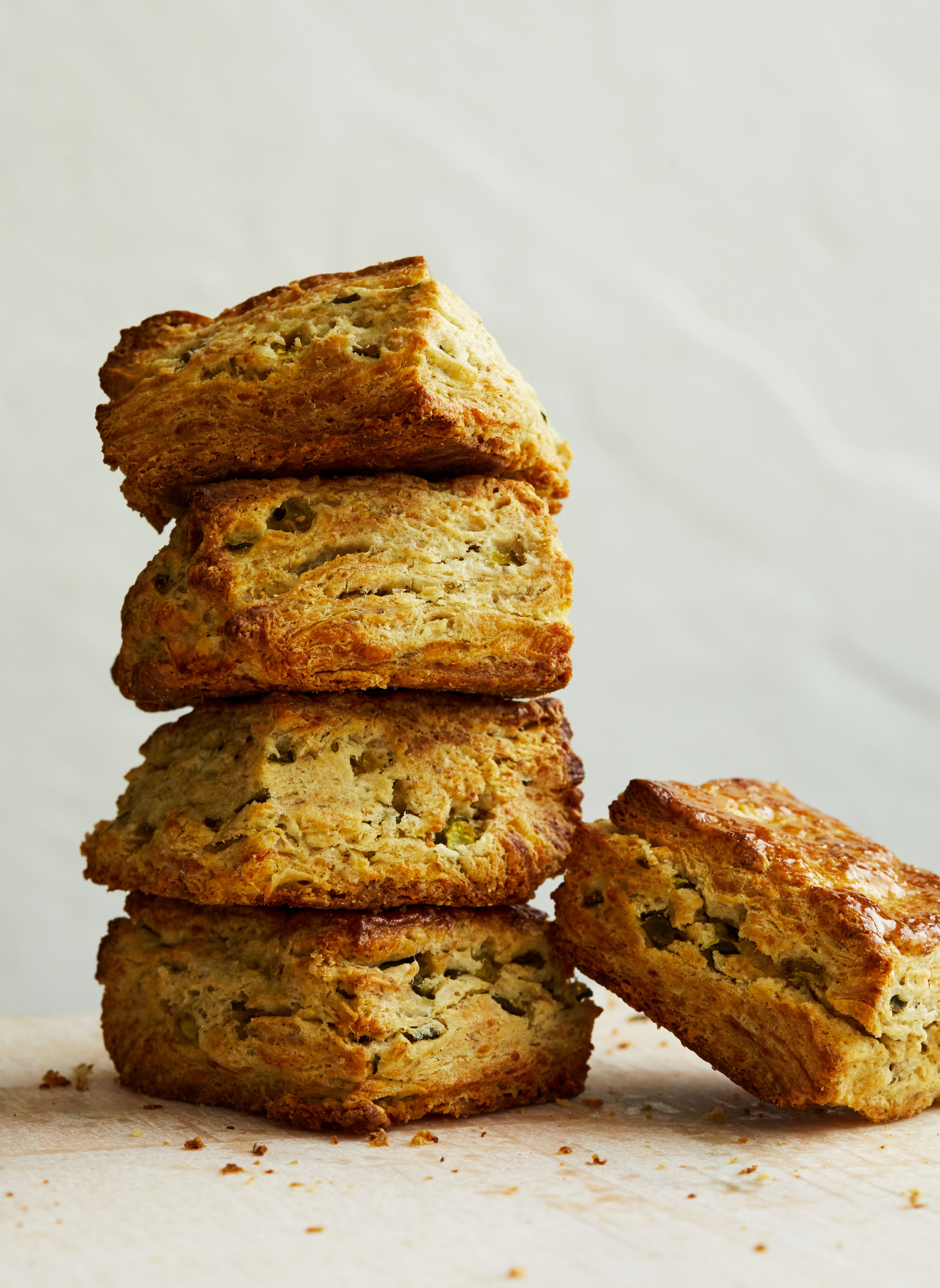
Recipe: Flakey cheese and pickle scones by Nicola Lamb

Cheese and Pickle Scones

The humble cheese scone is given the flaky treatment. The addition of rye flour
and pickle chunks in the layers gives these scones a deli sandwich energy that
would be welcome at any picnic. Working fast and having a light touch here is key
for the flakiest scones possible

Equipment
6.5cm cutter

Ingredients

210g plain flour
30g dark rye flour
10g baking powder (about 2½ tsp)
4g flaky sea salt (about 1⅛ tsp)
2g black pepper (about 1 tsp)
100g mature Cheddar cheese, grated
110g butter, very cold
75g pickled gherkins, drained and chopped
120g buttermilk (see Note)
Egg wash (see page 343 of Sift) 

  1. Get everything cold. And I mean cold. If you have time, put your dry ingredients in
    the freezer for 20 minutes before mixing. Your butter must be fridge-cold and firm
    to the touch.
  2. Add all the dry ingredients into a bowl, plus half the grated Cheddar cheese.
  3. Cut the butter into 2cm cubes. Using the paddle attachment or your fingertips, work the cold butter into the dry ingredients, along with the chopped gherkins for about 30 seconds. Only go so far that the butter is in irregular-sized pieces. You need some larger bits of butter to get the layers later.
  4. Now, add the buttermilk in a steady stream and mix until it is looking just hydrated – there can still be dry bits.
  5. Tip onto a clean surface and push together, scraping all the dry bits into the middle.
  6. Roll to approximately 40cm long, sprinkle over half of the leftover cheese and perform a single fold – that’s when you bring the top down two-thirds and then the bottom over the middle third, like a business letter!
  7. Turn 90 degrees and roll to 40cm long, then sprinkle over the rest of the cheese and perform another single fold. Use a knife or a bench scraper to cut the folded edge –this will give you the best layers possible.
  8. Pat the dough into a rectangle around 2.5–3cm high. Trim the edges (you can bake these as snack scraps!) and pat down slightly to get the dough back into proportion. Cut into six large squares. Place on a baking tray lined with baking paper and put into the freezer for 15 minutes or the fridge for 45 minutes.
  9. Preheat the oven to 220°C/200°C fan.
  10. Gently brush the tops of the scones with egg wash, if desired. Bake for 12–15 minutes (watch the colour), then turn the oven down to 190°C/170°C fan and continue cooking for 5–10 minutes until the scones are golden and well baked. Transfer to a cooling rack to cool, then serve warm.

Note: If you don’t have buttermilk, mix 115g whole milk with 5g white wine vinegar and then leave in the fridge to curdle for about 5 minutes. It will appear thickened but a bit split.

Cook more from this book
Miso Walnut Cookies
Secret Chooclate Cake

Click the link to buy this book:
SIFT: The Elements of Great Baking
£30.00, Ebury Press

Click here to read the review

Sift by Nicola Lamb

reviewed by Sophie Knox Richmond

Who is Nicola Lamb? Nicola Lamb is a recipe developer and pastry chef famed for hosting sell-out pastry parties with her pop-bakery, Lark!, and collaborating with the likes of the Ottolenghi Test Kitchen, Soft & Swirly and Toklas Bakery. She honed her skills at some of London and New York’s top bakeries including Happy Endings, Dominique Ansel and Little Bread Pedlar, and has seen her work featured in publications including The Guardian, Vogue and ES Magazine. She is also the author of Kitchen Projects (her weekly substack newsletter with over 50,000 dedicated subscribers) where she delves deep into the world of desserts, baking and pastries, sharing behind-the-scenes glimpses of the recipe development process and explaining the ins and outs of what, how and why a recipe works. From the lowdown on the ultimate chocolate chip cookies to how to craft beautifully buttery brioche (not forgetting more adventurous ideas like wild garlic bagels, pistachio gateau basque and caramelised white chocolate, malt and hazelnut spread), it is little wonder the Observer declared it an ‘incredible resource’. SIFT is her debut cookbook. 

What is SIFT’s USP? Described as the ‘essential new baking bible’ SIFT promises to take the ‘fear out of failure’ with its collection of over 100 bakes. The first half of the book is focused on theory, featuring key elements and techniques, accompanied by illustrations and diagrams, designed to explore the hows and whys of baking. The second half is dedicated to the recipes, organised by how long you have available to bake, whether that be an afternoon (‘Bread and Butter Pudding with Caramel Mandarins’), a day (‘Rhubarb and Custard Crumb Cake) or weekend (‘Mocha Passionfruit Opera Cake’). Felicity Cloake summed it up perfectly as: ‘Everything you ever wanted to know about baking but were too afraid to ask.’ 

What will I love? This is the ultimate book for anyone remotely interested in baking no matter your skill level. It lays the foundations for novices to build on and professionals will find inspiring new ideas to develop their own recipes as well as reference points for substitutions.  

The first half offers a fascinating look at the main ingredients at the heart of baking (e.g. flour, sugar, eggs and fat) before exploring the techniques that bring them to life (prepare to learn all about texture, colour and rising). The numerous diagrams and ‘technical overview’ help ensure the information remains clear and accessible. Each recipe highlights the techniques used so you can refer back to the theory chapters, identify links between different recipes, and work your way up to more complex ones as you grow in confidence.

Even if you aren’t interested in baking theory, Lamb’s meticulous testing and flair for flavour means the recipes alone are enough to get you grabbing your apron. Expect original sweet and savoury cakes, tarts, biscuits, pies, breads and desserts. Classics like Victoria Sandwich Cake are transformed into ‘Roasted Strawberry Victoria Sponge’, and ‘Baked Lemon Custard Brûlée’ gives Crème Brûlée a zesty modern twist.

Is it good bedtime reading? Lamb’s highly readable writing, coupled with the handy diagrams is likely to leave you staying up into the early hours learning about the ins and outs of ‘starch gelatinisation in action’ and ‘coagulation of eggs’ (I promise you, it isn’t as weighty as it sounds). You can dip in and out at your leisure, focusing on the elements you wish to learn more about at any given time. All the recipes include a short introduction too.

Will I have trouble finding the ingredients? Some fruit purées and pistachio paste might need to be bought online unless you want to make your own (a recipe is included for the latter). Dried hibiscus flowers may also need hunting down but plenty of other sorbet flavours are given instead. 

How easy are the recipes to follow? The book is designed for all abilities. Not all the recipes are easy but Lamb has gone to great lengths to ensure they are achievable and the processes are as clear as possible. Each recipe contains a time plan and specifies the equipment and techniques used. There are helpful notes on what to look for at each stage as well as useful tips, shortcuts and instructions on how to prep in advance and/or reheat. It couldn’t be more user-friendly if it tried. 

Stand-out recipes? ‘Brown Butter Banana Cookies’ are quick, easy and incredibly moreish, ‘Ricotta, Marmalade and Hazelnut Chocolate-chip Cake’ is a must-make for chocolate-orange fans, and ‘Lemon Basque Cheesecake with Sticky Lemons’ is a beautifully balanced pud for any occasion. Banoffee-lovers shouldn’t miss the ‘Banana Pudding Pie’, and the ‘Tiramichoux’ are utterly inspired and worth the effort. On the savoury side, ‘Olive Oil Brie-oche with Roasted Grapes, Honey and Thyme’ sounds particularly delicious.

How often will I cook from this book? There is something for every mood, occasion and season so you could easily find yourself baking from this all year round, whether you are making a birthday cake for a loved one, a teatime treat to curb mid-afternoon cravings, or a show-stopping dessert for a special occasion. There’s a plethora of savoury delights ideal for lunches and suppers too.

Any negatives? None. SIFT is designed to be the ultimate baking and pastry bible and Lamb has well and truly nailed the brief. 

Should I buy the book? A resounding yes. Whether you want to delve deep into the science of the Maillard reaction, or simply want to up your baking game, SIFT is an exceptional book and a must-have addition to your cookbook collection. 

Cuisine: Baking and Patisserie
Suitable for: Baking enthusiasts of all abilities
Great for fans of: Ravneet Gill
Cookbook review rating: Five stars

Buy this book: SIFT: The Elements of Great Baking
£30.00, Ebury Press

Cook from this book
Secret Chocolate Cake
Miso Walnut Cookies
Cheese and Pickle Scones

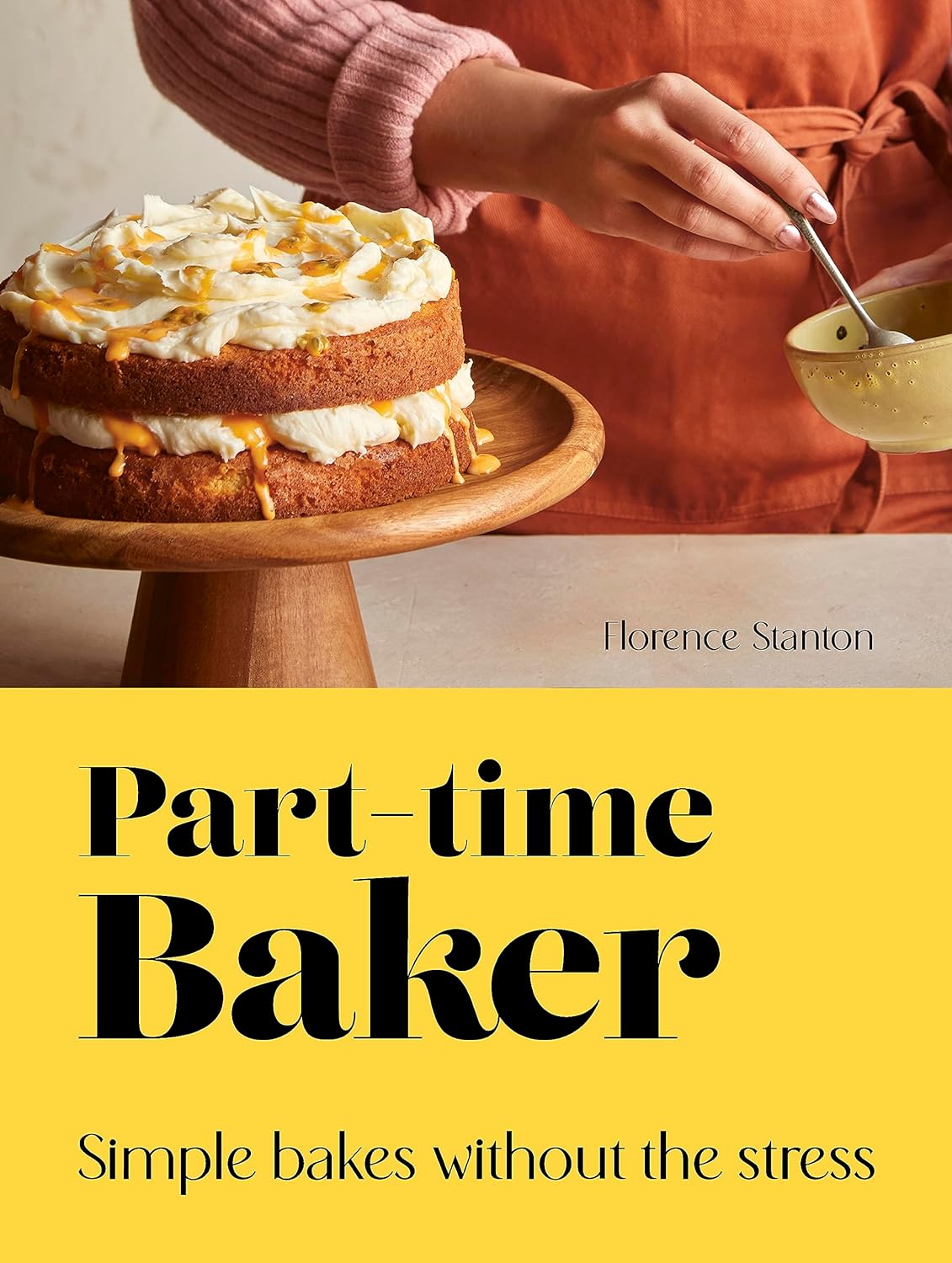
Part-Time Baker: Simple Bakes Without the Stress – Book Review

Part -time Baker by Florence Stanton


Who is Florence Stanton?
Florence Stanton is a self-taught food blogger and online content creator, with a background in PR and Marketing, from South London. During the COVID-19 lockdown, she decided to start an online baking social media account @tasting.thyme. She began to share simple sweet (and the occasional savoury) bakes designed to prove that you don’t need a huge kitchen, fancy training or equipment to create truly wonderful food. She now has over 125,000 followers drooling over everything from ‘Tiramisu Brownies with a Whipped Mascarpone Frosting’ to ‘Chocolate Honeycomb Cookies’. She lives in Houston, Texas and Part-Time Baker is her debut cookbook.

What is Part-Time Baker’s USP?
Stanton has earned a reputation for keeping things simple in the kitchen on her social media account and her cookbook follows suit. Each recipe clearly states the timings involved – with many on the table in under 30 minutes, or requiring just 15 minutes hands-on time before letting the oven or the fridge do the work. Each chapter focuses on a different time of day, ensuring you can find the perfect fuss-free bake to suit any eventuality.

What will I love?
Stanton excels at offering a variety of enticing bakes that take inspiration from classic favourites, but with a little added twist. Think tangy ‘Lemon & Blueberry Bakewell Tart’ with lemon curd instead of cherry jam and ‘Black Forest Crumble’ (the addition of dark chocolate gives the comfort-food-classic an extra level of indulgence).

There is a good balance of sweet and savoury options, whether that be on-the-go breakfasts, lazy weekend brunches, homemade lunches, afternoon tea bakes, show-stopping desserts or late night treats, with options for every level of confidence, skill and timeframe. Need a quick pud for a dinner party? The ‘Mini Biscoff Cheesecake Jars’ take less than 20 minutes to pull together. Want a showstopper with added ‘wow factor’? The ‘Chocolate and Hazelnut Tart with Hazelnut Praline’ is your answer. Looking for a refreshing summer dessert? The ‘Peach Melba Eton Mess’ will go down a treat. Hoping for comfort on a chilly winter evening? Good luck choosing between the ‘Sticky Figgy Toffee Pudding’ and the ‘Leftover Almond Croissant Bread & Butter Pudding’.

Care has been taken to ensure the recipes are as accessible and clear as possible – outlining exactly the ‘hands-on’, ‘chilling’, ‘baking’ and ‘total’ time involved. There are also options for shortcuts (for example using shop-bought all-butter pastry instead of making your own rough puff), and occasional tips to encourage you to ring the changes – for example, filling the ‘Red Pesto & Mozzarella Bread Scrolls’ with red onion chutney and grated cheddar, olive tapenade or even cranberry sauce and brie for a festive twist.

Is it good bedtime reading?
If you want to go to sleep dreaming of delicious bakes to make the next day, yes. If you are looking for long, captivating prose discussing the secrets to ‘The Ultimate Chocolate Brownie’ or why sweet white chocolate, juicy raspberries and crunchy pistachios makes for an irresistible combination in the ‘White Chocolate & Pistachio Braid’, you might be a little disappointed. However, each recipe does come with a mini introduction. There is also a typical introduction at the beginning of the book where Stanton introduces herself and her baking philosophy.

Will I have trouble finding the ingredients?
Not at all. Accessibility lies at the heart of this book, so you should be able to find all the ingredients in your local supermarket (perhaps with the exception of rose petals in the ‘Rose Shortbread Cookies’). The vast majority of recipes include regular, affordable ingredients which are likely to already feature on your shopping list (even the ‘Vegan No Bake Chocolate & Pistachio Bars’ uses no unusual ingredients aside from vegan butter).

How easy are the recipes to follow?
Very. Part Time Baker does away with complex instructions and manages to keep baking stress-free.

Stand-out recipes?
The ‘Cheat’s Almond Croissants’ are unbelievably simple and taste sublime, and the ‘Goat’s Cheese, Fig & Walnut Tart’ is delicious for lunch served with a simple salad. The ‘Leek & Potato Turnovers’ celebrates a winning flavour combination – but do try Stanton’s bombay-potato or leftover curry filled option for a samosa-inspired snack. The ‘Savoury Baked Cheesy French Toast’ is also a must-try for a weekend brunch or lunch with friends.

How often will I cook from this book?
With a good variety of sweet and savoury ideas, you could easily find yourself whipping up a few recipes from here each week without breaking the bank, having endless washing up or feeling exhausted with the effort. 

Any negatives?
It’s a shame that not all the recipes include tips, tricks and alternative ideas which would have been helpful for those who want to take their bakes a bit further. 

Should I buy the book?
Yes. This is a great cookbook to have on the shelf whether you are the target market of baking enthusiasts who are short on time, or a keen baker looking to try some new recipes.

Cuisine: Stress-free baking
Suitable for: Baking fans who don’t have hours to spare.
Great for fans of: Jane Dunn (Jane’s Patisserie) and Eloise Head (Fitwaffle)
Cookbook review rating: Four stars

Buy this book: Part-Time Baker: Simple bakes without the stress (affiliate link)
£18.99, Carnival Books

Cook from this book
Coming soon

This review by Sophie Knox Richmond was originally published on Andy Lynes’s Smashed Substack newsletter. Subscribe here to ensure you see all the latest cookbook reviews first.

Easy Wins by Anna Jones

Easy Wins by Anna Jones

Who is Anna Jones?
Anna Jones is an award-winning cook, food writer and pioneer of modern plant based food. She  celebrates the joys of food – with vegetables firmly placed at the centre of the table. In recent years her books have taken a bolder stance on sustainability. In her fourth cookbook One: Pot, Pan, Planet (2021) she dedicated some chapters to educating readers on how to become more eco-friendly. Her recipes take simple, often side-lined, ingredients and transform them into innovative and exciting dishes inspired by cuisines from around the world. 

What is Easy Wins’ USP?
Based around 12 hero ingredients (lemons, olive oil, vinegar, mustard, tomatoes, capers, chilli, tahini, garlic, onions, miso and peanuts), Easy Wins promises 125 simple, seasonal, recipes to help you create delicious, veg-centred, dishes all year round.

As Jones explains in the introduction: ‘Simple ingredients, when shown a little bit of love and attention, come together to make more than the sum of their parts. This to me is an Easy Win. A little moment of kitchen alchemy that reassures me. Recipes that are reliable sources of joy in a world that is ever changing.’

What will I love?
A lot. This is a beautiful book full of stunning photography and enticing, ‘cookable’, recipes for every mood and occasion. Jones has made a concerted effort to utilise lesser-known ingredients in several recipes. Instead of asking the reader to buy a whole jar or pot of something only to leave it lingering in the cupboard after one outing, she gives multiple ideas for how to use it up.

Nearly every recipe is accompanied by a photograph which helps give a visual guide for those who like to see what the final dish looks like. Each beautifully shot images manages to be both striking and achievable at the same time. 

Flexibility is a running theme of the book; many of the recipes can be adapted for vegans and there are explanations on how to successfully swap ingredients, while still producing a delicious result. Jones includes invaluable advice on how to use flavour and texture to enhance any dish and take your cooking to the next level. 

Is it good bedtime reading?
If you are interested in seasonality, eating more sustainably, and learning more about how to make the most out of every meal, then hell yes. There is a personal, heartfelt introduction, followed by ‘Golden Rules for Easy Wins’ and informative guides to ‘Planet-friendly Cooking’ and ‘Salt and Seasoning’.  There’s also interesting and useful advice on ‘Vegetarian Flavour Swaps’, ‘How to Cook Flexibly’, ‘Layering Flavour’ and ‘Layering Texture’.  The ‘Vegetarian Flavour Swaps’ pages are particularly helpful for those looking to incorporate more meat-free dishes into their diet, with paragraph per recommendation to explain why it works, instead of merely offering a bullet-pointed list.

Each chapter begins with a mini-homage to its hero ingredient, followed by information on different types, complimentary flavours, storage tips and which varieties to buy; useful for experimenting with new recipes even beyond Jones’s book. Sections on ‘Herbs’ and ‘Spices’ provide handy information on flavour profiles, origins, flavour pairings, recommended uses and substitutions.  

Will I have trouble finding the ingredients?
Some ingredients, like Amalfi lemons, can be tricky (or expensive) to get hold of, but Jones has gone out of her way to offer advice on substitutions as much as possible. 

How easy are the recipes to follow?
Very. Ingredient quantities are listed in the recipe as well as in the ingredient list so you can keep track as you go along. Admittedly there is the usual ‘juice of a lemon’ instead of a specified quantity, but one of the aims of the book is to encourage you to become a more intuitive cook and taste as you go along. The introductions are also genuinely helpful and full of useful anecdotes about each recipe – as well as advice on how to adjust them with seasonal ingredients.  

Stand-out recipes?
Where to start? One Pot Pasta al Limone (an ingenious dish which relies on the starchy pasta cooking water to make a creamy, zesty pasta sauce), Double Lemon Pilaf with Buttery Almonds (a sublime combination of taste and texture – worth making for the buttery almonds alone), Double Lemon Cake with Streusel Topping (deliciously moist and refreshing – perfect for pudding or with coffee), Cheese and Pickle Roast Potatoes with Chilli-dressed Leaves (a must-try recipe for anyone who likes big flavours), Chipotle Aubergine Parmigiana (wonderfully smoky and cheesy – can also be made vegan-friendly), Confit Garlic Cauliflower Cheese (a decadent side dish for a special occasion), Lemongrass Dal with Garlic and Curry Leaves (subtly spiced, aromatic and soothing – comfort in a bowl), Miso Rarebit with Asian Herbs (an umami-packed twist on the classic – sure to become a firm favourite) and Peanut Butter Chocolate Chip Cookies (gooey, chocolatey and simply one of the best cookie recipes I have ever made). 

How often will I cook from this book?
Keen cooks will find themselves reaching for the book on a regular basis due to the variety of recipes suitable for every occasion. Think mezze sharing dishes like Smoky Aubergines with Tahini and Spiced Tomatoes, easy lunches like Sesame and Chilli Oil Noodles, flavour-packed sides including Corn on the Cob with Caper and Herb Crumbs, simple suppers like Traybake Lemon Dal with Pickled Green Chillies, quick desserts like Miso Banana Caramel Whip (ready in 15 minutes!), comforting cakes like the Double Ginger Cake with Lemon Crème Fraiche, and beautiful breads like Olia’s Pampushky (a garlic and parsley Ukrainian bread traditionally served with borscht). 

Any negatives?
This is a plant-based book so a passionate meat eater may feel it’s not for them. However, it’s a testament to Jones’ skill and creativity that none of the recipes feel incomplete due to the lack of meat. In fact, many work as side dishes that could be served alongside meat. 

Should I buy the book?
A resounding ‘yes’. Easy Wins is one of those cookbooks that you will find yourself returning to again and again – not just for the recipes, but for the culinary advice.  Jones writes with genuine passion and this book feels very personal. Her style is considered, almost conversational; encouraging, never dictatorial. Sustainability-focused cookbooks can be a bit too unattainable, but Easy Wins feels realistic and achievable. This is a guide to Jones’ approach to cooking and one that aims to provide you with the tools to build on the recipes, make them your own and become a more confident, sustainable, cook. 

Cuisine: Plant based
Suitable for: Confident cooks and those who enjoy exploring different tastes, textures and cuisines – and have an interest in broadening their plant based recipe repertoire 

Great for fans of: Claire Thomson (5 o’clock apron) and Meera Sodha
Cookbook review rating: Five stars
Buy this book: Easy Wins by Anna Jones
£28,  Fourth Estate 

This review was written by Freelance Food Writer and Recipe Developer Sophie Knox Richmond. Follow her on Instagram on @sophie_kr_food. 

Ramen: 80 Easy Noodle Bowls and Broths by Makiko Sano

 Ramen by Makiko SanoDear reader of cookbookreview.blog, I have a confession. I’m not that into ramen. I know this isn’t a universally shared opinion but I’ve never had a bowl of ramen that has inspired the awe it’s meant to. The kind that true devotees hunch over steaming bowls of broth like medieval alchemists and whisper in hushed reverence about the exact marination time for soy eggs. 

Not that Ramen: 80 Easy Noodle Bowls and Broths was designed to convince this particular chump of the virtues of a globally loved dish but Makiko Sano does present a compelling argument in a punchy, colourful and enlightening book. Although between her other cookbooks, a Japanese restaurant, sushi school and catering company I don’t think she was expecting to add “unwitting couples counsellor” between ramen and I to her overflowing CV.

The book opens with an unexpectedly fascinating history of ramen, one of innovation through necessity, clandestine noodle traders and a burst in popularity in the years after World War II. To co-opt a saying: when life gives you an abundance of wheat flour in postwar aid shipments and the worst rice harvest in decades, make ramen. Due to its inherent versatility and Momofuku Ando’s instant ramen noodles, we now have infinite versions of the noodley, soupy thing we’re all familiar with across the globe. 

As Sano details, traditional ramen follows four building blocks: a highly seasoned sauce, the tare, which forms a base layer upon which the second element, the broth, is poured over. The noodles follow and finally a variety of toppings layered on top. I am always appreciative of a cookbook that teaches not only what to cook but how to cook and in theory, you could go no further than here. Make the classic tares, broths and tinker with the recommended toppings list forevermore.

However life is for living and after these more traditional dishes follow a number of varied, sometimes weird, sometimes wonderful but always easy ramen recipes. It’s a fun book to flick through. Bright, well organised and recipes that are incredibly concise with a succinct historical context or introduction. Many of the basic Japanese ingredients won’t be hard to come by but a trip will be needed to an international supermarket or online stockist for ingredients like bonito flakes, nori and saké.

Despite being variations on the same theme, there’s admirable scope. The chapters are arranged by protein, vegetables and a final “Instant Ramen Plus” chapter, an anything goes section that feels like the last day of school, sticking twos up at the Head of Geography, breaking into food tech and concocting a ramen of tinned hotdogs and cheese.

While that last dish wasn’t for me, there are plenty that were. The Vegetable Garden Ramen, various vegetables floating atop a white broth made with soy milk and the Mushroom Miso Ramen were two of my favourites, both eaten when feeling a little under the weather and warming me from the ground up. Another highlight was the Chilli Miso Ramen and delicious as it was, it helps to have a pack of tissues nearby if you inadvertently double the amount of gochujang paste. The Tahini Ramen (made better with its Japanese cousin neri goma if you can get it) was rich and nutty and only slightly less morish than the Coconut Curry Ramen. 

Much of the complexity of flavour in ramen and the time taken making it comes from the broth. However much of the ease in this book relies on using a broth made from stock granules. The book does help you to make your own and I would encourage you to do so. It’s an easy kitchen task: plonk meat or vegetable gubbins in a pot of boiling water, leave for a bit, strain then freeze in smaller portions. Failing that, buy the best stock you can afford in gelatinous pots or pre-made pouches. Without it, the simpler recipes become more reminiscent of drinking Oxo with a few ingredients chucked in.

The scope of the book means it’s easy to find something to appreciate. Ramen newbies will have the most joy as Sano removes much of the complexity of the dish in an endearing and uncomplicated way. I’m yet to be converted to a ramen fanatic but I appreciate the endeavour. Perhaps by the time I’ve cooked all eighty, I’ll see the light.

Cuisine: Japanese
Suitable for: Beginners
Cookbook Review Rating: Four stars

Buy This Book: Ramen by Makiko Sano
£18.99, OH! Life

Review written by Nick Dodd, a Leeds-based pianist and writer.

Sohn-mat by Monica Lee and The Korean Cookbook by Junghyun Park and Jungyoon Choi

It doesn’t take a genius to work out that there is often a great void between the chef and the home cook. Though both are creating dishes for consumption, the context, methods, and sheer scale of their work differs tremendously. The same considerations should be made when a professional chef – particularly those operating in fine dining environments – write a cookbook.

It’s something I regrettably neglected to aptly reflect on when I reviewed Niklas Ekstedt’s ridiculously lavish entry into the canon a few years ago. How can I, a home cook in urban Britain, be expected to source reindeer hearts, I asked. I don’t even have an Ikea food hall near me.

But, of course, I wasn’t the intended audience. Ekstedt didn’t expect me, of all people, to knock up one of his many dishes that called for the cook to first gather their hay. Hell, he didn’t even expect most of the chefs who bought the book to build a fire from dried grass on his behalf. Most cookbooks by acclaimed chefs are about the theory of cooking as much as they are about the cooking itself. About sharing gastronomical philosophies, flavour combinations, and mutually revelling in what it means to get excited about presenting these bold, delicious ideas for others to taste.

Which is what makes two recent Korean cookbooks so interesting. Both Sohn-mat and The Korean Cookbook have been written by professional chefs with acclaimed restaurants to their name, and both books are aimed specifically at audiences looking to bring Korean flavours into their homes. The challenge here, then, is for the authors to translate their professional interest in cooking into a language that is relevant for domestic kitchens.

Monica Lee, the writer behind Sohn-mat, has a definite head start in this process. Lee was, before she opened her much-loved restaurant Beverly Soon Tofu in LA, a home cook with a small but very loyal fanbase of friends and family. Amongst the many Korean dishes she would recreate in her kitchen was the soon tofu chigae that she eventually became famous for.

Lee’s restaurant, opened in 1986, was entirely focused on this relatively low-key dish – a nutritious bowl normally associated with affordable diners in Korea. Beverly Soon Tofu closed in the midst of the pandemic, and Lee’s book is its legacy; her way of connecting with people one more time, and empowering them to create the food she served for over three decades.

In a move that feels spiritually aligned with the cookbooks of Michelin-starred chefs, most of the first eighty pages of Sohn-mat are dedicated wholly to recreating this dish. This means in-depth looks at the sourcing and handling of ttukbaegi – the clay pot Lee served her custardy tofu in. There are tips on ingredients and methodology, and no less than twenty-two recipes for components and variations so that the reader can recreate soon tofu chigae at home exactly the way they like it best.

Though Lee goes to lengths to make these recipes accessible, and considers almost every obstacle a home cook might come up against, the approach can feel a little overwhelming. To serve up a by-the-book version of the restaurant’s popular Combination Soon Tofu, home cooks will need to commit to making a beef broth from scratch, as well as preparing marinated short rib trimmings, and a seasoned red pepper paste that requires a day’s rest in the fridge before use. It’s not impossible by any means, but it does put the dish firmly into the ‘best saved for the weekend category’.

Beyond soon tofu chigae, Lee offers a wide ranging look at other Korean dishes. Starting with banchan – side dishes served alongside rice – we are presented with plenty of bright vegetable dishes and a select few for carnivores (who are given a much broader selection to choose from in a later section of sharing platters).

Lee’s recipes tend to be relatively wordy and this, combined with ingredients lists that feature those extra recipes to prepare in advance, can make the dishes look like a lot of work. And look, it’s a busy book – filled to the brim with tips and adjustments for different dietary needs – but the dishes are usually easier than they look. Those preparatory recipes only exist because Lee has offered DIY options for ingredients you can just buy off the shelf if you need. Save yourself the time and use standard soy sauce instead of Lee’s seasoned version, or any garlic you like, instead of her pre-blended take. If Sohn-mat has any real flaw, it is not that it is too difficult for home cooks – but rather that the writing and design makes everything look like a lot more effort than it really is.

Offering an even broader look at Korean cuisine is Phaidon’s The Korean Cookbook, written by Junghyun Park and Jungyoon Choi. Park is best known for Atomix, which was this year named the 8th best restaurant in the world by World’s 50 Best Restaurants. It’s one of four Korean-oriented restaurants he runs in New York, which puts him very much at the high-end of chefs-turned-writers. His co-author Choi is a research and development chef for Sempio Foods and – not that I’m claiming any foul play – Academy Vice Chair of Korea & China at World’s 50 Best Restaurants.

The Korean Cookbook is the latest entry in Phaidon’s ongoing mission to publish the definitive tome for any cuisine you care to imagine. The series always has its strengths and weaknesses, which we’ve covered over the years here. Historically, one of the series’ biggest issues has been a lack of context for the dishes presented. Here, thankfully, we see perhaps the most in-depth look at a cuisine that Phaidon have yet offered readers. Park and Choi offer an extensive forty-page introductory section exploring the concept of hansik, or Korean cuisine. There are also useful introduction to chapters on fermentation, and the different components that make up a meal in Korea. Perhaps most importantly – and frequently missing in older entries to the series, each recipe is given vital context.

The grand scope of the book means that there are over 350 recipes to choose from. Readers can be certain that any Korean dish they already know and want to recreate will be here – there are two options for the nation’s distinctive take on fried chicken, and three for bulgogi. But the joy is in discovering the unexpected, and there are plenty of exciting new ideas here for readers to explore, from Pan-Roasted Acorn Jelly to Ray with Bean Sprout Jjim and Yuja (Yuzu) Punch.

There are, as is often the case with Phaidon’s books, a large number of cases where audiences not actually based in Korea will struggle to source ingredients. Even the best stocked Asian supermarket is unlikely to provide stonecrop. Of course, this authenticity is what readers come to the series for. But sometimes it feels as though it goes too far – so much of this book is celebrating home cooking, but the authors make no effort to offer advice on substituting hard-to-find ingredients.

This is a particular shame for those looking to recreate those iconic dishes – both The Korean Cookbook and Sohn-Mat are all too keen to include pre-mixed cooking powders in their recipes. Park and Choi use a store-bought seasoned flour mix for both fried chicken recipes, but offer no DIY substitute. The jeon (pancake) recipes across the books almost all call for ‘Korean pancake mix’ but, again, offer no substitute. In offering an authentic view of Korean home cooking, The Korean Cookbook is a success. In making the dishes universally accessible, less so.

But then, do people come to cookbooks that explore other cuisines expecting the author to present every dish as a simple half-hour recipe? It takes millennia to form the way a nation eats – The Korean Cookbook offers a potted history that starts in the neolithic period. It shouldn’t be a matter of rocking up at the tail end of this evolution and demanding simple translations. And, frankly, if that is what you’re looking for, we’re probably only six months out from a six-part BBC2 series and accompanying book: Rick Stein’s Korea.

For now we should relish that we are being offered so many nuanced, informative takes on one of the most unique and flavour-filled cuisines in the world. Time to move beyond bulgogi, and get into the real heart of Korean cooking.

Cuisine: Korean
Suitable for: Confident home cooks
Cookbook Review Rating: Four stars/Four stars

Buy these books:
Sohn-mat by Monica Lee, £25, Hardie Grant US
The Korean Cookbook by Junghyun Park and Jungyoon Choi , £39.95, Phaidon Press

Cook from The Korean Cookbook

One-pot meatballs with tomato sauce and orzo by Rick Stein

103_simplesuppers_OnePotMeatballs

I tried making these meatballs with minced pork but they were too dry, so I think they are much better made with good-quality sausage meat, by which I mean at least 90 per cent pork. A lot of the brands of tomato passata with flavourings are not to my taste, but the Napolina soffritto is just tomato, garlic, onion and celery.

SERVES 4
400g premium pork sausages, skins removed and discarded
¾ tsp fennel seeds, coarsely ground
¼ tsp chilli flakes
4 tbsp olive oil
250g orzo
3 garlic cloves, chopped
60ml white wine
400ml soffritto passata (I like Napolina)
1 rosemary sprig
Salt and black pepper

To serve
Parmesan, grated
Basil leaves, torn

Mix the sausage meat, fennel seeds and chilli flakes in a bowl and shape into balls about the size of cherry tomatoes.

Heat 2 tablespoons of the oil in a shallow casserole dish or a large pan with a lid and fry the meatballs until lightly browned all over. Transfer them to a plate and set aside.

Add the remaining oil to the pan, add the orzo and fry for a couple of minutes. Add the garlic and fry for a minute, then pour in the wine and bring to the boil. Add the passata and 650ml of water, season and bring to the boil again. Turn the heat down to a simmer and cook for 2–3 minutes.

Add the meatballs and rosemary, season with salt and pepper, then cover the pan with a lid and leave to simmer for about 10 minutes. Remove the lid and cook for a final couple of minutes until the pasta is done and the sauce is thickened.

Serve with plenty of freshly grated Parmesan cheese and torn basil leaves.

Rick Stein's Simple Suppers
Extracted from Rick Stein’s Simple Suppers (BBC Books, £28). Photography by James Murphy
Cook more from this book 

Read the review
Coming soon

Buy this book
Rick Steins Simple Suppers