The Incredible Lemon Pie from Big Momma Cucina Popolare

279 Tarte Citron.jpg

Lemon meringue tart (pie)

Per 6 amici

Preparation time: 25 minutes
Chilling time: overnight
Cooking time: 30 minutes

Ingredienti
For the pastry (pie dough)
90 g/3 and 1/4 oz (6 tablespoons) unsalted butter
20 g/ 3/4 oz (scant 3 and 1/2 tablespoons) ground almonds (almond meal)
50 g/1 and 3/4 oz (generous 1/3 cup) icing (confectioners’) sugar
2 large (US extra large) eggs
150 g/5 oz (1 and 1/4 cups) plain (all-purpose) flour
1/2 teaspoon salt
For the lemon custard
1 leaf (sheet) gelatine
3 unwaxed lemons
3 eggs
70 g/2 and 1/2 oz (1/3 cup) caster (superfine) sugar
140 g/5 oz (1 and 1/4 sticks) unsalted butter
For the Italian meringue
230 g/8 oz (scant 1 and 1/4 cups) caster (superfine) sugar
2 tablespoons water
juice of 1 lemon
4 egg whites

Come fare

Make the pastry. In a bowl, soften the butter with a spatula. In a mixer with a paddle (flat beater) attachment, beat the softened butter, ground almonds (almond meal) and icing (confectioners’) sugar until smooth. Then add the eggs, one at a time, while beating. Incorporate the flour and salt. Mix the pastry dough until crumbly. Form the dough into a ball, wrap in clingfilm (plastic wrap) and rest overnight in the refrigerator.

Make the lemon custard. Soften the gelatine in a bowl of cold water for 5 minutes. Zest two of the lemons and squeeze all three. In a bowl, beat the eggs with a fork. Combine the lemon juice, sugar and butter in a pan and bring to the boil. Gradually add the eggs, incorporating with a whisk. Cook over a low heat until the mixture comes to a gentle boil.

Pour the mixture into a bowl. Squeeze the gelatine and incorporate. Add the lemon zest. Use an immersion blender to mix well. Put into an airtight container and rest overnight in the refrigerator.

Preheat the oven to 175°C/350°F/Gas Mark 4). Roll out the pastry dough into a 6-mm/1/4-inch-thick disc. Grease a tart pan with butter and line with the pastry. Bake in the preheated oven for 15 minutes.

Make the Italian meringue. Dissolve the sugar into 2 tablespoons of water and the lemon juice in a pan over a low heat. Bring to the boil and cook until the mixture reads 120°C/250°F on a cooking thermometer. If you don’t have a cooking thermometer, put a little of the syrup in a spoon and let one drop fall into a glass of cold water. If it forms a small, soft ball, the syrup is ready. In a grease-free bowl, whisk the egg whites to stiff peaks. Pour the syrup in a thin stream into the meringue while whisking until the mixture cools.

Fill the pastry case (shell) with the lemon custard. Use a plastic spatula to cover the tart with meringue, creating a dome in the centre. Caramelize with a chef’s blowtorch. Chill in the refrigerator for 1 hour before serving.

Cool to know
‘If it’s not big, it’s not big enough’ is one of our mottos, so now you know why our meringue stands 20 cm/8 inches high…

Cook more from this book 
La Gran Carbonara
Green Pizz’

Read the review 

Buy this book
Big Mamma Cucina Popolare: Contemporary Italian Recipes
Phaidon, £27.95

Rick Stein’s Secret France by Rick Stein

Secret France Rick Stein

What’s the USP? Restaurateur and seafood expert Rick Stein really needs no introduction. After 25 years on British TV screens and 45 years of running his world famous The Seafood restaurant in Padstow Cornwall, Stein is something of a national treasure. He’s written numerous cookbooks (many of them with an accompanying TV series) about his world travels that include Spain, India, the Med, the Far East, and Mexico. Now he’s returned to France, a country he first wrote and broadcast about 15 years ago with his cookbook and TV series French Odessey. He takes a meandering journey through rural France from Normandy in the north to Provence in the south, making 10 stops along the way including Alsace, Champagne, the Haute Jura and Burgundy

What’s great about it? In addition to the usual suspects like snails in garlic butter,  omelette aux fines herbes, croque monsieur and steak frites, Stein has gone off the beaten track and unearthed pounti, a ham and chard terrine from the Auvergne; wild boar stew with pinot noir from Alsace, and boles de picolat, meatballs flavoured with cinnamon and piment d’Espelette from Prades in the Pyrenees. Food and travel photography by James Murphy is glorious, bringing France to vivid life and making the food look extremely appetising. Introductions to the book, chapters and recipes are informative and Stein’s distinctive voice comes across loud and clear.     

Will I have trouble finding the ingredients? There are a few things that you will need to seek out, but there is a very handy suppliers list that will sort you out for most things including Kampot pepper, snails, brik pastry, Banyuls vinegar, and Bockwurst sausage (the latter coming from that obscure vendor Lidl). As you’d expect from Rick Stein, there is a chapter devoted to seafood and you will certainly want to visit a fishmonger for bream, palourde clams, lobster, octopus, brill and scallops (the list goes on). 

How often will I cook from the book? Although a few of the recipes will take some planning ahead, there are many that will suit a midweek supermarket-shopped meal such as deep-fried pork chops with parsley; lamb chorba (a very delicious North African stew with chickpeas and orzo pasta that’s flavoured with harissa and ras-el-hanout,  cooked for Stein by an Algerian fisherman in Cassis) and spelt risotto with spring vegetables.

What’s the faff factor? Stein may be a chef, but he’s a self-taught one and generally eschews too much complexity. There are more involved recipes such as The Flavours of Bouillabaisse with Gurnard and Fennel which has a long ingredients list, requires the making of a shellfish stock and the preparation of both confit tomatoes and green pistou sauce, but mostly, the dishes are approachable and very achievable.

Should I buy it? Fans of Rick Stein will not be disappointed with his latest effort. If you are new to the food of France this is a great introduction, and if you are a Francophile, you will enjoy revisiting old favourites and discovering new dishes to add to your repertoire.

Cuisine: French  
Suitable for: 
Confident home cooks/professional chefs
Cookbook Review Rating: 
Five stars

Buy this book
Rick Stein’s Secret France
BBC Books, £26

Vietnamese Scrambled Eggs with Sesame Bread by Lee Tiernan

069 Vietnamese eggs

This is a dish we used to serve as staff meal at St. JOHN Bread and Wine from time to time. I’m not sure why we called it Vietnamese Scrambled Eggs, but it’s basically scrambled eggs with Asian flavours, and it’s fucking tasty. If you can’t be bothered to make the Sesame Bread by all means use whatever bread you have at home, but preferably something with a bit of texture, like sourdough. Sweet coffee goes well with this. Or even a White Russian.

ESSENTIAL EQUIPMENT non-stick frying pan (skillet) rubber spatula

SERVES 4

3–4 cloves garlic, thinly sliced
2 thumb-sized pieces of ginger, peeled and finely chopped
sunflower or vegetable oil, for frying
2 red chillies, finely chopped
3 spring onions (scallions), whites thinly sliced, greens reserved
1 bunch coriander (cilantro), stems sliced, leaves left whole and reserved
25 g (1 oz/2 tablespoons) butter
8 eggs, beaten
fish sauce, to taste
salt

FOR THE SALAD
400 g/14 oz bean sprouts
reserved greens of the spring onions (see above), finely sliced
2 tablespoons Pickled Red Chillies (page 201)
2 tablespoons Pickled Red Onions (page 200)
1 tablespoon olive oil
juice of 1⁄2-1 lime
reserved coriander leaves (see above)

TO SERVE
4 BAM Flatbreads (pages 56–63), topped with sesame seeds and a dash of sesame oil after cooking
8 rashers BAM Bacon, or shop bought, grilled (page 50; optional)
dried baby shrimp (optional)
2 tablespoons shop-bought crispy fried onions

In a non-stick frying pan (skillet) over a low heat, soften the garlic and ginger in a little oil for 2 minutes. Add the chillies with a pinch of salt and cook for a further minute. Add the whites of the spring onions (scallions) and the coriander (cilantro) stalks and cook for 1–2 minutes more. Don’t cook the latter for too long as they will lose their vibrant green colour. Remove from the heat and set aside.

Next, toss all the salad ingredients in a mixing bowl until well combined, and set aside.

Wipe the non-stick frying pan clean, and then get the pan hot over a high heat. Melt the butter in the pan and add the garlic, ginger and chilli mix. When it starts to sizzle, add the eggs and stir with a rubber spatula. Turn the heat down to low. Keep stirring and turning the eggs, then add a good splash of fish sauce, bearing in mind that this is all the seasoning the eggs are going to get. I like to go pretty heavy with it – at least 1⁄2 tablespoon – but really it depends how salty and funky you want it. I’d recommend tasting a little of the egg once it’s mixed in to check. Continue to cook the eggs for around 2 minutes – you want them just cooked and super silky, as opposed to dried out and rubbery.

Place the breads on plates. Distribute the scrambled eggs onto each bread and top with the salad. Add the bacon and dried baby shrimp (if using) and the crispy fried onions. Serve with steak knives for ease of eating

PICKLED RED CHILLIES

These pickled chillies cut through fatty meat and add the welcome hit of spice I’m always craving. We use them a lot at BAM. Reserve the vinegar to use in a salad dressing after you’ve used all the actual chilli.

MAKES ABOUT 800 G/13⁄4 LB

250 g/9 oz red chillies
350 ml (12 fl oz/11⁄2 cups) red wine vinegar 175 g (6 oz/3⁄4 cup) caster (superfine) sugar

In a small bowl, whisk the sugar into the vinegar until it has dissolved.

Blister the chillies under a hot grill, over the coals of a barbecue or with a blow torch, then cut into 5 mm (1⁄4 inch) chunks. Combine the chillies and vinegar in an airtight container and store in the refrigerator.

PICKLED RED ONIONS

MAKES 800 G (13⁄4 LB/3 CUPS)

1 tablespoon salt
4–6 red onions, thinly sliced
125 g (41⁄4 oz/1⁄2 cup) caster (superfine) sugar
250 ml (8 fl oz/1 cup) red wine vinegar

In a colander or sieve set over a sink, dis- tribute the salt over the sliced onions and let sit for 10 minutes.

While the onions are salting, dissolve the sugar into the vinegar in a saucepan over a low heat. When the liquid has cooled, add the onions. Tip into an air- tight container.

These can be used after a few hours, but will be better after a few days in the refrigerator.

Cook more from this book
Pressed Octopus And Szechuan Vinaigrette
Crispy Fuckin’ Rabbit

Buy this book
Black Axe Mangal
Phaidon, £24.95

Read the review

The Crunchy Part of the Lasagne by Massimo Bottura

165 crunchy lasagne

Osteria Francescana Italy 1995

1 yellow onion, diced
1 carrot, diced
2 celery stalks, diced
3 g extra-virgin olive oil
2 dried bay laves
1 sprig rosemary
100g bone marrow
50g pancetta steccata, chopped
100g sausagemeat
200g veal tail
100g veal tongue
100g beef cheek
100g cherry tomato confit
80g white wine
1.5g capon stock
5g sea salt
1g black pepper

Pasta dough

100g spinach
100g Swiss chard
500g ‘00’ flour
8 egg yolks
1 egg
salt

Béchamel foam

30g butter
30g flour
500g milk, at room temperature
120g Parmigiano Reggiano, grated sea salt

Tomato terrine

4 ripe tomatoes
1g sugar
1g sea salt
0.5g freshly ground black pepper
3g extra virgin olive oil
2g agar agar

Parmigiano crackers

15g soft butter
90g 30-month Parmigiano Reggiano, grated
5g cornflour (cornstarch)

Ragù

Make a classic soffritto by cooking the onion, carrot and celery very gently in
a pan with the olive oil. Transfer to a stainless steel bowl and stir in the bay and rosemary. Blanch the bone marrow in salted boiling water and drain it on paper towels to absorb any excess liquid. Sweat the pancetta in a large, heavy-based saucepan. Add the sausagemeat and cook until browned. Remove any excess fat, then add the remaining meats, keeping them in large pieces, and cherry tomato confit. Brown them, add the wine and cook until the liquid has evaporated. Remove from the heat and add the soffritto. Put the mixture in a sous-vide bag along with a little of the stock, and seal. Cook for 24 hours at 63°C (145°F). Open the bag and separate the liquid and solids. Place the liquid in a pan and reduce it by half over low heat. Chop the meat with a sharp knife. Put it in a large saucepan and add the liquid.

Pasta

Cook the spinach and chard in boiling water, then chill it immediately in iced water. Drain it well, dry it and pound it thoroughly.

Sift the flour on to a board and make a well in the centre. Add the egg yolks, egg and the spinach mixture gradually to the well, mixing until the dough comes together in a ball. Knead for 15 minutes, until smooth and elastic. Cover it with a clean dish cloth and leave to rest for 30 minutes.

Roll out the dough to a thickness of 1 mm (1⁄16 inch). Cut it into 5-cm (2-inch) triangles. Cook the pasta in salted boiling water (10 g salt per litre), drain it and dry it well. Stack the pasta, cover it carefully and let stand in the fridge for 30 minutes. Preheat the oven to 220°C (430°F). Bake for 15 minutes, until the pasta is perfectly gratinated. Let stand in a warm place for 5 minutes before serving.

Béchamel foam

Melt the butter in a pan and add the flour and salt. Cook, stirring, until it forms a smooth paste, then add the milk. Stir very well and when it starts to thicken, add the Parmigiano and keep stirring. Cook for 5 more minutes. While still warm, process it in a thermal mixer at maximum speed, then strain it, put it into a siphon and chill it. Once cold, charge with 2 charges and shake it well.

Tomato terrine

Blend the tomatoes thoroughly and strain them, adding the sugar, salt, pepper and oil. Put the liquid into a small pan with the agar agar and bring to a boil, stirring, until it has melted completely. Pour the mixture into a 10 x 15-cm (4 x 6-inch) rectangular tray and let cool. Once cold, cut it into 1 x 15-cm (1⁄2 x 6-inch) strips.

Parmigiano crackers

Knead the butter, Parmigiano and cornflour (cornstarch) together briefly. Roll it out to a thickness of 2 mm (1⁄8 inch) and cut it into 5-cm (2-inch) triangles, like the pasta. Bake at 200°C (400°F) for 2 minutes, or less if necessary, until lightly browned.

To serve

Place a straight line of tomato terrine along the plate. Place four spoonfuls of the ragù alongside it, topped with spoonfuls of the béchamel foam. Rest 2 Parmigiano crackers and 2 crispy pasta pieces alternately in front of them.

Cook more from this book
Sticky toffee pudding  
Stuffed Pig’s Trotters with Morels

Read the review

Buy the book
Signature Dishes That Matter
Phaidon, £35

Quality Chop House’s famous Confit Potatoes by Shaun Searley

2

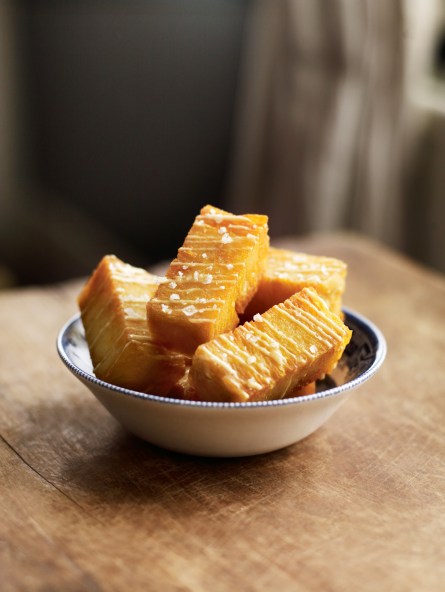
Our confit potatoes have become rather legendary. They are the only dish we haven’t once taken off the menu since their happy conception in spring 2013. We’d just opened the restaurant and needed to find something to serve with the chops. Shaun was adamant that QCH didn’t need chips – next thing you know we’d have squeezy ketchup on the tables – but we obviously needed something indulgent, and probably potato-based. We started making layered potatoes and after much trial and error and refrying leftovers, Shaun landed on these crispy golden nuggets. What with the slicing, layering and overnight chilling, these are something of a labour of love – but they’re worth it. Do use Maris Pipers: they have the perfect sugar-starch-water content to prevent collapse while cooking.

SERVES 6

1kg Maris Piper potatoes
125g duck fat
1 tbsp salt
oil, for frying
Maldon salt, to taste
mustard dressing (see below)

Preheat the oven to 120°C and line a standard 1.7l terrine mould with baking parchment. Peel and wash the potatoes, then use a mandoline to slice them as thinly as possible. In a large bowl, toss the slices thoroughly with the duck fat and salt. Layer the potatoes in the mould, one slice at a time, until you’ve built up multiple tiers. Once you’ve used up all the potato, cover the top with baking parchment and cook for about 3 hours until the potatoes are completely tender. Place a small baking tray or plate on top of the baking parchment covering the potatoes, along with a few heavy weights (we find tins work well) and leave to cool, then refrigerate overnight to compress. The next day, remove from the tray and cut the potato into 3x3cm pieces. Heat enough oil for deep-fat frying to 190°C, either in a deep fryer or a heavy-based saucepan. Fry the pieces for about 4 minutes until croissant-gold. Sprinkle over some Maldon salt, drizzle with mustard dressing and eat immediately.

Mustard Dressing

This may look fairly prosaic but it’s completely crucial in our kitchen. No confit potato leaves the pass until it has been dressed in this, so if you want yours to be the real deal you will need this dressing too.

425g Dijon mustard
Juice of ½ lemon
½ tsp cider vinegar
375ml vegetable oil

Mix the mustard, lemon juice and vinegar in a large bowl, then whisk in the vegetable oil until emulsified. Store in squeezy bottles in the fridge until you’re ready to use.

Buy the book
The Quality Chop House: Modern Recipes and Stories from a London Classic
£30, Hardie Grant
(Head to the restaurant’s website for a signed copy wrapped in their own branded  butcher’s paper)

Read the review

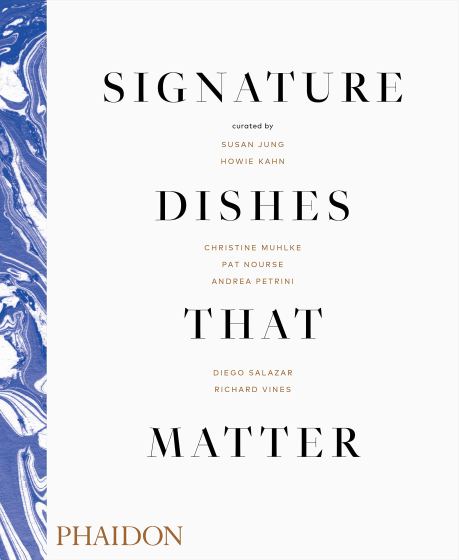
Signature Dishes That Matter by Christine Muhlke et al

Sig dishes

Modern gastronomy is often about looking forward; to the next Instagrammable dish, the next fashionable cuisine, the next tasting menu to tempt the jaded palettes of jet setting foodies. It’s timely then, that Bon Appetit magazine editor at large and food writer Christine Muhlke, along with a panel of six other experts (including London-based Richard Vines, chief food critic at Bloomberg) have curated a collection of 240 restaurant dishes that span six centuries and illustrate how a good idea can, or have the potential to endure.

From the first ever gelato created in 1686 by Procopio Cutò at Le Procope in Paris to Tomos Parry’s whole turbot, first served at his London restaurant Brat in 2018, this is an idiosyncratic collection that will raise an eyebrow or two (Big Mac anyone?) and spark debate, rather than stand as ‘the definitive canon of cuisine’ as claimed in the introduction.

But it is a fascinating read, with Muhlke’s concise, well written and researched narratives (all illustrated with hand painted watercolours by artist and trained chef Adriano Rampazzo) providing descriptions and histories of the dishes that are full of fascinating detail. Did you know for example that Baked Alaska was first served at Delmonico’s in New York in 1867 in honour of the treaty with Russia that signed Alaska over to the US?

The book falls down slightly when it comes to recipes, with rather too many listed as unavailable. Josef Kelle’s 1915 recipe for Black Forest Cake may be ‘a closely guarded secret’ but an alternative if less authentic version would have been better than the rough description provided.

Signature Dishes That Matter is an invaluable resource for anyone who wants to learn more about the history of world cuisine and is perfect for bedtime reading and could also provide inspiration for a retro-themed dinner party.

Cuisine: International 
Suitable for: 
Confident home cooks/professional chefs
Cookbook Review Rating: 
Four stars

Buy this book
Signature Dishes That Matter
Phaidon, £35

Cook from this book
The Crunchy Part of the Lasagne
Stuffed Pig’s Trotters with Morels
Sticky Toffee Pudding

This review was originally published by The Caterer 

The Book of St John by Fergus Henderson and Trevor Gulliver

St John

What’s the USP? The long-awaited follow up to 2007’s Beyond Nose to Tail from one of the UK’s most distinguished and influential chefs Fergus Henderson and his business partner Trevor Gulliver. The publication coincides with the 25th anniversary of the opening of St John restaurant near Smithfield market in London, world-famous for dishes such as roast bone marrow with parsley salad that celebrate offal and have influenced several generations of chefs in the UK and around the world, including the late Anthony Bourdain who was Henderson’s biggest fan.

What’s great about it? Although a much admired and imitated style, no one does St John cooking quite like Fergus Henderson; he is after all its progenitor. Adding The Book of St John will bring something distinctive to your cookbook collection and might well expand your culinary horizons. You may even be converted to tripe, although you will probably want to take a deep breath before you try it pickled. You begin the recipe by boiling the tripe in water which Henderson says is ‘reminiscent of the not-so-proverbial dog’s dinner’. Yum.      

What’s different about it? No one writes a recipe quite like Fergus. You will either find his whimsicality completely charming or maddeningly vague. One recipe calls for ‘6 happy tomatoes’. The recipe for ‘An Instant Pickle’ consists of a thinly sliced onion, a pinch of salt and a splash of red wine vinegar which you ‘massage’ together. ‘Grated garlic and a showing of thyme are good additions’. Well, thanks for all the detail Fergus. Elsewhere we are instructed to mix cucumbers and salt ‘thoroughly but tenderly’ and in another recipe, you ‘dress, tumble and serve’ a salad, after which Henderson instructs us to ‘Rejoice in the uncomplicated’. The recipes are however detailed where they need to be and pretty straightforward to follow, so you certainly won’t be wasting your money if you invest in a copy. 

Killer recipes? Crispy lamb’s brains; faggots; beef mince on dripping toast; potted pork; Henderson’s brine recipe; pig’s tongues, butter beans and green sauce; St John chutney; trotter gear (a sort of rich, jellied pig’s trotter stock); chicken bacon and trotter pie; steamed syrup sponge and custard; pear and sherry trifle; salted chocolate and caramel tart; negroni sorbet; Welsh rarebit; Eccles cake and Lancashire cheese; quail stuffed whole roast pig.

Should I buy it? If you own Nose to Nail or Beyond Nose to Tail, Henderson’s two previous books then the answer is probably no unless you are a Henderson fanatic or completist. The St John style hasn’t really wavered much from the word go, which is sort of the whole point, so The Book of St John doesn’t add much to our sum of knowledge about the restaurant and its food.

You will also find some familiar recipes including Eccles cakes, madeleines, the famous doughnuts and seed cake and a glass of Madeira (all of which were credited to Justin Gellatly when they appeared in the omnibus edition The Complete Nose to Tail. Gellatly was Henderson’s head baker until 2013 when he launched his own London bakery Bread Ahead which sells thousands of doughnuts a day. Gellatly is not mentioned anywhere in The Book of St John). Other previously published recipes include anchovy, little gem and tomato salad; ham and parsley sauce and trotter gear and many familiar ingredients including pickled walnuts, ox tongue, brains and snails.

If you don’t own any Henderson, then The Book of St John is as good a place as any to start. It looks sleek, with its gold-lined pages, the photography by legendary food photographer Jason Lowe is as excellent as you’d expect and there are some nice articles and anecdotes from Henderson and Gulliver dotted throughout the book. On the downside, the index is annoyingly incomplete which makes tracking down one or two of the recipes tricky, but it’s a minor complaint about a very good book.

You might not whip up a plate of grilled ox heart, beetroot and pickled walnut everyday of the week, but The Book of St John may prove invaluable when you’re in the mood for something that but different.

Cuisine: British 
Suitable for: 
Confident home cooks/professional chefs
Cookbook Review Rating: 
Four stars

Buy this book
The Book of St John: Over 100 Brand New Recipes from London’s Iconic Restaurant

Cook from this book
Welsh Rarebit 
Grilled lamb hearts, peas and mint
Salted caramel and chocolate tart 


The Quality Chop House by William Lander, Daniel Morgenthau and Shaun Searley

Quality chop house

What’s the USP? Recipes and stories from a landmark London restaurant that’s been trading in one form or other since 1869.

Who are the authors? William Lander (son of wine writer Jancis Robinson and restaurant critic Nick Lander) and Daniel Morgenthau own the London-based Woodhead Restaurant Group that also includes Portland, Clipstone and Emelia. Shaun Searley is the Quality Chop House’s head chef. He was previously head chef of Bistotheque in East London and worked under chef Peter Weeden at the Paternoster Chophouse.

What does it look like? Hurrah! A restaurant cookbook that actually includes shots of the interior and exterior of the actual flipping restaurant (*deep breath* – a personal bugbear of mine, it’s amazing how often this doesn’t happen). In addition to the deeply appetising food photography (shot with the minimum of fuss with dishes plated on the restaurant’s own beautful antique crockery), there’s a selection of moody black and white images and some location photography featuring the restaurant’s suppliers. The use of coloured backgrounds for some of the text and images including cream, grey, brown and black adds variety to the reading experience and looks sleek and smart.

Is it good bedtime reading? The clue is in the subtitle, ‘Modern Recipes and Stories from a London Classic’. There’s a foreword from super-fan and Sunday Times restaurant critic Marina O’Loughlin, who basically says she’d move into the place if she could, and an introduction, history and day in the life of the restaurant before the main meat of the book. Also included are a few supplier profiles and an article on wine by Gus Gluck who runs the wine bar in the Quality Chop House’s shop, next door to the main restaurant.

Will I have trouble finding ingredients? This is definitely the sort of book where you will need access to a decent butcher, fishmonger and deli or online equivalents for many of the main ingredients. We’re talking Mangalitza pork, whole turbot. foie gras, game, gizzards, high quality canned fish and artisan cheeses. The list goes on.

What’s the faff factor? If you cook the recipes as stipulated, you are looking at quite a major investment in time. Take something seemingly as simple as mince on dripping toast. Before you make the mince, you will need dark chicken stock and dark beef stock, both of which require about five and half hours to make and combined need four chicken carcasses, two marrow bones, four beef rib bones, two beef knuckles and a pigs trotter. The signature confit potatoes need to be sliced on a mandoline, tossed in duck fat, then layered and cooked for 3 hours, pressed and chilled overnight, cut into pieces, deep-fried and finished with mustard dressing, which gets its own separate recipe.

How often will I cook from the book? For the most part, this is weekend project cooking territory. That said, there are some more straightforward recipes such as whole roasted cauliflower, roast delicia squash, crispy sage, seeds and oats and burnt leeks vinaigrette that you might knock up during the week, as well as recipes for the sandwiches sold in the Chop House’s shop that will be perfect for lunch any day.

Killer recipes? In addition to those mentioned above, the book is packed full of delicious sounding things, including pastrami cured salmon, corn and marmite butter, truffled potato croquettes and beef fat bread rolls. 

What will I love? You get a very real sense of what the Quality Chop House is all about. If you are already a regular, it will make you want to go back immediately and if you’ve never been you’ll be desperate for a table.

What won’t I like? This is quite a meaty book (again, the clue is in the title), so if you’re trying to eat less of the stuff or are vegetarian or vegan, this isn’t the book for you.

Should I buy it? Keen cooks willing to invest time and some money to create restaurant-quality dishes at home will absolutely devour this book.

Cuisine: British 
Suitable for: 
Confident home cooks/professional chefs
Cookbook Review Rating: 
Five stars

Buy this book
The Quality Chop House: Modern Recipes and Stories from a London Classic
£30, Hardie Grant
(Head to the restaurant’s website for a signed copy wrapped in their own branded  butcher’s paper)

Cook from this book
Confit potatoes 

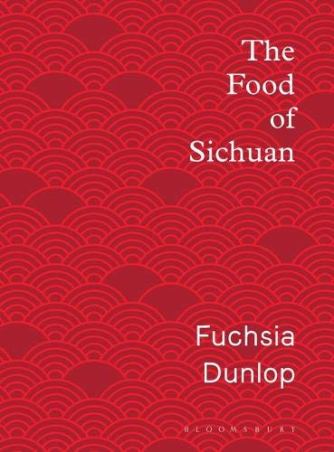
The Food of Sichuan by Fuchsia Dunlop

The Food of Sichuan

What’s the USP? The Food of Sichuan is a revised and updated edition of Sichuan Cookery, originally published in 2001. It’s an authoritative and comprehensive investigation of the styles, techniques and ingredients of a lesser-known regional Chinese cuisine with over 100 recipes, 50 of them new to the revised edition.

Who is the author? Fuchsia Dunlop is recognised worldwide as a leading authority on Chinese cuisine and is the first westerner to train as a chef at the Sichuan Institute of Higher Cuisine in Chengdu. She is the author of four other books, Revolutionary Chinese Cookbook: Recipes from Hunan Province; Shark’s Fin and Sichuan Pepper: A sweet-sour memoir of eating in China; Every Grain of Rice: Simple Chinese Home Cooking and Land of Fish and Rice: Recipes from the Culinary Heart of China. 

What does it look like? In a word, appetising. The food, often simply presented in a bowl, is photographed with the minimum of fuss and styling so that you can easily and clearly see how your fish stew with pickled mustard greens should look. The photographs of rural Sichuan village life are breathtaking.

Is it good bedtime reading? A 50-page introductory section covers the story of Sichuanese cuisine and its kitchen, larder and table, there are lengthy introductions to each of the 14 recipe chapters (which includes everything from cold dishes to hotpot and preserved foods) and each recipe has its own substantial introduction so there is plenty to read and enjoy when you are not tackling the recipes themselves.

Will I have trouble finding ingredients? There is no question that you will need access to a good Asian supermarket or specialist supplier if you want to cook extensively from this book. However, Dunlop reassures her readers that a dozen basics, many available at the supermarket including soy sauce, fermented black beans and Shaoxing wine ‘will set you up for making most dishes’.

What’s the faff factor? Bearing in mind that The Food of Sichuan is nearly 500 pages long and includes a chapter describing ‘The 56 Cooking Methods of Sichuan’, that is not a straightforward question to answer. For example, barring the 30-minute marinating time, spiced cucumber salad from the Cold Dishes chapter will take just moments to prepare whereas duck braised with Konnyaku ‘tofu’ is a more intricate and time-consuming dish.

Although Dunlop describes numbing-and-hot hotpot as ‘a wonderfully easy and delightful way to entertain’ the recipe does cover four pages of text and includes recipes for the stock and soup base that forms the centre of the dish, along with suggestions for ingredients to dip (she suggests at least 8-12 different ones such as thinly sliced chicken, pigs kidneys, lotus root and a variety of mushrooms) as well as seasoning dips.

Broadly speaking though, ingredients lists are usually quite short and methods that include techniques such as stir-frying and deep-frying will be familiar and easily achieved.

How often will I cook from the book? That may partly depend on how much you enjoy the famously numbing sensation of Sichuan pepper, which a good proportion of the recipes include. However, as Dunlop points out, ‘the most salient characteristic of Sichuanese cookery is its audacious combinations of different flavours…such as sweet and sour ‘lychee flavour’, delicate ‘fragrant-boozy flavour’ and fresh, light ‘ginger juice flavour’ which are not hot and spicy and so ‘those who do pa la -‘fear chillies’ – will still find plenty to entice them within the pages of this book’.

Killer recipes? Bowl steamed belly pork with preserved vegetables; fragrant and crispy duck; boiled fish in a seething sea of chillies; pot sticker dumplings with chicken stock; Mr Xie’s dandan noodles; silver ear fungus and rock sugar soup. 

What will I love? The quality of the writing, the depth and breadth of the research and the sheer reassuring heft of the thing that tells you this is the only book on Sichuan cooking you’ll ever need.

What won’t I like? There are some aspects of Sichuan cuisine that western palettes may find challenging, such as ‘liangfen’, jellies made from pea, mungbean, rice and sweet potato starches and served cold, or a spicy stew thickened with jellied pig’s or duck’s blood.

Should I buy it? If you love Chinese food (and spice) and want to learn more about what Dunlop claims is ‘one of the great cuisines of the world’ then you can’t go wrong.

Cuisine: Chinese
Suitable for:
Confident home cooks/professional chefs
Cookbook Review Rating:
Five stars

Buy this book
The Food of Sichuan
£30, Bloomsbury

Cook from this book

Coming soon

Welsh Rarebit by Fergus Henderson

Welsh Rarebit - photo credit Jason Lowe

To serve at least 4, depending on the dimensions of your toast

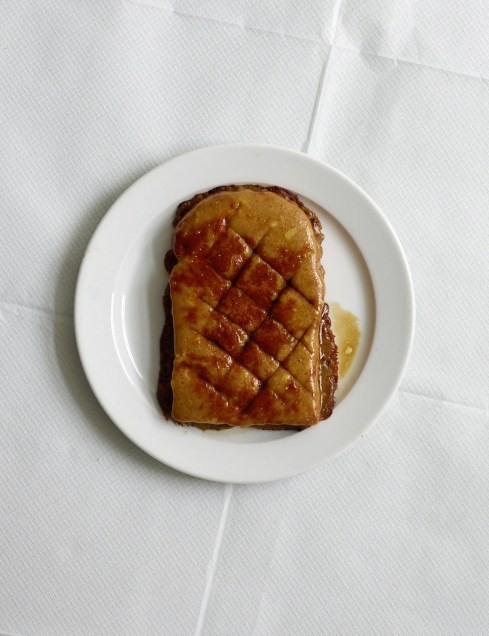
Welsh Rarebit is a noble version of cheesy toast. Everyone loves cheesy toast! Our Rarebit is a proud thing and, if we might say so, extremely popular. So it is odd that Fergus gleaned this recipe from a chef who had previously worked at Buck’s Club, which was well known at the time for selling the worst rarebit in London.*

A knob of butter
1 tablespoon plain flour
1 teaspoon English mustard powder
½ teaspoon cayenne pepper
A very long splash of Worcestershire sauce, and a bottle to serve 

200ml Guinness

450g mature strong Cheddar cheese, grated
4 pieces of toast

Melt the butter in a pan, stir in the flour, and let this cook together until it smells biscuity but is not browning. Add the mustard powder and cayenne pepper, stir in the Worcestershire sauce and the Guinness, then gently melt in the cheese. When it’s all of one consistency, remove from the heat, pour out into a shallow container, and allow to set.

Take a piece of good white bread and toast on both sides. Allow to cool just a little, then cover one side with the rarebit mixture to about 1cm thick – if you find that it doesn’t spread with ease, press it on with your fingers. Put on a baking sheet and place under the grill until golden and bubbling – grilling to just beyond your comfort threshold, to allow the flour to cook out.

When it comes to eating, irrigation channels are essential: make a gentle criss-cross pattern on your hot rarebit with a knife, creating the perfect flood plain for the Worcestershire sauce.

* There is another thing that we might add, if you are amused by a little mathematics. At St. JOHN Smithfield we sell an average of forty-five Welsh Rarebits per day. Taking into account annual closures, in this, our twenty-fifth year, we will have sold somewhere in the region of 405,000 rarebits. By the time we are thirty we will have surpassed the half-million mark. Onward!

Extracted from The Book of St John by Fergus Henderson and Trevor Gulliver (Ebury Press, £28 hbk) Photography by Jason Lowe

Buy this book
The Book of St John: Over 100 Brand New Recipes from London’s Iconic Restaurant

St John

Cook more from this book
Grilled Lamb’s Hearts, Peas and Mint by Fergus Henderson
Salted Chocolate and Caramel Tart by Fergus Henderson

Read the review