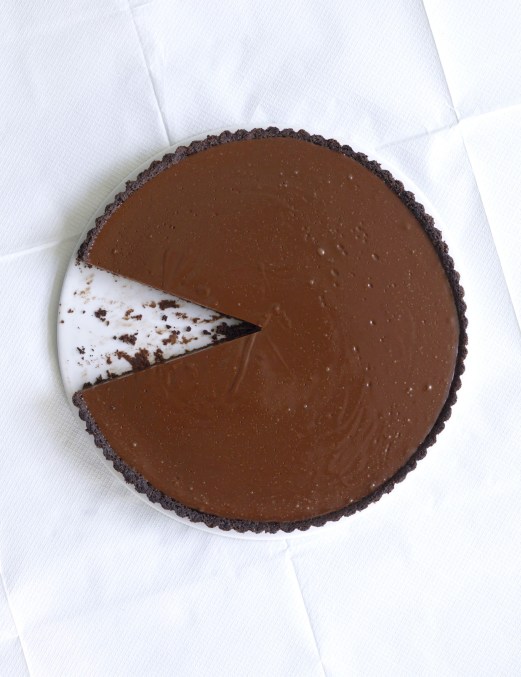
Salted Chocolate and Caramel Tart by Fergus Henderson

Salted Chocolate and Caramel Tart - photo credit Jason Lowe

To serve at least 16 – this is a very rich tart, you will not need very much

Here is an expression of the gradual erosion of chocolate. Fergus notes that the increasing challenge of finding a chocolate bar that does not contain salt is an example of a good idea going too far. For years his loyalties have lain solidly with Cadbury’s Fruit and Nut Bar – affectionately called ‘Fnerr’. But of late, he laments, he has begun to recognise its rough edges. Fergus and Fnerr have parted ways. In spite of (or maybe evidenced by) a little recent saturation, the combination of chocolate, caramel and salt
is still a good idea, and so here is our tart. A very rich tart, you will not need very much.

Base
200g plain flour
45g cocoa powder
7g bicarbonate of soda
180g demerara sugar
25g caster sugar
5g Maldon sea salt
225g unsalted butter, softened
225g dark chocolate, chopped finely –
the pieces should be smaller than
a chocolate chip

Caramel
225g caster sugar
70g unsalted butter, cut into chunks
80ml double cream

Chocolate filling
500g double cream
40g glucose
400g dark chocolate, broken into pieces
40g butter
Sea salt, for sprinkling
First make the tart case. It is easiest by far to use a machine for this. Mix together the flour, cocoa powder, both sugars and the salt, place in a food processor with the butter, and whizz until a loose dough forms. At this point add the chocolate and mix again. Wrap in cling film and allow to rest for half an hour or so.

If you are making the pastry any further in advance, take it out of the fridge in good time – you need the softness of room-temperature dough for it to work. When ready, butter and flour a tart case and roll the pastry between two sheets of baking parchment – the shards of chocolate would tear cling film, but the dough is too sticky to be rolled loose. Line the case with the pastry, rolled to around 4mm thick, line the pastry with foil or cling film, fill with baking beans and bake in a medium oven for 25 to 30 minutes.

When you remove the case from the oven, wait 10 minutes before removing the beans, otherwise the hot, soft pastry may tear. Once you have done so, press the base and sides all over with the back of a spoon while it is still warm – the aim here is to smooth the interior ready for the caramel,  pushing down the inside corners which may have risen and rounded a little in the baking.

Once the case is cool, make your caramel. It is essential to move quickly when the caramel is ready, so ensure that all your ducks are in a row before you start. Place the sugar in a scrupulously dry pan and melt over a medium high heat. Do not stir! Stirring will result in a crystallised disaster. Swirling the pan a little is allowed. By the time the sugar has dissolved you should have a good colour, trusting that it can be quite dark and still be comfortable. Throw the butter in first and follow with the cream, whisk them together quickly and, at the very moment that they are smoothly incorporated, pour it into the case immediately. With speed, pick up your tart case and move it around, tilting it to ensure that the caramel covers the entire base. Leave aside to cool.

Finally, heat the cream with the glucose and take it just shy of a simmer. Place the chocolate and butter in a bowl and pour the hot cream over the chunks in three stages, stirring gently to incorporate – the first will melt the chocolate, the second will loosen the mixture and the third will make the smooth ganache. Then pour the chocolate mixture into the tart and leave to cool and solidify. Sprinkle with a little sea salt and serve with crème fraîche.

Extracted from The Book of St John by Fergus Henderson and Trevor Gulliver (Ebury Press, £28 hbk) Photography by Jason Lowe

Buy this book
The Book of St John: Over 100 Brand New Recipes from London’s Iconic Restaurant
St John

Cook more from this book
Welsh Rarebit by Fergus Henderson
Grilled Lamb’s Hearts, Peas and Mint by Fergus Henderson

Read the review 

The Shore by Bruce Rennie

The Shore

I was very honoured to be asked to contribute an introduction, alongside Michelin-starred chefs Nathan Outlaw and Martin Wishart, to The Shore, the first cookbook by Bruce Rennie, chef proprietor of The Shore restaurant in Penzance. Although I do not benefit financially from my association with the book, it has proved impossible for me to write an entirely impartial review of The Shore, not least because I am a fan of Bruce and his cooking and have got to know him through visiting the restaurant and interviewing him. So instead of a review, here is my introduction from the book. I hope it will entice you to pick up a copy of the book, or even better, take a trip to Penzance to try Bruce’s food for yourself.

As soon as I heard about The Shore back in 2015, I knew it was going to be worth the 600-mile round trip from my home in Brighton to eat there. It wasn’t just that the restaurant was in Cornwall, a regular holiday destination for my family for over 25 years, or that I love Cornish seafood. It wasn’t even that the chef had worked in some impressive establishments including the Michelin-starred Restaurant Martin Wishart, one of my favourite places in Edinburgh.

The thing that really told me that The Shore was going to be something special was that it was a one-man operation. Because no one in their right mind runs a restaurant kitchen by themselves. At last count there were roughly a million easier ways to make a living, including being employed by someone else to run a restaurant. So, you only do it if you are driven to it; you have a culinary vision and a need to express yourself through food. In my experience, that always adds up to an exceptional experience for the customer. It was true of Shaun Hill at The Merchant House in Ludlow in the 90’s and early noughties, and its true of Bruce Rennie and The Shore.

From a starter of fillets of John Dory, cooked on the plancha with to-the-second precision and so perfectly triangular they looked like they’d been filleted with a scalpel, to a ‘plinth’ of Blackberry semifreddo with pistachio sponge and apple that was almost architectural in its design (Bruce studied architecture before deciding on a career in the professional kitchen), that first meal at The Shore was faultless. To top it all off, Bruce was not only cooking but helping to serve the food as well, moving nimbly between kitchen and dining room, engaging with the customers while ensuring he was never
away from the stove for too long.

I interviewed Bruce the day after that memorable dinner and discovered that not only can he cook, but also has a talent for storytelling and can talk the hind leg off a donkey. It was only when I found out that he is also very handy when it comes to DIY and carried out the refurbishment on the restaurant and kitchen himself that I began to deeply resent the breadth and depth of his Renaissance-man skills. No one is allowed to be that talented.

I was lucky enough to bag a seat at Bruce’s guest dinner at J Sheekey Atlantic Bar in London in 2018 as part of a series of pop ups to celebrate the restaurant’s 10th anniversary which also included Mark Sargeant of Rocksalt in Folkestone and Simon Hulstone of Michelin starred The Elephant in Torquay. Seemingly unconcerned by the unfamiliar surroundings, Bruce delivered food that was every bit as good as it had been in Cornwall; no mean achievement, and something he’d also pulled off at a guest night at The Gallivant in Rye in 2016.

You might expect someone so obviously focused and determined to be a somewhat straight-backed, tightly wound sort of personality, but Bruce is endearingly eccentric. After a long and very good lunch in London, I said goodbye to Bruce outside the Shepherd Market pub where we’d enjoyed one or two for the road and watched him remove his shoes and socks and walk off barefoot through the crowd (which is also his preferred state of dress for cooking in The Shore kitchen).

The publication of Bruce’s first cookbook means that I can at last attempt to recreate a little bit of The Shore’s seafood sorcery in my own kitchen. In reality, I know I’ll still have to make that 600-mile round trip to taste the real thing, but I also know that it will still be worth it.

Cuisine: Seafood
Suitable for: Professional chefs

Buy this book
The Shore
£25, A Way with Media

The Garden Chef with an introduction by Jeremy Fox

The Garden Chef

What’s the USP? The Garden Chef explores the growing (pun intended) worldwide phenomenon of top chefs cultivating their own produce for their restaurants in on-site kitchen gardens. The book includes ‘recipes and stories from plant to plate’.

Who is the author? The book has been created from the contributions of chefs from 40 high-end restaurants around the globe which most notably include Simon Rogan from L’enclume in England, Ben Shewry from Attica in Melbourne, Alice Waters from Chez Panisse in Berkeley and Michel and Cesar Troisgros from Trisgros in France. The introduction is by Jeremy Fox of Bridie G’s in Santa Monica who is also the author of the brilliant cookbook On Vegetables, also published by Phaidon and which is cookbookreview.blog five star-reviewed.

What does it look like? Expect a riot of raised beds, a plethora of polytunnels and a great deal of gathering in the fields. The accent is as much on ‘garden’ as it is ‘chef’. The majority of the 80 recipes are illustrated and the food does look great, but it’s rather overshadowed by all the greenery.

Is it good bedtime reading? The chef or chefs of each restaurant (some are run by duos including Michael and Iain Pennington at The Ethicurean just outside Bristol and Gaston Acurio and Juan David Ocampo of Astrid Y Gaston in Lima)  are given a full page to espouse their horticultural and culinary philosophies, earning The Garden Chef space on your bedside table.

Will I have trouble finding ingredients? You’ve seen the Indiana Jones movies, right? Unless you cultivate your own incredibly vast and comprehensive kitchen garden, be prepared for an amazing adventure where you’ll raid the lost ark, discover the temple of doom and embark on the last crusade to track down sangre de toro potatoes, kalanchoe blossfeldiana and Mexican pepperleaf, among many, many other obscure ingredients that you definitely won’t find at your local Asda.

What’s the faff factor? These are recipes aimed fair and square at the professional chef community. There are dishes achievable for the home cook, but really they are not the main reason you would buy this book; it exists primarily to document and give a window into a particular aspect of the modern restaurant scene.

How annoyingly vague are the recipes? If you are up for attempting them, the recipes are detailed enough to follow to successful completion.

How often will I cook from the book? That depends. How often are you in the mood for something like chef Ana Ros’s ‘Rabbit That Wants to be Mexican Chicken’ where you’ll need to wrap rabbit mousse in whole chicken skins and serve with rabbit sauce flavoured with star anise and chilli, roasted carrots, apricot gel, carrot top pesto and hibiscus flowers?

Killer recipes? Don’t get me wrong, the book is full of delicious things you’ll want to eat like The Quay’s Tennouji white turnip, blue swimmer crab and Jersey Wakefield cabbage with fermented cabbage juice and brown butter dressing, but you’ll probably want to go to the restaurant and try them rather than cook them yourself, even if that does mean flying half-way around the world. Doable recipes include white and green pizza from Roberta’s in Brooklyn and cream of vegetable soup from The Sportsman in Seasalter.

What will I love? If you’ve been looking for inspiration to create your own kitchen garden, be it for your restaurant or your home, then you couldn’t ask for a better book. There are even garden tips and the chefs favourite heritage varieties to give you a kick start, although if you want step by step guidance on how to actually get out there and do it you’ll need to look elsewhere.

What won’t I like? The decision has been taken not to include any images of the interior of any of the restaurants, which gives the book a feeling of incompleteness. This is partly understandable, given that the thrust of the book is on the chef’s activities outside their restaurants rather than in them. However, after reading the book, you might well be interested in planning a visit to one or more of the places included and wonder what you are letting yourself in for. Of course, you can google the restaurant’s website and reviews for images, but that’s sort of beside the point; you can google images of many of the restaurant’s gardens and dishes too if you are minded to.

Should I buy it? It’s a great book but may have niche appeal. If you are a keen gardener or aspire to be one, as well as a foodie, you will dig (pun intended) this book. If you want to know more about an influential trend that is helping to define to the current global high-end restaurant scene, this is also a must-read.

Cuisine: International
Suitable for: Professional chefs/Confident home cooks
Cookbook Review Rating:
Three stars

Buy this book
The Garden Chef: Recipes and Stories from Plant to Plate
£29.95, Phaidon

Cook from this book

Coming soon

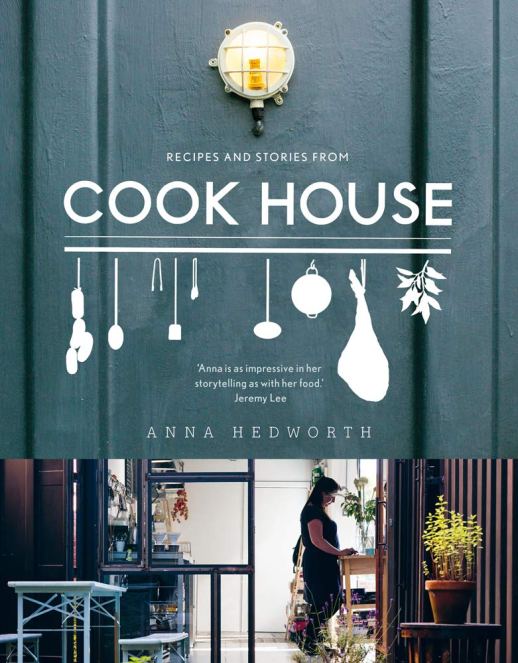
Cook House by Anna Hedworth

Cook House Anna Hedworth

What’s the USP? Recipes and stories from Cook House restaurant in Newcastle upon Tyne that began as a supper club in a shipping container in 2014 before relocating to a permanent bricks and mortar premises in 2018.

Who is the author? Anna Hedworth is the chef/proprietor of the Cook House. A former architect, she is a self-taught cook. Cook House is her first restaurant and this is her first book.

What does it look like? Hedworth’s food is simple, rustic and extremely appetising; the food photography, which is not overly styled and lets the dishes speak for themselves, will make you very hungry.

Is it good bedtime reading? Cook House is a great read. Hedworth tells the story of her journey from architect to chef and restaurateur in detail and there are a number of ‘How to…’ double page spreads covering subjects such as ‘How to…start a supper club’ and ‘How to…find free food’ which make the book as useful outside the kitchen as in it.

Will I have trouble finding ingredients? You will have very little problem sourcing what you’ll need for the vast majority of the recipes, but you will need lovage and wild garlic to make soup, nasturtium seed pods to make nasturtium and pumpkin seed pesto, pickled walnuts to add to beer braised oxtail and shin stew, Prague powder #1 to make salt beef, goat mince for meatballs, live seaweed cut from rocks on the beach to smoke BBQ scallops, live langoustines to serve poached with aioli, hawthorn berries to make chutney, kefir grains to make milk and smoothie, pine shoots to make vinegar, rosehips and hawthorn blossoms to make syrups, elderflowers to make gin, and scoby for kombucha. That might seem like a long list, but don’t let it put you off; it’s an indication of the variety and breadth of the recipes in the book, and you can always substitute an ingredient – lamb for goat for example – if you find yourself really stuck.

What’s the faff factor? For the most part, the recipes are straightforward to prepare, but Hedworth does like to get out and about with her cooking, so be prepared to build a fire and erect a tripod over it if you want to recreate her Hanging Leg of Lamb by a Tall Fire or to camp out if you want to cook foil wrapped fish over a beach fire.

How annoyingly vague are the recipes? Weights, measures and methods are present and correct apart from the expected ‘handfuls’ of herbs here and there. However, no weight is given for venison loin pan fried in butter and thyme, but there is a precise cooking time which one might imagine would vary depending on the size of the loin. Similarly, a poaching time of 45 mins if given for a chicken in several recipes, but no weight or size is indicated.

How often will I cook from the book? There are enough everyday soup, salad and supper recipes to make this a book you’d happily reach for mid-week, plus plenty of tempting baking and preserving projects for the weekend. You could also easily create  menus for entertaining friends and family from the book too.

Killer recipes? Red pepper, paprika and rosemary soup with sourdough croutons; chicken, courgette and pea salad with aioli and sourdough crumb; soft egg and herb tartine; game pistachio and juniper terrine; dark chocolate and almond cake among many others.

What will I love? If you’ve ever dreamed about making a career in food, Cook House will provide you with the information and inspiration to take the leap.

What won’t I like? Matt paper means that the photography doesn’t quite have the pin sharp clarity and intensity of colour of some other cookbooks.

Should I buy it? If you are fascinated by the restaurant industry or want to try out techniques like cooking over open fire and preserving and fermenting for the first time, this book will be of particular interest. But even if you just want to add a few more delicious go-to recipes to your repertoire, Cook House is well worth adding to your collection.

Cuisine: British
Suitable for: Confident home cooks
Cookbook Review Rating:
Four stars

Buy this book
Cook House
£25, Head of Zeus

Cook from this book

Coming soon

A Cookbook by Matty Matheson

Matty Matheson

What’s the USP? The first book from Vice TV star and the most famous Canadian chef in the world Matty Matheson. Despite the title, this is a culinary memoir as well as a recipe book.

Who is the author? Matty Matheson is a Toronto-based chef and restaurateur and former roadie for heavy metal band At the Mercy of Inspiration. Until  2017, he was executive chef of Parts and Labour and sister restaurant P&L Burger. He is the curator of Matty Fest a new food and drink festival launching in September 2019.

Matheson’s career took off in 2013 when he recorded the Hangover Cures and Keep It Canada series of videos for the Munchies YouTube channel which led to the Vice TV channel series It’s Suppertime and Dead Set on Life (both of which are available to view for free in the UK on the ALL 4 website here and here). In early 2019, he announced the launch of his self produced web series Just a Dash which is due to air in autumn 2019.

At the age of 29, Matheson suffered a heart attack after a sustained period of alcohol and drug abuse but eventually became sober. His larger than life personality and post-modern approach to food television that simultaneously celebrates and undercuts the form can be seen in this video, recorded for Gozney ovens website where he demonstrates his mother’s broccoli-chicken cheddar curry casserole, the original recipe for which, he says in the book ‘was probably on the side of a can or a box’ (it’s also a glorious dish).

What does it look like? Part recipe book, part family photo album, part Canadian travelogue, the book is beautifully put together. Food photography by Quentin Bacon (excellent name for a food photographer by the way) is simple, unfussy and lets Matheson’s cooking speak for itself. Matheson grew up in the less than picturesque town of Fort Erie, Ontario but Pat O’Rourke’s urban landscapes have a bleak magnificence to them.

Is it good bedtime reading? Divided into two parts, Matheson tells first the story of his family life and the food cooked by his grandparents, parents and in-laws. In the second part, he recounts his career from culinary school through formative experiences at Le Select Bistro,  La Palette and Oddfellows (all in Toronto) to his appointment as head chef of Parts and Labour and his transition into a media figure, all told with unflinching candour and a healthy dose of salty language.

Will I have trouble finding ingredients? You’ll need an excellent butcher to track down things like a whole lobe of foie gras to make seared foie gras with rice pudding and warm date marmalade, veal sweetbreads to cook blanquette ris de veau and veal shank and ox tongue to recreate Matheson’s pot-au-feu, but unless you are in Canada, finding elk loin to serve with carrots, celeriac and pickled blueberries may prove very tricky.

What’s the faff factor? That depends largely on which part of the book you’re cooking from. The Family recipes are a little more straightforward than those in the Cooking School and Restaurants chapter, but many are quite time consuming to prepare.

How annoyingly vague are the recipes? There are the usual ‘bunches’ of herbs but apart from that there are no real issues and even the American cup measures come with precise ml equivalents.

How often will I cook from the book? Some of the more simple and approachable recipes could well become firm favourites such as baked rigatoni and blackberry coffee cake but you will probably have to plan well ahead to cook many of the dishes.

Killer recipes? In addition to those already mentioned, I would add lobster pie, molasses bread pudding, rabbit stew, pot roast, rappie pie (a crispy, layered grated potato and chicken bake), Italian wedding soup, Nashville hot chicken, pigtail tacos, lamb dan dan noodles and the P&L burger.

What will I love? Matheson is funny, entertaining and self-aware throughout. For example, in his introduction to the recipe for Sausage and Potatoes he says, ‘If you don’t want to make sausage, you don’t have to. Just buy good Italian sausage from a butcher like a normal human being. No one has time to do something like this, or who even has a sausage stuffer or meat grinder. Why is this even in this book? Do people even cook from cookbooks?’

What won’t I like? Some readers may not appreciate the bad language.

Should I buy it? Matty Matheson is the most interesting and exciting American food personality since Anthony Bourdain and his first book is as compelling as his on screen appearances. An absolute must buy.

Cuisine: American
Suitable for: Confident home cooks
Cookbook Review Rating:
Five stars

Buy this book
Matty Matheson: A Cookbook
£25, Mitchell Beazley

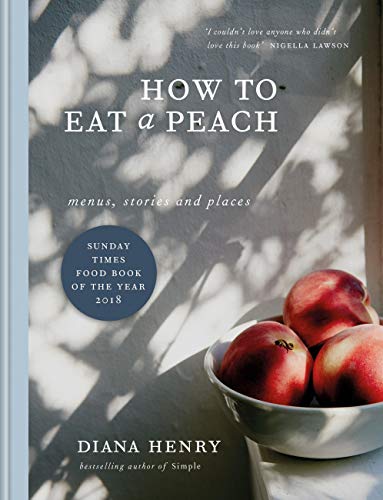
How To Eat a Peach by Diana Henry

how to eat a peach diana henry

What’s the USP? A collection of seasonal, themed menus designed to evoke memories, moods, time and place. The title comes from the recipe ‘white peaches in chilled moscato’, the idea for which Henry found while dining al fresco one night in Italy. The table next to her were served a bowl of peaches which they halved, pitted, sliced and dropped into glasses of chilled moscato; a dish, and cookbook, was born.

Who is the author? Diana Henry is one the UK’s best loved food writers. She is the author of numerous best selling books including Roast Figs, Sugar Snow and Crazy Water, Pickled Lemons. She has a weekly column in the Telegraph and hosts her own food-themed podcast.

What does it look like? Early evening on a day in late summer in England, with lots dappled sunlight falling on unironed white linen tablecloths. There’s hardly a living soul in any of the photographs (one double page spread features disembodied arms reaching across a table and the tops of a couple of heads, but that’s it; not even an author’s headshot), but the convivial nature of dining and entertaining at home is cleverly conveyed; three glasses of white wine sit on a window sill with a cork laying among them, as though just poured with their owners  who might be busily chatting out of frame.

Is it good bedtime reading? Henry is as much a food writer as a recipe writer and each of the 25 menus (each containing three to five recipes), has its own introduction, some of which run to several pages, so there’s plenty to enjoy even when you’re not actually cooking in the kitchen.

Will I have trouble finding ingredients? You’ll need to pick your own elderflower heads if you want to make Henry’s elderflower gin and tonic and you’ll need a specialist supplier for Spanish fideos noodles for the vegetable fideua (a version of paella) but most of the recipes will cause you little or no shopping headaches.

What’s the faff factor? While Henry is definitely not one for fiddly garnishes, complicated sauces or dishes with multiple elements, this is proper cooking. You’ll need to do things like blanch and peel broad beans, make your own mayo and braise ox cheeks for four hours to make these menus.

How often will I cook from the book? If you love entertaining, this book is going to get a lot of use. However, just because the recipes are organised into menus doesn’t mean they don’t stand on their own. There are plenty of dishes (see below) you’ll want to cook for everyday meals.

Killer recipes? Spatchcocked chicken with chilli, garlic, parsley and almond pangrattato; courgette, ricotta and pecorino fritters; roast tomatoes, fennel and chickpeas with preserved lemons and honey; lamb kofta; griddled squid with chilli, dill and tahini dressing; onglet with roast beets and horseradish cream. 

What will I love? How to Eat a Peach basically solves all your dinner party problems at a stroke; you’ll probably never be stuck for an idea again. That each menu comes with a story attached add bags of personality to the book (and might give you something to talk about if conversation around your table flags). Also, the furry peach skin-like cover is AWESOME.

What won’t I like? Most of the recipes serve either 6 or 8 people, so you’ll need to do a bit of maths if you want to adapt them for a small family or couple.

Should I buy it? If you like to cook seasonally for a crowd, snap it up.

Cuisine: International
Suitable for: Confident home cooks
Cookbook Review Rating:
Four stars

Buy this book
How to eat a peach: Menus, stories and places
£25, Mitchell Beazley

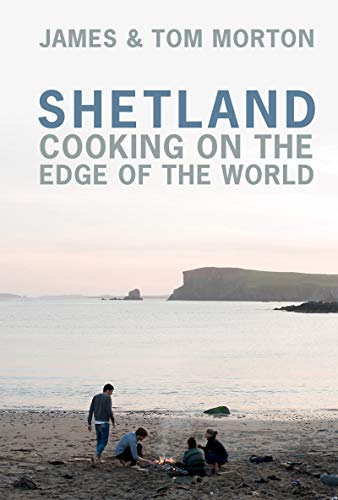
Shetland by James and Tom Morton

Shetland by James and Tom Morton

What’s the USP? Father and son team explore life on a remote Scottish island ‘with food, drink and community at its heart’ through the medium of recipes, pictures and personal memoir and anecdote.

Who are the authors? You’ll probably know James Morton in his guise as Great British Bake off finalist. He is also the author of an extremely good book about brewing called Brew. He is also a doctor. His father Tom is a writer, journalist and broadcaster.

What does it look like? There are very few landscapes as dramatic as those found on the Scottish islands and Shetland (as Morton points out in his introduction, ‘It’s not, never has been and never is ‘The Shetlands’), the northern most point of the UK, is no exception. Photographer Andy Sewell captures it in all its rugged glory, as well as taking some charming portraits of the locals. The food looks as hearty and elemental as you might expect.

Is it good bedtime reading? In addition to the dozens of recipes, there are plenty of articles about life on the island, its food and feasts. Recipe introductions are extended and detailed and there is plenty of text given over to techniques such as cold smoking and pickling.

Will I have trouble finding ingredients? You might need to go online or to a health food shop to track down pinhead oatmeal, a butcher or online retailer for hare, mutton and, erm, piglets’s testicles, and a good fishmonger to get fresh seaweed, whelks, large scallops and live crabs. Additionally, unless you live there, Shetland black tatties  and Shetland trout might be tricky to get hold of (but the recipe suggests fresh farmed salmon as an alternative).

What’s the faff factor? There is a fair amount of what you might call cooking ‘projects’ such as pickling and jam making, and you might consider building your own cold smoking chamber (although all you need is sturdy cardboard box and a few other bits and bobs from the DIY store) and curing and smoking your own Golden Syrup Bacon a faff, but recipes such as poached salmon or a simply roasted hare are quite straightforward.

How often will I cook from the book? This more an occasional book than everyday, for when you want to get stuck into a day’s cooking or want something a bit different and rustic.

Killer recipes? Fresh mackerel pate; oven bannocks; The apple pie, Jaffa cakes. 

What will I love? It’s a great read, both father and son can really write and the whole thing is done with great good humour.

What won’t I like? Some of the recipes may seem recherché and you may not cook as often from this book as others in your collection.

Should I buy it? This is one for the serious foodie or Scottish food fanatic.

Cuisine: Scottish
Suitable for: 
Beginners and confident home cooks
Cookbook Review Rating:
Three stars

Buy this book
Shetland: Cooking on the Edge of the World
£25, Quadrille

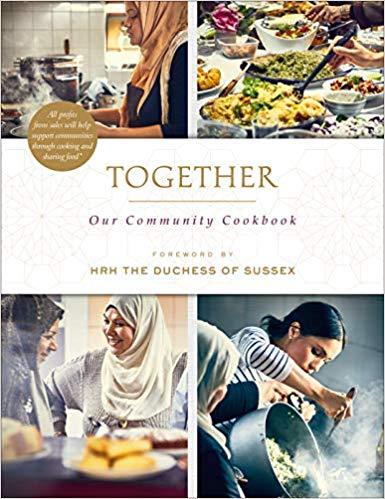
Together: Our Community Cookbook by the Hubb Community Kitchen and HRH The Duchess of Sussex

together our community cookbook

What’s the USP? Recipes written by a group of women who were gathered together in the aftermath of the Grenfell Tower fire to cook for their families and neighbours.

Who’s the author? The authors are all members of the Hubb Community Kitchen based at Al-Manaar, The Muslim Cultural Heritage Centre, London and include Cherine Mallah, Oxana Sinitsyna, Munira Mahmud, Halima Al-Hudafi, Intlak Alsaiegh, Aysha Bora, Faiza Hayani Bellili, Leila Hedjem, Claren Bilal, Amaal Abid Elrasoul, Sanna Mirza, Ahlam Saeid, Mama Jay, Jay Jay, Gurmit Kaur, Hiwot Dagnachew, Jennifer Fatima Odonkor, Dayo Gilmour, Lillian Olwa and Honey Akhter.

What does it look like? The attractive, vibrant dishes are simply presented, reflecting the rustic nature of the cooking. Portraits of the women cooking at Al Manaar gives a sense of the community they belong to and help nourish.

Is it good bedtime reading? Aside from the foreword by HRH The Duchess of Sussex (AKA Meghan Markle) this is a recipe focused book.

Will I have trouble finding ingredients? The book reflects a wide range of culinary traditions including Algerian, Lebanese, Moroccan and Ugandan and there is the odd specific ingredient such as Argan oil, Persian dried limes, dried barberries and Egyptian short grain rice that may mean a search on line or considering an alternative, but the vast majority of ingredients will be readily to hand.

What’s the faff factor? There are some recipes with long ingredients lists (often down to the use of numerous spices) or with several elements, but in the main, the dishes are simple and approachable.

How often will I cook from the book? Together is unlikely to gather dust on your shelf and is exactly the sort of book you might reach for when you you’re looking for inspiration for a weekday meal, or a more time consuming weekend cooking project.

Killer recipes? Egyptian lamb fattah; carrot and onion chapatis; Yemini bread; Moroccan chickpea and noodle soup; Russian semolina cake 

What will I love? The sheer variety of dishes, some of which you may not have encountered before such as Mahamri (African beignets – fluffy, doughnut like buns flavoured with cardomom and coconut milk).

What won’t I like? At 128 pages, it ends all too soon.

Should I buy it? All profits from the book The Royal Foundation of the Duke and Duchess of Cambridge and The Duke and Duchess of Sussex for the benefit of the Hubb Community Kitchen. That alone is a good enough reason to get yourself a copy.

Cuisine: International
Suitable for: 
Beginners and confident home cooks
Cookbook Review Rating:
Five stars

Buy this book
Together: Our Community Cookbook

Lateral Cooking by Niki Segnit

lateral cooking by niki segnit

What’s the USP? Segnit says that Lateral Cooking is ‘a practical handbook, designed to help creative cooks develop their own recipes’. So, not your everyday cookbook then.

Who’s the author? Niki Segnit is probably best known as the author of The Flavour Thesaurus, the culinary version of Roget’s Thesaurus, which listed 99 ingredients and suggested flavour matches for each of them. Lateral Cooking is designed as a companion volume to The Flavour Thesaurus.

What does it look like? At over 600 pages long, its a brick of a book, with densely packed pages illustrated only by simple red ink line drawings.  Think weighty reference work rather than a glossy cookbook.

Is it good bedtime reading? Oh yes. There are (very) approximately 300,000 words to keep you occupied, or around three airport novels worth.

Will I have trouble finding ingredients? The short answer is no, but that needs some qualification, so here goes with the long version. This is not a recipe book as such (although it does contain recipes) and is organised in a very particular way. Each of the twelve chapters takes either a type of ingredient such as nuts, chocolate or sugar, or a product (bread) or related group of products (stock, soup and stew) and offers a simple ‘starting point’ recipe which Signet says lies on a ‘continuum’ which links one recipe to the next within the chapter’s subject. As she explains in her introduction, ‘Marzipan can be nothing more than a mixture of equal weights of ground almonds and sugar with just enough egg white to bring them together. Macaroons, the next point on the continuum, simply call for more egg white’.

So will you have trouble finding the ingredient for the starting point Marzipan recipe? Almost certainly not. But before you get to the next point in the continuum, Signet provides ‘a range of flavouring options’ under the heading of ‘Flavours & Variations’ for the starting point recipes. So you might want to try and track down candied melon to make your own Calissons D’aix, a lozenge shaped sweet from Aix-en-Provence made with a marzipan like mix of ground almonds and flavoured with honey, Grand Marnier and orange flower water as well as the aforementioned candied melon. Signet doesn’t always provide recipes for all her flavouring options, so you’ll have to google Calissons D’aix , or just click here. Ultimately, Signet wants her readers to develop their own recipes based on the starting points and flavouring options, so your imagination is your only limit to what you include in a recipe, which means you might have trouble finding ingredients if your ideas are really out there.

What’s the faff factor? Again, not a straightforward question to answer. The starting point recipes are designed to be simple, but the idea of the book is not just to master those simple recipes, but to become an all round instinctive cook who understands ingredients and cooking methods so well that you won’t need recipes or cookery books anymore. So, in addition to the flavouring suggestions, each starting point recipe comes with a list of ‘leeway’ bullet points that illustrate the different ways the basic recipe can be prepared and variations in ingredients (and this is before you get on to the more major variations of the flavouring suggestions). So the faff is not necessarily in the complexity of the recipes, but the amount of reading you will need to do before you get into the kitchen.

How often will I cook from the book? If you treat the book as it’s intended and follow the ‘continuum’ from the starting point recipes and really get inside a particular branch of cookery, you will be making a lot of food and basically taking a self-directed cookery course at home. Otherwise, I’m not sure this book would be the first I’d reach for when planning a weekly household menu for example.

Killer recipes? As a practical handbook, Lateral Cooking isn’t really about killer recipes but culinary fundamentals, so you’ll find full written out recipes for things like Yeast-risen bread, Brown Chicken Stock, Risotto Bianco, Pasta, Tarka Chana Dal, Lamb and Vegetable Stew, Marzipan, Shortbread and Ice Cream. The more unusual dishes are often embedded within the ‘Flavours & Variations’ sections, such as Chanfana, a goat stew from the Beira region of Portugal that’s flavoured with red wine, mint, paprika and piri piri seasoning. 

What will I love? Lateral Cooking is a comprehensive work and notable academic achievement, taking a fresh perspective on a well worn subject that will have you thinking about cooking in a new way.

What won’t I like? Whether or not you like the book will depend on how willing you are to go with Segnit’s basic conceit of the cooking continuum, how important you feel it is to understand cooking from that perspective and if you agree that it will turn you into an instinctive cook (if you are not one already) and if that’s what you want to be.

Should I buy it? If you don’t own a copy of Larousse Gastronomique, Le guide culinaire by Escoffier or La Repertoire de la Cuisine and are a novice cook who wants to take a more serious approach to learning the craft, then Lateral Cooking will fit the bill. If you already have a decent cookbook collection and are an accomplished cook, you may want to carefully consider how likely you are to cook through the book in the manner intended. However, it may fill a gap in your collection as a modern reference work.

Cuisine: International
Suitable for: 
Beginners and confident home cooks
Cookbook Review Rating: 
Four stars

Buy this book
Lateral Cooking: Foreword by Yotam Ottolenghi

£35, Bloomsbury Publishing

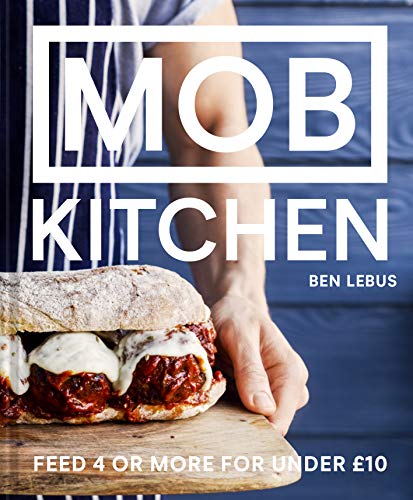
Mob Kitchen by Ben Lebus

mob kitchen by ben lebus

What’s the USP? Quick and easy recipes that will feed four people for less than a tenner, this is the print version of the youtube and social media food channel.

Who’s the author? Ben Lebus previously worked as a waiter in his father’s Oxford restaurant and as a Deliveroo rider before launching Mob Kitchen, an online publishing company that creates short cooking videos.

What does it look like? The vivid, direct, colourful and simple design makes it a pleasure to cook from.

Is it good bedtime reading? In a word, no. But it is good listening, sort of. Every chapter and recipe comes with its own soundtrack. Just scan the Spotify code using the app on your phone and you can hear Bon Temps Rouler by Scoundrels while you knock up some Healthy Chicken Gyros.

Will I have trouble finding ingredients? The book is pretty much aimed at the supermarket shopper so you should have no problems finding anything.

What’s the faff factor? Lebus doesn’t understand the word ‘faff’. As he explains in his introduction, Mob Kitchen is all about weaning uni students and young professionals off their fast food and takeaway habits and showing that ‘cooking healthy, delicious food is easy, fun and affordable’.

How often will I cook from the book? If you are a uni student or young professional and you do want to eat more healthily, cooking from Mob kitchen could become a daily habit. And even if you don’t fall into the above categories, the book has plenty of mid-week meal ideas to appeal to casual cooks and dedicated culinarians alike.

Killer recipes? Chorizo shak attack; the crispiest sweet potato rosti with poached eggs and guac; Asian courgette ribbon and chicken salad; lamb kofta couscous salad with tzatziki; chicken panzanella.

What will I love? The sense of discovery and joy in sharing knowledge and the fact that the dishes really will only cost you ten quid to cook.

What won’t I like? If the book was a person it would live in Shoreditch, call you ‘buddy’ and have a thing for craft beer. There is a certain amount of twenty-something testosterone (and which is also very evident on the videos) which some readers may find hard to swallow.

Should I buy it? As a first cookbook for a younger person, you can’t really go wrong but also well worth investigating if you’re short on time to cook and are bored by your  weekday meal routine.

Cuisine: International
Suitable for:
Beginners and confident home cooks
Cookbook Review Rating:
Four stars

Buy this book
Mob Kitchen: Feed 4 or more for under 10 pounds