Gunpowder by Harneet Baweja, Devina Seth and Nirmal Save

Gunpowder

What’s the USP? ‘Explosive flavours from modern India’ runs the subtitle. In reality, this is a collection of recipes from Gunpowder, a ‘home-style Indian kitchen restaurant’ in Spitalfields London.

Who’s the author? Husband and wife team Harneet Baweja and Devina Seth opened the 20-cover Gunpowder restaurant close to Brick Lane in 2015 with head chef Nirmal Save. This is their debut cookbook.

What does it look like? Mouthwateringly good. Recipes collected from family in Kolkata and Mumbai and inspired by Indian street food have been given a makeover with attractive modern plating. There’s some moody black and white scene-setting shots of the restaurant and its kitchen and some boldly colourful shots of the subcontinent.

Is it good bedtime reading? There is very little additional text aside from a two page introduction and a spice glossary. Chapter and recipe introductions are concise and to the point.

Will I have trouble finding ingredients?  Unless you can shoot it yourself, you’ll need a good butcher to find you some wild rabbit to make the pulao recipe and you may have trouble finding pomfret (but you can just substitute John Dory the recipe says) but otherwise it’s pretty mainstream stuff.

What’s the faff factor? There are the long ingredient lists of numerous spices that you’d normally associate with Indian cooking which make the recipes look more complicated than they actually are. In reality, most of the dishes are striaghtforward and well within the capability of any confident home cook.

How often will I cook from the book? If you love Indian food, you might well find yourself taking the book from your shelf on a regular basis.

Killer recipes? Chutney cheese sandwich; mustard broccoli with makhana sauce; Maa’s Kashmiri lamb chops; wild rabbit pulao; blue crab Malabar curry.

What will I love? The small plates chapter is full of inspiration for something a little bit different for breakfast (chickpea pancakes with fried eggs and tomato and coriander chutney) lunch (kale and corn cakes) or beer snacks (kadai paneer parcel; a spicy cheese and puff pastry roll) while the list of alcoholic and non-alcoholic drinks will put a spicy spring in your step.

What won’t I like? At under 200 pages, this is not the most comprehensive cookbook in the world.

Should I buy it? A diverse collection of delicious sounding, attractive looking dishes that are not too demanding to cook and suitable for any number of occasions and times of the day. If you like Indian food, you are going to love this book.

Cuisine: Indian
Suitable for: Confident home cooks
Cookbook Review Rating: 4 stars

Buy this book
Gunpowder: Explosive flavours from modern India
£25, Kyle Books

Cook from this book
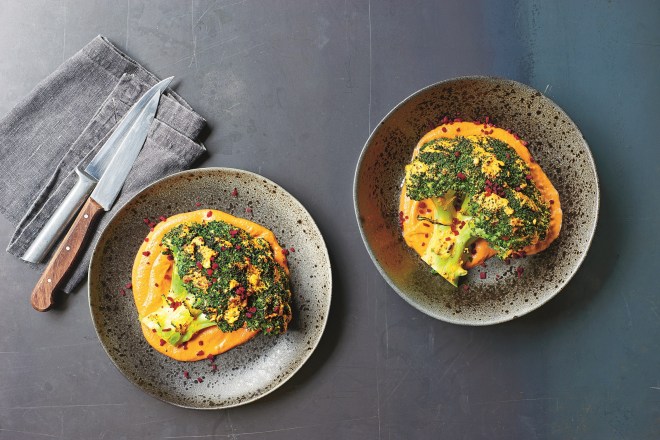
Mustard Broccoli

Buttermilk drop cakes with lemon curd by Simon Stallard

THH_Buttermilk_Pancakes-1862-Edit.jpg

Topped with warm lemon curd and served straight from the stove, these drop cakes are a sure-fire way to draw everyone to the breakfast table. Serve with berries and crème fraîche.

Serves 4

320g plain flour
1 tsp baking powder
a good pinch of sea salt
50g caster sugar
2 large eggs
290ml buttermilk
60g butter, plus extra for frying
crème fraîche and berries, to serve

FOR THE LEMON CURD
90g butter, cubed
140g caster sugar
a pinch of sea salt
120ml lemon juice (about 3 lemons)
3 large egg yolks
1 large egg

FOR THE MINT SUGAR
4 tbsp caster sugar
a good handful of mint leaves

First, make the lemon curd. Put the butter in a heatproof bowl over a saucepan of gently simmering water, making sure the base of the bowl doesn’t touch the water. Add the sugar, salt and lemon juice. Stir until well combined and the butter has melted. Remove the bowl from the heat and set to one side.

In a separate bowl, whisk together the egg yolks and egg. Add this to the lemon and butter mixture and whisk to combine. Return the bowl to the simmering saucepan and heat for 10 minutes or until the mixture thickens. Remove from the heat and leave to cool a little.

To make the mint sugar, simply either blitz the sugar and mint leaves in a food processor or bash them together using a mortar and pestle. Leave to one side.

Preheat the oven to 110°C (90°C fan oven) gas mark ¼. Sift the flour, baking powder and salt into a large mixing bowl and stir in the sugar. Add the eggs and buttermilk, and whisk everything together to make a smooth batter.

Put half the butter in a non-stick frying pan and melt it over a medium-low heat. Mix the melted butter into the batter.

Put the frying pan back over the heat and add tablespoonfuls of the mixture in small pools around the pan – you should be able to do 4–5 at a time. Cook for 1 minute on the first side, or until bubbles form on the surface. Flip them over and cook for 1 minute.

Remove from the pan and keep warm on a plate wrapped up in a tea towel in the oven while you cook the remaining batter in the same way, adding a little more of the remaining butter to the pan each time.

Serve the drop cakes warm with the lemon curd drizzled over, some crème fraîche and fresh berries and a sprinkle of the mint sugar.

The Hidden Hut by Simon Stallard (HarperCollins) £20, is out now

Cook more from this book 
Chicken and wild garlic soup
Fire-pit wild sea bass with verde sauce

Read the review

Buy the book 
The Hidden Hut
£20, HarperCollins

Mustard Broccoli by Herneet Baweja, Devina Seth and Nirmal Save

MUSTARD GRILL BROCCOLI

SERVES 2 AS A MAIN, 4 AS A STARTER OR SIDE

We use mustard a lot in the east of India and here we pair it with broccoli, which is in the same family. In India, you often see this dish made with cauliflower, so you could easily interchange them. We prefer broccoli for the restaurant, as it really soaks in all the flavours and gets even crisper when flashed under the grill. It’s one of the most popular vegetarian dishes at Gunpowder. We think it’ll become a favourite in your home, too.

1 head of broccoli, halved
100g Greek yogurt
50g full-fat cream cheese
2 tablespoons wholegrain mustard
½ teaspoon chilli powder
1 teaspoon chaat masala
1 teaspoon ground turmeric
½ teaspoon ground coriander
¼ teaspoon ground cumin
2 tablespoons mustard or rapeseed oil, plus 1 teaspoon
1 tablespoon chickpea flour
2–3 tablespoons ghee, melted
sea salt
Makhani Sauce (see below) and pickled beetroot, to serve

1 Bring a pan of salted water to the boil and cook the broccoli for 3 minutes, then drain and rinse under ice-cold water to prevent it from cooking further. Shake off any excess water and set aside.

2 In a large dish, mix together the yogurt, cream cheese, mustard, chilli powder, chaat masala, turmeric, coriander, cumin and the 2 tablespoons of mustard or rapeseed oil.

3 Set a frying pan over a medium heat and toast the chickpea flour for 30 seconds. Add the remaining 1 teaspoon of oil, mix, and toast for a further 30 seconds, making a fragrant paste. Whisk this into the yogurt mix, then thoroughly coat the broccoli in the creamy spice paste and set aside to marinate for 30 minutes.

4 Set your oven grill to high and grill the broccoli, cut-side down, for 10–15 minutes, basting it with the melted ghee. When golden on top, turn over and grill 5 minutes on the other side, or until nicely coloured.

5 Serve on a base of Makhani Sauce with pickled beetroot sprinkled on top.

MAKHANI SAUCE

MAKES 250ML

2 tablespoons unsalted butter
2 garlic cloves, very finely chopped
2 teaspoons grated fresh ginger
500g tomatoes, diced
½ teaspoon ground fenugreek seeds
½ teaspoon cumin seeds
3 cloves
3 green cardamom pods
¼ teaspoon freshly ground black pepper
a pinch of chilli powder
¼ teaspoon freshly grated nutmeg
2–3 tablespoons double cream
1 teaspoon honey, or to taste (optional)
sea salt

1 Set a frying pan over a high heat and add 1 tablespoon of the butter. Once melted, add the garlic, ginger and a pinch of salt and cook for a minute.

2 Fold the tomatoes and all the spices through. Cook over a medium heat for 5–10 minutes until the tomatoes have broken down and darkened in a colour a little.

3 Spoon the mixture into a food processor or blender and blend until fairly smooth. Press through a sieve, giving you a smooth sauce. Warm the sauce gently in a saucepan with the remaining tablespoon of butter. Once the butter is melted, swirl in the cream.

4 Let the sauce gently bubble away over medium-low heat for about 5 minutes until it has thickened and darkened further. Season with salt and the honey, if needed, to taste. Serve warm.

Recipes taken from Gunpowder: Explosive Flavours from Modern India by Herneet Baweja, Devina Seth and Nirmal Save. Kyle Books. Photography: Pete Cassidy

Read the review 

Buy this book
Gunpowder: Explosive flavours from modern India
£25, Kyle Books

KFC (Korean Fried Cauliflower) by Matt Abergel

157 KFC


Ingredients:                                                        Amounts:
Cauliflower, cut into 25g florets ___________ 12 florets
Salt __________________________________ 20g
Vegetable oil, for deep-frying _____________ 3 litres
White sesame seeds, to garnish ___________ 3g
Lime wedge (1⁄8 of a lime), to serve ________ 1

For the KFC batter
Yardbird Chicken Flour Mix (page 191) _____ 400g
Tempura Batter (page 192) _______________ 400g

For the KFC sauce
Garlic cloves __________________________ 100g
Sugar
_______________________________ 500g
Mirin ________________________________ 50g
Korean chili paste ______________________ 150g
Red yuzu kosho ________________________ 250g

Yield: 4 servings

Method:

  • First, make the KFC batter. Whisk all the ingredients with 480 ml ice- cold water until smooth. Chill in the refrigerator until ready to use.
  • To make the KFC sauce, blend the garlic with 1.5 liters almost boiling water until smooth. Place the garlic paste in a pan with the sugar, mirin, Korean chili paste, and red yuzu kosho, then mix well. Reduce over a low heat for 1–3 hours, stirring frequently, until the mixture has the consistency of a thick barbecue sauce.
  • Soak the cauliflower florets in 2 liters water and the salt for 1 hour. Just before cooking, remove the cauliflower from the saltwater solution and put in the batter, completely coating each floret.
  • Heat the vegetable oil in a deep fryer, or a deep saucepan, to 350°F/180°C. One by one, carefully drop the battered cauliflower florets into the hot oil, making sure that the pieces don’t stick to the bottom of the fryer or to each other. Once all the florets are in the fryer, fish out any stray bits of batter. Fry the florets until they are deep brown in color, about 3 minutes.
  • Remove with a slotted spoon and drain on a wire rack, then on a paper towel. Transfer the cauliflower to a bowl. Immediately cover with a generous amount of room- temperature KFC sauce.
  • To serve, stack the sauce-smothered cauliflower florets in a serving bowl. Garnish liberally with the white sesame seeds and a lime wedge. Eat while hot.

Recipe extracted from ‘Chicken and Charcoal by Matt Abergel, published by Phaidon

Cook more recipes from this book

Eggplant Salad with Pickled Garlic and Ginger Tosazu by Matt Abergel

Larder by Robin Gill

9781472948540 (4)

What’s the USP? An urban update on traditional larder-driven cooking based around fermentation, curing, pickling, flavoured butters and oils, stocks, sauces and seasonings.

Who’s the author? Irish-born, London-based chef Robin Gill has revitalized the capital’s dining scene with his distinctive take on top drawer cooking set in casual surroundings at The Diary, Counter Culture and Sorella, all in Clapham.

What does it look like? There’s a distinctly rustic feel to the whole thing with matt finish pages, pictures of Gill on the farm, by the shore or posing with a brace of rabbits and food plated on vintage or earthenware crockery. I wouldn’t want to utter that overused and lazy term ‘hipster’, but you get the idea.

Is it good bedtime reading? Although first and foremost a recipe book, there is plenty of food writing to enjoy in the form of substantial recipe introductions, producer profiles and general musings on cooking techniques and ingredients. The autobiographical introduction provides a fascinating, and at times troubling, look behind the scenes of the restaurant industry.

Will I have trouble finding ingredients?  Cod collars, pig’s head, buffalo milk, Baron Bigod cheese, chardonnay vinegar, espelette pepper and dried wakame mean that you’ll have to look further than your local Tesco for many of the recipes.

What’s the faff factor? Don’t be fooled by the rustic vibe; Gill has worked in some very serious kitchens and although the food is presented in a naturalist way, there’s often lots of work gone into making it all look laid back and simple.

How often will I cook from the book? Because many of the dishes rely on larder recipes (the hint’s in the title) some of which take days, weeks, months or even a year before they are ready, this is more a culinary philosophy that you need to buy into than recipe a book that you can easily dip in and out of.

Killer recipes?  Galician octopus with summer vegetables and nduja brioche; belted Galloway onglet, piatone beans, young garlic and hay; game faggots, celeriac, toasted hazelnuts; white peach with almond skin ice cream, elderflower jelly.

What will I love? The extended larder section provides a real insight into Gill’s style of cooking so you get a real sense of what makes his restaurants so different and special. There is also an excellent selection of inventive cocktails including Panic! At The Pisco made with pisco, white vermouth and rhubarb puree and even a recipe for homemade pumpkin beer.

What won’t I like? The lack of quick and easy dishes. But there’s more than enough of those sort of books knocking about already if that’s more your thing.

Should I buy it? If you want to learn the techniques behind contemporary British restaurant cooking and employ them in your own home (or your own gaff if you’re a chef) this is an essential purchase.

Cuisine: Modern British
Suitable for: Professional chefs and confident home cooks
Cookbook Review Rating: 4 stars

Buy this book 
Larder: From pantry to plate – delicious recipes for your table
£26, Absolute Press

Cook from this book
Loch Duart Salmon Oyster Emulsion, Fennel, Fried Wakame by Robin Gill
Smoked beetroot tartare Cacklebean egg yolk, hazelnut by Robin Gill
Salted Caramel Cacao, Malt Ice Cream by Robin Gill

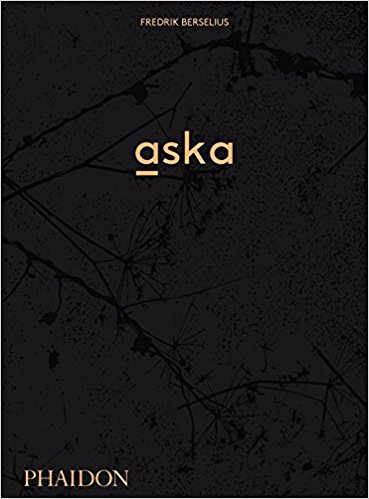
Aska by Fredrik Berselius

Aska

What’s the USP? Cutting edge, natural cooking from a leading New York chef.

Who’s the author? Two Michelin-starred, Swedish-born chef Fredrik Berselius of Aska restaurant that’s located in a Brooklyn back street under the shadow of the Willamsburg Bridge.

What does it look like? The book is a very desireable object with its textured black and gold cover, elegant design and stunning landscape,  portrait and food photography.

Is it good bedtime reading? In addition to the inspirational food, Berselius writes evocatively about his homeland of Sweden, his foraging trips to upstate New York and being a restaurateur and chef in Brooklyn.

Will I have trouble finding ingredients? Recipes tick all the modish ‘New Nordic’ boxes with ingedients like aged diary cow, birch, buttermilk, lingonberries and white currents, some of which may be tricky to track down for the home cook.

What’s the faff factor? Berselius has his own distinctive style. Some of the the most impactful presentations are the most simple, yet belie the numerous processes that go into their creation. Lamb Heart Burnt in Bedstraw appears to be a black disc on the plate but is in fact brunoise of fermented sunchoke, sunchoke emulsion and rendered lamb heart fat dusted with a powder of lamb heart that’s been cured, dried, grated, dry-fried, burnt with bedstraw, dry-fried and burnt a second time then blended and passed.

How often will I cook from the book? Techniques such as smoking, pickling and fermenting (along with a fair bit of foraging) mean that cooking from the book will require a fair amount of committment in terms of time, energy and organisation. Definately not the book to reach for when you come home late from work and need to rustle something up in 20 minutes.

Killer recipes? Lichen, caramelised cream, pine mushroom, spruce and chanterelle; grilled eel head on a branch; mackerel and black locust; sourdough, smoked hake and toasted milk.

What will I love? Berselius might be a resolutely urban chef saying, ‘I knew I wanted to be in New York. I fell in love with the city as soon as I set foot here’, but his cooking draws on formative experiences and memories from growing up in the suburbs of Stockholm and visiting his grandmother in the north of Sweden with its ‘reindeeer and white and black birch bark’ and summers spent among the ‘wheat, oat, rapeseed, grazing cows, and horses’ of the lowlands. Berselius’s achingly beautiful creations put nature right there on the plate in front of you. The food ranges from delicate (lenghts of pickled and compressed cucmber are artfully decorated pickled linden flowers) to red in tooth and claw (truffles made from pigs blood, butter and rose hip) but always seem to evoke some wild Nordic landscape.

What won’t I like? Some readers may find the book a little po-faced and over serious.

Should I buy it? Aska provides genuine insight into the mind of an exciting chef who is pushing the boundaries of his own creativity. As accomplished as Berselius obviously is, I get the feeling that there is much more to come from him. Roll on Aska book two.

Cuisine: Progressive
Suitable for: Professional chefs
Cookbook Review Rating: 4 stars

Buy this book
Aska
£39.95 Phaidon

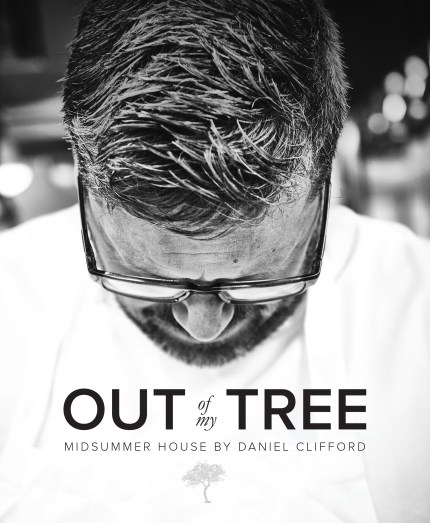
Out of My Tree by Daniel Clifford

Out of my tree cover idea Daniels Head.indd

What’s the USP? Two decades worth of recipes and stories that chart the evolution of the iconic two Michelin-starred Cambridge restaurant Midsummer House and its chef/patron Daniel Clifford.

Who’s the author? Daniel Clifford is one of the most revered, respected and, at times, controversial chefs working in the UK today. In addition to those Michelin gongs, he also holds five AA rosettes, the title of AA Chefs’ Chef of the Year 2015 and 8 out of 10 in the Good Food Guide. In short, he’s premier league.

What does it look like? A million dollars. Clifford’s food is very photogenic and has been allowed to speak for itself. Many of the dishes appear to be ‘plated’ directly onto the white of the page, a la Michel Bras’s 2002 book Essential Cuisine, which gives the intricate presentations room to breathe. The exemplary food photography is supplement by ‘family album’ snapshots in the autobiographical sections, bringing personality to the book and breaking up all the glossy perfection with a dose of behind the scenes realism.

Is it good bedtime reading? Clifford is brutally honest in the fascinating autobiographical passages that begin each chapter, both about the industry and his personal life, making Out of My Tree as much of a page-turning blockbuster as it is a document of modern British haute cuisine. Expect to be up to the early hours finishing it.

Will I have trouble finding ingredients? There’s a fair few specialist items such as gelepressa (a thickening agent) that you’d need to hunt down online, and if you want to emulate Clifford’s food you’ll need to source the highest quality raw ingredients you can lay your hands on, so forget the supermarket for the most part and think top notch butchers, fishmongers and your best local independent market for fruit and veg.

What’s the faff factor? This is unashamedly Michelin food, so the recipes are often long with numerous elements and many ingredients and replicating them will be demanding, requiring intricate and precise cooking.

How often will I cook from the book? On very special occasions or simply when the urge to spend a whole weekend (and a whole weeks wages on ingredients) hits you. For the home cook, it’s probably best to see this book as a source of inspiration from which you can cherry pick a sauce here and a vegetable preperation there rather than tackling entire dishes.

Killer recipes? We could be here all day. One of the many wonderful things about Out of My Tree is the warts and all approach. Of course there are the many triumphs; the insanely complicated Chicken, Sweetcorn, Truffle and Peas that won Clifford four perfect 10s on the Great British Menu and includes ballotine of chicken lined with spinach, stuffed with steamed truffled egg white and sweetcorn jelly (to resemble an egg), wrapped in potato string and deep fried. But there are also some embarrassing also rans such as parfait of banana, chocolate and a palm tree-shaped coconut tuile from 1998 (all the recipes are dated) that looks like it might have come straight from a TGI Fridays menu. Clifford has also included recipes for his mums egg sandwiches (served for staff lunch every Friday at the restaurant) and his nan’s cheese scones which he put on the menu when she came to eat at Midsummer House. Cute.

What will I love? Clifford and his publisher deserve a standing ovation for the obvious effort put into this book. A reported three years have gone into its production and it shows from the perfect food (as someone who has been involved in the making of a cookbook, trust me that getting 140 dishes of this degree of complexity to look immaculate on the page takes some doing) to the extensive biography and numerous extras like interviews with past employees and the string of forewords by Sat Bains, Tom Kerridge, Claude Bosi and others. Little details like illustrating the stock recipes with photos of how the finished product should look like elevate the book above the norm.

What won’t I like? This is unashamedly Michelin-starred, fine-dining, testosterone fueled stuff which may not appeal to every reader.

Should I buy it? Out of My Tree is the new White Heat, a once in a generation book. Clifford has put his heart and soul onto every page, making it the culinary equivalent of Dylan’s Blood on the Tracks. Any chef that aspires to Michelin glory and wants to know what that really takes will want it on their shelf and every chef that has achieved that status it will want to share in Clifford’s journey.  Enthusiastic diners will find the book truly eye opening. If you’re a chef, don’t just buy it, send Clifford an email to thank him for writing it; there is much hard-won wisdom generously shared in these 400-odd pages that, read carefully, might just save you years of grief.

Cuisine: Progressive British
Suitable for: Professional chefs
Cookbook Review Rating: 5 stars

Buy this book 
Out of my tree (Midsummer House)
£45 Meze

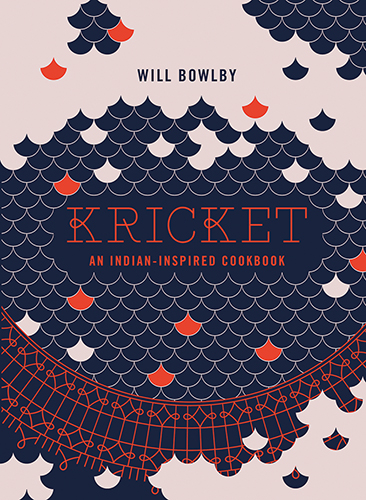
Kricket: An Indian-Inspired Cookbook by Will Bowlby

KRICKET cover (2)

What’s the USP? A collection of over 80 modern and classic Indian recipes from Kricket restaurant in Soho.
Who’s the author? This is the debut book from young British chef and restaurateur Will Bowlby who trained with Rowley Leigh at the much missed Le Cafe Anglais before relocating to Mumbai for two years to work as a head chef. He then travelled the subcontinent, learning about regional Indian cuisine. Kricket originally opened in a shipping container in Brixton in 2015 before relocating to Soho in 2017. Bowlby has been named national chef of the year by the Asian curry awards
What does it look like? Good enough to eat. Photographer Hugh Johnson has brought Bowlby’s simple, colourful and impactful food to life while restaurant interiors and kitchen action shots give an insight into what it’s like to dine at Kricket. Chapter headings are illustrated with line drawings by Myoung Chung and lend the book extra style and elegance.
Is it good bedtime reading? This is first and foremost a recipe book so keep this one in the kitchen.
Will I have trouble finding ingredients? There are the odd one or two you might have to make an effort to get hold of such as caul fat for lamb galouti kebabs or green papaya paste for lamb chops with burnt onion raita, but most supermarkets now have an extensive array of ingredients for Indian dishes so you should have few problems.
What’s the faff factor? Most of the dishes will require a bit of planning ahead to factor in marinating times or making the spice pastes and mixes, but that goes with the territory. There is nothing too technically challenging and you should derive a lot of pleasure from cooking from the book.
How often will I cook from the book? The book will be most suited to weekend and special occasion cooking, when you’ve got a bit more time to spare.
Killer recipes? Just flip through at random and you’re bound to find something you’ll want to cook, from a classic Old Delhi (butter) chicken to more modish creations like bone marrow and cep kulcha (mini naan bread) or chanterelles in malai (lightly spiced cashew nut and green mango) sauce with fresh peas and pea shoots.
What will I love? The sheer variety and inventiveness of the recipes aside, there’s an informative introduction, suggested seasonal menu plans and a whole chapter of delicious sounding cocktails including smoked tarbooz made with vodka, whisky, watermelon juice and cinnamon syrup
What won’t I like? If you have purist tendencies when it comes to Indian cooking, this is not the book you are looking for.
Should I buy it? Pierre Koffmann, who wrote the book’s foreword, loves Will Bowlby’s food so it’s a no-brainer.

Cuisine: Indian
Suitable for:Confident home cooks/professional chefs
Cookbook Review Rating:4 stars

Buy this book
Kricket: An Indian-inspired cookbook
£26, Hardie Grant

Room for Dessert by Will Goldfarb

room-for-dessert-2d.jpg

What is it? Will Goldfarb has worked in the kitchens of Ferran Adria, Tetsuya Wakuda, Paul Liebrandt, and Morimoto. He is one of the top pastry chefs working today and is featured in the fourth series of acclaimed Netflix series Chef’s Table. In his first book, he shares 40 recipes, plus additional basics like sorbets, gelatos and mousses, from his acclaimed Room4Dessert restaurant in Bali.

What’s the USP? Along with the highly complex and bizarrely-named recipes called things like ‘Footsteps, or Burbur Injin’ (black rice pudding), each with their own obscure and sometimes almost unintelligible introduction, the book contains an extended biographical section and ‘The Lab of Ideas’ that provides an insight into Goldfarb’s unique creative process.

What does it look like? The modern, often minimalist desserts are all illustrated with overhead photographs which do some of the less visually impactful creations like Pom Pom Yeah: The Horse Thief (a take on Mont Blanc) no favours at all and makes you wonder what Violet de Meuron (frozen horchata with a dramatic purple hibiscus and onion skin ‘veil’) would look like from another angle.

Is it good bedtime reading? Let’s put it this way, there’s plenty to read, but whether or not you should be looking at it before trying to go to sleep is another matter. Goldfarb has a fascinating life story to tell but does so in such an oblique manner that he sacrifices clear narrative substance for a ‘clever’ turn of phrase and an odd pseudo-poetic style (not dissimilar to that employed by Sean Penn in his much-derided recent novel Bob Honey Who Just Do Stuff),  that your frustration with the many gaps in the story might well keep you up at night. Best stick with the latest Laura Lippman.

Will I have trouble finding ingredients? Not at all, as long as you’re in Bali. Otherwise, see how you go asking for lontar nectar, fresh moringa leaves or snake fruit at your local Nisa (this is unfair, many of the recipes don’t include exotic ingredients and you should be able to source most of what you need with some diligent online shopping).

What’s the faff factor? This is a book by a progressive, experimental professional pastry chef written for his peers. What do you reckon it’s likely to be?

How often will I cook from the book? Determined hobbyist cooks who want to one-up their nerdy friends or intimidate their dinner party guests with their dazzling pastry skills will be all over this like a rash. Mere mortals will simply admire from the safety of their sofas.

Killer recipes? It’s difficult to say. Is Plat du Jour’s combination of yoghurt sorbet, coffee anglaise, grilled aubergine puree, vermouth gel, white chocolate and ginger ‘Toblerone’ and brioche, soaked in milk and blonde coconut nectar and cooked French toast-style, a winner? Who knows until you’ve made it and eaten it.

What will I love? You will have never read a cookbook quite like it.

What won’t I like? You will have never read a cookbook quite like it.

Should I buy it? If you are a professional pastry chef working at the cutting edge of cuisine, fill your boots. Others should approach with caution unless strongly attracted to whimsy and folderol.

Cuisine: Modernist desserts
Suitable for: Modernist pastry chefs
Cookbook Review Rating: 3 (or 5 if you’re a modernist pastry chef)

Buy this book
Room for Dessert
£39.95, Phaidon

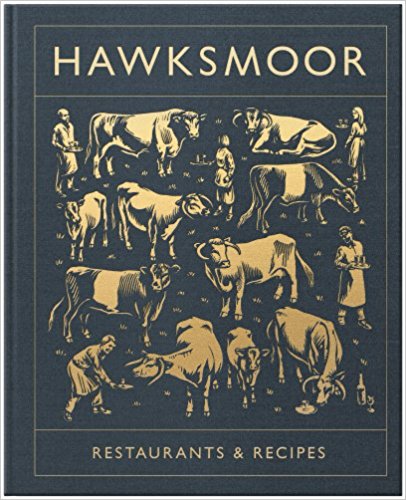
Hawksmoor: Restaurants & Recipes by Huw Gott and Will Beckett

Hawksmoor

What is it? A sequel to the excellent Hawksmoor At Home was always going to be a tough gig but Gott and Becket, owners of the London-based modern steak restaurant group Hawksmoor that’s recently expanded to Manchester and will open in New York in 2019, have nailed it.

What does it look like? In a word, sumptuous. That’s not a word I particularly like but I can’t think of a better one for this hefty, 300-odd page tome with its hand-drawn illustrations, stunning photography of the food and restaurant interiors and imaginative page layouts.

Is it good bedtime reading? Absolutely. The story of the restaurant is told in detail with essays written by all the key players with additional contributions from suppliers.

Killer recipes? I could just copy out the book’s index, but some standouts include potted beef and bacon with yorkshires; Tamworth belly ribs; lobster slaw; macaroni cheese; whole roast pig’s head; trotter sausages; short rib bubble and squeak and sticky toffee tatin

Will I have trouble finding ingredients?  If you want to follow Hawksmoor’s ethos of serving the best quality meat and fish, you’ll want to give Asda a swerve and start chatting up your local butcher and fishmonger, if you’re lucky enough to have them, especially when it comes to things like pig’s head, trotters and whole brill and monkfish. Otherwise, you shouldn’t have too much of a problem.

What’s the faff factor?  Although the food is often quite simple, if you want to go full on Hawksmoor at home, you will have to set aside some time to make stocks, sauces and condiments.

What will I love? The sheer breadth and depth of the recipes. As well as all that meat, the chapters on seafood, vegetables and sides, breakfast and brunch and puddings are excellent. There’s even recipes for bar snacks like hot buttered lobster rolls and some serious sounding cocktails including Shaky Pete’s Ginger Brew made with gin, London Pride beer and ginger syrup.

What won’t I like? Some material from Hawksmoor At Home is repeated including how to cook the perfect steak and how to make the restaurant’s signature burger but there’s more than enough new content, including a new seafood chapter written by Mitch Tonks, to justify the purchase if you already own the first book.

How often will I cook from the book?  You’ll be most likely to reach for Hawsmoor: Recipes and Recipes at the weekend when you have a bit more time in the kitchen, but the snacks, salads, vegetables and sides (and those cocktails) will come in handy anytime.

Should I buy it? Here’s a tip: if you’re best friends with Morrissey who wrote the song ‘Meat is Murder’, he probably won’t talk to you again if this celebration of all things carnivorous ended up on his coffee table. But if you’re a chef considering opening a steak restaurant or looking for inspiration for meaty starters and mains, this book is unbeatable. For fans of the restaurant, it’s the perfect memento with many of the recipes achievable at home. In short, Hawksmoor: Restaurants and Recipes over-delivers in every department, making what could have been a cash-in into an essential purchase.

Cuisine: British
Suitable for: Confident home cooks and chefs
Cookbook Review Rating: 5 stars

Buy this book
Hawksmoor: Restaurants & Recipes
£30, Preface