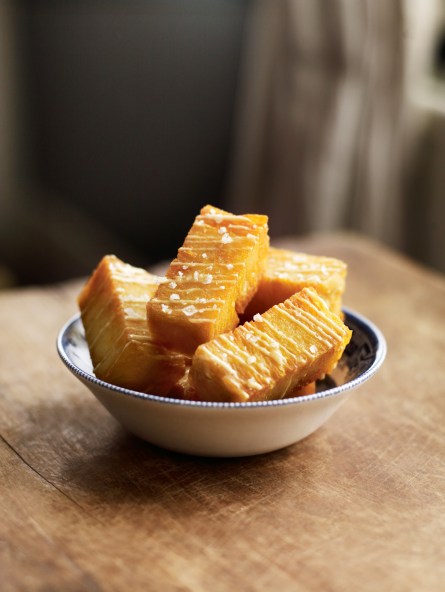
Quality Chop House’s famous Confit Potatoes by Shaun Searley

2

Our confit potatoes have become rather legendary. They are the only dish we haven’t once taken off the menu since their happy conception in spring 2013. We’d just opened the restaurant and needed to find something to serve with the chops. Shaun was adamant that QCH didn’t need chips – next thing you know we’d have squeezy ketchup on the tables – but we obviously needed something indulgent, and probably potato-based. We started making layered potatoes and after much trial and error and refrying leftovers, Shaun landed on these crispy golden nuggets. What with the slicing, layering and overnight chilling, these are something of a labour of love – but they’re worth it. Do use Maris Pipers: they have the perfect sugar-starch-water content to prevent collapse while cooking.

SERVES 6

1kg Maris Piper potatoes
125g duck fat
1 tbsp salt
oil, for frying
Maldon salt, to taste
mustard dressing (see below)

Preheat the oven to 120°C and line a standard 1.7l terrine mould with baking parchment. Peel and wash the potatoes, then use a mandoline to slice them as thinly as possible. In a large bowl, toss the slices thoroughly with the duck fat and salt. Layer the potatoes in the mould, one slice at a time, until you’ve built up multiple tiers. Once you’ve used up all the potato, cover the top with baking parchment and cook for about 3 hours until the potatoes are completely tender. Place a small baking tray or plate on top of the baking parchment covering the potatoes, along with a few heavy weights (we find tins work well) and leave to cool, then refrigerate overnight to compress. The next day, remove from the tray and cut the potato into 3x3cm pieces. Heat enough oil for deep-fat frying to 190°C, either in a deep fryer or a heavy-based saucepan. Fry the pieces for about 4 minutes until croissant-gold. Sprinkle over some Maldon salt, drizzle with mustard dressing and eat immediately.

Mustard Dressing

This may look fairly prosaic but it’s completely crucial in our kitchen. No confit potato leaves the pass until it has been dressed in this, so if you want yours to be the real deal you will need this dressing too.

425g Dijon mustard
Juice of ½ lemon
½ tsp cider vinegar
375ml vegetable oil

Mix the mustard, lemon juice and vinegar in a large bowl, then whisk in the vegetable oil until emulsified. Store in squeezy bottles in the fridge until you’re ready to use.

Buy the book
The Quality Chop House: Modern Recipes and Stories from a London Classic
£30, Hardie Grant
(Head to the restaurant’s website for a signed copy wrapped in their own branded  butcher’s paper)

Read the review

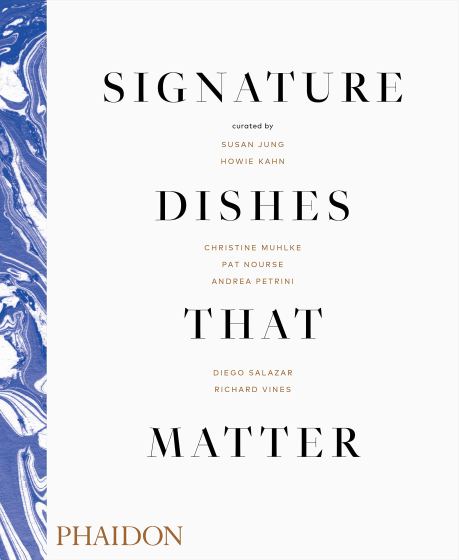
Signature Dishes That Matter by Christine Muhlke et al

Sig dishes

Modern gastronomy is often about looking forward; to the next Instagrammable dish, the next fashionable cuisine, the next tasting menu to tempt the jaded palettes of jet setting foodies. It’s timely then, that Bon Appetit magazine editor at large and food writer Christine Muhlke, along with a panel of six other experts (including London-based Richard Vines, chief food critic at Bloomberg) have curated a collection of 240 restaurant dishes that span six centuries and illustrate how a good idea can, or have the potential to endure.

From the first ever gelato created in 1686 by Procopio Cutò at Le Procope in Paris to Tomos Parry’s whole turbot, first served at his London restaurant Brat in 2018, this is an idiosyncratic collection that will raise an eyebrow or two (Big Mac anyone?) and spark debate, rather than stand as ‘the definitive canon of cuisine’ as claimed in the introduction.

But it is a fascinating read, with Muhlke’s concise, well written and researched narratives (all illustrated with hand painted watercolours by artist and trained chef Adriano Rampazzo) providing descriptions and histories of the dishes that are full of fascinating detail. Did you know for example that Baked Alaska was first served at Delmonico’s in New York in 1867 in honour of the treaty with Russia that signed Alaska over to the US?

The book falls down slightly when it comes to recipes, with rather too many listed as unavailable. Josef Kelle’s 1915 recipe for Black Forest Cake may be ‘a closely guarded secret’ but an alternative if less authentic version would have been better than the rough description provided.

Signature Dishes That Matter is an invaluable resource for anyone who wants to learn more about the history of world cuisine and is perfect for bedtime reading and could also provide inspiration for a retro-themed dinner party.

Cuisine: International 
Suitable for: 
Confident home cooks/professional chefs
Cookbook Review Rating: 
Four stars

Buy this book
Signature Dishes That Matter
Phaidon, £35

Cook from this book
The Crunchy Part of the Lasagne
Stuffed Pig’s Trotters with Morels
Sticky Toffee Pudding

This review was originally published by The Caterer 

The Book of St John by Fergus Henderson and Trevor Gulliver

St John

What’s the USP? The long-awaited follow up to 2007’s Beyond Nose to Tail from one of the UK’s most distinguished and influential chefs Fergus Henderson and his business partner Trevor Gulliver. The publication coincides with the 25th anniversary of the opening of St John restaurant near Smithfield market in London, world-famous for dishes such as roast bone marrow with parsley salad that celebrate offal and have influenced several generations of chefs in the UK and around the world, including the late Anthony Bourdain who was Henderson’s biggest fan.

What’s great about it? Although a much admired and imitated style, no one does St John cooking quite like Fergus Henderson; he is after all its progenitor. Adding The Book of St John will bring something distinctive to your cookbook collection and might well expand your culinary horizons. You may even be converted to tripe, although you will probably want to take a deep breath before you try it pickled. You begin the recipe by boiling the tripe in water which Henderson says is ‘reminiscent of the not-so-proverbial dog’s dinner’. Yum.      

What’s different about it? No one writes a recipe quite like Fergus. You will either find his whimsicality completely charming or maddeningly vague. One recipe calls for ‘6 happy tomatoes’. The recipe for ‘An Instant Pickle’ consists of a thinly sliced onion, a pinch of salt and a splash of red wine vinegar which you ‘massage’ together. ‘Grated garlic and a showing of thyme are good additions’. Well, thanks for all the detail Fergus. Elsewhere we are instructed to mix cucumbers and salt ‘thoroughly but tenderly’ and in another recipe, you ‘dress, tumble and serve’ a salad, after which Henderson instructs us to ‘Rejoice in the uncomplicated’. The recipes are however detailed where they need to be and pretty straightforward to follow, so you certainly won’t be wasting your money if you invest in a copy. 

Killer recipes? Crispy lamb’s brains; faggots; beef mince on dripping toast; potted pork; Henderson’s brine recipe; pig’s tongues, butter beans and green sauce; St John chutney; trotter gear (a sort of rich, jellied pig’s trotter stock); chicken bacon and trotter pie; steamed syrup sponge and custard; pear and sherry trifle; salted chocolate and caramel tart; negroni sorbet; Welsh rarebit; Eccles cake and Lancashire cheese; quail stuffed whole roast pig.

Should I buy it? If you own Nose to Nail or Beyond Nose to Tail, Henderson’s two previous books then the answer is probably no unless you are a Henderson fanatic or completist. The St John style hasn’t really wavered much from the word go, which is sort of the whole point, so The Book of St John doesn’t add much to our sum of knowledge about the restaurant and its food.

You will also find some familiar recipes including Eccles cakes, madeleines, the famous doughnuts and seed cake and a glass of Madeira (all of which were credited to Justin Gellatly when they appeared in the omnibus edition The Complete Nose to Tail. Gellatly was Henderson’s head baker until 2013 when he launched his own London bakery Bread Ahead which sells thousands of doughnuts a day. Gellatly is not mentioned anywhere in The Book of St John). Other previously published recipes include anchovy, little gem and tomato salad; ham and parsley sauce and trotter gear and many familiar ingredients including pickled walnuts, ox tongue, brains and snails.

If you don’t own any Henderson, then The Book of St John is as good a place as any to start. It looks sleek, with its gold-lined pages, the photography by legendary food photographer Jason Lowe is as excellent as you’d expect and there are some nice articles and anecdotes from Henderson and Gulliver dotted throughout the book. On the downside, the index is annoyingly incomplete which makes tracking down one or two of the recipes tricky, but it’s a minor complaint about a very good book.

You might not whip up a plate of grilled ox heart, beetroot and pickled walnut everyday of the week, but The Book of St John may prove invaluable when you’re in the mood for something that but different.

Cuisine: British 
Suitable for: 
Confident home cooks/professional chefs
Cookbook Review Rating: 
Four stars

Buy this book
The Book of St John: Over 100 Brand New Recipes from London’s Iconic Restaurant

Cook from this book
Welsh Rarebit 
Grilled lamb hearts, peas and mint
Salted caramel and chocolate tart 


The Quality Chop House by William Lander, Daniel Morgenthau and Shaun Searley

Quality chop house

What’s the USP? Recipes and stories from a landmark London restaurant that’s been trading in one form or other since 1869.

Who are the authors? William Lander (son of wine writer Jancis Robinson and restaurant critic Nick Lander) and Daniel Morgenthau own the London-based Woodhead Restaurant Group that also includes Portland, Clipstone and Emelia. Shaun Searley is the Quality Chop House’s head chef. He was previously head chef of Bistotheque in East London and worked under chef Peter Weeden at the Paternoster Chophouse.

What does it look like? Hurrah! A restaurant cookbook that actually includes shots of the interior and exterior of the actual flipping restaurant (*deep breath* – a personal bugbear of mine, it’s amazing how often this doesn’t happen). In addition to the deeply appetising food photography (shot with the minimum of fuss with dishes plated on the restaurant’s own beautful antique crockery), there’s a selection of moody black and white images and some location photography featuring the restaurant’s suppliers. The use of coloured backgrounds for some of the text and images including cream, grey, brown and black adds variety to the reading experience and looks sleek and smart.

Is it good bedtime reading? The clue is in the subtitle, ‘Modern Recipes and Stories from a London Classic’. There’s a foreword from super-fan and Sunday Times restaurant critic Marina O’Loughlin, who basically says she’d move into the place if she could, and an introduction, history and day in the life of the restaurant before the main meat of the book. Also included are a few supplier profiles and an article on wine by Gus Gluck who runs the wine bar in the Quality Chop House’s shop, next door to the main restaurant.

Will I have trouble finding ingredients? This is definitely the sort of book where you will need access to a decent butcher, fishmonger and deli or online equivalents for many of the main ingredients. We’re talking Mangalitza pork, whole turbot. foie gras, game, gizzards, high quality canned fish and artisan cheeses. The list goes on.

What’s the faff factor? If you cook the recipes as stipulated, you are looking at quite a major investment in time. Take something seemingly as simple as mince on dripping toast. Before you make the mince, you will need dark chicken stock and dark beef stock, both of which require about five and half hours to make and combined need four chicken carcasses, two marrow bones, four beef rib bones, two beef knuckles and a pigs trotter. The signature confit potatoes need to be sliced on a mandoline, tossed in duck fat, then layered and cooked for 3 hours, pressed and chilled overnight, cut into pieces, deep-fried and finished with mustard dressing, which gets its own separate recipe.

How often will I cook from the book? For the most part, this is weekend project cooking territory. That said, there are some more straightforward recipes such as whole roasted cauliflower, roast delicia squash, crispy sage, seeds and oats and burnt leeks vinaigrette that you might knock up during the week, as well as recipes for the sandwiches sold in the Chop House’s shop that will be perfect for lunch any day.

Killer recipes? In addition to those mentioned above, the book is packed full of delicious sounding things, including pastrami cured salmon, corn and marmite butter, truffled potato croquettes and beef fat bread rolls. 

What will I love? You get a very real sense of what the Quality Chop House is all about. If you are already a regular, it will make you want to go back immediately and if you’ve never been you’ll be desperate for a table.

What won’t I like? This is quite a meaty book (again, the clue is in the title), so if you’re trying to eat less of the stuff or are vegetarian or vegan, this isn’t the book for you.

Should I buy it? Keen cooks willing to invest time and some money to create restaurant-quality dishes at home will absolutely devour this book.

Cuisine: British 
Suitable for: 
Confident home cooks/professional chefs
Cookbook Review Rating: 
Five stars

Buy this book
The Quality Chop House: Modern Recipes and Stories from a London Classic
£30, Hardie Grant
(Head to the restaurant’s website for a signed copy wrapped in their own branded  butcher’s paper)
Cook from this book
Confit potatoes 

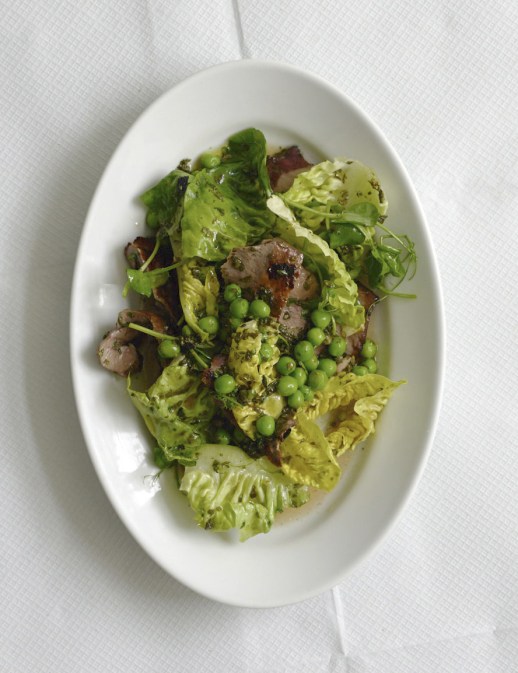
Grilled Lamb’s Hearts, Peas and Mint by Fergus Henderson

Grilled Lamb's Hearts, Peas and Mint - photo credit Jason Lowe

To serve 6, or 3 as a main course, 1 good-sized lamb’s heart will suffice as a starter, 2 each as a main course

Choose your peas wisely and avoid oversized starchy bullets; the smaller and sweeter the better. There is a brief overlap between pea season and grelot season; in this glorious time you would be foolish not to use grelots as delicious substitutes for spring onions.

6 lamb’s hearts, butchered and marinated
(see the book for details)
8 spring onions, trimmed and cleaned
3 heads of little gem lettuce, washed and separated
2 large handfuls of freshly podded peas
A handful of pea shoots per person,
snipped at the stem
A large handful of extra fine capers,
thoroughly drained

For the mint dressing
1 large bunch of mint, picked and
stalks retained
80g demerara sugar
200ml malt or red wine vinegar
100ml extra virgin olive oil
Sea salt and black pepper

First make the mint dressing. Bash the mint stalks with the back of a knife and place in a small pan with the demerara sugar and vinegar. Bring to a simmer for just long enough to melt the sugar, then set aside to cool thoroughly and infuse. Once ready, finely chop the mint and strain the cold vinegar over the leaves. Whisk in the olive oil, seasoning to taste.

To cook the lamb’s hearts you will need a cast-iron griddle or barbecue. Your hearts should be room temperature, not fridge cold, and the grill should be ferociously hot. Season boldly and place the hearts on the grill, cook for a minute and a half each side, then set aside to rest. A rare heart is a challenge, so aim instead for a blushing medium within. Now season and grill the spring onions in much the same way, charring with intent.

To serve, slice the hearts into slivers about half the width of your little finger, being careful to retain the delicious juices that are exuded in the resting. Place the little gems, peas, pea shoots and capers in a large bowl, then introduce the heart, resting juices, spring onions and mint dressing. Serve with chilled red wine.
Much like the ox heart on page xxx, this salad is also a noble bun filler.

Extracted from The Book of St John by Fergus Henderson and Trevor Gulliver (Ebury Press, £28 hbk) Photography by Jason Lowe

Buy this book 
The Book of St John: Over 100 Brand New Recipes from London’s Iconic Restaurant

St John

Cook more from this book
Welsh Rarebit by Fergus Henderson
Salted Chocolate and Caramel Tart by Fergus Henderson

Read the review 

The Garden Chef with an introduction by Jeremy Fox

The Garden Chef

What’s the USP? The Garden Chef explores the growing (pun intended) worldwide phenomenon of top chefs cultivating their own produce for their restaurants in on-site kitchen gardens. The book includes ‘recipes and stories from plant to plate’.

Who is the author? The book has been created from the contributions of chefs from 40 high-end restaurants around the globe which most notably include Simon Rogan from L’enclume in England, Ben Shewry from Attica in Melbourne, Alice Waters from Chez Panisse in Berkeley and Michel and Cesar Troisgros from Trisgros in France. The introduction is by Jeremy Fox of Bridie G’s in Santa Monica who is also the author of the brilliant cookbook On Vegetables, also published by Phaidon and which is cookbookreview.blog five star-reviewed.

What does it look like? Expect a riot of raised beds, a plethora of polytunnels and a great deal of gathering in the fields. The accent is as much on ‘garden’ as it is ‘chef’. The majority of the 80 recipes are illustrated and the food does look great, but it’s rather overshadowed by all the greenery.

Is it good bedtime reading? The chef or chefs of each restaurant (some are run by duos including Michael and Iain Pennington at The Ethicurean just outside Bristol and Gaston Acurio and Juan David Ocampo of Astrid Y Gaston in Lima)  are given a full page to espouse their horticultural and culinary philosophies, earning The Garden Chef space on your bedside table.

Will I have trouble finding ingredients? You’ve seen the Indiana Jones movies, right? Unless you cultivate your own incredibly vast and comprehensive kitchen garden, be prepared for an amazing adventure where you’ll raid the lost ark, discover the temple of doom and embark on the last crusade to track down sangre de toro potatoes, kalanchoe blossfeldiana and Mexican pepperleaf, among many, many other obscure ingredients that you definitely won’t find at your local Asda.

What’s the faff factor? These are recipes aimed fair and square at the professional chef community. There are dishes achievable for the home cook, but really they are not the main reason you would buy this book; it exists primarily to document and give a window into a particular aspect of the modern restaurant scene.

How annoyingly vague are the recipes? If you are up for attempting them, the recipes are detailed enough to follow to successful completion.

How often will I cook from the book? That depends. How often are you in the mood for something like chef Ana Ros’s ‘Rabbit That Wants to be Mexican Chicken’ where you’ll need to wrap rabbit mousse in whole chicken skins and serve with rabbit sauce flavoured with star anise and chilli, roasted carrots, apricot gel, carrot top pesto and hibiscus flowers?

Killer recipes? Don’t get me wrong, the book is full of delicious things you’ll want to eat like The Quay’s Tennouji white turnip, blue swimmer crab and Jersey Wakefield cabbage with fermented cabbage juice and brown butter dressing, but you’ll probably want to go to the restaurant and try them rather than cook them yourself, even if that does mean flying half-way around the world. Doable recipes include white and green pizza from Roberta’s in Brooklyn and cream of vegetable soup from The Sportsman in Seasalter.

What will I love? If you’ve been looking for inspiration to create your own kitchen garden, be it for your restaurant or your home, then you couldn’t ask for a better book. There are even garden tips and the chefs favourite heritage varieties to give you a kick start, although if you want step by step guidance on how to actually get out there and do it you’ll need to look elsewhere.

What won’t I like? The decision has been taken not to include any images of the interior of any of the restaurants, which gives the book a feeling of incompleteness. This is partly understandable, given that the thrust of the book is on the chef’s activities outside their restaurants rather than in them. However, after reading the book, you might well be interested in planning a visit to one or more of the places included and wonder what you are letting yourself in for. Of course, you can google the restaurant’s website and reviews for images, but that’s sort of beside the point; you can google images of many of the restaurant’s gardens and dishes too if you are minded to.

Should I buy it? It’s a great book but may have niche appeal. If you are a keen gardener or aspire to be one, as well as a foodie, you will dig (pun intended) this book. If you want to know more about an influential trend that is helping to define to the current global high-end restaurant scene, this is also a must-read.

Cuisine: International
Suitable for: Professional chefs/Confident home cooks
Cookbook Review Rating:
Three stars

Buy this book
The Garden Chef: Recipes and Stories from Plant to Plate
£29.95, Phaidon

Cook from this book

Coming soon

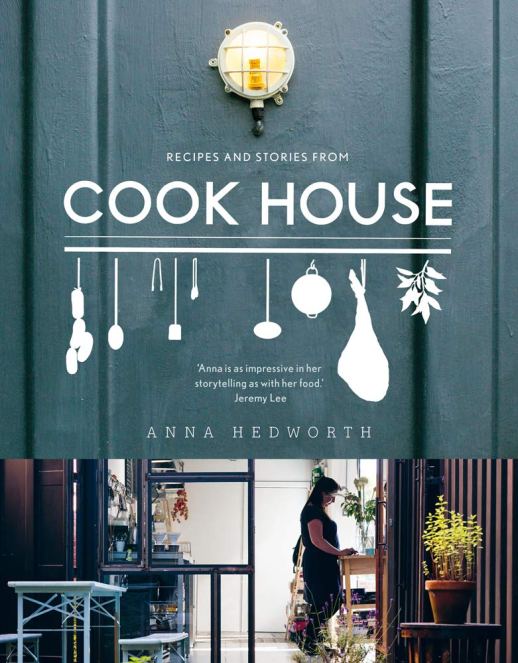
Cook House by Anna Hedworth

Cook House Anna Hedworth

What’s the USP? Recipes and stories from Cook House restaurant in Newcastle upon Tyne that began as a supper club in a shipping container in 2014 before relocating to a permanent bricks and mortar premises in 2018.

Who is the author? Anna Hedworth is the chef/proprietor of the Cook House. A former architect, she is a self-taught cook. Cook House is her first restaurant and this is her first book.

What does it look like? Hedworth’s food is simple, rustic and extremely appetising; the food photography, which is not overly styled and lets the dishes speak for themselves, will make you very hungry.

Is it good bedtime reading? Cook House is a great read. Hedworth tells the story of her journey from architect to chef and restaurateur in detail and there are a number of ‘How to…’ double page spreads covering subjects such as ‘How to…start a supper club’ and ‘How to…find free food’ which make the book as useful outside the kitchen as in it.

Will I have trouble finding ingredients? You will have very little problem sourcing what you’ll need for the vast majority of the recipes, but you will need lovage and wild garlic to make soup, nasturtium seed pods to make nasturtium and pumpkin seed pesto, pickled walnuts to add to beer braised oxtail and shin stew, Prague powder #1 to make salt beef, goat mince for meatballs, live seaweed cut from rocks on the beach to smoke BBQ scallops, live langoustines to serve poached with aioli, hawthorn berries to make chutney, kefir grains to make milk and smoothie, pine shoots to make vinegar, rosehips and hawthorn blossoms to make syrups, elderflowers to make gin, and scoby for kombucha. That might seem like a long list, but don’t let it put you off; it’s an indication of the variety and breadth of the recipes in the book, and you can always substitute an ingredient – lamb for goat for example – if you find yourself really stuck.

What’s the faff factor? For the most part, the recipes are straightforward to prepare, but Hedworth does like to get out and about with her cooking, so be prepared to build a fire and erect a tripod over it if you want to recreate her Hanging Leg of Lamb by a Tall Fire or to camp out if you want to cook foil wrapped fish over a beach fire.

How annoyingly vague are the recipes? Weights, measures and methods are present and correct apart from the expected ‘handfuls’ of herbs here and there. However, no weight is given for venison loin pan fried in butter and thyme, but there is a precise cooking time which one might imagine would vary depending on the size of the loin. Similarly, a poaching time of 45 mins if given for a chicken in several recipes, but no weight or size is indicated.

How often will I cook from the book? There are enough everyday soup, salad and supper recipes to make this a book you’d happily reach for mid-week, plus plenty of tempting baking and preserving projects for the weekend. You could also easily create  menus for entertaining friends and family from the book too.

Killer recipes? Red pepper, paprika and rosemary soup with sourdough croutons; chicken, courgette and pea salad with aioli and sourdough crumb; soft egg and herb tartine; game pistachio and juniper terrine; dark chocolate and almond cake among many others.

What will I love? If you’ve ever dreamed about making a career in food, Cook House will provide you with the information and inspiration to take the leap.

What won’t I like? Matt paper means that the photography doesn’t quite have the pin sharp clarity and intensity of colour of some other cookbooks.

Should I buy it? If you are fascinated by the restaurant industry or want to try out techniques like cooking over open fire and preserving and fermenting for the first time, this book will be of particular interest. But even if you just want to add a few more delicious go-to recipes to your repertoire, Cook House is well worth adding to your collection.

Cuisine: British
Suitable for: Confident home cooks
Cookbook Review Rating:
Four stars

Buy this book
Cook House
£25, Head of Zeus

Cook from this book

Coming soon

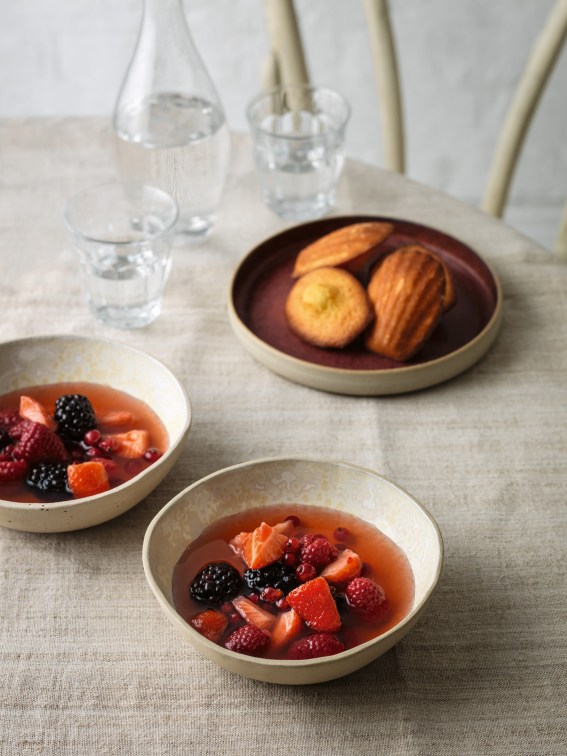
Fruit Soup with Verbena by Michel Roux Jr

fruit soup

(SOUPE DE FRUITS ROUGES À LA VERVEINE)

This beautiful, verbena-flavoured dessert is summer in a bowl. And it is even better with a few little madeleines on the side.

Serves 4

75g caster sugar
2 tbsp blossom honey
2 fresh verbena sprigs (or a handful of dried)
500g mixed berries (strawberries, raspberries, blackberries, redcurrants, blackcurrants)
freshly ground black pepper (optional)

Pour 500ml of water into a pan, add the sugar and honey and bring to the boil.  Add the verbena and simmer for 2 minutes. Take the pan off the heat, cover and leave to infuse for about 10 minutes. Remove the verbena. Pour the liquid into a bowl, add the fruit, then leave to cool. Chill the soup in the fridge until it is very cold. Just before serving I like to add a little freshly ground black pepper.

Cook more from this book
Monkfish cooked in the style of lamb
Basque-style chicken

Read the review

Buy this book
The French Revolution: 140 Classic Recipes made Fresh & Simple
£25, Seven Dials

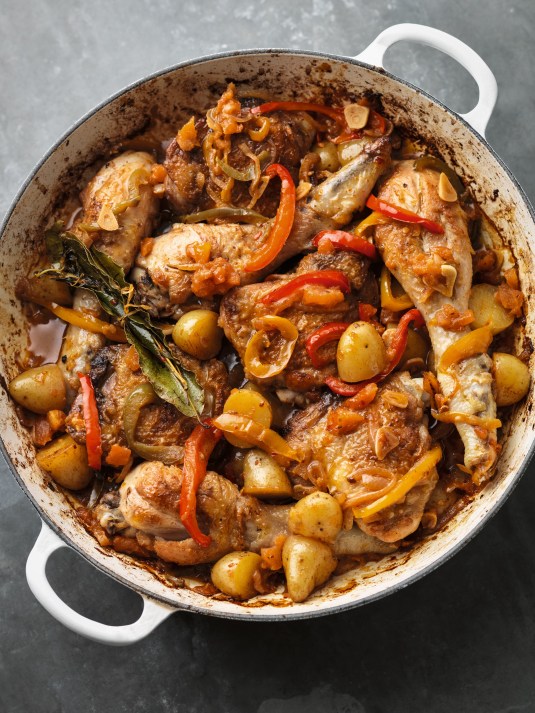
Basque-Style Chicken by Michel Roux Jr

chicken basque style

(POULET BASQUAISE)

This is a really good simple supper – everything you need in one pot. I like to make it with chicken legs, as they are more flavourful than breast and less likely to be dry. Espelette chillies are grown in the Basque region in southwest France and have a beautifully mild, fragrant taste that is perfect for this dish. If you can’t find any, just use other chillies to taste. This is a dish that’s even better when made in advance and then reheated.

Serves 4

12 new potatoes, scrubbed
4 chicken legs
1 tbsp smoked paprika
4 tbsp olive oil
2 red, green or yellow peppers, halved and seeded
2 onions, peeled and thinly sliced
6 garlic cloves, peeled and chopped
3 bay leaves
2 thyme sprigs
200ml white wine
1 tbsp piment d’espelette (see page 8) or chilli flakes
4 large tomatoes, peeled and diced
salt and freshly ground black pepper

Cut the potatoes in half, put them in a pan of salted water and bring to the boil. Cook them for 10 minutes, then drain and set aside. Joint the chicken legs into thighs and drumsticks – or ask your butcher to do this for you. Season them with salt and smoked paprika. Heat the oil in an ovenproof pan or a flameproof casserole dish and fry the chicken pieces until golden brown on both sides. Remove them from the pan and set them aside.

Slice the peppers into long strips and fry them in the same pan until tender, then add the onions, garlic and par-boiled potatoes. Cook them over a medium heat for 5–6 minutes. Preheat the oven to 200°C/Fan 180°C/ Gas 6.

Tie the bay leaves and thyme sprigs together and add them to the pan along with the wine and piment d’espelette or chilli flakes. Add extra chilli if you like your food really spicy.

Add the tomatoes, then put the chicken and any juices back into the pan and stir gently. Put a lid on the pan or cover it tightly with foil and place it in the oven for 30 minutes or until the chicken juices run clear. Check the seasoning, then serve or set aside to enjoy later.

Cook more from this book
Monkfish cooked in the style of lamb
Fruit soup with Verbena

Read the review

Buy this book
The French Revolution: 140 Classic Recipes made Fresh & Simple
£25, Seven Dials

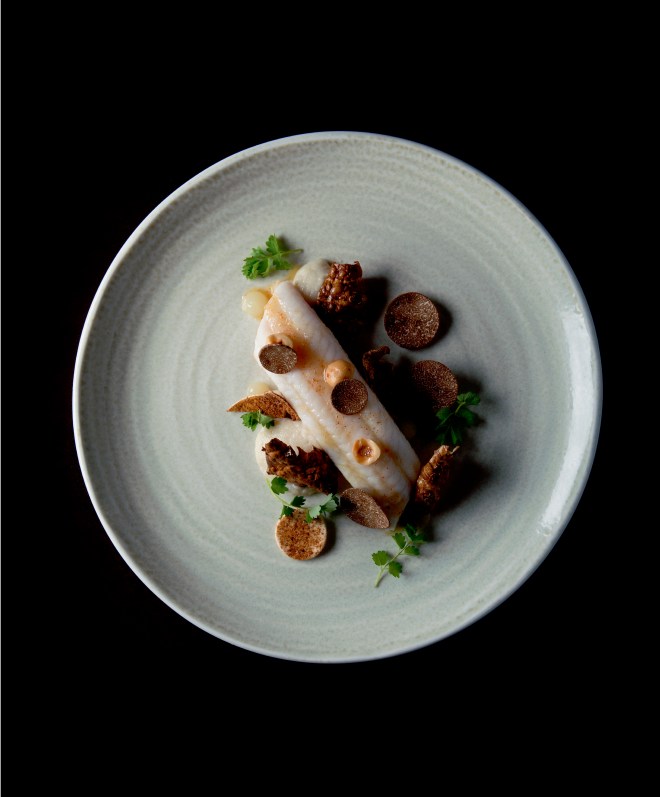
Sole, Jerusalem artichoke, black truffle by Mauro Colagreco

Sole Jerusalem artichoke Black truffle - Copyright Eduardo Torres

SERVES 4

FOR THE SOLE
Sole, 2 from 300-400 g
Jerusalem artichokes, 500 g
Sunflower oil, 500 cc
Dairy cream, 100 cc approx.
Shallot, 1
Chive, 10 g
Large mushrooms, 2
Extra virgin olive oil, 20 cc
Beurre noisette, 100 g
Hazelnuts, 50 g
Mushroom powder (dried and ground)
Black truffle (autumnal)
Pimpernel, 12 leaves
Sea salt

FOR THE LIME GEL
Lime juice, 250 cc
Agar-agar 3.5 g

PREPARATION

SOLE
Fillet the soles and set aside. Wrap the Jerusalem artichokes in aluminium foil and oven roast at 180°C for approximately 40 minutes, until done. Remove the foil, make a slit on top and squeeze to extract the pulp. Retain the peel and dry it at 60°C. Set aside. Transfer the pulp to the Thermomix, add 50 cc of cream for every 200 g of pulp, process, then strain. Transfer to a 1-charger siphon and reserve in a 50°C bain-marie.

Brunoise-cut the shallot. Mince the chives. Brunoise-cut the mushroom stems. Add the shallot to a heat hot suaté pan with olive oil, then add and brown the mushrooms. Remove from heat, season with salt and add the chives. Set aside.

Cut two slices of mushroom and dust with the mushroom powder. Dry at room temperature. Cook the sole for 5 minutes in a 70°C combi oven at 30% humidity. Matching up the edges, lay one dorsal fillet atop the lower fillet.
Toast the hazelnut in butter in a saucepan until the butter is browned (noisette).
Fry the Jerusalem artichoke in 180°C sunflower oil.

LIME GEL
Mix the lime juice and agar-agar in a saucepan, bring to a boil and whisk for 2 minutes. Once the mixture has cooled, process in a blender until it has a gel-like consistency. Transfer to a squeeze bottle.

PLATING
Set a base of sautéed mushrooms on a plate and, on top, arrange the sole, two dots of Jerusalem artichoke foam, some of the crisped Jerusalem artichoke, beurre noisette and hazelnuts atop the sole, mushroom slices and black truffle slices. Finish with two dots of lime gel and pimpernel leaves.

Cook more from this book
Turbot Celeriac Sorrel
Grouper rosemary sorrel

Read the review

Buy this book
Mirazur (English)
Catapulta, £70