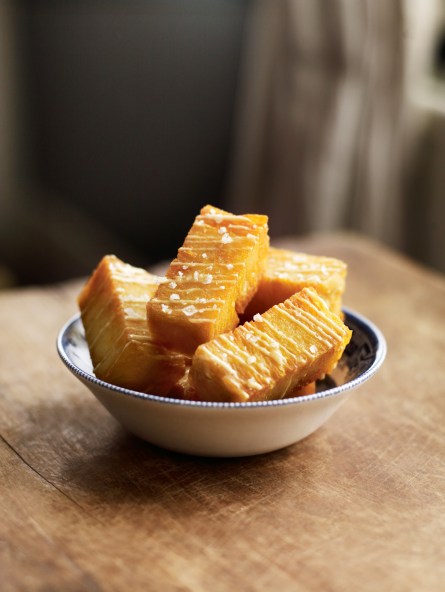
Quality Chop House’s famous Confit Potatoes by Shaun Searley

2

Our confit potatoes have become rather legendary. They are the only dish we haven’t once taken off the menu since their happy conception in spring 2013. We’d just opened the restaurant and needed to find something to serve with the chops. Shaun was adamant that QCH didn’t need chips – next thing you know we’d have squeezy ketchup on the tables – but we obviously needed something indulgent, and probably potato-based. We started making layered potatoes and after much trial and error and refrying leftovers, Shaun landed on these crispy golden nuggets. What with the slicing, layering and overnight chilling, these are something of a labour of love – but they’re worth it. Do use Maris Pipers: they have the perfect sugar-starch-water content to prevent collapse while cooking.

SERVES 6

1kg Maris Piper potatoes
125g duck fat
1 tbsp salt
oil, for frying
Maldon salt, to taste
mustard dressing (see below)

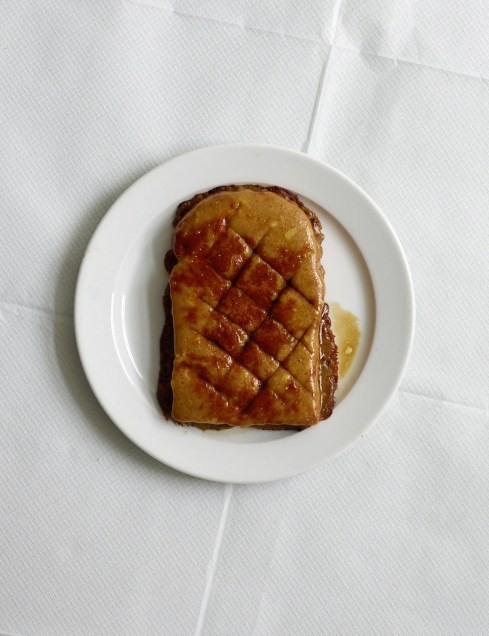
Preheat the oven to 120°C and line a standard 1.7l terrine mould with baking parchment. Peel and wash the potatoes, then use a mandoline to slice them as thinly as possible. In a large bowl, toss the slices thoroughly with the duck fat and salt. Layer the potatoes in the mould, one slice at a time, until you’ve built up multiple tiers. Once you’ve used up all the potato, cover the top with baking parchment and cook for about 3 hours until the potatoes are completely tender. Place a small baking tray or plate on top of the baking parchment covering the potatoes, along with a few heavy weights (we find tins work well) and leave to cool, then refrigerate overnight to compress. The next day, remove from the tray and cut the potato into 3x3cm pieces. Heat enough oil for deep-fat frying to 190°C, either in a deep fryer or a heavy-based saucepan. Fry the pieces for about 4 minutes until croissant-gold. Sprinkle over some Maldon salt, drizzle with mustard dressing and eat immediately.

Mustard Dressing

This may look fairly prosaic but it’s completely crucial in our kitchen. No confit potato leaves the pass until it has been dressed in this, so if you want yours to be the real deal you will need this dressing too.

425g Dijon mustard
Juice of ½ lemon
½ tsp cider vinegar
375ml vegetable oil

Mix the mustard, lemon juice and vinegar in a large bowl, then whisk in the vegetable oil until emulsified. Store in squeezy bottles in the fridge until you’re ready to use.

Buy the book
The Quality Chop House: Modern Recipes and Stories from a London Classic
£30, Hardie Grant
(Head to the restaurant’s website for a signed copy wrapped in their own branded  butcher’s paper)

Read the review

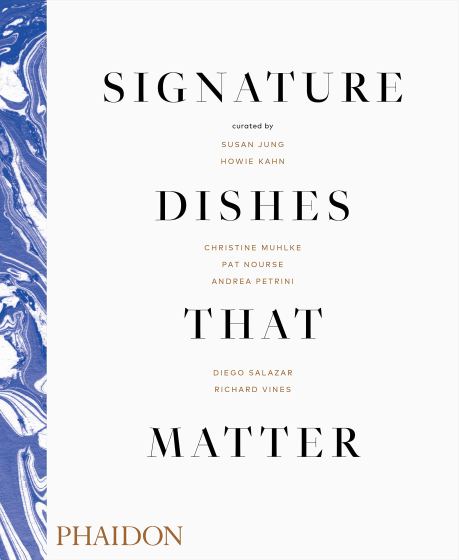
Signature Dishes That Matter by Christine Muhlke et al

Sig dishes

Modern gastronomy is often about looking forward; to the next Instagrammable dish, the next fashionable cuisine, the next tasting menu to tempt the jaded palettes of jet setting foodies. It’s timely then, that Bon Appetit magazine editor at large and food writer Christine Muhlke, along with a panel of six other experts (including London-based Richard Vines, chief food critic at Bloomberg) have curated a collection of 240 restaurant dishes that span six centuries and illustrate how a good idea can, or have the potential to endure.

From the first ever gelato created in 1686 by Procopio Cutò at Le Procope in Paris to Tomos Parry’s whole turbot, first served at his London restaurant Brat in 2018, this is an idiosyncratic collection that will raise an eyebrow or two (Big Mac anyone?) and spark debate, rather than stand as ‘the definitive canon of cuisine’ as claimed in the introduction.

But it is a fascinating read, with Muhlke’s concise, well written and researched narratives (all illustrated with hand painted watercolours by artist and trained chef Adriano Rampazzo) providing descriptions and histories of the dishes that are full of fascinating detail. Did you know for example that Baked Alaska was first served at Delmonico’s in New York in 1867 in honour of the treaty with Russia that signed Alaska over to the US?

The book falls down slightly when it comes to recipes, with rather too many listed as unavailable. Josef Kelle’s 1915 recipe for Black Forest Cake may be ‘a closely guarded secret’ but an alternative if less authentic version would have been better than the rough description provided.

Signature Dishes That Matter is an invaluable resource for anyone who wants to learn more about the history of world cuisine and is perfect for bedtime reading and could also provide inspiration for a retro-themed dinner party.

Cuisine: International 
Suitable for: 
Confident home cooks/professional chefs
Cookbook Review Rating: 
Four stars

Buy this book
Signature Dishes That Matter
Phaidon, £35

Cook from this book
The Crunchy Part of the Lasagne
Stuffed Pig’s Trotters with Morels
Sticky Toffee Pudding

This review was originally published by The Caterer 

Black Axe Mangal by Lee Tiernan

Black Axe

It’s tempting to pigeon-hole Lee Tiernan, chef and proprietor of cult north London restaurant Black Axe Mangal as some sort of ‘rock ‘n’ roll chef’. His pizza oven is emblazoned with the faces of the rock group Kiss, he blasts a soundtrack of heavy metal into Black Axe Mangal’s intimate dining room (a converted kebab shop) and the flavours of dishes like the signature squid ink flatbread with smoked cod’s roe are turned up to 11.

But behind all the raucousness there is a considered, thoughtful and meticulous cook.  On the subject of bread, which he says is the ‘anchor’ of his cuisine, he quotes food writer Richard Olney and calls it a ‘symbol of sustenance’ and explains that his seven-page recipe for flatbread was perfected with the help of Chad Robertson of Tartine bakery in San Francisco.

Another influence on Tiernan’s cooking is Fergus Henderson for whom Tiernan worked for over a decade, including a stint as head chef of St John Bread and Wine. Dishes such as shrimp-encrusted pig’s tails with pickled chicory; braised hare, chocolate and pig’s blood with mash; and oxtail, bone marrow and anchovy wouldn’t look out of place on a St John menu (Tiernan has also included the famous St John rarebit recipe in the book). But Tiernan unquestionably has his own distinctive style. As Henderson notes in his introduction, ‘Lee has borrowed my bone marrow, my cod’s roe, my pig’s blood, but they are not what shape him’.

The autobiographical introduction is full of stories and anecdotes from Tiernan’s colourful past. As a child, he took fussy eating to such extremes (including hiding unwanted meals under a loose floorboard in the family home) that his mother consulted a doctor about his lack of appetite. Black Axe Mangal’s origins as a pop up in ‘a grimy, graffiti-smeared Copenhagen night club’ where Tiernan cooked thousands of kebabs in a ‘ramshackle shed’ makes for entertaining reading.

The liberal seasoning of salty language and peppering of softcore glamour shots (older readers may be reminded of the Rude Food books from the late 70’) may be off-putting to some, but the step by step instructions on the key skills of grilling, smoking and baking that help define Tiernan’s food, along with the story behind his success, provide an insight into one of the UK’s most exciting and original chefs and make Black Axe Mangal an essential purchase.

Cuisine: Modern British
Suitable for: Confident home cooks/professional chefs
Cookbook Review Rating:
Five stars

Buy this book
Black Axe Mangal
Phaidon, £24.95

Cook from this book
Vietnamese Scrambled Eggs With Sesame Bread
Pressed Octopus And Szechuan Vinaigrette
Crispy Fuckin’ Rabbit

This review was originally published by The Caterer 

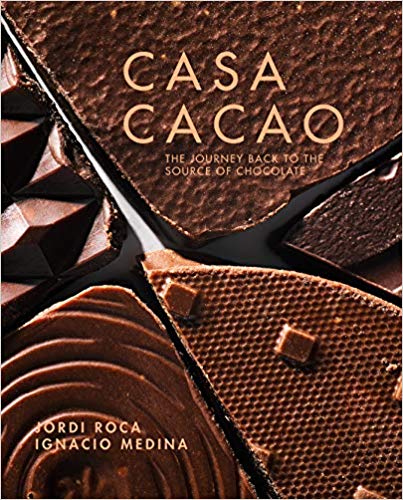
Casa Cacao by Jordi Roca and Ignacio Medina

Casa Cacoa

Although it seems to have been around forever, ‘bean to bar’ is a relatively new concept with the first single estate chocolate produced by Cluizel in 1996. That’s just one of many fascinating facts in Jordi Roca’s deep dive into the world of chocolate, written with food journalist Ignacio Medina and inspired by the launch of the three Michelin starred pastry chef’s own brand, Casa Cacao that takes the bean to bar ethos one step further.

Roca argues that ‘chocolate has its beginnings in the tree’, placing increased importance on the variety of cacao, the farmer and the environmental conditions. The book tells the story of Roca trips to Colombia, Peru and Ecuador, visiting cocoa farmers where he discovered that a bean grown in Piura in the northwest of Peru which has ‘fruity and aromatic notes’ is very different from the ‘restraint, elegance and presence’ of beans from Vinces in Ecuador.

With the help of British chocolatier Damien Allsop (‘head of chocolate and bon bon production’ at Roca’s Girona restaurant El Celler de Can Roca), Roca is pushing the conventions of chocolate manufacturing, creating vegetable-based chocolate made, for example, by combining a paste of peas, sugar, isomalt, puffed rice and ascorbic acid with melted cocoa butter. Allsop has also created ‘chocolate²’ made with just cacao and sugar to intensify the purity of flavour. Recipes for both are included, along with a detailed description of the chocolate making process, but you’d need access to a chocolate factory if you wanted to attempt them.

More achievable are ‘chocolate classics’ such as chocolate brownies or sophisticated desserts including milk chocolate, lemon and hazelnut cake, although only the most ambitious pastry chef would consider trying to replicate Mexican Chocolate Anarkia, the recipe for which takes up eight pages of the book.  Also included are some wildly creative savoury recipes such as cacao pulp and spiced chocolate sauce with langoustines by Roca’s brother Joan.

Casa Cacao is a detailed look at a complex and niche subject area and as such will mainly be of interest to chocolatiers and pastry chefs working in a fine dining environment, but it’s a beautifully produced book that will inform and inspire its intended audience.

Cuisine: International 
Suitable for: 
Confident home cooks/professional chefs
Cookbook Review Rating: 
Four stars

Buy this book
Casa Cacao
Grub Street, £35

This review was originally published by The Caterer 

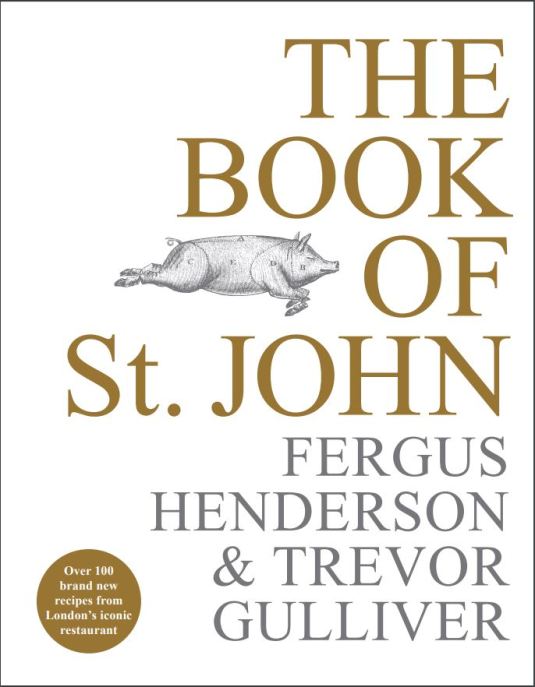
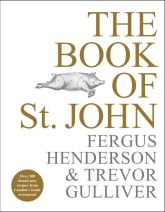
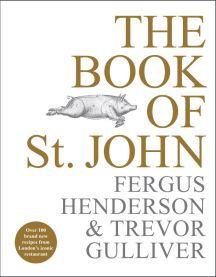
The Book of St John by Fergus Henderson and Trevor Gulliver

St John

What’s the USP? The long-awaited follow up to 2007’s Beyond Nose to Tail from one of the UK’s most distinguished and influential chefs Fergus Henderson and his business partner Trevor Gulliver. The publication coincides with the 25th anniversary of the opening of St John restaurant near Smithfield market in London, world-famous for dishes such as roast bone marrow with parsley salad that celebrate offal and have influenced several generations of chefs in the UK and around the world, including the late Anthony Bourdain who was Henderson’s biggest fan.

What’s great about it? Although a much admired and imitated style, no one does St John cooking quite like Fergus Henderson; he is after all its progenitor. Adding The Book of St John will bring something distinctive to your cookbook collection and might well expand your culinary horizons. You may even be converted to tripe, although you will probably want to take a deep breath before you try it pickled. You begin the recipe by boiling the tripe in water which Henderson says is ‘reminiscent of the not-so-proverbial dog’s dinner’. Yum.      

What’s different about it? No one writes a recipe quite like Fergus. You will either find his whimsicality completely charming or maddeningly vague. One recipe calls for ‘6 happy tomatoes’. The recipe for ‘An Instant Pickle’ consists of a thinly sliced onion, a pinch of salt and a splash of red wine vinegar which you ‘massage’ together. ‘Grated garlic and a showing of thyme are good additions’. Well, thanks for all the detail Fergus. Elsewhere we are instructed to mix cucumbers and salt ‘thoroughly but tenderly’ and in another recipe, you ‘dress, tumble and serve’ a salad, after which Henderson instructs us to ‘Rejoice in the uncomplicated’. The recipes are however detailed where they need to be and pretty straightforward to follow, so you certainly won’t be wasting your money if you invest in a copy. 

Killer recipes? Crispy lamb’s brains; faggots; beef mince on dripping toast; potted pork; Henderson’s brine recipe; pig’s tongues, butter beans and green sauce; St John chutney; trotter gear (a sort of rich, jellied pig’s trotter stock); chicken bacon and trotter pie; steamed syrup sponge and custard; pear and sherry trifle; salted chocolate and caramel tart; negroni sorbet; Welsh rarebit; Eccles cake and Lancashire cheese; quail stuffed whole roast pig.

Should I buy it? If you own Nose to Nail or Beyond Nose to Tail, Henderson’s two previous books then the answer is probably no unless you are a Henderson fanatic or completist. The St John style hasn’t really wavered much from the word go, which is sort of the whole point, so The Book of St John doesn’t add much to our sum of knowledge about the restaurant and its food.

You will also find some familiar recipes including Eccles cakes, madeleines, the famous doughnuts and seed cake and a glass of Madeira (all of which were credited to Justin Gellatly when they appeared in the omnibus edition The Complete Nose to Tail. Gellatly was Henderson’s head baker until 2013 when he launched his own London bakery Bread Ahead which sells thousands of doughnuts a day. Gellatly is not mentioned anywhere in The Book of St John). Other previously published recipes include anchovy, little gem and tomato salad; ham and parsley sauce and trotter gear and many familiar ingredients including pickled walnuts, ox tongue, brains and snails.

If you don’t own any Henderson, then The Book of St John is as good a place as any to start. It looks sleek, with its gold-lined pages, the photography by legendary food photographer Jason Lowe is as excellent as you’d expect and there are some nice articles and anecdotes from Henderson and Gulliver dotted throughout the book. On the downside, the index is annoyingly incomplete which makes tracking down one or two of the recipes tricky, but it’s a minor complaint about a very good book.

You might not whip up a plate of grilled ox heart, beetroot and pickled walnut everyday of the week, but The Book of St John may prove invaluable when you’re in the mood for something that but different.

Cuisine: British 
Suitable for: 
Confident home cooks/professional chefs
Cookbook Review Rating: 
Four stars

Buy this book
The Book of St John: Over 100 Brand New Recipes from London’s Iconic Restaurant

Cook from this book
Welsh Rarebit 
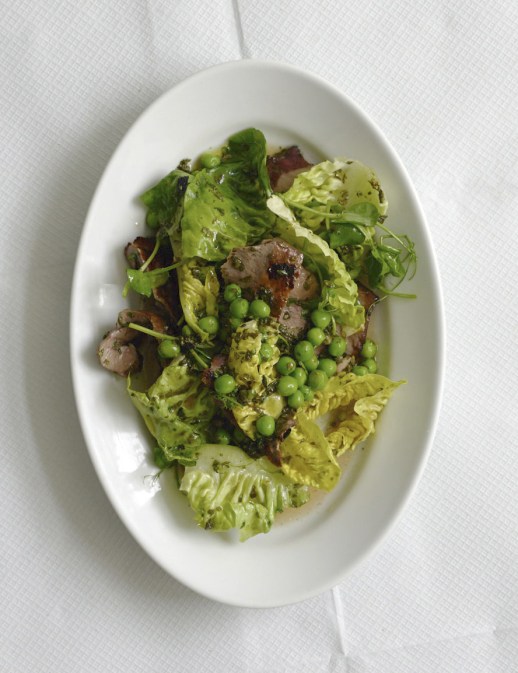
Grilled lamb hearts, peas and mint
Salted caramel and chocolate tart 


Good food writing

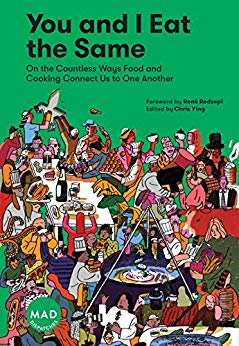
You and I eat the same

You and I Eat the Same

edited by Chris Ying with a Foreword by Rene Redzepi

What’s the USP? A publication of Rene Redzepi’s MAD nonprofit organisation that’s ‘dedicated to bringing together a global cooking community with an appetite for change’  that collects articles by food writers from around the world exploring the similarities of global cuisines rather than the differences, the more usual subject of food writing.

Who are the authors?  Chris Ying is the former editor of Lucky Peach food magazine (now ceased publication) and now works for David Chang’s Major Domo Media company which produces Ugly Delicious for Netflix and David Chang’s podcast. Rene Redzepi is a very famous Copenhagan-based two Michelin starred chef who literally needs no introduction.

Why is it good read? Nineteen articles of varying length take a global view of subjects such as the thousand year history of the flatbread, table manners, wrapping food in leaves and husks and how coffee can save lives. Contributors include Redzepi himself on his changing attitude to what constitutes a Nordic ingredient in a piece titled ‘If it does well here, it belongs here’ and renowned journalist and author Wendell Steavenson among many others.

Should I buy it? This is a wide ranging exploration of an important theme in a time when we need to be thinking about what unites us rather than divides us.  Thoughtful foodies will want to give it shelf space.

Cookbook Review Rating: Four stars

Buy this book
You and I Eat the Same: 1 (Dispatches)

Buttermilk Graffiti

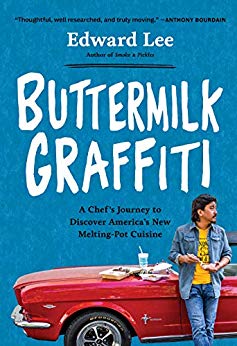
Buttermilk Graffiti

by Edward Lee 

What’s the USP? A chefs tour across America exploring the country’s diverse immigrant food cultures including stories and recipes.

Who are the authors?  Edward Lee is a Kentucky-based chef and restaurateur known for his progressive take on Southern cooking that incorporates elements from his Korean heritage. He is the author of one previous Smoke and Pickles and was featured on series 3 of the Anthony Bourdain exec-produced PBS show Mind of a Chef.

Why is it good read? Lee spent two years travelling across America to write the book, visiting 16 destinations, some off the beaten path such as Clarksdale, Mississippi and Westport, Connecticut as well as more familiar places including New Orleans and Brooklyn. But where ever he goes, he roots out fascinating stories and unusual recipes (40 of them) such as Nigerian-style beef skewers with cashews, curry and black pepper.

Should I buy it? Lee is an excellent writer and a dedicated researcher (the two go hand in hand). Buttermilk Graffiti, winner of the James Beard Award for Best Book of the Year in Writing, is destined to become a classic of American food writing and an important document of food in America in the early 21st century. If that sounds a little heavy, don’t be put off, Lee is a master storyteller and the book is an absolute pleasure to read.

Cookbook Review Rating: Five stars

Buy this book
Buttermilk Graffiti

Oyster Isles

Oyster Isles

by Bobby Groves

What’s the USP? A tour around Britain and Ireland’s oyster area’s exploring their history, cultural impact and ecological importance and telling the stories of the people who work in them.

Who are the authors?  Bobby Groves is ‘head of oysters’ (great job title) at the glamorous London restaurant Chiltern Firehouse. This is his first book.

Why is it good read? Groves has gone into real depth, travelling the four corners of the country to really crack the shell and get to the meat of his subject.

Should I buy it? The book will be of particular interest to Groves’s fellow professionals in the restaurant industry who buy and serve oysters, but if you are a lover of shellfish and British history then Oyster Isles will be of interest.

Cookbook Review Rating: Three stars

Buy this book
Oyster Isles: A Journey Through Britain and Ireland’s Oysters

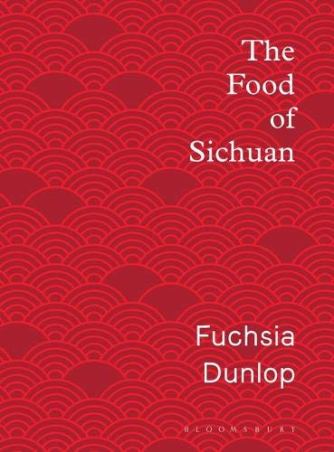
The Food of Sichuan by Fuchsia Dunlop

The Food of Sichuan

What’s the USP? The Food of Sichuan is a revised and updated edition of Sichuan Cookery, originally published in 2001. It’s an authoritative and comprehensive investigation of the styles, techniques and ingredients of a lesser-known regional Chinese cuisine with over 100 recipes, 50 of them new to the revised edition.

Who is the author? Fuchsia Dunlop is recognised worldwide as a leading authority on Chinese cuisine and is the first westerner to train as a chef at the Sichuan Institute of Higher Cuisine in Chengdu. She is the author of four other books, Revolutionary Chinese Cookbook: Recipes from Hunan Province; Shark’s Fin and Sichuan Pepper: A sweet-sour memoir of eating in China; Every Grain of Rice: Simple Chinese Home Cooking and Land of Fish and Rice: Recipes from the Culinary Heart of China. 

What does it look like? In a word, appetising. The food, often simply presented in a bowl, is photographed with the minimum of fuss and styling so that you can easily and clearly see how your fish stew with pickled mustard greens should look. The photographs of rural Sichuan village life are breathtaking.

Is it good bedtime reading? A 50-page introductory section covers the story of Sichuanese cuisine and its kitchen, larder and table, there are lengthy introductions to each of the 14 recipe chapters (which includes everything from cold dishes to hotpot and preserved foods) and each recipe has its own substantial introduction so there is plenty to read and enjoy when you are not tackling the recipes themselves.

Will I have trouble finding ingredients? There is no question that you will need access to a good Asian supermarket or specialist supplier if you want to cook extensively from this book. However, Dunlop reassures her readers that a dozen basics, many available at the supermarket including soy sauce, fermented black beans and Shaoxing wine ‘will set you up for making most dishes’.

What’s the faff factor? Bearing in mind that The Food of Sichuan is nearly 500 pages long and includes a chapter describing ‘The 56 Cooking Methods of Sichuan’, that is not a straightforward question to answer. For example, barring the 30-minute marinating time, spiced cucumber salad from the Cold Dishes chapter will take just moments to prepare whereas duck braised with Konnyaku ‘tofu’ is a more intricate and time-consuming dish.

Although Dunlop describes numbing-and-hot hotpot as ‘a wonderfully easy and delightful way to entertain’ the recipe does cover four pages of text and includes recipes for the stock and soup base that forms the centre of the dish, along with suggestions for ingredients to dip (she suggests at least 8-12 different ones such as thinly sliced chicken, pigs kidneys, lotus root and a variety of mushrooms) as well as seasoning dips.

Broadly speaking though, ingredients lists are usually quite short and methods that include techniques such as stir-frying and deep-frying will be familiar and easily achieved.

How often will I cook from the book? That may partly depend on how much you enjoy the famously numbing sensation of Sichuan pepper, which a good proportion of the recipes include. However, as Dunlop points out, ‘the most salient characteristic of Sichuanese cookery is its audacious combinations of different flavours…such as sweet and sour ‘lychee flavour’, delicate ‘fragrant-boozy flavour’ and fresh, light ‘ginger juice flavour’ which are not hot and spicy and so ‘those who do pa la -‘fear chillies’ – will still find plenty to entice them within the pages of this book’.

Killer recipes? Bowl steamed belly pork with preserved vegetables; fragrant and crispy duck; boiled fish in a seething sea of chillies; pot sticker dumplings with chicken stock; Mr Xie’s dandan noodles; silver ear fungus and rock sugar soup. 

What will I love? The quality of the writing, the depth and breadth of the research and the sheer reassuring heft of the thing that tells you this is the only book on Sichuan cooking you’ll ever need.

What won’t I like? There are some aspects of Sichuan cuisine that western palettes may find challenging, such as ‘liangfen’, jellies made from pea, mungbean, rice and sweet potato starches and served cold, or a spicy stew thickened with jellied pig’s or duck’s blood.

Should I buy it? If you love Chinese food (and spice) and want to learn more about what Dunlop claims is ‘one of the great cuisines of the world’ then you can’t go wrong.

Cuisine: Chinese
Suitable for:
Confident home cooks/professional chefs
Cookbook Review Rating:
Five stars

Buy this book
The Food of Sichuan
£30, Bloomsbury

Cook from this book

Coming soon

Welsh Rarebit by Fergus Henderson

Welsh Rarebit - photo credit Jason Lowe

To serve at least 4, depending on the dimensions of your toast

Welsh Rarebit is a noble version of cheesy toast. Everyone loves cheesy toast! Our Rarebit is a proud thing and, if we might say so, extremely popular. So it is odd that Fergus gleaned this recipe from a chef who had previously worked at Buck’s Club, which was well known at the time for selling the worst rarebit in London.*

A knob of butter
1 tablespoon plain flour
1 teaspoon English mustard powder
½ teaspoon cayenne pepper
A very long splash of Worcestershire sauce, and a bottle to serve 

200ml Guinness

450g mature strong Cheddar cheese, grated
4 pieces of toast

Melt the butter in a pan, stir in the flour, and let this cook together until it smells biscuity but is not browning. Add the mustard powder and cayenne pepper, stir in the Worcestershire sauce and the Guinness, then gently melt in the cheese. When it’s all of one consistency, remove from the heat, pour out into a shallow container, and allow to set.

Take a piece of good white bread and toast on both sides. Allow to cool just a little, then cover one side with the rarebit mixture to about 1cm thick – if you find that it doesn’t spread with ease, press it on with your fingers. Put on a baking sheet and place under the grill until golden and bubbling – grilling to just beyond your comfort threshold, to allow the flour to cook out.

When it comes to eating, irrigation channels are essential: make a gentle criss-cross pattern on your hot rarebit with a knife, creating the perfect flood plain for the Worcestershire sauce.

* There is another thing that we might add, if you are amused by a little mathematics. At St. JOHN Smithfield we sell an average of forty-five Welsh Rarebits per day. Taking into account annual closures, in this, our twenty-fifth year, we will have sold somewhere in the region of 405,000 rarebits. By the time we are thirty we will have surpassed the half-million mark. Onward!

Extracted from The Book of St John by Fergus Henderson and Trevor Gulliver (Ebury Press, £28 hbk) Photography by Jason Lowe

Buy this book
The Book of St John: Over 100 Brand New Recipes from London’s Iconic Restaurant

St John

Cook more from this book
Grilled Lamb’s Hearts, Peas and Mint by Fergus Henderson
Salted Chocolate and Caramel Tart by Fergus Henderson

Read the review 

Grilled Lamb’s Hearts, Peas and Mint by Fergus Henderson

Grilled Lamb's Hearts, Peas and Mint - photo credit Jason Lowe

To serve 6, or 3 as a main course, 1 good-sized lamb’s heart will suffice as a starter, 2 each as a main course

Choose your peas wisely and avoid oversized starchy bullets; the smaller and sweeter the better. There is a brief overlap between pea season and grelot season; in this glorious time you would be foolish not to use grelots as delicious substitutes for spring onions.

6 lamb’s hearts, butchered and marinated
(see the book for details)
8 spring onions, trimmed and cleaned
3 heads of little gem lettuce, washed and separated
2 large handfuls of freshly podded peas
A handful of pea shoots per person,
snipped at the stem
A large handful of extra fine capers,
thoroughly drained

For the mint dressing
1 large bunch of mint, picked and
stalks retained
80g demerara sugar
200ml malt or red wine vinegar
100ml extra virgin olive oil
Sea salt and black pepper

First make the mint dressing. Bash the mint stalks with the back of a knife and place in a small pan with the demerara sugar and vinegar. Bring to a simmer for just long enough to melt the sugar, then set aside to cool thoroughly and infuse. Once ready, finely chop the mint and strain the cold vinegar over the leaves. Whisk in the olive oil, seasoning to taste.

To cook the lamb’s hearts you will need a cast-iron griddle or barbecue. Your hearts should be room temperature, not fridge cold, and the grill should be ferociously hot. Season boldly and place the hearts on the grill, cook for a minute and a half each side, then set aside to rest. A rare heart is a challenge, so aim instead for a blushing medium within. Now season and grill the spring onions in much the same way, charring with intent.

To serve, slice the hearts into slivers about half the width of your little finger, being careful to retain the delicious juices that are exuded in the resting. Place the little gems, peas, pea shoots and capers in a large bowl, then introduce the heart, resting juices, spring onions and mint dressing. Serve with chilled red wine.
Much like the ox heart on page xxx, this salad is also a noble bun filler.

Extracted from The Book of St John by Fergus Henderson and Trevor Gulliver (Ebury Press, £28 hbk) Photography by Jason Lowe

Buy this book 
The Book of St John: Over 100 Brand New Recipes from London’s Iconic Restaurant

St John

Cook more from this book
Welsh Rarebit by Fergus Henderson
Salted Chocolate and Caramel Tart by Fergus Henderson

Read the review 

Salted Chocolate and Caramel Tart by Fergus Henderson

Salted Chocolate and Caramel Tart - photo credit Jason Lowe

To serve at least 16 – this is a very rich tart, you will not need very much

Here is an expression of the gradual erosion of chocolate. Fergus notes that the increasing challenge of finding a chocolate bar that does not contain salt is an example of a good idea going too far. For years his loyalties have lain solidly with Cadbury’s Fruit and Nut Bar – affectionately called ‘Fnerr’. But of late, he laments, he has begun to recognise its rough edges. Fergus and Fnerr have parted ways. In spite of (or maybe evidenced by) a little recent saturation, the combination of chocolate, caramel and salt
is still a good idea, and so here is our tart. A very rich tart, you will not need very much.

Base
200g plain flour
45g cocoa powder
7g bicarbonate of soda
180g demerara sugar
25g caster sugar
5g Maldon sea salt
225g unsalted butter, softened
225g dark chocolate, chopped finely –
the pieces should be smaller than
a chocolate chip

Caramel
225g caster sugar
70g unsalted butter, cut into chunks
80ml double cream

Chocolate filling
500g double cream
40g glucose
400g dark chocolate, broken into pieces
40g butter
Sea salt, for sprinkling
First make the tart case. It is easiest by far to use a machine for this. Mix together the flour, cocoa powder, both sugars and the salt, place in a food processor with the butter, and whizz until a loose dough forms. At this point add the chocolate and mix again. Wrap in cling film and allow to rest for half an hour or so.

If you are making the pastry any further in advance, take it out of the fridge in good time – you need the softness of room-temperature dough for it to work. When ready, butter and flour a tart case and roll the pastry between two sheets of baking parchment – the shards of chocolate would tear cling film, but the dough is too sticky to be rolled loose. Line the case with the pastry, rolled to around 4mm thick, line the pastry with foil or cling film, fill with baking beans and bake in a medium oven for 25 to 30 minutes.

When you remove the case from the oven, wait 10 minutes before removing the beans, otherwise the hot, soft pastry may tear. Once you have done so, press the base and sides all over with the back of a spoon while it is still warm – the aim here is to smooth the interior ready for the caramel,  pushing down the inside corners which may have risen and rounded a little in the baking.

Once the case is cool, make your caramel. It is essential to move quickly when the caramel is ready, so ensure that all your ducks are in a row before you start. Place the sugar in a scrupulously dry pan and melt over a medium high heat. Do not stir! Stirring will result in a crystallised disaster. Swirling the pan a little is allowed. By the time the sugar has dissolved you should have a good colour, trusting that it can be quite dark and still be comfortable. Throw the butter in first and follow with the cream, whisk them together quickly and, at the very moment that they are smoothly incorporated, pour it into the case immediately. With speed, pick up your tart case and move it around, tilting it to ensure that the caramel covers the entire base. Leave aside to cool.

Finally, heat the cream with the glucose and take it just shy of a simmer. Place the chocolate and butter in a bowl and pour the hot cream over the chunks in three stages, stirring gently to incorporate – the first will melt the chocolate, the second will loosen the mixture and the third will make the smooth ganache. Then pour the chocolate mixture into the tart and leave to cool and solidify. Sprinkle with a little sea salt and serve with crème fraîche.

Extracted from The Book of St John by Fergus Henderson and Trevor Gulliver (Ebury Press, £28 hbk) Photography by Jason Lowe

Buy this book
The Book of St John: Over 100 Brand New Recipes from London’s Iconic Restaurant
St John

Cook more from this book
Welsh Rarebit by Fergus Henderson
Grilled Lamb’s Hearts, Peas and Mint by Fergus Henderson

Read the review